
The drum orientation question
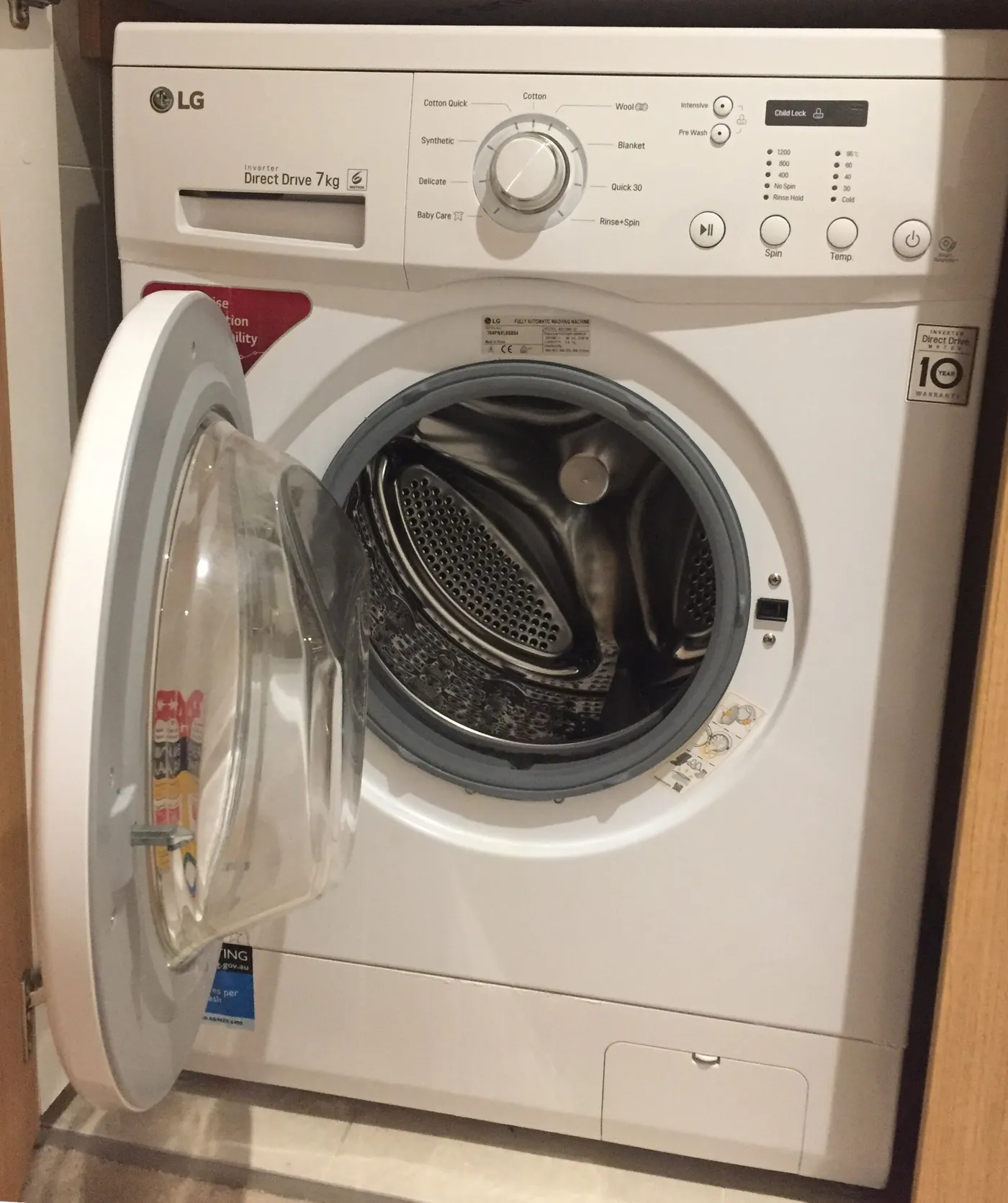
When you shop for a washer, the first fork in the road is a door on the front or a lid on the top. It looks like a styling choice, but it is a mechanical one. The way the drum is mounted decides how clothes move, how much water the machine needs, how fast it spins and even whether you can stack a dryer on top.
Each layout has fans who will defend it for life. The truth is that both work well, and the better pick depends on your space, your laundry habits and how much attention you will give to upkeep.
How a front-load washer cleans
A front-load washer has a drum that spins on a horizontal axis. As it turns, paddles inside lift the clothes and drop them back into a shallow pool of water, so the wash action is a repeated tumble. Gravity does part of the work, and the clothes are not forced to sit submerged.
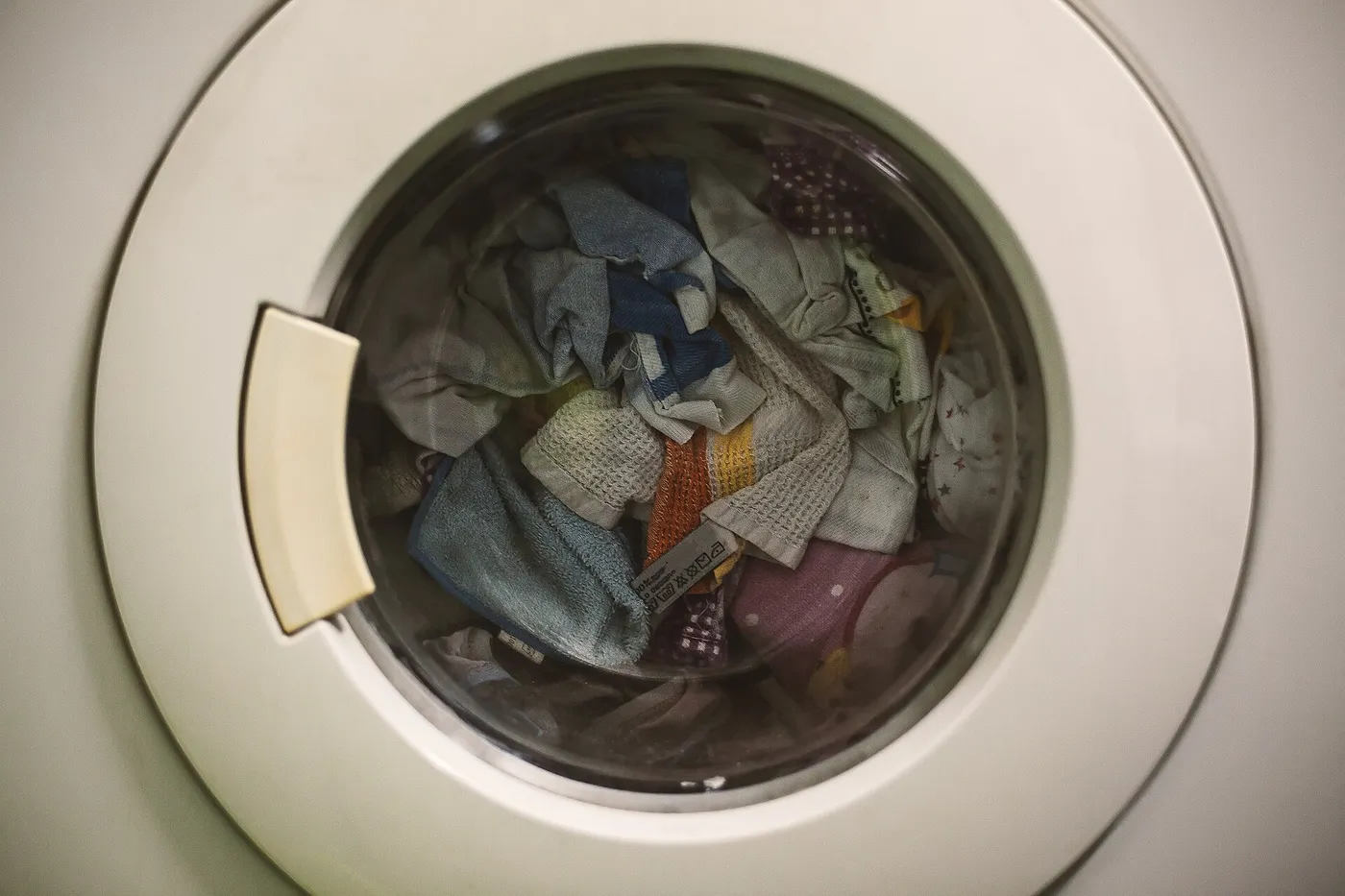
Because the drum is only partly filled, the machine needs less water to wet and move the load. It also spins the drum faster at the end of the cycle, which extracts more water from the clothes by centrifugal force. That leaves them drier going into the dryer.
How a top-load washer cleans
A top-load washer has a drum that spins on a vertical axis, and you load it from above. There are two main designs. An agitator model has a central post that twists, pushing and pulling clothes through the water. An impeller model uses a low disc or cone at the bottom that moves the water and clothes, without a tall center post.
Traditional agitator washers fill the tub with water so the clothes float and are rubbed against each other. High-efficiency top-loaders use less water and rely on the impeller's motion, though they generally use more water than a front-loader. Agitators are quick and strong on heavily soiled loads, and impellers are gentler on fabrics and give more usable space.
At a glance
| Factor | Front-load | Top-load |
|---|---|---|
| Water use | Generally lower | Higher in most designs |
| Energy use | Generally lower, including less dryer time | Varies by design |
| Spin speed | Typically higher, drier clothes | Typically lower |
| Cycle length | Often longer | Often shorter |
| Fabric wear | Gentle tumbling | Agitators can be harsher |
| Loading | Bending down, door on the front | Standing, loading from above |
| Adding items mid-cycle | Possible only on some models | Easy, just lift the lid |
| Stacking with a dryer | Yes, with a kit | No |
| Mold risk | Gasket and door need care | Lower, but tub needs cleaning |
The table shows general tendencies. Exact water and energy use vary by model, so check the labeled ratings on the product you are considering.
Water and energy in practice
A front-loader uses a small amount of water and a faster spin, which means two savings. The water bill falls, and the dryer has less water to evaporate, so dryer time and energy fall too. Over years of use, the second saving can matter as much as the first, because a dryer is one of the largest energy users in a home.
A top-loader is not necessarily wasteful. High-efficiency models use less water than old agitator designs, and the machine's own efficiency rating is a better guide than the category. If utility cost is a major factor, compare the manufacturer's stated water and energy use for the exact models you like, and look for a recognized efficiency certification.
Fabric care and cleaning performance
Tumbling is easier on clothes than a central agitator that twists them, and many people find that sweaters, delicates and fitted items last longer in a front-loader. Fewer snags and less stretching are the typical benefits. An impeller top-loader is also gentle.
On very dirty work clothes or heavily soiled loads, a strong agitator washer holds up well, with its vigorous rubbing action. For ordinary household laundry, both designs produce good results, and the detergent, temperature and cycle choice matter as much as the drum.
Speed and cycle length
Top-loaders usually finish a normal cycle faster, because the machine can wash vigorously in a full tub of water. Front-loaders often run longer on their normal cycles, since they rely on a gentle tumble in less water and take extra time to fill, soak and spin.
If you do many loads in a day, that difference adds up. Many front-loaders include a quick wash setting, and a high spin speed shortens the drying step, which can narrow the gap over the full laundry process.
Loading, reaching and accessibility
A top-loader lets you stand upright and drop clothes in. For tall users, people with sore knees and anyone who dislikes bending, that is a real comfort. A front-loader needs you to bend or crouch, though a stand or pedestal lifts it to a comfortable height.
Front-loaders have an advantage for people who use a wheelchair, because the door is easy to reach from a seated position on a raised or counter-height installation. Think about your own body and your laundry space. The best washer is the one you will not dread using.
Space, stacking and compact homes
Front-load washers can sit under a counter or be stacked with a dryer on top, which saves floor space. Top-load washers need clearance above for the lid and cannot sit under a counter. In an apartment or a closet laundry, that is often the deciding factor.
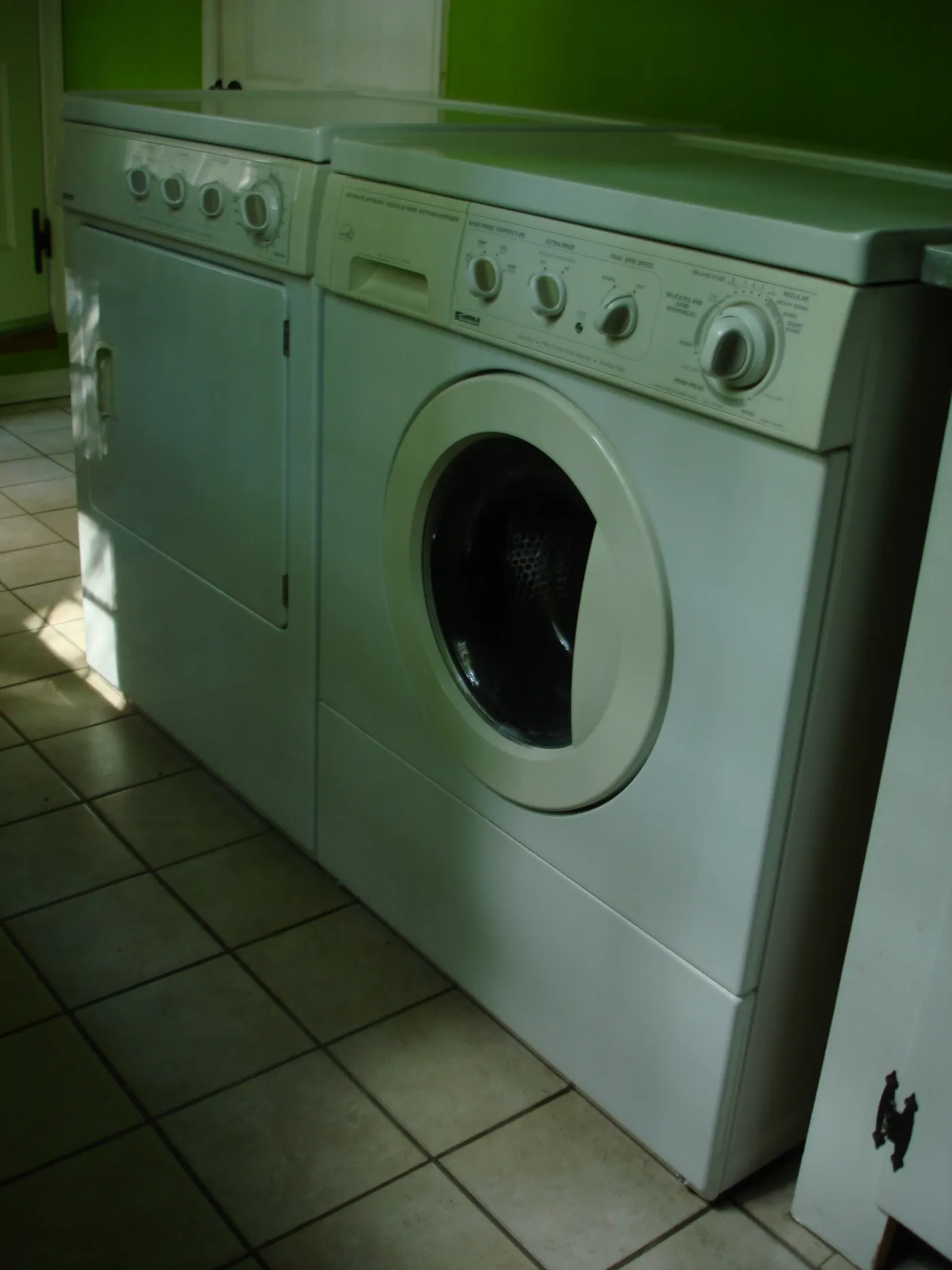
A narrower option is the 24 inch compact class, designed for small homes. Many of those are front-loaders. The best 24 inch compact washers guide covers that segment. If you are short on room for two machines, a combined unit is another route, as covered in the 24 inch washer dryer combos guide.
Gasket, door and mold care
A front-loader's rubber door gasket is a place where water and lint collect. If the door is closed tightly after a wash, the damp interior can develop a musty smell and mold. This is the best-known downside of the design, and it is manageable with simple habits. The biofilm involved is the same kind that forms in a damp water tank, described in our guide to humidifier maintenance.
- Wipe the gasket and glass after the last load of the day.
- Leave the door slightly ajar so air can circulate.
- Use the correct amount of detergent, because too much leaves residue that feeds odor.
- Run a cleaning cycle on the interval the manual recommends.
- Clean the detergent drawer and the drain filter regularly.
Top-loaders are less prone to the gasket problem, but they are not immune. Residue and moisture can build under the tub rim, so run a cleaning cycle and leave the lid open between loads.
Maintenance and repair
Front-loaders have a door seal, a locking latch, bearings and a suspension that supports a heavy spinning drum. Worn bearings can produce a loud rumble. Top-loaders have a simpler structure on average, and many repairs are straightforward, though modern models are also complex.
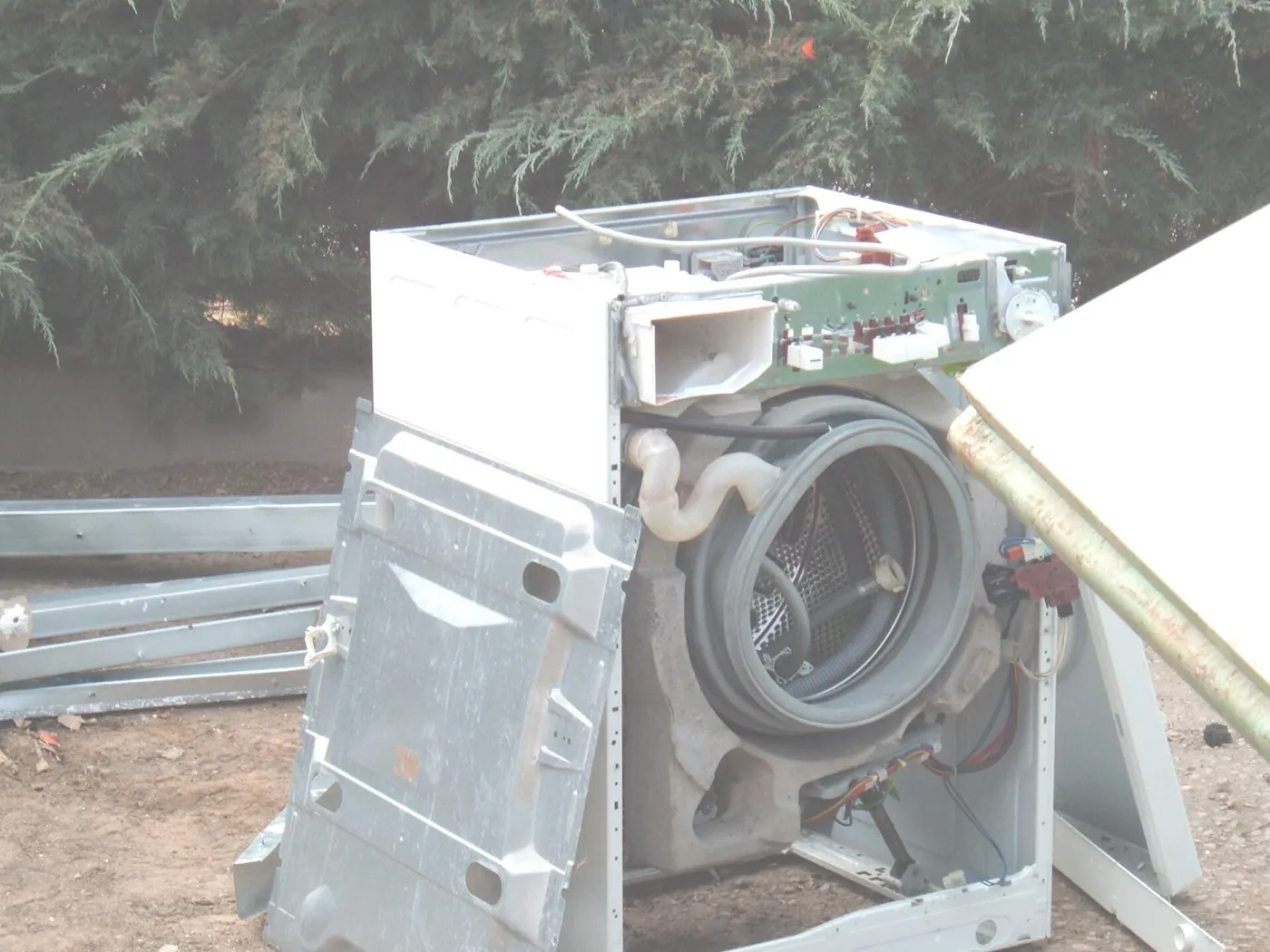
Level the washer carefully during installation, and do not overload it. An unbalanced load at high spin speed is the main cause of vibration and wear, and it is easy to avoid with proper loading.
What about washer dryer combos
A combo unit washes and dries in one drum, nearly always in a front-load layout. It saves space, and it works well for small households, but cycles are long and capacity for drying is smaller than for washing. If you have room for two machines, separate units are faster and more flexible.
For a one-machine home, the best all-in-one washer dryer combos guide compares options, and the trade-offs are worth reading before you choose.
How to choose
| Your situation | Better fit |
|---|---|
| Limited floor space or stacking wanted | Front-load |
| Lowest water and dryer energy | Front-load |
| Quick cycles and heavy work clothes | Top-load with agitator |
| Bad back or knees, no pedestal | Top-load |
| Delicate fabrics and gentle wear | Front-load or impeller top-load |
| Forgetful about airing out the door | Top-load |
| Want to add forgotten socks mid-cycle | Top-load, or a front-load with a pause feature |
Capacity and what fits
Capacity is quoted in cubic feet of drum volume, and it is a measurement of the drum and not a promise about laundry weight. Front-loaders and top-load impeller models often give a large capacity for their footprint, because there is no central agitator taking up space. A traditional agitator model has less usable room, since the post occupies the middle of the tub.
Compact washers are narrower than full-size ones, and the compact class is built for apartments and closets. When you compare, check the physical dimensions, including the door swing for a front-loader and the lid clearance for a top-loader. A machine that does not fit through your doorway or under your shelf cannot be returned to the closet you hoped for.
| Measurement | Why it matters |
|---|---|
| Width and depth | Fits the alcove or closet, with room for hoses and vents |
| Height with lid or door open | Top-load needs overhead clearance, front-load needs door swing space |
| Doorway width | The machine must get into the room |
| Drum volume | Guides how many towels or bulky items fit |
Vibration and installation
A washer spins at high speed, and a heavy wet load that is unevenly distributed makes the drum shake. Front-loaders spin faster, so they are more sensitive to an unlevel floor. On a wooden upper floor, vibration can be noticeable, and an anti-vibration pad or a reinforced platform may help.
Level the machine with its adjustable feet, and tighten the locking nuts. Remove the transit bolts that hold the drum during shipping, because leaving them in damages the machine and makes a loud noise. A little care at installation prevents most of the problems people blame on the washer itself.
Detergent and residue
Low-water washers need the right detergent in the right amount. Many front-loaders and high-efficiency top-loaders are designed for high-efficiency detergent, which produces less foam. Too much foam cushions the clothes and prevents proper rinsing, leaving residue that can smell and irritate skin.
Use the amount the detergent label suggests for a high-efficiency machine, and less for a small load. If clothes feel stiff or smell sour, or if suds linger in the rinse, you are probably using too much. This habit also reduces gasket and tub buildup, which is the root of most odor problems.
Small spaces and laundry closets
In a closet or a hallway alcove, a front-load pair stacked in a column is a common layout, because it leaves floor space for a person to stand and load. Check that the dryer you choose can stack with your washer and that a stacking kit is available. A top-loader needs lid clearance and is usually placed where a shelf is not directly above it.
If you want a single machine, a ventless combination washer dryer saves the most space, but the long drying cycle and small dry capacity are trade-offs. For help comparing compact options, see the 24 inch compact washers guide and decide whether you want to stack, combine or keep two separate machines.
Temperature options and special cycles
Both types offer a range of temperatures and special cycles, such as heavy duty, delicates, bulky bedding and a sanitize setting. Front-loaders often include an internal heater, which lets them reach a controlled wash temperature regardless of the incoming water. Top-loaders usually rely on the home's hot water supply, which can limit the temperature on a cold-fill setting.
If you wash bedding, towels or items for someone with allergies, check the temperature options and the cycle length. A heater improves control, and a longer cycle at higher temperature uses more energy. Use the hot setting where it matters and cold where it does not, since cold water saves energy and is gentler on most clothes.
Loading habits that protect clothes and machine
How you load matters as much as which machine you own. Overfilling a front-loader leaves no room for the tumbling action, so clothes stay in one clump and come out poorly rinsed. A good rule is to leave about a hand's width of space above the clothes. In a top-loader, packing the tub tightly around an agitator can twist items and wear fabric.
Mix large and small items so the load stays balanced, and avoid washing a single heavy item, such as one wet blanket, alone, since that triggers an unbalanced spin and a noisy shake. Wash heavy items with a few lighter ones to spread the weight. Check pockets for tissues, coins and tools, which damage drums and clog drain filters.
- Close zippers and fasten hooks so they do not snag other clothes.
- Use mesh bags for small delicates and bras.
- Check the drain filter on a front-loader regularly for coins and lint.
- Do not exceed the manufacturer's load guidance for bulky items.
Noise during the spin cycle
The loudest part of any wash is the final spin. A front-loader spinning at high speed on a firm, level floor is usually quiet, while the same machine on a bouncy wooden floor can rumble through the house. Top-loaders spin slower, so they are often less noisy but leave clothes wetter. Check the stated noise level and spin speed, and think about where the machine will sit relative to bedrooms before you choose.
Cost of ownership over time
Purchase price is only part of the cost. Over many years, the water and dryer energy savings of a front-loader can offset a higher initial price, while a simple top-loader may cost less to buy and repair. The gasket, drain filter and detergent drawer on a front-loader are small, ongoing maintenance items.
Compare the stated water and energy figures on the efficiency labels for the exact models, estimate how many loads you wash each week, and weigh your local utility costs. A household that washes daily gains more from efficiency than a household that washes once a week.
Frequently Asked Questions
Are front-load washers better than top-load?
They generally use less water and energy and spin faster, but cycles are longer and the gasket needs care. Top-loaders are faster and easier to load. The better choice depends on space, habits and budget.
Do front-load washers get moldy?
They can, because the door gasket traps moisture. Wiping it dry, leaving the door ajar and running regular cleaning cycles prevents most problems.
Do top-load washers use more water?
Many do, although high-efficiency designs use less than old agitator models. Check the stated water use for the exact model.
Can I stack a washer and dryer?
You can stack a front-loader with a dryer using a manufacturer's kit. A top-loader cannot be stacked, because the lid opens upward.
Which is easier on clothes?
The tumbling action of a front-loader and the gentle motion of an impeller top-loader are easier on fabrics than a traditional agitator.
Which lasts longer?
Lifespan depends on the model, load habits and maintenance more than the layout. Keep the washer level, avoid overloading and clean it on schedule.
Do front-load washers need special detergent?
Most front-loaders and high-efficiency top-loaders are designed for low-sudsing high-efficiency detergent. Regular detergent can create too much foam, which hinders rinsing and leaves residue. Check the symbol on the detergent and your machine's manual, and use the recommended amount.
Bottom line
Choose a front-load washer if you want lower water and dryer energy, gentler fabric care and the option to stack, and you are willing to wipe the gasket and accept longer cycles. Choose a top-load washer if you want speed, easy loading and fewer odor worries. For small homes, the stackable or compact class is usually the front-load route, so start with the compact washer guides and match the machine to your space.