
The short answer
Most homeowners are better served by electric. It starts with a button, it weighs a fraction of a gas machine, and it asks almost nothing of you between uses. Gas wins in a narrower set of situations: big properties, jobs far from an outlet, and users who clean for hours at a stretch.
This article is only about the power source. How PSI and GPM translate into cleaning ability is covered in our PSI versus GPM explainer, so we will not repeat it here. The question is what you live with once you pick one or the other: noise, weight, upkeep, fuel and what the machine can sustain.
How each type works
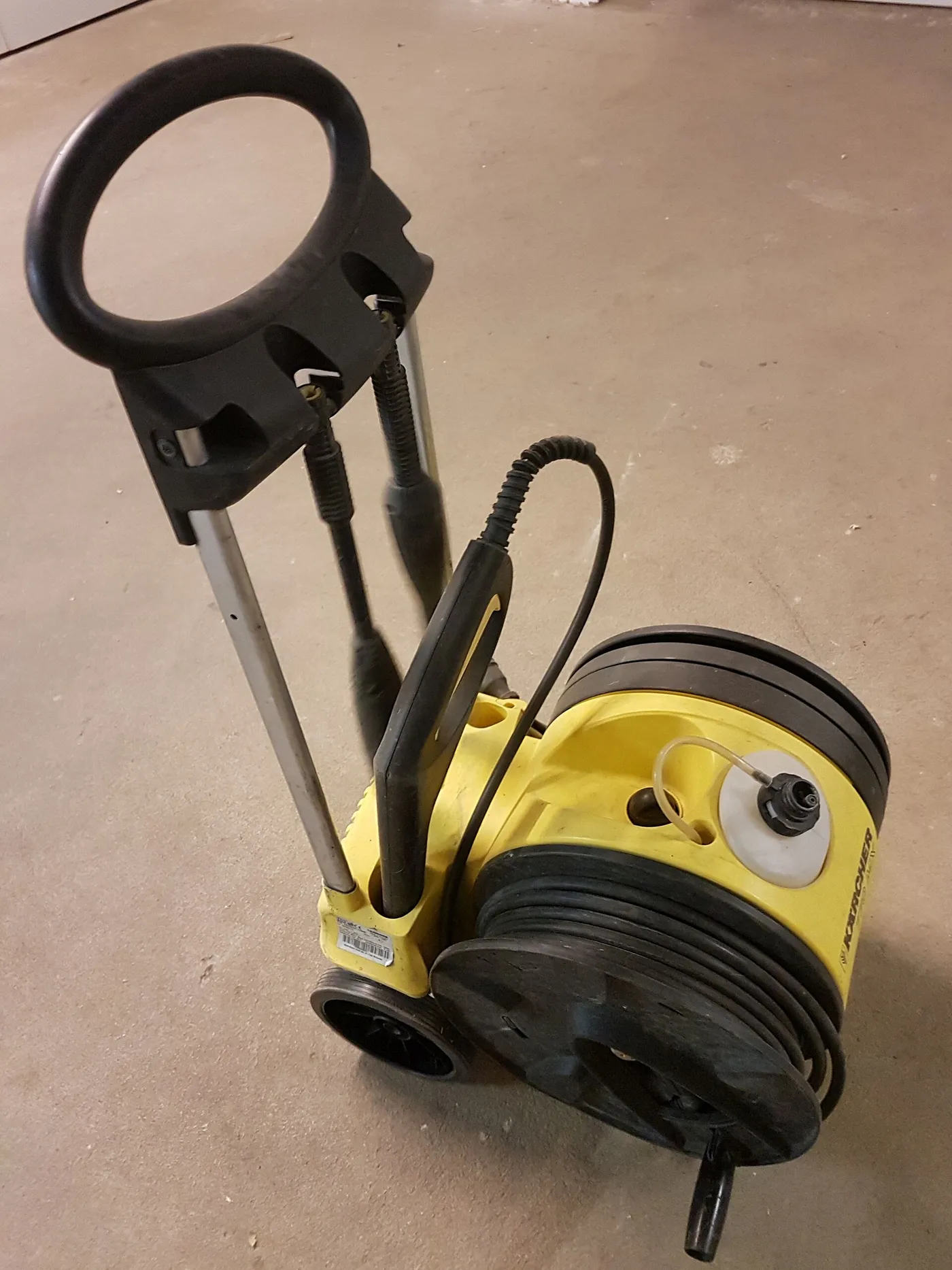
An electric pressure washer uses an electric motor to drive a pump. Plug it into a standard outlet, supply water, and it runs. The motor is quiet compared with an engine, has few moving parts, and produces no exhaust at the point of use.
A gas pressure washer uses a small gas engine driving the same kind of pump. The engine brings its own power, so cord length and outlet access vanish as limits. It also brings an engine's needs: fuel, oil, a spark plug, an air filter and a carburetor that dislikes stale fuel.
The pump is often the same design in both, which is worth knowing. Your choice does not change what the water does at the nozzle. It changes how much power sits behind the pump, how long it can sustain it, and what you have to do to keep it alive.
Noise and neighbors
Noise is the difference you notice immediately. A gas engine under load is loud enough that hearing protection is a sensible habit, and it travels across a fence line. An electric machine is not silent, since the pump itself is noisy, but it is clearly more tolerable for a household or a close-set street.
If you wash early on a Saturday morning in a built-up area, that matters more than you might expect. Some communities restrict the hours when engine-driven equipment can run, so check local rules before you assume a gas machine is always an option.
Mobility and reach
Electric means a cord, and a cord means limits. You are tied to an outlet, and an extension cord adds both a trip hazard and a source of voltage drop if it is thin or long. Use an extension cord rated for outdoor use and heavy enough for the motor's current draw, and keep connections off wet ground.
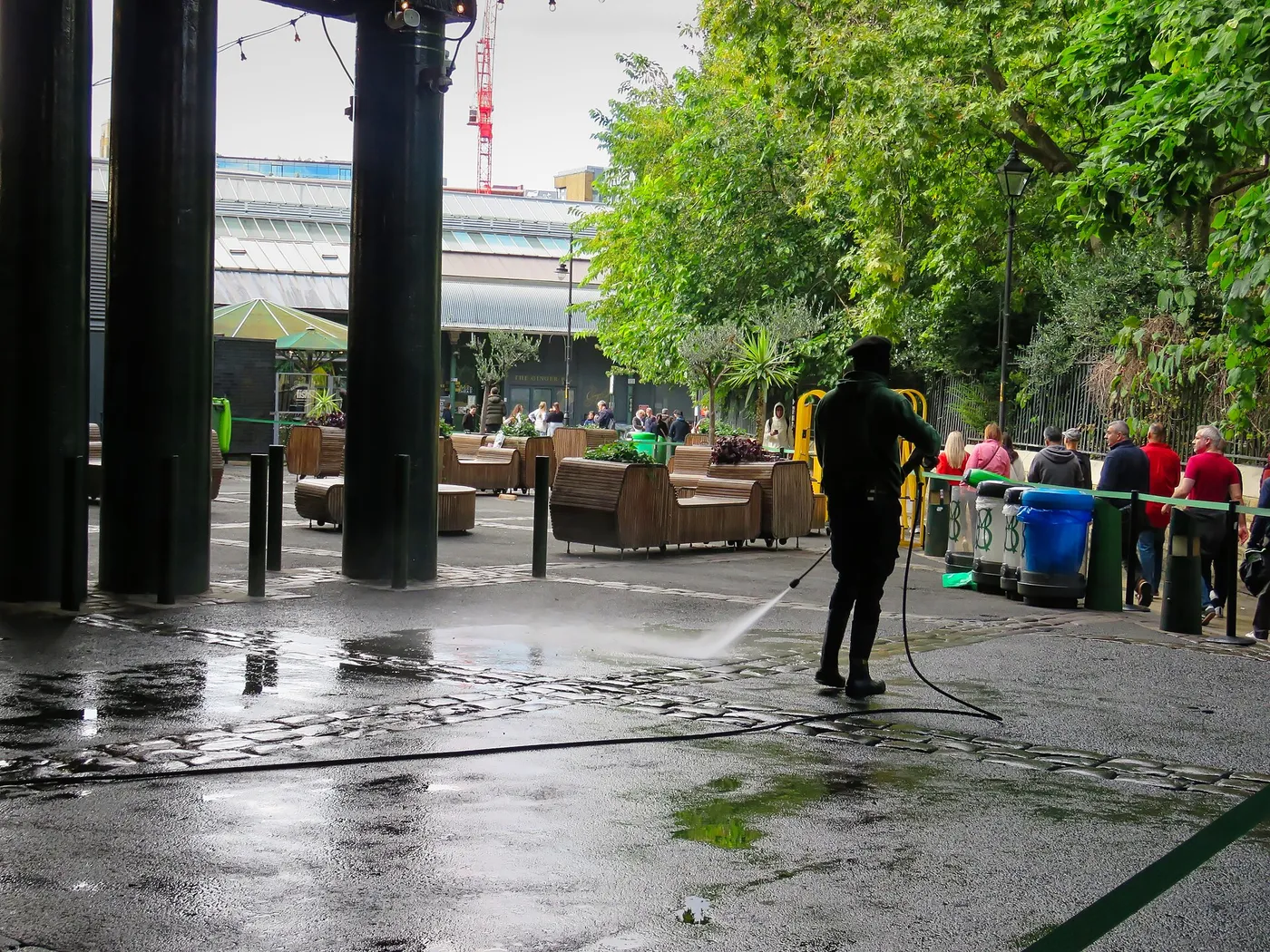
Gas has no cord, so you can park the machine beside the job and work around a large lot, a workshop yard or a rural property. It is, however, much heavier. Wheeled frames with large tires help, but loading a gas washer into a car or carrying it up steps is a real effort, whereas most electric units can be lifted with one hand.
Think about where you will use it. If every job sits within a short run of an outdoor socket, the cord barely matters. If you wash fences at the far end of a long garden, the cord and the water hose both become limits, and that is where gas starts to look attractive.
Power and duty cycle
Gas machines tend to offer higher output ratings, which suits large concrete areas and tough grime. They also tend to sustain that output for long sessions. A well-built engine can run for hours with only fuel stops.
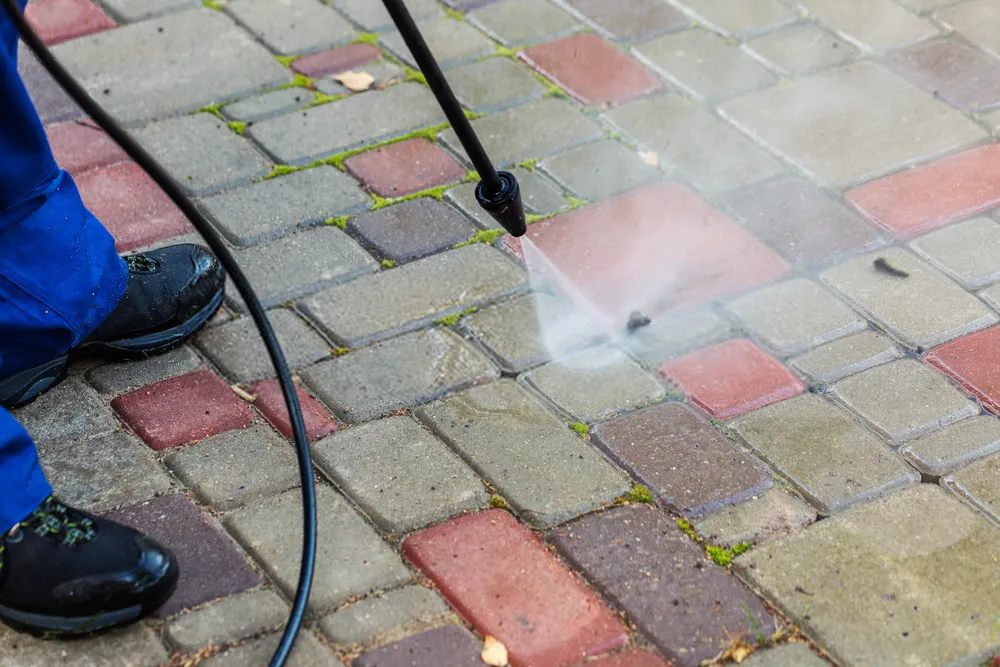
Electric machines are limited by the household circuit. A standard home outlet can only supply so much current before a breaker trips, and that caps the motor size and therefore the output. Higher-output electric washers exist, but they often need a dedicated circuit and heavier cabling.
Duty cycle is the quieter point. Light electric machines are designed for intermittent use, and long continuous runs can heat the motor. Check how the manufacturer describes sustained operation. If your plan is a full afternoon of washing, a machine built for continuous work gives fewer surprises.
Side-by-side comparison
| Factor | Electric | Gas |
|---|---|---|
| Noise | Moderate, mostly pump noise | Loud, engine plus pump |
| Weight and handling | Light, easy to carry and store | Heavy, usually wheeled |
| Where it works | Near an outlet, within cord reach | Anywhere you can bring water |
| Starting | Trigger or switch | Pull cord, choke, sometimes electric start |
| Maintenance | Minimal: inlet filter, nozzle, pump care | Oil, fuel, plug, air filter, carburetor care |
| Sustained output | Limited by circuit and motor | Higher ceiling, long run times |
| Exhaust | None at the machine | Carbon monoxide, outdoor use only |
| Cold storage | Drain pump, protect from freezing | Same, plus fuel management |
Maintenance reality
Here the two types part ways most sharply. An electric washer needs little: keep the inlet screen clean, inspect the hose and nozzle, and drain it before cold weather. There is no oil to change and no fuel to go stale.
A gas washer behaves like any small engine. Oil needs checking before use and changing on the schedule in the manual. The spark plug and air filter wear. Gas that sits in the tank for months can varnish a carburetor, which is the most common reason a gas machine will not start in spring.
- Run the engine dry or add fuel stabiliser before storage, following the manual.
- Use fresh fuel of the grade the manufacturer specifies.
- Replace the air filter if it is dirty, because a restricted filter makes the engine run rich and rough.
Pump care is similar in both. Never run the pump without water, and keep it from freezing. For the full storage routine, see our guide to winterizing a pressure washer.
Safety differences
Both types share the high-pressure hazard: water jets can cut skin and inject material beneath it. Keep the wand away from people and animals, and never hold your hand over the nozzle.
Electric adds an electrical hazard where water is everywhere. Use a ground-fault circuit interrupter on the outlet or cord, keep plug connections off the ground and out of puddles, and do not use damaged cords. Follow the manual on extension cord gauge and length.
Gas adds carbon monoxide and fire. Run the machine outdoors only, well away from windows, doors, vents and garages, even with the door open. Let the engine cool before refuelling and never refuel a hot or running engine. Do not store a gas machine with fuel in a living space.
Who should buy electric
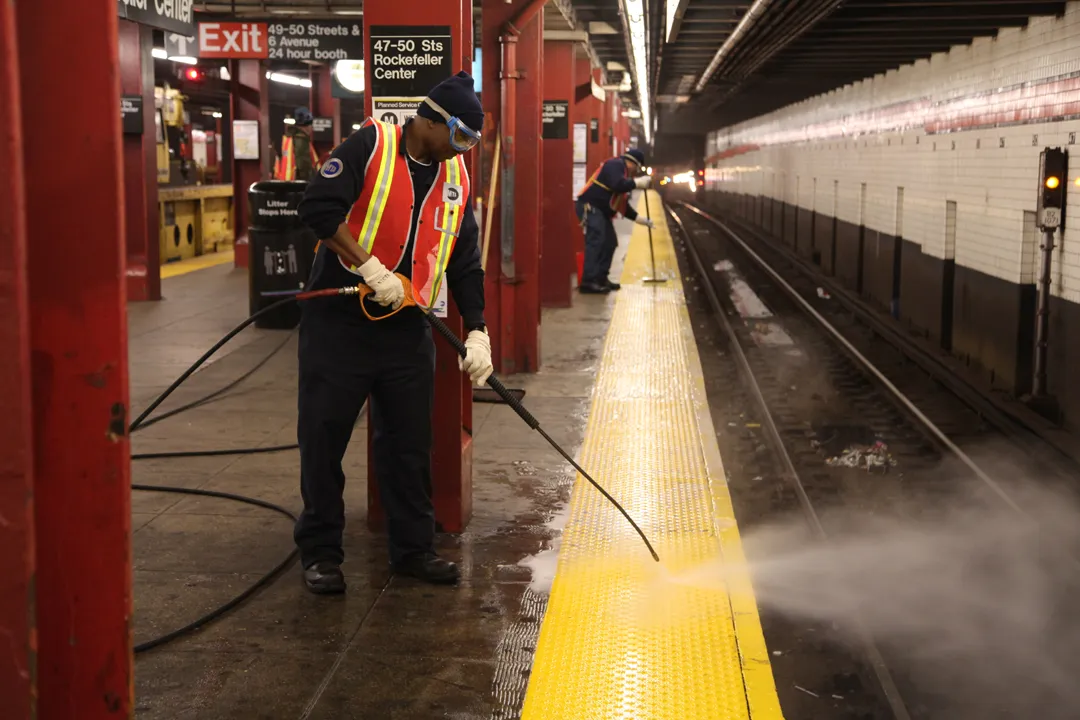
Electric suits owners of small to medium homes who clean a car, a deck, a patio, some garden furniture and a few feet of fence. It also suits anyone who dislikes tinkering, has limited storage space, or lives somewhere noise is a concern. Light electric models are easy to manage even for people who do not enjoy lifting equipment.
If that sounds like you, the lower-power machines in our Sun Joe pressure washer roundup show what this class looks like, and it helps to compare their stated flow with the examples in our PSI versus GPM explainer.
Who should buy gas
Gas suits owners of larger properties, anyone cleaning long driveways or big paved areas, small contractors, and people whose work is far from an outlet. If you want a machine that sustains high output for hours, a gas model is built for that rhythm.
Be honest about whether you will maintain it. A gas machine that sits for a season with old fuel will cost you a carburetor clean or worse, while a reliable electric one would simply have worked. Our overview of gas pressure washers shows the range of output and engine sizes available.
If your jobs are mostly big flat surfaces, pair either type with a surface cleaner. It makes better use of the water volume you have, and our explanation of the attachment covers when it is worth adding.
Long-term ownership and what fails first
Over several seasons, the parts that fail differ by type. On an electric machine the usual casualties are the pump seals, the trigger gun, the high-pressure hose and the power cord. Most of those are wear items that arrive from running the pump dry, letting it freeze, or coiling the hose too tightly. A motor itself tends to outlast the rest of the machine if it is never overheated.
On a gas machine the engine adds a second list of failures: a gummed carburetor from old fuel, a fouled spark plug, a clogged air filter, a pull-cord that frays, and a throttle linkage that sticks. The pump behind the engine fails in the same ways as the electric pump, so a gas machine inherits every electric risk and adds engine care on top.
That is not an argument against gas. It is an argument for being honest about your habits. A gas washer used every few weeks and run until the carburetor is clear before storage can be a long-lived tool. One used twice a year and left with fuel in the tank often becomes a spring repair bill.
Resale and repair are worth a thought too. Small engines are widely serviced and parts are easy to find, so a gas machine is usually repairable by any local small-engine shop. Electric units tend to be treated as sealed appliances, and when the pump fails, many owners find replacing the whole machine more practical than repairing it.
Storage and space
Electric washers store in a closet or on a garage shelf, and many have wand and hose holders built into the frame. Gas washers need floor space and a dry corner, and they should not be stored in a way that lets fuel vapour collect in a closed space. Keep the machine upright, because tipping a gas engine can flood the cylinder with oil or fuel.
In winter, both types need the pump protected from freezing water, which can crack the pump housing. The procedure is the same for each at heart, and it is described step by step in our article on winterizing a pressure washer. Gas machines add a fuel step, which is why they take longer to put away.
If you rent or have limited space, the weight and bulk of a gas machine can decide the question by themselves. Lift a unit in a store before you buy, if you can, and imagine carrying it to where you will store it.
Running cost and consumables
Electric machines draw modest power during a typical short job, and they need almost nothing else apart from the occasional replacement nozzle or seal. Gas machines burn fuel, use engine oil, and wear through spark plugs and filters. None of these items are expensive on their own, but they add up to a steady stream of small tasks.
There is also a time cost. Gas needs fuel on hand, a cool-down period before refuelling, and a pre-use check of oil level. Electric asks you to unroll a cord, connect the hose and start. For short, frequent jobs the difference in friction is large, and it often determines whether the machine gets used at all.
A machine that you reach for easily gets used more, which means more value from the same purchase. That is a good argument for electric in households where convenience is the deciding factor.
The middle ground and edge cases
Some buyers fall between the two. A cordless battery pressure washer exists for light jobs, but runtime and output are modest, so treat it as a car and bike washer rather than a driveway machine. Higher-output electric washers close part of the gap with gas, yet they may need a circuit most garages do not have by default.
If you only need the power twice a year for a deep clean, renting a gas machine for the big job and owning a light electric for regular tasks is a legitimate strategy. It spares you the storage and maintenance burden without limiting what you can tackle.
Also consider who else might use the machine. A heavy, pull-start engine is a poor fit for someone with limited strength or shoulder problems, whereas a light electric unit can be used safely by most adults following the manual.
Common buying errors
Buyers often choose gas because it sounds more serious, then discover that their actual jobs are a car, a few chairs and a small patio. The extra weight, noise and upkeep buy them nothing. Matching the tool to the typical job, not the rare big one, avoids this regret.
The reverse error also happens. Someone with a long concrete driveway and a big yard buys a light electric machine for its convenience, then spends an entire weekend on a task a stronger machine would finish in an afternoon. If your regular work is large, look closely at sustained output and duty cycle before you commit.
A third mistake is forgetting the cord. Counting the distance from the outlet to the far edge of the work, plus the hose run, shows quickly whether electric is practical. Measure it before you buy, not after.
A five-question decision checklist
- Is an outdoor outlet within reach of most of the work? If yes, electric is workable.
- Do you need to clean several hours at a stretch? If yes, lean gas.
- Is noise or the neighbors a real concern? If yes, lean electric.
- Will you reliably handle fuel, oil and storage care? If not, choose electric.
- Do you have somewhere dry and frost-free to store it? If not, either type needs a plan before you buy.
Two or more answers on one side usually settle the question. Browse the broader range in our pressure washer overview once you know which side you are on.
Frequently Asked Questions
Is a gas pressure washer more powerful than an electric one?
Generally yes at the top end, because engines can drive larger pumps than a household circuit allows. In the mid-range the gap is small, and a well-specified electric machine can match a modest gas model for everyday jobs.
Can I use an extension cord with an electric pressure washer?
Often yes, but only an outdoor-rated cord of adequate gauge and short length, as the manual specifies. A thin or overlong cord causes voltage drop that strains the motor and can create a safety hazard.
Which lasts longer, gas or electric?
Lifespan depends more on pump quality and care than on the power source. Gas engines can last long if maintained, but neglect shortens them fast. Electric machines have fewer parts to fail, which helps if you are not a regular maintainer.
Can I run a gas pressure washer in a garage?
No. Exhaust contains carbon monoxide, which is odourless and dangerous. Run gas machines outdoors in open air, well away from openings into the building.
Do electric pressure washers work with hot water?
Most consumer machines are designed for cold water supply only, and hot water can damage seals. Check the manual for the permitted inlet temperature before connecting any hot feed.
Which is cheaper to run?
Electricity usage for a short job is small, and electric has no fuel, oil or tune-up costs. Gas adds ongoing consumables, so the running cost of electric is usually lower for light use.
Bottom line
For most households, electric is the sensible default: quieter, lighter, easier to store and almost maintenance free. Move to gas only when you genuinely need freedom from an outlet or sustained output over a large area, and accept the engine care that comes with it.
Choose on how you will really use the machine, not on the biggest figure on the box. Pair it with the right nozzles and attachments, store it correctly before winter, and it will serve for years either way.