
Amazon affiliate links - we earn a commission.Affiliate disclosure

Buying guide · 12 min read · Updated 2026-11-09

Best Corded Drills Under $75 (2026)

Four corded 1/2 inch drills at or under $75 compared on amp rating, chuck type, hammer mode and cord reality, so you buy power instead of packaging.

James MillerBy James MillerLead Machine Editor4 machines comparedSpec-sheet verified
Best Corded Drills Under $75

At a glance

Our top picks

Side by side

Spec comparison

MachineMotorChuckUseModes
BLACK+DECKER DR560 7 Amp 1/2 Inch Corded Drill/DriverBest OverallBLACK+DECKER DR560 7 Amp 1/2 Inch Corded Drill/Driver7 amp corded1/2 inchDrilling and driving large fastenersn/a
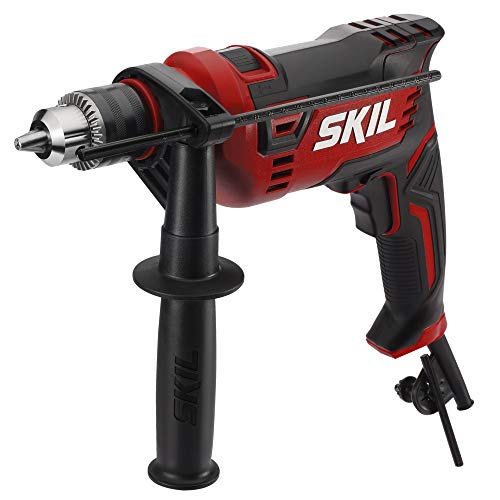
SKIL HD182001 7.5 Amp 1/2 Inch Corded Hammer DrillBest Hammer ModeSKIL HD182001 7.5 Amp 1/2 Inch Corded Hammer Drill7.5 amp corded1/2 inch keyedDemanding drilling and masonryDrill and hammer drill
Hammerhead HAHD075 7.5 Amp 1/2 Inch Keyless Hammer DrillBest Keyless Hammer DrillHammerhead HAHD075 7.5 Amp 1/2 Inch Keyless Hammer Drill7.5 amp corded1/2 inch keyless, metaln/aDrill and hammer drill
CRAFTSMAN CMED741R 7 Amp 1/2 Inch Corded Hammer Drill (Renewed)Best Used-Condition ValueCRAFTSMAN CMED741R 7 Amp 1/2 Inch Corded Hammer Drill (Renewed)7 amp corded1/2 inch keyedn/an/a

A corded drill trades the freedom of a battery for steady, unlimited power, which is why it still wins for long sessions of heavy bits and masonry anchors. The number printed on the box is amps, and that figure says less than buyers expect about how a drill behaves when the bit bites.

This guide explains what a very modest budget buys in a corded drill, which features separate a useful tool from a flimsy one, and where cheap units quietly cut corners. The picks are listed above, with the reviews below. Listing prices move, and the cap reflects prices when this guide was updated.

Before you buy

6 Criteria to Look For Before Buying a Corded Drill Under $75

  1. 01

    Amp rating in context

    Amps measure how much current the motor can draw, and a larger number means a stronger motor in similar designs. At this price tier the range is narrow: the DR560 and CMED741R are rated at 7 amps, and the SKIL HD182001 and Hammerhead HAHD075 at 7.5. That 0.5 amp gap is real but small, so do not decide on it alone. Gearbox quality and bit sharpness change results more than half an amp does. Another trap is mistaking drill speed for torque: a corded drill at 3,000 RPM spins small bits quickly, but large bits need low speed and high torque, which is why a two-speed gearbox or a firm trigger finger matters.

  2. 02

    Keyed or keyless chuck

    A keyed chuck tightens with a wrench-style key that gives leverage, so it grips large bits under heavy load without slipping. A keyless chuck tightens by hand and is faster to use. The SKIL and CRAFTSMAN use keyed chucks, while the Hammerhead is keyless. Many buyers choose keyless for convenience and then meet a slipping bit during a heavy hole in steel. A second pitfall is overheating: running a hammer drill continuously in masonry for more than a few minutes without pauses can soften the grease and shorten the gearbox life, so let the tool idle in the air to cool between holes.

  3. 03

    Do you need hammer mode

    A hammer drill adds a tapping action that helps carbide bits fracture brick and block. It does nothing useful in wood or steel, and engaging it there wears the cams. The DR560 lacks the mode, while the other three have it. If you drill masonry fewer than a dozen times a year, a hammer mode is a sensible insurance policy. Chuck runout, the wobble you see at the bit tip, is worth checking in the shop: a bit that spins in a visible circle drills oversized holes and breaks small bits, and cheap chucks show more of it.

  4. 04

    Cord length and gauge

    A corded drill is only as free as its cord and the extension you use with it. A thin or very long extension drops voltage, which starves the motor and makes it run hot. Use a 16 gauge cord for runs up to 50 feet. Many buyers blame the drill for weakness that actually comes from a cheap extension cord. Buyers also forget storage: a drill stored with a coiled cord kinked tightly near the handle will fail at that bend within a few years.

  5. 05

    Body size and weight

    The DR560's streamlined body is made for tight spaces, while the SKIL and Hammerhead are heavier because of the hammer mechanism. Weight matters at overhead height, where an extra pound tires your arms quickly. Pick the smallest tool that does your most common job. Remember that the heavier body of the hammer models adds roughly the weight of a can of soup, which you will feel on the fifteenth overhead hole but not on the first.

  6. 06

    New, renewed and warranty

    A renewed tool like the CMED741R is inspected and resold, often at a lower cost. It can be a bargain, but warranty terms and wear vary by seller. If you need the tool for a critical job, buy new. If budget is the main constraint, a renewed unit with a clear return policy is a reasonable gamble. Ask also whether the seller offers a return window of at least 30 days, which gives time to try the drill on real material.

Detailed reviews

The 4 best corded drills under $75, explained

01
BLACK+DECKER DR560 7 Amp 1/2 Inch Corded Drill/Driver
7 amp motor1/2 inch chuckCompact bodyWood, steel, plastic
Check price on Amazon
Best for: Households that drill wood, metal and plastic and want a simple tool with no battery to manage.

A 7 amp universal motor is the heart of this drill, and universal motors are the standard in budget corded tools because they spin fast, run on household current and are cheap to build. The listing states a 1/2 inch capacity in steel, which is a realistic limit for a drill at this power class and a useful figure because steel is the hardest common material a homeowner drills. The streamlined body is shorter than many older corded drills, which helps in cramped spots such as inside a cabinet or between rafters.

Compared with the SKIL HD182001 at 7.5 amps, this model gives up the hammer switch and a quarter amp of motor, and gains simplicity. If your work is drilling pilot holes, driving long deck screws and boring through metal brackets, you will not miss hammer action. If you plan masonry anchors, step up to a hammer model, because a plain drill clogs and overheats in brick.

Ownership is easy. Universal motors use carbon brushes, which wear slowly and can be replaced if the tool starts to spark or lose power. Wrap the cord loosely instead of tightly around the body, since sharp bends near the strain relief are where cords fail first. Store it dry, because the steel chuck and gear surfaces pick up rust in a damp garage, and check the chuck for wobble if you drop it. One small habit pays off: drill a pilot hole before driving a long screw into hardwood, because the 7 amp motor will stall where a bigger tool would bull through, and a stalled universal motor heats quickly.

What works

  • 7 amp motor drives large fasteners and drills 1/2 inch in steel
  • Compact body fits between rafters and inside cabinets
  • No battery platform, so nothing to replace or charge
  • Simple controls suit first-time owners

Watch out for

  • No hammer mode, so masonry work is slow and hot
  • Corded reach limits ladder and outdoor work
  • Universal motor brushes eventually wear out

Spec sheet

Motor
7 amp corded
Chuck
1/2 inch
Steel capacity
1/2 inch
Design
Compact, streamlined body
Use
Drilling and driving large fasteners
02
SKIL HD182001 7.5 Amp 1/2 Inch Corded Hammer Drill
7.5 amp motorDrill and hammer1/2 inch keyed chuckHigh torque
Check price on Amazon
Best for: People who drill both wood and the occasional brick or concrete anchor.

A hammer mode adds a ratcheting action behind the chuck, so the bit taps forward as it spins, and that tapping is what lets a carbide masonry bit chip through brick and block. This SKIL pairs a 7.5 amp motor with a mode switch, so one tool serves plain drilling and light masonry work. The keyed chuck is a point of difference: a chuck key tightens the jaws with leverage, which holds large bits more firmly than finger-tightening alone.

Against the DR560, the SKIL costs a bit more and weighs more, but the hammer switch makes it more versatile. Against the Hammerhead HAHD075, it has a keyed chuck instead of a keyless one, which holds bits tighter under heavy load but is slower to change. If you drill ten concrete anchors a year, this is the tool; if you drill mostly wood, the extra weight is a tax you do not need.

Ownership: a keyed chuck depends on that key, so tape it to the cord or keep it in a labeled spot. Leave the mode switch in drill mode for wood and metal, because the hammer cams wear when engaged for no reason. Use sharp carbide masonry bits and let the tool work, since leaning on a dull bit heats the bit and the gearbox without speeding up the hole. Between jobs, hang it by the handle or store it in a case, since the gearbox grease settles when the tool sits on its nose for months.

What works

  • Hammer mode switch adds masonry capability to a standard drill
  • 7.5 amp motor is the strongest in this roundup
  • Keyed chuck grips large bits firmly under load
  • One tool covers drilling and light masonry anchors

Watch out for

  • Keyed chuck is slower to change than a keyless design
  • Heavier body tires arms on overhead work
  • Hammer action is mild compared with an SDS rotary hammer

Spec sheet

Motor
7.5 amp corded
Modes
Drill and hammer drill
Chuck
1/2 inch keyed
Switch
Two-in-one mode selector
Use
Demanding drilling and masonry
03
Hammerhead HAHD075 7.5 Amp 1/2 Inch Keyless Hammer Drill
7.5 amp motorKeyless chuckVariable speed6 piece bit set
Check price on Amazon
Best for: Buyers who want hammer mode and fast bit changes in a drill that includes a starter bit set.

This drill uses the same cam-style hammer mechanism as the SKIL, but with a keyless metal chuck that tightens by hand. That choice trades the grip of a key for speed, and it suits users who change between a masonry bit and a twist bit several times in a session. The variable-speed trigger lets you start a hole slowly so the bit does not skate across the surface, which matters on tile and smooth steel.

The included six-piece bit set is a real value at this price tier, since many corded drills ship with nothing. Compared with the SKIL HD182001, which offers the same 7.5 amps and a keyed chuck, the Hammerhead gives up a little bit-holding force for convenience. Compared with the DR560, it adds a hammer mode and 0.5 amp of motor power.

Ownership: retighten a keyless chuck after the first minute of hammer drilling, because vibration can walk it loose. Replace the starter bits when they dull, since the supplied set is for light use. Keep the mode switch clean, and coil the cord loosely. Treat the bundled bits as a sampler: they cover small pilot holes, but a set of quality carbide masonry bits is the first upgrade worth making.

What works

  • Keyless metal chuck makes bit changes quick
  • Hammer mode adds masonry capability
  • Variable-speed trigger helps start holes cleanly
  • Six-piece bit set included in the package

Watch out for

  • Keyless chucks slip under heavy load more than keyed ones
  • Starter bits are light-duty and dull quickly
  • Corded design limits use away from outlets

Spec sheet

Motor
7.5 amp corded
Chuck
1/2 inch keyless, metal
Modes
Drill and hammer drill
Speed
Variable trigger
Included
6 piece bit set
04
CRAFTSMAN CMED741R 7 Amp 1/2 Inch Corded Hammer Drill (Renewed)
7 amp motorHammer drill3,100 RPM maxKeyed chuck
Check price on Amazon
Best for: Bargain buyers who accept refurbished condition for a recognized brand and a lock-on trigger.

The listing describes a top speed of 3,100 RPM and a lock-on trigger for sustained use, which suits long jobs such as drilling a row of holes in a deck frame. The keyed chuck holds bits firmly, and the 7 amp motor matches the DR560. A renewed listing means the unit has been inspected and refurbished by a seller, not bought new.

That condition is the main tradeoff. You get a recognized brand at a lower cost, but warranty terms and cosmetic wear vary, so read the seller's return policy before ordering. Compared with the SKIL HD182001, it offers less motor power but a similar chuck and hammer capability.

Ownership: inspect the cord, chuck and brushes when it arrives, and test the hammer switch and lock-on trigger on scrap. If anything feels gritty or loose, return it. A refurbished drill that checks out is a good way to stretch a tight budget. Ask the seller whether a cord, chuck key and manual are included, because missing pieces are the usual disappointment with refurbished tools.

What works

  • Recognized brand at a lower relative cost
  • Lock-on trigger suits long repeated holes
  • Keyed chuck holds large bits firmly
  • Hammer mode covers light masonry anchors

Watch out for

  • Renewed condition means variable warranty and wear
  • Lower motor power than the 7.5 amp SKIL and Hammerhead
  • Keyed chuck is slower to change than keyless

Spec sheet

Motor
7 amp corded
Max speed
3,100 RPM
Chuck
1/2 inch keyed
Trigger
Lock-on for prolonged use
Condition
Renewed

Spec sheet decoder

What the numbers on the box really mean

The specs manufacturers lead with, translated into what they tell you about real-world performance.

Amps

Amps are the current draw at full load, which sets the upper limit of motor power. In universal motors, a higher amp rating generally means more torque at the chuck.

Watch forThe 0.5 amp gap between the DR560 and SKIL is smaller than the effect of a dull bit.

Max RPM

Maximum RPM is the unloaded spin speed. It drops under load, and high speed suits small bits while large bits need lower speed.

Watch forThe CMED741R's 3,100 RPM is a no-load figure, not a working speed.

BPM (blows per minute)

BPM measures how many times the hammer cams tap each minute. Higher BPM gives a smoother cut in masonry.

Watch forA very large BPM number on a cam-style drill does not mean it hits like an SDS rotary hammer.

Chuck size

Chuck size is the largest round shank the jaws can hold. A 1/2 inch chuck accepts larger bits than a 3/8 inch chuck.

Watch forAll four drills here have 1/2 inch chucks, so differences come from keyed versus keyless design.

Renewed

Renewed means inspected, refurbished and repackaged by a seller. It is not the same as new.

Watch forThe CMED741R is a renewed listing, so confirm the warranty and return window.

Methodology

How We Evaluated These Corded Drills Under $75

Motor power

We compared amp ratings across the four drills, from 7 amps on the DR560 and CMED741R to 7.5 on the SKIL and Hammerhead. We then asked whether the gap is meaningful for the jobs most buyers do.

Chuck design

We checked keyed and keyless chucks for grip and convenience. Keyed chucks hold large bits better, and keyless chucks change bits faster.

Hammer capability

We separated plain drills from hammer drills, since masonry capability changes what the tool can do. Three of the four include a hammer switch.

Condition and warranty

We flagged the renewed CMED741R, because condition affects warranty and wear. New units were favored for reliability.

Relative value

We used price tier to compare what extra spending adds. The cheapest unit is plain, and mid-tier units add hammer mode and a bit set.

Decision guide

How to Choose the Right Corded Drills Under $75

By Material Drilled

MaterialPickWhy
Wood, plastic and steel onlyBLACK+DECKER DR560No hammer mode needed, compact body
Occasional brick and blockSKIL HD182001Hammer mode and strongest motor
Brick plus frequent bit swapsHammerhead HAHD075Keyless chuck and hammer mode
Long repeated holesCRAFTSMAN CMED741RLock-on trigger
Mixed light jobsBLACK+DECKER DR560Simple and light

By Budget

TierPickWhy
LowestBLACK+DECKER DR560Plain drill, lowest cost
Low, with hammer modeCRAFTSMAN CMED741RRenewed, hammer mode
Middle, with bit setHammerhead HAHD075Keyless chuck and 6 bits
Highest of the fourSKIL HD182001Strongest motor and keyed chuck
Overall valueBLACK+DECKER DR560Lowest effort and cost

Keyed vs Keyless Chuck

Keyed chuck

A key adds leverage, so large bits stay put under heavy load. The SKIL HD182001 and CRAFTSMAN CMED741R use this design. It is slower to change, but better in steel and hard materials.

Keyless chuck

Hand-tightening is fast and convenient, but jaws can slip under heavy load. The Hammerhead HAHD075 uses this design, and it suits frequent bit changes in wood and light masonry.

Choose keyed for heavy steel work and keyless for speed and convenience.

By Weight Preference

PreferencePickWhy
Lightest tool for overhead useBLACK+DECKER DR560Streamlined body
Hammer mode without extra weightHammerhead HAHD075Keyless chuck is lighter than a key
Strongest motor and acceptable weightSKIL HD1820017.5 amps
Sustained long workCRAFTSMAN CMED741RLock-on trigger reduces finger fatigue
General garage toolBLACK+DECKER DR560Easy to handle

For Mounting Anchors in Brick Specifically

Look for

Brick anchors need a hammer mode, a variable-speed trigger to start holes cleanly and sharp carbide bits. A depth stop or tape flag keeps holes consistent.

In this comparison

The Hammerhead HAHD075 and SKIL HD182001 are the best fits for brick anchors. The CRAFTSMAN CMED741R also works if you accept a renewed unit.

When to Spend More

Spend more if

You drill concrete weekly or need a drill that survives daily use. At that point a cordless kit or a rotary hammer, such as the models in the hammer drill guides, is a better investment than any tool at this cap.

Save if

You drill a few holes a year. The BLACK+DECKER DR560 or the Hammerhead HAHD075 covers those jobs, and you can spend the savings on good bits.

Ownership

Maintenance schedule

The upkeep that decides whether this machine lasts two seasons or ten.

TaskIntervalWhy it matters
Inspect the cord and strain reliefBefore each jobCord damage near the body is the most common failure in corded tools. A frayed cord is a shock risk and wastes power.
Retighten the chuckAfter the first minute of hammer useVibration loosens a chuck. A slipping bit scars the jaws.
Blow out ventsAfter dusty jobsDust blocks cooling airflow and overheats the motor. Compressed air clears vents in seconds.
Check brushesEvery couple of years of regular useWorn brushes cause sparking and power loss. Replacing them is cheap and restores performance.
Wipe and dry the chuckAfter damp storageRust seizes chuck jaws and gears. A light oil film prevents it.

FAQ

Frequently Asked Questions

Should I buy corded or cordless for under this cap?

At this level, a corded drill gives more steady power than a cordless drill of similar cost. Cordless wins for freedom and ladder work. Choose corded if you work near outlets.

Is a hammer drill worth it?

If you drill brick or block a few times a year, yes. If you drill only wood and steel, the DR560 is simpler and lighter. Hammer mode is insurance for masonry. A masonry bit with a carbide tip is the part that actually cuts brick, so budget for good bits as well as the drill.

How long should a cheap corded drill last?

With light use, many last for years. Brushes and chuck wear are the main limits. Heavy daily use shortens life.

Do more amps mean a better drill?

Only within the same design. The 7.5 amp SKIL and Hammerhead are slightly stronger than the 7 amp DR560, but sharp bits matter more. Gear quality and chuck runout decide how clean the hole is.

Is it safe to use an extension cord?

Yes, if it is the right gauge and length. A 16 gauge cord is fine up to about 50 feet. Thin cords overheat.

Is a renewed drill a good idea?

It can be if the return policy is clear. Inspect the cord, chuck and switch on arrival. For critical jobs, buy new.

Bottom line

The short version

Browse more corded drills under $75on Amazon →
James Miller, Lead Machine Editor

About the author

James Miller

Lead Machine Editor, MachineFanatic

James Miller leads MachineFanatic's buying guides, turning spec sheets, manuals and owner feedback into clear verdicts on power tools, outdoor power equipment, shop machines and kitchen machines.

More from James →

Keep reading

Related guides