

Amazon affiliate links - we earn a commission.Affiliate disclosure

Buying guide · 12 min read · Updated 2026-11-07

Best Espresso Machines (2026)

Six espresso machines compared on pump design, heating system, grinder, steam wand and upkeep, with plain advice on which style suits your kitchen.

James MillerBy James MillerLead Machine Editor6 machines comparedSpec-sheet verified
Best Espresso Machines

At a glance

Our top picks

Side by side

Spec comparison

MachineGrinderHeatingMilkStyle
Breville Barista Express BES870XL with built-in grinderBest OverallBreville Barista Express BES870XL with built-in grinderIntegrated conical burr, 16 settingsThermocoil with digital PIDManual steam wandSemi-automatic
De'Longhi Classic Signature espresso machine with adjustable frotherBest ValueDe'Longhi Classic Signature espresso machine with adjustable frotherNoneThermoblockAdjustable steam frotherSemi-automatic
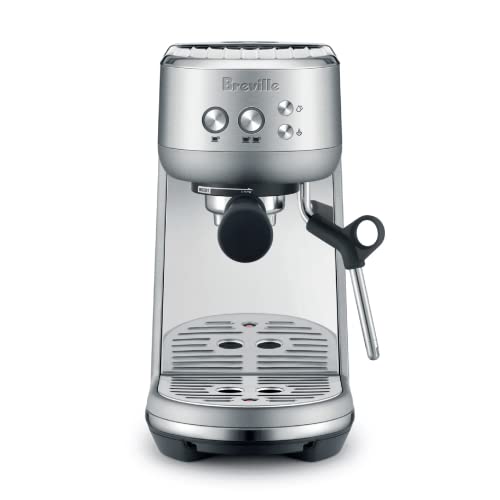
Breville Bambino BES450 with ThermoJet heater and auto steam wandBest Fast Heat-UpBreville Bambino BES450 with ThermoJet heater and auto steam wandNoneThermoJet, about 3 secondsAutomatic steam wandn/a
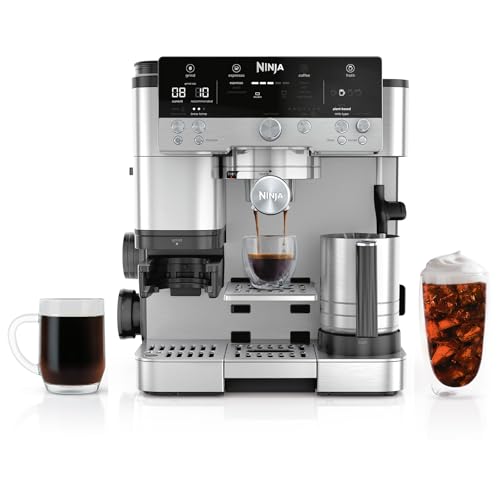
Ninja Luxe Cafe Premier ES601 3-in-1 espresso, drip and cold brewBest All-in-OneNinja Luxe Cafe Premier ES601 3-in-1 espresso, drip and cold brewBuilt inn/aDual froth systemGuided semi-automatic
CASABREWS CM5418 compact espresso machine with pressure gaugeBest Budget PickCASABREWS CM5418 compact espresso machine with pressure gaugeNonen/aSteam wandSemi-automatic
De'Longhi Magnifica Duo automatic with 20 preset drinksBest Push-Button OptionDe'Longhi Magnifica Duo automatic with 20 preset drinksBuilt inn/aAutomatic frotherBean to cup automatic

Espresso is a pressure and temperature problem wrapped in a grinding problem. Water has to pass through a compacted puck of finely ground coffee at a steady pressure and a narrow temperature window, and every link in that chain decides whether the cup tastes sweet or sour.

Machines at home sit on a spectrum from capsule-free manual tools to push-button appliances. The right place on that spectrum depends less on budget than on how much of the process you actually want to control, and how much counter space and morning patience you have.

Before you buy

6 Criteria to Look For Before Buying an Espresso Machine

  1. 01

    Pump pressure versus puck pressure

    A vibration pump rated at 15 or 20 bar is quoting its blocked-line ceiling, and espresso extracts best near 9 bar at the puck once an overpressure valve vents the excess. The CASABREWS CM5418 is rated 20 bar and the De'Longhi Classic Signature 15 bar, yet neither number tells you brew pressure. Look for a gauge, an adjustable overpressure valve or a stated 9 bar extraction target instead of the biggest number on the box. The common mistake is paying extra for a higher bar rating that changes nothing in the cup.

  2. 02

    Thermoblock, thermocoil or boiler

    A thermoblock like the one in the De'Longhi Classic Signature heats water on demand and recovers fast, but it has little thermal mass, so temperature swings more. The Barista Express uses a thermocoil with PID and the Bambino a ThermoJet, both quick designs that hold temperature better than a basic block. A true boiler or dual boiler holds the steadiest temperature but costs more and takes longer to warm up. For most home users, a quick heater with PID is the sweet spot.

  3. 03

    Grinder quality over machine features

    Espresso fails at the grinder before it fails at the machine, because a puck needs a fine, consistent grind of roughly 150 to 250 microns to build resistance. The Barista Express gives you a conical burr grinder built in, while the Bambino and Classic Signature need a separate one, which adds to the real system cost. Pre-ground coffee in a non-pressurized basket will choke or gush. Budget for a real burr grinder or choose a machine that includes one.

  4. 04

    Pressurized or standard baskets

    A pressurized basket has a restrictor hole so pressure builds regardless of grind, which is forgiving but produces crema artificially and caps flavor. Entry machines such as the CASABREWS CM5418 are the ones most likely to ship that way. Standard baskets demand a correct grind and dose but reward you with clarity and body. If you want to grow into the hobby, check that the machine accepts a standard basket in the same portafilter.

  5. 05

    54mm versus 58mm portafilter

    The Barista Express and Bambino use a 54mm portafilter, while commercial machines use 58mm, which has a larger accessory market of baskets, tampers and distribution tools. A 54mm machine is fine for learning but limits upgrades. Buy 54mm if you value the package, and look at 58mm if you expect to modify the setup.

  6. 06

    Milk steaming method

    A manual steam wand like the Barista Express wand teaches texturing and gives the best microfoam, but it needs practice. The Bambino's automatic wand, the Ninja's dual froth system and the Magnifica Duo's automatic frother trade skill for consistency. Pick manual if you enjoy craft and automatic if mornings are rushed. Whichever you choose, wipe and purge the wand after every use.

Detailed reviews

The 6 best espresso machines, explained

01
Breville Barista Express BES870XL with built-in grinder
54mm portafilterBuilt-in conical burrPID heaterManual steam wand
Check price on Amazon
Best for: Beginners who want to learn real espresso with one machine and a bag of beans.

The Barista Express solves the biggest beginner problem by putting the grinder inside the machine. A conical burr grinder drops coffee straight into the 54mm portafilter, so the dose and grind size are matched to the machine without a second appliance on the counter. Heating is a thermocoil governed by a digital PID controller, and low pressure pre-infusion softens the puck before full pressure arrives, which gives forgiving shots when the grind is slightly off.

The tradeoff is that the built-in grinder is a decent mid-range unit, not a premium one. It limits how fine you can tune shots compared with a standalone grinder, and the 54mm basket sizes give fewer accessory options than the 58mm commercial standard. Against the Bambino here, you pay for the grinder and the larger footprint, while the Bambino heats faster but needs a separate grinder to compete.

Ownership is where this machine earns its place. The grinder hopper holds enough beans for several days, the drip tray and water tank are easy to reach, and a manual steam wand teaches real milk texturing. Expect to descale on a schedule, rinse the group head after every session, and clean the burr chamber now and then.

What works

  • Grinder is built in so dose and grind match the machine
  • Thermocoil with PID holds brew temperature steady
  • Manual steam wand teaches proper milk texturing
  • Low pressure pre-infusion forgives small grind errors

Watch out for

  • Built-in grinder caps how finely you can dial in
  • 54mm baskets mean fewer upgrade options
  • Large footprint for a small kitchen

Spec sheet

Portafilter
54mm
Grinder
Integrated conical burr, 16 settings
Heating
Thermocoil with digital PID
Milk
Manual steam wand
Style
Semi-automatic
02
De'Longhi Classic Signature espresso machine with adjustable frother
15 bar pumpThermoblock heaterAdjustable frotherNo grinder
Check price on Amazon
Best for: Someone who wants real espresso and milk drinks without paying for a built-in grinder.

This De'Longhi is built around a thermoblock, an aluminum block with a water channel that heats on demand. That is why it reaches brewing temperature quickly and why it can switch from brewing to steaming without a long wait. The pump is rated at 15 bar, which describes the pump's ceiling rather than the roughly 9 bar a good extraction needs at the puck.

Compared with the Barista Express in this lineup, you give up the grinder and the PID, but you also leave a large chunk of the budget free to spend on a proper burr grinder. That is the smarter split for most people, because grind quality changes the cup more than any machine feature. The adjustable frother is easier for newcomers than a bare steam wand, though it is less flexible than the Breville's wand for latte art.

Plan for year-three ownership as a thermoblock machine: scale builds inside narrow channels, so descale on schedule and use filtered or softened water if your tap is hard. Keep the portafilter and basket clean and replace the group gasket if shots start leaking around the edge.

What works

  • Thermoblock reaches brewing temperature quickly
  • Switches between brewing and steaming with little wait
  • Adjustable frother is forgiving for new users
  • Light enough to store in a cupboard

Watch out for

  • No grinder, so the budget must stretch to one
  • Thermoblock temperature swings more than a boiler
  • 15 bar figure is a pump rating, not brew pressure

Spec sheet

Pump rating
15 bar
Heating
Thermoblock
Milk
Adjustable steam frother
Grinder
None
Style
Semi-automatic
03
Breville Bambino BES450 with ThermoJet heater and auto steam wand
ThermoJet heater54mm portafilterAuto steam wandCompact body
Check price on Amazon
Best for: Small kitchens where quick heat-up and low learning curve matter more than a built-in grinder.

The Bambino uses a ThermoJet heater that reaches brewing temperature in a few seconds, which removes the ten-minute warm-up habit older machines teach. It keeps the 54mm portafilter and the low pressure pre-infusion routine of Breville's bigger models, so the espresso you pull is closer to a Barista Express shot than the price implies. The automatic steam wand lets you set milk temperature and texture level, then walks away from the pitcher.

What it does not do is grind or dose for you. You need a separate grinder, and that is where the Bambino punishes careless shopping: pairing it with a cheap blade-style or coarse burr grinder wastes the machine. Next to the Barista Express, the Bambino saves counter space and money, but the whole system costs more once a good grinder is added.

In daily use it is a tidy machine. The tank is small, so refill it when the light warns you, and clean the steam wand tip after each use because milk residue clogs the holes. Descaling and a periodic cleaning cycle matter more on a ThermoJet system than owners expect.

What works

  • Heats in seconds so the morning routine is short
  • Automatic wand sets milk temperature and texture
  • 54mm portafilter with low pressure pre-infusion
  • Very small footprint for a pump machine

Watch out for

  • No grinder, so a good one is a second purchase
  • Small tank needs frequent refilling
  • Plastic body feels lighter than the stainless picks

Spec sheet

Portafilter
54mm
Heating
ThermoJet, about 3 seconds
Milk
Automatic steam wand
Grinder
None
Pre-infusion
Low pressure
04
Ninja Luxe Cafe Premier ES601 3-in-1 espresso, drip and cold brew
3-in-1 brewerBuilt-in grinderGuided assistDual froth system
Check price on Amazon
Best for: Households that want espresso, drip and cold brew from one machine with minimal setup.

The Ninja Luxe Cafe Premier is the odd one in this lineup because it also brews drip coffee and cold brew, so it replaces two or three appliances. It grinds internally and uses guided assist to prompt you through dosing and tamping, which shortens the learning curve for people who have never pulled a shot. The dual froth system combines a spinning whisk with an automatic steamer for hands-free milk.

The cost of that convenience is that you control less than on the Barista Express. The shot settings are limited to a double or a quad style, and a serious home barista will want to change dose and ratio more freely than the guided workflow allows. It is also a large machine for its capability, so check your counter and cabinet clearance before buying.

Ownership is about cleaning routines rather than parts. A machine with a grinder, a brewing path, a drip path and a frother has more places for oils and milk to build up, so follow the cleaning cycles and empty the frother after every drink.

What works

  • Brews espresso, drip coffee and cold brew from one body
  • Guided assist walks beginners through each shot
  • Built-in grinder avoids a second appliance
  • Dual froth system handles milk with no hand technique

Watch out for

  • Fewer shot adjustments than a manual machine
  • Large footprint for a countertop
  • More surfaces to clean than a single-purpose espresso maker

Spec sheet

Brewing modes
Espresso, drip, cold brew
Espresso shots
Double or quad
Grinder
Built in
Milk
Dual froth system
Style
Guided semi-automatic
05
CASABREWS CM5418 compact espresso machine with pressure gauge
20 bar pump ratingPressure gaugeSteam wandCompact body
Check price on Amazon
Best for: Buyers on a tight budget who want to learn espresso basics and milk steaming.

The CASABREWS CM5418 is the cheapest way here to get a pump, a portafilter and a steam wand. A visible pressure gauge is a useful teaching tool because it shows whether your puck is building resistance. The 20 bar pump figure is a marketing ceiling like the 15 bar figure on other machines, and the gauge is the only way to see what the machine actually delivers during a shot.

It makes the compromises you expect at this level. There is no PID, the filter baskets are likely pressurized, and the steam wand is smaller than the Breville wands, so milk takes more patience. Compared with the Classic Signature, it is a slightly larger gamble on long-term reliability but costs less. If you want the simplest introduction to espresso milk drinks, it works.

Expect to learn timing: wait after brewing before steaming or the heater will overheat. Use filtered water, clean the steam wand immediately after use and plan to replace the basket and gasket sooner than on a premium machine.

What works

  • Pressure gauge shows what the puck is doing
  • Includes a steam wand for milk drinks
  • Compact and light for small counters
  • Lowest cost of the pump machines here

Watch out for

  • No PID so temperature varies shot to shot
  • Steam wand is smaller than the premium picks
  • 20 bar rating is marketing, not brew pressure

Spec sheet

Pump rating
20 bar
Gauge
Built-in pressure gauge
Milk
Steam wand
Grinder
None
Style
Semi-automatic
06
De'Longhi Magnifica Duo automatic with 20 preset drinks
20 preset recipesBean to cupAutomatic frother3 brew technologies
Check price on Amazon
Best for: Households that want milk drinks and espresso at one push with no technique.

The Magnifica Duo is a bean-to-cup machine: you press a button and it grinds, doses, tamps, brews and froths. It offers 20 hot and iced presets across three brewing technologies, which covers espresso, drip-style coffee and cold brew from the same machine. For anyone who would rather skip the grind-and-tamp skill and still get milk drinks, that is the point.

You pay for that convenience in control and in depth of flavor. A fully automatic machine cannot match a well-prepped manual shot, because the brew unit uses fixed parameters. Compared with the Barista Express here, this machine is easier every morning but a shot-for-shot step down for a skilled user. It is the better choice for a household with several coffee drinkers who do not want a hobby.

Ownership is about the brew unit, the milk system and the water. Rinse the milk path after each use, remove the brew unit for cleaning on schedule, descale as prompted and use filtered water.

What works

  • One touch grinds, brews and froths with no skill
  • 20 hot and iced recipes cover most drinks
  • Automatic frother works with dairy and plant milk
  • Three brewing technologies in one machine

Watch out for

  • Fixed brew parameters limit shot quality
  • More parts to clean than a manual machine
  • Oily dark roasts can clog the grinder over time

Spec sheet

Presets
20 hot and iced recipes
Brew technologies
Espresso, drip, cold brew
Milk
Automatic frother
Grinder
Built in
Style
Bean to cup automatic

Spec sheet decoder

What the numbers on the box really mean

The specs manufacturers lead with, translated into what they tell you about real-world performance.

Bar rating

The number printed on the box is the pump's maximum pressure against a blocked line. Real extraction pressure is regulated near 9 bar by an overpressure valve.

Watch forThe CASABREWS CM5418 shows 20 bar and the De'Longhi Classic Signature 15 bar, but neither figure describes the shot.

PID

A PID is a controller that cycles the heater to hold a set temperature instead of simply switching on and off. It reduces shot to shot variation.

Watch forThe Barista Express and Bambino use PID control, while the CASABREWS CM5418 relies on a simple thermostat.

Pre-infusion

Pre-infusion wets the puck at low pressure before full pressure arrives, which reduces channeling. It helps with imperfect grinds and light roasts.

Watch forBreville lists low pressure pre-infusion on the Barista Express and Bambino, which helps forgive entry-level grinder variation.

Heat-up time

Heat-up time describes how long the heater needs before the first shot. It does not describe how long the group head takes to stabilize, which is why portafilters are preheated.

Watch forThe Bambino's ThermoJet reaches brew temperature in a few seconds, while a thermoblock like the Classic Signature needs somewhat longer.

Built-in grinder

An integrated grinder removes the need to match a standalone grinder to a machine. It also ties its quality and repair to the machine.

Watch forThe Barista Express and Ninja Luxe Cafe Premier include one, but the Bambino, CM5418 and Classic Signature do not.

Methodology

How We Evaluated These Espresso Machines

Heating and temperature control

We evaluated the heater type, whether PID is present and how quickly each machine moves between brewing and steaming. The Barista Express and Bambino were weighed against the thermoblock in the Classic Signature on thermal design rather than on advertised wattage. Machines with a more stable heater scored higher for consistency.

Grinder and dosing system

We evaluated whether each machine includes a grinder and how well the grinder suits espresso. The Barista Express and the Ninja Luxe Cafe Premier include one, while the Bambino, CM5418 and Classic Signature need a separate grinder. We counted that added cost in the overall system price tier.

Milk handling

We evaluated steam wand type, from the manual wand on the Barista Express to the automatic frothers on the Ninja and the Magnifica Duo. We looked at how forgiving each system is for a beginner and how much skill it rewards. Cleaning effort for milk residue was part of the score.

Ownership and upkeep

We evaluated descaling needs, access to the water tank and drip tray, and the cleaning workload per cup. The Magnifica Duo has the most parts to maintain because of the brew unit and milk path. Machines with simpler layouts, like the CM5418, scored better here.

Fit for the buyer

We evaluated which kind of household each machine suits, from a hobbyist to a family that wants one-touch drinks. Spec positioning ran from the CM5418 as the entry pump machine to the Barista Express as the most complete semi-automatic package. We based this on the spec sheet and owner feedback patterns rather than on any score from a retailer.

Decision guide

How to Choose the Right Espresso Machines

By Skill and Time

SituationPickWhy
You want to learn real espresso with one purchaseBreville Barista Express BES870XLBuilt-in grinder and PID give a complete learning platform
You want drinks at one pushDe'Longhi Magnifica DuoGrinds, brews and froths automatically
You want espresso, drip and cold brewNinja Luxe Cafe PremierOne machine covers three brewing styles
Mornings are short and counter space is smallBreville Bambino BES450Heats in seconds and takes little room

By Budget

SituationPickWhy
Lowest entry cost for a pump machineCASABREWS CM5418Cheapest tier with portafilter and steam wand
Mid tier without a grinderDe'Longhi Classic SignatureQuick thermoblock and an easy frother
Mid tier with a premium Breville heaterBreville Bambino BES450ThermoJet and PID quality
Premium all-in-one tierBreville Barista Express BES870XLGrinder and PID built in

Semi-Automatic vs Bean-to-Cup

Semi-automatic

You grind, dose, tamp and pull the shot, and you control extraction. The Barista Express, Bambino, Classic Signature and CM5418 live here. It rewards practice with better cups but asks for a few minutes every morning.

Bean-to-cup

The machine does everything at a button, as the Magnifica Duo does. It is faster and more consistent for milk drinks but cannot match a good manual shot for clarity.

Choose semi-automatic if espresso is a hobby, and bean-to-cup if it is an appliance.

Manual Wand vs Automatic Frother

PreferencePickWhy
I want to learn latte artBreville Barista Express BES870XLPowerful manual wand for hand texturing
I want set and forget milkBreville Bambino BES450Automatic wand with temperature and texture settings
I want hands-free dairy and plant milkDe'Longhi Magnifica DuoAutomatic frother in the machine
I want a simple frother for occasional lattesDe'Longhi Classic SignatureAdjustable frother is forgiving

For Small Kitchens Specifically

Look for

A narrow body, a front-fill or removable tank and a lightweight frame you can slide in and out. Heat-up speed matters because a small kitchen often means a one-handed morning routine.

In this comparison

The Breville Bambino BES450 has the smallest footprint and fastest heating, and the De'Longhi Classic Signature and CASABREWS CM5418 are also compact. The Ninja Luxe Cafe Premier and Barista Express take the most room.

When to Spend More

Spend more if

You want a built-in grinder, PID temperature control and a steam wand that makes real microfoam, which is the Barista Express. You also pay more for the Magnifica Duo if you want a machine that does everything for the whole household.

Save if

You already own a good burr grinder, in which case the Classic Signature or CM5418 covers the machine side for less. The Bambino sits between if you want better heating for the money.

Ownership

Maintenance schedule

The upkeep that decides whether this machine lasts two seasons or ten.

TaskIntervalWhy it matters
Rinse the group head and portafilterAfter every sessionOld coffee oils turn rancid and make shots bitter. A quick rinse of the shower screen and basket removes them.
Purge and wipe the steam wandAfter every drinkMilk dries inside the tip and blocks the holes. Purging also clears condensate before the next use.
DescaleEvery 2 to 3 months, or as promptedLimescale narrows thermoblock and thermocoil channels and shortens heater life. Hard water speeds this up.
Clean the grinder burrsEvery 1 to 2 monthsCoffee oils and fines accumulate and change grind consistency. Machines with built-in grinders also need the chute cleared.
Replace the group gasket and basketRoughly once a yearA hardened gasket leaks around the portafilter and wastes pressure. Worn baskets pass uneven flow.

FAQ

Frequently Asked Questions

Should I buy a semi-automatic or a bean-to-cup machine?

Choose semi-automatic like the Barista Express if you want to learn the craft and get the best cup per dollar. Choose bean-to-cup like the Magnifica Duo if you want one-touch milk drinks and little cleanup. The cup quality gap shows most with light roasts.

How much should I budget for a first espresso setup?

Think in tiers: an entry pump machine like the CASABREWS CM5418, a mid tier with a better heater like the Bambino, and an all-in-one like the Barista Express. Remember that machines without grinders need a separate one, which raises the real cost.

How long does a home espresso machine last?

With regular descaling and gasket changes, a decent machine lasts many years. Thermoblock and thermocoil designs suffer most from scale, so water quality matters more than brand.

Does a higher bar rating make better espresso?

No. Espresso extracts best near 9 bar at the puck, and the 15 or 20 bar figure is a pump ceiling. Ignore it when comparing the Classic Signature and CM5418.

Is a built-in grinder good enough?

For a first machine, yes. The Barista Express grinder produces usable espresso, though a standalone grinder gives finer control and easier repairs.

Can I use pre-ground coffee?

Yes, but only with pressurized baskets, which is how most entry machines ship. Standard baskets need a fresh, correctly sized grind, so pre-ground coffee often gives sour or slow shots.

Bottom line

The short version

Browse more espresso machineson Amazon →
James Miller, Lead Machine Editor

About the author

James Miller

Lead Machine Editor, MachineFanatic

James Miller leads MachineFanatic's buying guides, turning spec sheets, manuals and owner feedback into clear verdicts on power tools, outdoor power equipment, shop machines and kitchen machines.

More from James →

Keep reading

Related guides