
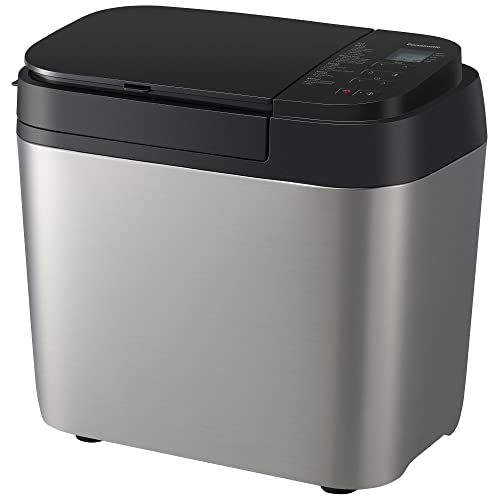


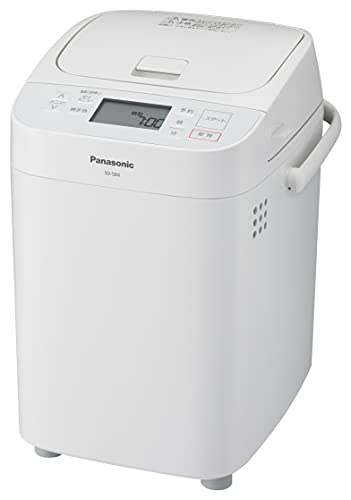
The headline feature is the double temperature sensor, which reads both the dough and the room and adjusts the cycle time. A cold kitchen in winter slows yeast, and a warm one in summer speeds it, so a machine that measures the room can lengthen or shorten the rise to compensate. That is a genuine baking advantage over fixed-time machines, and it is the clearest reason to choose this Panasonic over a cheaper generic.
The kneading blade is shaped to work firm dough, and it works together with the pan design for a more thorough knead than a flat paddle gives. A raisin and nut dispenser distributes mix-ins evenly, so fruit is not crushed in the first knead. Twenty presets cover bread, cake and more, and the useful ones for daily loaves are basic, whole wheat and rapid, with the rest as occasional extras. The cost is price, since this machine sits above the entry-level group, and the maker's service network is less deep for small appliances than for its other products.
In year three, the pan coating is the part to watch. Hand wash the pan and blade and keep metal utensils out of the chamber. Because the sensor reads room temperature, avoid placing the machine next to the stove, a sunny window or a cold exterior wall, since each skews the reading and defeats the feature you paid for.
What works
- Sensor reads both dough and room temperature
- Artisan-style blade kneads firm dough
- Raisin and nut dispenser for even add-ins
- Twenty presets including cake
Watch out for
- Costs more than generic machines
- Service network is thinner than the brand's other lines
- Nonstick pan needs hand washing
Spec sheet
- Presets
- 20 for bread, cake and more
- Sensor
- Detects internal and room temperature
- Kneading
- Artisan-style blade for firm dough
- Dispenser
- Raisin and nut dispenser
- Voltage
- US market model