
Amazon affiliate links - we earn a commission.Affiliate disclosure

Buying guide · 12 min read · Updated 2026-11-19

Best Paper Shredders on Wheels (2026)

Three paper shredders with real wheels or casters compared on tray size, bin volume, cut type and run time, plus how to judge mobility before you buy.

James MillerBy James MillerLead Machine Editor3 machines comparedSpec-sheet verified
Best Paper Shredders on Wheels

At a glance

Our top picks

Side by side

Spec comparison

MachineAuto trayCutRun timeBinMobility
Bonsaii 240-Sheet Auto Feed Micro-Cut Shredder, Wheeled BinBest OverallBonsaii 240-Sheet Auto Feed Micro-Cut Shredder, Wheeled Bin240 sheetsMicro-cut, P-460 minutes nonstop8.1 gal pull-out with wheelsn/a
Locksworth 110-Sheet Auto Feed Micro-Cut Shredder, CastersBest Value Rolling ShredderLocksworth 110-Sheet Auto Feed Micro-Cut Shredder, Casters110 sheetsMicro-cut, P-4n/a6.9 gal with windowSmooth casters
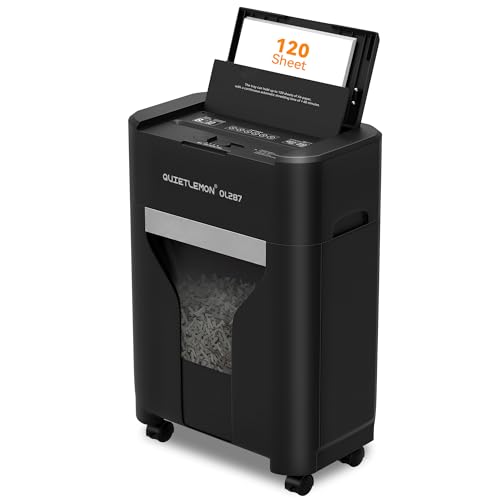
QUIETLEMON OL287 2.0 120-Sheet Auto Feed Micro-Cut ShredderBest Mid-Size Auto FeedQUIETLEMON OL287 2.0 120-Sheet Auto Feed Micro-Cut Shredder120 sheetsMicro-cut, P-440 minutesn/aWheels

Wheels on a shredder solve a very specific problem: the bin gets heavy, the machine gets bulky, and nobody wants to lift either. A rolling base lets you park the unit in a closet, pull it out for a session and tuck it away afterwards, which matters more than people expect for a machine that will be used a few times a month.

Genuinely wheeled models are rare, because most home shredders are built as a desktop head on a plastic bin. The ones that do roll are usually auto-feed units with large trays and big baskets. Reading the listing closely is the only way to tell a real caster base from a marketing photo of a trolley.

Before you buy

6 Criteria to Look For Before Buying a Paper Shredder on Wheels

  1. 01

    What counts as wheeled

    A bin on wheels is not the same as a machine on wheels. The Bonsaii 240-sheet has wheels on its 8.1-gallon pull-out bin, the Locksworth 110-sheet lists smooth casters under a 6.9-gallon wastebasket, and the QUIETLEMON OL287 lists wheels in its title. Look for wording that names casters and read photos closely, because many shredders show a bin on a trolley that is sold separately. A quick test is to search the listing text for the words wheels or casters in the feature bullets, not just the photos. If the only mention is a lifestyle image, assume the wheels are not part of the package. Also confirm whether the wheels sit under the bin or under the whole machine, since that changes how you move it.

  2. 02

    Why wheels matter at all

    A full micro-cut bin is dense and can weigh far more than the gallon figure suggests. A rolling base turns a heavy lift into a push, which protects your back and cuts the chance of spilling chips. If your bin lives in a closet or garage, wheels are a real convenience, not a gimmick. They also reduce wear on the floor and on the bin latch, because you stop dragging a loaded basket across a doorway. The benefit grows with the bin: an 8.1-gallon basket like the Bonsaii 240-sheet's is a very different lift from the small baskets on desktop units.

  3. 03

    Tray size and run time

    Wheeled units tend to be auto-feed machines meant for bigger jobs. The Bonsaii 240-sheet and Locksworth 110-sheet both run for 60 minutes in auto mode, while the QUIETLEMON runs 40. A longer run only helps if the tray is large enough to keep the motor busy, so match tray size to your pile. A 110-sheet tray that you reload three times is perfectly workable for a few reams, whereas a family clearing a basement will appreciate the 240-sheet tray that needs far fewer visits. Count your sheets roughly, divide by the tray size, and you will know how many reload trips each machine implies.

  4. 04

    Floor surface and caster quality

    Small hard wheels roll easily on tile and wood but snag on carpet, so check your floor before choosing. Smooth casters like those listed on the Locksworth are meant to roll across typical household surfaces. Locking wheels, if offered, stop the unit drifting while a heavy tray feeds. A shredder that creeps across the floor during a long run can pull its own power cord taut, so route the cord with slack. If you plan to move the machine often, check that the cable is long enough to reach from the closet to your usual outlet.

  5. 05

    Manual slot capability

    Auto trays take paper only. Cards, staples and anything stiff must go through a manual slot, and the numbers differ. The QUIETLEMON takes 8 sheets of 20 lb paper, while the Bonsaii 240-sheet lists cards, staples and clips in manual mode. Buy the machine whose manual slot fits your mixed jobs. If you shred cards every week, that slot becomes the machine, and the auto tray is the bonus. If you almost never shred anything but paper, the manual slot barely matters and the tray size should drive the decision.

  6. 06

    Cut type and security

    All three wheeled options here are micro-cut at P-4, with pieces around 4 by 12 millimetres. That is plenty for identity papers, and it makes the debris dense. Expect to empty the bin more often than the volume suggests and plan oiling for the cutters. Because all three sit at the same security level, the real differences between them are tray size, bin size and what the manual slot accepts, not how finely they cut.

Detailed reviews

The 3 best paper shredders on wheels, explained

01
Bonsaii 240-Sheet Auto Feed Micro-Cut Shredder, Wheeled Bin
240-sheet auto trayMicro-cut P-460-min run8.1 gal wheeled bin
Check price on Amazon
Best for: Heavy shredding sessions where a big bin has to travel to the trash.

When a rolling base earns its keep, it is on a machine like this. Fill an 8.1-gallon basket with micro-cut chips and the weight adds up quickly, so wheels under the bin turn a back-straining lift into a short push to the trash area. The pull-out design means you slide the basket forward rather than tipping the whole unit.

The 240-sheet auto tray pairs with a 60-minute nonstop run, so a banker's box of statements can feed through while you do something else. Auto mode takes paper only, and the separate manual mode deals with credit cards, staples and paper clips. That split protects the cutters during the long unattended run.

The micro-cut head produces P-4 pieces, a good level for identity papers and tax files. In year three, ownership is about bin and cutter care. Micro-cut debris is dense, so the basket fills sooner than the gallon figure implies, and the cutters want oil on schedule. Against the Locksworth 110-sheet, you gain more than twice the tray and a larger bin, though it needs more floor space. If you will shred heavily and move the unit around, this is the one.

What works

  • Wheeled 8.1-gallon bin removes the heavy lift
  • 240-sheet tray with a 60-minute run
  • Micro-cut P-4 suits identity papers
  • Manual mode handles cards and staples

Watch out for

  • Large footprint needs a dedicated corner
  • Auto tray rejects metal fasteners

Spec sheet

Auto tray
240 sheets
Cut
Micro-cut, P-4
Run time
60 minutes nonstop
Bin
8.1 gal pull-out with wheels
Manual mode
Cards, staples, clips
02
Locksworth 110-Sheet Auto Feed Micro-Cut Shredder, Casters
110-sheet auto trayP-4 micro-cut60-min auto run6.9 gal casters
Check price on Amazon
Best for: Spare rooms and home offices that want casters without a giant machine.

The Locksworth gives you a smaller version of the same idea. Its 6.9-gallon wastebasket sits on smooth casters and has a transparent window, so you can see at a glance when it is time to empty and roll it where you need it. The window is more important than it sounds, because an overfilled bin is the usual cause of false sensor faults.

Auto mode takes up to 110 sheets and can run continuously for 60 minutes, which matches the Bonsaii on duty cycle even though the tray is less than half the size. Auto mode shreds paper only, and a manual mode handles the non-paper items. The P-4 micro-cut head keeps documents unreadable.

That smaller tray is a plus in a spare room. The machine is easier to place than the 240-sheet Bonsaii and still gives you the casters, the window and the long run. The compromise is capacity, because 110 sheets means more reloads on a big job. In daily ownership, check that the casters roll cleanly on your floor, and keep carpet fibres away from the wheels. For households that shred in monthly sessions, it is a sound buy.

What works

  • Casters move the 6.9-gallon bin easily
  • Transparent window shows when to empty
  • 60-minute auto run matches larger units
  • Micro-cut P-4 for sensitive papers

Watch out for

  • 110-sheet tray means more reloads
  • Auto mode takes paper only

Spec sheet

Auto tray
110 sheets
Cut
Micro-cut, P-4
Auto run time
60 minutes
Bin
6.9 gal with window
Mobility
Smooth casters
03
QUIETLEMON OL287 2.0 120-Sheet Auto Feed Micro-Cut Shredder
120-sheet auto trayP-4 micro-cut40-min runWheels
Check price on Amazon
Best for: Buyers who want a rolling auto-feed shredder with a moderate tray and run time.

This model is listed with wheels in its title, and it combines a 120-sheet auto tray with a 40-minute runtime. It is the shortest-running of the three, but still long enough for a few reams of paper in one go.

The manual feed is the weak point to understand before buying. It only handles 8 sheets of 20 lb paper, or 7 sheets of 24 lb, and heavier stock reduces capacity further. That is better than the 6 sheets on the earlier QUIETLEMON model, but it is still a spot tool rather than a bulk path. The P-4 micro-cut head keeps documents unreadable.

In ownership, wheels are welcome for moving the unit between a closet and a work area, though the listing gives less detail on bin volume than the other two. Check the bin size and caster quality before you commit. It offers a shorter run than the Locksworth with a similar tray, so its appeal is the brand's updated design and manual slot rather than raw endurance. It is a reasonable pick if you like the sound profile and the manual slot meets your needs.

What works

  • Rolling base eases moving the unit
  • 120-sheet auto tray covers a few reams
  • 40-minute run suits mid-size jobs
  • Micro-cut P-4 particles

Watch out for

  • Manual feed handles only about 8 sheets
  • Shorter run than the other two

Spec sheet

Auto tray
120 sheets
Manual feed
8 sheets of 20 lb
Run time
40 minutes
Cut
Micro-cut, P-4
Mobility
Wheels

Spec sheet decoder

What the numbers on the box really mean

The specs manufacturers lead with, translated into what they tell you about real-world performance.

Auto tray capacity

How many sheets can be loaded for hands-free feeding. It is paper only.

Watch forThe Bonsaii holds 240, the QUIETLEMON 120 and the Locksworth 110.

Run time

Minutes of continuous work before the thermal cutoff stops the motor.

Watch forTwo units list 60 minutes, while the QUIETLEMON lists 40.

Bin capacity

Basket volume. Micro-cut chips pack densely, so volume fills faster.

Watch forThe Bonsaii lists 8.1 gallons, the Locksworth 6.9 and the QUIETLEMON gives no clear figure in the data we reviewed, so confirm the volume before you buy that one.

Manual feed

A separate slot for cards, staples or a few sheets, with its own limits.

Watch forThe QUIETLEMON manual slot handles about 8 sheets of 20 lb paper.

Security level

P-4 limits particle area for personal data.

Watch forAll three here are P-4 micro-cut.

Methodology

How We Evaluated These Paper Shredders on Wheels

Mobility evidence

We only counted machines whose listings clearly state wheels or casters. The Bonsaii 240-sheet and Locksworth 110-sheet both name them in the bin description. The QUIETLEMON lists wheels in the title, with fewer details.

Tray and cycle

We compared auto tray sizes and run times across the three. A 240-sheet tray with 60 minutes outclasses a 120-sheet tray with 40. The Locksworth balances a smaller tray with the same 60-minute run. We also looked at how many reload trips each tray implies for a 1,000-sheet pile, because a machine that needs ten reloads is a different experience from one that needs five.

Bin ownership

We weighed bin volume, the window and the ease of moving it. The Locksworth window and the Bonsaii pull-out basket both help. This is based on spec sheets and owner feedback patterns, not our own measurement.

Manual slot usefulness

We checked what manual mode accepts and how many sheets it takes. The Bonsaii lists cards, staples and clips, while the QUIETLEMON limits manual feed to about 8 sheets.

Honest scarcity

Only three genuinely wheeled machines surfaced in our data, so we kept this lineup short rather than pad it with desktop units. A short, honest list serves a buyer better than a long one that includes shredders without wheels. If more rolling models appear in future, they will be measured against the same four points: tray, run time, bin and manual slot.

Decision guide

How to Choose the Right Paper Shredders on Wheels

By Paper Volume

SituationPickWhy
A full cabinet or banker's boxesBonsaii 240-SheetLargest tray and bin
A few reams in monthly sessionsLocksworth 110-SheetCasters and a 60-minute run
A mid-size pile and a closet to store it inQUIETLEMON OL287 2.0120-sheet tray on wheels
Occasional small jobs onlyLocksworth 110-SheetSmaller footprint than the 240-sheet

By Budget

SituationPickWhy
Mid-size tray on wheelsQUIETLEMON OL287 2.0120-sheet auto tray with a 40-minute run
Mid tier with castersLocksworth 110-SheetRolling base and 60-minute run
Top tier for capacityBonsaii 240-Sheet240-sheet tray, 8.1-gallon bin
Value for long sessionsLocksworth 110-Sheet60 minutes at mid tier

Wheeled Bin vs Wheeled Machine

Wheeled bin

The Bonsaii 240-sheet pairs an 8.1-gallon pull-out bin with wheels, so the weight sits in the basket you actually need to move. The head stays put.

Wheeled machine

The Locksworth and QUIETLEMON list casters or wheels on the unit as a whole, which lets you reposition the full shredder between rooms.

Pick a wheeled bin if you empty often, and a wheeled machine if you store it away. Most buyers fall into the first group, which is why the Bonsaii 240-sheet is our overall pick. If your shredder lives in a hall cupboard, the Locksworth or QUIETLEMON will be easier to pull out as a single piece.

By Manual Slot Needs

SituationPickWhy
Cards, staples and clips regularlyBonsaii 240-SheetManual mode lists all three
An occasional cardLocksworth 110-SheetManual mode for non-paper items
A few extra sheets by handQUIETLEMON OL287 2.0Eight-sheet manual feed
Almost no manual useLocksworth 110-SheetAuto tray does the bulk work

For Storing in a Closet Specifically

Look for

Look for casters that roll smoothly, a window bin and a footprint that fits your closet. Measure the door opening and the floor surface before buying. Leave room to pull the bin straight out, because a bin that must be lifted over a lip defeats the purpose of the wheels. Also confirm the cord length reaches the outlet from the parking spot, since an extension lead that gets caught on a caster is an easy way to trip.

In this comparison

The Locksworth 110-sheet is the easiest to tuck away with its casters and 6.9-gallon bin. The Bonsaii 240-sheet needs a larger space but rewards it with capacity. The QUIETLEMON sits between the two on tray size, so it suits a mid-size closet where neither extreme fits. Whichever you pick, run it once in its storage position to be sure the vents are not blocked by shelving or boxes.

When to Spend More

Spend more if

Spend more if you shred weekly or handle sensitive files in bulk. The Bonsaii 240-sheet gives the biggest tray, bin and manual-mode flexibility.

Save if

Save if you shred monthly. The Locksworth 110-sheet or QUIETLEMON covers a few reams without the footprint.

Ownership

Maintenance schedule

The upkeep that decides whether this machine lasts two seasons or ten.

TaskIntervalWhy it matters
Empty and roll the binWhen two-thirds fullMicro-cut chips pack densely. A full bin presses on the cutters and can trigger sensors. On a wheeled unit, roll the bin out slowly and check that the chips have not bridged over the cutter opening, since a ridge of packed paper will tip onto the floor.
Check the wheelsEvery 3 monthsHair and carpet fibres wind around axles and stop casters rolling. Clear them with tweezers or a small hook. A stiff caster also strains the bin latch when you pull the basket, so a quick check protects the whole assembly.
Oil the cuttersMonthly with heavy usePaper dust gums micro-cut teeth. A few drops on a sheet cleans them as it runs.
Respect the cooldownAfter each long runThe thermal cutoff protects the motor. Never bypass it.
Wipe the feed sensorsEvery 3 monthsDust on the tray sensor causes misfeeds. A dry cloth restores accuracy.

FAQ

Frequently Asked Questions

Why are wheeled shredders so rare?

Most home shredders are small desktop units where wheels add cost without a clear benefit. Rolling bases show up on auto-feed models with large bins, where the weight justifies them. Manufacturers also tend to save the extra parts for machines in a higher price tier, which is why the three picks here are all auto-feed units.

Are wheels worth paying extra for?

If you empty a big bin or store the machine in a closet, yes. A full micro-cut bin is heavy, and a rolling base saves your back. It also keeps you from tipping the shredder to empty it, which is how many people crack a latch or spill a month of confetti across the floor. For a few sheets a week, it is not worth it. Think about where the machine lives between sessions, because a unit that stays on a desk gets little value from wheels.

Do casters work on carpet?

Small hard casters roll poorly on thick carpet. They are meant for tile, wood and low-pile floors. Test the machine on your surface or park it on a hard mat.

Can I add wheels to an ordinary shredder?

A trolley sold separately can carry some desktop units, but fit and stability vary. A purpose-built rolling base is safer for a heavy unit.

Which of the three runs longest?

The Bonsaii 240-sheet and Locksworth 110-sheet both list 60 minutes in auto mode. The QUIETLEMON lists 40. Remember that the run time applies to auto mode, and the manual slot has its own, shorter cycle on most machines.

Do I need micro-cut for a rolling shredder?

All three here use it, which suits identity papers. If you only shred junk mail, a simpler cross-cut desktop unit costs less, though it will not roll.

Bottom line

The short version

Browse more paper shredders on wheelson Amazon →
James Miller, Lead Machine Editor

About the author

James Miller

Lead Machine Editor, MachineFanatic

James Miller leads MachineFanatic's buying guides, turning spec sheets, manuals and owner feedback into clear verdicts on power tools, outdoor power equipment, shop machines and kitchen machines.

More from James →