
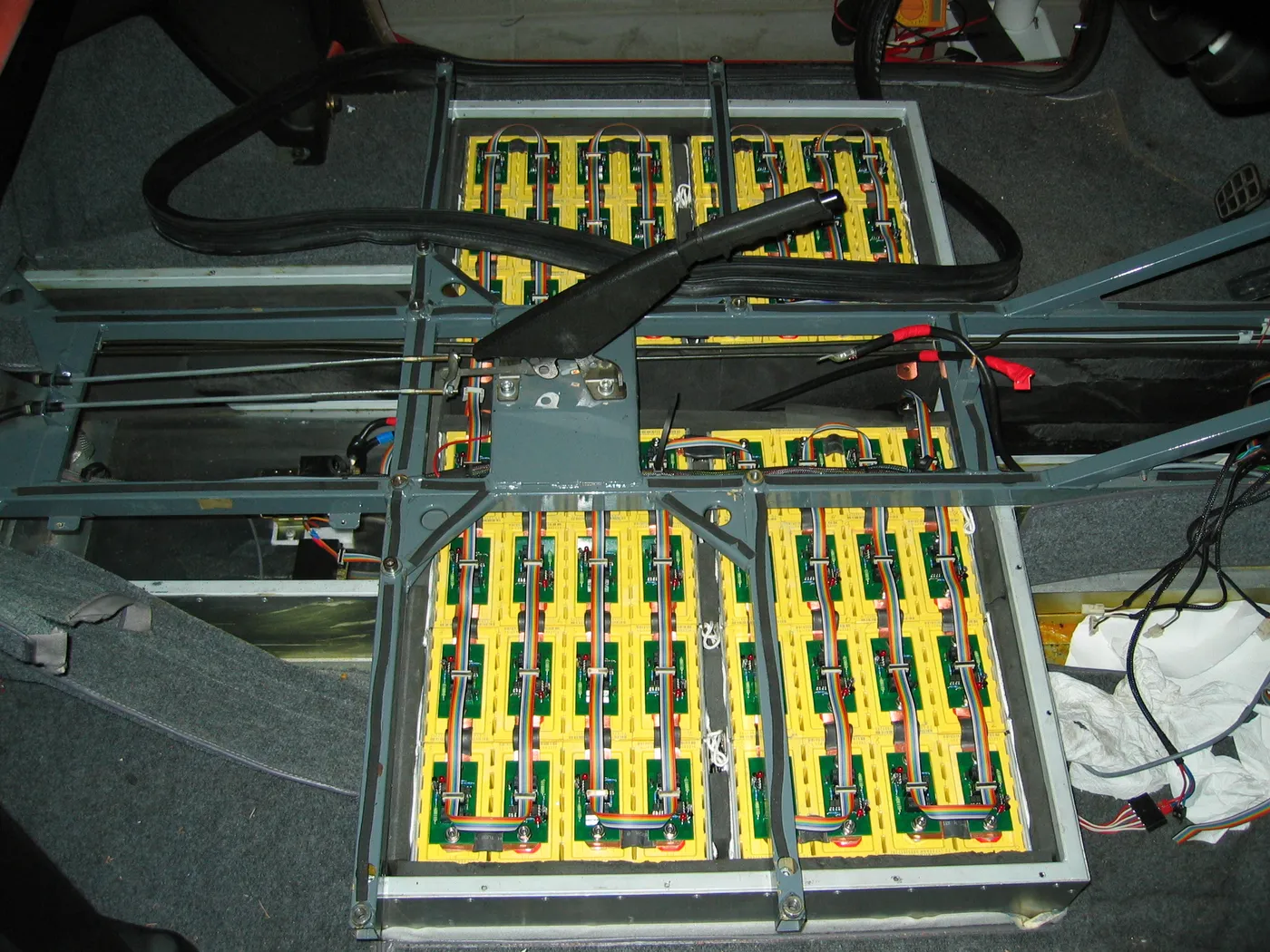
Why the same inverter can create four times the current
Battery voltage looks like a label until a high power appliance starts. A 1,200 watt inverter load asks for roughly 100 amps from a 12V battery before conversion losses are considered. The same idealized power asks for about 50 amps at 24V and 25 amps at 48V. That current difference changes cable thickness, fuse selection, connector stress, voltage drop, heat, and the practical distance between the battery and inverter.
This is the central issue in a 12v vs 24v vs 48v comparison. Higher voltage does not create free energy. A battery bank with the same watt hour capacity stores approximately the same energy regardless of its nominal system voltage. Higher voltage delivers a given amount of power with less current. Lower current can make a large system easier to build efficiently, but higher voltage also narrows accessory choices and raises the consequences of incorrect installation.
The right choice comes from the largest simultaneous load, expected inverter size, solar array, cable length, existing equipment, and future expansion. An RV with lighting, fans, pumps, and modest electronics may have no reason to abandon 12V. A cabin with a large inverter and long DC cable runs may become awkward at 12V. A serious off-grid installation may justify 48V from the start.
The electrical relationship behind the choice
Power is the product of voltage and current. In simplified form, watts equal volts multiplied by amps. Rearranging that relationship shows why current falls as voltage rises for the same power. A 600 watt idealized load draws 50 amps at 12V, 25 amps at 24V, and 12.5 amps at 48V. A real inverter draws somewhat more because conversion is not perfectly efficient and its own electronics consume power.
Resistance in a cable causes voltage drop and heat. Power lost as heat rises with the square of current, so reducing current can have a large effect. This does not mean small wires automatically become acceptable. Cable size still depends on permitted voltage drop, insulation temperature rating, installation method, conductor material, circuit protection, and applicable standards. The inverter manual normally specifies minimum conductor and fuse requirements for approved cable lengths.
| Design factor | 12V system | 24V system | 48V system |
|---|---|---|---|
| Current for equal power | Highest | Half the 12V current | One quarter of the 12V current |
| Common direct DC accessories | Broadest availability | Moderate availability | More specialized |
| Typical design fit | Small RV, vehicle, and camping systems | Medium mobile or off-grid systems | Larger inverter and off-grid systems |
| Cable challenge at high power | Greatest | Reduced | Lowest of the three |
| Expansion flexibility | Good at modest power | Good middle ground | Strong for planned high power |
| Compatibility burden | Lowest in many vehicles | Requires 24V components or converters | Requires coordinated 48V equipment |
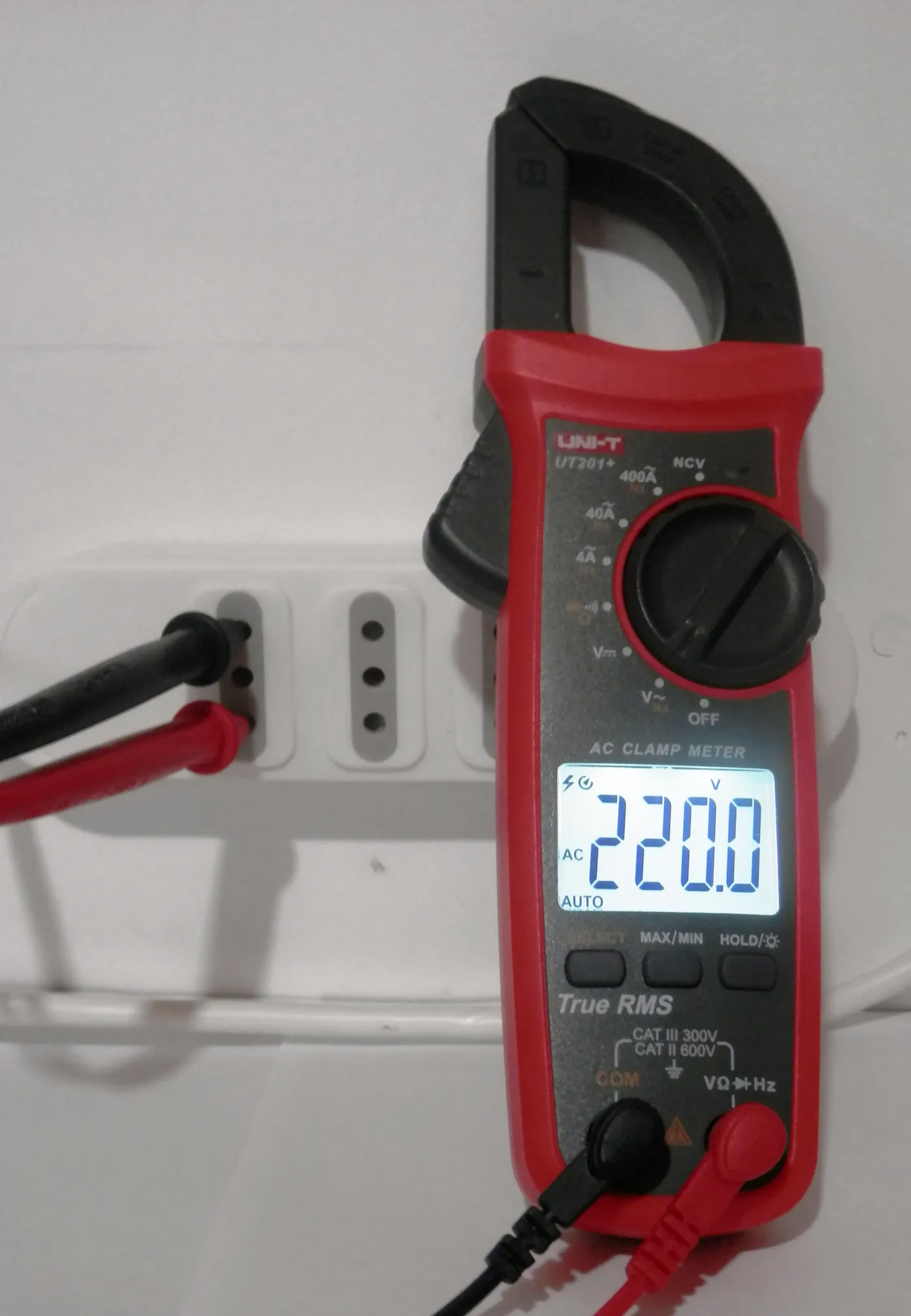
Nominal voltage is not the exact voltage seen on a meter. Battery chemistry, state of charge, current, temperature, and charging stage cause terminal voltage to move. A component labeled for a nominal system must support the full operating range specified by the battery and charging equipment, not merely 12, 24, or 48 volts printed on a product page.
Where 12V remains the practical choice
Twelve volt systems dominate cars, many trailers, boats, and small camping installations. That installed base makes lights, fans, pumps, refrigerators, sockets, relays, fuses, and replacement parts easy to find. When most loads already operate directly from 12V, keeping the system at 12V avoids conversion equipment and preserves straightforward troubleshooting.
A small inverter near the battery can work well at 12V. The important qualification is near. As inverter power rises or cable length grows, current becomes difficult to manage. Large conductors are heavy, expensive, stiff, and harder to terminate correctly. A loose connection in a high current circuit can heat rapidly even when the system voltage seems low.
Existing vehicle charging is another reason to remain at 12V. An RV alternator can feed a suitable battery through a properly selected DC to DC charger. Changing the house bank to 24V or 48V does not make the vehicle alternator match it. A compatible step-up charger or another charging strategy becomes necessary, and alternator capacity, cable routing, ventilation, and control logic still need evaluation.
For travelers whose priorities are lights, water pump, device charging, ventilation, and occasional AC power, 12V may be the most serviceable option. Buyers choosing an inverter for that environment can compare output, idle draw, waveform, and protections in the best camping inverters guide rather than assuming that a higher battery voltage is automatically an upgrade.
Why 24V is the middle ground
A 24V bank halves current compared with 12V for the same inverter power. That can turn an awkward high current circuit into a more manageable design without moving to a 48V architecture. Medium cabins, larger vans, work vehicles, and compact off-grid systems often land in this middle ground.
The tradeoff is compatibility. Direct 24V lights, pumps, refrigerators, and controls exist, but the selection is smaller than the 12V market. If the vehicle and many loads remain at 12V, a 24V to 12V converter must be sized for their combined current and starting behavior. That converter becomes another protected circuit and another point that must be included in fault diagnosis.
A 24V solar array does not require a 24V battery bank, and a 24V battery does not require panels marketed with the same nominal label. A maximum power point tracking controller converts the array operating voltage to an appropriate battery charging voltage, within its input and output limits. Array open circuit voltage in the coldest expected conditions must remain below the controller maximum.
Twenty four volts makes sense when projected inverter demand has outgrown comfortable 12V wiring but the system does not justify the ecosystem shift of 48V. It also provides expansion room when a small initial load is likely to become a medium one.
When 48V earns its complexity
A 48V system is attractive when continuous inverter loads are large, battery to inverter distance cannot be extremely short, or solar charging power is substantial. At equal power, current is one quarter of the 12V value. That helps reduce voltage drop and conductor burden, although cable and protection must still follow the equipment instructions.
Larger residential and off-grid inverters commonly use 48V because very high power at 12V would require extreme current. A 48V architecture also pairs naturally with rack batteries and integrated inverter chargers designed for stationary systems. Communications between a battery management system and inverter may coordinate charge limits, discharge limits, temperature protection, and state of charge reporting.
The disadvantages are significant. Common 12V appliances need a converter. Service technicians familiar only with vehicle systems may not support the installation. A series battery bank must remain balanced and use components approved for that configuration. Direct current arcs can be persistent, and 48V nominal lithium systems can charge above their nominal value. The system deserves guarded terminals, correct disconnects, suitable overcurrent protection, and deliberate maintenance procedures.
For buyers who prefer a packaged battery and inverter rather than a field-built 48V bank, a unit from the best solar generators category may simplify coordination. A packaged product does not remove the need to verify output, capacity, charging time, ports, and environmental limits.
Series and parallel are not interchangeable
Batteries connected in series add voltage while amp hour capacity remains that of one matched string. Two compatible 12V batteries in series form a nominal 24V string. Four form 48V. Batteries in parallel retain the same voltage while their amp hour capacity adds. Energy expressed in watt hours increases when either voltage or amp hour capacity increases.
Series and parallel arrangements should use batteries that the manufacturer permits to be connected that way. They should match in model, chemistry, capacity, age, state of charge, and operating history. A battery with an internal management system may have explicit limits on the number of series or parallel units. Exceeding those limits can prevent protective devices from operating as intended.
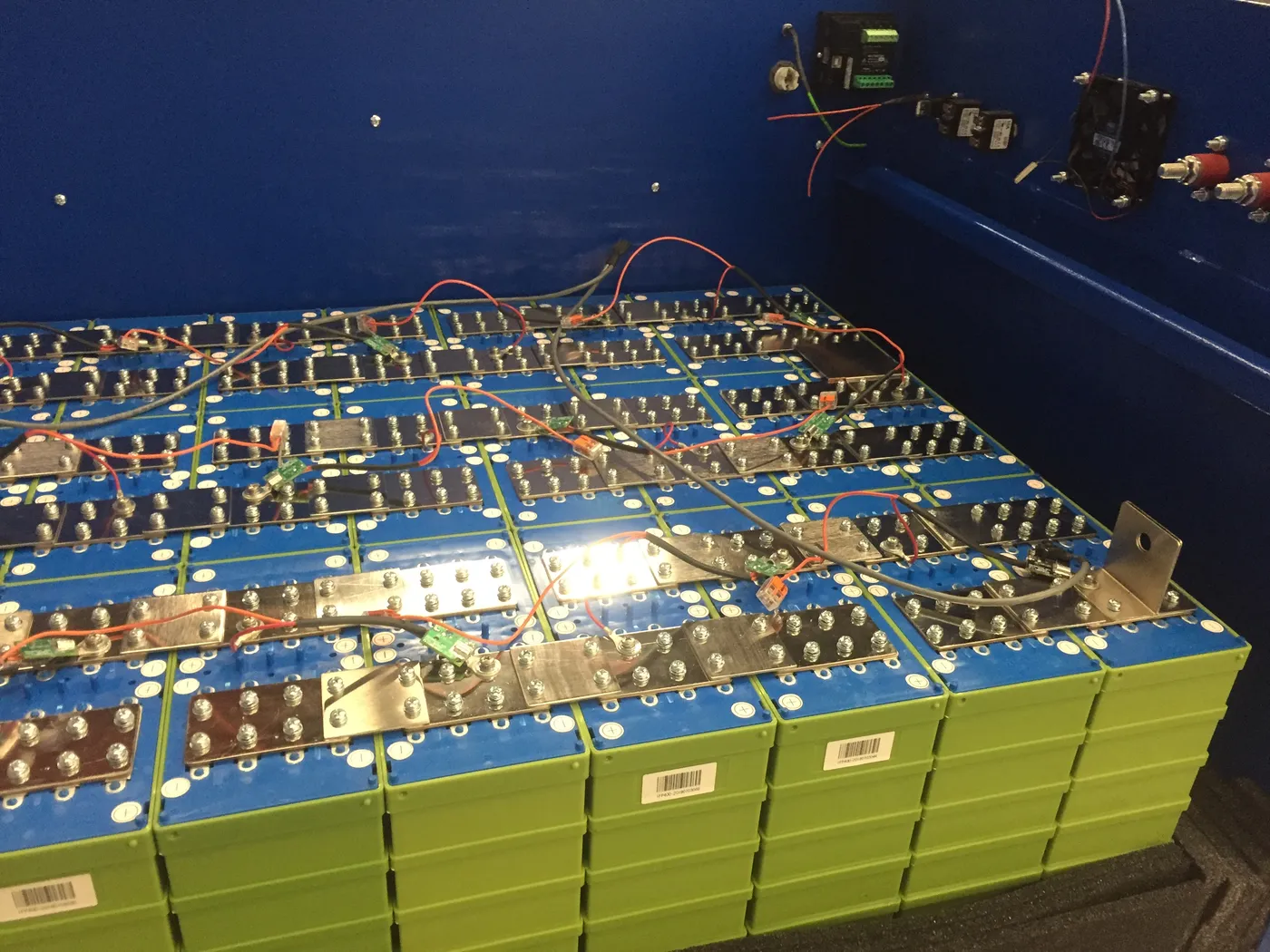
Parallel strings require balanced current paths. If one battery has shorter or lower resistance conductors, it may supply and accept more current than its neighbors. Diagonal takeoff, busbars, matched conductors, and individual string protection can improve current sharing, but the correct layout depends on the equipment and fault current available.
Never rearrange a charged bank casually. Cover exposed terminals, remove jewelry, use insulated tools, isolate charging sources, and follow a documented shutdown sequence. A dropped tool can bridge terminals and release destructive current in an instant.
Inverter sizing changes the voltage decision
Start with the AC load list. Add the running watts of devices that can operate together and account for the largest credible motor surge. Then select an inverter with suitable continuous output, surge behavior, waveform, environmental rating, and charging functions. Only after establishing that demand can battery voltage be chosen rationally.
A huge inverter on a small 12V bank is a warning sign. The bank may have enough stored energy on paper yet fail to deliver the required current without excessive voltage sag or a battery management shutdown. Conversely, choosing 48V for a few hundred watts of occasional power can create unnecessary conversion losses, component scarcity, and complexity.
The best RV inverters guide helps compare models intended for mobile installations. Confirm that the selected model's DC input exactly matches the planned bank. A 24V inverter cannot run directly from a 12V battery, and a 12V appliance cannot be connected directly to a 24V or 48V bank.
Idle consumption matters in all three systems. An inverter that remains on around the clock can use meaningful energy even when AC loads are small. Search mode may reduce consumption, but some light electronic loads fail to wake it reliably. A remote switch and planned operating schedule can be more predictable.
Solar controller and array compatibility
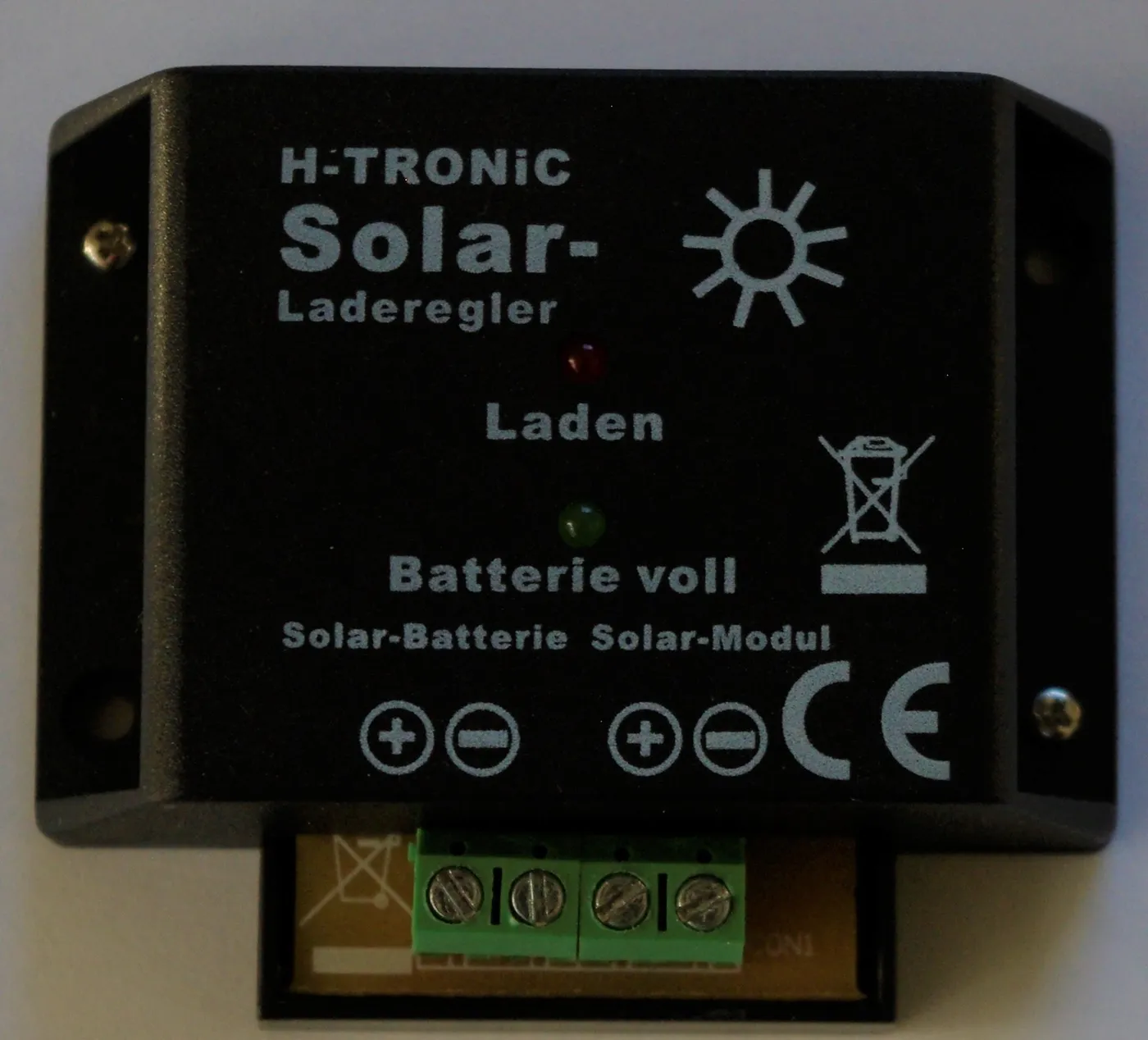
Solar design involves two voltage domains. Panels connect in series and parallel to form an array voltage and current. The charge controller converts that input to the battery charging profile. The array must stay inside the controller's voltage and current limits under all expected conditions, while the controller output must support the battery bank voltage and charging requirements.
Moving from 12V to 24V or 48V may allow a controller to handle more charging power at the same output current rating, but only if its specifications permit it. Do not infer capability from a connector or model name. Read the output table for the exact battery voltage.
Panel placement, shading, temperature, and wiring losses still determine real production. The best RV solar panels guide is useful when roof space, weight, mounting, and travel conditions drive the buying decision. An array should be designed around the daily energy budget, not around the largest watt number that fits on the roof.
Battery charging settings must follow the battery maker's values. Lead acid and lithium profiles differ, and even batteries with the same broad chemistry may specify different limits. Temperature compensation that benefits some lead acid batteries may be inappropriate for a lithium pack. Charging lithium below its permitted temperature can cause permanent damage unless the battery prevents it or includes controlled heating.
DC loads, converters, and hidden losses
Direct DC operation can avoid inverter losses, but only when voltage is compatible. A 12V router, fan, or refrigerator cannot simply receive 24V. A regulated converter must support the input range, output voltage, continuous current, surge, and environment. It also needs appropriately placed protection on its input and output when required.
Converters consume some energy and may draw power while idle. Several small converters scattered around a system can complicate troubleshooting. A centralized converter is easier to isolate but may create a single point of failure. Critical loads may justify separate protected circuits or a spare converter.
USB outlets are not automatically interchangeable either. Their internal converter must accept the bank voltage. An automotive USB socket marked for 12V may be damaged on a 24V bank. Read the input range printed by the manufacturer rather than relying on the plug shape.
Voltage drop and cable length
Voltage drop is the difference between source voltage and load voltage caused by resistance in conductors and connections. At 12V, a small absolute drop represents a larger percentage of the supply than it does at 48V. An inverter may reach its low voltage cutoff while the battery itself still has charge because cable drop pulls down the voltage at the inverter terminals.
Keep battery to inverter cables short, route positive and negative conductors together, protect them from abrasion, and use properly crimped listed lugs. Do not rely on chassis metal as the only return path unless the vehicle and equipment design explicitly calls for it. Every connection should be secured to the specified torque with hardware that resists loosening in the installation environment.
A cable calculator can support planning, but the equipment manual and applicable electrical rules take precedence. Calculators need correct inputs, including conductor material, one-way length convention, current, permitted drop, and temperature. A deceptively small input error can produce an unsuitable recommendation.
Protection, disconnects, and grounding
A battery can deliver fault current far beyond normal load current. A fuse or circuit breaker near the positive source protects the conductor if insulation fails or a tool creates a short. Its interrupt rating must be adequate for available fault current. Its voltage rating must equal or exceed the maximum system voltage. A device suitable for 12V DC is not automatically safe at 48V DC.
A disconnect should isolate the battery from major equipment without requiring a person to remove a live cable. Solar, alternator, shore charger, and inverter charger sources may need their own isolation sequence. Label each disconnect clearly so another person can shut down the installation during an emergency.
Grounding and bonding depend on whether the system is in a vehicle, boat, standalone structure, or premises wiring installation. AC neutral bonding may change when an inverter transfers between shore power and inverter operation. Follow the inverter instructions and applicable code, and involve a qualified electrician where premises wiring is concerned.
Battery capacity and runtime across voltages
Amp hours cannot be compared across different voltages without conversion. A 100 amp hour 12V bank represents about 1,200 nominal watt hours. A 100 amp hour 24V bank represents about 2,400 nominal watt hours. A 100 amp hour 48V bank represents about 4,800 nominal watt hours. Usable energy is lower or different according to chemistry, discharge limits, current, temperature, age, and conversion losses.
When comparing proposed banks, convert each to watt hours and apply the manufacturer's usable depth of discharge. Then subtract inverter and wiring losses and allow a reserve. Runtime depends on the average load, not merely inverter rating.
A higher voltage bank does not last longer solely because its voltage is higher. If two banks store the same usable watt hours and serve the same load through equally efficient equipment, their runtime should be similar. The higher voltage system's advantage is primarily current management.
How to choose without overbuilding
Choose 12V when the system is modest, cables can remain short, direct 12V loads dominate, and vehicle integration matters. Choose 24V when inverter power and cable burden are becoming uncomfortable at 12V but accessory needs and system scale do not warrant 48V. Choose 48V when a larger inverter, substantial charging power, or planned expansion makes lower current materially valuable.
Create a one-line diagram before purchasing equipment. Show batteries, busbars, fuses, disconnects, inverter, controllers, chargers, converters, and grounding points. Add maximum current, cable size, and protection rating to each circuit. This exposes compatibility gaps that a shopping list can hide.
Leave expansion room intentionally. Adding batteries in series or changing bank voltage later can force replacement of the inverter, chargers, monitors, converters, relays, and DC appliances. If expansion is likely, compare the cost and complexity of starting at the higher voltage with the cost of replacing equipment later.
Frequently asked questions
Is 48V more efficient than 12V?
It can reduce cable losses because equal power requires less current, but total efficiency also depends on inverter design, cable size, connections, converters, and operating load. A small system burdened with extra converters may not gain enough to justify 48V.
Can I connect a 12V appliance to a 24V battery?
Not directly. Use a regulated 24V to 12V converter sized for the appliance's continuous and starting current. Protect and install it according to its instructions.
Can four 12V batteries make a 48V bank?
They can when connected in series only if the battery manufacturer allows that configuration and the batteries are appropriately matched. The charger, inverter, protection, and monitoring equipment must support the complete operating voltage range.
Does a 48V system store more energy?
Not necessarily. Stored energy depends on both voltage and amp hour capacity. Banks at different voltages can be designed with the same watt hour capacity.
Which voltage is best for an RV?
Many RVs are best served by 12V because their factory loads and vehicle systems use it. Larger inverter loads may justify 24V or 48V with suitable converters and professional system integration.
Can I use the same solar panels with any battery voltage?
Potentially, through a compatible charge controller. The array voltage and current must remain inside the controller input limits, and the controller must support the selected battery voltage and charging profile.
Bottom line
The best battery voltage is the lowest complexity that safely supports the required power, cable length, charging sources, and future plan. Twelve volts remains practical for small mobile systems and direct DC accessories. Twenty four volts offers a useful reduction in current for medium systems. Forty eight volts makes large inverter and off-grid systems more manageable, but it demands a coordinated component ecosystem. Calculate current at peak load, compare complete system compatibility, and design protection before buying the battery bank.