
Same watts, very different feel
Stand in a cold room with a ceramic heater on one side, a quartz infrared heater on the other and an oil-filled radiator in the corner, all rated at the same wattage. They are putting identical amounts of energy into the space, yet they feel completely different. One is warm within seconds, one warms your shins directly and one seems to do nothing for ten minutes and then keeps the whole room comfortable.
The difference is the method of heat transfer. Each type leans on a different mix of convection, radiation and thermal mass. Understand that and the choice becomes a match between a heater and how you live in the room.
Three ways heat moves
Heat reaches you in three ways. Conduction is direct contact, like touching a warm mug. Convection is the movement of warm air, which rises and circulates. Radiation is infrared energy that travels through the air and warms any solid object it hits, including you, without needing to warm the air first.
Every heater uses all three to some degree, but each design emphasizes one. A fan heater is a convection machine. A quartz heater is a radiation machine. An oil-filled radiator mixes radiation and natural convection and adds a large store of heat.
Because all three convert electricity to heat with very little loss, none of them is more efficient in terms of energy conversion. The wattage governs the heat, as explained in our article on watts and circuit limits.
Ceramic heaters
A ceramic heater uses a ceramic element, often a type that limits its own temperature, and a fan that blows air across it. The air picks up heat and goes into the room. Because the element is small and the fan moves air, the heater starts delivering warmth within seconds.
Strengths include fast start, compact size, light weight and an affordable price range. Many models add oscillation, a thermostat and a timer. Weaknesses include fan noise, a tendency for the warmth to disappear when the unit cycles off, and the way the blown air can feel dry and can stir dust. Ceramic heaters are best for quickly warming a small room, a bathroom or an office, where you only need heat for a while.
Infrared heaters
A radiant infrared heater, often with a quartz tube or a similar element, emits infrared energy directly. When that energy lands on your skin, clothes and furniture, it warms them. The air in between stays comparatively cool, so the heater is a spot-heating tool.
Strengths include instant warmth on the person in front of it, quiet operation in many models and good performance in drafty spaces, since you do not depend on heating a volume of air. Weaknesses include a narrow area of warmth, a glowing element that gets hot, and little effect on the overall room temperature. An infrared heater is ideal for a workshop bench, a garage, a patio with shelter or a desk, and a poor choice for warming a large bedroom evenly.
Oil-filled radiators
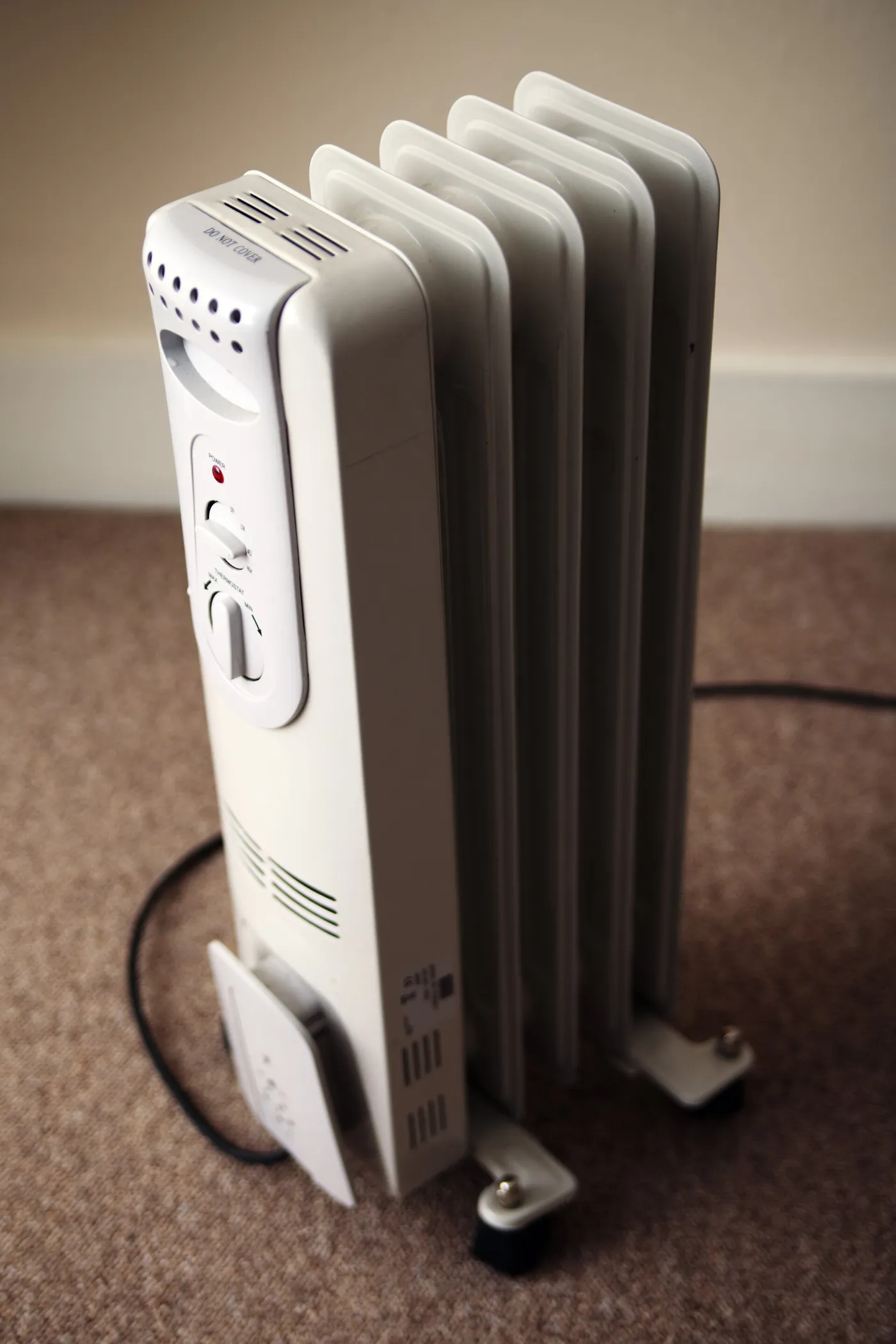
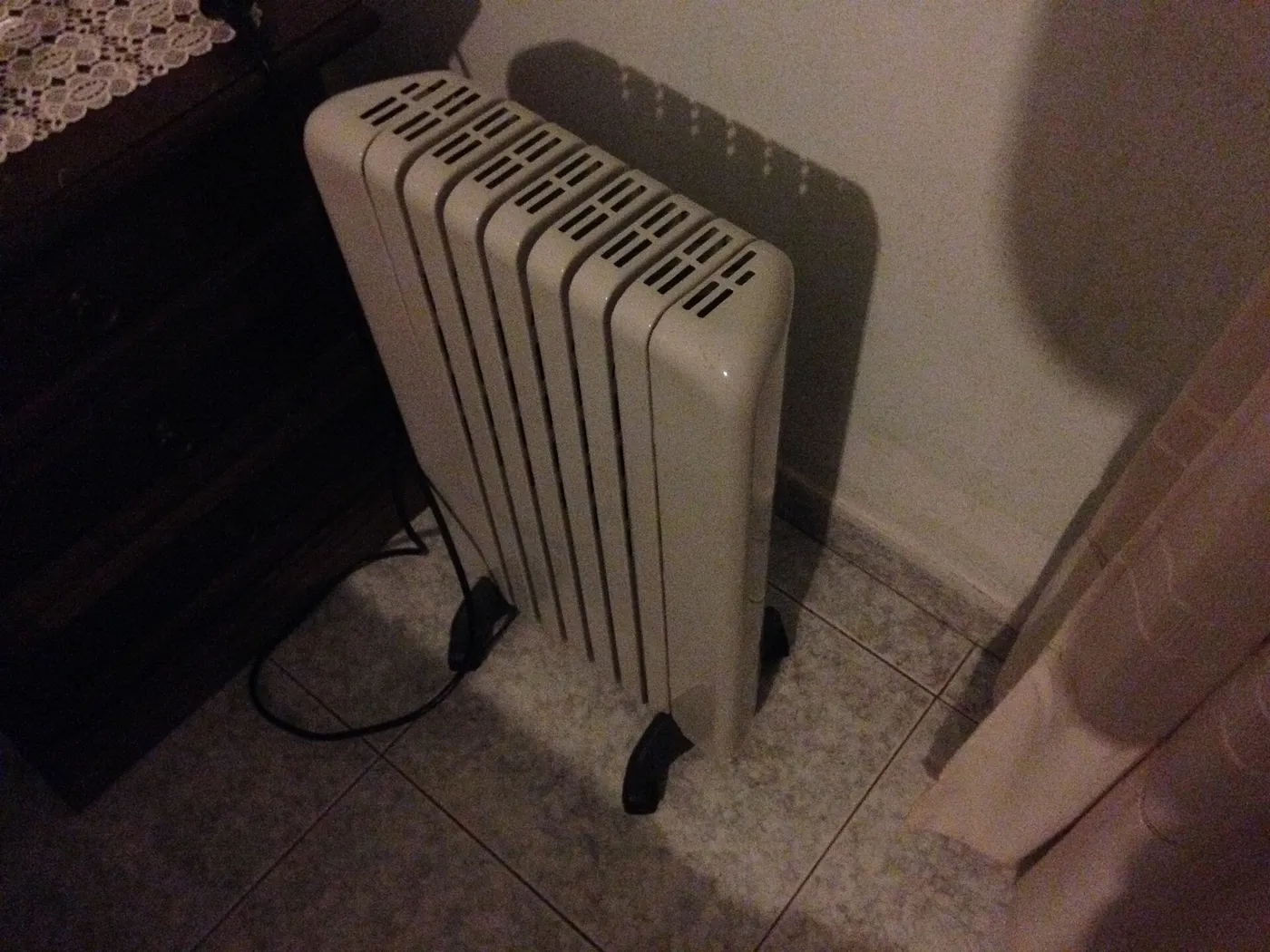
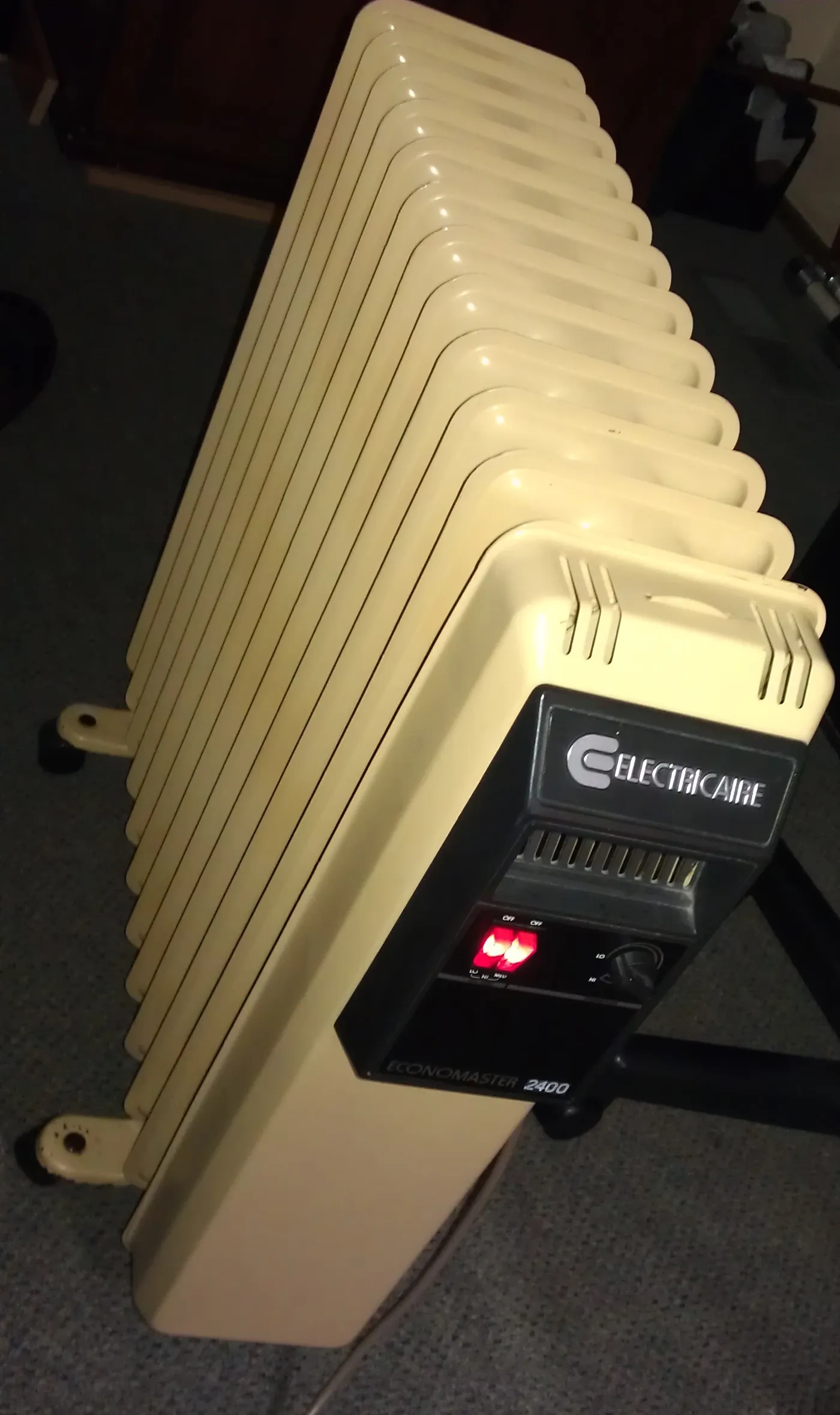
An oil-filled radiator has a sealed column or fins filled with thermal oil. An electric element heats the oil, and the oil warms the metal fins, which release heat into the room by radiation and natural convection. The oil is not consumed. It is simply a heat store.
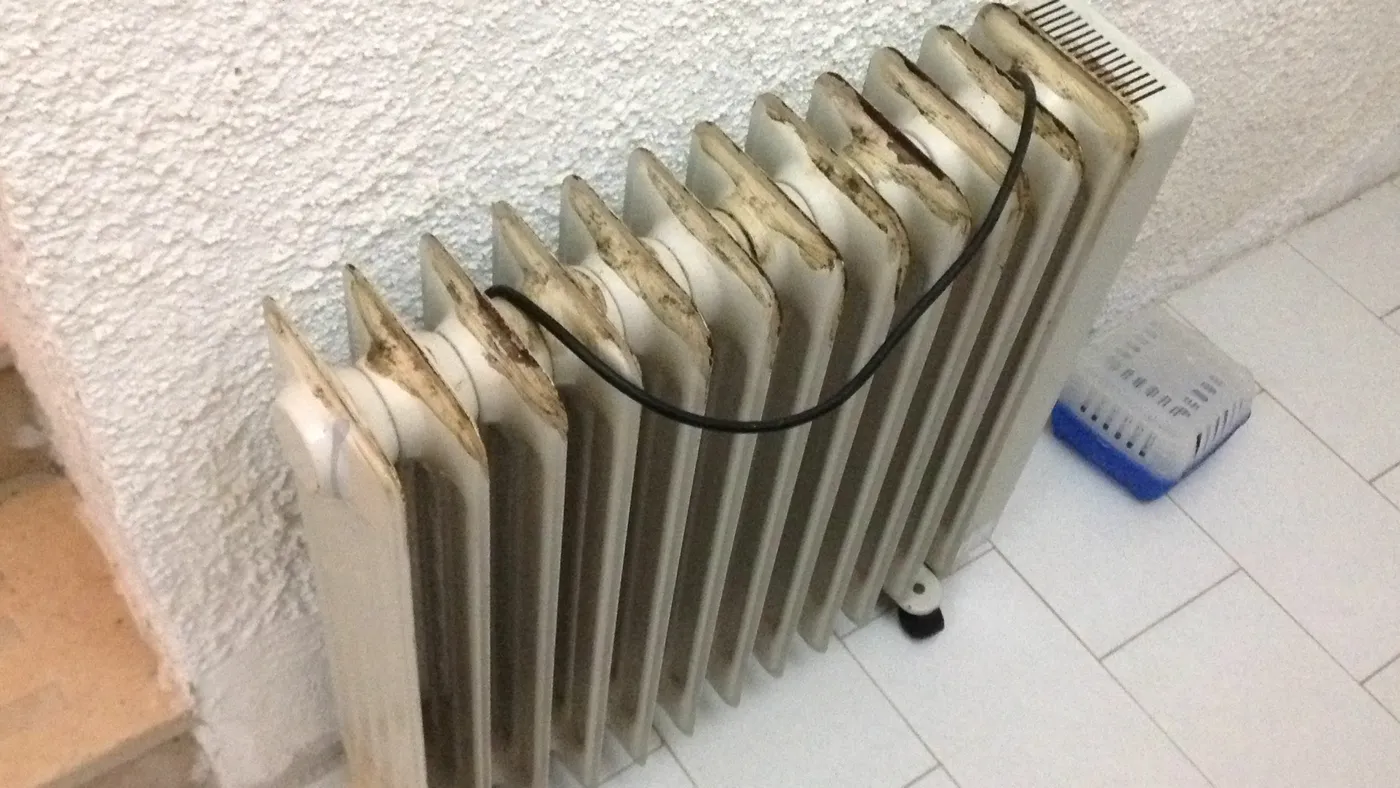
That store is the key behavior. The radiator takes a while to get going, because the oil and metal must heat up first, and it stays warm after the thermostat shuts off the element. The result is a gentle, even, silent warmth that cycles gently. Weaknesses are slow start, heavy weight, large size and surface temperatures that are hot enough to burn. Oil-filled units suit bedrooms, living rooms and any space you want to hold at a steady temperature for hours.
Comparison at a glance
| Factor | Ceramic | Infrared | Oil-filled |
|---|---|---|---|
| Main heat method | Fan-driven convection | Direct radiation | Radiation and natural convection |
| Time to feel warm | Seconds | Instant on the person | Slow, several minutes |
| Noise | Fan noise | Quiet to moderate | Nearly silent |
| Warms the whole room | Small rooms, quickly | No, spot only | Yes, evenly over time |
| Heat after switch off | Almost none | Almost none | Continues for a while |
| Surface temperature | Grille warm to hot | Element very hot | Fins very hot |
| Weight | Light | Light to medium | Heavy |
| Best for | Short sessions, small rooms | Spot heating, drafty areas | Long stays, bedrooms |
Room size and insulation matter more than type
A 1500 watt heater of any type puts out roughly the same heat, so a big or leaky room can overwhelm any of them. A poorly insulated room loses heat as fast as you add it, and no clever design changes that. Close doors, seal drafts around windows and use rugs and curtains before you assume the heater is too weak.
In a small, tight room, a ceramic or oil-filled unit can reach a comfortable temperature. In a large or drafty space, a heater that warms you directly, such as an infrared unit, feels better than trying to heat the air. That is why the same heater can feel great in one room and useless in another.
Noise and sleep
For a bedroom, noise matters more than speed, because you rarely need the room warm within a minute. Oil-filled radiators are the quiet choice, with perhaps the faint tick of the metal as it heats and cools. Ceramic heaters have a fan, which is a constant hum and can wake light sleepers.
Some ceramic models have a low-fan setting, and some people actually like the white noise. If you intend to sleep with the heater on, pick a model with a thermostat and tip-over protection, and read the manufacturer's guidance about unattended use. The best space heaters guide flags models that are well suited to bedrooms.
Dryness, dust and smell
Fan heaters move air across a hot element and stir the dust in the room. Some people notice a dry feeling or a faint burnt-dust smell when they first turn one on after summer. That is dust burning on the element, and it usually fades after a short time.
Radiant and oil-filled heaters do not move much air, so they stir less dust. Heaters do not remove moisture from the air in a chemical sense, but warming air lowers its relative humidity, which can feel dry. A humidifier or a bowl of water can offset it, and a hygrometer lets you check.
Safety by type
- All types: keep them away from flammable materials, plug them directly into the wall and never cover them.
- Ceramic: the grille gets hot, so keep fingers and pets away.
- Infrared: the element is exposed and very hot, so keep clearances and avoid aiming at furniture.
- Oil-filled: the fins are hot enough to burn, and the unit is heavy, so place it on a stable floor.
Look for a tip-over switch, overheat protection and a mark from a recognized testing lab. Follow the manual's clearance distances.
Running cost
For the same wattage and the same hours, the energy used is the same, so the type of heater does not change the cost per hour at full power. What changes is how long you need it on. An oil-filled unit takes longer to warm up and cycles off with heat still in its fins. A ceramic or infrared unit gives instant warmth but stops giving it the moment you switch it off.
Use the thermostat and a timer on every type to avoid running at full power when it is not needed. A small heater on a desk may be cheaper over a day than a large one heating a whole room you are not using.
Which to choose, by situation
| Situation | Pick |
|---|---|
| Warm a small bathroom or office quickly | Ceramic |
| Heat a workbench or garage spot | Infrared |
| Keep a bedroom comfortable overnight | Oil-filled, with a thermostat |
| Warm your feet at a desk | Small ceramic or mini heater |
| Drafty room with a favorite chair | Infrared aimed at the chair |
| Long evenings in a living room | Oil-filled |
For smaller personal units, the mini space heaters guide covers compact options that fit these uses.
Why warm air and warm objects feel different
Comfort is not only air temperature. Your body exchanges heat with the room by touching air and by radiating to and from surrounding surfaces. In a cold room, cold walls and windows draw heat from you by radiation, even if the air is warm. That is why a room can feel chilly at a comfortable thermostat reading when the walls are cold.
A radiant heater counters this by adding radiation directly to you, so you feel warm even when the air is cool. A fan heater warms the air but cannot fix a cold wall, so it takes longer to feel comfortable in a draughty room. An oil-filled radiator warms both the air and nearby surfaces slowly, and over time the walls and furniture soak up some of the heat, which makes the room feel more even.
Thermostats and cycling by type
Each type cycles differently. A ceramic fan heater with a thermostat switches on and off quickly, and the warm air dissipates fast when it stops. An oil-filled radiator cycles slowly, and its large heat store smooths the temperature, with fewer noticeable swings. A radiant heater with a thermostat measures the air near the unit, which may not match what you feel in front of it, so many people use it without a thermostat and by judging comfort.
Some heaters have a simple dial with low, medium and high power steps, and others have a digital thermostat with a target temperature. A good digital control improves comfort and reduces running cost, because the heater stops when the room is warm. Look for a thermostat that holds a target within a small margin and has a timer for off-hours.
Mini and personal heaters
Small heaters are a category of their own. They are usually ceramic or radiant, and they heat a small zone around you at a desk, a workbench or a bathroom counter. Their low power draws a small share of a circuit, so they are easy to use without tripping a breaker.
They cannot heat a whole room, and treating them that way leads to disappointment. If you sit at a desk for hours in a cool home office, a small heater near your feet may be more useful and cheaper than heating the room. For options in this size, see the mini space heaters guide.
Garages, workshops and outdoor-adjacent spaces
Large, uninsulated spaces such as garages are difficult for any plug-in heater. The air volume is large, the walls leak heat and the door lets in cold. A radiant heater aimed at your workbench warms you without trying to heat the space. A fan heater may take a long time to make a difference, and an oil-filled radiator rarely keeps up.
In those spaces, also consider ventilation and the presence of dust, fumes or flammable materials. Keep heaters well away from solvents, fuels and sawdust, and follow the manual's guidance on where the heater can be used. A heater that suits a living room may not be suitable for a dusty workshop.
Myths worth dropping
- "Infrared heaters are far more efficient." They are not more efficient at turning electricity into heat, since every plug-in resistance heater does that nearly completely. They can feel more effective in some situations because they warm you directly.
- "Oil-filled heaters use no electricity once warm." The element still cycles on to keep the oil hot. They simply spread the heat more evenly over time.
- "Ceramic heaters are safer because they are ceramic." The element material does not make the unit safe. Safety comes from the thermostat, tip-over protection, overheat cutoff and sensible use.
- "A higher price means more heat." Heat output is set by wattage. Price reflects build, controls and features.
Dropping these myths removes most of the confusion in the product listings, and you can focus on features that change daily life: noise, controls, clearance and the way the heat feels.
Pairing a space heater with central heating
A space heater is most economical when it lets you lower the central thermostat while keeping the room you use comfortable. Turn the whole-house setting down a few degrees and warm only the occupied room. That only pays off if the heater type matches how you use the room: radiant for a chair or desk, oil-filled for a room you stay in all evening, ceramic for a quick boost.
Features worth comparing across all three types
Once the type is chosen, similar-looking models differ in ways that matter every day. A digital thermostat holds the room closer to your target than a simple dial. A timer prevents running through the night. A remote control saves getting out of bed. Wheels or a carry handle make an oil-filled radiator manageable. A cord that stores neatly and a plug that fits snugly are small details that show good build quality.
Also check how the heater reacts if it tips, how hot the casing gets and what the manual says about clearances. In a household with children or pets, a cool-touch casing and a child lock are worth prioritizing over extra power settings. The 1500W space heaters guide lists full-power models with these features.
Frequently Asked Questions
Which type of space heater is the most efficient?
At the same wattage, they use the same electricity and produce the same heat. The difference is how the heat reaches you and how long you need the heater on, so efficiency depends on matching the type to the use.
Are infrared heaters better than ceramic?
They are better for spot heating, because they warm you directly. Ceramic heaters are better for warming a small enclosed room, since they heat the air. Neither is better for every case.
Why does an oil-filled heater take so long to warm up?
The oil and the metal fins must heat up first, and they hold a lot of energy. The same store keeps the heater warm after it cycles off, which gives a steady, even warmth.
Which heater is quietest?
An oil-filled radiator is usually the quietest, with no fan. Infrared units can be quiet, and ceramic heaters have fan noise.
Can I leave a space heater on overnight?
Follow your heater's manual, which often advises against unattended operation. A model with a thermostat, tip-over protection and overheat protection is a safer choice, and you should keep clear space around it.
Do space heaters dry out the air?
They warm air, which lowers its relative humidity, so the room can feel drier. A fan heater that stirs dust may make it more noticeable. A humidifier and a hygrometer help you manage it.
Bottom line
All three types give the same heat per watt, so choose by delivery. Pick ceramic for fast warmth in a small room, infrared for warming you directly in a drafty spot, and oil-filled for quiet, steady heat over long stays. Pair any of them with a thermostat, respect the circuit limits and keep clear space around the unit. Match the type to how you actually use the room and a modest heater feels better than a mismatched powerful one.