

The spec sheet confusion
You find two dehumidifiers that look nearly identical. One is labeled with a bigger pint figure and the other a smaller one, yet they are the same size, with the same coil and the same compressor. The cheaper listing even has the larger number. It is tempting to conclude that the older one is simply stronger.
It often is not. The numbers were measured under different conditions, and a figure from one test method does not translate directly to a figure from another. Understanding that single fact makes shopping for a dehumidifier far less confusing.
What a pint rating actually means
The rating is the volume of water a dehumidifier can pull from the air in a 24 hour period, expressed in pints, when tested at a defined temperature and relative humidity. It is a lab figure. The air in the test room is held steady, and the machine runs continuously.
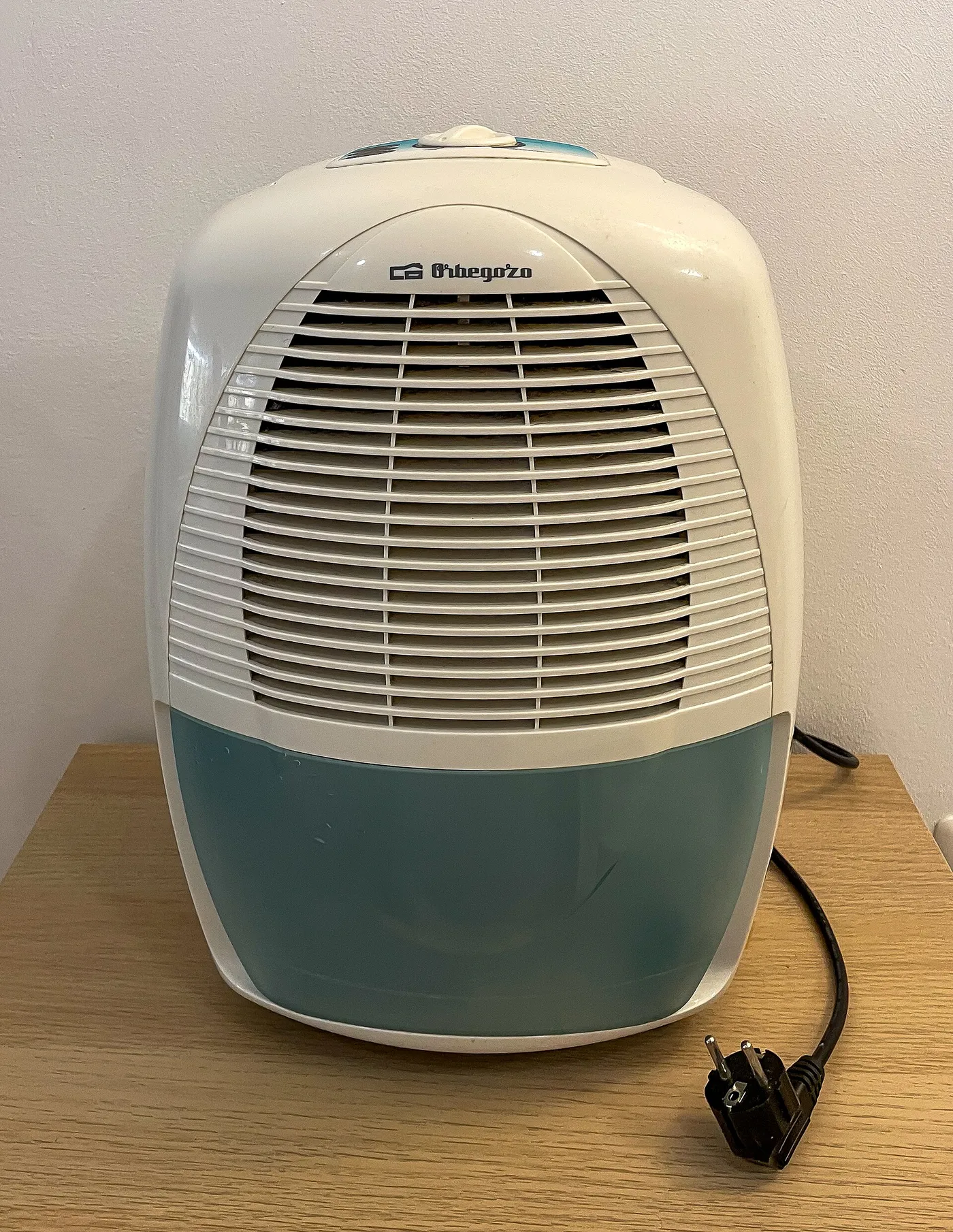
That is why the number is best thought of as a comparison score and not a promise. Your basement will rarely match the lab condition, so the actual water collected will differ. But as long as two units are rated at the same condition, a higher number does mean a stronger machine.
The test condition shift
The Department of Energy updated its test procedure for dehumidifiers, which moved the rating condition to a cooler, less humid set of conditions than the earlier test. Moving to a cooler test condition lowers the water a given machine removes, so the same hardware yields a smaller pint figure than it did before.
The effect points in one direction. Under the newer, cooler condition, the same physical dehumidifier is assigned a lower pint number than it would have carried under the older, warmer condition. A manufacturer who relabels a product to the new standard may therefore show a number that looks like a downgrade, though the machine is unchanged.
Why the test moved
The older condition was warm and humid, like a muggy summer day, and few basements stay that warm for most of the year. A cooler test is closer to the real conditions in which people run these machines, so the new figure better reflects typical use. Energy efficiency ratings were also revised, so the metrics used for Energy Star comparisons shifted with them.
The intent was to make the figure more representative. The side effect was a market full of listings that use different yardsticks at once, with older stock, resellers and third-party sellers still showing the previous numbers.
How old and new labels line up
| Question | Older labeled unit | Newer labeled unit |
|---|---|---|
| Rated condition | Warmer, more humid | Cooler, less humid |
| Pint number for the same hardware | Higher | Lower |
| Closeness to real basement use | Further | Closer |
| Safe to compare directly | Only with other old-label units | Only with other new-label units |
The table shows direction, not exact ratios. A model sold under both labelings at different times can differ by an amount that varies with its design.
How to compare listings honestly
- Find out which standard each listing uses. A modern manufacturer page or the unit's rating label usually states the test condition.
- Compare units only within the same standard. Never compare an older-labeled number with a newer-labeled one as if they matched.
- Look at physical clues: compressor type, coil size, airflow and stated operating temperature range, which do not change with the labeling.
- Check the Energy Star listing if the unit has one, since it states capacity and efficiency under the current procedure.
- When in doubt, ask the seller which condition the number applies to, or choose a brand that states it plainly.
This careful reading matters most when you shop by tier. For instance, if you are choosing among models in the 20 pint dehumidifier guide and the 30 pint dehumidifier guide, remember that the tier name reflects the label, and the label may follow either standard.
Old stock and third-party sellers
Because the change did not happen overnight, retailers carry units that are labeled under both procedures at the same time. A reseller may list an older box with an older number next to a newer unit with a lower number. Marketplace listings can also copy outdated specifications from a manufacturer's earlier product page.
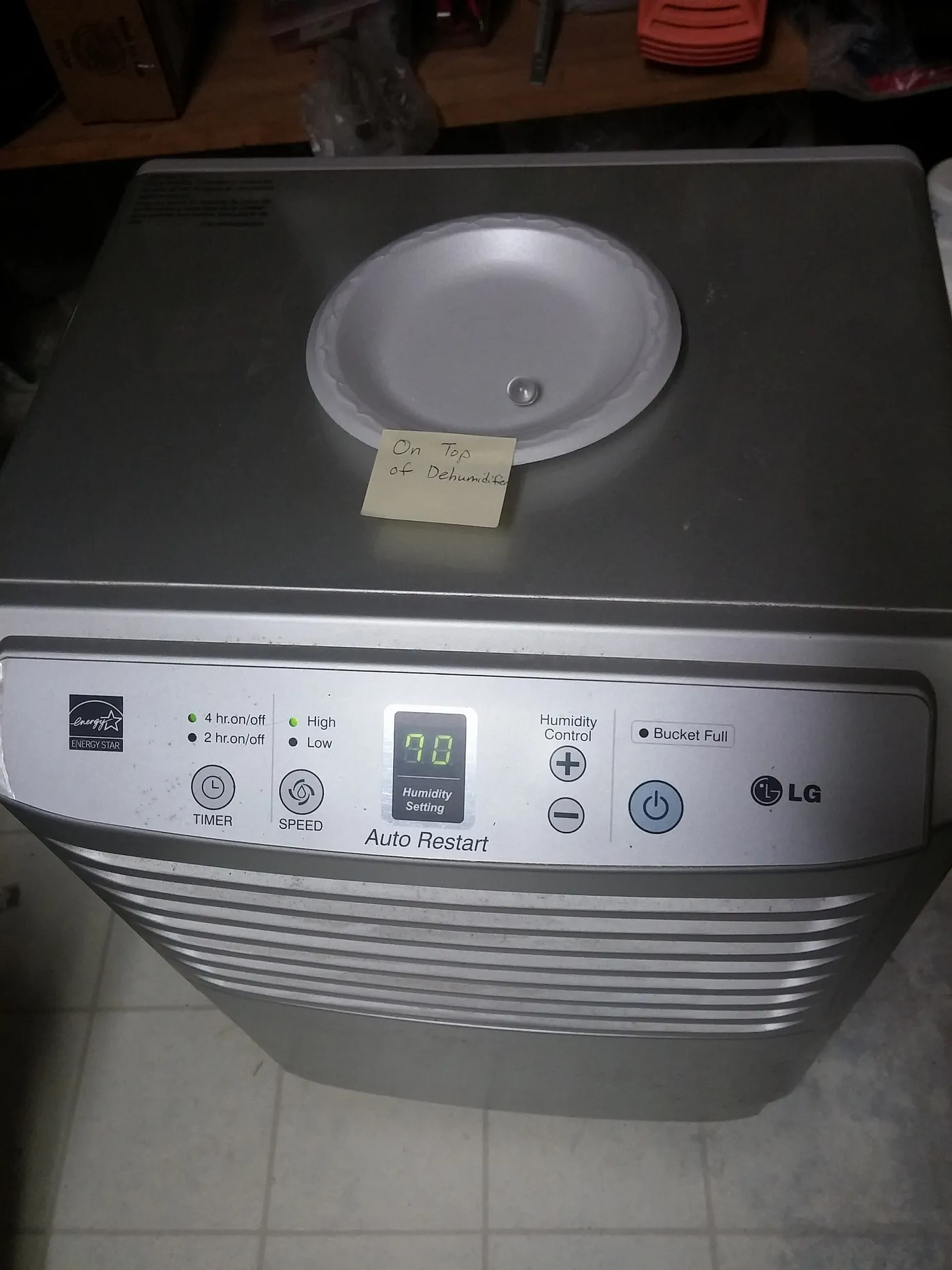
That is why checking the label on the machine or the manufacturer's current page is more reliable than trusting a headline figure. When two listings disagree about the same model, the manufacturer's current data wins.
Real capacity beats the label
Whatever the label says, what you receive depends on your air. A basement at a cool temperature yields less water than the label under any standard. The mechanism, covered in our explanation of the dehumidifier cycle, is that a colder coil collects less and may frost.
That makes the newer, cooler rating condition useful. A number measured closer to real use gives you a better first guess about how a unit will behave in an ordinary basement. Even so, treat it as a starting point and verify with a hygrometer after installation.
What the size tiers mean now
Tier names such as 20 pint, 30 pint and so on persist, but the hardware behind a given tier has shifted as manufacturers adapted. A model sold under a small tier today may be physically larger than a model carrying the same tier name from years ago, since the new number is lower for equal hardware.
For buyers this means the tier is a rough guide, not an exact promise. After you pick a tier, use the sizing process in the sizing guide to decide whether you need to step up, based on area and dampness, and then examine the particular model.
Efficiency figures follow the same logic
Efficiency, usually stated as liters of water removed per kilowatt hour, is also measured at a defined condition. A change in the test condition affects it in the same way. This is another reason to compare efficiency numbers only among units tested under the same procedure.
When you read an Energy Star listing, look at both capacity and efficiency together. A model with strong capacity and modest efficiency will fill the bucket fast but cost more to run, while a lean model may be slower but cheaper. Neither fits every space.
Reading sales language
Listings sometimes use phrases such as "up to" a pint figure, or advertise an older number because it looks more impressive. Treat bold headline numbers with caution. Useful questions include the following.
- At what temperature and humidity was this figure measured?
- Does the listing show a lower operating temperature limit?
- Is the number the same as the one on the manufacturer's page?
- Does the unit list a drain hose or pump, which affects how much of that capacity you can actually use?
A listing that cannot answer these questions is not necessarily dishonest, but it leaves you guessing, and guessing is expensive.
A practical buying path
Decide your required output from the space, not from a label. Then shop within one standard. If you find two units whose numbers differ by a small amount, treat them as equal until you check the rating conditions. The deciding features are then drain options, filter access, noise, warranty and build.
Use the roundup guides as a starting point, then check the label on the specific unit you are about to purchase. Always read the manufacturer's page for the final word on the rating condition.
A worked piece of reasoning, with illustrative numbers
The figures in this section are illustrative only. They show the logic and are not ratings of any product. Suppose a manufacturer ships one dehumidifier design for years. Under the old, warmer condition it was labeled with a certain pint number. When the new procedure applied, the same design, with no hardware change, was relabeled with a smaller number, because the cooler test air carries less water.
Now picture two listings side by side. Listing A shows the old, larger number from the earlier procedure. Listing B shows the new, smaller number from the current one. A shopper who only reads the numbers will think A is stronger. A shopper who checks the conditions will see that both labels describe one machine.
The lesson is that the direction of the shift is certain, while the size of the shift depends on the design. That is why the safest approach is not to convert numbers yourself but to identify which standard each number comes from and compare like with like.
What did not change
The physics of the machine is the same. A coil that collects a given amount of water in a given airstream collects the same amount no matter what label is printed on the carton. The only thing that moved is the yardstick.
That means every real-world factor still applies. Warm, humid air gives high output. Cool, dry air gives low output. A bigger coil and stronger fan collect more. A blocked filter or a frosted coil collects less. When you evaluate a particular model, these hardware and airflow facts tell you more than the headline pint number ever could.
- Coil area and compressor size set the true ceiling for water removal.
- Airflow decides how fast room air reaches the coil.
- Operating temperature range tells you where it stays productive.
- Drain options decide how much of the rated capacity you can actually use.
Using the rating to choose for your room
A pint figure helps with a rough match between machine and space, but it should be the second step. First measure the area and judge how damp the space really is. Then use the rating tier to shortlist machines. Finally, verify the details that matter in practice: how it drains, how loud it runs and how low a temperature it tolerates.
Our sizing guide walks through that sequence. If your basement is cool for much of the year, favor a model whose published performance covers cool conditions, and be skeptical of a unit whose only headline is a large number measured at a warm condition.
A note on Energy Star listings
Energy Star maintains a certified product list for dehumidifiers, with capacity and efficiency data measured under the current procedure. That makes it a convenient place to compare certified models directly, since they share the same yardstick. Not every good unit is certified, but when a model appears on the list you can read a consistent set of numbers.
If you are comparing a certified model with an uncertified one, ask the manufacturer for the test condition behind the uncertified figure. The comparison is only meaningful when both numbers describe the same conditions.
Verify the real result in your own room
No rating, old or new, tells you what a machine will do in your particular basement. The reliable method is to measure. Place a small hygrometer in the room, note the starting humidity, run the machine for a day with the doors closed and see how far the reading falls and how often the tank fills.
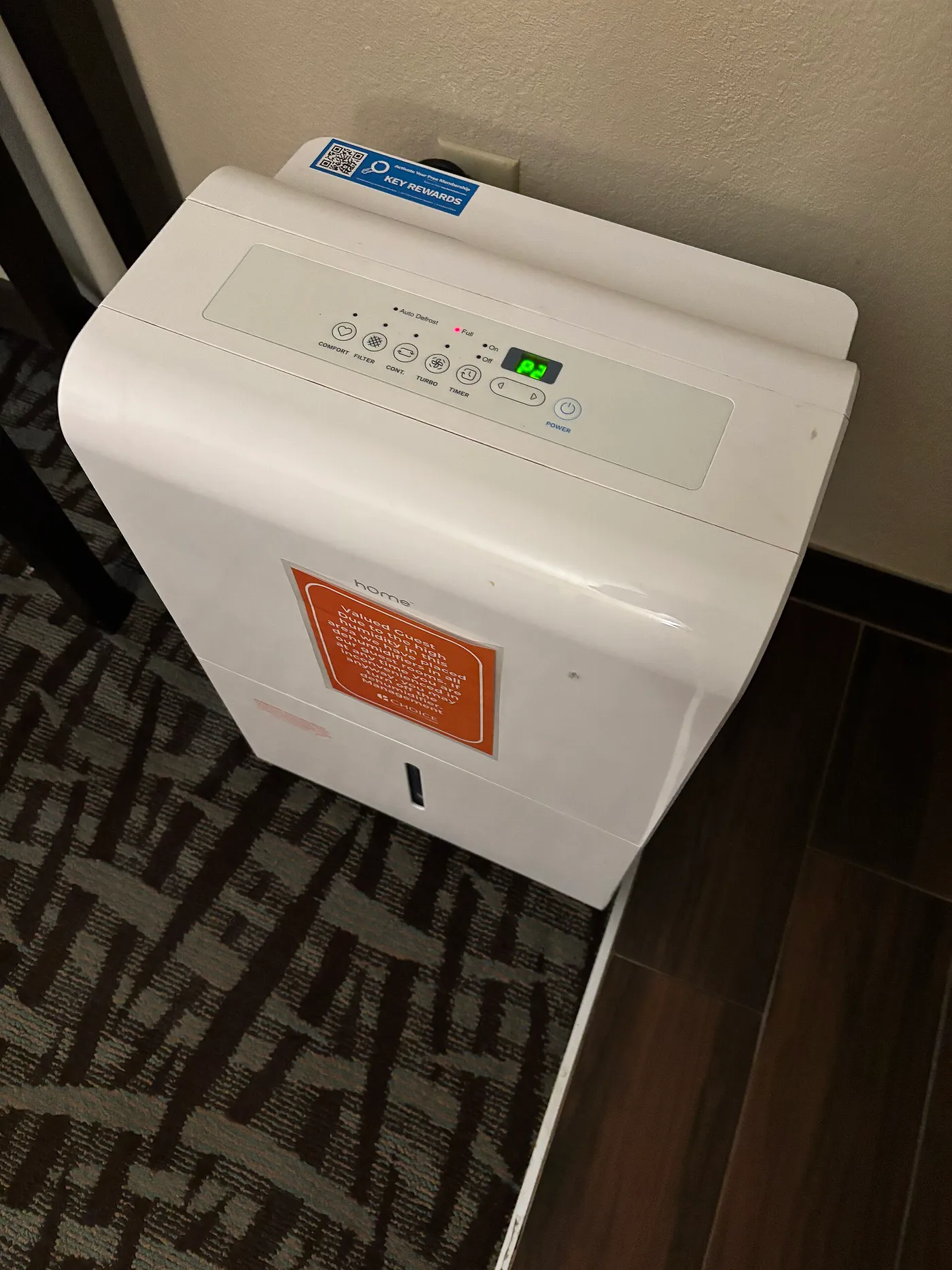
If the tank fills quickly and the humidity drops steadily, the unit is well matched. If it runs continuously and the reading barely moves, the unit is either too small or fighting a moisture source such as a leak or an open vent. This test is more informative than any label, and it works regardless of which test standard produced the number.
Shortcuts that save time
- If you shop by tier, treat neighboring tiers as roughly interchangeable until you read the test condition.
- Prefer listings that publish both the capacity and the condition it was measured under.
- When a deal looks too good, check whether the unit uses the older labeling.
- For a cold space, look for performance data at a cooler condition, or consider a different technology, as discussed in the compressor and desiccant comparison.
Brands, model years and why listings disagree
If you compare the same brand across several model years, expect the pint number to change even when the product looks identical. A manufacturer who updated a model for the new procedure may have kept the casing and refreshed the label. Another may have redesigned the machine and used the transition to add features.
When you see two generations of one model, read the model number carefully. A new suffix often signals a new rating or a revised design. If a listing page is vague, the safest route is to look up the model on the manufacturer's site and read its current specification sheet.
What a good manufacturer page should say
A clear specification page names the capacity, the test condition it was measured under and the operating temperature range. It also states the drain options, the noise level and the refrigerant type. When all of those appear together, you can judge the unit on its merits instead of guessing from one headline number.
If a page lists only a large pint figure and a few lifestyle photos, treat it as an invitation to ask questions, not a reason to buy.
Frequently Asked Questions
Why does a new dehumidifier have a lower pint rating than an older one?
The rating test moved to a cooler, less humid condition. The same hardware removes less water under that condition, so it receives a lower number. The machine itself may be just as capable as before.
Is a 20 pint dehumidifier today the same as a 20 pint one from years ago?
Not necessarily. Different test conditions mean the same number can describe different amounts of real capacity. Compare within one standard or check the manufacturer's current specifications.
Which number should I trust, the old or the new rating?
Trust the one that matches the condition closest to your space. The newer, cooler condition is generally closer to typical basements, so it is the better first guide for real use.
Can I convert an old rating to a new one?
There is no single multiplier, because the effect depends on the design of each unit. Look for the manufacturer's stated figure under the current procedure instead of trying to calculate one.
Does a higher pint number always mean a better dehumidifier?
It means more water removed under the test condition, which helps only if the unit also fits your space, drains conveniently and is quiet enough. Features like a pump and filter access matter as much as the number.
How do I find the test condition for a listing?
Check the rating label, the manufacturer's product page or the Energy Star listing. If a seller will not say, assume the number comes from whichever standard produces the larger figure.
Bottom line
Pint ratings are lab numbers tied to a specific test condition, and the DOE moved that condition, so equal hardware now carries a lower number than it once did. Compare units only under the same standard, rely on the manufacturer's current page, and then size the machine to your actual room. When you do that, a lower-looking number on a modern box stops being a warning sign and becomes the more honest measure of what the machine can do.