
Amazon affiliate links - we earn a commission.Affiliate disclosure

Buying guide · 14 min read · Updated 2026-11-07

Best 18000 BTU RV Air Conditioners (2026)

Five 18,000 BTU rooftop RV air conditioners compared on heat pump output, variable-speed compressors, ducted fit and the power they demand from a 30 amp rig.

James MillerBy James MillerLead Machine Editor6 machines comparedSpec-sheet verified
Best 18000 BTU RV Air Conditioners

At a glance

Our top picks

Side by side

Spec comparison

MachineCoolingDuctHeatingNoisePower
Furrion Chill Cube 18K non-ducted variable-speed RV ACBest OverallFurrion Chill Cube 18K non-ducted variable-speed RV AC18,000 BTUNon-ductedn/an/an/a
Arsenda 18,000 BTU non-ducted heat pump RV AC, 50 dBBest Value Heat PumpArsenda 18,000 BTU non-ducted heat pump RV AC, 50 dB18,000 BTUNon-ducted10,236 BTU heat pump50 dB claimed115V AC plus 12V DC
KINGRVER 18,000 BTU ducted cooling-only RV AC, WiFiBest Smart ControlKINGRVER 18,000 BTU ducted cooling-only RV AC, WiFi18,000 BTUDuctedn/a52 dB claimed115V AC plus 12V DC
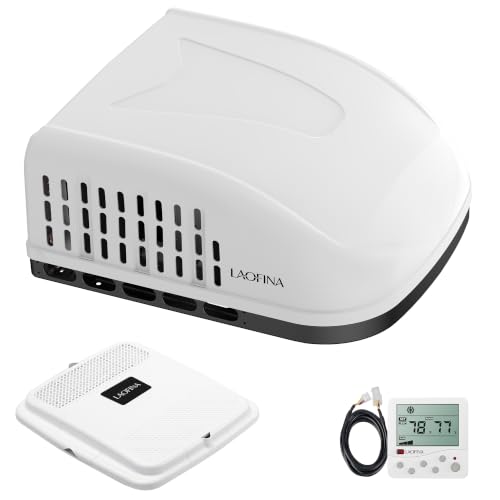
LAOFINA 18,000 BTU non-ducted heat pump RV AC, 50 dBBest Quiet-Claim Heat PumpLAOFINA 18,000 BTU non-ducted heat pump RV AC, 50 dB18,000 BTUNon-ductedHeat pump50 dB claimed115V AC plus 12V DC
TUSOMA 18,000 BTU non-ducted heat pump RV ACBest High-Speed Compressor ClaimTUSOMA 18,000 BTU non-ducted heat pump RV AC18,000 BTUNon-ductedHeat pumpn/a115V AC plus 12V DC
Arsenda 18,000 BTU R32 heat pump RV AC, UV-resistant shellBest R32 Heat Pump VariantArsenda 18,000 BTU R32 heat pump RV AC, UV-resistant shell18,000 BTUn/aHeat pumpn/a115V AC plus 12V DC

Eighteen thousand BTU is the top of the rooftop air conditioner range. It exists for large fifth wheels, toy haulers and motorhomes parked in direct desert sun, where a single smaller unit would run flat out all afternoon without ever catching up.

A unit this large asks a lot of a rig's electrical system. The choices that matter are whether the compressor is variable speed, how the heat is delivered, and whether your power supply can start and carry it without a fight.

Before you buy

6 Criteria to Look For Before Buying a 18000 BTU RV Air Conditioner

  1. 01

    Do you really need 18,000 BTU

    A 15,000 BTU unit cools roughly 700 square feet, and an 18,000 BTU unit mainly helps in 32 foot plus rigs in direct sun. Oversizing causes short cycling and a clammy cabin. Check your rig length, window area and roof colour before choosing this size. If you are under 32 feet, a smaller unit may serve better at lower cost and load. Humidity control is the hidden cost of oversizing, because the evaporator needs long run times to dry the air.

  2. 02

    Compressor behaviour

    The Furrion has a variable-speed compressor, while others are not stated as such. A variable-speed unit starts gently and then settles at a lower speed. That cuts the surge that trips breakers and starves small generators. Variable-speed units also tend to produce less temperature swing, which improves sleep.

  3. 03

    Generator and breaker load

    An 18,000 BTU unit draws roughly 15 to 18 amps running and much more at start. On a 30 amp service it uses most of the capacity. Plan on a 3,000 to 3,500 watt inverter generator at minimum and fit a soft start. Never run an 18,000 BTU unit alongside a microwave or electric water heater element on 30 amps.

  4. 04

    Heat pump output

    The Arsenda lists 10,236 BTU of heat, and others list a heat pump without a number. Output drops as temperatures fall. Treat it as shoulder-season heat and keep a furnace for cold. Defrost cycles lower real output, so expect less heat than the label on damp cold mornings.

  5. 05

    The 12V control feed

    Arsenda, LAOFINA, TUSOMA and KINGRVER all require a 12V DC connection alongside 115V AC. Without it the controls will not run. Confirm your rig's roof wiring before you buy. A voltmeter at the roof opening settles the question in a minute.

  6. 06

    Ducted or non-ducted

    KINGRVER is ducted while the others are non-ducted. Changing between them means changing the ceiling assembly. Match your current layout. A mismatch is the most common reason for returns, so photograph the ceiling assembly first.

Detailed reviews

The 6 best 18000 btu rv air conditioners, explained

01
Furrion Chill Cube 18K non-ducted variable-speed RV AC
18,000 BTUVariable speedNon-ductedBolt-on install
Check price on Amazon
Best for: Large rigs and generator users who want gentle starts and steady temperatures.

Furrion's Chill Cube pairs 18,000 BTU of capacity with a variable-speed compressor, which is the single most important feature in this size class. A fixed-speed compressor of this size starts hard, runs flat out and then shuts off, while a variable-speed unit can ramp up gently and settle at whatever speed holds the temperature. That behaviour cuts the starting surge, lowers the average draw and keeps the cabin temperature steadier.

The listing also highlights simple bolt-on installation with clear instructions, which matters because a unit this size is heavy. Furrion places it in the all-climate category, claiming higher capacity and better efficiency than comparable units. As the highest price tier in this guide, it asks for a real premium, and it is cooling-oriented rather than a heat pump value play. Compared with the Arsenda, it costs more but is gentler on a generator and tends to be quieter in partial-load operation.

Ownership benefits from a recognised RV brand with dealer and technician support. Clean the filter monthly, wash the coil each spring and inspect the roof gasket. Even with a variable-speed unit, a 3,000 watt inverter generator is the realistic floor for dependable starts. A black shroud also runs hotter in direct sun, so check the surface temperature rating.

What works

  • Variable-speed compressor reduces starting surge
  • 18,000 BTU for large or sun-baked rigs
  • Bolt-on install with clear instructions
  • Recognised RV brand support

Watch out for

  • Highest price tier of the group
  • Not a heat pump value play
  • Heavy unit needs two people on the roof

Spec sheet

Cooling
18,000 BTU
Compressor
Variable-speed
Duct
Non-ducted
Install
Bolt-on with instructions
Model
FACR18VS-SA-BL-AM
02
Arsenda 18,000 BTU non-ducted heat pump RV AC, 50 dB
18,000 BTU10,236 BTU heat50 dB claim115V + 12V
Check price on Amazon
Best for: Budget-minded owners of large rigs with strong shore power.

The Arsenda lists 18,000 BTU of cooling and 10,236 BTU of heat pump heating, and it states plainly that it needs both 115V AC and 12V DC connections. The 50 dB noise claim is a maker figure, but it is in the same range as the other heat pump units here. A heat pump at this size can heat a large rig through a mild morning without firing the furnace.

At the lowest price tier in the group, it is the sensible value choice. The compromise is a fixed rather than variable compressor design as far as the listing shows, so expect a firm start and plan your generator accordingly. Compared with the Furrion, you save money but lose the gentle start; compared with the second Arsenda listing, the difference is mainly the heating rating and refrigerant details.

Ownership is routine: filter, coil, gasket and a check of the 12V feed. Do not run the heat pump near freezing and expect full output. The 10,236 BTU heat figure is a mild-weather number, and defrost cycles take some of it back.

What works

  • 10,236 BTU heat pump
  • Lowest price tier
  • Clear electrical requirements
  • 50 dB claimed noise

Watch out for

  • Big start surge for small generators
  • Requires a 12V control feed
  • Heat fades near freezing

Spec sheet

Cooling
18,000 BTU
Heating
10,236 BTU heat pump
Noise
50 dB claimed
Power
115V AC plus 12V DC
Duct
Non-ducted
03
KINGRVER 18,000 BTU ducted cooling-only RV AC, WiFi
18,000 BTUDuctedWiFi + Alexa52 dB claim
Check price on Amazon
Best for: Ducted rigs that want smart control and cooling only.

KINGRVER offers a ducted 18,000 BTU cooling-only unit with WiFi, remote and Alexa control and a fast cooling mode. Ducted layouts push air through ceiling plenums to several vents, which spreads cooling more evenly in a long rig than a single outlet. The 52 dB claim is respectable for a unit this size.

It is cooling only, so you need a separate furnace for cold nights, and it requires both 115V and 12V connections. Smart features are convenient for pre-cooling before arrival but add failure points. It sits in the upper-middle tier. Compared with the Arsenda, it gives up heat to gain ducting and smart control.

Ownership includes inspecting the duct boots and seals, since leaks waste cooling into the ceiling cavity. Keep the filter and coil clean and verify the app connection before a trip. Smart control lets you pre-cool a hot rig before you arrive, which is a real comfort gain.

What works

  • Ducted distribution
  • WiFi, remote and Alexa control
  • 52 dB claimed noise
  • Fast cooling mode

Watch out for

  • No heating function
  • Needs 12V control feed
  • Smart features add failure points

Spec sheet

Cooling
18,000 BTU
Duct
Ducted
Control
WiFi, remote and Alexa
Noise
52 dB claimed
Power
115V AC plus 12V DC
04
LAOFINA 18,000 BTU non-ducted heat pump RV AC, 50 dB
18,000 BTUHeat pump50 dB claim115V + 12V
Check price on Amazon
Best for: Four-season use in large rigs at a mid price tier.

LAOFINA offers a year-round 18,000 BTU heat pump and a 50 dB noise claim. Like the Arsenda, it requires both 115V AC and 12V DC connections and is non-ducted. The listing emphasises year-round climate control, which suggests it is aimed at owners who use the rig across seasons.

It is close to the Arsenda on paper, with a slightly higher price tier. The difference is mostly brand and listing detail, and neither has a long service history. Compared with the Furrion, it lacks the variable-speed claim; compared with the TUSOMA, it features the same noise number.

Ownership requires the standard care: filter, coil and gasket, plus an annual look at the 12V feed. Confirm warranty coverage before purchase. A quieter fan speed and a firm roof mount matter more than the label.

What works

  • Year-round heat pump
  • 50 dB claimed noise
  • Non-ducted standard fit
  • Lower-middle price tier

Watch out for

  • Limited service history
  • Needs 12V feed
  • Little differentiation from the Arsenda

Spec sheet

Cooling
18,000 BTU
Heating
Heat pump
Noise
50 dB claimed
Power
115V AC plus 12V DC
Duct
Non-ducted
05
TUSOMA 18,000 BTU non-ducted heat pump RV AC
18,000 BTUHeat pumpHigh-speed compressor115V + 12V
Check price on Amazon
Best for: Buyers who want fast pull-down and accept less detailed specs.

TUSOMA lists an 18,000 BTU heat pump with high-speed compressors and, like its rivals, notes that it needs both 115V AC and 12V DC. The high-speed compressor wording hints at a faster pull-down in hot weather.

The listing is less specific than the Arsenda on heat output and noise, so read the nameplate carefully. It sits in the upper-middle tier, which is the main reason to look elsewhere. Compared with the LAOFINA, it offers a similar feature set at a higher cost.

Ownership is routine. Keep the filter and coil clean, check the gasket and ask the seller for warranty details. Ask for a photo of the nameplate to confirm the rating before you pay.

What works

  • Heat pump included
  • High-speed compressor wording
  • Non-ducted standard fit
  • Rooftop 18,000 BTU capacity

Watch out for

  • Less detailed specifications
  • Upper-middle tier
  • Needs a 12V control feed

Spec sheet

Cooling
18,000 BTU
Heating
Heat pump
Compressor
High-speed
Power
115V AC plus 12V DC
Duct
Non-ducted
06
Arsenda 18,000 BTU R32 heat pump RV AC, UV-resistant shell
18,000 BTUR32 refrigerantHeat pumpUV-resistant
Check price on Amazon
Best for: Buyers who want the Arsenda platform with a clearly stated R32 charge.

This second Arsenda listing is a sibling of the first, but its feature text leans on R32 refrigerant and a UV-resistant rooftop shell. R32 needs a smaller charge than older refrigerants and transfers heat well, which is why makers say it cools faster and uses less energy. A UV-resistant shell matters because a rooftop unit bakes in sun for years, and cheap plastic chalks, yellows and cracks.

The listing again states that both 115V AC and 12V DC connections are required, so the same wiring checks apply as for the first Arsenda. Because it comes from the same maker and sits in the second-lowest price tier, it is a close alternative rather than a distinct machine. Read both nameplates and pick whichever lists the heating output and warranty more clearly.

Ownership is routine: filter, coil, gasket and the 12V feed. Refrigerant work needs a certified technician, so register the warranty and keep the invoice.

What works

  • R32 refrigerant
  • UV-resistant shell
  • Heat pump included
  • Low price tier

Watch out for

  • Close sibling of another Arsenda
  • Needs 12V control feed
  • Large start surge on small generators

Spec sheet

Cooling
18,000 BTU
Heating
Heat pump
Refrigerant
R32
Shell
UV-resistant materials
Power
115V AC plus 12V DC

Spec sheet decoder

What the numbers on the box really mean

The specs manufacturers lead with, translated into what they tell you about real-world performance.

Variable-speed compressor

Speed adjusts to load instead of cycling on and off. That reduces both surge and noise.

Watch forOnly the Furrion states it.

Heat pump BTU

Heating output in mild weather.

Watch forArsenda lists 10,236.

Starting amps

Surge when the compressor kicks on. A soft start capacitor can cut it dramatically.

Watch forSoft start kits reduce it.

12V control feed

Low-voltage power for the controller.

Watch forRequired by four units.

dB claim

Maker-measured sound level.

Watch forKINGRVER 52, Arsenda and LAOFINA 50.

Methodology

How We Evaluated These 18000 BTU RV Air Conditioners

Compressor design

We favoured units that stated variable speed, since that matters most at this size. At 18,000 BTU the compressor is the biggest electrical load in the rig, so its design decides the ranking.

Heating

We compared Arsenda's 10,236 BTU with unnumbered heat pump claims.

Electrical needs

We noted the 12V feed and flagged generator demands. We assumed a 30 amp rig as the common case.

Noise

We recorded 50 to 52 dB claims as best case. Ceiling mounts amplify noise, so claims are a floor.

Value

We judged tiers from the Arsenda to the Furrion. Value includes the cost of a larger generator.

Decision guide

How to Choose the Right 18000 BTU RV Air Conditioners

By Power Source

Power supply is the first filter at this size. Match your generator or pedestal to the compressor before you compare features, because an 18,000 BTU unit that will not start is worth nothing.

SituationPickWhy
Small generator with soft startFurrion Chill CubeVariable speed
Shore power 50AArsenda 18,000 BTUValue
Shore power 30ASmaller unitLoad limits
Smart pre-coolingKINGRVERWiFi
Four-season useLAOFINAHeat pump

By Budget

Price tiers here are relative: the Arsenda is the lowest and the Furrion the highest. The extra spend mostly buys compressor behaviour and brand support rather than extra cooling.

TierPickWhy
LowestArsendaHeat pump value
Lower-midLAOFINASame class
Upper-midTUSOMA or KINGRVERFeatures
TopFurrionVariable speed

Variable vs Fixed Speed

The biggest design split in this size class is how the compressor speed is controlled. The gap shows up in start-up draw, noise and how steady the cabin temperature stays.

Variable speed

The Furrion ramps gently and holds temperature steadily.

Fixed speed

Arsenda, LAOFINA and TUSOMA start hard but cost less.

Generator users should favour variable speed.

Ducted vs Non-Ducted

Duct layout is set by your ceiling, not by preference, so the right pick follows from what is already in the rig. Changing it means changing the ceiling assembly as well.

RigPickWhy
Ceiling ductsKINGRVERDucted
No ductsFurrion, Arsenda, LAOFINANon-ducted
Long open rigArsendaCapacity

For Desert Heat Specifically

Look for

Capacity, steady operation and a strong power source.

In this comparison

Furrion's variable speed and Arsenda's capacity suit desert use. Both can be paired with reflective window covers and a roof coating to cut the heat load by a noticeable margin.

When to Spend More

Spend more if

You run on a generator, pointing to the Furrion. That premium also buys quieter partial-load operation.

Save if

You have strong shore power, pointing to the Arsenda. Fit a soft start and a surge protector to protect the compressor.

Ownership

Maintenance schedule

The upkeep that decides whether this machine lasts two seasons or ten.

TaskIntervalWhy it matters
Clean filterMonthly in useAirflow loss freezes the coil. Wash the foam and dry it completely. A clean filter also protects the compressor.
Wash coilsYearlyDirty coils raise power use. Use a soft brush and gentle water. Bent fins cut airflow.
Inspect gasketSpringLeaks start at the seal. Look for cracks, gaps and dried sealant, and replace hardened foam before the rainy season.
Check 12V feedSeasonalLow voltage stops the controls. Confirm it stays near 12 volts when the compressor starts.
Check capacitorsEvery 2 yearsWeak capacitors cause hard starts. A technician can test them in minutes with a meter.

FAQ

Frequently Asked Questions

Is 18,000 BTU too much for my trailer?

For rigs under about 32 feet, usually. It suits big rigs in hot climates. Oversizing also raises generator cost.

What generator do I need?

At least a 3,000 to 3,500 watt inverter with a soft start. Soft starts let some 2,200 watt units cope, but 3,000 is safer.

What is the price range?

Tiers run from Arsenda at the low end to Furrion at the top. Prices change, so check listings. Spending more buys compressor design and brand support, not extra cooling, since every unit here is 18,000 BTU.

Does a heat pump replace a furnace?

Only in mild weather. Below about 35 degrees, use a furnace.

Why a 12V feed?

The control board needs low-voltage power. Without it the unit will not start.

Ducted or non-ducted?

Match your existing ceiling layout. Photograph the ceiling assembly and measure the plenum openings before ordering.

Bottom line

The short version

Browse more 18000 btu rv air conditionerson Amazon →
James Miller, Lead Machine Editor

About the author

James Miller

Lead Machine Editor, MachineFanatic

James Miller leads MachineFanatic's buying guides, turning spec sheets, manuals and owner feedback into clear verdicts on power tools, outdoor power equipment, shop machines and kitchen machines.

More from James →

Keep reading

Related guides