
Amazon affiliate links - we earn a commission.Affiliate disclosure

Buying guide · 13 min read · Updated 2026-11-15

Best Dehumidifiers for Attics (2026)

Six dehumidifiers for attic use compared on size, pump or gravity drain, weight on joists and heat tolerance, with the venting fixes to try first.

James MillerBy James MillerLead Machine Editor6 machines comparedSpec-sheet verified
Best Dehumidifiers for Attics

At a glance

Our top picks

Side by side

Spec comparison

MachineOutputEfficiencyDrainageClass
Waykar 70 Pint Energy Star Dehumidifier with Pump and Drain HoseBest OverallWaykar 70 Pint Energy Star Dehumidifier with Pump and Drain Hose70 pints per dayEnergy Star certifiedBuilt-in pump plus drain hoseCommercial crawl space unit
CADPXS 80 Pint Compact Commercial Dehumidifier with PumpBest Compact PickCADPXS 80 Pint Compact Commercial Dehumidifier with PumpUp to 80 pints per dayn/aPump or gravity, two optionsCompact commercial crawl space unit
Keystone 50 Pint Dehumidifier with Built-In Pump, 4,500 sq ftBest Mid-Size Pump UnitKeystone 50 Pint Dehumidifier with Built-In Pump, 4,500 sq ftUp to 50 pints per dayn/aBuilt-in pumpn/a
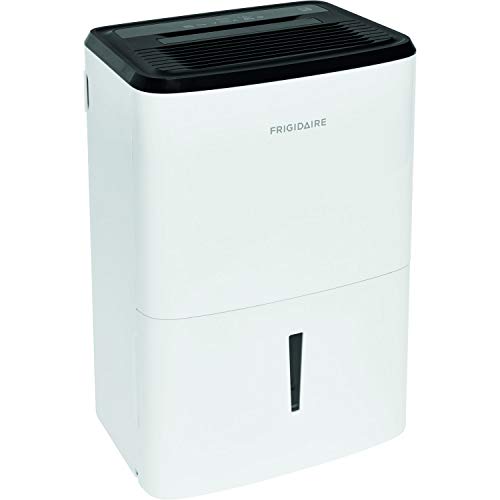
Frigidaire 50 Pint Portable Dehumidifier for Basement and AtticBest Familiar BrandFrigidaire 50 Pint Portable Dehumidifier for Basement and Attic50 pints per dayn/aContinuous gravity drain optionn/a
Yaufey 70 Pint Energy Star Dehumidifier with Gravity Drain HoseWidest Humidity RangeYaufey 70 Pint Energy Star Dehumidifier with Gravity Drain HoseUp to 70 pints per dayEnergy Star certified6.56 ft gravity hose includedn/a
Whirlpool 25 Pint Energy Star Compact DehumidifierBest Light UnitWhirlpool 25 Pint Energy Star Compact Dehumidifier25 pints per dayEnergy Star certifiedn/aCompact household unit

An attic is a hard place to run any appliance. Summer air under the roof can climb far above room temperature, winter air drops toward freezing, and the access is usually a hatch or a narrow stair. A dehumidifier that works well in a basement may stall or shut off here.

The decision starts with the attic itself. A conditioned or semi-conditioned attic used as living or storage space is a candidate for a machine, while a vented attic with insulation and ventilation is usually better served by sealing leaks and adding airflow.

Before you buy

6 Criteria to Look For Before Buying a Dehumidifier for Attics

  1. 01

    Fix the air first

    Attic moisture usually comes from warm house air leaking up through the ceiling, from bath fans venting into the attic or from poor roof ventilation. A dehumidifier removes the symptom but not the source. Seal ceiling penetrations and duct bath fans outside before you add a machine, and expect any unit to then run less. A quick way to find leaks is to look for dark, sooty insulation lines around light fixtures and attic hatches, since moving air deposits dust where it escapes.

  2. 02

    Operating temperature range

    Summer attic air can exceed what a household compressor is rated for, and winter air can fall below its defrost limit. Many household units are rated to roughly 90 to 95 degrees on the top end. The Yaufey lists auto defrost and the Keystone lists an auto defrost setting, which helps in the shoulder seasons.

  3. 03

    Drain direction

    Attics sit above every drain, so gravity hoses usually fail. A built-in pump, as on the Waykar 70 pint, the Keystone 50 pint and the CADPXS 80 pint, lifts water down a hose. Without a pump, you need a window, scuttle or nearby sink.

  4. 04

    Weight and access

    A commercial 70 pint machine is heavy, and an attic hatch may be 22 by 30 inches. The CADPXS measures 15.6 by 12 by 12.6 inches, which is far easier to carry. Measure the hatch and plan how you will lift the unit. If you cannot get a machine up safely, a lighter model or a rope and a helper is a better answer than forcing a heavy case through the opening.

  5. 05

    Support under the unit

    Joists in an attic floor often carry only insulation and light storage. Spread the load on a sheet of plywood across several joists, and keep the unit off bare drywall. A tipped bucket on a ceiling below is a repair you do not want.

  6. 06

    Power loss recovery

    An attic unit runs unattended, and a storm can cut power. Auto restart, as on the Keystone, brings the machine back without a trip to the hatch. Without it, the unit sits off until someone notices. A small plug-in outlet timer or a smart plug is a cheap backup, though it only helps if the machine itself remembers its power state.

Detailed reviews

The 6 best dehumidifiers for attics, explained

01
Waykar 70 Pint Energy Star Dehumidifier with Pump and Drain Hose
70 pints/dayEnergy Star158 CFMBuilt-in pump
Check price on Amazon
Best for: A finished or semi-finished attic that needs real capacity and a pumped drain.

Waykar's 70 pint unit is a commercial-style machine with a high-efficiency motor and a stated airflow of up to 158 CFM. For an attic the pump is the feature that matters most. A gravity hose cannot run uphill, and an attic sits above every drain in the house, so a pump that lifts condensate down a hose to a lower sink or outside is often the only practical drain.

The Energy Star certification means more water removed per kilowatt hour, which matters because an attic unit may run for months. A 70 pint rating is plenty for a finished attic room or a large storage attic, and it leaves headroom for a damp spell. Against the Keystone at 50 pints, the Waykar has more capacity and a certification, but it is the larger and heavier machine.

Place it on a plywood sheet that spans several joists rather than on a single board, because a commercial unit can weigh as much as a person. Attic dust clogs the filter quickly, so rinse it often. Check the pump reservoir each season for debris. It is the strongest choice for a serious attic moisture problem.

What works

  • Built-in pump lifts water to a lower drain
  • Energy Star certification cuts running cost
  • 70 pint capacity with 158 CFM airflow
  • Commercial build tolerates dust and long runs

Watch out for

  • Heavy for a hatch or narrow stair
  • Fan noise carries through the house
  • Oversized for a small dry attic

Spec sheet

Output
70 pints per day
Efficiency
Energy Star certified
Airflow
Up to 158 CFM
Drainage
Built-in pump plus drain hose
Class
Commercial crawl space unit
02
CADPXS 80 Pint Compact Commercial Dehumidifier with Pump
80 pints/day15.6 x 12 x 12.6 inPump2 drain options
Check price on Amazon
Best for: An attic with a tight hatch or stair where carrying a heavy unit is impractical.

The CADPXS measures only 15.6 by 12 by 12.6 inches, which is small enough to carry through an attic hatch that would stop a larger commercial unit. It lists an 80 pint rating and two drainage options, so you can use a pump or gravity depending on the route. A compact body also makes it easier to tuck between joists or beside a chimney chase.

The tradeoff against the Waykar is that a smaller case usually means a smaller coil and fan. The 80 pint figure is a listed maximum, so expect actual attic output to be lower, especially in a cool season. Against the Whirlpool at 25 pints, it is a much more serious machine in a package that is still easy to carry.

Rinse the filter frequently and check the hose route. Because the unit is light enough to move, you can use it near the part of the attic that is wettest rather than leave it by the hatch. It is a sensible pick when access is the main constraint.

What works

  • Small body fits through tight hatches
  • 80 pint listed capacity
  • Pump or gravity drainage
  • Easy to reposition near wet spots

Watch out for

  • Rating is a listed maximum
  • Smaller coil than the largest units
  • Brand with a short service history

Spec sheet

Output
Up to 80 pints per day
Size
15.6 x 12 x 12.6 in
Drainage
Pump or gravity, two options
Class
Compact commercial crawl space unit
Model
Remois XP70 platform
03
Keystone 50 Pint Dehumidifier with Built-In Pump, 4,500 sq ft
50 pints/dayBuilt-in pump55 dBAuto restart
Check price on Amazon
Best for: A storage attic that needs unattended running through power blips.

Keystone is a household-style 50 pint unit with a pump built in, which puts it between the compact commercial machines and a basic portable. A pump is a convenience in an attic, and having it in a familiar household case means easier controls and a lower price tier. Settings include normal, turbo, auto defrost and auto restart.

Auto restart matters in an attic more than it does downstairs. If the power flickers during a summer storm, the unit comes back on its own instead of sitting off until you climb up to press a button. A 55 dB noise level is higher than a bedroom-quiet unit, but an attic is rarely where you sit.

Against the Waykar, it has less capacity and no Energy Star mark, while against the Frigidaire it adds the pump. Scrub the filter, check the pump reservoir and keep the unit off bare drywall. A storage attic that needs steady, unattended running suits it.

What works

  • Built-in pump for downhill drainage
  • Auto restart after a power loss
  • Normal, turbo and defrost settings
  • Household controls are easy to use

Watch out for

  • 55 dB is audible through floors
  • No Energy Star certification
  • Less capacity than the 70 pint units

Spec sheet

Output
Up to 50 pints per day
Coverage
Rooms up to 4,500 sq ft
Drainage
Built-in pump
Settings
Normal, turbo, auto defrost, auto restart
Noise
55 dB
04
Frigidaire 50 Pint Portable Dehumidifier for Basement and Attic
50 pints/dayWashable filterContinuous drain115V
Check price on Amazon
Best for: An attic with a sink or drain close enough for a gravity hose.

Frigidaire names the attic in its listing, along with the basement and the home, and that kind of explicit use case gives a small amount of reassurance. It is a portable household unit with a washable filter and a continuous drain option. The 50 pint rating is a sensible size for a moderately damp attic.

The key limit is the drain. It uses gravity, so the hose has to run downhill, which is the wrong direction in an attic unless you drain through a window, a roof scuttle or a nearby sink. Against the Keystone, it has no pump but a familiar brand name and easy filter care.

Dust builds fast up there, so pull and rinse the filter every few weeks. Put the unit on a plywood platform and run the hose to a drain with a slope. It is the plainest option and suits an attic that already has a drain nearby.

What works

  • Listed explicitly for attic use
  • Washable filter eases upkeep
  • 50 pint capacity for a damp space
  • Familiar brand and simple controls

Watch out for

  • Gravity drain only, no pump
  • Heavy for a tight hatch
  • No Energy Star mark listed

Spec sheet

Output
50 pints per day
Power
115V
Filter
Washable
Drainage
Continuous gravity drain option
Positioning
Listed for basement, home and attic
05
Yaufey 70 Pint Energy Star Dehumidifier with Gravity Drain Hose
70 pints/day10-90% RHAuto defrost6.56 ft hose
Check price on Amazon
Best for: An attic with a close downhill drain and a persistent moisture problem.

Yaufey offers a 70 pint Energy Star unit with a very wide 10 to 90 percent humidity setting and an auto defrost system. The wide range is useful when an attic needs a very dry target after a roof leak, and auto defrost helps in the cold shoulder seasons when attic air drops. A 6.56 foot gravity hose is included for continuous drainage.

It has no pump, so you need a downhill route for the hose, which limits placement in an attic. Against the Waykar, it matches the 70 pint rating and certification but offers gravity rather than pumped drainage. That makes it the pick when the drain sits below the machine and the lower price tier matters.

Rinse the filter, watch for dust on the coil and use a plywood platform. It suits an attic where a drain is close and the humidity problem is persistent.

What works

  • Energy Star certified 70 pint unit
  • Very wide 10 to 90 percent range
  • Auto defrost for cool seasons
  • Gravity hose included

Watch out for

  • No pump, so the drain must be lower
  • Large and heavy for an attic hatch
  • Hose is short for a long run

Spec sheet

Output
Up to 70 pints per day
Efficiency
Energy Star certified
Humidity range
10 to 90 percent
Defrost
Auto defrost
Drainage
6.56 ft gravity hose included
06
Whirlpool 25 Pint Energy Star Compact Dehumidifier
25 pints/dayEnergy StarCasters and handlesElectronic controls
Check price on Amazon
Best for: A small attic room where carrying weight is a constraint.

Whirlpool's 25 pint unit is the lightest and simplest machine in the lineup, with built-in casters and top handles. Moving a dehumidifier up an attic stair is a job, and a smaller, lighter case helps. It carries an Energy Star certification and an adjustable humidistat.

At 25 pints it is a good match for a small finished attic room or a modest storage space, but not for a large, wet attic. Against the 50 pint units, it has half the capacity and a lower purchase tier. The listing targets household use, so a very hot attic can stress it.

Keep the unit on a platform and rinse the filter when it looks gray. In a small attic, light weight matters more than capacity, and this is where it earns its place.

What works

  • Light with casters and handles
  • Energy Star certified
  • Adjustable humidistat
  • Simple, familiar controls

Watch out for

  • Only 25 pints of capacity
  • Household unit, not rated for extreme heat
  • No pump listed

Spec sheet

Output
25 pints per day
Efficiency
Energy Star certified
Mobility
Built-in casters and top handles
Controls
Electronic with adjustable humidistat
Class
Compact household unit

Spec sheet decoder

What the numbers on the box really mean

The specs manufacturers lead with, translated into what they tell you about real-world performance.

Built-in pump

A small pump that lifts condensate through a hose to a higher or distant drain. It makes drainage possible when gravity cannot.

Watch forThe Waykar, Keystone and CADPXS list pumps, while the Frigidaire and Yaufey rely on gravity.

CFM

Cubic feet per minute of airflow through the unit. More airflow moves more moist air across the coil.

Watch forThe Waykar 70 pint lists up to 158 CFM.

Auto defrost

A cycle that melts frost from the coil so the unit works in cool air.

Watch forThe Yaufey and Keystone list it, which matters in an attic that cools in winter.

Auto restart

The unit resumes its last setting after a power loss.

Watch forThe Keystone lists auto restart.

Humidity range

The target settings the humidistat allows. A wide range gives more control.

Watch forThe Yaufey lists 10 to 90 percent.

Methodology

How We Evaluated These Dehumidifiers for Attics

Drain solution

We checked whether each unit can move water down from an attic, since gravity usually fails there. The Waykar, Keystone and CADPXS list pumps. Gravity-only units ranked lower unless a drain was close.

Capacity and heat

We compared pint ratings against a typical attic load and noted operating limits from the spec sheets. The Waykar at 70 pints and the CADPXS at 80 pints have headroom. Household units were judged on heat tolerance.

Size and access

We looked at case dimensions and weight. The CADPXS at 15.6 by 12 by 12.6 inches fits a tight hatch, while the 70 pint machines need more room. Casters and handles on the Whirlpool were credited.

Unattended behavior

We counted auto restart, auto defrost and wide humidity ranges from owner feedback patterns and the spec sheet. An attic unit runs alone, so these features matter. The Keystone and Yaufey scored well.

Efficiency

We weighed Energy Star status on the Waykar, Yaufey and Whirlpool. A unit that runs for months benefits from lower power draw. Units with no efficiency mark ranked lower on this point.

Decision guide

How to Choose the Right Dehumidifiers for Attics

By Attic Type

SituationPickWhy
Finished attic needing a pumpWaykar 70 PintPump, Energy Star and 158 CFM
Tight hatch or narrow stairsCADPXS 80 Pint15.6 x 12 x 12.6 in body
Storage attic, power blipsKeystone 50 PintPump and auto restart
Drain close by, simple needsFrigidaire 50 PintListed for attics, washable filter
Small attic roomWhirlpool 25 PintLight with casters

By Budget

Budget tierPickWhy
Lowest tierWhirlpool 25 PintLight compact unit
Low to middleFrigidaire 50 PintFamiliar brand
MiddleKeystone 50 PintPump and auto restart
Mid to highCADPXS 80 PintCompact with pump
Higher tierWaykar 70 PintPump and Energy Star

Pump vs Gravity Drain

Pump

The Waykar, Keystone and CADPXS lift water through a hose to a lower drain or outside. They suit a typical attic with no drain at floor level. They add a part to maintain.

Gravity

The Frigidaire and Yaufey need a downhill hose route. They work if a sink, scuttle or window is close and lower. They are simpler and cost less.

Choose a pump for a typical attic, and gravity only if a lower drain is within a few feet.

Heat and Cold Handling

PreferencePickWhy
Cool shoulder seasonsYaufey 70 PintAuto defrost and 10 to 90 percent range
Storm power lossKeystone 50 PintAuto restart
Heavy-duty runningWaykar 70 PintCommercial build
Light, moderate useWhirlpool 25 PintCompact household unit

For Finished Attics Specifically

Look for

A pump, a washable filter and a case that fits the hatch. Place the unit on plywood and seal ceiling leaks first.

In this comparison

The Waykar 70 Pint is the finished-attic pick, and the CADPXS 80 Pint is the pick when access is tight.

When to Spend More

Spend more if

The attic holds stored valuables or a finished room. The Waykar 70 Pint or the Keystone 50 Pint gives unattended, pumped drainage.

Save if

The attic is small and a drain is close. The Whirlpool 25 Pint or the Frigidaire 50 Pint is enough.

Ownership

Maintenance schedule

The upkeep that decides whether this machine lasts two seasons or ten.

TaskIntervalWhy it matters
Wash the air filterEvery 2 to 4 weeksAttic dust clogs filters quickly and starves the coil. Rinse and dry it fully.
Inspect the pump reservoirEvery seasonDebris and slime can jam the float. A quick rinse prevents a stuck pump.
Check the hose routeEvery seasonA kinked hose traps water and trips the unit. Keep a clean downhill or pumped run.
Vacuum the coilOnce a yearA film of attic dust on the fins cuts output and raises power draw. Use a soft brush.
Check the floor beneathEvery seasonA leak can stain ceilings below. Look for water marks on the plywood platform.

FAQ

Frequently Asked Questions

Should I put a dehumidifier in my attic?

It makes sense for a finished or semi-finished attic. A vented attic usually needs air sealing and ventilation instead.

Can a dehumidifier handle summer attic heat?

Many household units are rated only to roughly 90 to 95 degrees. Check the manual, and use the machine in shoulder seasons if the attic gets hotter. In deep summer a vented attic is meant to be hot, so the better fix is airflow rather than a machine fighting the heat.

How do I drain an attic dehumidifier?

A built-in pump lifts water down a hose to a lower drain. A gravity hose works only if a sink or window is lower and close.

Is it safe on attic joists?

Spread the weight on a plywood sheet across several joists. A commercial unit can be heavy.

What humidity should I target?

Between 40 and 50 percent for a lived-in space, and under 60 percent for storage.

Why does my attic have so much moisture?

Common causes are warm house air leaking through the ceiling, bath fans venting into the attic and weak roof ventilation. Fix those first.

Bottom line

The short version

Browse more dehumidifiers for atticson Amazon →
James Miller, Lead Machine Editor

About the author

James Miller

Lead Machine Editor, MachineFanatic

James Miller leads MachineFanatic's buying guides, turning spec sheets, manuals and owner feedback into clear verdicts on power tools, outdoor power equipment, shop machines and kitchen machines.

More from James →

Keep reading

Related guides