
Amazon affiliate links - we earn a commission.Affiliate disclosure

Buying guide · 14 min read · Updated 2026-11-07

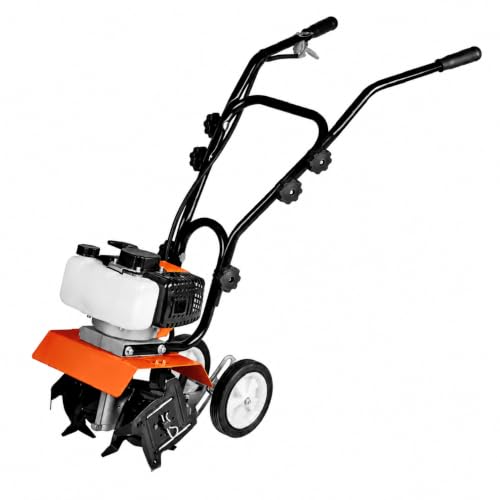
Best Gas Cultivators (2026)

Six gas-powered cultivators compared on engine size, two-stroke versus four-stroke design, tilling width and depth, weight and ownership upkeep.

James MillerBy James MillerLead Machine Editor6 machines comparedSpec-sheet verified
Best Gas Cultivators

At a glance

Our top picks

Side by side

Spec comparison

MachineEngineTilling widthMaximum depthTines
Earthquake 20015 Versa 99cc 4-Cycle 2-in-1 Tiller CultivatorBest OverallEarthquake 20015 Versa 99cc 4-Cycle 2-in-1 Tiller Cultivator99cc four-cycle Viper11 to 21 inchn/an/a
BILT HARD 24-Inch 99cc 4-Cycle Gas Tiller Cultivator, 3 HPBest Deep-Digging PickBILT HARD 24-Inch 99cc 4-Cycle Gas Tiller Cultivator, 3 HP99cc four-cycle, 3 HP17 inch specified11.8 inchn/a
Earthquake MC43 43cc 2-Cycle Cultivator, 6 to 10 Inch WidthBest Light Two-CycleEarthquake MC43 43cc 2-Cycle Cultivator, 6 to 10 Inch Width43cc two-cycle Viper6 to 10 inch adjustable8 inchn/a
BILT HARD 46cc 4-Cycle 1.9 HP Gas Tiller Cultivator, 16-Inch TinesBest Mid-Size Four-CycleBILT HARD 46cc 4-Cycle 1.9 HP Gas Tiller Cultivator, 16-Inch Tines46cc four-cycle, 1.9 HPn/a7.84 inch16 inch heavy-duty steel
VEVOR 43cc 2-Stroke Gas Cultivator, 4 Adjustable Front TinesBest Budget Gas CultivatorVEVOR 43cc 2-Stroke Gas Cultivator, 4 Adjustable Front Tines43cc two-stroken/an/aFour adjustable front steel
Garvee GT520 52cc 2-Stroke Gas Tiller Cultivator, 4 TinesBest Larger Two-StrokeGarvee GT520 52cc 2-Stroke Gas Tiller Cultivator, 4 Tines52cc two-stroken/an/aFour durable adjustable steel

A gas cultivator is the answer when a cord is a nuisance and battery packs are not enough. A small engine drives a set of tines, and the machine works as long as there is fuel in the tank, in any soil your arms can handle.

The things that separate them are the type of engine and the way the tines are arranged. Two-stroke engines are light and loud and need mixed fuel, four-stroke engines are quieter and cleaner but heavier, and the tine layout decides how well the machine tracks and how much it fights you.

Before you buy

6 Criteria to Look For Before Buying a Gas Cultivator

  1. 01

    Engine size and torque

    Engine displacement is the best first guide to torque. The 99cc Earthquake Versa and BILT HARD 24 inch lead, the 46cc BILT HARD sits in the middle, and the 43 and 52cc two-stroke machines lead the light class. A small engine will bog in clay, so match displacement to the ground you actually have. Keep in mind that a quoted horsepower on a tiller is usually a maximum figure at governed engine speed, and the useful torque at the tines comes through a gearbox that multiplies it. A 99cc engine pushes through a heavy sod far more steadily than a 43cc that has to run flat out, and a machine that runs at a steady, unstrained speed lasts longer.

  2. 02

    Two-stroke or four-stroke

    Two-stroke engines, such as the MC43, VEVOR and Garvee, need premixed oil and gasoline, run loud and smoke. Four-stroke engines, such as the Versa and both BILT HARD machines, take straight gasoline and have an oil sump that needs checking. Two-stroke machines are lighter, four-stroke ones are quieter and tend to last longer. The practical difference shows up on cold mornings and after storage: a two-stroke engine needs fresh premix at the right ratio, usually in a marked can, while a four-stroke only needs fresh gasoline and an occasional oil change. If you will not enjoy mixing fuel, the heavier four-stroke is the less irritating machine to own.

  3. 03

    Width and adjustability

    The Versa adjusts from 11 to 21 inches without tools, the MC43 from 6 to 10 inches, and the other machines are fixed near 11.8 inches. Adjustability matters if your garden includes both rows and open plots. A fixed 16 inch tine head will not fit between rows 14 inches apart. Wide heads also demand more engine, because every extra inch of tine engages more soil at once, so a machine that works comfortably at 11 inches may bog at 21. The usual trick is to start narrow in hard ground, then widen the tines once the soil is broken, which is what the tool-less design of the Versa is built for.

  4. 04

    Depth of work

    The BILT HARD 24 inch reaches 11.8 inches and the 46cc machine 7.84, while the MC43 reaches 8 and the Garvee only 3.9. Deeper is not always better, because a machine that digs too deep in one pass stalls. For weeding, a few inches is enough, and for new beds you want 8 or more. A machine that is tilted too steeply to reach depth will also dig itself into a hole, a problem experienced owners avoid by adjusting the drag stake or skid so the tines bite progressively. Work in passes at different depths and leave the soil looser at each step, which is gentler on the engine than a single deep bite.

  5. 05

    Weight and transport

    The MC43 weighs about 30 pounds, while the 99cc machines are considerably heavier. A machine with transport wheels, as on the 46cc BILT HARD, rolls to the garden. If you must lift it into a truck or over a step, favour the lighter machine.

  6. 06

    Parts and brand support

    Tines, shear pins and carburettor parts wear out. The Earthquake name has an established parts network, while VEVOR and Garvee depend on the seller. If you expect to use the machine for a decade, support is worth more than a few dollars saved at purchase.

Detailed reviews

The 6 best gas cultivators, explained

01
Earthquake 20015 Versa 99cc 4-Cycle 2-in-1 Tiller Cultivator
99cc 4-cycle2-in-111 to 21 in. widthTool-less shields
Check price on Amazon
Best for: A garden that needs one machine for both open plots and narrow rows.

The Versa is a 2-in-1 machine: remove the side shields and outer tines without tools and it narrows from a 21 inch tiller to an 11 inch cultivator. That adjustment is the main reason it tops the list, because it covers both a broad plot and rows between plants.

A 99cc four-cycle Viper engine runs on straight gasoline and delivers more torque than the 40 to 52cc machines in this guide. It is heavier than a mini cultivator, and the front-tine layout means it pulls forward and needs a firm hand in hard ground. Compared with the BILT HARD 24 inch it is the more established brand and the more adaptable machine.

Change the oil at the start of each season, clean the air filter often and keep the fuel fresh. The tool-less shields make adjusting quick, but check that the tines are tight after each change.

What works

  • Tool-less adjustment from 11 to 21 inches
  • 99cc four-cycle engine has strong torque
  • Runs on plain gasoline
  • Established brand with parts support

Watch out for

  • Front-tine design pulls forward in hard soil
  • Heavier than the small two-cycle machines

Spec sheet

Engine
99cc four-cycle Viper
Configuration
Front tine tiller and cultivator
Tilling width
11 to 21 inch
Adjustment
Tool-less side shields and outer tines
Fuel
Gasoline, no mix
02
BILT HARD 24-Inch 99cc 4-Cycle Gas Tiller Cultivator, 3 HP
99cc 3 HPEPA-certified17 in. width11.8 in. max depth
Check price on Amazon
Best for: A large vegetable plot or new ground that needs a deep cut.

The BILT HARD 24 inch has a 99cc, 3 HP four-cycle engine that is EPA-certified and runs at 3,600 rpm. It reaches a depth of up to 11.8 inches, deeper than any other machine in this guide, and the handle adjusts to three heights to fit different users.

The listing quotes a working width of 17 inches, which is narrower than the 24 inch in its name, so read the spec rather than the title. It matches the Versa on engine size but lacks the tool-less 2-in-1 conversion. Compared with the 46cc BILT HARD it has more than twice the displacement and is far better suited to firm ground.

The EPA certification is a small but useful sign that the engine meets emissions rules. Keep the oil topped up, wipe soil from the tines, and store with a stabilised fuel load.

What works

  • 11.8 inch maximum depth is the deepest here
  • 99cc 3 HP four-cycle engine
  • EPA-certified engine
  • Handle adjusts to three heights

Watch out for

  • Heavy and hard to lift
  • Working width is narrower than the name suggests

Spec sheet

Engine
99cc four-cycle, 3 HP
Certification
EPA
Tilling width
17 inch specified
Maximum depth
11.8 inch
Handle
Three height settings
03
Earthquake MC43 43cc 2-Cycle Cultivator, 6 to 10 Inch Width
43cc 2-cycle6 to 10 in. width8 in. depth30 lb
Check price on Amazon
Best for: Weeding and cultivating between plants where weight matters.

The MC43 weighs about 30 pounds and cuts a 6 to 10 inch strip up to 8 inches deep. A 43cc two-cycle engine does the work, with overhand handlebars that sit above the tines and give a natural grip for weeding.

Its target is the space around plants: narrow areas, mixing fertiliser into a bed and aerating soil. A drag stake adjusts the working depth. Because it is a two-cycle, it needs premix fuel and is louder than the four-cycle Versa, but its light weight makes it far easier to carry than the 99cc machines.

Run fresh premix, clean the air filter after each session and store with the fuel stabilised. The overhand grip is comfortable for weeding sessions.

What works

  • Light at roughly 30 pounds
  • 6 to 10 inch adjustable width
  • 8 inch maximum depth
  • Overhand handlebars for control

Watch out for

  • Two-cycle engine needs premix and is louder
  • Too small for large plots

Spec sheet

Engine
43cc two-cycle Viper
Tilling width
6 to 10 inch adjustable
Maximum depth
8 inch
Weight
About 30 lb
Handlebars
Overhand
04
BILT HARD 46cc 4-Cycle 1.9 HP Gas Tiller Cultivator, 16-Inch Tines
46cc 4-cycle1,400W16 in. tines7.84 in. depth
Check price on Amazon
Best for: A medium garden where a four-cycle engine is wanted without a heavy machine.

The 46cc BILT HARD is a mid-size four-cycle machine with a stated maximum power of 1,400W and a tilling depth up to 7.84 inches. Sixteen inch steel tines give a respectable swath, and adjustable wheels have working and transport positions so the machine rolls to the garden rather than being carried.

A four-cycle engine of this size delivers a good balance of weight and torque, and runs on straight gasoline. It sits between the 43cc two-cycle MC43 and the 99cc machines in capability. Compared with the Versa it lacks tool-less adjustment but costs less.

Check the oil before each use, clean the air filter and keep the wheels set for the job. Store with the fuel drained or stabilised.

What works

  • 46cc four-cycle engine on plain gasoline
  • 16 inch tines cover a good swath
  • Wheels adjust for working and transport
  • 7.84 inch maximum depth

Watch out for

  • Less torque than the 99cc machines
  • No tool-less width adjustment

Spec sheet

Engine
46cc four-cycle, 1.9 HP
Power
1,400W maximum
Tines
16 inch heavy-duty steel
Maximum depth
7.84 inch
Wheels
Adjustable working and transport
05
VEVOR 43cc 2-Stroke Gas Cultivator, 4 Adjustable Front Tines
43cc 2-stroke11.8 in. width4 front tinesHeat vents
Check price on Amazon
Best for: An occasional user who wants gas power at a low price.

The VEVOR uses a 43cc two-stroke engine with four adjustable front tines for an 11.8 inch cultivation width. The maker highlights enlarged heat dissipation holes to prevent overheating and stalling, and air filters to protect the engine.

It is a budget machine, and it carries the usual compromises: premix fuel, a louder two-stroke engine and less brand history. It is a close match to the Earthquake MC43 on engine size but lacks that brand's parts support.

Use fresh premix at the ratio in the manual, clean the filter and let the engine cool before refuelling. It suits an occasional gardener.

What works

  • Low cost gas cultivator
  • Four adjustable front tines
  • Enlarged heat vents help cooling
  • 11.8 inch cultivation width

Watch out for

  • Two-stroke engine needs premix and is loud
  • Less proven parts and support

Spec sheet

Engine
43cc two-stroke
Cultivation width
300 mm (11.8 inch)
Tines
Four adjustable front steel
Cooling
Enlarged heat dissipation holes
Air filtering
High-quality air filters
06
Garvee GT520 52cc 2-Stroke Gas Tiller Cultivator, 4 Tines
52cc 2-stroke11.8 in. width3.9 in. depthHeat vents
Check price on Amazon
Best for: Surface cultivating and weeding in vegetable gardens.

The Garvee GT520 offers a 52cc two-stroke engine, larger than the 43cc machines, with four steel tines and an 11.8 inch width. The working depth of 3.9 inches is the shallowest in the guide, which makes it a weeding and surface-loosening tool.

The larger engine gives a little more power than the VEVOR, but the shallow depth limits what it can do in the soil. It is a vegetable-garden machine for the top few inches rather than a plot-breaker. Enhanced heat vents help it run through extended use.

Mix fuel carefully, keep the vents clear and store it dry. It is an inexpensive option and the least proven here.

What works

  • 52cc engine has more power than the 43cc rivals
  • Heat dissipation vents for longer runs
  • Four adjustable steel tines
  • Low price

Watch out for

  • Only 3.9 inches deep
  • New brand with limited track record

Spec sheet

Engine
52cc two-stroke
Working width
300 mm (11.8 inch)
Working depth
100 mm (3.9 inch)
Tines
Four durable adjustable steel
Cooling
Enhanced heat dissipation vents

Spec sheet decoder

What the numbers on the box really mean

The specs manufacturers lead with, translated into what they tell you about real-world performance.

Engine displacement (cc)

The cylinder volume, which tracks torque. Bigger engines pull harder.

Watch forThe Versa and BILT HARD 24 inch are 99cc, the VEVOR 43cc.

Stroke type

Two-stroke needs mixed fuel, four-stroke needs an oil sump and uses plain gasoline.

Watch forThe MC43, VEVOR and Garvee are two-stroke, the others four-cycle.

Tilling width

The strip of soil worked in one pass.

Watch forThe Versa spans 11 to 21 inches and the MC43 6 to 10.

Maximum depth

The deepest cut the tines can make, usually taken in several passes.

Watch forThe BILT HARD 24 inch reaches 11.8 inches, the Garvee only 3.9.

EPA certification

A sign that the engine meets emissions rules for sale in the US.

Watch forThe BILT HARD 99cc engine is listed as EPA-certified.

Methodology

How We Evaluated These Gas Cultivators

Engine and torque

We compared displacement, stroke type and stated power. The 99cc four-cycle machines lead, and the 43cc two-strokes anchor the light end.

Reach and adjustability

We weighed width range and depth. The Versa 11 to 21 inch range and the BILT HARD 24 inch 11.8 inch depth lead.

Weight and handling

We favoured machines that could be carried and steered. The 30 pound MC43 leads, and the 99cc machines lag.

Fuel and upkeep

We counted premix, oil changes and filter care. Four-cycle engines on straight gasoline scored better for convenience.

Brand support

We considered parts availability and track record. Earthquake leads, while newer brands depend on seller support.

Decision guide

How to Choose the Right Gas Cultivators

By Garden Size

SituationPickWhy
Large plot, new groundBILT HARD 24-inch 99cc99cc engine and 11.8 inch depth
Mixed rows and open bedsEarthquake Versa11 to 21 inch tool-less adjustment
Medium gardenBILT HARD 46cc16 inch tines and transport wheels
Weeding between plantsEarthquake MC4330 lb and 6 to 10 inch width
Light cultivating on a budgetVEVOR 43ccLow-cost two-stroke

By Budget

TierPickWhy
LowestVEVOR 43cc 2-strokeCheapest gas option
LowGarvee GT520Bigger engine at a low price
MidEarthquake MC43Brand support and light weight
Upper midBILT HARD 46ccFour-cycle engine at a moderate price
TopEarthquake Versa or BILT HARD 99ccLargest engines

Two-Stroke vs Four-Stroke

Two-stroke

The MC43, VEVOR and Garvee are light and compact, but need premixed fuel, run loud and smoke. They suit short sessions and small gardens.

Four-stroke

The Versa and both BILT HARD machines run on plain gasoline, are quieter and cleaner, and are heavier. They suit long sessions and bigger plots.

Two-stroke for weight and price, four-stroke for comfort and torque. Noise is the part buyers underestimate: a small two-stroke screams at hearing-damaging levels, so ear protection is part of the package, and neighbours will notice an early Saturday start. A four-stroke is lower in pitch and easier on both ears and relationships.

By Soil Condition

SoilPickWhy
Firm clay or new groundBILT HARD 24-inch 99ccLargest engine and deepest cut
Average garden loamEarthquake VersaStrong torque and wide range
Loosened bedsBILT HARD 46ccEnough power without bulk
Surface weedsGarvee GT520Shallow, light cultivation

For Breaking Ground Each Spring Specifically

Look for

Look for a 99cc engine or larger, a four-stroke design and a depth of at least 8 inches. Spring ground is wet and heavy, so torque and wheel traction matter.

In this comparison

The BILT HARD 24 inch reaches 11.8 inches and the Earthquake Versa adjusts to 21 inches, so either one will handle a new plot.

When to Spend More

Spend more if

Spend more if you till a large area or firm soil; the Versa and BILT HARD 24 inch give torque and brand parts. A four-stroke engine also reduces the fuel chores. For a plot you dig every spring, the difference in torque is the difference between one afternoon and a weekend of stalls, and a well-supported brand means that a worn tine or a carburettor kit is a phone call away rather than a month of waiting. Pay for the machine you will actually trust to start on the first pull.

Save if

Save if you only cultivate surface weeds. The VEVOR or Garvee does that at a low price, provided you accept premix fuel.

Ownership

Maintenance schedule

The upkeep that decides whether this machine lasts two seasons or ten.

TaskIntervalWhy it matters
Check oil level (four-stroke)Before each useA low sump damages a small engine quickly. Check with the machine level.
Mix fuel correctly (two-stroke)Each fillWrong ratios foul plugs or seize the engine. Use fresh premix and a marked can. Mix only what you will use within a month, because oil and gasoline separate and the mix loses potency. Shake the can before every fill, and never top up a four-stroke with premix by mistake, since the wrong fuel in the wrong engine causes more breakdowns than any worn part.
Clean or replace the air filterEvery few usesSoil dust chokes small engines. Tap out a foam filter and replace it when worn.
Stabilise or drain fuelBefore storageStale gasoline gums the carburettor. Drain or stabilise before winter.
Inspect tines and boltsEach seasonBent tines and loose bolts unbalance the machine. Replace damaged tines as a set. Check shear pins or bolts that hold the tines to the shaft, since a lost one lets a tine slip and the machine shakes. Grease the gearbox where the manual calls for it, and look for oil weeping from seals, which is the first sign of a gearbox that needs attention before it fails in the middle of a job.

FAQ

Frequently Asked Questions

Is a gas cultivator better than an electric one?

It has more torque and no cord, but needs fuel, oil and storage care. For loose garden soil a cordless or corded electric machine is easier. For firm ground a gas machine is worth the upkeep.

What is the difference between a cultivator and a tiller?

A cultivator is narrower and lighter, meant for maintaining worked soil and weeding. A tiller is wider and heavier, meant for breaking new ground.

Can I use pump gasoline?

Yes, fresh gasoline is fine in most small engines. Avoid fuel that has sat for months, and use stabiliser if the machine will sit unused.

Why will my cultivator not start?

Stale fuel is the most common cause, followed by a fouled plug or a clogged air filter. Replace the fuel and check the plug before replacing parts.

How deep should I dig?

Six to eight inches suits most vegetables. Make shallow passes first, because a small engine stalls if you ask for full depth at once.

Are two-stroke engines worth it?

They are light and inexpensive, but need premix and are loud. If you cultivate occasionally and value low weight, they are fine.

Bottom line

The short version

Browse more gas cultivatorson Amazon →
James Miller, Lead Machine Editor

About the author

James Miller

Lead Machine Editor, MachineFanatic

James Miller leads MachineFanatic's buying guides, turning spec sheets, manuals and owner feedback into clear verdicts on power tools, outdoor power equipment, shop machines and kitchen machines.

More from James →

Keep reading

Related guides