
Amazon affiliate links - we earn a commission.Affiliate disclosure

Buying guide · 12 min read · Updated 2026-11-18

Best Generator Load Transfer Switches (2026)

Switches that move a chosen load to generator power, from 15A circuit boxes to 60A and 100A double-pole units and a 200A whole-panel switch.

James MillerBy James MillerLead Machine Editor5 machines comparedSpec-sheet verified
Best Generator Load Transfer Switches

At a glance

Our top picks

Side by side

Spec comparison

Every transfer switch is really a way of choosing a load. You decide what the generator will carry and the switch makes sure that load, and only that load, leaves the utility. Whether the load is one appliance, a subpanel of essentials or the whole house changes everything about the purchase.

That framing makes the choice clearer than starting with brand or amps. List the loads that matter, add the startup surge of the motors, and compare the total with what your generator can deliver. Then pick a switch whose scope matches that list instead of one that is simply the biggest you can afford.

Before you buy

6 Criteria to Look For Before Buying a Generator Load Transfer Switch

  1. 01

    Decide the load scope first

    A single appliance calls for the YAURILO relay, a short list calls for the Nature's 15A 4-circuit box, a subpanel calls for the Generac 60A or 100A and the whole house calls for the Tzechkii 200A. Starting with scope prevents buying a switch whose size or type does not match the plan. Write the list before you open a catalog, and walk the house with the panel open, writing the breaker number beside each item so you know exactly which wires the switch will touch.

  2. 02

    Feeder switch versus circuit selectors

    The Generac switches move one feeder, so everything on the subpanel goes together. The Nature's box lets you drop a circuit at a time. If fuel or output runs short, selectors give finer control, while a feeder is simpler to wire.

  3. 03

    Double-pole isolation

    Both Generac listings state double-pole switching that isolates the generator from utility service. That is the mechanism that prevents backfeed on a 240V feed. Avoid any manual scheme that does not clearly break both hot legs.

  4. 04

    Amp rating against real generator output

    A 100A switch does not make a 5,000 watt generator deliver 24,000 watts. The practical limit is the engine. Pick the switch that fits the subpanel's real load, not the biggest number. If the subpanel will only ever carry 30A of loads, a 100A switch is a safe but unnecessary expense, and the money is better spent on a quieter or larger generator.

  5. 05

    Startup surge of motors

    A well pump or air conditioner draws several times its running current for a moment. The subpanel's total load must leave room for the biggest surge. Start motors one at a time, largest first, because a generator that is already carrying a steady load has less reserve to catch a surge than one starting from idle.

  6. 06

    Installation level

    The YAURILO plugs in, the Nature's box is wired into the panel and the Generac and Tzechkii switches tie into feeders or the service. The higher the rating, the more clearly an electrician is required. Check local permit rules before buying, and ask whether the inspector wants a diagram of the subpanel. Many jurisdictions treat a transfer switch and its subpanel as one inspected assembly, so submit them together.

Detailed reviews

The 5 best generator load transfer switches, explained

01
Generac 60A manual double-pole switch for a dedicated load
60ADouble-poleManualIndoor
Check price on Amazon
Best for: A moderate essential-loads subpanel fed by a mid-size portable generator.

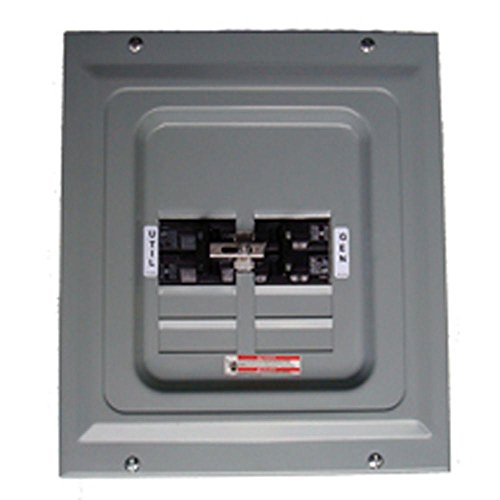
A subpanel of essential circuits is the natural partner for this switch. The listing describes single-load transfer to a dedicated load, 60 amp capacity that supports subpanels or essential household appliances, and double-pole switching that manually isolates the generator from utility service to prevent backfeed. In plain terms, you move one feeder, not twelve separate circuits.

That design keeps the generator's burden in check: whatever you place on the subpanel is all the generator will ever see. It is simpler to wire than a multi-circuit kit, because the electrician builds the subpanel once and the switch has just two sources and one output. Against the Nature's 15A 4-circuit box, it handles far more current, and against the 100A Generac it saves cost and size for a smaller generator.

The ownership chore is discipline about what lives in the subpanel. Keep a typed schedule of its breakers, add loads only deliberately and run the generator monthly. Exercise the lever twice a year with everything off, and note the position of the handle in the manual so a house sitter can follow it. A laminated card on the subpanel door that reads utility, off, generator in the order the handle moves removes most of the guesswork on a stressful night.

What works

  • 60A suits a subpanel or large appliance feed
  • Double-pole switching isolates from the utility
  • One feeder keeps generator load predictable
  • Manual design with no electronics

Watch out for

  • Needs a subpanel built by an electrician
  • One load path only, no per-circuit rockers

Spec sheet

Rating
60A
Poles
Double-pole
Scope
Single dedicated load or subpanel
Operation
Manual isolation from utility
Mounting
Indoor backup power use
02
Generac 100A manual double-pole generator transfer switch
100ADouble-poleManualSingle load
Check price on Amazon
Best for: A larger subpanel with a well pump and water heater on a big generator.

High capacity is the selling point here: the listing says the 100 amp rating supports high-demand loads during extended outages, using double-pole manual switching that isolates the generator from utility service. It is the larger sibling of the 60A switch with the same single-load concept.

The extra 40 amps matter when the feeder will serve a whole subpanel with a well pump, a water heater and a furnace. Compared with the 60A, it costs more and suits bigger generators, and compared with the 200A Tzechkii it still limits you to one chosen load rather than the entire service. That boundary is what keeps a portable generator from being overwhelmed.

As always with larger amperage, plan an electrician and permit, and ask for a one-line diagram. Keep the feeder breaker labeled and review the subpanel list each year. A 100A rating does not mean 100A of generator, so check the generator's real output before assuming the switch's capacity is usable. Many buyers discover only after the install that a 7,500 watt generator can feed less than a third of what the switch can pass, which is fine, as long as the subpanel was planned around the engine and not the switch.

What works

  • 100A capacity for high-demand subpanels
  • Double-pole manual isolation
  • Single-load design limits generator burden
  • Same layout as the 60A, scaled up

Watch out for

  • Higher tier than the 60A for capacity many cannot use
  • Needs a licensed electrician and permit

Spec sheet

Rating
100A
Poles
Double-pole
Scope
One dedicated high-demand load
Operation
Manual switching
Use
Extended outages with big loads
03
Nature's Generator 15A 4-circuit 120V transfer switch
15A 120V4 circuitsUL listedManual
Check price on Amazon
Best for: A short list of 120V loads on a small generator.

Selecting by circuit rather than by feeder is the alternative approach, and this is the smallest example. Four circuits at 15 amps and 120 volts add up to roughly 1,800 watts, and each circuit has its own manual selector so you can drop one at a time when fuel or output runs short. UL listing is named in the title.

That per-circuit control is the point of a load switch. With the Generac 60A feeding a subpanel, every breaker on the subpanel rides along. Here you move only what you flip, which makes it ideal for a short list: refrigerator, a few lights, a modem and a furnace blower. It cannot reach a 240V load.

Care is easy but must be regular. Exercise the selectors twice a year, keep a written list of which circuit is which and mark the one that serves the furnace in red. When fuel gets low late in an outage, dropping the freezer for an hour is easier than shutting down the whole generator, and four independent selectors make that possible. When the list grows beyond four loads, treat that as the sign to move to a subpanel or a larger kit rather than overloading the box.

What works

  • Four selectable circuits for fine load control
  • UL listing cited in the title
  • Easy to explain and operate
  • Lowest capacity and footprint of the manual kits

Watch out for

  • About 1,800W ceiling is easy to outgrow
  • No 240V capability

Spec sheet

Rating
15A at 120V
Circuits
Up to 4
Listing
UL listed per title
Control
Manual selector switches
Application
Non-automatic power transfer
04
Tzechkii 200A manual double-throw switch, NEMA 3R
200A120/240VNEMA 3RDouble-throw
Check price on Amazon
Best for: Large generators and households that will manage loads by habit.

Moving everything at once is the opposite of a load switch, and that makes this a useful extreme. It is a double-throw disconnect with a manual lever in a galvanized NEMA 3R enclosure, rated 200A at 120/240V, which shifts the whole service between the utility and a generator. The 48,000 watt label is a theoretical ceiling.

In practice, putting the whole panel on a generator moves the load decision from the hardware to the household. Every breaker becomes live, so a clothes dryer, a range and the central air are all one careless switch-on away from stalling a portable generator. It suits owners with a large generator and the discipline to turn big loads off, and it is a poor match for a household where several people share the decisions.

An electrician installs it at the service entrance. Ask for a written start-up order, post it inside the panel door and walk the house turning off the largest loads before the lever moves. Inspect the enclosure each spring for rust at the screw heads and cut edges. Because the lever moves the entire service, also confirm that the cover interlock still prevents the door from opening while the lever is in motion, and report any play to the installer.

What works

  • 200A rating covers the full service
  • Galvanized NEMA 3R enclosure
  • Manual lever with no electronics
  • All breakers remain usable

Watch out for

  • No built-in load rationing
  • Service-level work requires a licensed electrician

Spec sheet

Rating
200A, 120/240V
Capacity label
48,000W
Enclosure
Galvanized steel, NEMA 3R
Operation
Manual lever
Design
Double-throw disconnect
05
YAURILO 15A automatic transfer relay, NEMA 5-15P/R
15A 120VAutomaticPlug-inOutdoor shell
Check price on Amazon
Best for: A single plug-in appliance such as a freezer or sump pump.

One appliance, one plug and no lever: that is the scope of this automatic relay. It switches between a utility or shore power input and an inverter or generator input, with a NEMA 5-15 plug and receptacle, and describes a waterproof, moisture-proof plastic shell for indoor or outdoor use.

It is the smallest load switch in the group, ideal for a freezer, an aquarium or a sump pump that is already plugged into an outlet. It does not isolate with a mechanical break the way the Generac double-pole switches do, and it needs a generator that is already running to take over. For that reason it complements rather than replaces a proper panel switch.

To use it well, plug the appliance into the receptacle side, the utility cord into one input and the generator cord into the other, then label all three. Check the plug ends for heat marks every season. Do not extend the load beyond 15A, and keep the relay off the floor where water can reach it. A freezer in a damp basement is where this device most often lives, so mount it a hand's width above the highest water mark you have seen.

What works

  • Automatic switchover with no lever
  • Plug-in design needs no panel work
  • Waterproof shell claimed for indoor or outdoor
  • Works with inverter or generator input

Watch out for

  • One 15A appliance only
  • Needs the generator running before it can take over

Spec sheet

Rating
15A, 120V
Operation
Automatic switchover
Connection
NEMA 5-15P plug and receptacle
Sources
Utility or shore plus inverter or generator
Housing
Plastic, waterproof per listing

Spec sheet decoder

What the numbers on the box really mean

The specs manufacturers lead with, translated into what they tell you about real-world performance.

Double-pole

A switch that opens both hot conductors of a 240V feed. It is needed to fully isolate a split-phase circuit.

Watch forThe Generac 60A and 100A both list double-pole switching.

Single load transfer

The switch moves one feeder or dedicated load between sources, not many circuits independently.

Watch forThe Generac listings use this phrase; the Nature's box offers per-circuit selectors instead.

Double-throw

A lever that connects the load to one of two sources and never both.

Watch forThe Tzechkii uses it at 200A.

Subpanel

A secondary breaker box that holds the circuits you want on the generator. It is fed through the transfer switch.

Watch forA 60A or 100A switch assumes a subpanel built by an electrician.

Automatic transfer

A device that moves between sources by itself when it senses power. It needs a running generator.

Watch forThe YAURILO is automatic and limited to 15A.

Methodology

How We Evaluated These Generator Load Transfer Switches

Match to load scope

We sorted the picks by how much they move: one appliance, four circuits, a subpanel or the whole panel. Each scope suits a different household. A mismatched scope is the usual regret.

Isolation mechanism

We looked for double-pole switching, double-throw levers or interlocks. The Generac and Tzechkii listings describe this plainly. A listing silent on isolation lost points.

Capacity ladder

We compared the 15A, 60A, 100A and 200A steps against typical generator output. The ladder shows where capacity exceeds what a portable can supply. This is based on spec sheets, not lab work.

Control granularity

We noted whether the switch lets you shed loads one at a time. The Nature's selectors win here. Granularity matters when fuel runs low.

Installation level

We rated how much professional work each pick needs, from a plug-in relay to a service-entrance switch. Cost of labor belongs in any comparison.

Decision guide

How to Choose the Right Generator Load Transfer Switches

By Load Scope

SituationPickWhy
One plug-in applianceYAURILO 15A relayAutomatic, no panel work
Four 120V circuitsNature's Generator 15A 4-circuitPer-circuit selectors
Essential-loads subpanelGenerac 60ADouble-pole single-load feed
Large subpanel with pumps and heaterGenerac 100AHigher capacity feeder
Whole house on a big generatorTzechkii 200AAll breakers on generator power

By Budget

Budget tierPickWhy
LowestYAURILO 15A relayCheapest by price tier
Low to midTzechkii 200ALow tier for a whole-panel switch
MidGenerac 60ASubpanel switch from a known maker
Upper midNature's Generator 15A 4-circuitListed circuit box
HighestGenerac 100ALargest manual feeder switch

Subpanel vs Circuit Selectors

Subpanel feed

The Generac 60A and 100A feed a subpanel, so the electrician moves your essential circuits there once. Operation is a single handle. The cost is the subpanel build, which also forces a useful clean-up of what the household truly counts as essential.

Circuit selectors

The Nature's 15A box wires each chosen circuit to its own selector. You can drop a load without touching the others. It suits short lists and small generators.

Choose a subpanel for a long list and selectors when you want to ration load by hand.

Generator Size

GeneratorPickWhy
Small inverter, about 1,800WNature's Generator 15A 4-circuitMatches the 15A ceiling
Plug-in appliance onlyYAURILO 15A relaySingle 15A device
Mid-size portable, 5,000 to 7,500WGenerac 60ASubpanel stays within output
Large portable or small standbyGenerac 100ARoom for a bigger subpanel
Large generator, whole-houseTzechkii 200AService-level switch

For Well Pump and Water Heater Loads Specifically

Look for

A 240V pump and an electric water heater need double-pole switching and a feeder rated for their combined current. Add the pump's startup surge and keep the heater off until the pump is running.

In this comparison

The Generac 60A suits a subpanel with a pump and lights, the 100A covers a pump plus a water heater, and the Tzechkii leaves everything live. The Nature's 15A box cannot feed 240V loads.

When to Spend More

Spend more if

Spend more if your essentials include several 240V loads or you plan a larger generator, which points to the Generac 100A. Pay for a clean subpanel layout, not for extra amps alone.

Save if

Save if the list is short. The Nature's 15A box and the YAURILO relay cost the least and cover small jobs.

Ownership

Maintenance schedule

The upkeep that decides whether this machine lasts two seasons or ten.

TaskIntervalWhy it matters
Exercise the handle or selectorsTwice a yearContacts that never move build oxidation. Cycle them with the generator off.
Review the subpanel scheduleYearlyNew appliances creep onto the essential subpanel. A written schedule keeps the generator load honest.
Run a loaded drillEvery autumnTransfer the real load and start motors one at a time. It reveals surge problems before a storm.
Inspect lugs and enclosureYearlyHeat marks and rust signal trouble. Have an electrician retorque if needed.
Check cords and plug endsBefore storm seasonHeat-marked plugs and cracked jackets are fire risks. Replace them.

FAQ

Frequently Asked Questions

What is a load transfer switch?

It moves a chosen load from the utility to a generator and back, isolating the two so power never flows into the grid. The load can be one appliance, a few circuits, a subpanel or the whole house.

Is a 100A switch better than a 60A?

Only if your subpanel's load needs it. Both are double-pole and manual. The 100A suits bigger subpanels, while the 60A fits most essential-loads setups on a mid-size generator.

Why not just use the 200A whole-panel switch?

It leaves every breaker live, so a portable generator is easy to overload. It suits large generators and disciplined households. A subpanel keeps the load limited by design.

Can I install a subpanel myself?

In most places no. It involves moving circuits and a permit, and a licensed electrician is normally required. Ask your building department.

Do automatic relays replace a transfer switch?

Only for a single plug-in appliance. The YAURILO handles one 15A device. Hardwired circuits need a proper manual or automatic transfer switch.

How do I avoid overloading the generator?

List your loads, add the largest motor's startup surge and start big loads one at a time. A subpanel with a written schedule keeps the total predictable.

Bottom line

The short version

Browse more generator load transfer switcheson Amazon →
James Miller, Lead Machine Editor

About the author

James Miller

Lead Machine Editor, MachineFanatic

James Miller leads MachineFanatic's buying guides, turning spec sheets, manuals and owner feedback into clear verdicts on power tools, outdoor power equipment, shop machines and kitchen machines.

More from James →

Keep reading

Related guides