
Amazon affiliate links - we earn a commission.Affiliate disclosure

Buying guide · 12 min read · Updated 2026-11-07

Best Robotic Pool Cleaners (2026)

Six robotic pool cleaners compared by filtration, cable or battery design, wall climbing and upkeep, so you can match a robot to your pool.

James MillerBy James MillerLead Machine Editor6 machines comparedSpec-sheet verified
Best Robotic Pool Cleaners

At a glance

Our top picks

Side by side

Spec comparison

MachinePowerRuntime
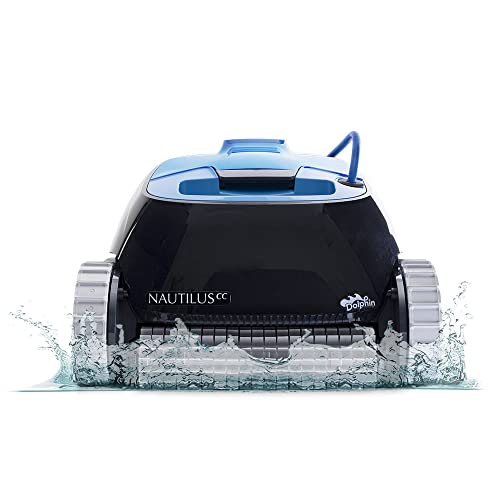
Dolphin Nautilus CC corded robot with active brushBest Corded PickDolphin Nautilus CC corded robot with active brushCorded, plugged into a deck transformern/a
Beatbot Sora 10 cordless robot, long runtimeBest Cordless ValueBeatbot Sora 10 cordless robot, long runtimeRechargeable battery, cordlessUp to 300 minutes per charge
Aiper Scuba S1 cordless, dual-layer filterBest NavigationAiper Scuba S1 cordless, dual-layer filterRechargeable battery, cordlessn/a
BRINBO C1 cordless, triple motor, 180 minutesBest Budget CordlessBRINBO C1 cordless, triple motor, 180 minutesRechargeable battery, cordlessUp to 180 minutes
WYBOT C1 cordless 4-in-1 for in-ground poolsBest Gyro NavigatorWYBOT C1 cordless 4-in-1 for in-ground poolsRechargeable battery, cordlessn/a
iGarden K70 Pro cordless, turbo modeBest Long-Run PremiumiGarden K70 Pro cordless, turbo modeRechargeable battery with inverter controlUp to 7 hours per cycle

A robotic pool cleaner is a self-contained scrubbing machine with its own motor, filter and navigation, so it works independently of your pump and plumbing. That independence is the whole appeal: you drop it in, it cleans floor and walls on a timer, and your pool filter stays clear of the heavy debris.

The real decision is between a cable that feeds power from the deck and a battery that rides inside the body. Beyond that, filter fineness, wall and waterline reach, and how you lift a wet machine out of the water decide whether a robot becomes a habit or a garage ornament.

Before you buy

6 Criteria to Look For Before Buying a Robotic Pool Cleaner

  1. 01

    Corded or cordless power

    A corded robot like the Dolphin Nautilus CC draws power through a floating cable and has no battery to age, while a cordless robot like the Beatbot Sora 10 trades that for freedom from tangles. The honest cost of cordless is a lithium pack that fades over several seasons, so the runtime on the box is a year-one number. Buy corded if you run the robot daily on a big pool, and cordless if you want a fast drop-in routine. The mistake is buying cordless for a pool with a lot of leaves, where the battery drains before the job is done.

  2. 02

    Runtime that fits your pool

    Stated runtimes range from the BRINBO C1 at 180 minutes to the iGarden K70 Pro at up to seven hours, and the figure assumes a clean pool in the gentlest mode. Heavy debris, turbo settings and wall climbing all shorten it. Multiply your pool's cleaning pass time by 1.3 and compare that to the battery window. A robot that parks mid-job is worse than one that finishes quietly.

  3. 03

    Filter fineness versus clogging

    A standard basket around 180 microns stops sand, pollen and most insects. Finer layers, such as the replaceable inner mesh on the Aiper Scuba S1, catch silt but clog quickly once leaves arrive. Dual-layer systems let you choose, but only if you rinse after every cycle. Buyers often chase the finest filter and then stop cleaning it, which defeats the purpose.

  4. 04

    Wall and waterline reach

    Floor-only robots miss the scum ring where body oils and sunscreen collect. The Beatbot Sora 10 and Aiper Scuba S1 list waterline cleaning, while older designs like the Dolphin Nautilus CC rely on wall climbing to reach near the surface. Check whether the maker claims waterline scrubbing, then plan on a brush by hand for stubborn rings. No robot is perfect at steps, so do not expect them to be spotless.

  5. 05

    Navigation method

    Gyroscope robots like the WYBOT C1 draw straight lines but drift on large pools. Sensor-based routing, as in the Aiper Scuba S1 with eleven sensors, handles benches and curves more evenly. Random-bounce navigation is the cheapest and slowest. Match the method to your pool outline, because a simple rectangle does not need the expensive option.

  6. 06

    Lifting and retrieval

    A wet robot weighs far more than its dry spec once the body fills with water, and lifting it by the cable is how handles and cables break. Surface parking on the Beatbot Sora 10 brings the robot to you, and a caddy for a corded unit makes storage easier. If you have back, shoulder or grip issues, retrieval design should rank above suction numbers.

Detailed reviews

The 6 best robotic pool cleaners, explained

01
Dolphin Nautilus CC corded robot with active brush
Corded powerActive scrubbing brushTop-load filterWall climbing
Check price on Amazon
Best for: Owners who want a plug-in robot with the fewest things to wear out.

The Nautilus CC is the old-school answer to pool cleaning: power comes down a floating cable, so there is no battery to charge, degrade or replace. An active scrubbing brush works against the surface instead of just riding over it, and the wall-climbing chassis carries that scrub up the sides. The filter loads from the top, which means you lift a lid and pull a basket instead of cracking the body open.

The tradeoff is the cable. It can twist, and on a pool with an odd shape or a lot of ladders it will tell you about it. Compared with the Nautilus CC Plus Wi-Fi below it, this is the plainer machine: you set it by hand, there is no remote scheduling, and you only pay for the scrubbing, not for connectivity. It fits an owner who runs the pool on a fixed weekly routine and wants the least electronics possible.

Ownership is simple and predictable. Rinse the basket after each run, uncoil the cable on the deck so it does not take a permanent kink, and keep the transformer out of the weather. Because there is no lithium pack, the machine can sit through a winter shutdown without the battery-care ritual that cordless models demand. Expect the brush and tracks to be the wear parts in year three, and expect them to be available.

What works

  • No battery to degrade, charge or replace after a few seasons
  • Active brush scrubs the surface rather than only sweeping
  • Top-load basket empties without opening the body
  • Runs as long as the cycle needs, never limited by charge

Watch out for

  • Cable can tangle on pools with ladders or irregular shapes
  • No scheduling from a phone, so every run is manual
  • Heavier to lift out wet than most cordless bodies

Spec sheet

Power
Corded, plugged into a deck transformer
Scrubbing
Active brush on a wall-climbing chassis
Filter access
Top-load basket
Best surface
In-ground pool floors and walls
Run limit
Set by the cycle timer, not a battery
02
Beatbot Sora 10 cordless robot, long runtime
6,800 GPH rated5 hour runtimeWaterline reachShallow-water mode
Check price on Amazon
Best for: Cordless buyers with a mid-size in-ground pool who care about waterline cleaning.

Beatbot built the Sora 10 around a HydroBalance structure, a layout meant to keep the body planted against walls while the impeller pulls water through. The headline 6,800 GPH figure is a pump rating rather than a measure of how much dirt leaves the pool, so read it as proof of a strong motor and not a guarantee. What matters in daily use is the long battery window and a robot that reaches the waterline and a shallow ledge.

Against the Aiper Scuba S1, the Sora 10 trades some app polish for a longer stated runtime, up to 300 minutes against roughly 270 in the Aiper's eco mode. That extra half hour is the difference between finishing a large pool in one go and parking mid-job. It also costs more than the budget cordless names on this list, so it suits a pool owner who will actually use the waterline mode.

Plan for the cordless routine: charge after every cycle, let the robot park itself at the surface, and rinse the filter before the dirt dries into it. A lithium pack loses capacity over several seasons, so the runtime on the box is a year-one number. Store it shaded, because heat does more damage to the battery than chlorine does.

What works

  • Long battery window finishes big pools in one run
  • Cleans waterline and shallow ledges, not only the floor
  • Surface parking removes the fishing-pole retrieval
  • No cable to unwind, untangle or trip over

Watch out for

  • Battery capacity fades over the years of ownership
  • Costs more than the simpler cordless budget options here
  • Suction number is a pump rating, not a cleaning guarantee

Spec sheet

Power
Rechargeable battery, cordless
Suction rating
6,800 GPH, quoted by the maker
Runtime
Up to 300 minutes per charge
Zones
Floor, wall, waterline, shallow areas
Retrieval
Surface parking for easy pickup
03
Aiper Scuba S1 cordless, dual-layer filter
11 sensorsDual filtrationEco mode 270 minWaterline scrub
Check price on Amazon
Best for: Pools with benches, steps or curved outlines that punish random navigation.

Aiper's Scuba S1 leans on sensing: eleven sensors read walls and obstacles so the path is planned rather than bounced around. Route planning matters most in pools with benches, steps or a kidney shape, where a purely random robot leaves strips untouched. The app lets you drop into an eco mode that stretches the battery, trading speed for runtime.

Its dual-layer filter is the other distinguishing choice. A fine inner layer catches silt that a standard coarse basket passes, and the layer is replaceable, which tells you the fine mesh is a consumable rather than a lifetime part. Compared with the Beatbot Sora 10, the Scuba S1 is the better thinker and the Sora is the longer runner, so the choice follows how complicated your pool outline is.

Expect to rinse the fine layer more often than a single coarse basket, because ultra-fine mesh clogs quickly once leaves arrive. Keep a spare layer in the pool box so a clogged one never ends the season. The app is a convenience, not a requirement, but you should confirm the robot still runs its basic modes if the phone link drops.

What works

  • Sensor-based routing covers odd pool shapes methodically
  • App eco mode stretches the battery for large pools
  • Fine inner filter layer catches silt a basket would pass
  • Cleans the waterline as well as the floor and walls

Watch out for

  • Fine filter layer clogs fast and is a replaceable part
  • App dependence for the best modes adds a failure point
  • Battery wear limits the runtime figure after several seasons

Spec sheet

Power
Rechargeable battery, cordless
Sensors
11 sensors feed the route planner
Eco runtime
Up to 270 minutes via the app
Filtration
Double-layer, replaceable fine layer
Coverage
Floor, wall, waterline, shallow areas
04
BRINBO C1 cordless, triple motor, 180 minutes
Triple motor180 min runtimeDual filtration7 cleaning modes
Check price on Amazon
Best for: Small and mid-size pool owners who want cordless on a tighter budget.

The BRINBO C1 is a lower-cost cordless robot that spends its budget on the motor package rather than on extras. A triple-motor layout separates drive from suction, and seven modes let you choose floor-only, wall, or a full top-to-bottom pass. A 180-minute window is shorter than the Sora 10's stated runtime but enough for a typical residential pool.

The compromise shows up in ecosystem and track record. A less established brand means fewer places to find spare filters, tracks and batteries, so ask about parts before you buy. Next to the WYBOT C1, which has a similar pitch, the BRINBO is the cheaper tier and a decent fit for owners who want cordless convenience without paying for premium navigation.

Treat it as a three-season machine. Rinse after every run, keep the battery shaded, and photograph the model number now so you can chase a replacement filter later. If the pool is large or full of leaves, step up to a model with a larger basket instead of asking this one to carry the load.

What works

  • Triple-motor layout splits drive from suction work
  • Seven programs cover floor, walls and full-pool passes
  • Dual-layer filtration handles both silt and larger debris
  • Lower entry point than the premium cordless names here

Watch out for

  • Parts and filters are harder to source than for big brands
  • Runtime is shorter than the longest cordless picks
  • Basket size limits performance in leaf-heavy pools

Spec sheet

Power
Rechargeable battery, cordless
Motors
Triple-motor drive and suction
Runtime
Up to 180 minutes
Filtration
Dual-layer system
Modes
Seven cleaning programs
05
WYBOT C1 cordless 4-in-1 for in-ground pools
Gyroscope guidance3,048 GPH rated4-in-1 cleaningCordless
Check price on Amazon
Best for: Rectangular in-ground pools where straight, repeatable passes matter.

WYBOT's C1 uses a gyroscope to hold straight lines and measure turns, a cheaper and more predictable approach than camera vision. A dedicated impeller motor does the suction work independently of the drive, and the 3,048 GPH number puts it below the Sora 10's pump rating on paper. In practice, gyro navigation produces tidy parallel passes on rectangular pools.

Its limits are the usual gyro ones: a gyroscope drifts, so after a long run on a very large pool the lines start to wander, and obstacles are found by bumping rather than seeing. Compared with the Aiper Scuba S1, the C1 is less clever but easier to forgive when the app misbehaves. Listings advertise above-ground use as well, so confirm wall height compatibility if you own a vinyl above-ground pool.

Upkeep follows the cordless pattern: charge, park, rinse. WYBOT sells the same C1 under a couple of colourways, so match the exact listing when ordering filters. Check the brush wear every season, because dragging a worn roller across a vinyl liner is how patches of scuffing start.

What works

  • Gyroscope guidance gives tidy repeatable parallel lines
  • Separate suction motor keeps the drive from stalling
  • Lightweight cordless body is easy to lift and carry
  • Cleans floor, walls and waterline in one cycle

Watch out for

  • Gyro drift can wander on very large pools
  • Obstacles are found by contact, not by sensing
  • Above-ground compatibility needs a wall height check

Spec sheet

Power
Rechargeable battery, cordless
Navigation
Gyroscope path control
Pump rating
3,048 GPH from an independent motor
Cleaning
Floor, wall, waterline, steps area
Pool type
In-ground focus, above-ground use claimed
06
iGarden K70 Pro cordless, turbo mode
7 hour runtime22,000 LPH ratedTurbo modeAbove and in-ground
Check price on Amazon
Best for: Large pools or leaf-heavy yards that need hours of cleaning per cycle.

The K70 Pro is the longest-running cordless robot in this lineup. The maker claims up to seven hours of cleaning and a standby life measured in days between charges, which fits large pools or leaf season when you want repeat passes. A turbo setting pushes the impeller harder for heavy debris, at the expense of runtime.

It sits at the top of the price ladder here, so the question is whether you will use the headroom. On a modest pool the extra hours are wasted, and the Beatbot Sora 10 delivers almost the same practical coverage for less. On a big pool with trees overhead, the long run time is the whole point.

Because it is rated for both above-ground and in-ground pools, it is a flexible choice when you might move or change pool type. The usual cordless cautions apply: protect the battery from heat, charge after use, and expect capacity to fade. After turbo runs, rinse the filter, since stirring up heavy debris loads the basket quickly.

What works

  • Seven-hour stated runtime covers large pools in a single go
  • Turbo mode attacks heavy debris loads on demand
  • Rated for both above-ground and in-ground pools
  • Standby time is long enough to skip daily charging

Watch out for

  • Highest cost in this lineup, wasted on small pools
  • Turbo mode shortens runtime significantly
  • Battery pack is the long-term wear item

Spec sheet

Power
Rechargeable battery with inverter control
Runtime
Up to 7 hours per cycle
Pump rating
22,000 LPH, about 5,800 GPH
Heavy mode
Turbo setting for debris loads
Pool type
Above-ground and in-ground

Spec sheet decoder

What the numbers on the box really mean

The specs manufacturers lead with, translated into what they tell you about real-world performance.

GPH or LPH suction

This is the pump's rated water flow, not how much dirt it removes. A higher number means a stronger motor, but real cleaning depends on filter, intake shape and brush contact.

Watch forThe iGarden K70 Pro quotes 22,000 LPH, which is about 5,800 GPH, so convert before comparing it to a GPH-rated Beatbot.

Runtime minutes

This is the battery life in the gentlest mode on a clean pool. Wall climbing and heavy debris use more power, so real jobs end sooner.

Watch forThe BRINBO C1 lists up to 180 minutes, which is enough for a mid-size pool but tight for a large one.

Filter micron rating

Microns measure the largest particle a mesh passes. A lower number catches finer silt but clogs sooner.

Watch forThe Aiper Scuba S1 uses a fine inner layer, so expect more frequent rinsing than a single-basket Dolphin.

Corded versus cordless

A cord supplies unlimited runtime and no battery wear, while cordless removes the tangle. The choice shapes upkeep for the machine's whole life.

Watch forOnly the Dolphin Nautilus CC in this lineup is corded, so everyone else carries a lithium pack.

Gyroscope versus sensors

A gyroscope tracks heading to draw straight lines, while sensors detect walls and objects. Sensors cost more but handle complex pools better.

Watch forThe WYBOT C1 uses a gyroscope, so on a pool with benches expect missed corners.

Methodology

How We Evaluated These Robotic Pool Cleaners

Power design

We evaluated whether each robot is corded or cordless and what that implies for runtime and battery wear. We compared stated minutes, from the BRINBO C1 at 180 to the iGarden K70 Pro at seven hours. We then weighed those numbers against real pool sizes.

Filtration

We looked at basket layout, fine layers and how each model gives access to the filter. Top-load access on the Dolphin Nautilus CC counted in its favour. Fine mesh that clogs quickly counted against hands-off ownership.

Cleaning reach

We checked which listings claim waterline, wall, step and shallow-area cleaning. We treated those claims as the maker's, not as verified results. Models with more zones scored higher for versatile pools.

Navigation

We grouped robots by gyroscope, sensor and basic routing. We compared how each approach copes with benches and curves. We rated simpler methods fairly for rectangular pools.

Ownership burden

We read for battery care, parts availability and how the machine is retrieved. Surface parking and caddies counted as real quality of life. Across the whole category we compared listed specs with recurring owner remarks to set this order.

Decision guide

How to Choose the Right Robotic Pool Cleaners

By Pool Shape

SituationPickWhy
Plain rectangleWYBOT C1Gyroscope lines suit simple outlines
Benches, steps, curvesAiper Scuba S1Eleven sensors plan around obstacles
Large leafy pooliGarden K70 ProSeven hours and a turbo mode
Small pool, light useBRINBO C1180 minutes is plenty and costs less
Fixed weekly routineDolphin Nautilus CCCorded, nothing to charge

By Budget

Budget tierPickWhy
Lowest in this lineupBRINBO C1Triple motor at the cheapest tier here
Lower middleWYBOT C1Gyro navigation, light body
MiddleDolphin Nautilus CCCorded reliability without battery cost
Upper middleAiper Scuba S1Sensors and a fine filter layer
PremiumBeatbot Sora 10Longest runtime among mainstream names

Because listings shift, open the current page for your pick before ordering.

Corded vs Cordless

Corded

The Dolphin Nautilus CC never runs out of charge and has no battery to replace. Its cable is the limit, so it suits pools with open floor plans. Expect to untangle it occasionally.

Cordless

The Beatbot Sora 10, Aiper Scuba S1, WYBOT C1, BRINBO C1 and iGarden K70 Pro all run on a pack. They are easier to drop in, but runtime fades over seasons. Charge after each cycle.

Pick corded for daily use on big pools, cordless for convenience on moderate pools.

By Debris Type

DebrisPickWhy
Fine silt and dustAiper Scuba S1Replaceable fine inner layer
Leaves and twigsiGarden K70 ProTurbo mode and long runtime
Pollen and sandDolphin Nautilus CCTop-load basket empties fast
Sunscreen and oil at the waterlineBeatbot Sora 10Waterline cleaning is listed
Mixed light debrisBRINBO C1Dual-layer filter handles both

For Weekly Maintenance Specifically

Look for

Look for easy filter access, a simple retrieval method and parts you can buy later. These three features decide whether you actually run the robot every week. A clever route is wasted if emptying the basket is a chore.

In this comparison

The Dolphin Nautilus CC wins on filter access and the Beatbot Sora 10 wins on retrieval thanks to surface parking. The BRINBO C1 is the one to double check for parts support.

When to Spend More

Spend more if

Your pool is large, shaded by trees or has complex steps. The iGarden K70 Pro and Beatbot Sora 10 buy runtime, and the Aiper Scuba S1 buys smarter routing. Those extras pay back by finishing the job.

Save if

Your pool is small, open and mostly clean. The BRINBO C1 or WYBOT C1 covers the basics, and you can rinse the basket more often to compensate. Spend the savings on spare filters.

Ownership

Maintenance schedule

The upkeep that decides whether this machine lasts two seasons or ten.

TaskIntervalWhy it matters
Rinse filter basketAfter every runDried debris clogs mesh and cuts suction. A clogged basket also strains the motor.
Charge battery or inspect cableAfter every cordless run / monthly for cordedKeeping a lithium pack topped up avoids deep discharge. On corded robots, a twisted cable shortens swivel life.
Check brush and track wearEvery seasonWorn rollers scuff vinyl and lose grip on walls. Replacing them is cheaper than a liner repair.
Replace fine filter layerEvery few months in seasonFine mesh stretches and clogs permanently. A fresh layer restores flow.
Store out of sunBetween seasonsHeat ages lithium cells and plastics. Shade extends both battery and body life.

FAQ

Frequently Asked Questions

Should I buy corded or cordless?

Corded wins for large, heavily used pools because it has unlimited runtime and no battery to wear out. Cordless wins for convenience and tangle-free use on moderate pools. Match the choice to your daily routine, not to marketing.

How much should I spend?

Spend enough to get the filter and wall reach your pool needs, then stop. A simple robot like the BRINBO C1 handles a small clean pool fine. Premium models earn their cost only on big or complex pools.

How long will a robot last?

Corded models can run for many seasons with brush and track replacement. Cordless models are limited by the battery pack, which fades over several seasons. Parts availability matters as much as build quality.

Does a higher suction number clean better?

Not directly. The number is a pump flow rating, and cleaning also depends on intake design, brush contact and filter clogging. A mid-rated robot with a clean basket beats a strong one with a clogged filter.

Can a robot replace my pool filter?

No. It collects debris in its own basket and does not filter the pool's water the way your pump system does. It reduces the load on your main filter and keeps surfaces cleaner.

Do robots clean steps and the waterline?

Some claim waterline scrubbing, as the Beatbot Sora 10 and Aiper Scuba S1 do, but steps are still hard for any robot. Plan on occasional hand brushing for steps and stubborn rings.

Bottom line

The short version

Browse more robotic pool cleanerson Amazon →
James Miller, Lead Machine Editor

About the author

James Miller

Lead Machine Editor, MachineFanatic

James Miller leads MachineFanatic's buying guides, turning spec sheets, manuals and owner feedback into clear verdicts on power tools, outdoor power equipment, shop machines and kitchen machines.

More from James →

Keep reading

Related guides