
Amazon affiliate links - we earn a commission.Affiliate disclosure

Buying guide · 11 min read · Updated 2026-11-28

Best Small Bread Machines (2026)

Four compact bread machines for one to three people, compared on loaf size, pan shape, counter footprint and how well each browns a small loaf.

James MillerBy James MillerLead Machine Editor4 machines comparedSpec-sheet verified
Best Small Bread Machines

At a glance

Our top picks

Side by side

Spec comparison

MachineCapacityProgramsIncludesPan
Briskind 1.5 lb Compact Bread Maker with Carrying HandleBest Truly SmallBriskind 1.5 lb Compact Bread Maker with Carrying HandleUp to 1.5 lb19Gluten-free, rapid, caken/a
Cuisinart CBK-110NAS Compact 2 lb Automatic Bread MakerBest Value CompactCuisinart CBK-110NAS Compact 2 lb Automatic Bread Maker1, 1.5 or 2 lb12Artisan dough, jam, cakeVertical metal nonstick
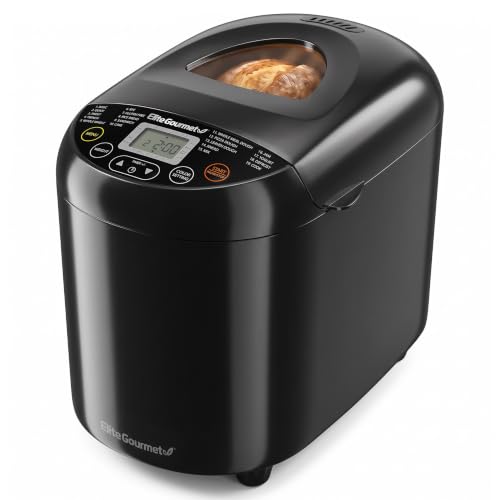
Elite Gourmet 2 Lb Bread Maker with Ceramic Pan, 3 SizesBest Ceramic PanElite Gourmet 2 Lb Bread Maker with Ceramic Pan, 3 Sizes1, 1.5 or 2 lb19 presetsGluten-free, dough, jamCeramic coated
Neretva 20-in-1 2 lb Metal Bread Machine, Dual HeaterBest Metal BodyNeretva 20-in-1 2 lb Metal Bread Machine, Dual HeaterUp to 2 lb20n/aNonstick ceramic

Small bread machines exist because most households finish a loaf in two or three days. A smaller pan means fresher bread, less waste and a body that fits a crowded counter or a cupboard shelf. The trade is that small loaves bake faster and the smaller thermal mass can crowd the heater.

Size is only part of the decision. Loaf options, pan shape and heater layout decide whether a small machine bakes bread you actually want to eat. The picks below are judged on how well they scale down, not on how many programs the box lists.

Before you buy

6 Criteria to Look For Before Buying a Small Bread Machine

  1. 01

    Loaf size versus household

    A 1.5 lb loaf serves two or three people over two days, which is why the Briskind caps there. A 2 lb pan, like the one in the Cuisinart CBK-110NAS, makes a loaf that goes stale before a couple finishes it. Choose the size you will eat in two days, not the largest listed. Many first-time buyers pick the biggest pan out of habit, then throw away the heel of a stale loaf every week. Two people eating toast daily go through about a pound every three days, so a 1.5 lb pan keeps pace without leftovers. Check the pan footprint against your counter before ordering, because a compact loaf size does not always mean a compact machine body.

  2. 02

    Counter footprint and storage

    Small does not always mean short. The Briskind has a carrying handle, the Cuisinart CBK-110NAS uses a vertical pan to stay narrow, and the Neretva has a metal body that is heavier. Measure the cupboard shelf before you buy, and leave several inches of clearance behind the machine for steam. Also check the lid swing and the cord length, because a small machine tucked under a cabinet can trap steam against the wood. A compact body that runs hot should not sit under a wall cabinet, so plan the baking spot before you plan the storage spot.

  3. 03

    Heater coverage

    Small loaves bake close to the heater, so a single bottom element can burn the base before the top browns. Dual heaters, like the Neretva, spread heat from the lid too. Without them, expect a pale top and consider turning the crust setting to dark. As a rule of thumb, a dark crust setting compensates for a weak top heater, though it also dries a small loaf faster. If the lid window is small you cannot judge the rise, so open the lid only at the kneading stage and never during the bake.

  4. 04

    Pan shape and slice size

    A vertical pan, as in the Cuisinart Compact, makes tall narrow slices that suit toast. Horizontal pans make wider slices that suit sandwiches. If you build sandwiches daily, check the loaf shape in the listing images before buying. Look at the slice width in the product photos, because a loaf only four inches across fits most toasters but not every sandwich. A narrow slice is fine for toast but awkward for deli fillings, so decide your main use before choosing the pan.

  5. 05

    Programs that matter

    Briskind and Elite Gourmet list 19 programs each, but only basic, whole wheat, French, quick and gluten-free change your daily bread. The others are jam and cake. Do not pay extra for a number that you will not use. Treat any program list as a menu you will mostly ignore, and confirm the one cycle you use most is present before you buy. If you only ever bake white bread, the program list is irrelevant, and a cheaper machine gives the same loaf.

  6. 06

    Beginner workflow

    The Briskind uses a three-step flow of ingredients, menu and loaf size, and the Cuisinart CBK-110NAS keeps its 12 programs on a single panel. A simple interface lowers the chance of recipe errors, which are the main cause of failed first loaves. Weigh flour with a scale for repeatable results. A scale costs little and removes most variables, since a small pan has less room to forgive an extra spoon of flour. Write down the grams of flour, water and yeast for the loaf you like so you can repeat it exactly.

Detailed reviews

The 4 best small bread machines, explained

01
Briskind 1.5 lb Compact Bread Maker with Carrying Handle
1.5 lb loaf19 programsCarrying handleGluten-free
Check price on Amazon
Best for: Couples and single bakers who want a genuinely small loaf and a machine that stores easily.

Briskind caps the loaf at 1.5 lb, which is the size most couples and small households actually finish before the bread goes stale. Nineteen programs include basic white, rapid bread, gluten free, French and cake, and a built-in carrying handle makes it easy to stash between uses. The three-step workflow of adding ingredients, picking a menu and setting the loaf size keeps the learning curve short.

The cap on loaf size is also its limit. If you ever need a 2 lb loaf for guests, this machine will not make one, and the smaller pan leaves less room for dense whole grain dough to rise. Compared with the Cuisinart Compact in this lineup, it is lighter on features but more genuinely compact and easier to carry.

Ownership is simple. Wash the pan by hand, wipe the heater chamber after each bake, and treat the handle as a convenience, not a weight rating. Parts availability depends on the seller, so buy a spare paddle if you plan to bake weekly. Keep the loaf under a cloth, not in a bag, so the crust stays crisp for a second day.

What works

  • 1.5 lb cap suits households of two or three
  • Carrying handle simplifies storage
  • 19 programs include gluten-free and rapid bread
  • Short learning curve with three simple steps

Watch out for

  • Cannot bake a full 2 lb loaf
  • Smaller pan limits dense dough rise
  • Parts depend on the seller

Spec sheet

Capacity
Up to 1.5 lb
Programs
19
Household
2 to 3 people
Handle
Carrying handle
Includes
Gluten-free, rapid, cake
02
Cuisinart CBK-110NAS Compact 2 lb Automatic Bread Maker
12 programs3 loaf sizesVertical metal panUp to 2 lb
Check price on Amazon
Best for: Small households that want three loaf sizes and a trusted brand.

The CBK-110NAS lives up to its name: a vertical metal nonstick pan makes tall, narrow loaves from 1 to 2 lb while keeping the body compact for a countertop. Twelve programs cover white, French, whole wheat, sweet, artisan dough, jam and cake, with three crust shades.

It costs more than the Briskind but less than any convection model, and it gives you a real choice of three loaf sizes that the Briskind does not. The vertical pan makes smaller slices than a horizontal pan, which suits toast and sandwiches for one or two people.

In day-to-day use, the pan is the wear item and the lid window fogs on humid bakes. Dust the heater cover after each use. A one-year warranty is typical, and Cuisinart parts are easier to find than generic brands. Because the pan is vertical, let the loaf cool upright for ten minutes before turning it out.

What works

  • Three loaf sizes from 1 to 2 lb
  • Vertical pan keeps the body compact
  • 12 programs with three crust shades
  • Cuisinart parts are widely stocked

Watch out for

  • Vertical pan makes smaller slices
  • No mix-in dispenser
  • Lacks the extra programs of newer models

Spec sheet

Capacity
1, 1.5 or 2 lb
Programs
12
Pan
Vertical metal nonstick
Crust
3 shades
Includes
Artisan dough, jam, cake
03
Elite Gourmet 2 Lb Bread Maker with Ceramic Pan, 3 Sizes
Ceramic pan19 presets1, 1.5, 2 lbDelay timer
Check price on Amazon
Best for: Buyers who want a ceramic pan and the option to bake larger loaves occasionally.

Elite Gourmet offers three loaf sizes and nineteen one-touch presets, and the ceramic-coated pan avoids PTFE for buyers who prefer it. A delay timer lets you load ingredients at night and wake to a loaf, and the preset list covers gluten free, rye, French, sweet, quick bread, pizza dough, cake and jam.

Against Briskind, it is a larger machine with a bigger top-end loaf, while compared with the Cuisinart Compact it trades the brand name for a ceramic pan and more presets. It is a reasonable pick if you want to start small and still occasionally bake a family-size loaf.

Ceramic coatings last longer when you never use metal tools, so use plastic to remove the paddle. Wipe the heater cover and window after baking because flour dust smells when it burns. Replacement pans are less standard than Cuisinart parts. Reserve the larger sizes for weekends and use the smallest for weekday toast.

What works

  • Ceramic coating avoids PTFE
  • Three sizes up to 2 lb
  • 19 presets including gluten-free and rye
  • Delay timer for morning bread

Watch out for

  • Larger body than the Briskind
  • No mix-in dispenser
  • Replacement pans are less common

Spec sheet

Capacity
1, 1.5 or 2 lb
Programs
19 presets
Pan
Ceramic coated
Timer
Delay start
Includes
Gluten-free, dough, jam
04
Neretva 20-in-1 2 lb Metal Bread Machine, Dual Heater
550WDual heatersCeramic pan20 programs
Check price on Amazon
Best for: Bakers who want better browning from a compact, rigid body.

Neretva wraps a metal body around dual heaters that surround the pan, plus a ceramic nonstick pan and twenty programs. At 550 watts it is not the most powerful machine, but the top heater helps small loaves brown evenly, which is a common weakness of compact units.

Compared with the Briskind it browns the top better, while compared with the Cuisinart Compact it offers a ceramic pan and a more rigid body at a similar footprint. The tradeoff is weight and a lack of a mix-in dispenser.

Expect to hand wash the pan and keep metal tools away from the coating. Metal bodies run hotter on the outside than plastic, so leave a clearance gap behind the machine during baking. Leave a few inches behind the machine, since the metal case and the steam vent both get hot.

What works

  • Dual heaters surround the pan for even browning
  • Ceramic pan avoids PTFE
  • Metal body feels solid
  • 20 programs cover everyday needs

Watch out for

  • Heavier than plastic compact machines
  • Outer body runs hot during baking
  • No mix-in dispenser

Spec sheet

Capacity
Up to 2 lb
Power
550W
Heaters
Dual, 360 degree
Pan
Nonstick ceramic
Programs
20

Spec sheet decoder

What the numbers on the box really mean

The specs manufacturers lead with, translated into what they tell you about real-world performance.

Loaf cap

The largest loaf the pan can bake, in pounds. Small machines often cap at 1.5 lb. Flour volume in cups is a better guide to pan size than weight on the label.

Watch forBriskind caps at 1.5 lb while the Cuisinart Compact reaches 2 lb.

Vertical pan

A tall narrow pan that saves counter width and makes smaller slices. Slice width depends on pan shape, not on the loaf weight.

Watch forThe Cuisinart CBK-110NAS uses it, so check slice size before buying.

Wattage

Heating and kneading power. Lower figures struggle with dense doughs. Wattage affects dough handling more than speed.

Watch forNeretva lists 550W, so favour white and light wheat loaves.

Dual heaters

Bottom and lid elements for even browning in a small chamber. Only machines with a lid element offer this.

Watch forElite Gourmet does not list a convection fan, so its top may be lighter.

Delay timer

Starts baking later so bread is ready on waking. Set it the night before and use dry ingredients only.

Watch forAvoid delays with fresh milk or eggs in a warm kitchen.

Methodology

How We Evaluated These Small Bread Machines

Size and fit

We compared loaf caps, pan shape and carrying features from the spec sheets. A machine that caps at 1.5 lb and has a handle scored highest for small households. The Briskind leads here. Where possible we noted the carrying features, because a machine you can lift easily gets used more. This is why the smallest model ranks high for solo bakers.

Heat and crust

We reviewed heater layout and whether a lid element is present. Small chambers crowd the loaf, so dual heaters earn extra credit. The Neretva stands out among compact picks. Where a spec sheet is silent about a lid element we flagged the doubt instead of assuming. A pale top often means a missing lid heater.

Ease of use

We assessed the number of steps from ingredients to bake, plus memory and mix support. The Briskind scores best for beginners. A busy interface loses points. We also looked for cycles that remember settings, because repeating a recipe is the daily use case. Simple controls cut the number of wasted first loaves.

Ownership

We looked at pan material, brand parts support and expected wear. Cuisinart parts are easiest to find, and generic brands depend on the seller. We note where a spare pan is wise. Where sellers differ, we noted that the pan is the part to stock, since it is the first thing to fail. We also noted warranty length where listed.

Value for small households

We matched each machine to a realistic baker, from solo to a family of three, using owner feedback patterns. The Cuisinart CBK-110NAS gives the most size flexibility for the money. We kept the comparison to what owners say over time, avoiding any single-loaf impression. Value here means cost per loaf you will actually eat.

Decision guide

How to Choose the Right Small Bread Machines

By Household Size

SituationPickWhy
One personBriskind 1.5 lbSmallest loaf and carrying handle
CoupleBriskind 1.5 lbLoaf sized for two days
Family of three with occasional guestsCuisinart CBK-110NASReaches 2 lb when needed
Mostly sandwichesElite Gourmet ceramic panThree sizes and presets
Beginner bakerBriskind 1.5 lbThree-step workflow

By Budget

TierPickWhy
LowestBriskind 1.5 lbCompact and capable
MidElite Gourmet ceramic panCeramic pan and presets
Upper midNeretva metal bodyDual heaters and metal build
HighestCuisinart CBK-110NASBrand support and three sizes

Plastic Body vs Metal Body

Plastic body

Machines like the Briskind weigh less and stay cooler on the outside. They are easier to store but can feel lighter during kneading.

Metal body

The Neretva and Cuisinart CBK-110NAS feel more solid and hold heat. They weigh more and need clearance.

Choose plastic for portability and metal for stability.

By Loaf Shape

PreferencePickWhy
Tall toast slicesCuisinart CBK-110NASVertical pan
Wider sandwich slicesElite Gourmet ceramic panLarger pan shape
Rounded home loafNeretva metal bodyDual heater browning
Small packable loafBriskind 1.5 lb1.5 lb cap

For Gluten-Free Baking Specifically

Look for

A dedicated gluten-free program with shorter kneading and one rise, because gluten-free batter does not behave like wheat dough. Without it, standard cycles overwork the batter and produce a dense loaf.

In this comparison

The Briskind and Elite Gourmet list gluten-free settings. The Briskind is the smallest, which matters because gluten-free loaves stale fast.

When to Spend More

Spend more if

You bake weekly and want better parts support. The Cuisinart CBK-110NAS and Neretva offer more refined build quality than the Briskind.

Save if

You are testing the habit. The Briskind costs less and covers plain loaves well.

Ownership

Maintenance schedule

The upkeep that decides whether this machine lasts two seasons or ten.

TaskIntervalWhy it matters
Wash pan and paddleAfter each bakeDough residue seizes the paddle. Use warm water and a soft sponge. A plastic scraper clears stuck dough without scratching.
Wipe the heater chamberWeeklyFlour dust burns and smells. A damp cloth keeps heat clean. Check the window too, since steam films it and hides the rise.
Check the paddle shaftMonthlyPaste in the bearing makes noise. Soak the paddle in warm water to free it. Spin the paddle by hand to feel for grit.
Inspect the coatingEvery 6 monthsScratches make dough stick. Replace the pan before flakes enter the loaf. A spare pan costs less than a new machine.
Air out the housingAfter long gapsMoisture causes odours. Leave the lid open to dry. Store the paddle in the pan so it does not go missing.

FAQ

Frequently Asked Questions

Is a 1.5 lb machine enough?

For one to three people, yes. A 1.5 lb loaf stays fresh for about two days, and larger loaves usually end up stale. Weigh your last few loaves of store bread to see what your household really eats. A smaller loaf also freezes well in slices, which extends its life. If you bake only on weekends, a 1.5 lb loaf like the Briskind also sits less time in the pan, which protects the crust and keeps the texture of the crumb tender for the whole second day.

Are small bread machines cheaper?

Often, but not always. The Briskind is low cost, while the Cuisinart CBK-110NAS costs more for its brand support. Check what the listing includes, since pans and paddles are cheap to replace but not always stocked. Spare paddles cost little and are worth stocking at purchase.

Do small machines bake worse bread?

Not if they have good heaters. Dual heaters or a lid element matter more than size. A cold kitchen slows the rise, so a small machine in a draughty room can bake squat loaves. Heat spreading around the pan is the real quality marker, not the label on the box.

Can I make a 2 lb loaf in a small machine?

Only if the machine supports it. The Cuisinart CBK-110NAS and Elite Gourmet reach 2 lb, while the Briskind does not. Remember that a bigger pan does not mean a better loaf, only a larger one. Check the manual for the largest flour quantity, because overfilling a small pan makes a mushroom top.

How do I store a small bread machine?

Let it cool, dry the pan and store with the lid ajar. The Briskind carrying handle makes lifting simple. Silica packs in a closed cupboard help if the kitchen is humid. Keep the cord out of the steam path.

What is the most common beginner mistake?

Measuring flour by volume. Weighing flour fixes dense loaves, and fresh yeast prevents flat ones. Fresh yeast kept in the freezer lasts for months and removes a common failure. A kitchen thermometer shows if your water is too hot for the yeast.

Bottom line

The short version

Browse more small bread machineson Amazon →
James Miller, Lead Machine Editor

About the author

James Miller

Lead Machine Editor, MachineFanatic

James Miller leads MachineFanatic's buying guides, turning spec sheets, manuals and owner feedback into clear verdicts on power tools, outdoor power equipment, shop machines and kitchen machines.

More from James →

Keep reading

Related guides