
Amazon affiliate links - we earn a commission.Affiliate disclosure

Buying guide · 14 min read · Updated 2026-11-25

Best Wet Dry Vacuums Under $150 (2026)

Four wet dry shop vacs at or under $150, including the Stanley 6 gallon, a 5 gallon Vacmaster and a stainless 4 gallon, compared on tank, airflow and filters.

James MillerBy James MillerLead Machine Editor4 machines comparedSpec-sheet verified
Best Wet Dry Vacuums Under $150

At a glance

Our top picks

Side by side

Spec comparison

MachineTankMotorClassUse
Vacmaster VOC507PF 5 Gallon 3 Peak HP Utility Wet Dry VacuumBest OverallVacmaster VOC507PF 5 Gallon 3 Peak HP Utility Wet Dry Vacuum5 gallon3 peak HPUtility, everyday pickupn/a
Stanley SL18116P 6 Gallon 4 Peak HP Wet Dry VacuumBest ValueStanley SL18116P 6 Gallon 4 Peak HP Wet Dry Vacuum6 gallon, over 22 L4 peak HPHousehold wet and drySmall clean-up to larger jobs
Amazon Basics 4 Gallon 3 HP Stainless Steel Wet Dry VacuumBest Stainless PickAmazon Basics 4 Gallon 3 HP Stainless Steel Wet Dry Vacuum4 gallon stainless steel3 peak HPn/aHome, garage, car
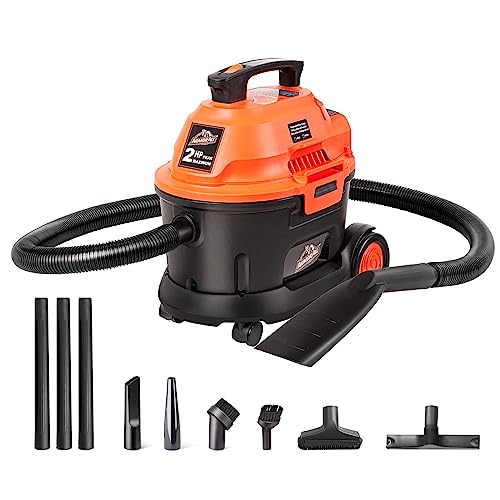
Armor All AA255W 2.5 Gallon 2 Peak HP Wet Dry Utility VacBest Light PortableArmor All AA255W 2.5 Gallon 2 Peak HP Wet Dry Utility Vac2.5 gallon polypropylene2 peak HPn/aSmall messes, garage, car

Past the entry level, a shop vacuum stops being a gadget and becomes a tool you plan around. Larger drums, longer hoses and published airflow numbers appear, and the choice shifts from how small it can be to how well it fits the work you actually do.

Prices move, and the $150 cap used here reflects live listing prices when this guide was updated. At this cap there is little left to buy in drum size, so the guide compares four capable mid-size machines and explains where extra spending stops paying off.

Before you buy

6 Criteria to Look For Before Buying a Wet Dry Vacuum Under $150

  1. 01

    Airflow figures worth trusting

    Of the four machines here, only the Vacmaster VOC507PF publishes a CFM number, at 65. Airflow in CFM tells you how well a machine moves bulk debris such as leaves and chips, which a peak horsepower label does not. If a listing omits airflow and sealed suction, treat its horsepower figure as marketing. Ask which job matters: bulk debris wants airflow, and fine dust wants sealed suction and a good filter. A quick way to sanity-check any claim is to ask whether the number would still look good if the filter were half clogged, because a real airflow figure collapses quickly when the filter loads, and the machine you buy will spend most of its life in that half-clogged state.

  2. 02

    Drum size and usable volume

    Nominal gallons overstate usable volume, and wet pickup should stay under roughly 80 percent full. The 6 gallon Stanley handles a bucket spill and a few more, while the 2.5 gallon Armor All is full after a gallon. Bigger drums also weigh more, so a full 6 gallon tank of wet debris is heavy to lift. Pick the biggest size you will actually carry. If a drum is too heavy to lift into a car or down a step, you will leave a task half done rather than empty it, and the extra gallons become a liability rather than a feature. A common compromise is a mid-size drum of 4 to 5 gallons that handles most garage jobs and still tips out into a bucket.

  3. 03

    Steel versus plastic drum

    A stainless drum, as on the Amazon Basics, survives drops and chemicals and cleans easily. A plastic drum is lighter and quieter but can crack when cold or hit by a tool. Steel also reflects motor noise, so a stainless unit is louder in a small garage. If you vacuum wet mud or oil, favor steel, and if you carry the unit often, favor plastic. Cold matters too: plastic drums stored in an unheated garage turn brittle below freezing, and a dropped drum can split along a seam. Moving the vacuum indoors for winter storage is a cheap way to avoid a replacement.

  4. 04

    Filter choices and cost

    A standard cartridge handles dry dust and ordinary debris but clogs with fine sanding dust and tears when wet. A foam sleeve is needed for wet use, and a bag extends cartridge life for dry jobs. Check that replacement filters are common and cheap, since you will buy several over the machine's life. A leaky lid gasket lets dust bypass the filter, so inspect the seal at purchase.

  5. 05

    Hose diameter and reach

    The Vacmaster lists 16 feet of reach, which covers most garage bays without an extension cord. Hose diameter sets what kind of debris moves: wide hoses carry chips and leaves, narrow hoses concentrate suction for dust. A hose that is too short makes you drag the drum around corners and tip it. Check the connection style so accessories and replacements fit.

  6. 06

    Where it will live

    The Stanley and Vacmaster need floor space, while the Armor All fits on a shelf or wall. Think about stairs, car trunks and doorways before choosing a drum. A machine that is too large becomes the one you never use. For small garages, the 4 gallon Amazon Basics balances size and strength. A useful test is to stand a broom against the wall where the unit will sit and check that the drum, hose and cord all fit without blocking the car door. If they do not, the smaller drum with a wall hook will get used more than the bigger drum that blocks the aisle.

Detailed reviews

The 4 best wet dry vacuums under $150, explained

01
Vacmaster VOC507PF 5 Gallon 3 Peak HP Utility Wet Dry Vacuum
5 gallon65 CFM3 peak HP16 ft reach
Check price on Amazon
Best for: Garage and workshop users who want a stated airflow number and long reach.

The Vacmaster is the only machine in this lineup that states an airflow figure, 65 CFM, which gives you an actual number to hold against another listing. A 5 gallon tank sits between the Stanley's 6 gallons and the 4 gallon units, and the 16 foot reach covers a garage bay from one outlet. It is built as a utility machine for dust, leaves, chips and spilled water.

Against the Stanley, it offers a published airflow figure and a slightly smaller drum. Against the stainless Amazon Basics, it gives up the steel tank but is lighter and quieter. Because airflow moves bulk material, it is the right match for leaf piles and wood chips, while a narrow hose and high suction number suit fine dust.

For care, remove the dry filter before wet pickup and use a foam sleeve, then leave the lid open after wet jobs. A clogged filter drops airflow far below the printed 65 CFM, so tap it clean often. Store the hose coiled loosely, because a kinked hose is the usual reason owners think the motor has failed. When you first unbox it, run it for a minute with the hose end open and listen for a steady note, since a rattle or a whistle at the lid usually means a misseated filter, not a faulty motor. Keep the dusty-job filter and the wet-job foam sleeve in a labeled bag beside the machine so you never swap them in a hurry.

What works

  • 65 CFM airflow figure is published
  • 5 gallon tank suits garage jobs
  • 16 foot reach avoids extension cords
  • Lighter than a steel-drum unit

Watch out for

  • Peak HP label is a surge figure
  • Standard filter clogs with fine dust
  • Plastic drum can crack in a cold garage

Spec sheet

Tank
5 gallon
Airflow
65 CFM
Motor
3 peak HP
Reach
16 feet of hose and cord
Class
Utility, everyday pickup
02
Stanley SL18116P 6 Gallon 4 Peak HP Wet Dry Vacuum
6 gallon4 peak HP22 L tankWet and dry
Check price on Amazon
Best for: Buyers who want the most drum for the money and will keep the unit in one place.

The Stanley has the biggest drum at this cap, over 22 liters, and a 4 peak horsepower motor. The listing positions it for small cleanups and for jobs a little larger than that, which is accurate for a basement or a garage. It picks up both wet and dry material as long as the filter setup is changed to suit.

Compared with the Vacmaster, it holds a gallon more and costs less on the price tier, but it does not publish airflow, so you buy it on tank size and brand reputation. Compared with the 2.5 gallon Armor All, it is a larger, heavier machine meant to stay in one place. The motor label is peak HP, so treat 4 HP as a size class and not a measured advantage.

On arrival, check the lid latches and the filter seat for a tight fit. After wet jobs, empty the drum and leave it open to dry, because the plastic holds odors if closed damp. If you run it for long stretches, give the motor breaks, since sustained load on a small universal motor shortens its life. A full 6 gallon drum of wet debris is heavy enough to strain a back and snap a plastic handle, so empty it in stages by tipping it into a bucket instead of lifting it at arm's length. For basements, run the hose into the drum from the side the water is on, and keep the cord off any damp floor by routing it overhead on a hook.

What works

  • 6 gallon drum is the largest here
  • 4 peak HP motor handles heavy debris
  • Wet and dry pickup
  • Lower price tier than the Vacmaster

Watch out for

  • No airflow figure published
  • Heavy when full
  • Plastic drum is not rust-proof but can crack

Spec sheet

Tank
6 gallon, over 22 L
Motor
4 peak HP
Model
SL18116P
Use
Small clean-up to larger jobs
Class
Household wet and dry
03
Amazon Basics 4 Gallon 3 HP Stainless Steel Wet Dry Vacuum
4 gallon3 peak HPStainless drumAccessory kit
Check price on Amazon
Best for: Workshops that deal with wet, muddy or chemical debris.

This vacuum uses a stainless steel drum that resists rust and wipes clean after wet or dirty jobs. The 3 peak HP motor is modest on paper, yet a sturdy tank and a bundled set of attachments make it a complete package. It is aimed at the home, garage and car.

Next to the Vacmaster, it gives up the published airflow figure and some portability, but its drum survives abuse that cracks plastic. Next to the Stanley, it is smaller and heavier per gallon, and it rings loudly because steel amplifies motor noise. For wet leaves, mud and chemicals, the steel drum is the better material.

Let the drum dry completely after use, as trapped moisture can still pit steel at the seams. Store accessories inside the drum, and replace the filter on schedule. If the lid gasket hardens, replace it rather than taping the seal, because a leaking lid defeats the filter. A steel drum also dents under a dropped tool, and a dent at the rim stops the lid from seating evenly, so tap it back out before it becomes a vacuum leak. Because it is the heaviest per gallon of the four, keep it on its wheels and avoid carrying it up steps when it is full.

What works

  • Steel drum resists rust and impacts
  • Accessory kit included
  • Easy to rinse out
  • 3 peak HP handles sawdust

Watch out for

  • Loud, since steel rings under suction
  • Heavier than plastic units
  • No airflow figure published

Spec sheet

Tank
4 gallon stainless steel
Motor
3 peak HP
Build
Durable steel drum
Kit
Hose and accessories
Use
Home, garage, car
04
Armor All AA255W 2.5 Gallon 2 Peak HP Wet Dry Utility Vac
2.5 gallon2 peak HPPolypropyleneBlower
Check price on Amazon
Best for: A second vacuum for the car and small cleanups.

The AA255W is a 2.5 gallon polypropylene drum with a 2 peak HP motor that converts to a blower. It is aimed at small messes in the garage or the car, and the compact body is easy to carry. Polypropylene resists dents and chemicals, though not impact in the cold.

It is a different class from the other three, and a good second vacuum rather than a primary machine. Set beside the Vacmaster, it holds half the volume and lacks any airflow rating. Measured against the Stanley, it is far lighter but fills up fast on a larger job.

Use it for car interiors, workbench dust and quick spills. Empty it often, clean the filter after dusty runs, and keep the blower function for outdoor use, as exhaust air from the motor is not clean. A small drum is easy to overfill with water, so stop before the float shutoff does it for you. Since the blower function pulls air through the same motor, wipe the exhaust port after outdoor use so leaf dust does not cake inside the housing. Think of this unit as the grab-and-go tool beside a larger drum that stays in the corner, and it will earn its place without ever being asked to do a job it was not built for.

What works

  • Light and easy to carry
  • Converts to a blower
  • Polypropylene drum resists dents
  • Compact for tight storage

Watch out for

  • Drum fills quickly
  • 2 peak HP limits heavy work
  • No airflow figure published

Spec sheet

Tank
2.5 gallon polypropylene
Motor
2 peak HP
Blower
Converts to blower
Use
Small messes, garage, car
Weight class
Compact and portable

Spec sheet decoder

What the numbers on the box really mean

The specs manufacturers lead with, translated into what they tell you about real-world performance.

65 CFM

Cubic feet per minute of air moved through the hose. It measures bulk moving power, not lifting force.

Watch forThe Vacmaster VOC507PF is the only machine here that publishes it.

Peak horsepower

A surge motor rating taken at startup, not sustained output. It cannot be compared between brands.

Watch forThe Stanley's 4 HP and the Vacmaster's 3 HP do not imply a performance gap.

Polypropylene drum

A tough plastic that resists dents and chemicals. It can crack at low temperatures.

Watch forThe Armor All AA255W uses it, so keep it out of a freezing garage.

Stainless steel drum

A metal drum that resists rust and impacts and cleans easily. It is heavier and louder than plastic.

Watch forThe Amazon Basics steel drum should be dried to prevent pitting at seams.

Converts to blower

A port lets you reverse the airflow to blow leaves and dust. The exhaust is dirty unless the filter is removed.

Watch forThe AA255W offers it, but use it outdoors.

Methodology

How We Evaluated These Wet Dry Vacuums Under $150

Published performance data

We prioritized units that state airflow, which only the Vacmaster VOC507PF does at 65 CFM. Peak horsepower from 2 HP to 4 HP was treated as a size class. Without a real number, a machine scored on its drum size and design.

Drum capacity and weight

Drums from 2.5 to 6 gallons were compared for usable volume and carrying weight. The Stanley's 6 gallons and the Armor All's 2.5 gallons mark the two ends of the lineup.

Material and durability

Stainless steel, plastic and polypropylene drums were compared for resistance to impact, chemicals and cold. Steel scored well for durability and lost points for noise.

Filters and accessories

We looked at the filter systems, bags and accessory kits. The Amazon Basics kit and the foam-sleeve wet setup that all four need were weighed.

Fit at the cap

Each unit was at or under the cap on its live listing. We favored published data and balanced size over the largest horsepower label.

Decision guide

How to Choose the Right Wet Dry Vacuums Under $150

By Workload

SituationPickWhy
Leaves, chips and wood scrapsVacmaster VOC507PF65 CFM moves bulk debris
Biggest drum for spillsStanley SL18116P6 gallons of volume
Wet mud and chemicalsAmazon Basics 4 Gallon StainlessSteel drum cleans easily
Car and bench cleanupsArmor All AA255WLight 2.5 gallon unit

By Budget

TierPickWhy
Lowest in the lineupArmor All AA255WSmallest unit
Lower middleStanley SL18116PLargest drum for the money
Upper middleVacmaster VOC507PFPublished airflow and long reach
Top of the capAmazon Basics 4 Gallon StainlessSteel drum and accessories

Airflow vs Sealed Suction

Airflow (Vacmaster)

High CFM carries leaves, chips and sawdust through a wide hose. It is the better choice for a garage floor.

Sealed suction

High suction lifts dense debris and clears a clogged hose, which suits narrow nozzles. None of these four publish it.

Choose the Vacmaster for bulk debris, and a dust extractor if fine dust is your problem.

Drum Material

PreferencePickWhy
Rust-proof and toughAmazon Basics 4 Gallon StainlessSteel drum
Quieter and lighterStanley SL18116PPlastic drum
Chemical resistanceArmor All AA255WPolypropylene tank

For Garage Cleanups Specifically

Look for

A reach of 16 feet or more, a drum of 4 gallons or more and a filter you can swap quickly. A blower port helps with leaves at the door.

In this comparison

The Vacmaster VOC507PF leads on reach and airflow, and the Stanley leads on volume.

When to Spend More

Spend more if

You sand drywall or cut masonry and need a HEPA system with a pre-separator. A 10 to 16 gallon drum on casters also helps with bigger jobs.

Save if

You vacuum small spills, in which case the Armor All unit or a smaller sibling is plenty.

Ownership

Maintenance schedule

The upkeep that decides whether this machine lasts two seasons or ten.

TaskIntervalWhy it matters
Tap the filter cleanAfter dusty jobsA clogged filter drops airflow far below the rating. Tap it outdoors, then inspect for tears.
Use a foam sleeve for wet jobsEvery wet pickupA paper cartridge is ruined by water. Swap it before you start.
Empty and dry the drumAfter wet jobsMoisture breeds mildew in plastic and pits steel. Leave the lid open.
Inspect the lid gasketQuarterlyA hard or cracked gasket lets dust bypass the filter. Replace it as needed.
Check the hose for cracksMonthlyCracks leak suction and mimic a weak motor.

FAQ

Frequently Asked Questions

Is more horsepower better in a shop vac?

Not by itself. Peak horsepower is a surge rating, and a machine with a 2 HP label and good airflow can outperform a 4 HP label with a narrow hose. Look at airflow and hose size.

What does the $150 cap buy compared with lower caps?

It buys mid-size drums, published airflow on one model and a steel option. The cap reflects listing prices when this guide was updated.

Do these vacs handle drywall dust?

No. Fine drywall dust clogs standard filters and passes through basic bags. Use a dust extractor with a HEPA filter for that work.

How long should a shop vac last?

Three to six years of occasional use. Motor wear accelerates with clogged filters and long, continuous runs.

Can I vacuum a flooded basement?

A 5 or 6 gallon drum can, with the dry filter removed and a foam sleeve fitted. Empty it before it exceeds about 80 percent full.

Is a blower port useful?

It is handy for leaves and dust in a garage corner. The exhaust is not clean, so use it outdoors and wear eye protection.

Bottom line

The short version

Browse more wet dry vacuums under $150on Amazon →
James Miller, Lead Machine Editor

About the author

James Miller

Lead Machine Editor, MachineFanatic

James Miller leads MachineFanatic's buying guides, turning spec sheets, manuals and owner feedback into clear verdicts on power tools, outdoor power equipment, shop machines and kitchen machines.

More from James →

Keep reading

Related guides