
Runtime needs four numbers
A claim that a generator “runs all night” is incomplete. Runtime has meaning only when four details are known: usable fuel quantity, fuel type, electrical load, and the generator's operating condition. Remove any one of those and the hours cannot be compared fairly.
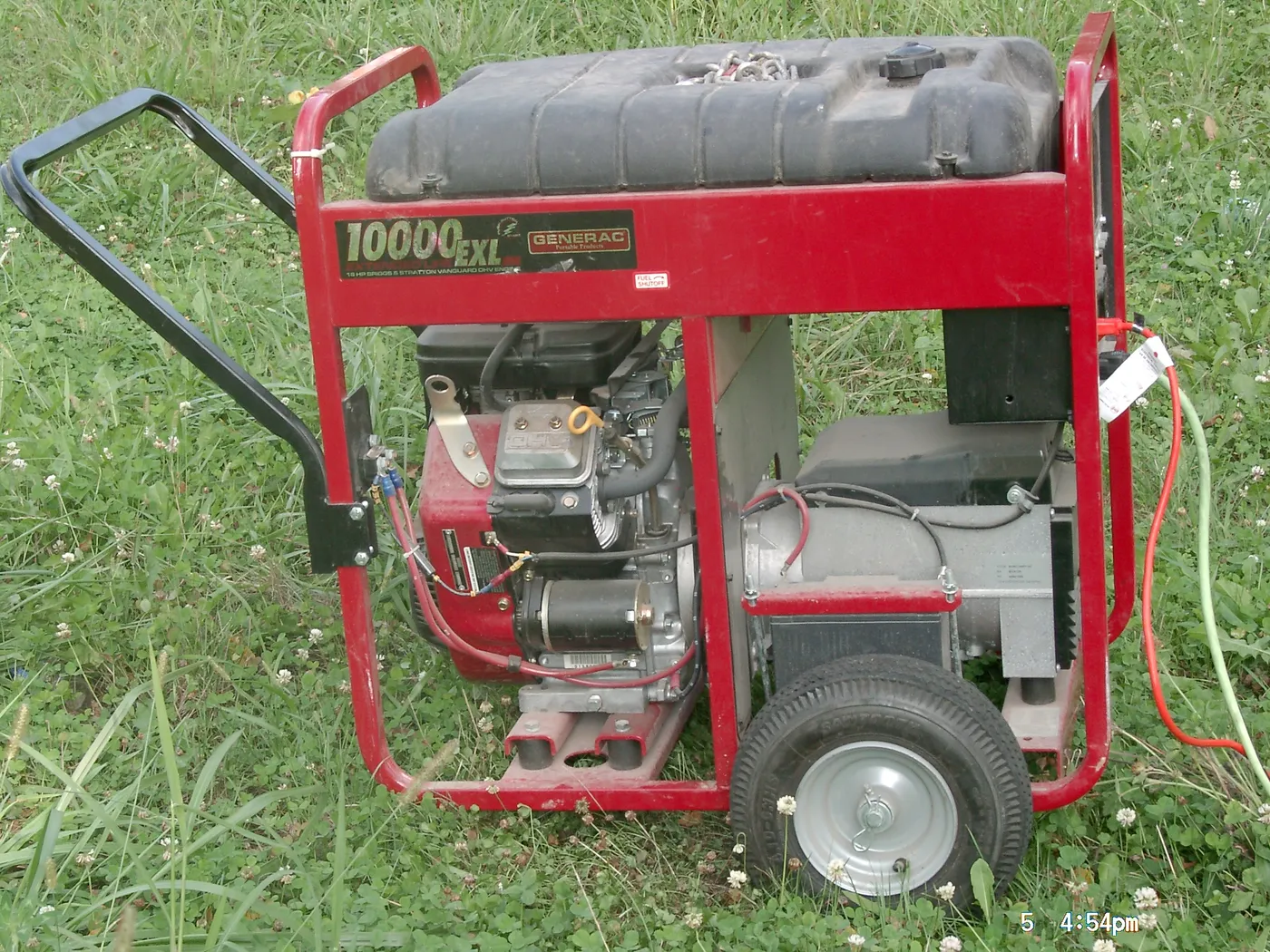
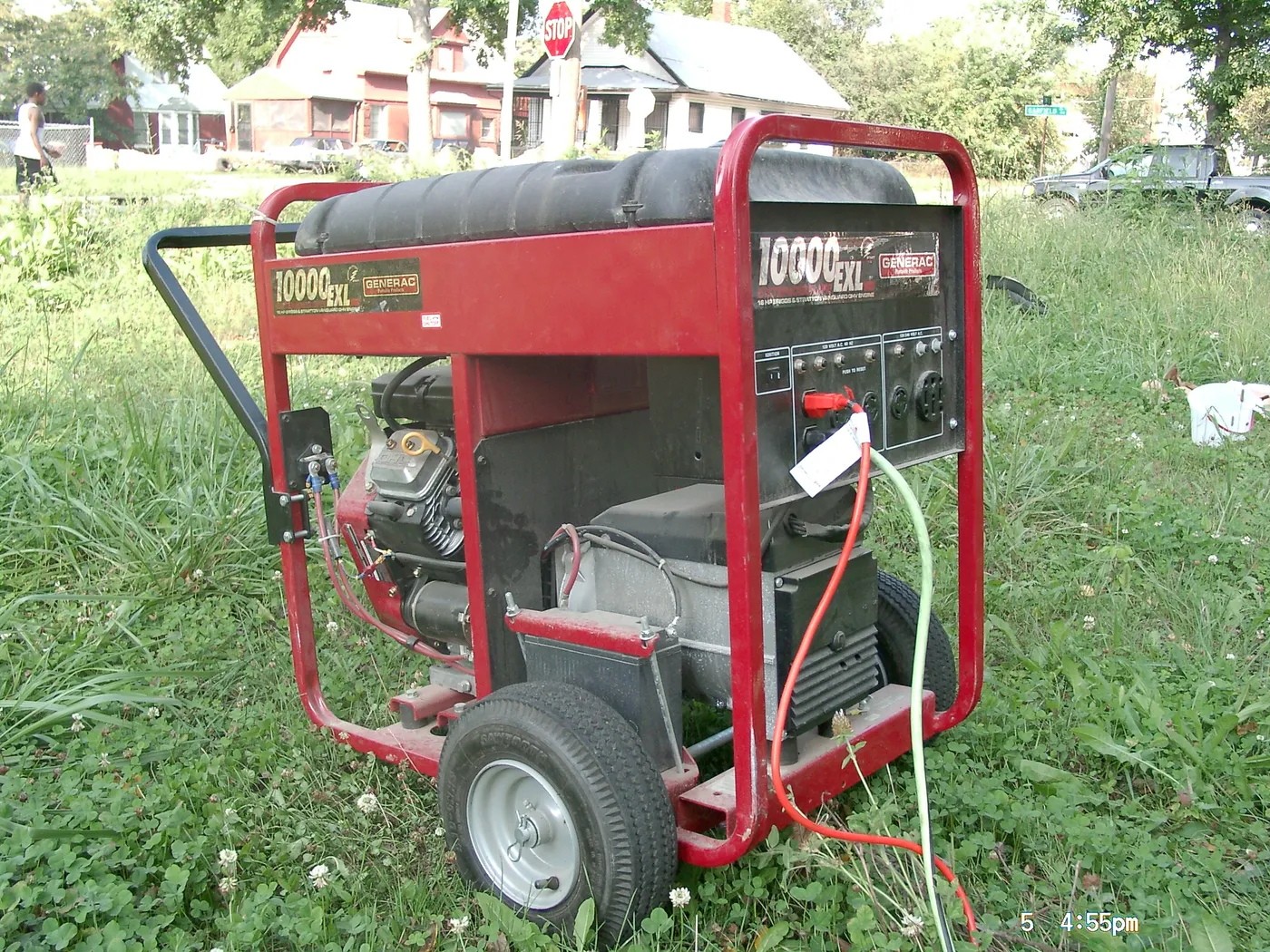
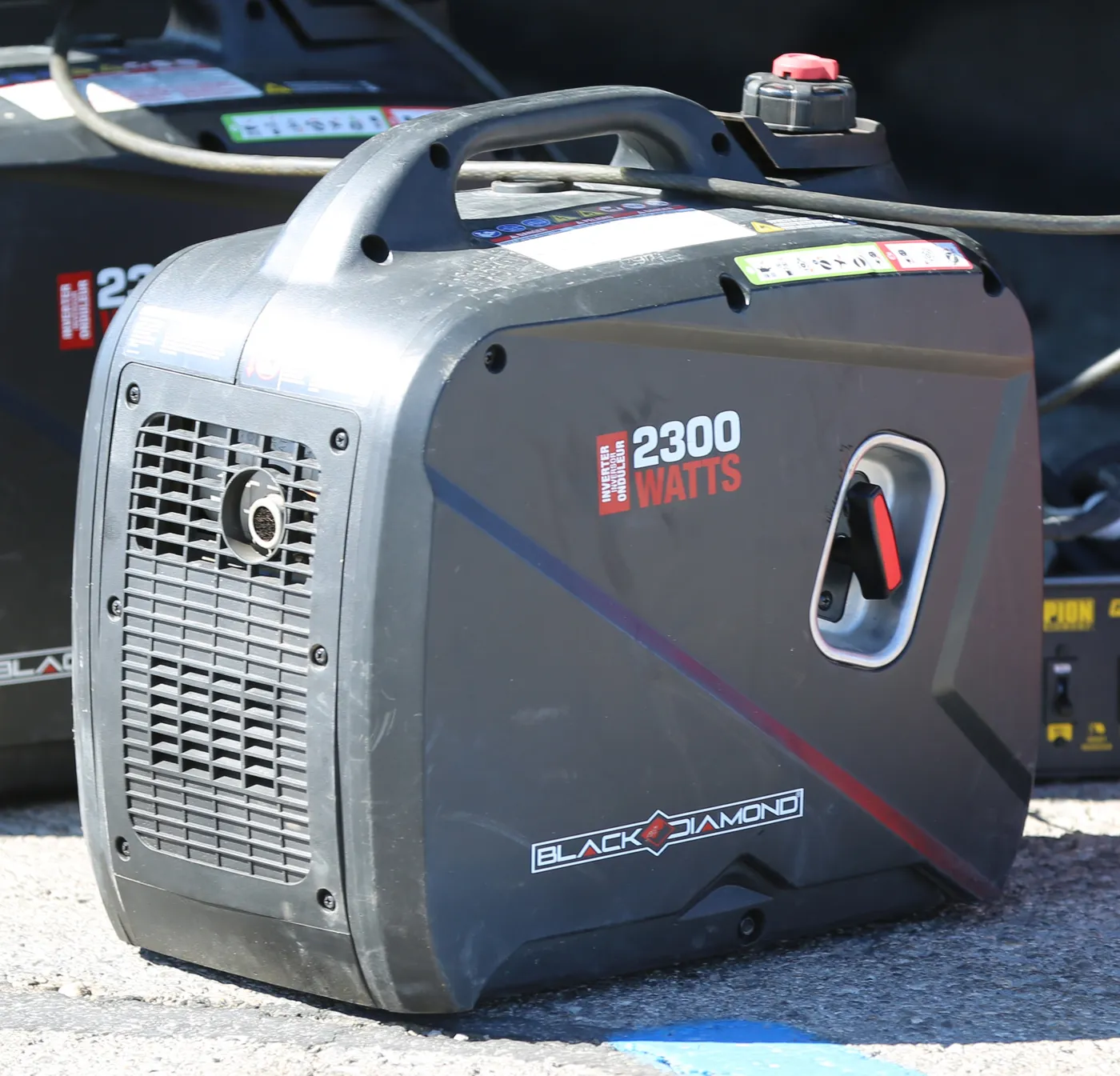
A small inverter can run many hours on a compact tank while carrying a light charger and refrigerator. A large open frame generator can empty a much bigger tank faster while supplying pumps, heaters, and cooking loads. Tank size alone does not decide the answer.
Manufacturer claims commonly use one quarter or one half of rated running output. The percentage normally refers to continuous rated watts, not the larger starting watt figure. Confirm the definition in the product specification.
| Runtime input | Why it matters | Common mistake |
|---|---|---|
| Usable fuel quantity | Sets the stored energy available | Comparing tank dimensions instead of capacity |
| Fuel type | Changes engine output and storage measurement | Comparing gasoline gallons with propane cylinder weight directly |
| Load percentage | Controls how much mechanical power the engine must make | Quoting quarter load hours for a heavy household load |
| Generator architecture | Influences light load engine speed and losses | Assuming every inverter saves the same percentage |
| Conditions | Temperature, altitude, maintenance, and fuel quality affect operation | Treating laboratory or manufacturer figures as exact field results |
Why load changes runtime
The engine must create enough torque to turn the alternator under electrical load. More watts at the outlet require more fuel energy at the cylinder. Fuel consumption therefore rises as load increases.
The relationship is not perfectly linear. The engine consumes fuel to overcome internal friction, drive cooling air, and remain running even when electrical demand is small. Efficiency changes with throttle position, speed, mixture, and load.
This is why halving electrical load does not automatically double runtime. Honda publishes one model at 3.2 hours at rated load and 8.1 hours at quarter load from the same 0.95 gallon tank. Those model specific numbers show a nonlinear relationship, not a formula for other machines.
Real household loads also cycle. A refrigerator compressor, furnace blower, or well pump turns on and off. Average load over several hours determines fuel burn more closely than one brief peak, while the generator still needs enough starting capacity for each motor event.
How to read a runtime claim
Find the statement in the specification or manual and circle every condition. A useful claim might identify hours, tank capacity, fuel, and quarter load. If the product page gives only hours, it cannot support a reliable comparison.
Check whether “up to” appears. It signals a favorable condition rather than a guaranteed minimum. Temperature, fuel formulation, altitude, engine condition, and load variation can shorten field operation.
Compare runtime at the same load percentage, but also compare absolute watts. Quarter load on a 2,000 running watt generator is 500 watts. Quarter load on an 8,000 running watt generator is 2,000 watts. The second machine is doing four times the electrical work.
Document revisions matter. A current manual and product page can occasionally disagree. Use the latest model specific documentation and ask the manufacturer when published values conflict.
Runtime comparison rule: match fuel, usable quantity, load percentage, and actual watts before comparing hours between generators.
Estimating runtime from fuel burn
If the manufacturer publishes fuel consumption at the relevant load, divide usable tank capacity by fuel consumption per hour. A 5 gallon usable supply at 0.5 gallon per hour gives a planning estimate of 10 hours.
The calculation is only as accurate as the consumption input. Do not extrapolate a quarter load burn rate directly to full load. Use another published data point or treat the result as a rough planning range.
Leave operational reserve. Running a gasoline tank completely dry may pull sediment toward the fuel system, and an outage plan that depends on the final minute has no tolerance for changing load or delayed refueling.
Record actual fuel additions and operating hours during safe exercise sessions. Owner data from the same machine, fuel, and load plan can improve future estimates, but should never justify operation beyond required maintenance or cooling intervals.
Inverter generator eco mode
An inverter generator can reduce engine speed at light load because its electronics set outlet frequency. Lower speed reduces friction, pumping losses, cooling fan demand, and sound. This can improve runtime when the load remains well below rated output.
Honda states that Eco Throttle can reduce fuel consumption by up to 40 percent under suitable conditions. The phrase “up to” matters. Savings depend on model and load and become smaller when the engine must operate near rated output.
Eco mode may need to be turned off for certain large starting loads if the manual instructs it. The engine at low speed needs time to accelerate when a compressor or saw starts. Some inverter systems respond quickly, while others handle the event better at normal mode.
Readers prioritizing light load efficiency can compare the best inverter generators. Tank capacity, rated load runtime, and quarter load runtime should be read together.
Gasoline runtime
Gasoline generators carry fuel in an onboard tank, making usable quantity straightforward to read. Runtime still depends on whether the specification uses the full tank volume and whether the generator sits level enough for proper pickup.
Gasoline degrades during storage. Oxidized fuel, water contamination, and deposits can reduce performance or stop the engine. Rotate stored fuel and follow the manufacturer procedure for stabilizing or draining the system.
Never refuel a running or hot generator. Shut it down, remove electrical load as instructed, and allow it to cool. Spilled gasoline can ignite on exhaust or engine surfaces.
Plan shutdowns into the runtime schedule. A generator advertised for long operation still needs oil checks and maintenance at the intervals in its manual. Some engines can reach an oil service interval during a multiday outage.
Propane runtime
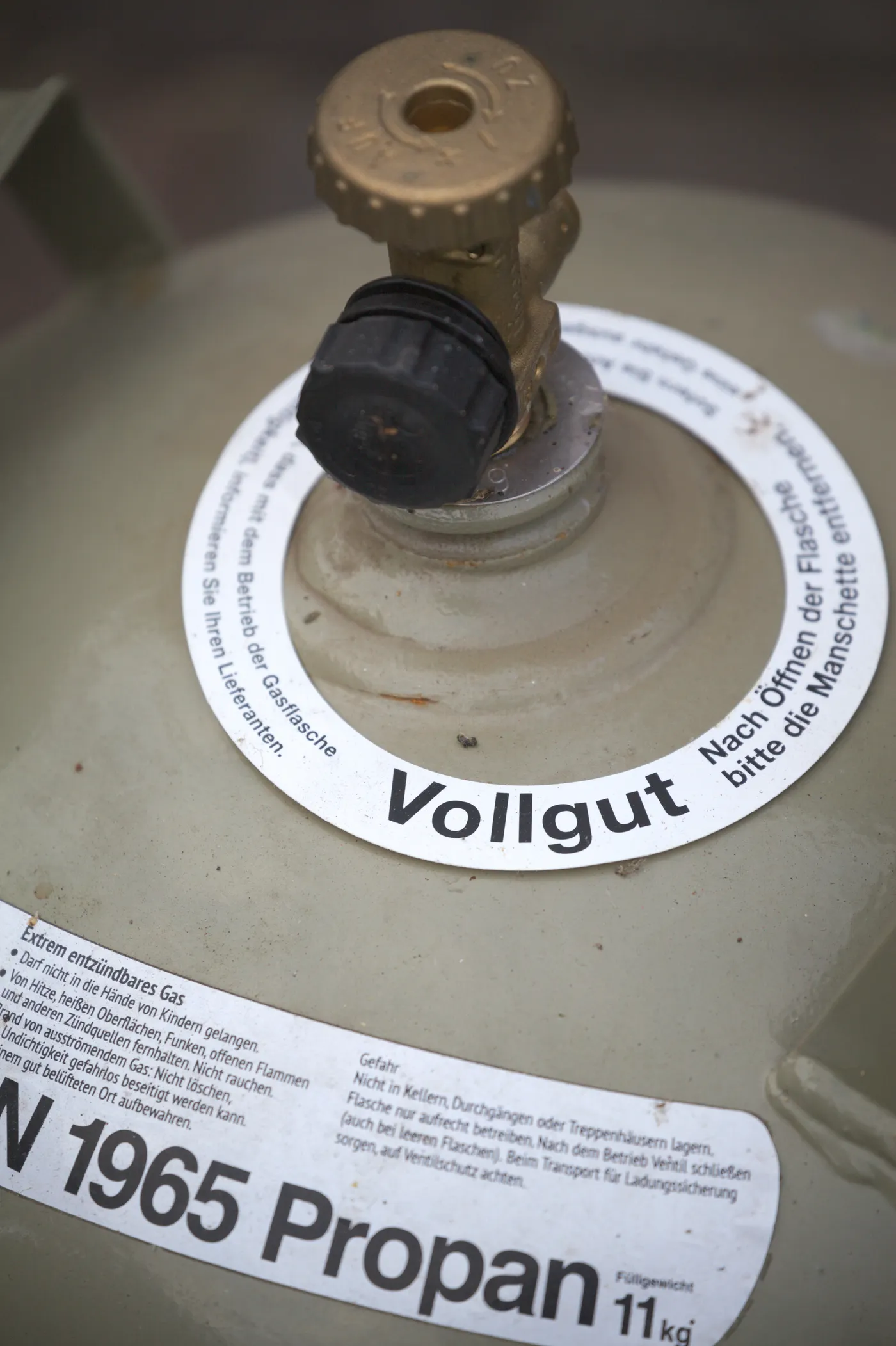
Propane runtime claims often assume a particular cylinder, commonly described by nominal propane weight. The cylinder is not filled completely with liquid because vapor expansion space is required. Compare the stated fuel mass and test condition, not cylinder exterior size.
Electrical output may be lower on propane, so the same household load represents a higher percentage of available generator capacity. That can change both runtime and overload margin.
Cold weather and high fuel demand can reduce vaporization. The engine may stop before the cylinder is empty if vapor cannot form quickly enough. Cylinder size, fill level, temperature, regulator, and hose all matter.
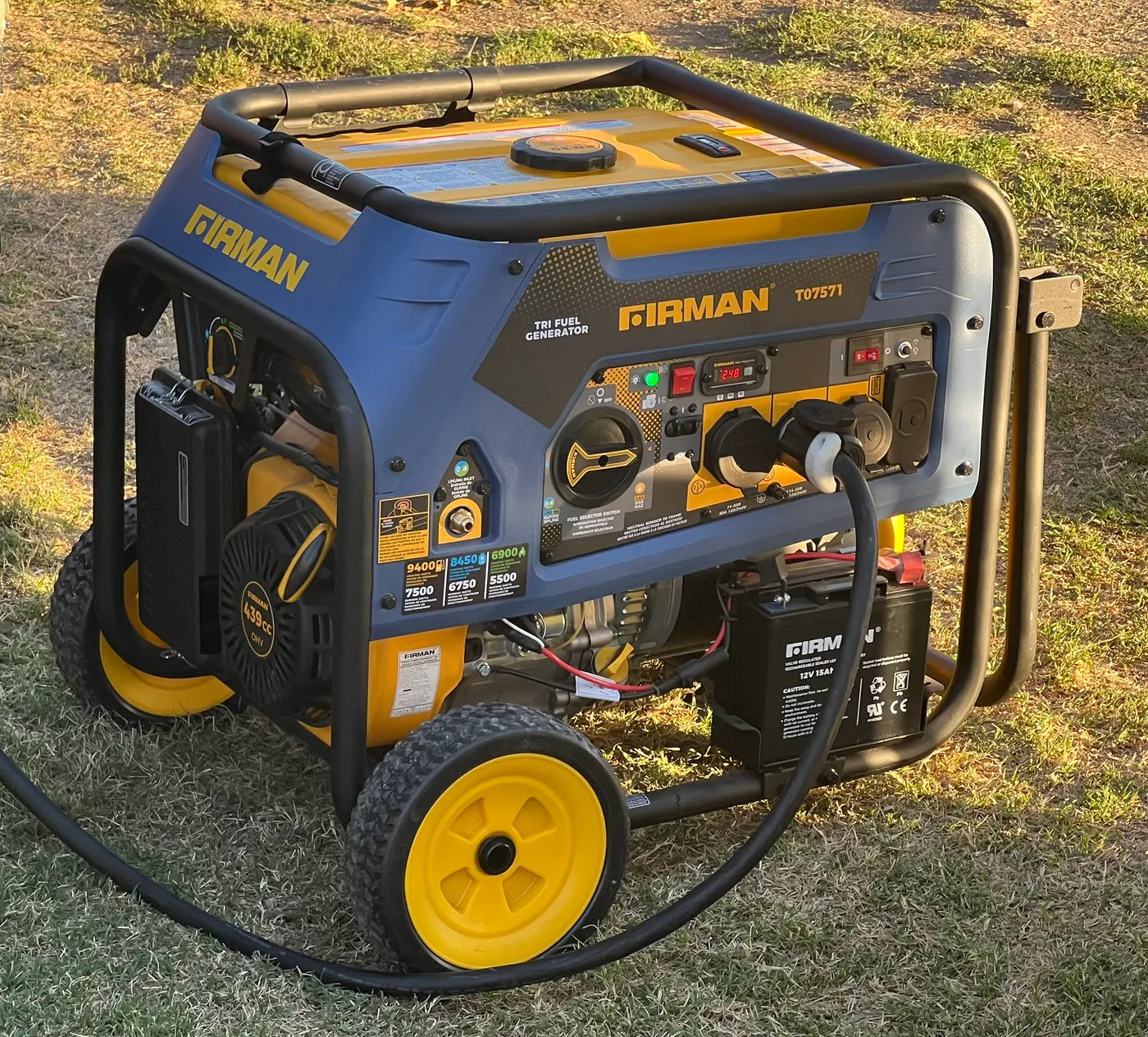
A larger cylinder can extend operation and improve vapor delivery, but connections and storage must be approved. Our dual fuel generator guide exposes gasoline and propane ratings separately.
Natural gas runtime
A natural gas connected generator does not have a tank runtime in the usual sense. It can operate while utility gas remains available and the supply delivers required pressure and flow. Engine maintenance and oil service still require planned shutdowns.
Natural gas output is commonly lower than gasoline output on a tri fuel model. Size the electrical load from the natural gas rating and have a qualified gas professional verify meter, regulator, pipe, and hose capacity.
Utility gas can be interrupted by infrastructure damage, emergency shutdown, or local service work. Treat it as a convenient long duration supply, not an absolute guarantee.
Runtime planning should include maintenance stops, weather inspection, and a backup fuel strategy if the machine supports one. Continuous fuel supply does not mean the engine is rated to run indefinitely without attention.
Battery power station runtime
A battery power station uses stored watt hours rather than liquid fuel. Divide usable battery energy by average load watts for a first estimate, then account for inverter losses, standby consumption, temperature, battery protection limits, and motor surge.
A 1,000 watt hour nameplate does not necessarily deliver 1,000 watt hours at the AC outlet. Conversion and protection reserve reduce usable energy. Manufacturer runtime tests should state load and output type.
Solar input can extend runtime, but daily production depends on panel rating, sun angle, clouds, shading, temperature, and charge controller limits. Do not assume the panel replaces energy as fast as the load consumes it.
Power stations are useful for electronics, lights, refrigeration, and indoor operation without combustion exhaust. High resistance heat and long duration motor loads can deplete them quickly. Compare systems in the shared portable power station guide.
Extended run tanks and external supplies
Some generators support an approved extended run fuel system. Others rely on a vented cap, pump, or carburetor arrangement that was not designed for external fuel. Use only manufacturer approved equipment for the exact model.
Improvised gasoline tanks introduce leak, siphon, venting, pressure, and fire hazards. A connection that works at first can continue feeding a leak after the engine stops. Do not drill fuel caps or assemble unapproved hose systems.
External propane supplies require correct regulator stages, hose capacity, shutoff, and vaporization. Bulk tanks and natural gas connections should be evaluated by qualified gas professionals.
More fuel does not remove the need for oil checks, maintenance, cooling, and supervision. An extended supply changes refueling frequency, not the engine's service limits.
Loads that cut runtime fast
Resistance heaters, electric water heaters, hot plates, kettles, and cooking appliances turn large continuous electrical input into heat. They can move a generator from light load to heavy load immediately.
Central air conditioners, well pumps, and shop compressors have starting surges and substantial running demand. The brief surge affects generator capacity, while the minutes or hours of running demand consume fuel.
Battery chargers can draw heavily during the early charging stage and taper later. An RV converter may therefore create a changing load that makes simple runtime prediction difficult.
Use the generator wattage calculator to define the operating group. Runtime estimates should use average demand from that plan rather than the generator's maximum label.
| Operating choice | Runtime effect | Planning response |
|---|---|---|
| Add resistance heating | Large continuous fuel increase | Use another safe heat source when appropriate |
| Start a large motor | Brief high demand followed by running load | Confirm surge capacity and expected duty cycle |
| Use eco mode at light load | Can reduce engine speed and fuel use | Follow manual for motor starting loads |
| Run multiple appliances together | Higher average load and shorter runtime | Schedule discretionary loads |
| Use long undersized cords | Adds loss and voltage drop | Use correct conductor size and length |
Planning an overnight run
Continuous overnight engine operation adds risk. Carbon monoxide can enter while occupants sleep, weather can change, fuel can leak, and the generator can be stolen or develop a fault without immediate notice.
Maintain outdoor placement at least 20 feet from buildings with exhaust directed away from openings. Test CO alarms on every level and outside sleeping areas. Never move the unit closer to reduce cord length or noise.
Check the manual for unattended operation, inspection, refueling, and maintenance requirements. Plan enough fuel without attempting to refill a hot engine during the night. Battery storage can carry small overnight loads while the combustion generator is shut down.
RV owners face campground quiet hours and nearby sleeping areas. The RV generator guide can identify quieter machines, but low noise does not make unattended operation safe.
A better runtime planning method
- List the loads that will operate in each part of the day.
- Calculate their running watts and identify motor duty cycles.
- Find manufacturer runtime at the closest published load condition.
- Confirm fuel quantity and fuel type used in that test.
- Estimate a range rather than one exact hour.
- Add scheduled shutdowns for refueling, oil checks, and maintenance.
- Record actual safe operating hours and fuel additions during use.
- Keep reserve fuel and a load shedding plan.
A planning range acknowledges uncertainty. If manufacturer data suggests eight hours near the expected load, schedule inspection and refueling before the eighth hour rather than assuming the engine will stop at exactly that point.
Do not plan to the empty tank: reserve time absorbs changing load, colder weather, delayed fuel access, and differences between published conditions and your site.
How much fuel to keep on hand
Runtime per tank answers the wrong question during a multi day outage. The question that matters is how many tanks you can supply before the fuel runs out or the stations reopen, and that is a storage problem rather than a generator problem.
Work it from the burn rate you established earlier. Multiply the hourly consumption at your real load by the hours you intend to run each day, not twenty four, since most households run a generator in blocks around the refrigerator, the well pump and the evening. Multiply that daily figure by the number of days you want to cover without resupply.
Gasoline is the fuel that penalises poor planning. It oxidises, it absorbs moisture, and the ethanol blends common at the pump separate over time, which is how a stored can ruins a carburettor months later. Treat stored gasoline with stabiliser, keep it in containers approved for fuel, store it away from living space and ignition sources, and rotate it through the car on a schedule rather than letting it sit through a season.
Propane removes that problem entirely, which is a strong argument for a dual fuel machine if your outages run long rather than often.
Safety and maintenance limits
Operate combustion generators outdoors at least 20 feet from buildings, with exhaust directed away from doors, windows, vents, RVs, and tents. Never operate in a garage, shed, porch, carport, or homemade enclosure.
Shut down and cool gasoline equipment before refueling. Close propane valves and follow approved cylinder change procedures. Keep all fuel away from heat and ignition sources.
Check oil at the interval in the manual. Low oil shutdown protects many engines, but it is not a maintenance schedule. Extended operation can reach an oil change interval during the outage.
Keep electrical connections dry and cords correctly rated. A generator that can run for many hours still requires active supervision and periodic inspection.
Record each shutdown, fuel addition, and oil check so the next operator knows the machine's actual service time.
Keep that log with the generator manual throughout the outage.
Frequently Asked Questions
How long will a generator run at half load?
It depends on the model, tank capacity, fuel, and engine efficiency. Use the manufacturer's half load figure for that exact generator rather than a category average.
Does half the load mean twice the runtime?
No. The engine consumes fuel to remain running, and efficiency changes with load. Runtime and load are not perfectly proportional.
Does eco mode always save 40 percent fuel?
No. Honda states savings of up to 40 percent for its system under suitable conditions. Actual savings depend on model and load and shrink near rated output.
Can a generator run overnight?
Only when manufacturer instructions, safe outdoor placement, CO alarms, weather protection, fuel, maintenance, and supervision requirements can all be met. Battery backup is often safer for small sleeping hour loads.
Will a larger tank always run longer?
Not when comparing different generators. A larger engine under a heavier load can consume a larger tank faster than a small inverter carrying light loads.
How long will a propane cylinder last?
Runtime depends on usable propane, load, generator efficiency, temperature, cylinder size, and vaporization. Use the model's published propane test condition and keep reserve.
Can I add an external fuel tank?
Only when the generator manufacturer approves a system for that model. Improvised tanks and caps can leak, siphon, vent incorrectly, or continue feeding a fire.
Bottom line
A generator's tank does not have one fixed runtime. Start with manufacturer hours at a stated fuel quantity and load percentage, then adjust the plan for actual average load, fuel, temperature, maintenance, and reserve. Light load inverter operation can extend runtime, while heaters and large motors shorten it quickly. Plan inspection and refueling before the published limit, never at the empty tank.