
Three safe connection paths
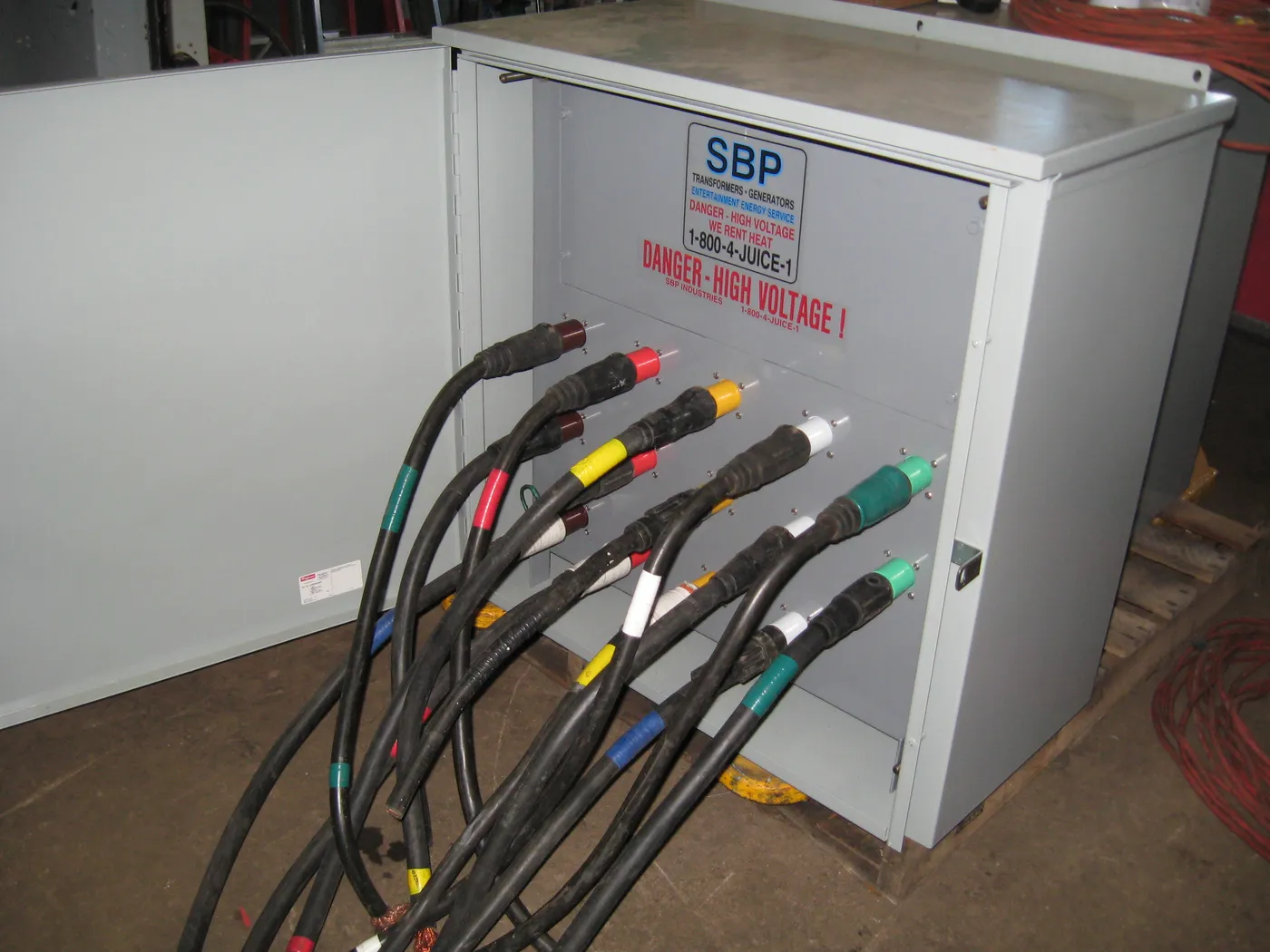
A portable generator can supply a home in three fundamentally different ways. It can power individual appliances through properly rated extension cords. It can feed selected circuits through a manual transfer switch. Or it can feed a compatible main panel through a listed interlock arrangement and outdoor inlet.
The correct path depends on the loads. Cord connection works for portable 120 volt appliances. A furnace, well pump, central air system, and other hardwired equipment require a code compliant building connection. A panel connection also makes existing branch circuits available without running cords through windows.
Every panel connected method must prevent the utility source and generator source from being connected at the same time. This mechanical or electrical isolation protects line workers, occupants, the generator, and household equipment.
| Method | Best use | Main advantage | Main limitation |
|---|---|---|---|
| Individual extension cords | Portable 120 volt appliances | No modification to household wiring | Cannot normally serve hardwired loads |
| Manual transfer switch | Selected essential circuits | Clear circuit selection and source isolation | Fixed circuit count and professional installation |
| Listed panel interlock with inlet | Flexible manual circuit selection | Uses compatible breakers in the main panel | Panel specific approval and disciplined load management |
Why backfeeding is never acceptable
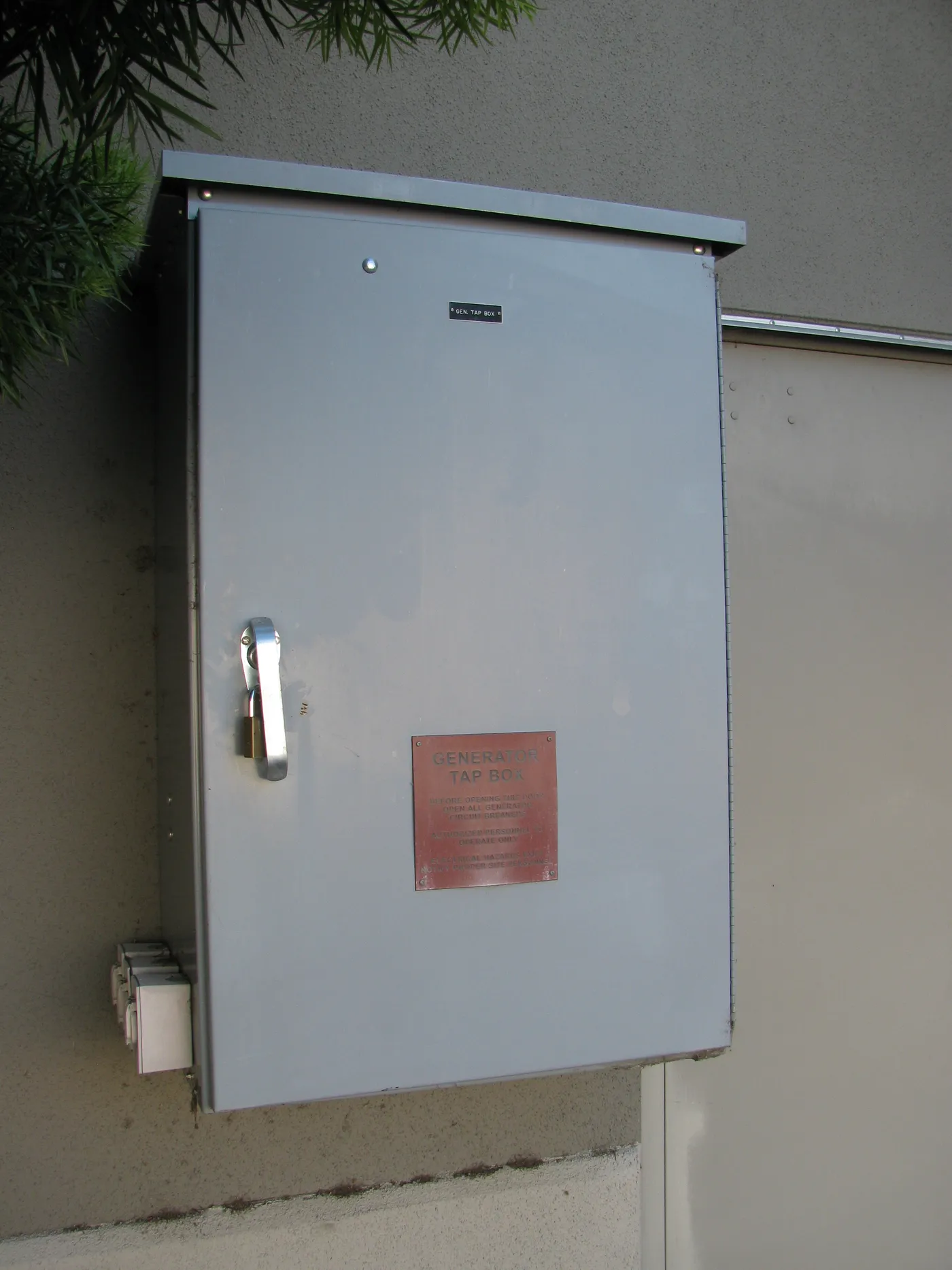
Backfeeding commonly means connecting a generator to a dryer receptacle or other household outlet through a cord with energized male pins. This bypasses approved transfer protection and can energize conductors outside the home.
Turning off the main breaker first is not an acceptable substitute. The procedure relies entirely on memory, offers no mechanical prevention, and may not address neutral configuration. Another person can move the breaker, or utility power can return while the generator remains connected.
Exposed energized pins can cause electrocution. Incorrect breaker and conductor paths can overheat. Generator voltage can reach the utility transformer and be stepped to hazardous distribution voltage.
Use only equipment listed and installed for generator transfer. No convenience, outage duration, or cord adapter makes backfeeding safe.
Nonnegotiable rule: generator power and utility power need a physical transfer mechanism that prevents simultaneous connection. A written reminder beside the main breaker is not that mechanism.
How a manual transfer switch works
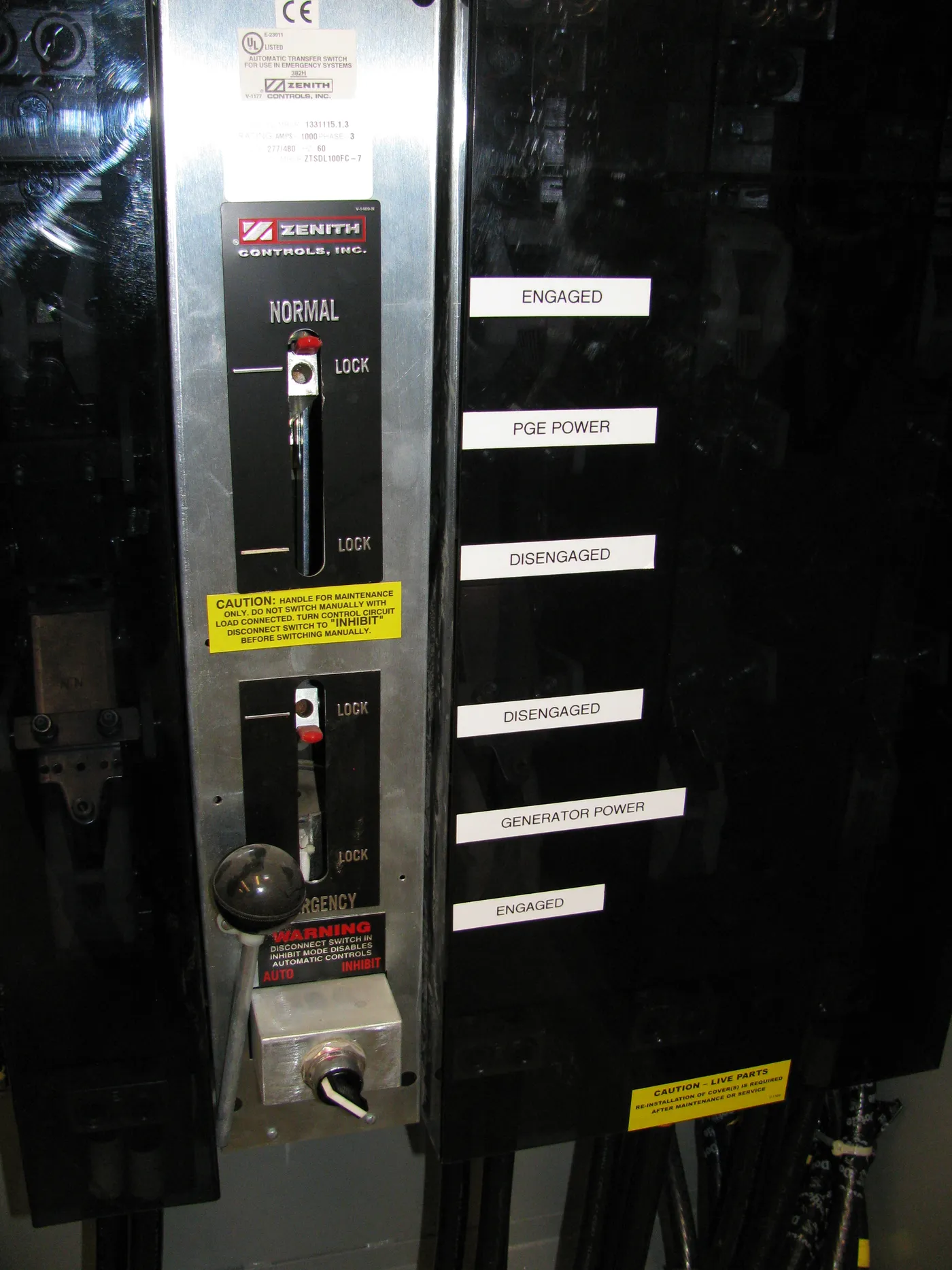
A manual transfer switch selects utility or generator power for designated circuits. Its mechanism prevents both sources from feeding those circuits together. Some products include individual switches for several branch circuits, while larger systems transfer a feeder or panel.
The electrician identifies essential loads, calculates demand, and routes the selected circuits through the transfer equipment. During an outage, the operator connects the generator, starts it outdoors, moves the switch to generator position, and energizes circuits in a controlled sequence.
A transfer switch can simplify load management because only chosen circuits are available. It also makes it clear which circuits remain unavailable during backup. The limitation is that later circuit changes may require electrical work.
Neutral switching varies by equipment and system design. A transfer switch may switch the neutral or leave it solidly connected. That decision interacts with generator bonding and grounding, so it must be engineered rather than copied from another installation.
How a panel interlock works
A listed interlock mechanically prevents the main utility breaker and generator backfeed breaker from being on together. The generator breaker feeds the panel from an inlet when the main breaker is off. Branch circuits can then be selected manually.
The interlock must be designed and approved for the exact panel and breaker positions. A generic sliding plate or field fabricated device may not maintain alignment, withstand panel conditions, or satisfy listing and code requirements.
Interlocks provide circuit flexibility, but they make the operator responsible for load control. Turning on every branch circuit can overload the generator even though the panel accepts the connection. Large loads should be labeled and managed.
The panel directory must be accurate. The inlet breaker, retainer, interlock, wiring, and labeling should be installed by a qualified electrician under applicable permits and inspection.
The role of the power inlet
A generator inlet is a male flanged connection mounted on the building exterior or another approved location. The generator cord has a female connector at the building end, so energized contacts remain recessed and protected.
The inlet rating must match the transfer equipment, conductors, breaker, connector, voltage, and generator output. A 30 amp or 50 amp face does not increase generator capacity. The generator's running rating and breaker remain controlling limits.
Locate the inlet so the generator can remain at least 20 feet from the building without placing connectors in water or routing cords through vehicle paths. The inlet itself should not tempt the operator to position the engine beside a window or door.
Use a cord with the correct conductor count, plug configuration, current rating, outdoor rating, and length. Homemade adapters can defeat grounding, reverse conductors, or expose incompatible voltage.
30 amp versus 50 amp connections
A 30 amp generator connection is common for moderate portable systems. It can support essential circuits when the generator's actual running wattage, voltage, and receptacle match. Compare appropriate machines in the 30 amp generator guide.
A 50 amp connection offers greater circuit capacity and is common on larger portable generators. It can be useful for 120 and 240 volt home backup with pumps and broader load groups. The 50 amp generator guide compares that class.
Connector amperage is a ceiling, not a promise. A generator with a 50 amp receptacle may have a continuous output below the connector's theoretical capacity. Never calculate available household power from the receptacle alone.
Balance also matters in a 120 and 240 volt system. Too much 120 volt load on one leg can exceed the generator or conductor limit even when the combined wattage appears acceptable. The manual explains allowable distribution.
| Check | Question |
|---|---|
| Generator output | What are the running and starting ratings at the selected fuel? |
| Voltage | Does the generator provide the required 120 and 240 volt configuration? |
| Receptacle | Is the outlet compatible with the cord and inlet? |
| Breaker | What current protects the generator outlet and inlet circuit? |
| Conductors | Are wire size, insulation, conductor count, and length correct? |
| Transfer equipment | Does it isolate the sources and handle the neutral correctly? |
Grounding, bonding, and the neutral
Portable generator grounding cannot be reduced to “always install a ground rod” or “never install a ground rod.” The correct arrangement depends on how the generator is connected, whether the neutral is switched, where neutral and equipment grounding are bonded, and how applicable electrical rules classify the system.
Some portable generators bond neutral to the frame. Others use a floating neutral. The same generator can require a different configuration when feeding individual cord connected loads than when connected through certain transfer equipment.
Duplicate neutral to ground bonds can place normal return current on equipment grounding conductors. Removing a required bond can leave fault current without an effective path. Either error can create shock hazards or prevent protective devices from operating as intended.
The electrician should review the generator manual, transfer equipment documentation, panel service bond, and local code. Do not remove bonding jumpers or drive an electrode based on general internet advice.
A safe operating sequence
The exact sequence in the installed equipment manuals controls, but a typical manual system follows a consistent logic:
- Confirm the utility outage and turn off large branch loads.
- Move the generator to its approved outdoor location at least 20 feet away.
- Inspect the generator, cord, connectors, fuel, oil, and weather conditions.
- Make the cord connection with the generator stopped and its output breaker off.
- Start the generator according to its manual and allow it to stabilize.
- Operate the transfer mechanism so the home is isolated from utility power and connected to generator power.
- Turn on essential circuits one at a time, starting with planned motor loads.
- Monitor generator load, voltage indications, sound, and fuel.
When utility power returns, reverse the process according to the transfer equipment instructions. Remove household load, transfer to utility, let the generator cool as directed, shut it down, disconnect the cord, and store equipment safely.
Never attempt to synchronize a portable generator with utility power. Manual transfer equipment exists to keep the sources separate.
Load management after connection
A panel connection makes circuits available, but it does not increase generator wattage. Add running loads and motor starting demand before deciding which breakers can be on. Our generator wattage calculator guide provides the worksheet method.
Start large motors separately where possible. A well pump, sump pump, furnace blower, refrigerator, and freezer can cycle automatically later, so the plan must consider overlap rather than only the first startup sequence.
Leave electric water heating, resistance heat, electric ranges, dryers, and vehicle chargers off unless the system was explicitly sized for them. These loads can consume most portable generator capacity continuously.
An inverter model designed for home backup may simplify noise and power quality concerns. Compare voltage and outlets in the home backup inverter generator guide, then verify compatibility with the installed inlet.
Cord sizing and voltage drop
Current flowing through a conductor creates voltage drop and heat. Longer cords and smaller conductors increase resistance. A motor at the far end may receive too little voltage to start even though generator wattage is adequate.
Use the conductor size and maximum length specified for the generator, inlet, and load. The cord must have all required conductors, intact insulation, molded or correctly assembled connectors, strain relief, and an outdoor rating.
Do not coil a heavily loaded cord tightly because heat cannot escape. Keep connections off wet ground and protect them from traffic. Replace damaged connectors rather than taping over cracks or loose contacts.
Adapters should be manufacturer approved and preserve voltage, neutral, equipment grounding, and current limits. A plug that physically fits through an adapter does not prove electrical compatibility.
Carbon monoxide and weather
Place the generator outdoors at least 20 feet from the home, with exhaust directed away from doors, windows, vents, and neighboring structures. The inlet location does not override this rule. Use a longer correctly sized cord if necessary.
Never operate in a garage, shed, porch, carport, or homemade enclosure. Install CO alarms on every level and outside sleeping areas. See the complete generator carbon monoxide safety guide for placement and alarm response.
Keep the generator and connections dry without trapping exhaust or restricting cooling. Follow manufacturer wet weather instructions. Do not touch electrical equipment while standing in water.
Design the inlet around safe placement: a connection point beside a garage door can encourage dangerous operation. Cord length and conductor size should support the full 20 foot outdoor distance.
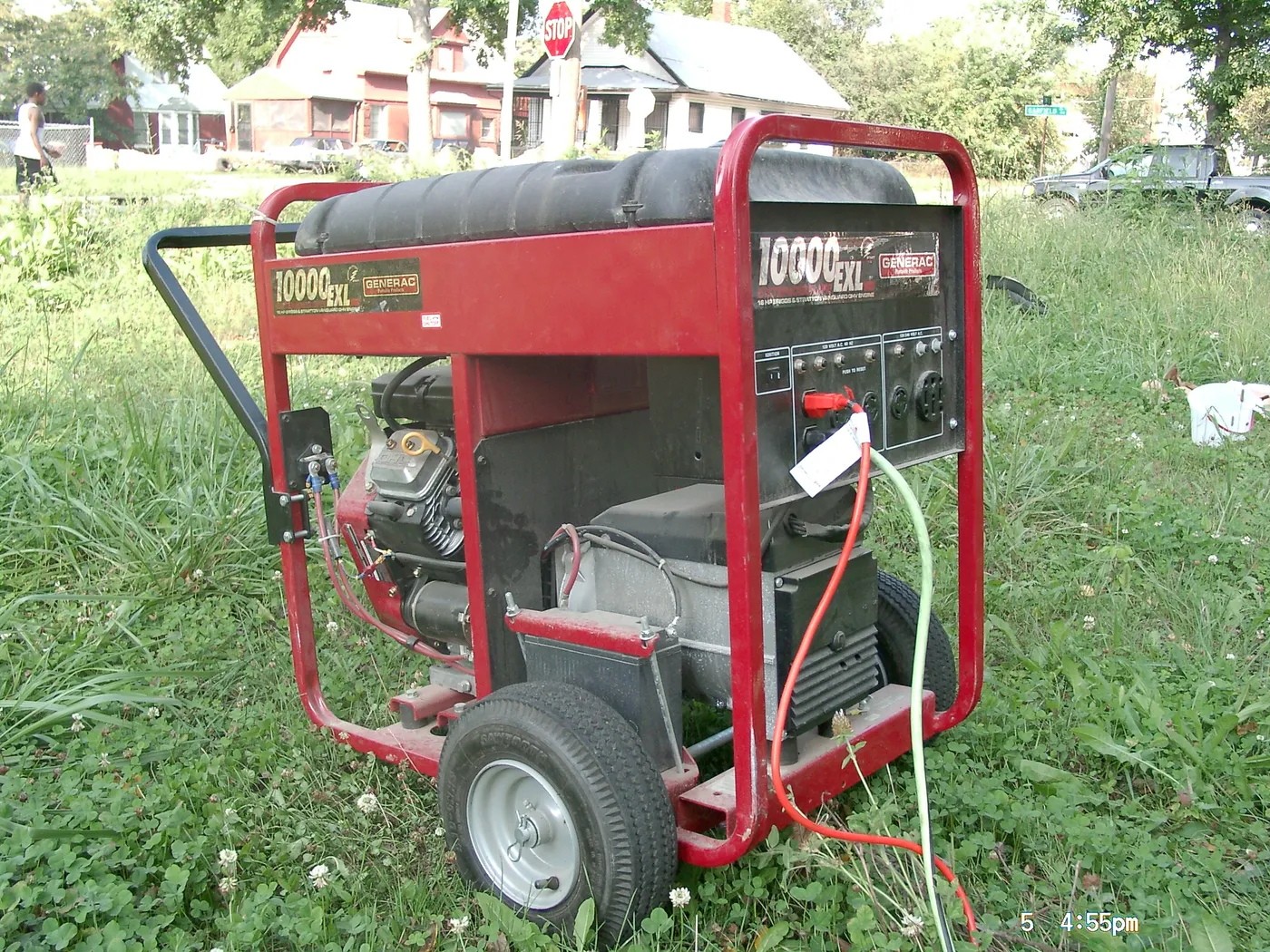
Installation checklist
- Load calculation based on actual essential circuits
- Generator running and starting output at the planned fuel
- Correct 120 and 240 volt configuration
- Listed transfer switch or panel specific interlock
- Compatible inlet, breaker, conductors, and cord
- Neutral switching and generator bond reviewed
- Grounding electrode requirement determined
- Panel directory and backup circuits labeled
- Outdoor generator location at least 20 feet away
- Permits and inspection completed where required
- Operating sequence posted and practiced
- CO alarms tested and fuel stored correctly
Run a supervised exercise before relying on the system. Confirm that essential motors start, circuits are correctly labeled, loads remain within capacity, and household members understand shutdown.
Inspection and periodic exercise
The building side of the system needs attention even when the generator starts reliably. Inspect the inlet cover, mounting, corrosion, insect contamination, cord connectors, labels, breaker retention, and transfer mechanism. Have damaged or loose equipment repaired before use.
Exercise the transfer procedure during normal weather with a qualified person present for the first run. Verify that the utility source is isolated, the correct circuits receive power, and large loads remain off. Listen for engine lugging and check that no cord or connection heats abnormally.
Test both the outage transfer and the return to utility sequence. Household members should know who is authorized to operate the system and where the written procedure is stored. Children and untrained occupants should not access the panel or generator controls.
Changes to the home can invalidate the original load plan. A replacement HVAC system, larger pump, electric vehicle charger, water heater, workshop equipment, or panel alteration should trigger a review by the electrician.
Keep the generator manual, transfer equipment instructions, panel directory, and installer contact together. During an outage, do not improvise around a failed interlock, damaged inlet, or incompatible replacement cord.
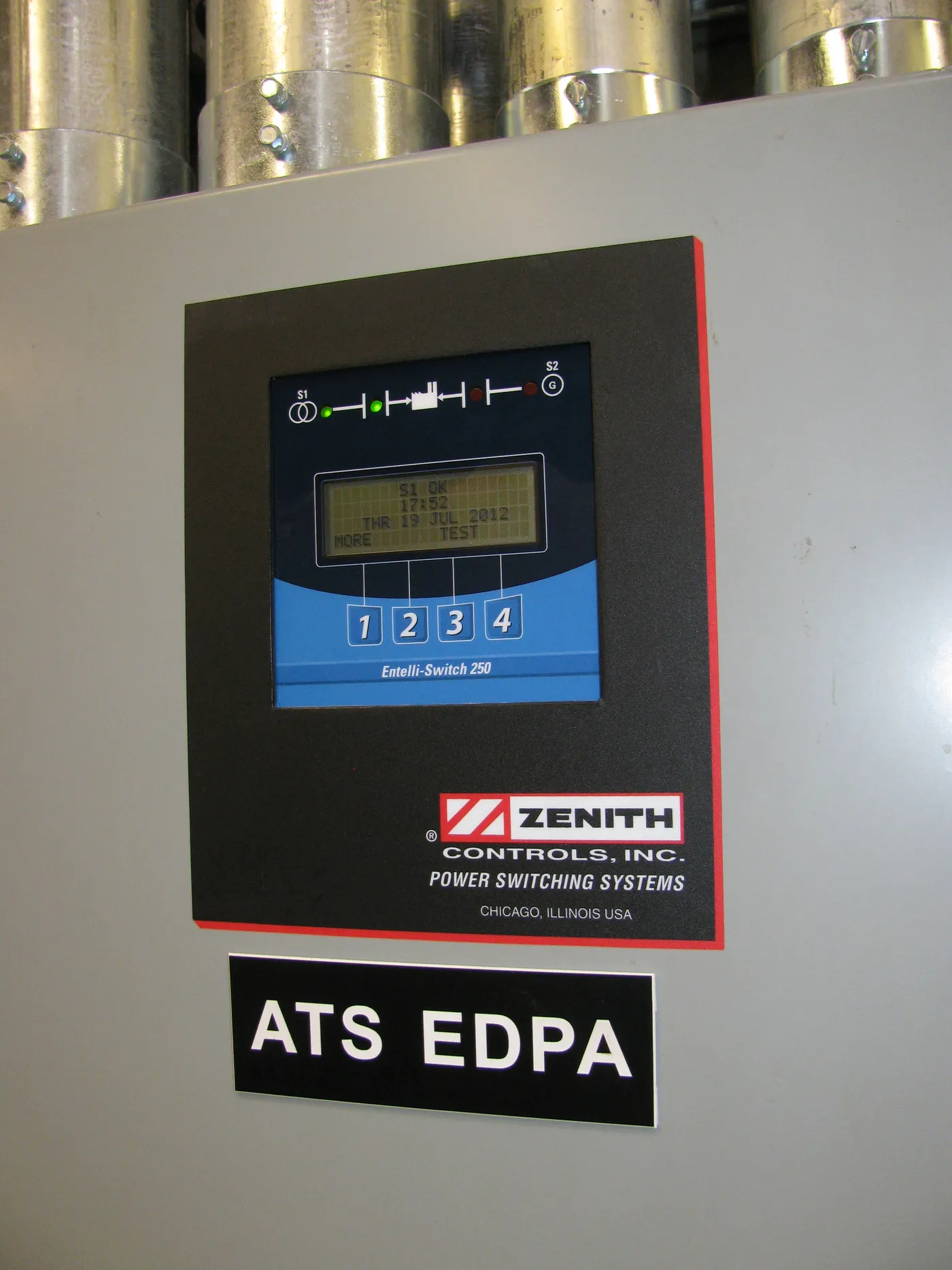
Test indicator lights and meters if the system includes them. A utility present light can help the operator know when service returns, while a generator watt or current display can expose overload before a breaker trips. Indicators are aids, not substitutes for the required mechanical source isolation.
After every exercise, disconnect and inspect the cord for heat discoloration, loose blades, water, or damage. Close the inlet cover and return panel breakers to the documented normal arrangement. Record any problem for the electrician rather than leaving a temporary workaround in place.
Replace missing labels immediately so the next operator follows the same verified sequence.
Frequently Asked Questions
Can I plug a generator into a dryer outlet?
No. That backfeeds household wiring without approved transfer protection and can expose energized pins. Use a professionally installed inlet and transfer arrangement.
Is an interlock the same as a transfer switch?
Both isolate utility and generator sources, but their mechanisms and circuit management differ. An interlock works with compatible panel breakers, while a transfer switch can serve selected circuits or an entire feeder.
Do I need a grounding rod?
It depends on connection method, neutral switching, bonding, and applicable code. Have a qualified electrician determine the requirement for the installed system.
Can I install a generator inlet myself?
The work involves service equipment, source isolation, conductor sizing, bonding, and permits. It should be completed by a qualified electrician as required by local rules.
Can I leave every panel breaker on?
Only if the system was designed and managed for that demand. Most portable systems require selected loads and deliberate control of heaters, HVAC, pumps, and other large circuits.
Should the generator neutral be bonded?
The answer depends on the generator and transfer arrangement. Do not add or remove a bond without reviewing both manuals and the building service configuration.
What happens when utility power returns?
Follow the transfer equipment procedure to remove generator load and reconnect utility power without paralleling sources. Then cool, stop, disconnect, and store the generator according to its manual.
Bottom line
The safe home connection is an engineered system, not a special cord. Use individual rated cords for portable appliances or have a qualified electrician install a listed transfer switch or panel specific interlock with a proper inlet. Coordinate voltage, breakers, conductors, neutral bonding, grounding, load management, and outdoor placement before the first outage.