
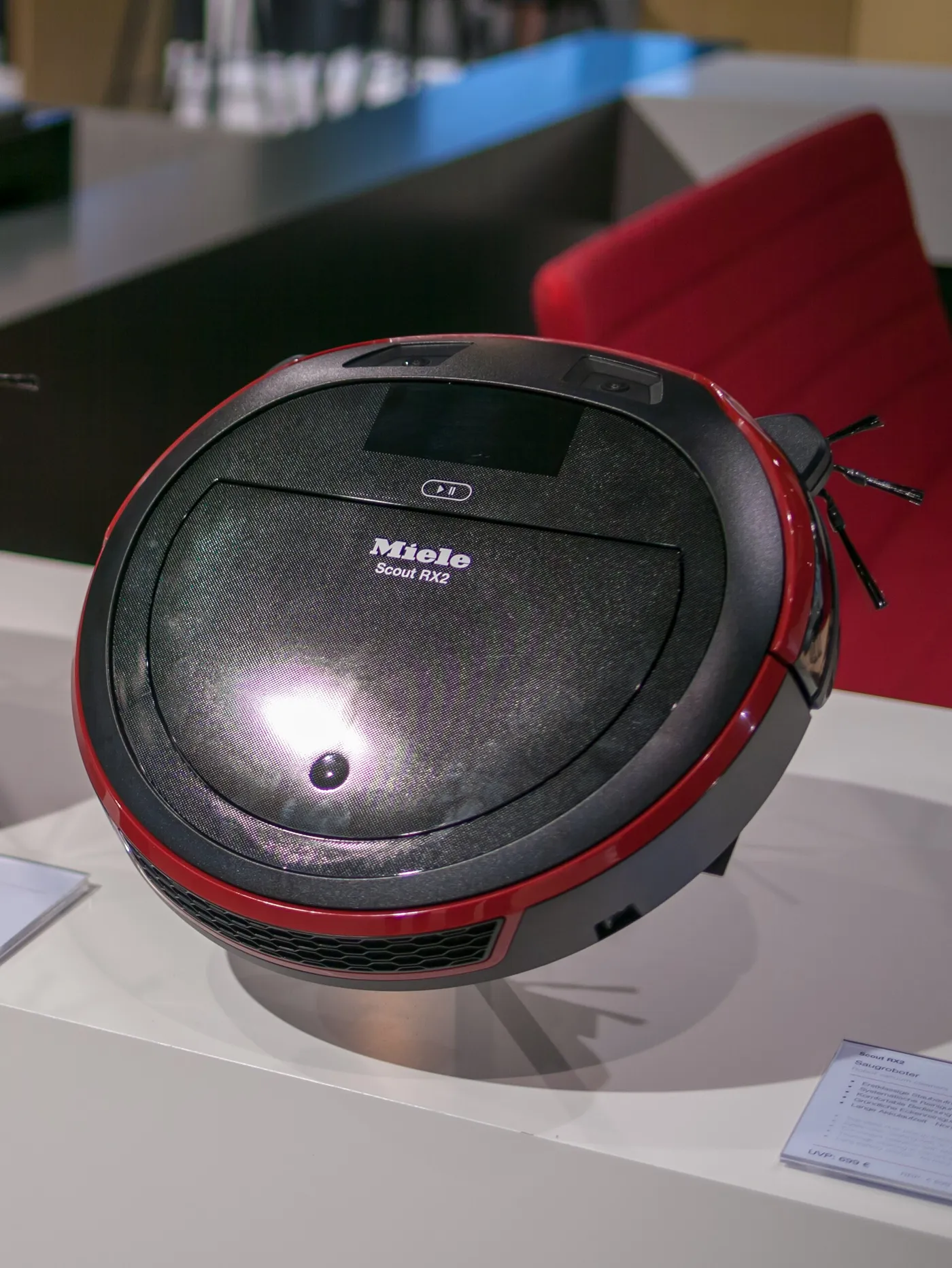
The number race on every product page
Look at robot vacuums and you will find a number fight. One model claims a certain suction figure, a new release claims a bigger one, and the next generation claims a bigger one again. The figures climb every year and buyers start treating them like horsepower: more is better, so buy the biggest.
The trouble is that the number is less meaningful than it looks. It is a real physical quantity, but it describes a narrow slice of what makes a vacuum clean, and no independent standard sits behind the claims. Learning to read it saves you from paying extra for a headline.
What Pa actually is
Pa stands for pascal, the unit of pressure. One pascal is one newton of force spread across one square meter. In a vacuum cleaner, the suction figure describes how much lower than atmospheric pressure the fan can make the pressure inside the machine, usually measured with the intake blocked or nearly blocked.
That detail matters. A high figure means the fan can create a strong pressure difference when little or no air is flowing. It is a measure of the fan's ability to pull against a sealed opening. It is not a direct measure of how well the machine lifts dirt from a carpet while air is moving through it.
Pressure versus airflow
A vacuum cleans using both pressure and airflow. Pressure, which is the suction figure, helps to pull debris out of tight spaces such as carpet pile. Airflow, the volume of air moving per second, is what carries debris along the path into the dustbin. Vacuum designers balance the two, and a fan tuned for high pressure often moves less air.
Think of drinking through a straw. A thin straw gives you strong suction but a slow flow. A wide straw gives easy flow with weaker suction. A high Pa figure alone tells you about the thin-straw end of that spectrum. Airflow figures, quoted in liters per second or cubic feet per minute, are rarely given for robot vacuums, which is part of why comparisons are hard.
There is no common test method
For robot vacuums, no widely adopted standard defines how to measure and report suction in Pa. Each manufacturer decides how to test, at which mode, with which seal and on which unit. A figure from one brand can describe a maximum boost mode that lasts a short time, while another brand may quote a different condition entirely.
That means you cannot responsibly rank two brands by their Pa numbers. Within one brand, a higher number between generations usually signals a stronger fan, but even that is not guaranteed to change real cleaning. Be skeptical of any claim that treats a bigger Pa as a proven better clean.
What matters as much or more
| Factor | Why it affects cleaning |
|---|---|
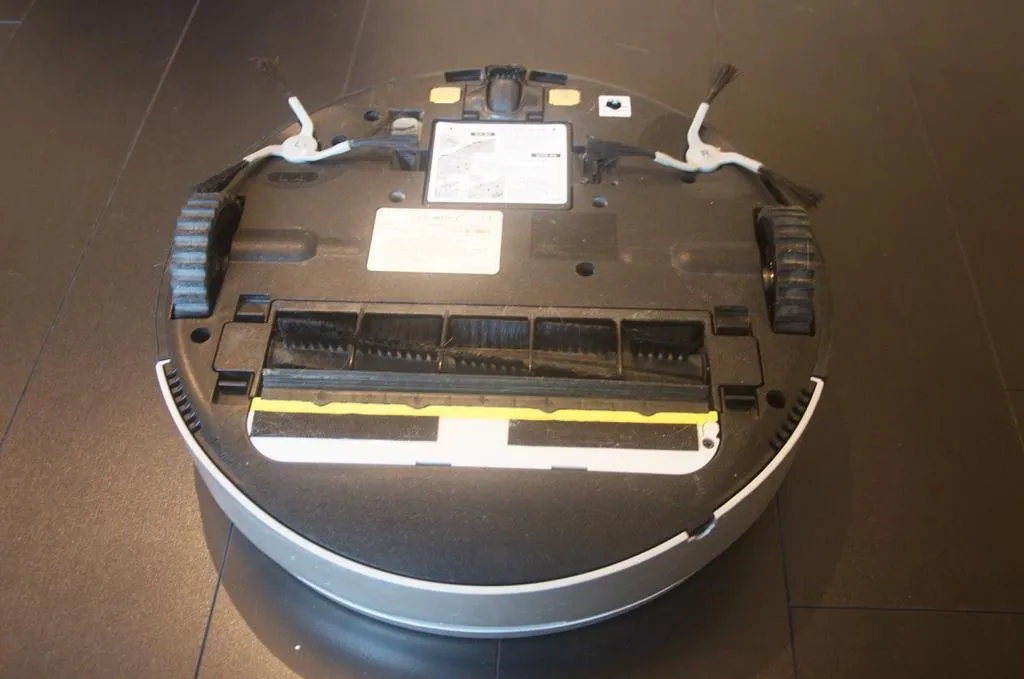
| Brush roll design | Agitates carpet fibers and lifts debris that suction alone cannot |
| Nozzle and seal | A well-sealed intake directs the airflow through the debris path |
| Airflow and fan design | Moves debris into the bin, not just suction at a sealed port |
| Floor contact | Whether the nozzle stays close to the surface on rugs and thresholds |
| Path coverage | A tidy, overlapping route beats a stronger fan on a random path |
| Battery and mode | Max suction drains the battery quickly and may not hold |
| Filter and bin | A clogged filter or full bin cuts performance more than any spec |
A robot with a modest figure and a great brush roll and a smart route can out-clean a robot with a huge figure and a flat nozzle on a carpet. The brush is the working part on carpet. Suction is the supporting actor.
Hard floor versus carpet
On hard floor, debris sits on the surface, so even modest suction picks it up. The challenge is scatter and fine dust in grout lines, and brush design and edge cleaning matter more than raw pressure. Many robots do very well on hard floor with ordinary fans.
On carpet, debris sits within the pile. A brush roll that beats the fibers loosens it, and airflow carries it away. Higher pressure helps pull deeper, but only if the nozzle contacts the pile well. That is why a robot that struggles on a plush rug often has a design limitation and not just a low Pa figure.
Boost modes and the battery trade-off
Most robots offer several suction levels, and the headline Pa number usually describes the highest, which is often a boost or max mode. That mode draws the most power, runs the loudest and drains the battery fastest. Many robots only use it for short periods or when they detect carpet.
In daily use, the machine spends most of its time on a lower setting. So the effective performance you live with is the middle mode, not the headline number. If the product page does not tell you how long the max mode lasts, assume it is brief.
- Check whether the robot raises suction automatically on carpet.
- Check the runtime at the mode you will actually use.
- Check the noise at that mode, because higher suction means a louder fan.
Pet hair and long hair
Pet hair and long hair tangle around a standard bristle brush, which cuts performance until you cut them free. Rubber or hybrid brushes, and designs that resist tangles, matter more here than the Pa figure. A strong fan will not help if the brush is wrapped and stalled.
If pets are your main reason to buy, compare brush designs, the bin size and how easy it is to clear the brush, and treat the suction number as a minor input. The pet-focused picks in our best Eufy robot vacuums guide and the Shark roundup show how different brands approach brush and bin design.
Navigation and coverage beat raw power
A robot that covers every part of the floor, in tidy overlapping passes, gets more dirt than a stronger robot that misses patches or bounces randomly. Mapping and obstacle avoidance decide whether the cleaning is complete. We explain the main navigation methods in our LiDAR versus camera comparison.
The combination that works is decent suction, an effective brush and reliable navigation. Weakness in any one limits the result, and an extreme number in one category does not compensate. If you need a map-based machine, the best LiDAR robot vacuums guide compares them.
Maintenance keeps the suction you paid for
A robot loses real-world suction as the filter clogs, the bin fills and hair wraps the brush. A well-kept mid-range robot can outperform a neglected high-end one, because airflow is the first thing to drop.
- Empty the bin often, or use the auto-empty dock if you have one.
- Tap or wash the filter as the manual allows, and replace it on schedule.
- Cut hair from the brush roll and side brush regularly.
- Clean the sensors and wheels so the robot navigates properly.
- Check the nozzle and seals for debris that blocks the airflow path.
How to read a robot vacuum spec sheet
- Treat the Pa number as a rough hint about the fan, not a ranking tool.
- Look at brush design and whether it suits your floors and pets.
- Check battery runtime at a normal setting, not at max.
- Check the bin size and the filter type.
- Look at navigation, mapping and obstacle detection.
- Read owner feedback about carpet performance and tangling.
This order puts the thing that matters least, the headline figure, last, and the physical features that clean the floor first.
How suction numbers escalate
Because no shared test exists, there is little to stop a number from climbing each product cycle. A manufacturer can choose a test mode, a seal condition and a measurement point that produce a big figure, and a competitor then answers with a bigger one. The result is a steady rise in headline numbers that does not map to a matching rise in cleaning.
That is not to say the numbers are meaningless. A fan that can create a stronger pressure difference is a more capable fan, other things equal. But other things are rarely equal, because the nozzle, the brush and the airflow path change between generations too. A new model may clean better because of its brush, and the marketing credits the bigger number.
What to look for in owner feedback
Since the spec sheet is a weak guide, real-world feedback fills the gap. Look for comments about the situations you care about. How does the robot handle a thick rug? Does it clear cereal and sand from a hard floor in one pass? Does it tangle on long hair? How often does it miss the edges and corners? Does it get stuck on thresholds?
- Read for patterns across several comments, not a single dramatic one.
- Note whether feedback comes from homes like yours, with similar flooring and pets.
- Pay attention to long-term comments, since filters, brushes and batteries wear.
- Treat claims about suction numbers in reviews with the same caution as the manufacturer's.
Our roundups, such as the best Dreame robot vacuums guide, compare models on features and brush design, which gives you more to work with than the suction figure.
Combination mopping robots
Many current robots both vacuum and mop. In these, the suction figure still describes only the vacuum fan. The mopping function depends on the water tank, the pad design, the pressure the pad applies and whether the robot lifts the pad on carpet. A high suction number says nothing about how well it mops.
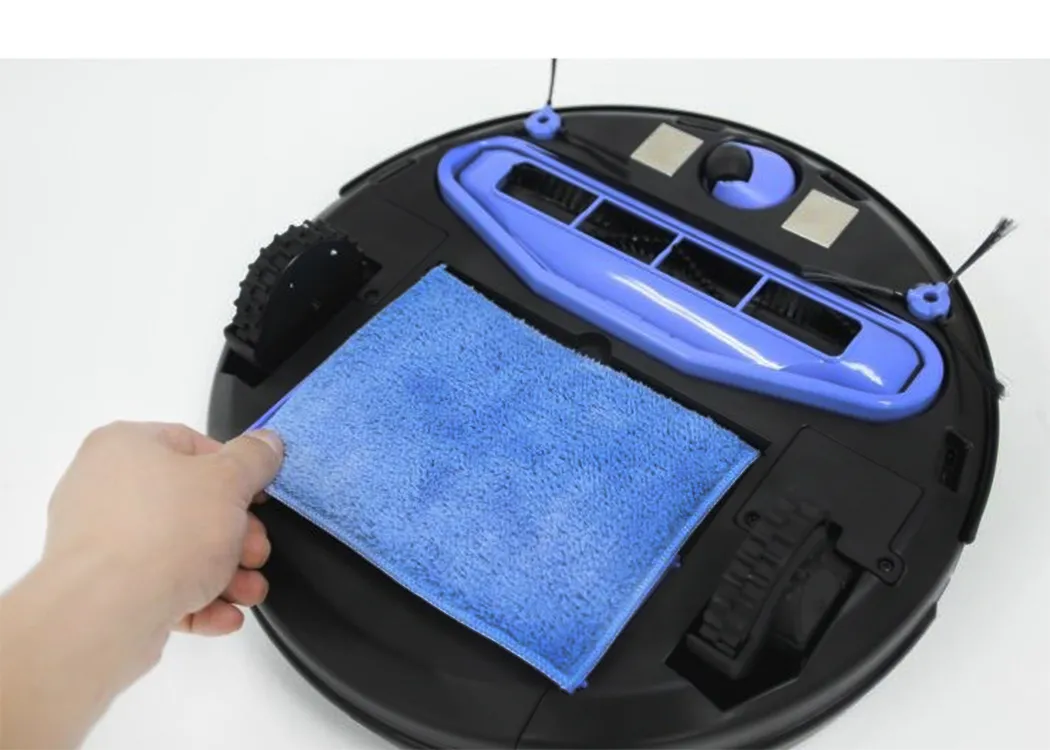
If you have both hard floor and carpet, check that the robot detects carpet and either raises the mop or avoids it. A mop pad dragging on a rug is a common complaint. Pair a modest figure with good mop lifting and your results will be better than a high figure with a mop that stays down.
Docks and self-emptying bins
A self-emptying dock moves the dust from the small onboard bin into a larger bag or bin in the dock. That keeps the onboard bin from filling and choking the airflow, which maintains suction between your manual checks. The dock uses its own suction to pull debris out, and its bag has a running cost.
For households with pets or heavy shedding, the dock is as valuable as a higher suction number, because it keeps the bin from filling in the middle of a run. Check how large the dock bag is, how often it needs replacing and whether replacements are easy to buy.
Noise, modes and scheduling
Higher suction means a louder fan. A robot that runs at maximum suction all the time will be loud, and many owners find the quiet mode sufficient for daily upkeep. Use the stronger mode for occasional deep cleaning, and schedule runs for when you are out or when noise does not matter.
If you work from home, look for a stated noise level at the standard mode and read owner comments about how it sounds. A moderate fan running quietly every day tends to keep floors cleaner than a powerful one that you turn off because it is annoying.
A sensible weighting for your decision
If you had to give each factor a weight when choosing a robot, suction would sit near the bottom of the list. Navigation and coverage matter most, because a robot that misses the floor cleans nothing there. Brush design and filter quality come next, then battery and dock features, then noise, and only then the suction figure. Keep the figure as a tie-breaker between otherwise equal models.
That order changes if your home is mostly thick carpet, where brush and contact matter a great deal, or mostly hard floor, where edge cleaning and mopping matter more. Think about the floors you have and weigh accordingly.
Side brushes, edges and corners
Much of the dirt in a home gathers along walls and in corners, where air movement is low and a round robot cannot reach fully. A side brush sweeps debris from the edge toward the main nozzle. Its design, bristle length and speed affect how much it picks up, and the Pa figure has little to do with it.
Some robots have extending side brushes or a squared front to reach corners better. A robot that handles edges well often feels more effective in daily use than a stronger one that leaves a line of dust along the baseboard. Check how the robot approaches walls, and read owner comments on edge and corner cleaning.
Battery and area per charge
Strong suction burns battery. A robot that cleans on max for long periods may not finish a large floor, and then it has to recharge and resume. The area covered per charge depends on mode, floor type and obstacles. If your home is big, a lower mode with good coverage may beat a high mode that stops halfway.
Look for a robot that returns to the dock when low, recharges and resumes where it stopped. That feature matters in large homes, and it often gives better results than a higher suction number.
Frequently Asked Questions
Is a higher Pa always a better robot vacuum?
No. Pa is a manufacturer figure with no common test, and it describes pressure, not total cleaning ability. Brush design, airflow, navigation and maintenance affect the result as much or more.
How much Pa do I need for carpet?
There is no reliable threshold, because brands measure differently. On carpet, look for a good brush roll, strong contact with the pile and an automatic carpet boost, rather than choosing by a number.
Can I compare Pa between brands?
Not reliably. Each brand uses its own method and mode, so the numbers are not on a shared scale. Comparisons within one brand's range are more meaningful, though still approximate.
Does max suction mode matter?
It matters for occasional heavy cleaning, but it drains the battery and is loud, so most cleaning happens at lower modes. Check how the robot behaves in its normal mode.
Why does my robot vacuum leave dirt on the carpet?
Common causes are a clogged filter, a full bin, a wrapped brush, a poor nozzle seal or a robot that does not cover the area. Maintenance is the first thing to check.
Is airflow listed anywhere?
Rarely. Some manufacturers publish it, but most robot vacuum listings give only the Pa figure, which is part of why comparisons are difficult.
Does a higher Pa shorten the battery life?
Higher suction modes draw more power, so they shorten runtime, and a robot on its strongest setting covers less floor per charge. Many robots balance this by raising suction only on carpet. Check the stated runtime for the mode you will actually use.
Bottom line
Treat the Pa figure on a robot vacuum as a loose indicator of fan strength, not a score. It has no shared test method, it describes pressure rather than cleaning, and it hides the importance of the brush, the airflow, the route and the upkeep. Choose a robot by how well it handles your floors, pets and layout, keep the filter and brush clean, and the actual cleaning will be better than the number suggests.