
The bigger-is-better trap
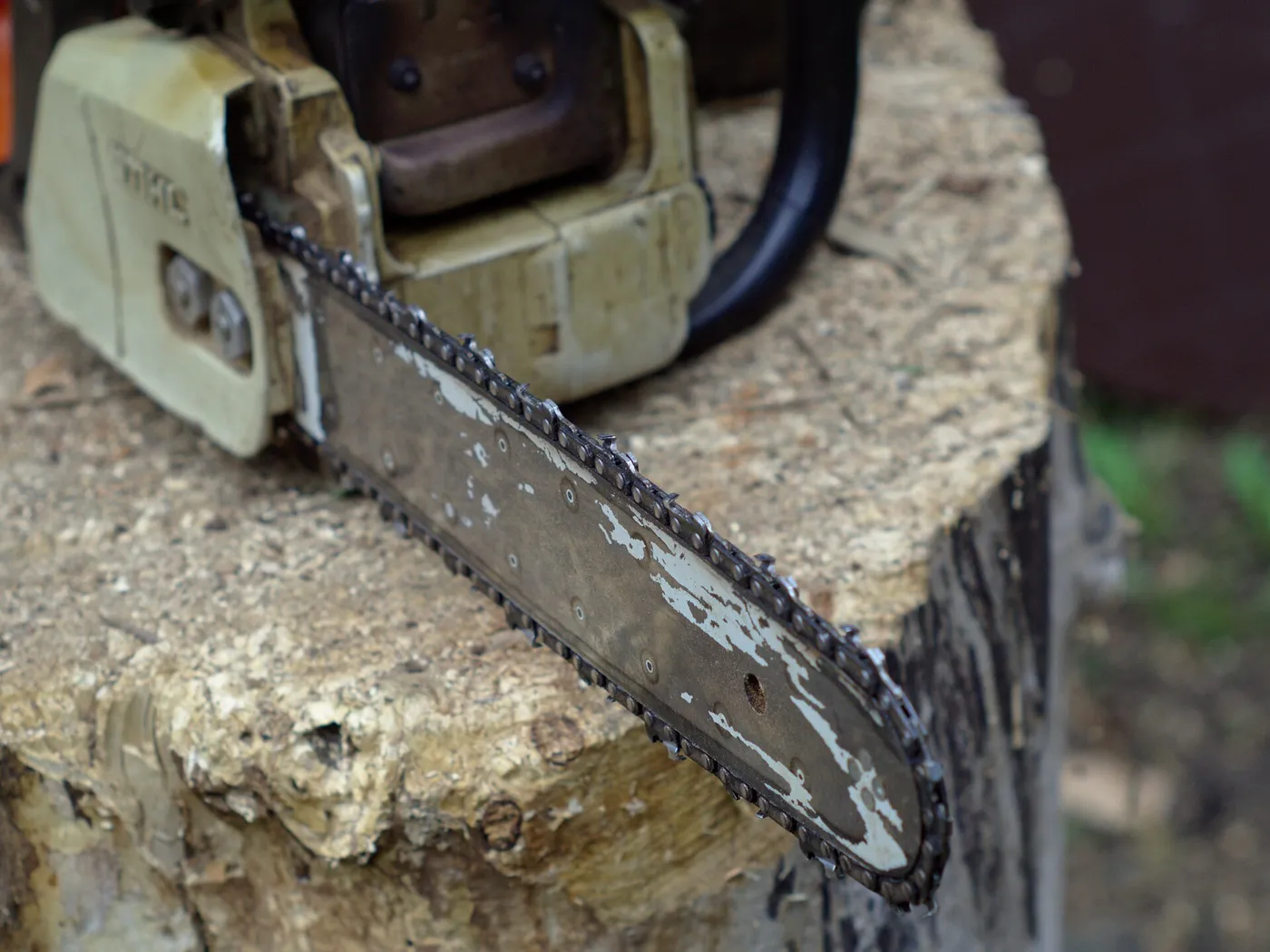
Walk into a hardware store and the longest bar on the wall looks like the best value. It cuts bigger trees, it looks serious, and it sounds like insurance against the day you meet an oak. For most buyers it is the wrong call. A long bar on a small saw cuts slowly, bogs down in the wood, tires the arms and raises the odds of a dangerous kickback.
Bar length is a choice among trade-offs. Every extra inch of bar adds weight at the end of the saw, where it hurts the most, and adds chain that the engine or motor must pull through the cut. The right bar is the shortest one that does your actual jobs comfortably.
This article owns the bar-length question. How chains differ is in our chain types explainer, power source in the gas versus battery comparison, and sharpening in the sharpening guide.
What bar length actually means
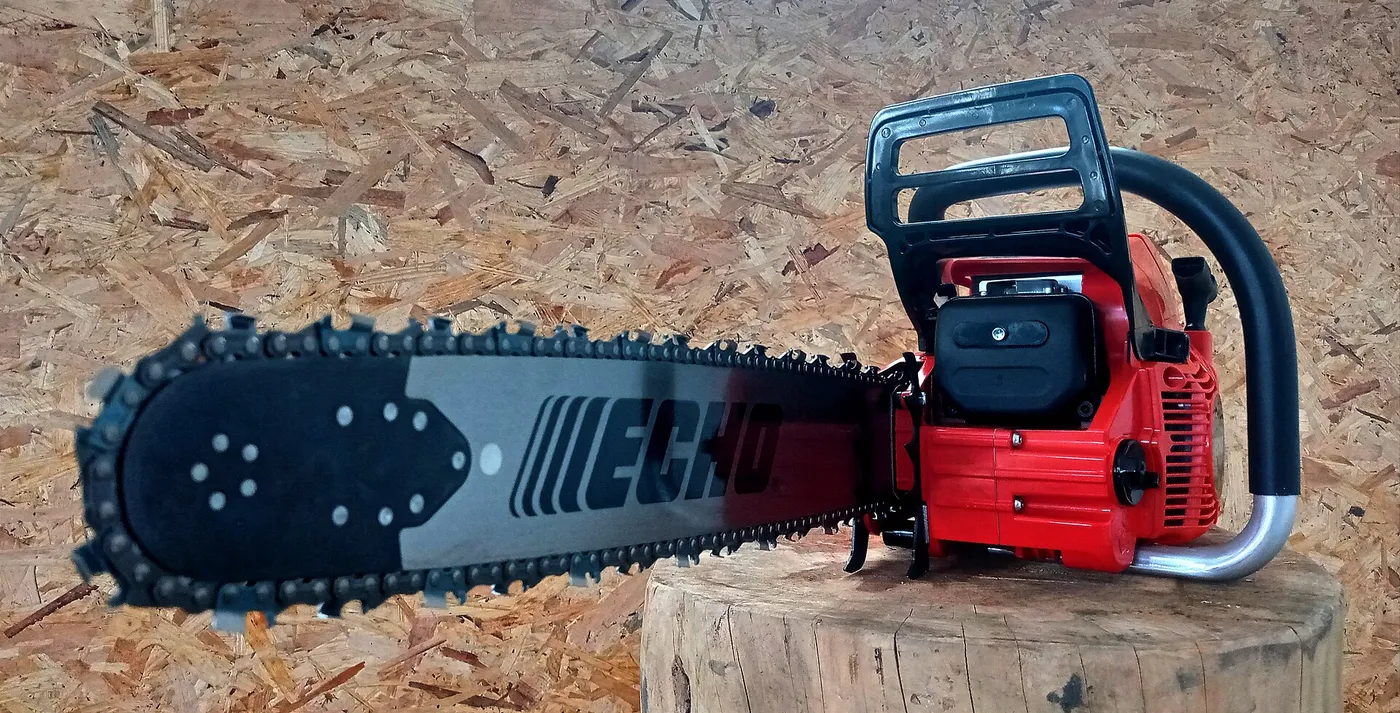
The bar is the flat steel guide the chain runs around. Manufacturers usually label a saw by its bar length, but there are two distinct figures. The nominal bar length is the label number, such as 16 inches. The actual cutting length is the portion of the bar available to cut wood, which is a little shorter than the nominal figure because the saw's body takes up some of it.
The cutting capacity, meaning the widest log you can cut through, is shorter again. For a single cut from one side, the maximum diameter is the cutting length. In practice, you also need room to angle the saw and clear the powerhead. That is why a saw with a 16 inch bar is generally comfortable with wood up to roughly 12 to 14 inches thick.
A saw with a 20 inch bar can cut through a log up to about that cutting length by approaching from both sides, though a two-sided cut is slower and demands care. Never push a bar to the extreme of its capacity on a routine basis, because the cut gets harder to control as the bar buries in the wood.
The rule of thumb for choosing length
A widely used guide is to choose a bar that is at least two inches longer than the thickest wood you cut regularly, and often three to four inches longer for comfort. This gives you room to cut through in one pass without the nose of the bar or the engine casing running into the wood.
The rule is useful, but it is a rule, not a law. Your own typical wood matters more than the largest log you might meet once a decade. If most of your cutting involves logs of six to ten inches, a 14 or 16 inch bar is ample. For the rare large log, you can cut from both sides or call a professional rather than buying a saw sized for an exception.
Tell the truth about frequency. Buying for the rare big tree means carrying a longer, heavier saw for every ordinary job. Buying for the ordinary job and handling the exception differently is the more sensible approach.
Bar length by task
| Task | Common bar length | Notes |
|---|---|---|
| Light limbing and pruning, small branches | 8 to 12 inches | Compact saws, easy to handle, not for large wood |
| Yard cleanup, storm branches, small trees | 12 to 16 inches | The most common homeowner range |
| Firewood from logs up to about a foot thick | 14 to 18 inches | A balance of capacity and control |
| Felling medium trees, cutting larger firewood | 16 to 20 inches | Needs a stronger powerhead, more experience |
| Large trees, milling, professional work | 20 inches and up | Heavy, powerful saws, and training are strongly advised |
The ranges are typical, not strict, and you should confirm the exact bar and chain specification for any model. If you are comparing cordless options, our roundup of cordless chainsaws shows what bar lengths the common platforms offer.
Power must match bar length
A chainsaw's engine or motor pulls the chain around the bar. A longer bar means more chain, more friction and more load on the power source. If the powerhead is too small for the bar, the chain slows in the cut, the saw bogs, and cutting becomes slow and tiring.
Manufacturers publish a recommended or maximum bar length for each powerhead, often printed in the manual or on the saw. Staying within it is not optional. Fitting a longer bar than recommended overloads the saw, shortens its life and increases risk.
For gas saws, engine displacement is the power guide. For battery saws, voltage, motor design and battery capacity matter, and a long bar can drain a battery quickly. For corded electric saws, motor current is the guide. In every case, a saw sized for a short bar will not cut well with a long one fitted.
Weight, balance and fatigue
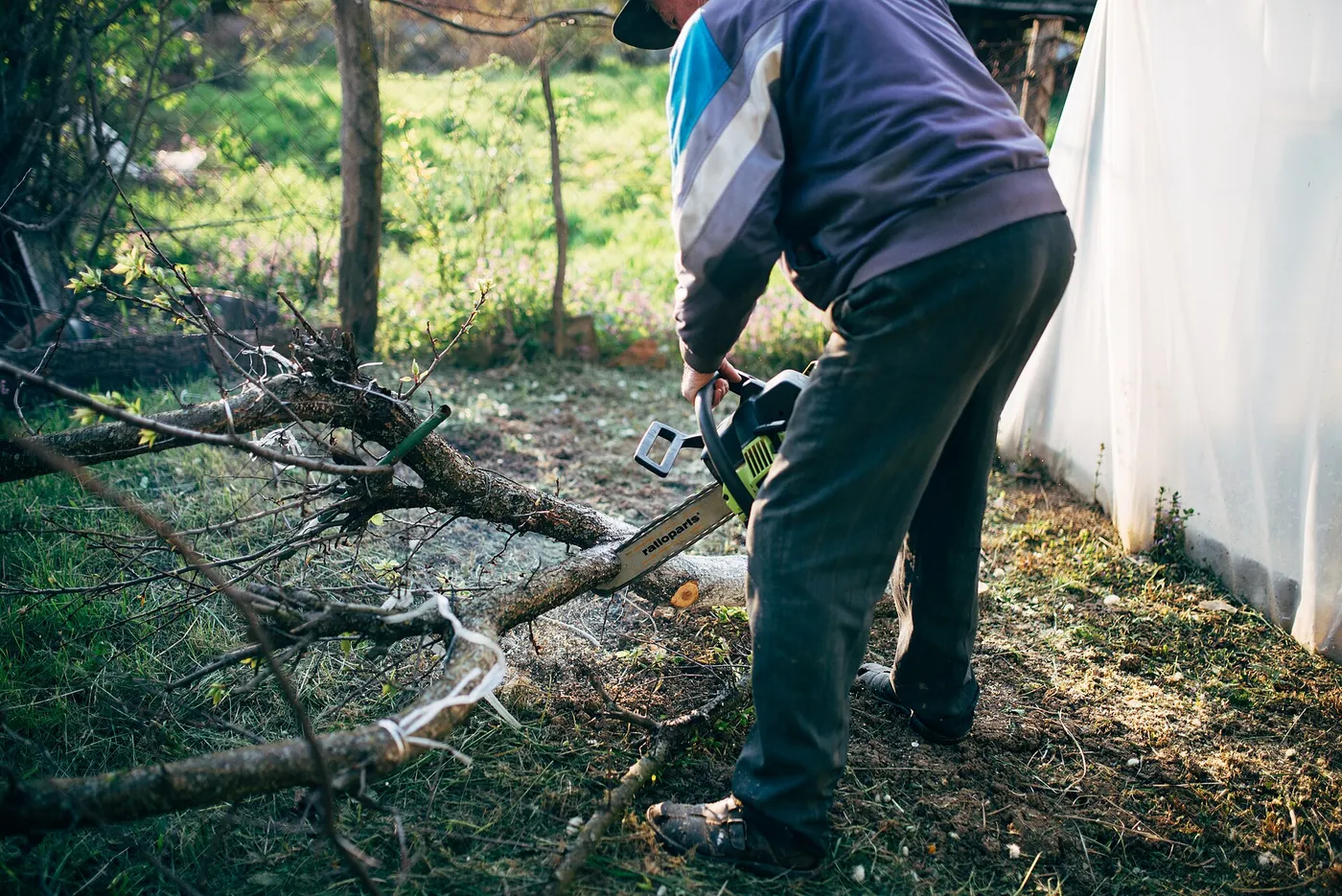
A longer bar and a longer chain shift the saw's center of gravity forward. Holding the saw at arm's length for limbing becomes a strain, and fatigue builds sooner. Tired arms lose control, and loss of control is the main route to injury with a chainsaw.
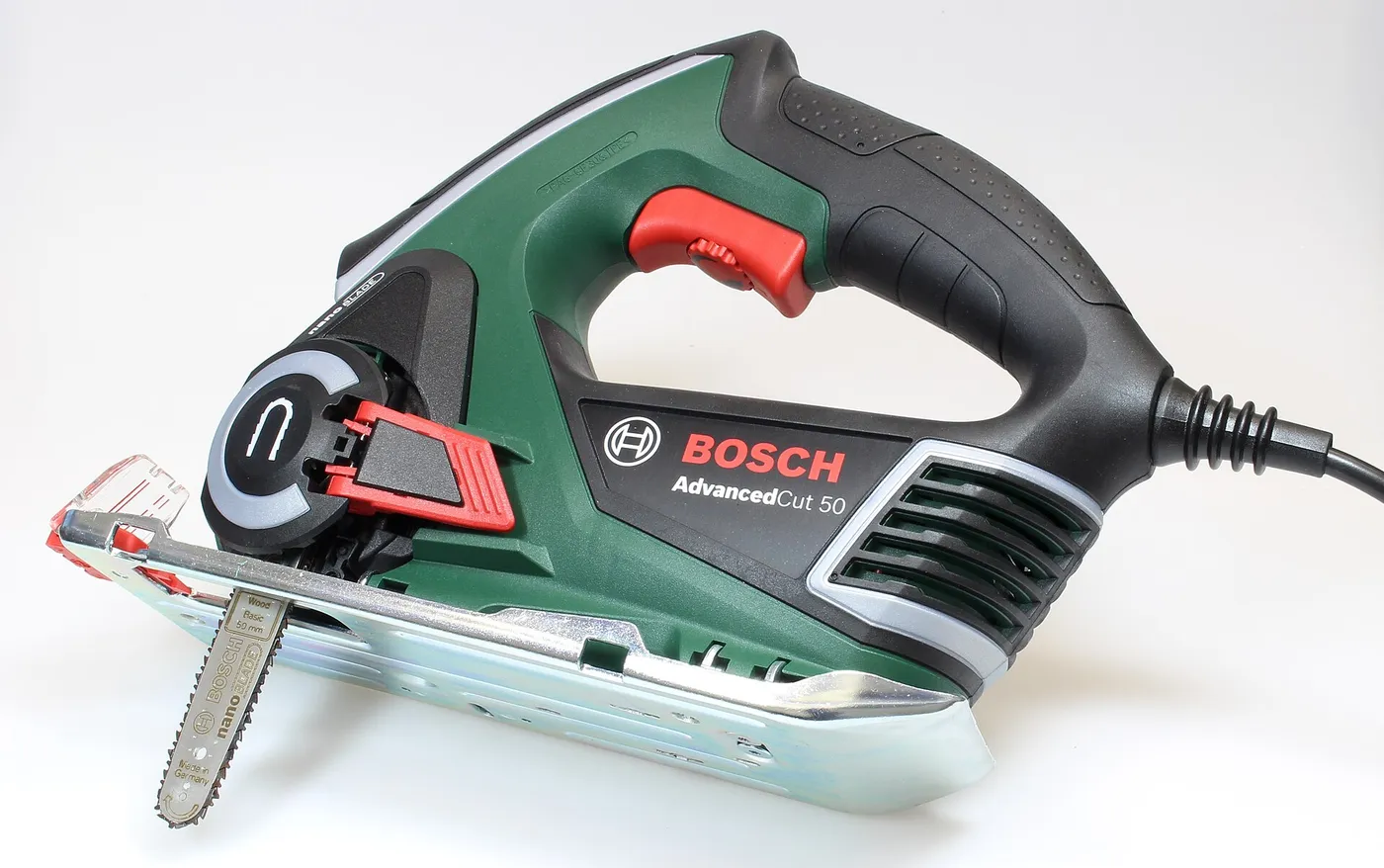
A short bar on a light saw is easy to handle and reduces strain on the shoulders, wrists and back. This is especially important for pruning above chest height or for long sessions clearing storm debris. For those jobs a smaller, lighter saw is not a compromise but the correct tool.
Weight is also about the whole package. Fuel and oil, or a battery, add to the total, and a saw that feels fine when empty can feel heavy when loaded. When possible, hold a saw at the height you will use it before you buy.
Kickback and why bar length matters
Kickback is the sudden, violent upward and backward motion of the bar when the chain at the tip catches wood or something else. The upper quadrant of the bar tip is the danger zone. A longer bar has more tip area further from your hands, and the energy of a kickback can be hard to control.
Shorter bars, narrower-nose bars and low kickback chains all reduce the likelihood and severity of kickback. These features are common on homeowner saws for good reason. They do not eliminate the risk, so safe technique remains essential: a firm two-handed grip, the thumb wrapped around the handle, and a stance that keeps your body out of the line of the bar.
Experience and control
Experience should influence bar length. A newcomer is best served by a shorter bar, lower power and a saw with safety features such as a chain brake and low kickback chain. As confidence and skill grow, a larger saw becomes manageable. Starting with a saw that is too big builds bad habits and risks injury.
Technique matters more than size. A skilled user with a 16 inch bar can accomplish a great deal, using bucking cuts, wedges and sound judgement about wood tension. An inexperienced user with a 24 inch bar can only create trouble.
If you plan to fell trees, get training. Felling has risks that go beyond the saw: lean, tension, hung limbs and unpredictable falls. A trained operator or a professional should handle anything large, tangled or near structures and power lines.
Specialty bars and tip types
Bars differ in construction as well as length. A laminated bar has a lightweight core and is common on homeowner saws. A solid bar is heavier and stronger, used on professional saws. A sprocket-nose bar has a small sprocket at the tip, which reduces friction and suits longer cuts and professional use, while a solid-nose bar is simpler and cheaper.
A narrow-nose or reduced-radius tip lowers the kickback area, and many safety-oriented bars use it. The bar's groove width must match the chain's gauge, and the chain pitch must match the saw's sprocket. Those details are covered in our chain types article.
When you replace a bar, match the length, gauge, pitch and mounting pattern to your saw. A mismatched bar will not fit or will run unsafely. Check the manual or the markings stamped on the bar.
Bar and chain wear
A longer bar wears differently. The chain spends more time on the bar rails, and the rails wear unevenly if you cut in one orientation. Flip the bar periodically, so wear is spread across both rails, and clean the groove and the oil hole so lubrication reaches the chain.
A dull chain makes any bar feel underpowered. If a saw that should cut well is slow and produces fine dust instead of chips, the chain is dull. Sharpen it, as explained in our sharpening guide, before you blame the bar or the saw.
Check the bar for burrs, bent rails and a widened groove. A damaged bar causes the chain to wander and cuts crooked. Dress light burrs with a flat file, and replace a bar that is bent or badly worn.
Power source notes
Gas saws can power long bars for long sessions, and the larger models are built for it. Battery saws have improved, but a longer bar demands more energy and runtime falls quickly under load. Corded electric saws suit light work near an outlet.
The choice of power source interacts with bar length. A battery saw with a 16 inch bar is a different tool from a gas saw with the same bar length, in power and runtime. For firewood in volume, gas often makes more sense. For yard work and storm cleanup, battery saws are convenient. We compare the two in detail in the gas versus battery chainsaw article.
If you are shopping for a small saw, our guides to mini chainsaws show what compact models can do, and they are a useful reference for the limits of short bars.
Three worked examples
These scenarios are illustrative, meant to show the reasoning rather than quote real model specs. First, a homeowner with a small suburban lot cuts fallen branches up to about six inches thick after storms and trims the occasional hedge tree. A compact saw with a 12 or 14 inch bar is plenty. It is light enough to use overhead for short periods with proper technique, and a heavier saw would simply sit in the garage.
Second, a household that heats with a wood stove cuts and splits a few cords a year from logs up to about 14 inches across. A 16 or 18 inch bar on a mid-power saw makes sense. The extra length handles the bigger rounds in a single pass, while the saw remains controllable for hours of bucking. Here the decision is also about power: a saw that is slightly oversized for the bar will cut faster and tire less.
Third, a rural owner occasionally fells a mature tree with a trunk about 20 inches across. A 20 or 24 inch bar would normally be advised, but the sensible alternative may be a mid-size saw used from both sides, or hiring an arborist for the felling and using the owner's own saw for the cleanup. The point is that the biggest job should not dictate the saw you use every weekend.
Cutting wider than your bar
When a log is thicker than the cutting length, the standard method is to cut from one side, roll or reposition, and finish from the other. It works for bucking logs on the ground, where you can access both sides, but it requires care to line up the cuts so the kerfs meet. Mark the log or use a straight reference so the second cut finishes where the first began.
Do not try to force a bar beyond its length by cutting at an angle, which risks pinching the bar and loading the tip. A pinched bar is a common source of both damage and kickback. Use wedges in longer cuts so that the kerf stays open, and support the log so it does not close on the bar as you cut.
If you routinely face logs wider than your bar, consider splitting them first with a maul or splitter, or sizing up modestly. A modest increase of two inches is more practical than a leap to a much larger saw.
A short buying checklist
Before you choose a saw, write down the thickest wood you cut regularly, the longest session you expect, and how you will carry and store the machine. Then match the bar length to the wood, check the manufacturer's maximum bar length for the powerhead, and pick the lighter option when two saws are close.
Ask whether the saw has a chain brake, a low kickback chain and a tool-free or easy chain tensioner. Those features matter more day to day than an extra inch of bar. Finally, confirm that replacement chains and bars are easy to find for the model you pick.
Common mistakes
- Buying the longest bar available for rare large trees, then struggling with it daily.
- Fitting a longer bar than the saw's manual allows.
- Choosing by the label alone and ignoring the actual cutting length.
- Cutting at full arm extension with a long bar, which strains the body and hurts control.
- Blaming the bar when the real cause is a dull chain or low chain oil.
- Skipping protective equipment because the saw is small.
Frequently Asked Questions
What size chainsaw does a homeowner need?
Most homeowners are well served by a bar of about 14 to 18 inches. That covers pruning, storm cleanup and firewood from logs up to roughly a foot thick, with manageable weight.
Is a longer bar more powerful?
No. A longer bar does not add power, it adds load. The same engine or motor must pull more chain, so cutting can be slower unless the powerhead is built for the length.
Can I put a longer bar on my existing chainsaw?
Only up to the maximum length the manufacturer specifies. A longer bar overloads the saw and raises the risk of kickback and damage, and you must also fit the correct chain length.
How do I measure bar length?
Measure from the tip of the bar to where it enters the saw body for the cutting length. Labels usually quote a nominal length that is slightly longer. The chain, pitch and gauge are also stamped on the bar, so check them when replacing parts.
What bar length is safest for beginners?
A shorter bar, in the 12 to 16 inch range, on a saw with a chain brake and low kickback chain. These are easier to control, lighter and less likely to cause a severe kickback.
Do I need a longer bar for firewood?
Not usually. A 16 to 18 inch bar handles most firewood. Cut large logs from both sides or split them first rather than buying a longer bar you will rarely use.
Bottom line
Choose the shortest bar that comfortably clears the wood you cut most often, a couple of inches longer than the thickest log. For most homeowners that means 14 to 18 inches. Match it to the saw's rated power, and put weight, balance and kickback safety ahead of the maximum capacity on the box.
A longer bar is a tool for large trees and trained users, not a general upgrade. Buy for your real work, wear the right protective equipment, and keep the chain sharp, and a modest saw will do far more than its size suggests.