
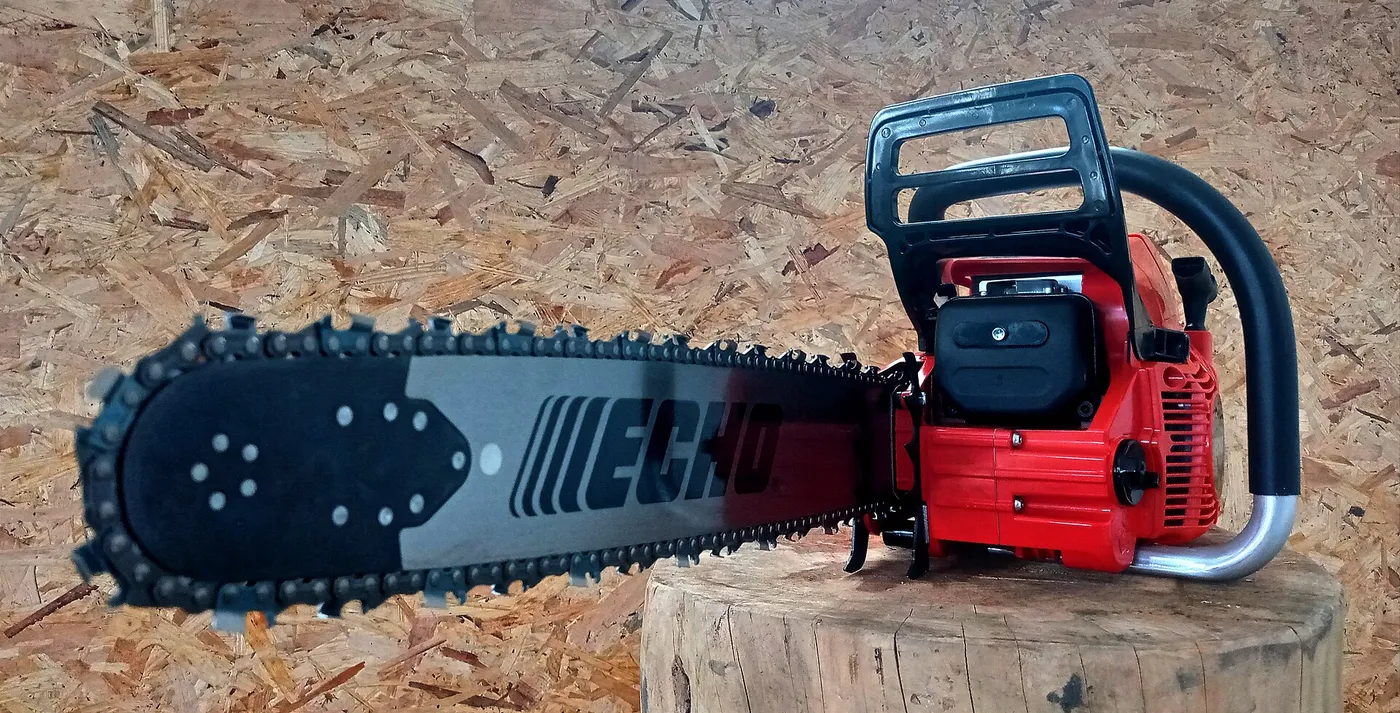
The wrong chain in the box
A buyer orders a replacement chain online, matches the length, and opens the package to find that it does not fit the bar. The chain is the right size on paper and the wrong one in practice, because length is only one of three numbers that must agree. A chain that does not match the bar and sprocket is, at best, unusable, and at worst, dangerous.
Chain types look intimidating because the vocabulary is dense: pitch, gauge, drive links, full chisel, semi-chisel, skip, low profile. Each term answers a specific question. Some say whether the chain fits your saw. Others say how it cuts. Once you separate those two groups, choosing becomes straightforward.
This article owns the chain vocabulary. Sharpening is in our sharpening guide, bar choice in the bar length guide, and power source in the gas versus battery article.
Fit versus function
Think of chain specifications in two groups. The fit group, made up of pitch, gauge and drive link count, decides whether the chain physically works with your saw. There is no flexibility here: they must match the bar and the sprocket.
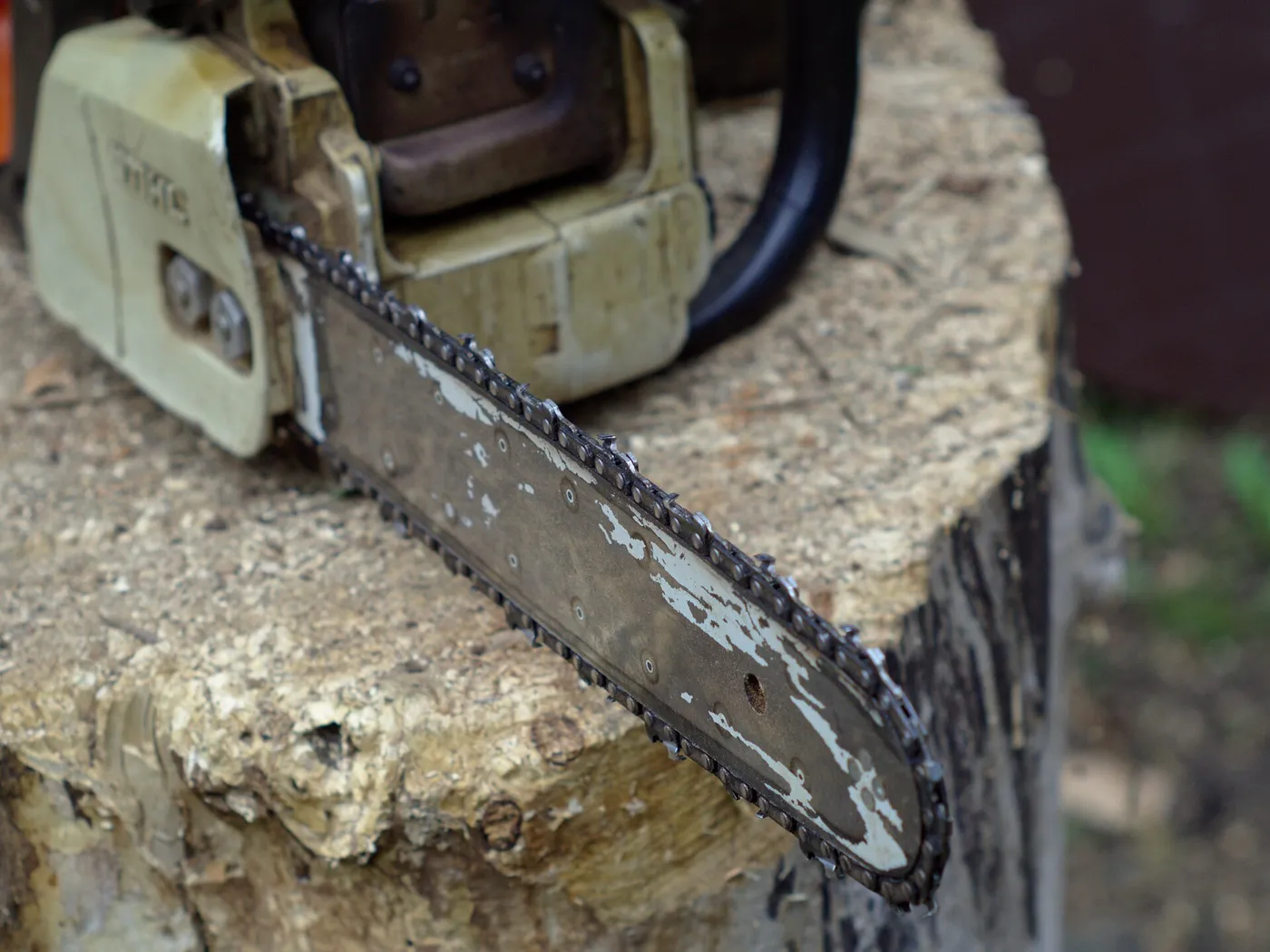
The function group, made up of cutter shape, chain profile, and special features such as guard links or carbide tips, decides how the chain cuts. Within the fit constraints, you choose among these according to your wood, your skill and your tolerance for sharpening.
Keep this split in mind while reading labels. If a chain matches the fit numbers, any chain with the same numbers can physically run on your saw, but they will not all cut the same way or carry the same safety features.
Pitch: the spacing of the links
Pitch is a measure of the size of the chain's links. It is defined as half the distance between three consecutive rivets, and it is expressed in inches. The pitch determines how the chain engages the sprocket and the tip of the bar, so the saw's sprocket and the bar nose must match it.
Common pitches include 1/4 inch, 3/8 inch low profile, .325 inch, 3/8 inch standard and .404 inch. Smaller pitches are used on compact, lighter saws and give smooth, fine cutting. Larger pitches are used on bigger, more powerful saws and take larger bites of wood.
You cannot mix pitches. A 3/8 inch chain will not run on a .325 inch sprocket, even if the chain length is the same. Always confirm the pitch from the markings on the bar or in the manual, and note that "3/8 low profile" and "3/8 standard" are different chains despite the similar name.
Gauge: the thickness of the drive links
Gauge is the thickness of the drive links, the tabs on the underside of the chain that fit into the groove of the bar. It must match the width of the bar's groove, or the chain will bind or rattle. A chain that is too thick will not seat in the groove, and one that is too thin will wobble and cut crookedly.
Typical gauges include .043 inch, .050 inch, .058 inch and .063 inch. Smaller saws tend to use thinner gauges, and heavy saws use thicker ones. Like pitch, gauge is stamped on the bar, often near the mounting slot, so you do not need to guess.
Measure the groove if the marking is worn off. A set of feeler gauges or a caliper, in careful hands, tells you the width. If in doubt, take the old chain and bar to a dealer.
Drive link count
The number of drive links decides the chain's length. It is determined by the bar length and the saw's design, and it is usually listed in the manual and often stamped on the bar. A bar of a given nominal length will take a specific link count for a given pitch.
The same nominal bar length can take different counts depending on the pitch, so you cannot assume that a 16 inch bar uses the same number of links across brands and chain types. A chain with too few links will not fit around the bar, and one with too many hangs loose.
| Number | What it must match | Where to find it |
|---|---|---|
| Pitch | Saw sprocket and bar nose | Stamped on bar, manual, old chain packaging |
| Gauge | Width of the bar groove | Stamped on bar, manual |
| Drive link count | Bar length and pitch | Manual, bar marking, or count the links on the old chain |
When buying, give a dealer or a website all three numbers. Two of three is not enough.
Cutter shapes: full chisel, semi-chisel and chipper
Cutter shape determines how the tooth cuts and how it behaves in dirty or hard wood. The three main shapes are full chisel, semi-chisel and chipper, and each makes a different trade-off between speed and forgiveness.
Full chisel cutters have a square-cornered, chisel-like edge that slices wood very quickly. They cut fastest in clean wood, but the square corner dulls more easily, particularly in dirty or frozen wood, and they are more demanding to sharpen. They are favoured by experienced users, and they tend to be more aggressive.
Semi-chisel cutters have a rounded corner. They cut slightly slower but hold their edge better, tolerate dirt and rough wood, and are easier to sharpen. For most homeowners cutting firewood and cleaning up storm debris, semi-chisel is the practical choice.
Chipper cutters are rounded and forgiving, and they cut more slowly and smoothly. They are used on some beginner chains and in conditions where dirt is likely. Their gentler action also tends to reduce harshness in the cut.
Low-kickback chains and safety features
Low-kickback chains add features to reduce the chance and severity of kickback. These include guard links or bumper links, which limit how deeply the depth gauge area can bite, and a lower cutter profile. Many homeowner saws ship with them, and they are recommended for beginners.
The trade-off is cutting speed. Low-kickback chains cut a little slower than aggressive full chisel chains, which is a reasonable trade for the safety margin. They do not make a saw safe by themselves, and correct technique remains essential, but they lower the energy of a kickback event.
A related point is the nose of the bar. A narrow, reduced-radius tip lowers the area where kickback can start. Pair a low-kickback chain with a suitable bar for the best effect, and never modify the chain to make it cut faster. Filing the depth gauges lower than the manufacturer's setting defeats the safety design.
Standard, low-profile and skip-tooth chains
Profile refers to the overall height and design of the chain. Low-profile chains, such as 3/8 inch low profile, use shorter cutters and smaller links, which reduce vibration and kickback and suit compact saws. They are common on homeowner saws and battery models.
Standard-profile chains are larger and aggressive, used on bigger gas saws for felling and bucking. They cut faster in large wood but demand more power and experience.
A skip-tooth chain has fewer cutters spaced out along the chain, with extra gap between them. It clears chips better in long cuts, and it needs less power, so it is used on long bars and for milling. A semi-skip chain sits between full-complement and skip. A full-complement chain has the most cutters, giving the smoothest cut on shorter bars.
These variations matter when bar length grows. A long bar with a full-complement chain can overload a modest saw, and a skip chain can ease the load. We cover bar length and power in the bar length guide.
Carbide, ripping and other specialty chains
Carbide-tipped chains have cutters faced with carbide, which resists dulling in dirty, abrasive or frozen wood. They last much longer between sharpenings but cost more and need special grinding to sharpen, so they are used for rescue work, demolition wood and similar tasks where the chain may touch grit.
Ripping chains are ground at a different angle, intended for cutting along the grain in a chainsaw mill. They produce a smoother cut for lumber but are not suited to cross-cutting.
There are also chains designed for specific uses such as pruning, with narrow kerf profiles and low kickback features. For ordinary use, a standard semi-chisel or low-kickback chain is the right default, and specialty chains should be a deliberate choice.
Matching a chain to your saw and your work
Start with the fit numbers: pitch, gauge and drive link count from your bar and manual. Then pick the cutter style that suits you. Beginners and general users should favour low-kickback or semi-chisel chains. Experienced users cutting clean timber may prefer full chisel for speed.
| You are... | Choose | Why |
|---|---|---|
| A beginner or occasional user | Low-kickback, semi-chisel or chipper | Safer and more forgiving |
| Cutting firewood and storm cleanup | Semi-chisel, low profile on small saws | Holds an edge in rough wood |
| Felling in clean timber, experienced | Full chisel | Fastest cutting, needs good sharpening |
| Working in dirty or frozen wood | Semi-chisel or carbide-tipped | More resistant to dulling |
| Using a long bar on a modest saw | Skip-tooth or semi-skip | Reduces load on the powerhead |
If you are looking at cordless saws, the chains they ship with are typically low-profile and low-kickback, as seen in our roundup of cordless chainsaws. For compact models, look at the mini chainsaw guide.
Reading the markings on the chain and bar
Chains carry small stamped marks on the cutters and drive links that identify the manufacturer, the chain family and sometimes the pitch. These marks differ by brand, so a code on one maker's chain means nothing on another. The bar is more informative. Look near the mounting slot or on the flat of the bar for stamped numbers giving length, gauge and pitch, and often the link count.
If the bar markings are worn, count the drive links directly. Lay the chain flat, mark one drive link with a pen, and count the tabs around the full loop. For pitch, measure across three rivets and divide the distance by two, or compare against a new chain of known pitch. These are slow methods but reliable when labels fail.
It also helps to photograph the old chain and bar before you shop. A dealer can often identify the part from a clear picture and the saw model number, which spares you a return.
Finally, note the bar mounting pattern, meaning the shape of the slot and the number of bolt holes, since replacing a bar involves a separate compatibility check from the chain. The saw's model number is the safest route to the correct bar and chain together.
Chains on battery and compact saws
Battery and compact saws often use small-pitch, thin-gauge chains, since the motors are modest and the bars short. The chains are usually low-profile with low-kickback features, tuned for smooth cutting rather than raw speed. They sharpen like any other chain, but the cutters are small, so a smaller file and a careful hand are needed.
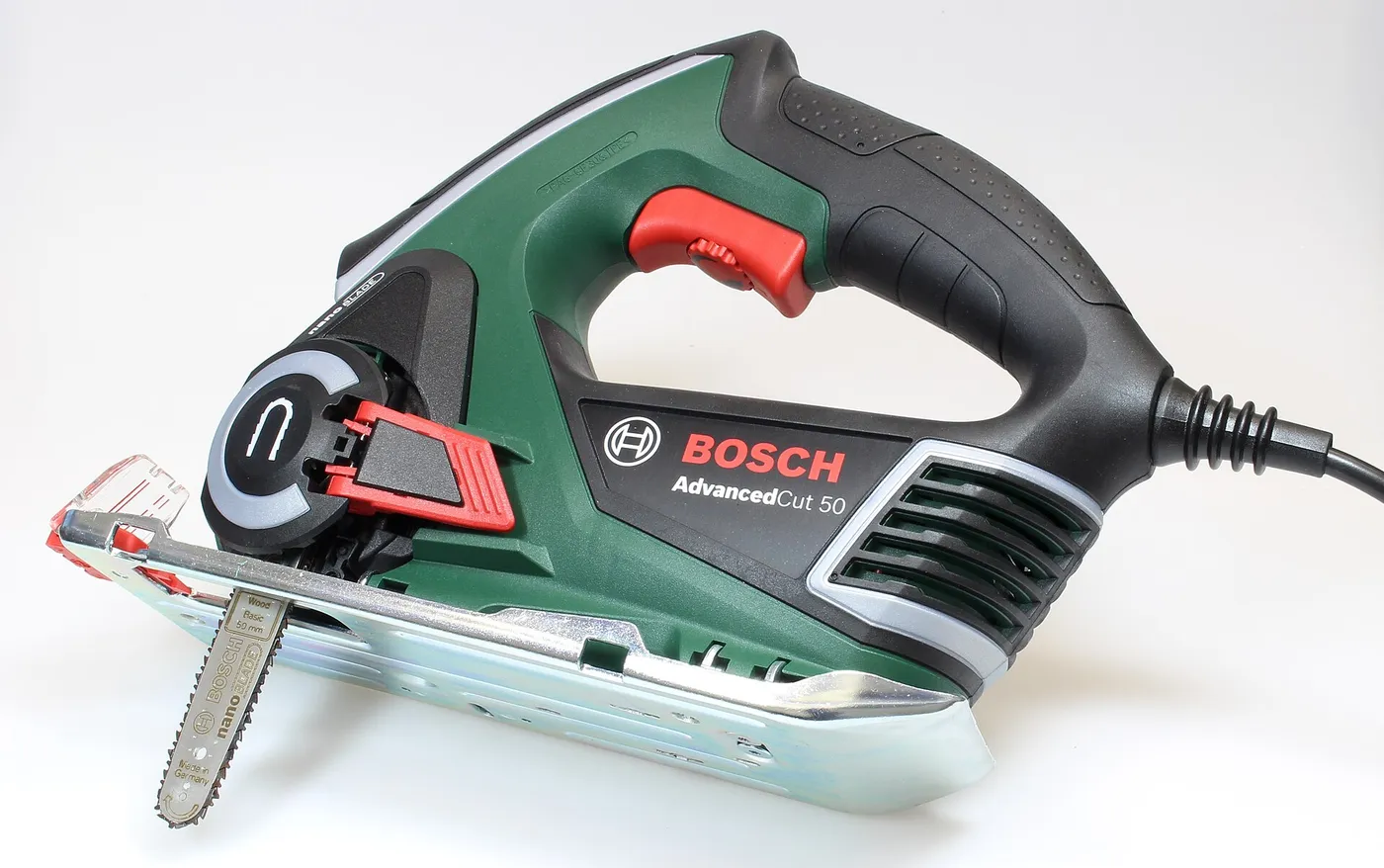
The right chain for a compact saw is almost always the one the manufacturer specifies. Compact saws are tuned to a particular pitch and gauge, and mismatched aftermarket chains can overload the motor and cut runtime. Check the part number against your model.
Chains on very small pruning saws wear faster, because they spin quickly and the cutters are tiny. Treat a replacement chain as a routine consumable, and keep a spare. For how power source changes the demands on a chain, see our gas versus battery comparison.
Wear, maintenance and replacement
All chains wear. Regular sharpening restores the edge, but each filing removes metal, and eventually the cutters become too short. Stretch is a separate issue: the rivets and links wear, and the chain lengthens, needing frequent tension adjustment. A chain that keeps stretching has reached the end of its life.
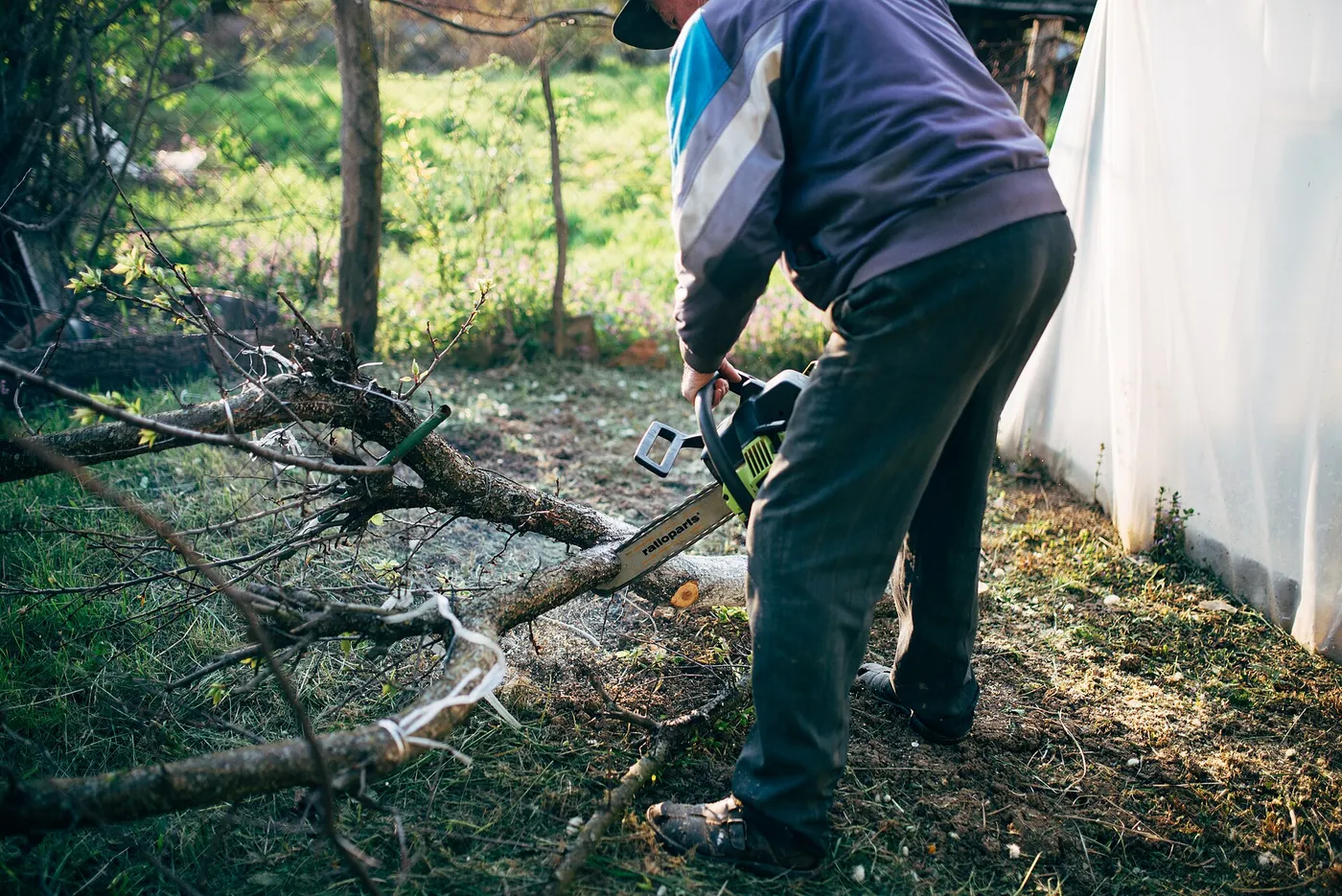
Keep the chain oiled. Most wear comes from friction, and a chain that runs dry heats up, loses temper and stretches. Use the bar oil specified by the manufacturer and keep the reservoir full. Clean the bar groove and oil port regularly.
Many users run two or three chains in rotation, swapping a freshly sharpened chain in when one dulls. This also spreads the wear on the sprocket and the bar. Replace the chain as a set with a new sprocket when the sprocket shows wear, to avoid damaging a new chain.
Breaking in a new chain
A new chain stretches as the rivets seat and the links settle, so tension that was correct on fitting will be slack after the first few minutes of cutting. Fit the chain, set the tension snugly, run the saw briefly at moderate speed with oil flowing, then stop, let it cool, and readjust. Repeat once or twice during the first session.
Soak a fresh chain in bar oil before fitting if the manual advises it, so the links are lubricated from the first rotation. Avoid heavy cuts in the first few minutes. A properly broken-in chain wears more evenly and holds its tension for longer, which matters as much as the cutter style you chose.
Common mistakes
- Matching length but not pitch and gauge.
- Assuming that all 3/8 inch chains are the same, when low-profile and standard differ.
- Choosing full chisel for a first saw because it sounds better.
- Running a chain on a worn sprocket, which damages the new chain.
- Modifying a low-kickback chain to cut faster.
- Ignoring chain oil level.
Frequently Asked Questions
How do I know what chain fits my chainsaw?
Check the pitch, gauge and drive link count. These are stamped on the bar or listed in the manual. The chain must match all three, plus fit the sprocket on your saw.
What is the difference between full chisel and semi-chisel?
Full chisel has square corners that cut fastest but dull sooner and demand more skill. Semi-chisel has rounded corners, cuts a little slower, tolerates dirt and is easier to sharpen.
Is a low-kickback chain worth it?
For most homeowners, yes. It reduces the likelihood and severity of kickback at a small cost in cutting speed. It does not remove the risk, so you still need good technique and protective gear.
Can I use a different pitch chain on my saw?
No. The pitch must match the saw's sprocket and the bar nose. Using the wrong pitch causes poor cutting and can damage the saw or cause injury.
How many drive links do I need?
The count depends on the bar length and chain pitch. Check your manual or the markings on the bar, or count the links on your old chain, and give that figure when ordering.
Are carbide chains worth the extra cost?
Only in dirty, abrasive or demolition work, where a standard chain would dull quickly. For clean wood, a good semi-chisel chain is more economical and easier to maintain.
Bottom line
Treat chain selection as two decisions. First, match pitch, gauge and drive link count to your bar and sprocket, because those are non-negotiable. Second, choose the cutter style: semi-chisel or low-kickback for most homeowners, full chisel for experienced users in clean timber, and specialty chains only for specific needs.
Read the numbers on your bar, keep the chain sharp and oiled, and replace it before it wears out. The right chain makes the saw safer and cuts faster, and it takes ten minutes of checking to get it right.