
The wrong machine in the garage
Search for a machine to deal with yard waste and three names come up, often used interchangeably: chipper, shredder and chipper shredder. They are not the same, and buying on the name alone leads to a familiar disappointment. Someone buys a shredder to deal with a pile of pruned branches and watches thick sticks bounce off the hopper. Someone else buys a chipper to mulch a mountain of leaves and finds the chute choked with wet clumps.
The difference comes from what each machine does to the material. One slices, one tears and one does both. Each handles a different kind of waste, and the output has a different texture and a different use. Knowing what you actually produce in the yard makes the choice obvious.
This article owns the question of which type to buy. The specifications of branch capacity and volume reduction are explained in our capacity and reduction ratio guide.
How a chipper works
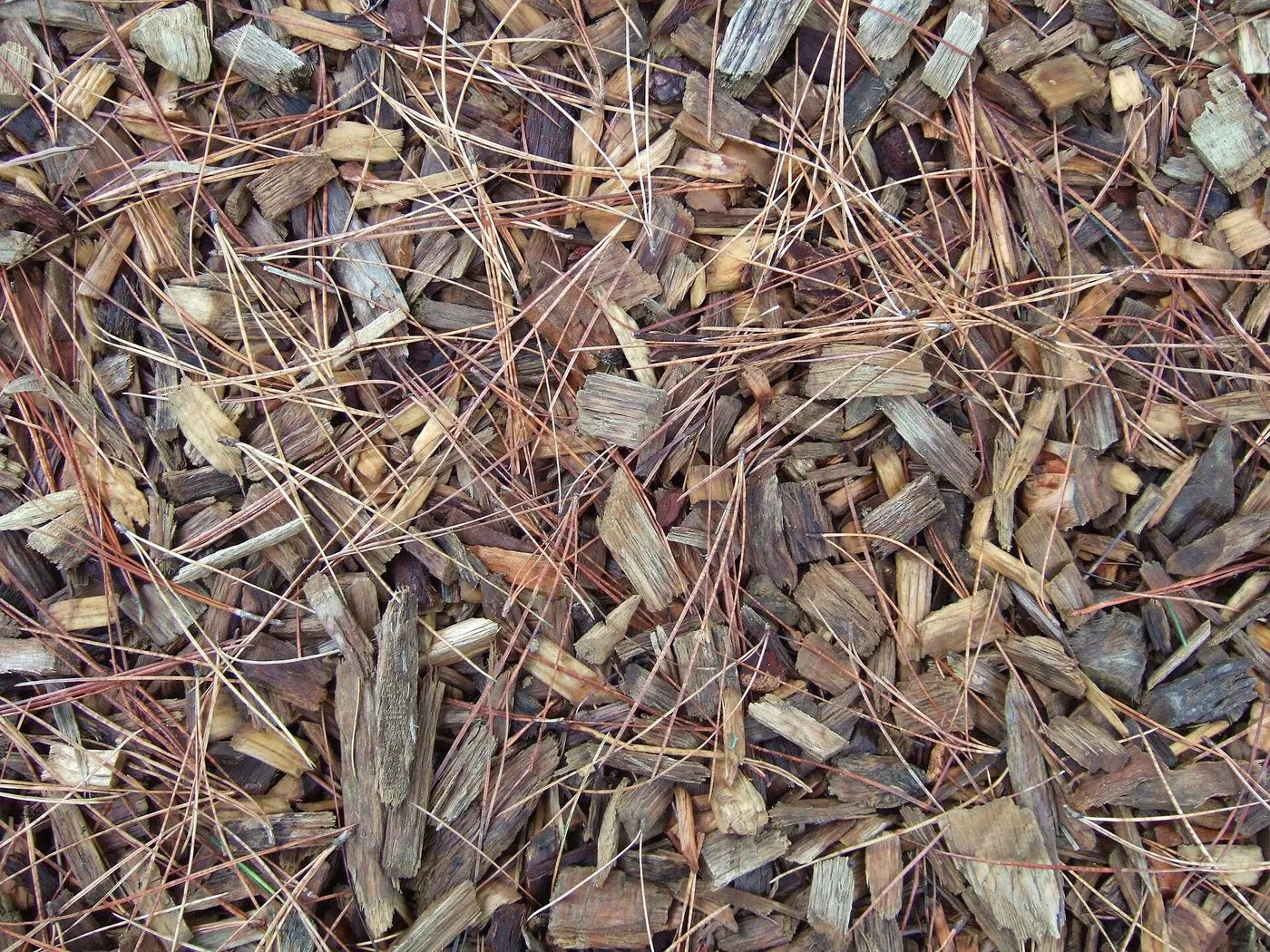
A chipper is built for woody material. A feed chute guides a branch into a rotating drum or disc fitted with sharp blades. The blades slice the wood into small, fairly uniform pieces, called chips, which discharge through an outlet. The action resembles a very powerful, fast knife.
Because the blades cut rather than tear, chippers handle solid branches that other machines cannot. Their limit is the diameter rating, and they need enough engine or motor power to drive the blades through dense wood. Chips are dense and relatively clean, good for mulch, paths and compost bulking.
Chippers are poor at light, leafy, stringy or soft material. Leaves can wrap around the blades, wet green waste clumps in the chute, and small twigs can fail to feed. They are specialist machines for wood, and the best of them are rugged and simple.
How a shredder works
A shredder tears material apart using flails, hammers or rotating blades inside a hopper. Material falls or is pushed into the chamber, where fast-moving metal parts tear it into small, ragged pieces. A grate or screen decides the final size, and the shredded material falls out the bottom or side.
Shredders suit leaves, garden trimmings, soft stems, thin twigs, plant waste and some kitchen scraps for composting. The ragged texture and large surface area help material break down quickly in a compost heap, and shredded leaves make a good mulch or soil conditioner.
Their weakness is thick wood. Most shredders accept only thin branches, often under an inch or so, and forcing thicker material bends flails or jams the machine. Wet, sticky material can clog the screen, and some models have a reverse or cleaning feature to deal with it.
How a chipper shredder works
A chipper shredder combines the two actions in one machine. It typically has two inlets: a hopper on top for leaves and light material that is shredded, and a separate angled chute for branches that are chipped. Both are driven by the same engine or motor, with different internal mechanisms.
This versatility is the appeal. One machine handles autumn leaves, hedge clippings and pruned branches, so you do not need two units. The compromise is that each function is usually less capable than a dedicated machine. The chipper side has a modest diameter limit, and the shredder side has smaller capacity than a purpose-built shredder.
Combination machines are also heavier and more complex, with more parts to maintain. For a typical suburban yard with mixed waste, they are a practical middle path, particularly when storage space is limited.
Side-by-side comparison
| Feature | Chipper | Shredder | Chipper shredder |
|---|---|---|---|
| Cutting action | Blades slice | Flails or hammers tear | Both, with two inlets |
| Best material | Woody branches | Leaves, soft stems, thin twigs | Mixed yard waste |
| Thick branches | Yes, up to rated diameter | No, only thin twigs | Up to a modest diameter |
| Leaves and wet waste | Poor, can jam | Good, within limits | Good on the shredder side |
| Output | Uniform chips | Fine, ragged pieces | Chips and shredded material |
| Weight and complexity | Moderate | Lighter | Heaviest, most parts |
| Typical use | Pruning, storm limbs, mulch | Compost, leaf mulch | General yard clearance |
What comes out and what you do with it
The output texture matters for the use you have in mind. Chips are blocky, relatively uniform and decompose slowly, which makes them durable mulch for beds, trees and paths. They also add carbon to a compost heap when mixed with green waste, though they break down slowly on their own.
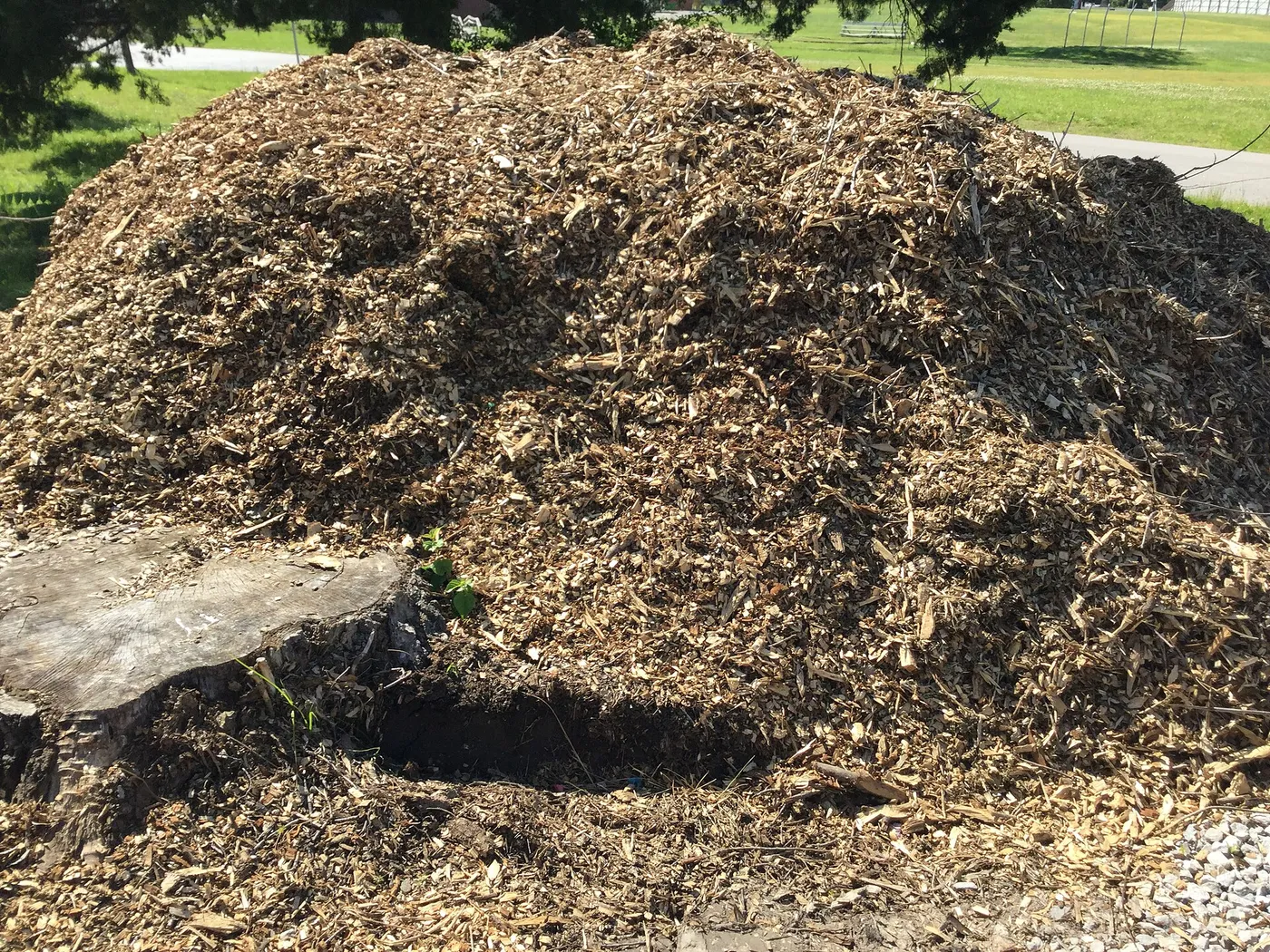
Shredded material is finer and more ragged, with torn edges that break down quickly. Shredded leaves compost fast and make a good soil conditioner. A shredder can also reduce the volume of garden waste for bagging, and some can produce a fine mulch from soft prunings.
If your goal is mulch for beds and paths, chips are the better product. If your goal is compost, shredded material is faster to break down, and a mix of both gives the best balance of structure and speed. A combination machine produces both from one source.
Start with what your yard produces
The simplest decision method is to think about your waste stream across a year. A yard with large trees produces a lot of leaves in autumn and a steady supply of fallen branches. A garden with shrubs and beds produces soft prunings and trimmings. An orchard or woodlot produces thicker pruned wood.
| Your yard | Best machine | Why |
|---|---|---|
| Mostly leaves, hedge clippings and soft prunings | Shredder | Tears soft material fast, no need for heavy blades |
| Mostly branches, storm limbs, fruit tree prunings | Chipper | Slices wood cleanly and handles thick stems |
| Both, in modest amounts | Chipper shredder | One machine, two inlets |
| Large amounts of thick wood | Larger chipper | Power and capacity matter more than versatility |
| Large amounts of leaves and garden waste | Dedicated shredder or leaf mulcher | Better throughput on soft material |
For larger woody jobs, see our roundups of wood chippers and large wood chippers, which cover machines built for heavy branch loads.
Limits and common misfits
Combination machines can disappoint users who expect each function to match a dedicated machine. The branch capacity on a chipper shredder is generally lower than on a dedicated chipper of similar engine size, and the shredder throughput is lower than on a dedicated shredder. If you have a lot of either, a dedicated machine will work faster.
Shredders are often misused on wood. Pushing thick sticks through flails bends and breaks them, and the machine may shake or stall. Respect the diameter limit and sort material by type before you start. Keep rocks, metal, glass and plastic out of any machine, since foreign objects damage blades and flails and can be thrown out.
Wet material is a problem for both. Wet leaves and fresh green trimmings clog a shredder screen and clump in a chipper chute. Let wet material dry a little, or feed it slowly alternating with dry material. Frozen branches can be brittle and hard on blades, so avoid them in deep cold.
What never to feed any of them
Every machine has a list of things it must not see. Stones, metal fasteners, wire, glass and plastic can chip or bend blades, destroy a screen or fire back out of the hopper as projectiles. Branches that have grown around fencing, nails or old tree ties are a classic trap, so check wood from fence lines before it goes in.
Avoid diseased or invasive material unless you have a plan for the output. Chipping and shredding does not kill every pathogen or seed, and spreading chips from infected trees across a garden can carry the problem with them. Check local guidance on disposal for diseased wood, and keep poisonous or irritant plants away from the machine, as chips and dust can irritate skin and lungs.
Do not feed rope, cloth, long vines or stringy fibres to a shredder or chipper without cutting them short first. They wrap around shafts and rotors and are among the hardest jams to clear. Cut vines into manageable lengths, and feed them mixed with stiffer material.
Putting the output to work
The point of the machine is the product. Chips make a durable surface mulch around trees and shrubs, where a layer suppresses weeds and holds moisture. Keep chips a little away from trunks, so moisture does not sit against the bark. Fresh chips pull nitrogen from the soil surface as they break down, so use them on the surface rather than digging them in.
Shredded leaves are valuable. Fed into a compost bin or spread directly on beds, they break down quickly and return organic matter to the soil. Shredding reduces the volume of autumn leaves enormously, so a pile that overflows several bags fits in a single bin.
A good compost recipe combines the two: shredded leaves and soft trimmings as the quickly rotting green and brown mix, plus a smaller amount of chips for air spaces and structure. That mix breaks down faster and smells better than a heap of one material. A combination machine, or a chipper and shredder pair, makes it easy.
If you do not need the output, check whether your municipality accepts chips or shredded waste, or whether neighbors want mulch. Free mulch is often in demand.
A short buying checklist
- List the thickest branch you cut regularly, and the share of your waste that is leaves and soft material.
- Decide whether one machine must handle both, or whether one waste type dominates.
- Check the rated branch diameter and the engine or motor power together.
- Look at how the machine clears jams, and whether it has a reverse or a quick-release access panel.
- Check the weight, wheels and storage footprint against where you will keep it.
- Check that blades, flails and screens are available as spare parts.
Ask about noise, too, and wear hearing protection whichever machine you buy. The machine that suits your waste, your storage and your tolerance for maintenance is the right one, and a cheaper unit that jams constantly is poor value.
Space, storage and moving it
These machines are bulky. A chipper shredder has a tall hopper and a long chute, and even a compact shredder takes up the floor space of a small cabinet. Measure the garage or shed before you buy, including the door width, and check that you can wheel it over lawn and gravel to the working spot. Big wheels and a balanced frame make a heavy machine easier to move than a small, poorly balanced one.
Cover the machine when it is stored, and keep the hopper and chute dry. A machine that lives outdoors under a tarp rusts faster and collects moisture that freezes in winter. If space is tight, a dedicated shredder is the most compact of the three, and a rental chipper for the occasional big job avoids storing a bulky machine all year.
Power source and size
Gas machines offer the most power and range, and electric machines are quieter and simpler, with limits on thickness and sustained load. Some larger units are driven from a tractor's power take-off. Smaller electric shredders suit a modest garden, and heavy gas chippers suit acreage.
Match the power to the material. A shredder for leaves does not need a big engine, while a chipper that must handle thick hardwood does. For the relationship between engine size and branch capacity, see our capacity guide. Our roundup of gas wood chippers shows how engines scale with capacity.
Think about noise too. Both chippers and shredders are loud, and gas versions are louder. Wear hearing protection and eye protection, and consider the neighbors when choosing a time to work.
Safety for all three machine types
These machines pull material in with real force, and the hazards are serious. Never reach into a feed chute or hopper while the machine is running, and never use your hands to clear a jam while the engine or motor is on. Switch off, wait for all moving parts to stop, and disconnect the spark plug lead or the power before clearing.
Wear eye and ear protection, snug clothing without loose cuffs or draw cords, gloves that fit tightly, sturdy boots and, for chippers, a hard hat. Stand to the side of the feed path rather than directly in line with the chute, in case material is thrown back. Keep children and pets away from the working area.
Maintenance differences
Chipper blades are sharpened or replaced, and the gap between the blade and the anvil must be correct. Shredder flails wear and need turning or replacing, and screens need cleaning. Combination machines have both sets of parts to look after, which adds to the routine.
All three benefit from cleaning after use. Packed material in a hopper or chute holds moisture and causes rust, so clear it and let the machine dry. Check fasteners for looseness caused by vibration, and look at belts and guards.
Gas machines need engine maintenance: oil, fuel, plug and filter. Electric machines need a check of the cord, switch and ventilation. Store all of them dry and covered, and follow the manual.
Planning around the seasons
Yard waste arrives in waves. Autumn brings leaves, late winter brings fruit tree prunings, and spring and storm season bring fallen limbs. Match the machine to the biggest wave you face, and be realistic about whether you will process material as it arrives or let it pile up. A machine that is easy to wheel out encourages little-and-often work, which is far less tiring than a weekend marathon.
Keep brush dry where you can. Dry material feeds more smoothly, and a pile covered with a tarp stays easier to process than one left to soak. Sort the pile by type as you go, so the chipper only sees wood and the shredder only sees soft material.
Frequently Asked Questions
What is the difference between a chipper and a shredder?
A chipper slices woody branches into uniform chips with blades. A shredder tears soft material such as leaves and thin stems into ragged pieces with flails. They handle different waste.
Can a shredder handle thick branches?
No. Most shredders accept only thin twigs, often around an inch or less. Thicker wood bends the flails and can jam or damage the machine.
Is a chipper shredder worth it?
If your yard produces both leaves and branches in moderate amounts, yes, because one machine covers both. If you have a lot of either, a dedicated machine is faster and handles more.
Can a chipper handle leaves?
Not well. Leaves can wrap around the blades and clog the chute. A shredder or the shredder inlet of a combination machine is the right tool for leaves.
Which is better for compost?
Shredded material breaks down faster because of its torn edges and large surface area. A mix of shredded and chipped material gives good structure and decomposition.
Are these machines dangerous?
They can be. Never reach into a chute or hopper while the machine is running, wear protective gear and snug clothing, and switch off and stop all rotation before clearing a jam.
Bottom line
Choose by waste. A chipper is for woody branches, a shredder is for leaves, soft stems and thin prunings, and a chipper shredder covers both at a modest capacity. Look at what your yard actually produces, size the machine to the thickest wood you cut, and pick a dedicated machine if one kind of waste dominates.
Respect the safety rules, keep the blades and flails in good order, and match the power source to the work. A machine that suits your waste stream will save hours of hauling and give you mulch and compost from material you would otherwise throw away.