
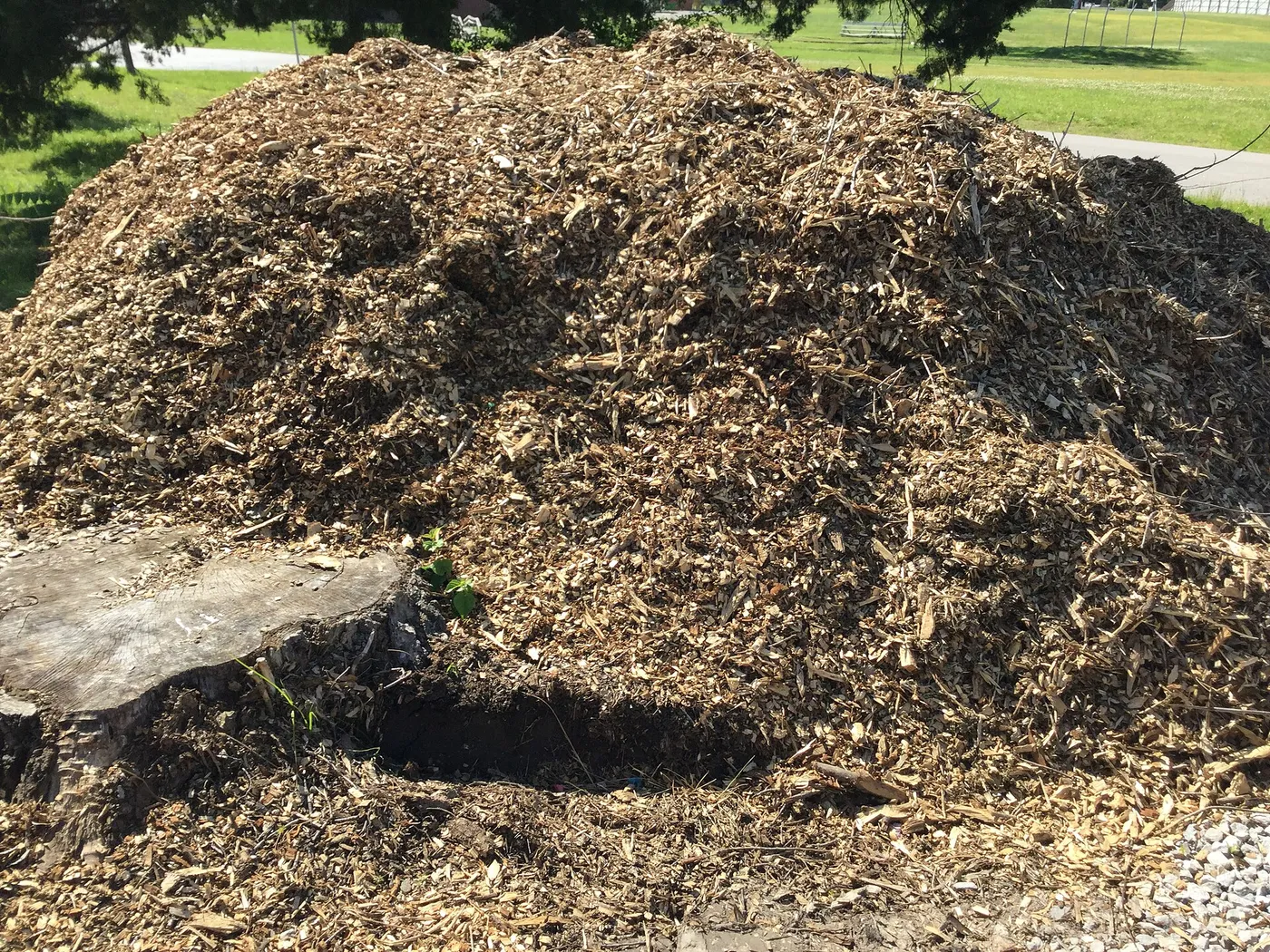
The pile that never shrinks
A homeowner clears a storm's worth of branches, rents or buys a chipper, and expects a neat bag of mulch. Two hours later the brush pile has barely moved. The machine kept jamming on forked branches, the chips came out coarse, and the output pile is nearly as big as the one that went in.
That outcome comes from reading the wrong spec, or reading only one. Two numbers describe a chipper's usefulness: capacity, which controls what the machine will accept, and reduction ratio, which controls how much the material shrinks. They answer different questions, and a machine can look excellent on one and mediocre on the other.
This article explains both numbers, what drives them, and how to match them to a yard. The difference between a chipper, a shredder and a combined machine is a separate question, covered in our chipper versus shredder article.
What capacity actually means
Capacity is the maximum diameter of branch the manufacturer rates the machine to chip, usually quoted in inches. A residential machine might be rated for a few inches, a heavy-duty machine for more, and professional units for much more. The figure applies to the chipping chute, the part that accepts solid wood.
Treat it as a ceiling, not a target. The rated diameter assumes sound, reasonably straight wood of a typical density, fed correctly. Hardwoods, knotty or forked branches, wet green wood and dense species such as oak or hickory can overload a machine at a diameter below its rating, and the machine slows or stalls.
A sensible approach is to run well under capacity most of the time. Keep to branches noticeably smaller than the rated diameter, and the machine runs smoothly, chips cleanly and lasts longer. A machine run at its limit all day wears faster and jams more.
Also check whether capacity applies to every chute. Many machines have a main chipping chute for wood and a separate hopper for leaves and light material, and the hopper has no diameter rating at all. Read the specification carefully to see which opening the figure refers to.
What reduction ratio means
Reduction ratio describes how much the machine shrinks the material. It compares the volume of material going in to the volume of chips coming out. A ratio quoted as 10 to 1 means that ten units of brush become one unit of chips, so a large pile of branches becomes a much smaller pile of mulch.
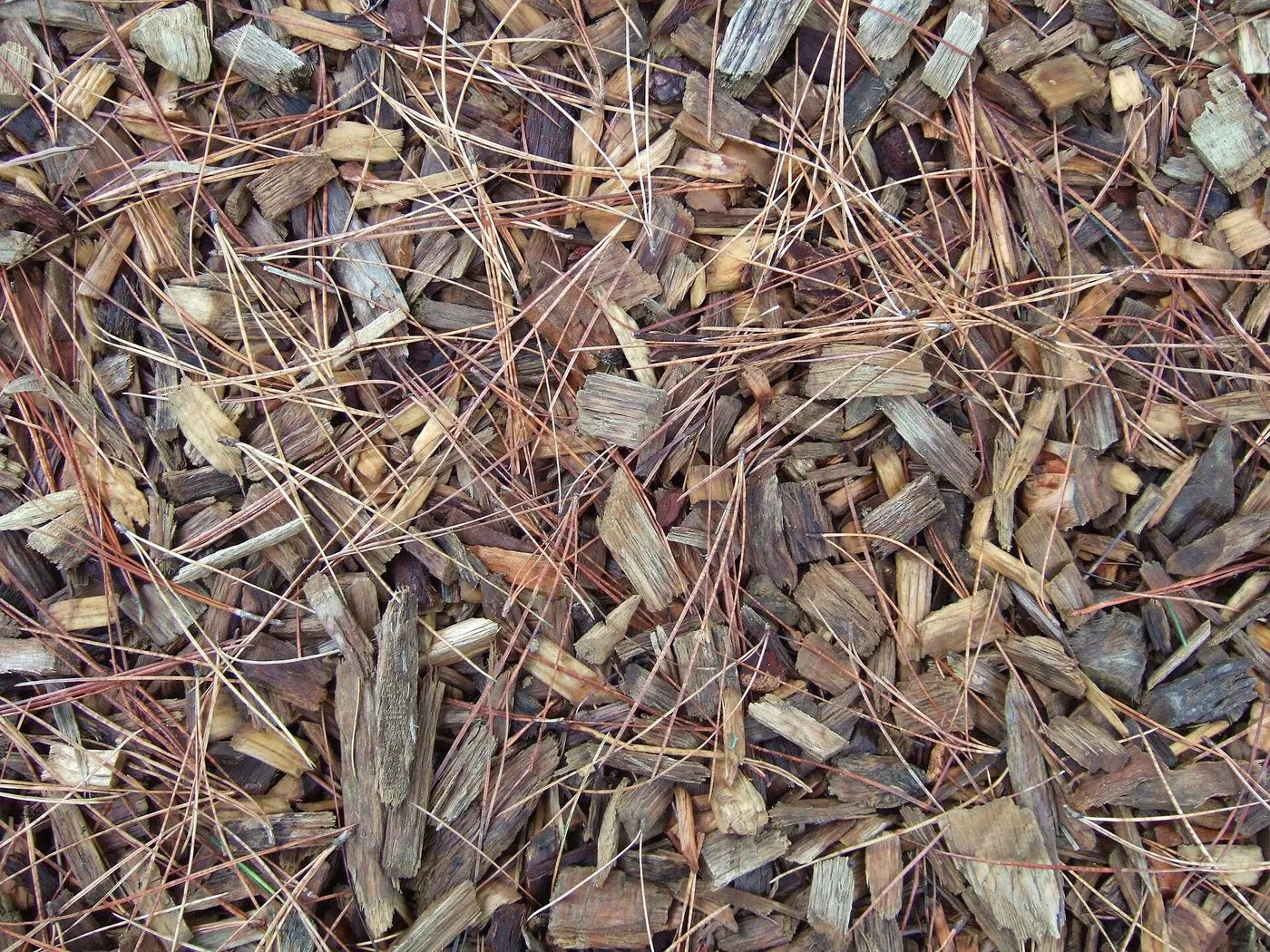
Brush is mostly air. Branches, leaves and twigs stack loosely with large gaps, so a pile takes up far more space than the wood in it. Chipping packs the wood into small, dense pieces and removes the gaps, which is where most of the volume reduction comes from. Higher ratios generally mean a finer cut and a denser output.
Manufacturers do not all calculate the figure the same way, and there is no universal test. Some quote a ratio for a particular material under particular conditions. Treat it as an indication of how aggressively the machine reduces volume, and compare it only between machines that state how they measure it, or use it as one input rather than a deciding number.
The unit is usually written as a ratio, such as 8:1, and the practical meaning is the same everywhere. More reduction means fewer trips to the yard waste bin, a smaller compost pile and more usable mulch from the same brush.
How capacity and ratio trade off
The two numbers are related, but not locked together. A machine built for large-diameter branches has big blades, a large feed opening and a powerful engine, and it often chops each branch into larger chips. A machine built for fine output has more blades or finer cutting, which can raise the reduction ratio but limit the thickness it can accept.
In practice, you can find high-capacity machines with modest reduction, and modest-capacity machines that produce very fine chips. The right balance depends on what you want to do with the output. Coarse chips suit paths and large beds, and fine chips suit compost and tidy mulch.
| Priority | Look for | Trade-off |
|---|---|---|
| Processing thick branches | Higher rated capacity and engine power | Heavier, costlier, often coarser chips |
| Fine mulch and compost | Higher reduction ratio, finer cut | Lower branch diameter, slower feeding |
| Everyday yard tidying | Moderate capacity, good hopper for leaves | Struggles with thicker limbs |
| Storm cleanup volume | Higher capacity and a rugged feed system | More weight and noise |
Engine power must match capacity
Capacity is a promise about what the engine or motor can drive. A big feed opening on a weak engine is a recipe for stalls. The power source turns a heavy flywheel or drum with blades, and chipping a dense branch demands a burst of torque. If the engine bogs down, the blades slow, the cut gets ragged, and the machine jams.
Gas machines have a wide range of engine sizes, and the larger ones are built for thick wood and long days. Electric machines are quieter and simpler, but their motors limit capacity, so they usually suit smaller branches and lighter work. PTO machines draw power from a tractor and handle the largest branches, as noted in our roundup of PTO wood chippers.
When you compare machines, look for the engine rating next to the capacity. Two machines with the same rated diameter but different engine sizes will behave differently on hardwood. The bigger engine keeps the blades turning, and the smaller one slows and struggles. Our overview of wood chippers and the guide to gas wood chippers show how these specs line up across models.
Wood species and moisture change real capacity
The rated capacity is a single figure, but wood is not one material. Softwoods such as pine and fir chip easily, hardwoods such as oak and maple are dense and resist, and some woods, like elm and sycamore, are stringy and wrap around blades. Green wood is wetter and tougher than dry wood, and dry hardwood can be brittle and hard on the edges.
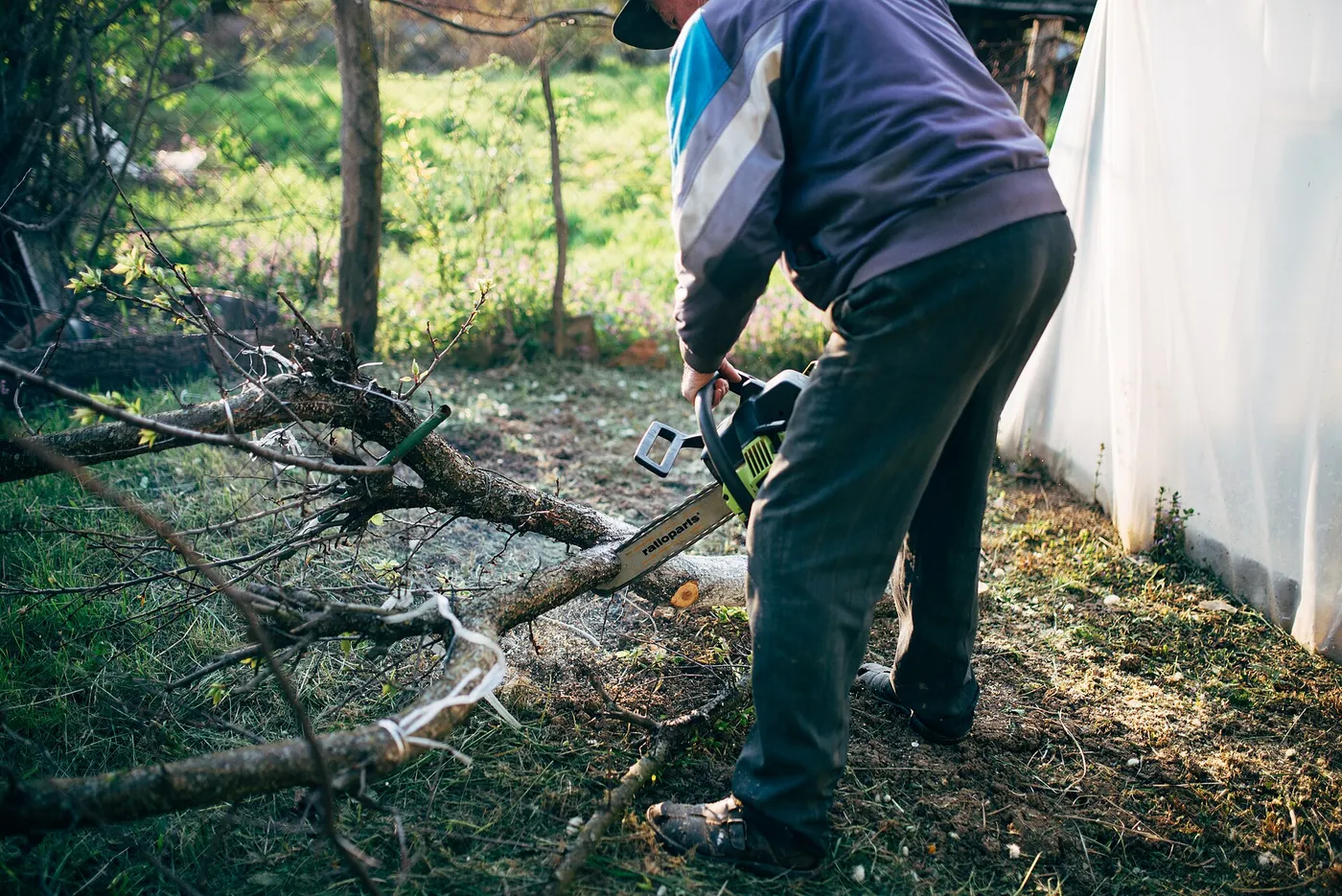
Fresh green branches often chip better in terms of cleanness, because moisture lubricates the cut, but they jam stringy species and produce wet, heavy chips that clump. Old, dry branches can be hard and dull the blades, and they make more dust. In both cases, expect a lower effective capacity than the label for the toughest wood.
A good habit is to try a few branches and listen to the machine. If the engine note drops sharply, the feed slows or the output is ragged, the wood is beyond comfortable capacity. Back off the diameter or feed more slowly.
Feed rate and technique
Capacity assumes correct feeding. Feed branches butt end first, with the thicker end entering the chute and the leafy end trailing. Let the machine pull the branch in, and do not push hard. Pushing can overload the blades and cause kickback of the material, as well as pulling your hands toward the opening.
Feed one branch at a time unless the machine is built for multiple, and trim side branches that would catch on the chute. A forked or crooked branch can jam, and it is better to cut it into straighter lengths first. Keep the feed chute clear, and stop the machine before reaching in to clear a jam.
Output size and what you do with it
The chips that come out of the machine determine what the machine is good for. Fine, uniform chips make good mulch for beds, a base for compost, or ground cover for paths. Larger, coarse chips suit pathways, play areas or large landscapes, but they decompose slowly.
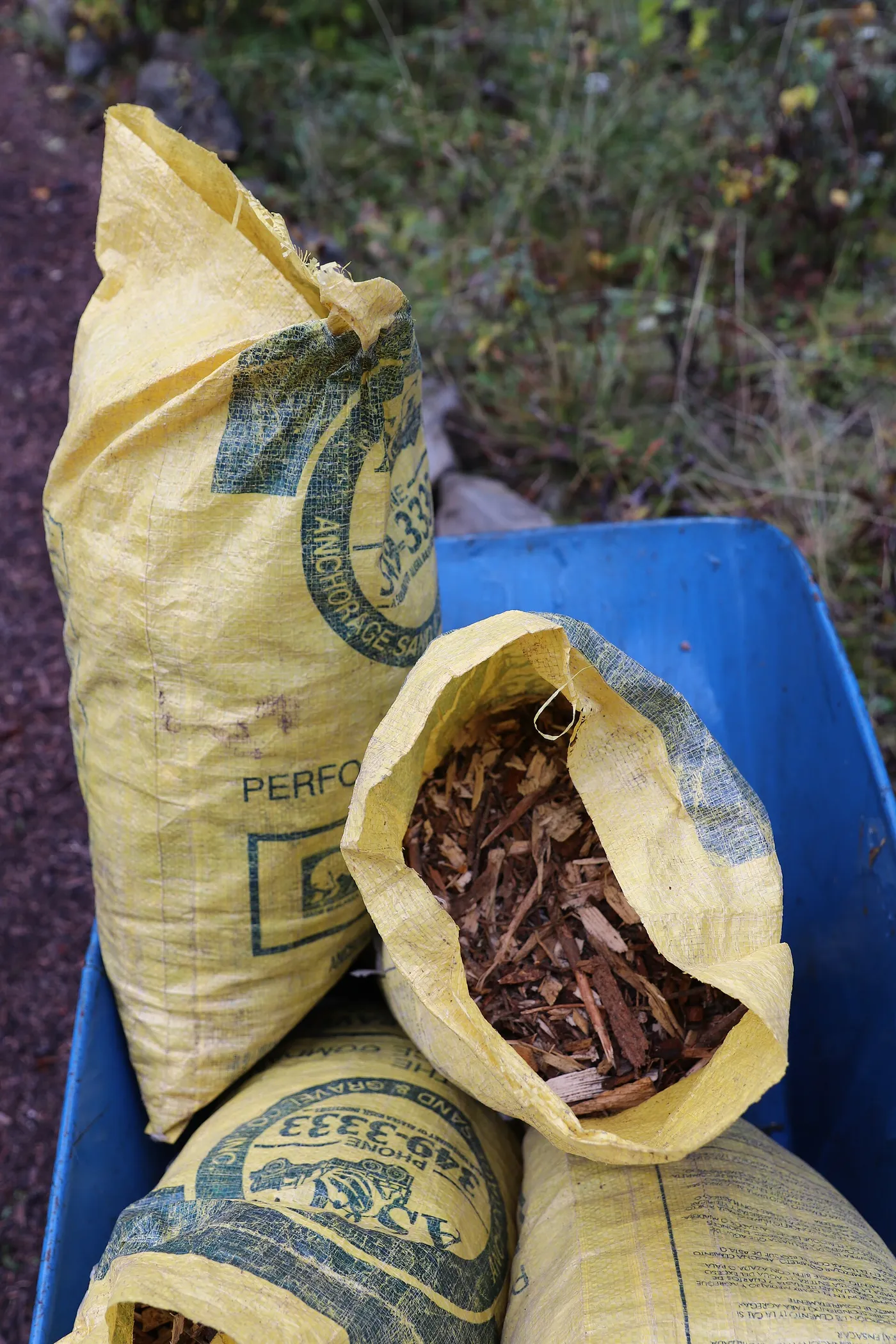
Some machines let you adjust the chip size, either by changing a screen or by altering the feed rate. A machine with a screen can produce a more uniform chip, though a screen can clog with wet material. Check how easy it is to clean and adjust.
Where do the chips go? Plan the discharge. A chute that fills a bag or a collection bin is tidier than one that sprays onto the ground, but a bin limits throughput because you must empty it. For big jobs, a chute that discharges into a trailer or a pile is more productive.
Estimating your own needs
To match a machine to your yard, start with what you cut. List the thickest branches you handle in a typical year, and the amount of brush. Then decide how much you want to reduce it. If you tidy hedges and prune small trees, a modest machine is plenty. If you clear storm damage or manage woodland, you need more capacity and power.
A useful illustration, with figures that are only illustrative, is a homeowner who prunes fruit trees each winter, producing branches mostly under two inches thick. Buying a machine rated for a much larger diameter adds weight, noise and storage burden for no gain. By contrast, a landowner who clears fallen trees each spring and regularly meets branches near the machine's rated limit will find an underpowered unit jams constantly.
Think about frequency as well. A machine used a few times a year suits a lighter model, or even a rental for the big storm. A machine used weekly needs a sturdier build, and a bigger engine pays back through reliability.
Ownership and maintenance
Chipper blades dull, and dull blades pull in branches slowly and produce ragged chips. Sharpen or replace blades on schedule, and check the clearance between the blade and the anvil as the manual instructs. Keep fasteners tight, since vibration loosens them.
Gas machines need the usual engine care: oil, fuel, spark plug and air filter. Electric machines need clean vents and a check of the cord and switch. For all types, clear chips and debris from the discharge and the feed area after each use, and grease any points the manual lists.
Store the machine dry and covered. Rust on the blades or the chute reduces performance, and wet chips left inside invite mould and jams. Check for loose or damaged parts before each season.
Drum, disc and blade design
How the machine cuts shapes how it behaves at its rated capacity. Drum chippers use a rotating cylinder with blades, and they pull material in aggressively, which suits larger branches and a continuous feed. Disc chippers use a flat spinning disc with blades set into it, producing a more uniform chip, though the feed can be more sensitive to branch shape.
Smaller residential machines often use a simpler flywheel with one or two blades, and their capacity is limited by that design. Heavier machines add more blades, bigger flywheels and feed rollers that grip the branch and pull it in at a steady rate. Feed rollers are a safety feature as well as a productivity one, since they keep your hands further from the cutters.
When you read a specification, notice whether the machine has powered feed. Self-feeding machines let the rollers do the work, and you simply guide the branch. Gravity-fed machines depend on the blade angle and your push, and they are more likely to stall or kick. If you expect to chip a lot, self-feeding is worth having.
Noise, fuel and the neighbors
Chippers are among the loudest tools in a yard. A gas machine at full load is loud enough to demand hearing protection and can disturb the whole street, and some areas restrict hours for engine-driven equipment. Electric machines are quieter, though the chipping itself is still noisy, particularly with hard wood.
Plan the job for a sensible time, tell neighbors if you will be working for hours, and run the machine in a spot that directs sound away from houses where possible. Wear hearing protection, whichever type you use, and consider the cumulative exposure across a long session.
Fuel handling follows the usual small-engine rules: fresh fuel, refuel only on a cool engine, and store fuel away from ignition sources. For all of the safety points that apply to cutting the branches in the first place, see our pole saw safety article.
Renting versus buying
If your brush comes in one big annual batch, renting a heavy machine for a day can make more sense than owning one. Rental units are typically stronger than consumer machines, and you avoid storage, blade sharpening and engine care. The trade-off is scheduling, since good weather and storm weekends are when everyone wants a chipper.
Owning pays off when you chip regularly, produce a steady stream of mulch for use, or want to process branches as soon as they fall. In that case, buy a machine rated for your typical branch with a margin, and keep it maintained. Think about total use per year, not the occasional big job.
Reading a spec sheet in a minute
When you compare machines, pull out four items: rated branch diameter, engine or motor power, whether the feed is powered, and how the manufacturer describes chip size or reduction. Then ask what they leave out. A listing that quotes a diameter without naming the wood type or a power figure invites caution.
Look at weight and wheel size, since a chipper that is awkward to move will end up in one spot of the yard. Check discharge direction and whether a bag or bin is included. Check blade access: a design that lets you reach the blades without removing half the machine makes maintenance far more likely to happen.
Common mistakes
- Buying on the biggest rated diameter instead of the branches you actually cut.
- Ignoring engine power, then wondering why a high-capacity machine stalls.
- Treating the reduction ratio as a precise comparison between brands.
- Feeding forked or wet stringy branches that jam the chute.
- Running a dull blade, which turns chipping into a slow, tiring wrestle.
- Skipping protective gear and reaching into the chute.
Frequently Asked Questions
What does wood chipper capacity mean?
It is the maximum diameter of branch the manufacturer rates the machine to chip, usually in inches. Treat it as a ceiling, because hard, forked or wet wood can overload a machine at a smaller diameter.
What is a good reduction ratio?
Higher ratios mean a bigger volume reduction, but manufacturers do not measure it the same way. Use it as an indication of how finely the machine chops, and compare machines carefully before relying on a single figure.
Do I need a bigger chipper than my thickest branch?
Yes, ideally one rated comfortably above it, so the machine runs under its limit. A machine used at its rated diameter all the time wears faster and jams more.
Why does my chipper keep jamming?
Common causes are branches that are too thick or forked, a dull blade, feeding too fast, wet stringy wood or an underpowered engine. Check the blade, reduce the branch size and feed more slowly.
Can a chipper handle leaves?
Many have a separate hopper for leaves and light material, but chipping chutes are designed for wood. Check whether your machine is a chipper, a shredder or a combined unit.
How much will chipping reduce my brush pile?
It depends on the machine, the material and the cut. Brush is mostly air, so chipping can shrink a pile dramatically, but the exact reduction varies and is not guaranteed by the stated ratio alone.
Bottom line
Capacity tells you what the machine will accept, and reduction ratio tells you how much it shrinks the pile. Buy for the branches you cut regularly with margin to spare, match the engine to the capacity, and treat the ratio as a guide to output fineness rather than a precise benchmark.
Feed carefully, keep the blades sharp and respect the safety rules around the chute. If you are unsure whether you need a chipper, a shredder or a combination, read our comparison article before you commit.