

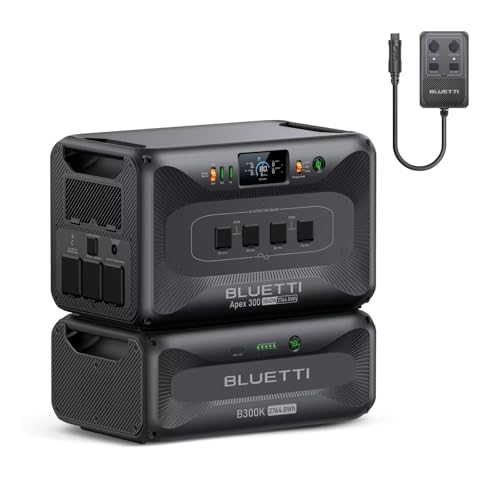



The P5000 Plus makes the case for energy over power. Its inverter is rated 3,600W with a 5,000W surge, which is enough for one rooftop air conditioner, the refrigerator and the kitchen, and its dual-voltage output means a coach panel sees both legs. The real asset is the 5,120Wh tank, the biggest single-unit tank in the group.
In a motorhome that translates to a real afternoon of cooling plus an evening of cooking, two things smaller batteries struggle to combine. The listing quotes 1,800W of AC input and 1,000W of solar input, so a hookup lunch or a good sun day recovers a lot of charge.
The cost of the value is brand history, so test the unit with real loads when it arrives and keep the receipt. Against the Jackery HomePower 3600 Plus it holds 1,536Wh more energy but lacks the established support network. Keep it dry and ventilated, and store it half charged. Because it has five AC outlets, you can run short heavy-gauge leads to each circuit group instead of daisy-chaining power strips, which keeps voltage drop low. In practice the 3,600W ceiling means you stagger the microwave and the air conditioner instead of running them together, and the large tank forgives that discipline. Several owners pair it with a small second battery for electronics so the big inverter can stay idle overnight and save its idle draw.
What works
- 5,120Wh is the largest single-unit tank here
- 120/240V output suits split-phase coaches
- 1,000W solar input
- 5,000W surge starts a rooftop unit
Watch out for
- Only 3,600W continuous
- Brand has a short track record
- Heavy and bulky
Spec sheet
- Capacity
- 5,120Wh
- Rated AC output
- 3,600W
- Surge
- 5,000W
- AC outlets
- 5
- Solar input
- 1,000W