
A number without a location
Two leaf blowers can both advertise a low decibel figure and still sound completely different when you hold them. The reason is simple and almost never printed on the box: the figure was measured in different places. One brand quotes the sound at the operator's ear. Another quotes it from fifty feet away, where the same machine is far quieter. Put those two numbers next to each other and the comparison is meaningless.
This article explains how to read blower noise ratings, how the decibel scale really behaves, how long you can run a blower before hearing damage becomes a concern, and what changes between gas and battery models. It is written for the person holding the tool and for the neighbor on the other side of the fence.
How the decibel scale actually works
Decibels are logarithmic, not linear. A 3 dB rise doubles the acoustic energy reaching your ear. A rise of about 10 dB is heard by most people as roughly twice as loud. That means a blower at 95 dBA is not slightly worse than one at 85 dBA. It carries ten times the energy and sounds about twice as loud.
The "A" in dBA means the measurement is weighted to match how human hearing responds, giving less weight to very low and very high pitches. It is the standard for comparing machines and for hearing exposure rules.
| Change in level | Acoustic energy | How it sounds |
|---|---|---|
| +3 dB | Double | Clearly louder, not twice as loud |
| +6 dB | Four times | Obviously louder |
| +10 dB | Ten times | Roughly twice as loud |
| +20 dB | One hundred times | Roughly four times as loud |
Operator ear versus fifty feet
Sound spreads out as it travels. In open air, the level falls by about 6 dB every time the distance doubles. A blower measured at one meter from the operator is much louder than the same blower measured at fifty feet, a distance of about fifteen meters.
That distance gap is why some local ordinances and industry labels quote a level at fifty feet, while exposure rules are about what reaches the operator's ear. Some municipalities cap blowers at 65 dBA measured at fifty feet, and ordinance limits vary, so check your own town rules. That 65 dBA figure says nothing about what the person using the machine is hearing.
- Operator ear figure: the one that matters for your hearing.
- Fifty foot figure: the one that matters for neighbors and local noise rules.
- Unlabeled figure: treat it as unknown until you see where it was measured.
How long is safe to run a blower
NIOSH recommends a limit of 85 dBA averaged over eight hours, and it cuts the allowed time in half for every 3 dB above that. OSHA's workplace limit is 90 dBA over eight hours with a more lenient 5 dB halving rule. For a homeowner there is no inspector, so the stricter NIOSH numbers make the better guide.
| Level at your ear | NIOSH recommended time limit per day |
|---|---|
| 85 dBA | 8 hours |
| 88 dBA | 4 hours |
| 91 dBA | 2 hours |
| 94 dBA | 1 hour |
| 97 dBA | 30 minutes |
| 100 dBA | 15 minutes |
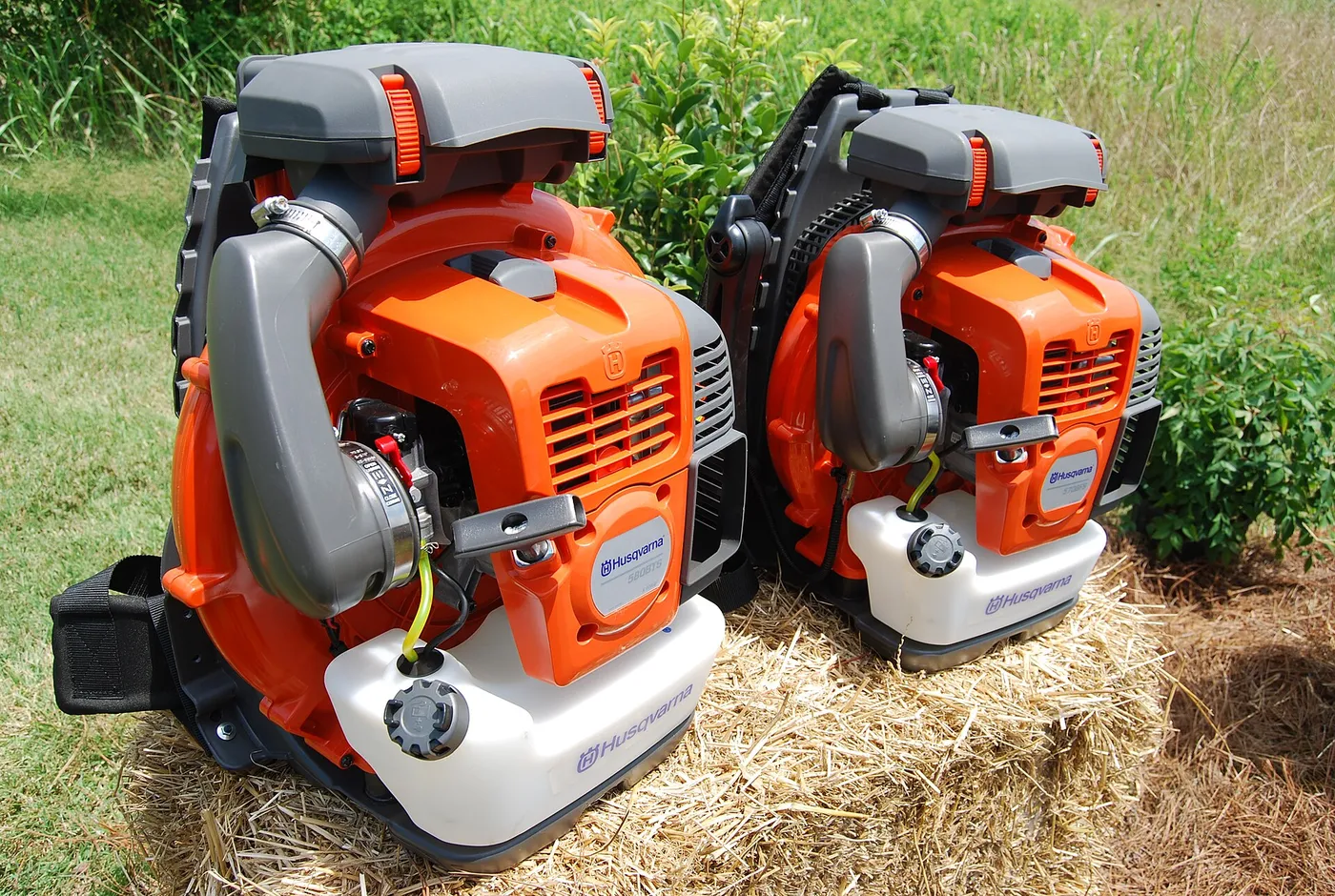
Gas blowers are commonly reported with operator ear levels in the mid 90s dBA and sometimes above 100 dBA, which puts a fifteen to sixty minute daily allowance on them before hearing protection is called for. Battery blowers are generally quieter at the ear, often landing in the 80s to low 90s depending on model and setting. That difference is real, but it still leaves most blowers above the eight hour limit.
Why turbo mode changes the number
Most noise ratings are taken at a single setting, and it is rarely maximum. Blower sound rises steeply with fan speed because the noise from moving air increases faster than the speed itself. Running a battery blower on turbo can add several decibels over its mid setting, and turbo is where the pack drains fastest too.
The quieter habit is the one that also saves battery: use the lowest speed that moves the debris. Wet, matted leaves may need the higher setting, but a dry lawn clears at mid power with a lot less noise. Reading our guide on how blower air volume and air speed trade off helps you decide when extra speed buys you something and when it only buys you noise.
Gas versus battery: what you actually hear
A gas blower makes noise from three sources at once: the engine, the exhaust and the fan. The engine and exhaust add a low frequency rumble that carries through walls and fences. A battery blower removes the engine and exhaust, leaving fan and motor noise, which is higher pitched.
That pitch difference changes how the sound is perceived. Low rumble is felt in the chest and travels far, so neighbors hear it. The higher pitched whine of a battery blower is more irritating at close range but fades faster with distance. The result is that a battery blower is typically quieter to everyone, and noticeably quieter to the neighbors, even when the operator ear gap is smaller than the labels suggest.
Hearing protection that actually works
Hearing protection carries a Noise Reduction Rating, or NRR, measured in a lab under ideal fit. Real-world protection is lower, because fit, hair, glasses and a poor seal all eat into it. A common field rule is to expect about half the labeled NRR, and to treat the lab number as a ceiling.
- Foam earplugs: inexpensive and effective when rolled and inserted deep enough to seat firmly. A loose plug protects far less than it claims.
- Earmuffs: easy to put on correctly and good for short, repeated jobs. Check that the seals sit flat against the head, not over eyeglass arms.
- Plugs and muffs together: adds a few decibels over either alone, worth doing for long sessions with a loud gas machine.
Wear protection before you start, not after your ears start ringing. Temporary ringing after a job is a sign the exposure was already too high.
Neighbors, hours and local rules
Noise rules for yard equipment are set locally. Some places restrict the hours blowers can run, some cap the allowed sound level and some restrict gas blowers outright in certain seasons. Rules differ widely, so look up your municipal code or homeowner association policy before you buy a gas machine.
Even where nothing is regulated, courtesy counts. Run the blower in late morning rather than at dawn, avoid long sessions on weekend mornings and use the lower speed where you can. A quieter machine is not only about avoiding complaints. It is also about being able to work longer without your own ears paying for it.
What to look for on a spec sheet
Quiet battery blowers are rated honestly when the listing says what distance and setting the number applies to. If you shop in the lower voltage tiers, our guides to 18V leaf blowers, 20V leaf blowers and 24V leaf blowers let you compare options in the classes most often bought for small and medium yards.
| Spec sheet detail | What to ask |
|---|---|
| dBA figure | Measured at the operator's ear or at fifty feet? |
| Setting | Low, mid or turbo? |
| Weighting | dBA, not unweighted dB |
| Standard cited | Which test method was used? |
| No figure at all | Treat as unknown, not as quiet |
If you want a wider picture of the category, including gas options and backpack styles, start from our best leaf blowers guide, then use the noise questions above to filter your shortlist.
Adding up a whole afternoon
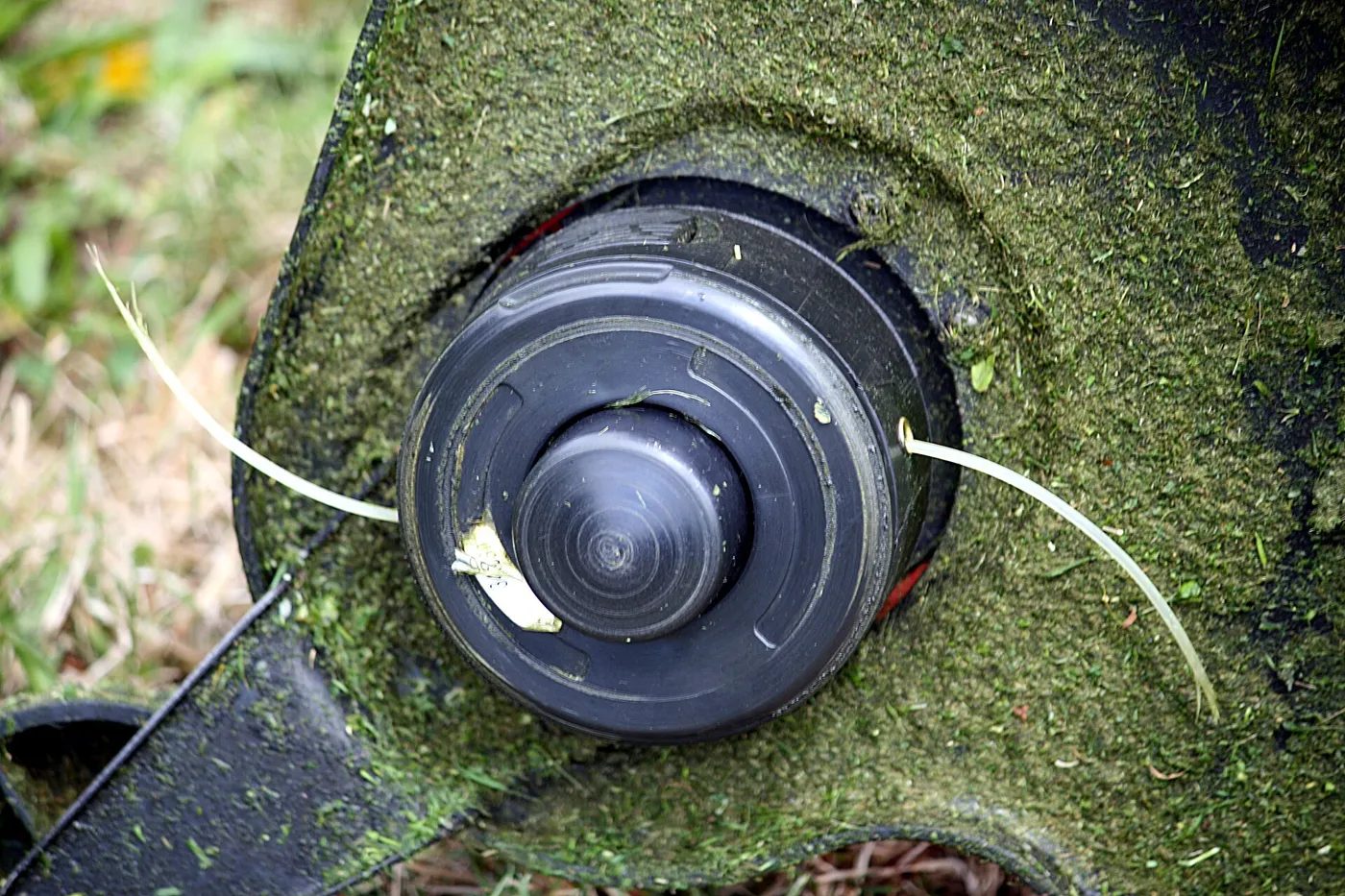
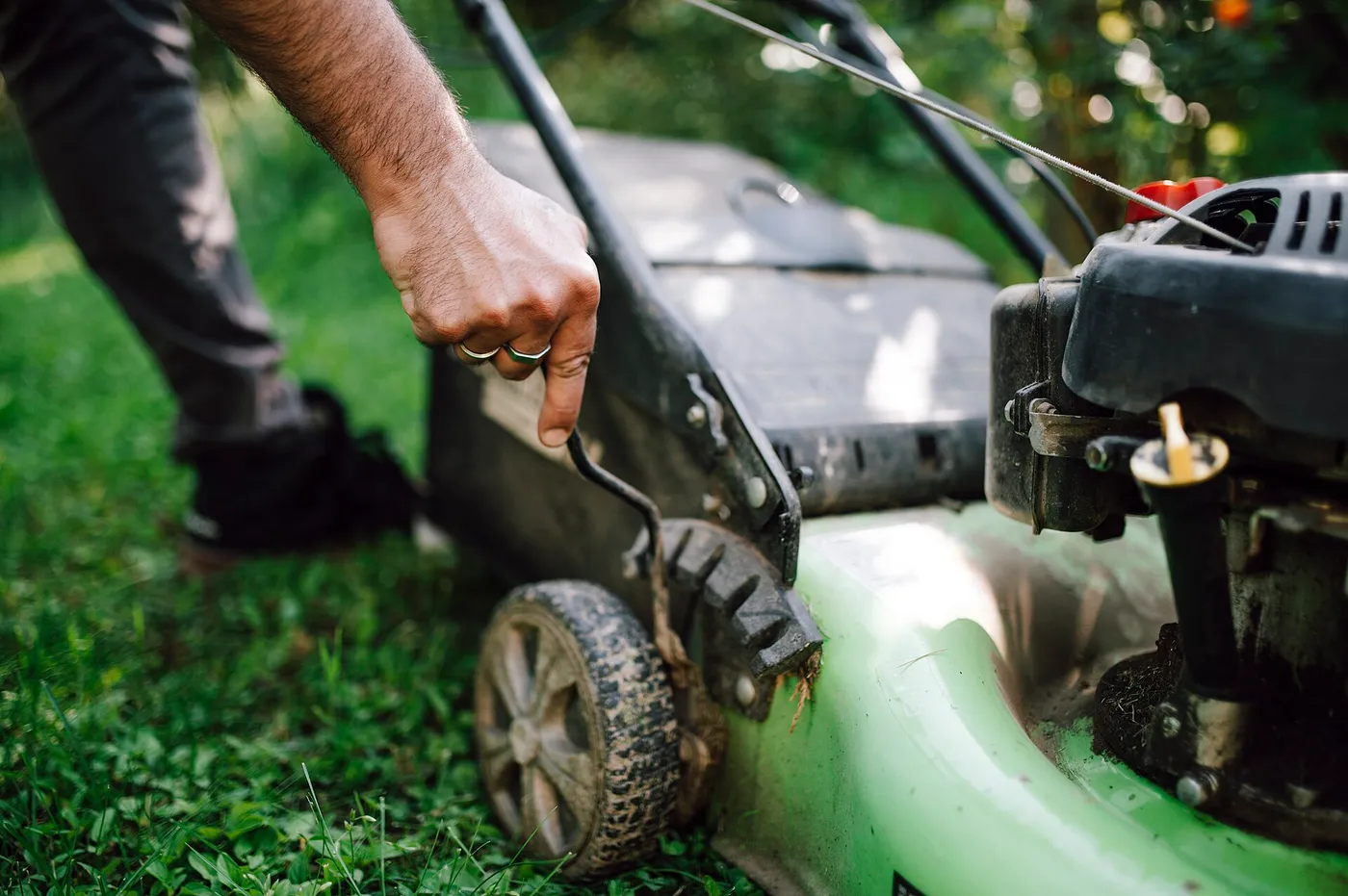
Exposure is cumulative. Hearing guidance treats each noisy stretch as a fraction of that level's daily allowance, and the fractions add. Thirty minutes at 94 dBA uses half of the one hour allowance. Thirty minutes of mowing at 91 dBA uses a quarter of a two hour allowance. Together that is three quarters of a day's limit, before the trimmer has even started.
That arithmetic is why a blower session that feels short can still matter. Most yard work is a stack of loud jobs, one after another: mow, trim, edge, blow. If any one of them is a gas tool, the total can pass the recommended limit by early afternoon. Wearing protection for the whole job, not just the blower part, is the simple way to keep the sum safe.
| Job in the afternoon | Example level at your ear | Time | Share of the daily limit |
|---|---|---|---|
| Gas blower | 94 dBA | 30 minutes | One half |
| Mower | 91 dBA | 30 minutes | One quarter |
| Trimmer | 94 dBA | 15 minutes | One quarter |
| Total | Full daily limit reached |
The levels in that table are illustrative. Real machines vary, so use them as a method rather than a measurement of any particular model.
Measuring your own machine
If you want a number for the blower you already own, a smartphone sound meter app can give a rough idea, though phone microphones are not calibrated instruments and tend to be unreliable at very high levels. A dedicated sound level meter is better, and some libraries and workplaces lend them.
- Hold the meter at the position of your ear, not at the machine.
- Use the A weighting setting and the slow response.
- Measure on the setting you actually use, then again on turbo.
- Take the reading outdoors, away from walls that reflect sound back at you.
Treat the result as an estimate. The point is to learn whether your usual habit falls above or below the 85 dBA and 91 dBA lines in the table above, not to settle an argument about a single decibel.
Noise beyond hearing loss
Hearing damage is not the only cost of a loud machine. Sustained loud noise adds to fatigue, makes it harder to hear a child, a pet or a vehicle approaching, and raises stress levels for people nearby. Removing the engine and exhaust from the job helps with all of these, which is a large part of why many owners switch to battery blowers even when the pure decibel gap looks modest on paper.
Vibration deserves a mention too. Gas engines shake the handle, and that fatigue stacks on top of the noise. A battery tool is smoother, and the combination of quieter sound and less vibration is often what owners say they notice first when they compare the two.
Quieter habits that cost nothing
Technique reduces noise more than shopping does. Hold the nozzle low and work in short sweeps, because high-speed air moving across a large gap is louder than air moving across a short one. Keep the nozzle angled toward the ground and away from walls and parked cars, where sound reflects back toward you.
Rake or sweep first where you can. A rake makes no noise at all and brings the leaves into a pile that a blower can then move at a lower speed. A blower is best used for what a rake does badly: moving leaves out of beds, off hard surfaces and from under shrubs.
Choosing a quieter blower
Noise is shaped by design as much as by fuel. A blower with a larger, slower turning fan can move the same air with less whine than a small fan spinning fast. A wider, gently tapered nozzle spreads the airflow and cuts the hiss that comes from a narrow, fast jet. Brushless motors tend to run smoother than brushed ones, and a variable trigger lets you ease off instead of switching between a few fixed speeds.
Look for these features when you compare models:
- A variable speed dial or trigger so you can work at the lowest effective setting.
- A stated dBA figure with its measurement distance, which shows the maker is willing to be compared.
- A sensible nozzle set including a wide one for sweeping and a narrow one for stubborn debris.
- A weight and balance you can hold comfortably, since a tool that tires your arm leads to rushed, high-speed work.
A quiet blower that lacks the power to move wet leaves will end up running on turbo all day, so match the machine to your debris. Check both the noise note and the air volume and speed numbers before you decide.
One last point on shopping: ignore the word "quiet" in a product title unless a number backs it. The term has no definition in this category, and a blower can be quiet compared with a gas model while still sitting well above the limits in the exposure table. Let the measured distance, the setting and the dBA weighting do the talking.
Frequently Asked Questions
How many decibels is a typical leaf blower?
It depends on where it is measured. At the operator's ear, gas blowers are commonly reported in the mid 90s dBA or above, and battery blowers are often in the 80s to low 90s. At fifty feet, the same machines read much lower, because the level falls about 6 dB each time the distance doubles.
Are battery leaf blowers actually quiet?
They are quieter than gas, mostly because there is no engine or exhaust. They are not silent. A battery blower on turbo can still exceed the level where hearing protection is recommended, so wear earplugs or earmuffs for longer sessions.
What decibel level damages hearing?
Risk depends on level and time. NIOSH recommends staying at or under 85 dBA over eight hours, and allowing half the time for each 3 dB above that. At 94 dBA the recommended limit is one hour per day.
Is dB the same as dBA?
No. dBA is a measurement weighted to how human ears respond to different pitches, and it is the one used for hearing exposure and noise rules. If a listing says only dB without a weighting, it is harder to compare.
Do earplugs make a blower safe to use all day?
They help a lot but do not remove the risk, especially if they fit poorly. Labeled reduction ratings overstate real-world protection. For very long sessions with a loud gas blower, wearing plugs and muffs together and taking breaks is the safer approach.
Bottom line
Read every noise rating as a distance and a setting first, and a number second. Assume any blower is loud enough at your ear to justify hearing protection, and expect a battery model to be noticeably more neighborly than gas. If hearing and neighbor relations matter to you, choose a battery blower, run it on the lowest setting that moves the debris, and wear earplugs or muffs from the first minute.