
What the two numbers mean
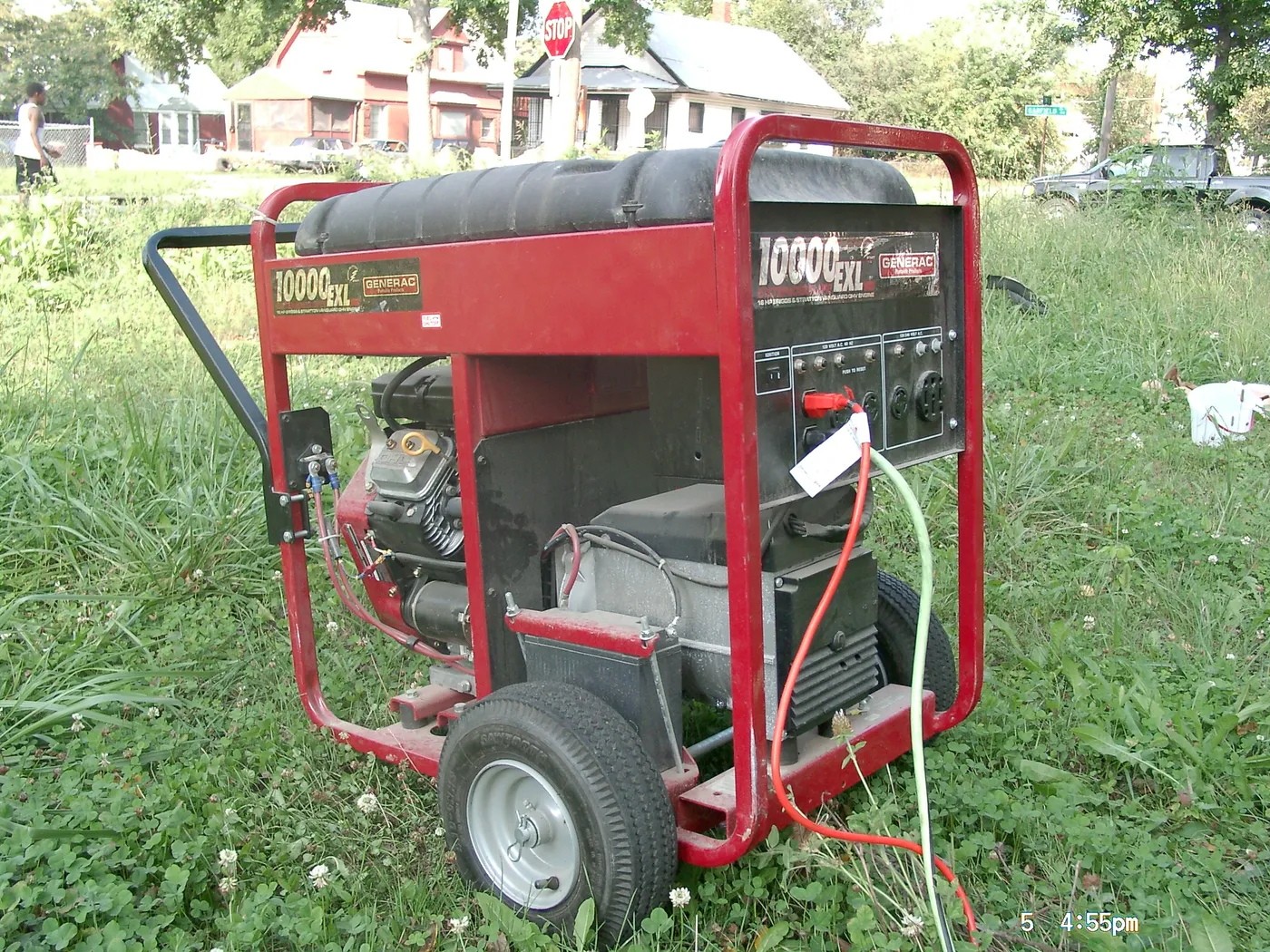
A portable generator can look powerful on a sales page and still trip its breaker the moment a refrigerator, pump, or air conditioner starts. That apparent contradiction usually comes from comparing the load with the wrong rating. The large number on the generator is often its brief starting output, while the smaller number is the power it can carry continuously.
Running watts, also called rated or continuous watts, describe the electrical load the generator is designed to support during normal operation. If a generator is rated for 5,000 running watts, the combined operating demand of the equipment connected to it must stay within that rating and within the limits of its outlets and breakers.
Starting watts, also called surge or peak watts, describe additional short duration capacity. That reserve exists so the generator can respond when a motor, compressor, transformer, or certain power supplies first energize. It is not a second continuous rating and it does not mean the machine can carry that load indefinitely.
| Rating | What it describes | When it matters | What happens if exceeded |
|---|---|---|---|
| Running watts | Continuous usable generator output | While all connected loads are operating | Breaker trip, overload shutdown, voltage drop, or overheating |
| Starting watts | Brief output above the running rating | While a motor or compressor accelerates | The load may fail to start, stall, or trip protection |
Both limits must be respected at the same time. A generator can have enough running capacity but too little starting capacity for a pump. It can also have enough surge capacity for that pump yet be overloaded once a heater, microwave, and other steady loads are added.
Why motors draw a starting surge
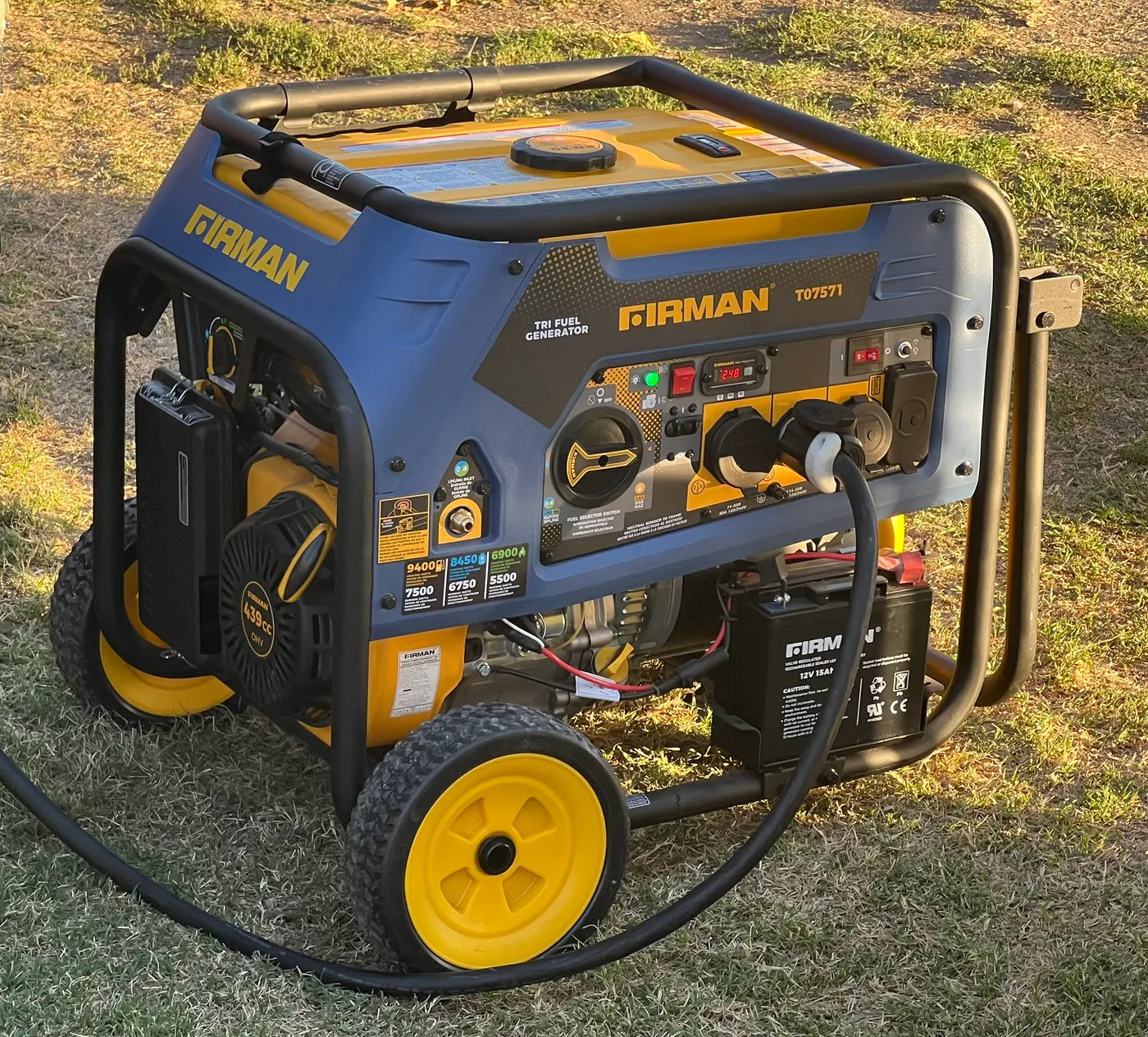
An electric motor does not behave the same way at rest as it does at full speed. When the rotor is stationary, the windings have not yet developed the opposing electrical effect that limits current during normal rotation. The motor initially draws a high inrush current while it builds magnetic fields and accelerates the mechanical load.
As the rotor approaches operating speed, that opposing voltage increases and current settles toward its normal value. This is why the surge can be intense but brief. The generator must keep voltage and engine speed from collapsing during that acceleration period.
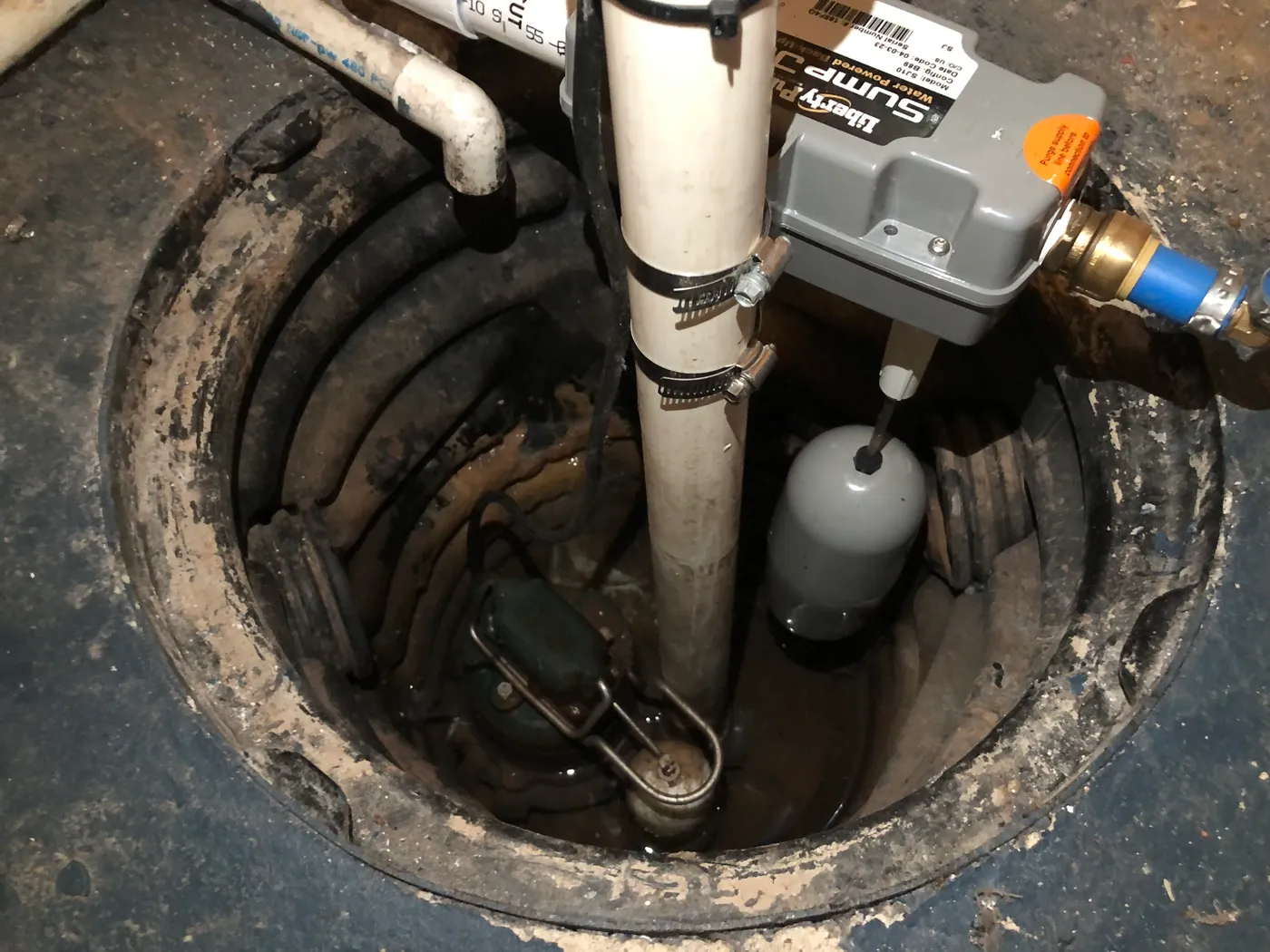
The mechanical load matters too. A freely spinning fan is easier to start than a compressor pushing against refrigerant pressure. A sump pump must accelerate its impeller and move water. An air compressor may restart while pressure remains in the tank. Two motors with similar running watts can therefore impose very different starting demands.
Westinghouse documentation for one inverter generator warns that motor driven equipment can require as much as seven times its running power or more during startup. The same manual uses rough estimating multipliers of 1.2 for smaller portable tools and 3.5 for larger stationary equipment, but those are fallback estimates for that guidance, not universal laws. The connected machine's published starting requirement remains the better figure.
Key distinction: a resistive heater normally turns electricity directly into heat and has little meaningful motor surge. A refrigerator may draw modest power after startup but place a much sharper demand on the generator each time its compressor cycles.
Which loads have starting watts
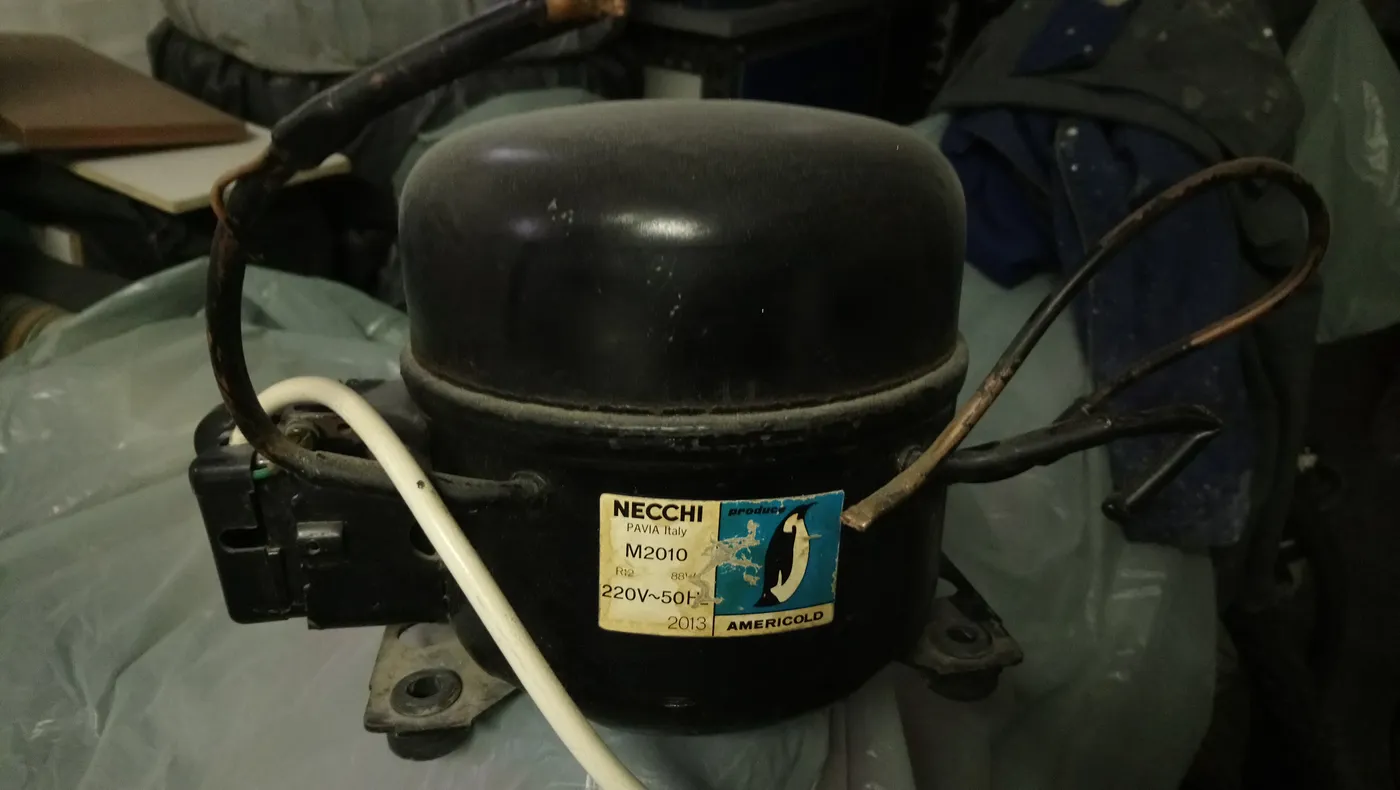
Any device can draw a brief transient when switched on, but the surge that changes generator selection is most often associated with motors and compressors. Refrigerators, freezers, well pumps, sump pumps, furnace blowers, air conditioners, shop compressors, and many saws deserve close attention.
Purely resistive loads are more predictable. Traditional incandescent lamps, basic hot plates, kettles, and simple resistance heaters generally start close to their running demand. They can still consume a large amount of continuous power, so their lack of a major starting surge does not make them light generator loads.
Electronic equipment occupies a less tidy middle ground. A charger, television, computer supply, or LED driver can draw an input current pulse when its capacitors charge. The duration may be very short, and the device manufacturer may not publish a separate starting watt figure. Large battery chargers and uninterruptible power supplies can be more demanding than their average consumption suggests.
| Load type | Typical behavior at switch on | Best information source |
|---|---|---|
| Resistance heater or hot plate | Usually starts near its steady demand | Input rating on the appliance label |
| Refrigerator or freezer | Compressor creates a short, substantial surge | Manufacturer data or measured starting current from a qualified technician |
| Pump or furnace blower | Motor inrush depends on design and mechanical load | Motor nameplate, equipment manual, or manufacturer |
| Power tool | Motor surge changes with tool type and material load | Tool manual and nameplate |
| Electronic power supply | May have a short capacitor charging pulse | Manufacturer input specification |
Do not assume that every device with a motor needs the same multiplier. Modern variable speed drives, electronically controlled compressors, and soft starters can change startup behavior. Conversely, a hard starting compressor or a motor starting under load may demand more than a generic chart predicts.
How to read the generator label
Start with the generator's data plate and manual, not the model name painted across the frame. Look for separate entries such as rated output, continuous output, running watts, maximum output, peak output, or starting watts. Confirm whether the figures apply to gasoline, propane, or another fuel because a multi fuel model may publish different ratings for each.
Next, check the voltage and outlet limits. A total wattage rating does not guarantee that all of it is available from one receptacle. The control panel may split capacity across 120 volt and 240 volt circuits, and each receptacle is protected by its own current limit. The manual explains how the alternator, breakers, and outlets distribute the available power.
The duration of maximum output also deserves attention. Manufacturers do not use one universal surge duration. A label that says peak watts does not tell you whether that output is intended for a fraction of a second, several seconds, or another limited condition. Use the manual's definition rather than assuming that every machine with the same headline wattage behaves alike.
Marketing names can make this harder. A model number may highlight starting watts because it is the larger figure. Compare machines on running watts first, then verify that starting capacity covers the hardest motor. Readers choosing among compact models can use the inverter generator comparison, but the published running rating should remain the common basis for comparison.
How to read an appliance or motor nameplate
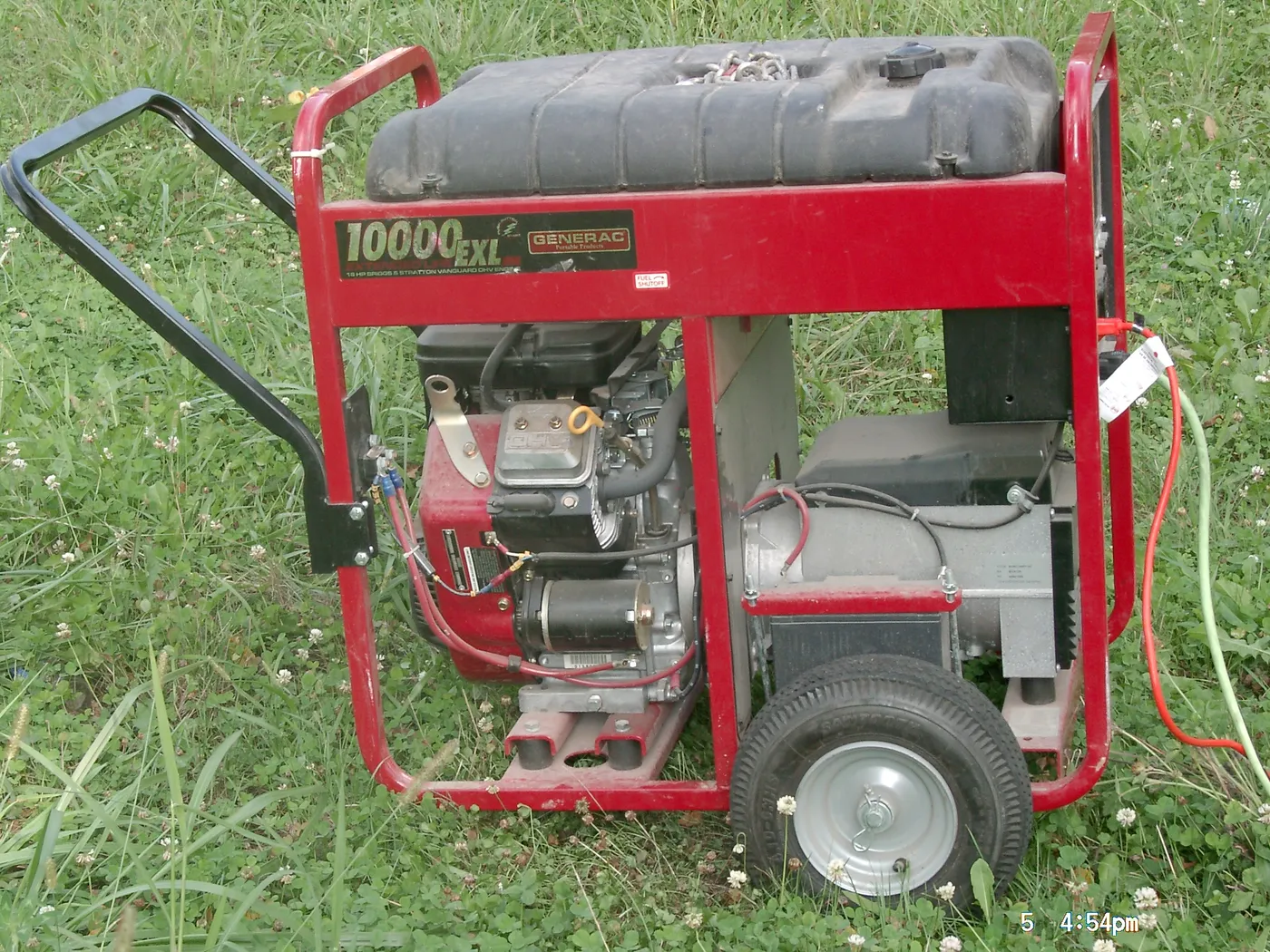
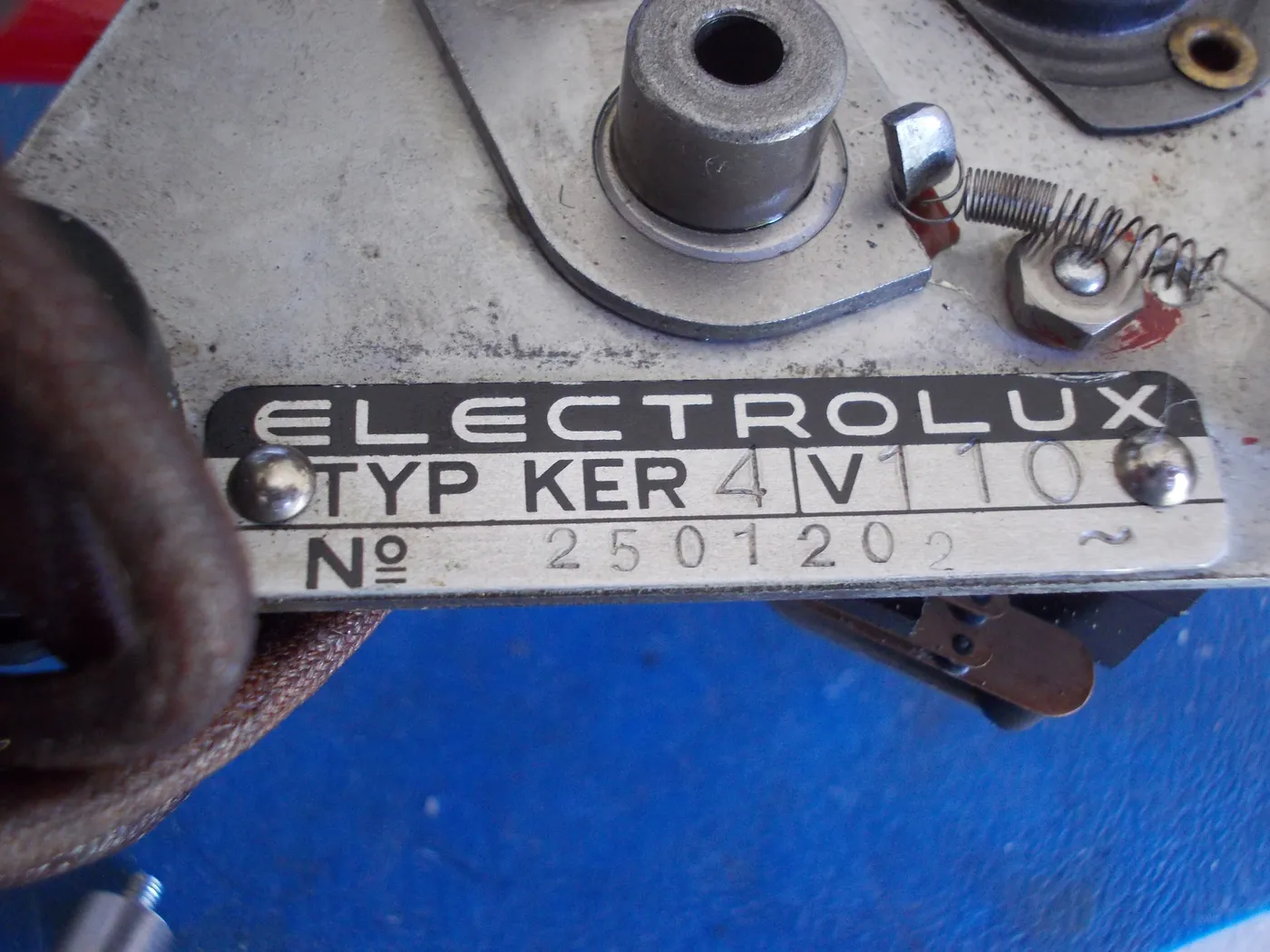
The load side of the calculation begins with the equipment label. Useful entries include voltage, amperage, watts, hertz, phase, horsepower, and sometimes locked rotor amps. The manual may also list a minimum branch circuit, maximum current, or recommended generator capacity.
If a simple 120 volt appliance lists 6 amps and does not provide watts, multiplying voltage by current gives 720 volt amps. For a basic resistive load with a power factor close to one, that is approximately 720 watts. For a motor or electronic load, volts multiplied by amps describes apparent power, while real watts also depend on power factor. Treat the simple multiplication as a conservative screening value unless the manufacturer supplies better data.
Locked rotor amps, often abbreviated LRA on compressor and motor labels, represent current when the rotor is not turning. That number is useful for understanding why startup is demanding, but converting it directly into a generator recommendation can be misleading. The actual starting event depends on voltage, motor controls, duration, mechanical load, and the generator's transient response.
Horsepower is not a direct input wattage label. Mechanical horsepower describes shaft output, while the motor draws additional electrical power because it is not perfectly efficient and may have a power factor below one. Do not convert horsepower to watts and stop there. Use the motor's electrical ratings or its equipment manual.
The correct way to combine the ratings
The full worksheet belongs in our generator wattage calculator guide, but one distinction prevents the most common mistake. Do not add the total starting wattage of the largest motor on top of a running total that already includes that motor's running watts. That counts part of the same load twice.
Instead, identify the motor's additional surge. If a device uses 700 running watts and 2,200 total starting watts, its additional surge is 1,500 watts. Add that 1,500 watt difference to the combined running demand of the loads expected to operate at that moment.
Consider a simplified group with 1,900 combined running watts. That total already contains the running demand of the largest motor. If that motor needs 1,500 additional watts during startup, the generator must support at least 3,400 watts during that event while also carrying the other operating loads.
This method assumes that only one major motor starts at a time. That can be a reasonable operating plan, but it is not guaranteed. A refrigerator cycles automatically, a sump pump responds to water level, and a furnace blower follows its controller. If two automatic loads can start together, evaluate that overlap instead of relying on careful manual sequencing.
Do not size from one number: the running total must remain below continuous output, and the worst credible startup event must remain below starting output. Passing either test alone is not enough.
Why generic wattage charts disagree
Online charts often assign one running and starting value to an entire appliance category. That makes a worksheet quick, but the apparent precision is false. A compact modern refrigerator, an older side by side model, and a refrigerator with a struggling compressor are not the same electrical load.
Published charts also use different definitions. One table may list total starting watts, while another lists only watts added above the running figure. A reader who treats those columns as equivalent can oversize or undersize the generator without noticing the error.
Age matters as well. Some commonly copied worksheets include consumption figures developed around older televisions, lamps, and appliances. Efficient compressors, LED lighting, electronic controls, and variable speed motors have changed many loads. The physical label on the actual equipment is more relevant than a chart with no model, date, or test condition.
Use a chart to identify which items deserve investigation, not as final proof. When the load is important, obtain the manufacturer specification. If the starting requirement is missing, ask the manufacturer or have a qualified electrician measure the event with suitable equipment.
What an undersized generator looks like
An overloaded generator does not always fail with a clean breaker trip. The engine may lug, its speed may fall, lights may dim, and a motor may hum without accelerating. An inverter generator may illuminate an overload indicator and disconnect its outlets. A conventional unit may show unstable voltage or frequency before protection operates.
A stalled motor is not harmless. High current can heat its windings, while low voltage can prevent it from developing enough torque to accelerate. Repeatedly attempting to start the load is not a substitute for adequate generator capacity. Stop, remove other loads, and follow both manuals before trying again.
Long extension cords and undersized conductors can imitate a generator capacity problem by adding voltage drop. Poor connections add resistance and heat. The generator may have enough output at its receptacle while the appliance sees inadequate voltage at the far end of the cord.
Altitude, temperature, maintenance condition, and fuel can also reduce available engine power. A carbureted engine at elevation cannot ingest the same mass of oxygen it receives near sea level. Use the manufacturer's derating instructions instead of assuming the nameplate output is available in every environment.
Choosing a generator from both ratings
Begin by comparing continuous output with the loads that truly need to operate together. Then compare starting capacity with the hardest credible startup combination. The result should work at the intended voltage and through the receptacle and cord that will actually supply the load.
For lighter 120 volt backup loads, the machines in our 30 amp generator guide provide a useful comparison point. Larger inlet and circuit arrangements may lead readers toward the 50 amp generator guide, but an outlet label alone does not establish usable wattage. Check running output, starting output, voltage, breaker rating, and connector type together.
Fuel choice can change both wattage ratings on a multi fuel machine. If propane is the planned emergency fuel, size from the published propane figures, not the larger gasoline numbers. Our dual fuel generator comparison helps expose those separate ratings.
Do not buy solely for the largest possible surge. Excess capacity adds engine size, fuel consumption, weight, and maintenance burden. The sensible target is enough verified continuous output and enough transient response for the planned loads, with operating margin for uncertainty and changing conditions.
Safety and operating practice
Wattage is only one part of safe generator use. Operate a portable combustion generator outdoors, at least 20 feet from the home, with exhaust directed away from doors, windows, vents, and neighboring structures. An onboard carbon monoxide shutoff is an additional safeguard, not permission to operate in a garage, shed, porch, or other enclosed or partly enclosed area.
Keep the generator dry and follow its manual for wet weather protection. Use cords rated for the load and outdoor conditions. Inspect plugs, insulation, and connectors before operation, and never defeat a breaker or overload device to keep a motor running.
Never energize household wiring through a receptacle or improvised backfeed cord. A building connection requires approved transfer equipment, a suitable inlet, code compliant installation, and correct grounding and neutral treatment. Our guide to connecting a generator to a house safely explains the available architectures and why a qualified electrician should install them.
Start the generator and let it stabilize according to its manual before adding loads. Add large motor loads deliberately when possible, then bring on smaller loads. Before shutdown, remove electrical loads and follow the manufacturer's cooling and fuel procedures.
Frequently Asked Questions
Are starting watts the same as peak watts?
They often refer to the generator's short duration maximum output, but the terms are not governed by one universal duration. Read the manual to learn exactly how the manufacturer defines maximum, peak, surge, or starting output for that model.
Which number should I use when buying a generator?
Use both. Running watts must cover the continuous combined load, while starting watts must cover the worst credible motor startup event occurring on top of the other loads already running.
Do I add all starting watts together?
Not automatically. If motors can be started one at a time, calculate the running total plus the largest additional surge. If automatic equipment can start simultaneously, include that realistic overlap rather than assuming perfect sequencing.
Why does my refrigerator trip the generator?
The compressor may need much more current to start than it uses after reaching speed. Low voltage from an undersized or long extension cord, other loads already operating, or a compressor struggling against pressure can make the starting event harder.
Can a soft starter reduce starting watts?
A compatible soft starter can reduce and stretch out the starting current of certain motors, especially some air conditioning compressors. It must be approved for the specific equipment and installed correctly, and its manufacturer data should replace any generic reduction claim.
Can I calculate watts from volts and amps?
Multiplying volts by amps gives volt amps. That closely approximates watts for a simple resistive load with a power factor near one, but motors and electronic loads may differ. Use manufacturer wattage and starting data when available.
Why are running watts lower on propane?
Many dual fuel generators publish lower output on propane because the engine produces different power on that fuel. The exact reduction is model specific, so use the propane running and starting ratings when propane is the intended fuel.
Bottom line
Running watts tell you what a generator can carry after the equipment is operating. Starting watts tell you whether it can survive the brief, harder moment when a motor or compressor accelerates. Choose from the running rating first, verify the largest additional surge second, and confirm that the required power is available through the intended voltage, outlet, breaker, and cord. If the appliance data is uncertain, obtain the real specification rather than trusting a universal multiplier.