

The direct answer
If your lawn is small, flat and you are physically comfortable pushing a mower for twenty minutes, a push mower does the job and saves weight, complexity and money. If your lawn has any real slope, if the mowing time runs past half an hour, or if you bag clippings, the drive system turns the job from a workout into a walk.
The gap is not about cutting quality. A push mower and a self-propelled mower with the same engine and deck cut the same way. The difference is entirely in how much effort you spend moving the machine, and how well you can control its speed while you do it.
This page owns the drive question only. Power source, whether gas or battery, is discussed in our gas versus battery mower comparison, and cutting width has its own page in the deck size and yard size guide.
What a push mower really is
On a push mower the engine or motor drives the blade only. The wheels turn freely, and every bit of forward motion is supplied by you. That keeps the machine simpler: no drive cable, no transmission, no belt to the wheels, and one fewer mechanism to wear.
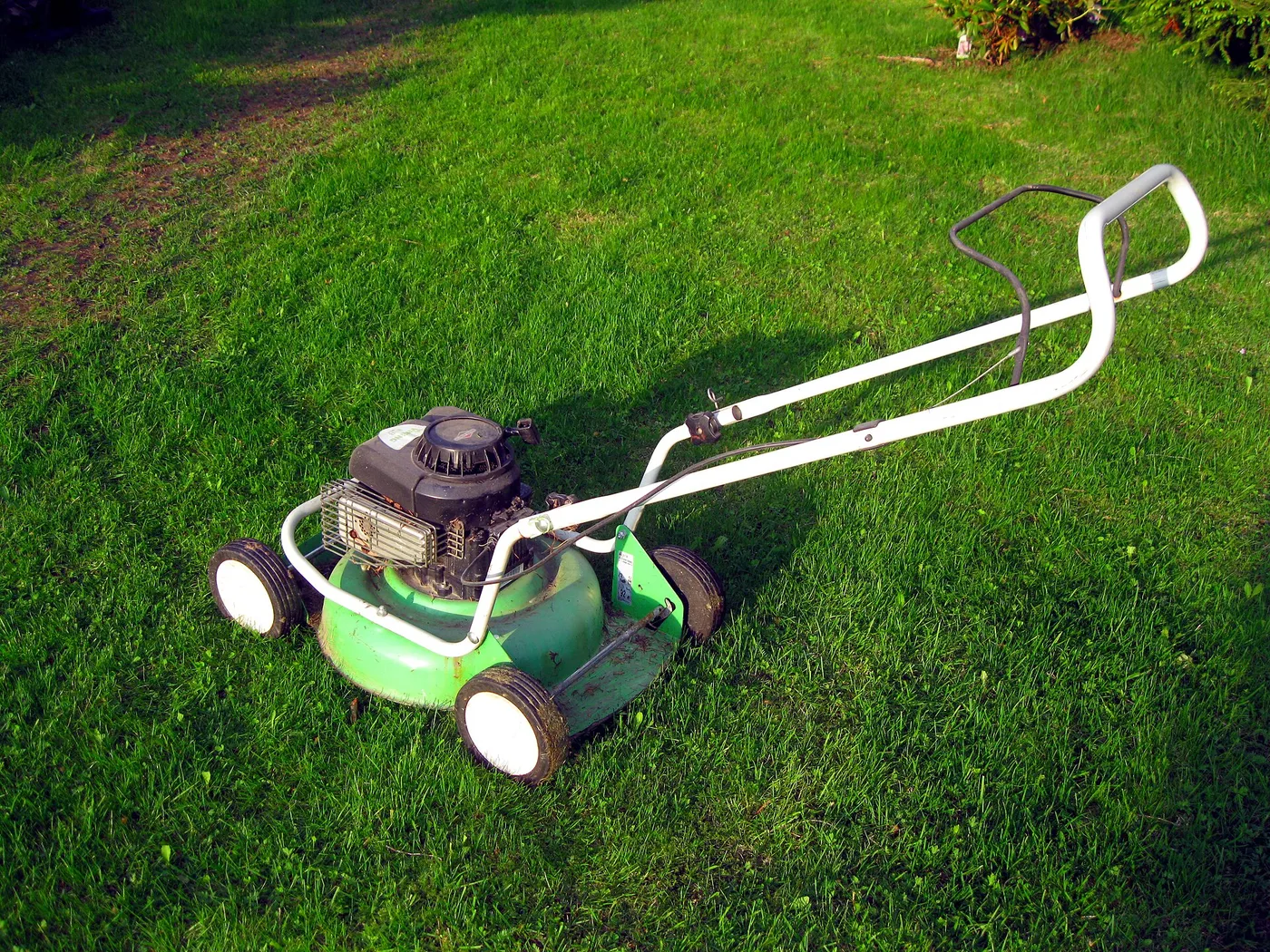
Push mowers are lighter, partly because they carry less hardware and partly because they tend to be sold on smaller decks. The lighter weight makes them easier to lift, easier to store and easier to flip onto their side for blade service. Pushing is easy as long as the grass is not deep, the ground is not soft and the mower is not full of a bagged load.
The cost of that simplicity shows up in effort. A typical walk-behind weighs somewhere between roughly forty and eighty pounds depending on deck size and power source, and pushing that weight uphill, through damp turf or with a full bag adds up over a mow.
How self-propel works
A self-propelled mower adds a transmission that turns some of the wheels. On gas models this is usually a belt or gear drive from the engine. On battery models a small separate motor, or a gear train off the main motor, powers the wheels. A bail or a bar on the handle engages the drive, and releasing it stops the wheels.
There are three drive speed controls in common use, and the difference is the main reason owners love or hate their mowers.
- Single speed: the drive runs at one fixed pace. This is the cheapest arrangement, and it is fine if that pace suits you, but you cannot slow down for trimming around beds without letting go of the bar.
- Variable speed by lever: a lever or dial on the handle sets a range of speeds. You adjust it by hand and the mower holds that pace until you change it.
- Pace-matched or smart drive: a sensor or the handle bar position adjusts speed to how hard you push or pull. This is the easiest to live with, because the mower follows your walking pace automatically.
Front, rear and all-wheel drive
Which wheels are driven changes how the mower behaves more than any other design choice. Here is how the three layouts compare in plain terms.
| Layout | Strengths | Weak points | Best use |
|---|---|---|---|
| Front-wheel drive | Easy to tip the front wheels up and turn on the spot. Good when the grass catcher is empty. | Front wheels lose grip on slopes and when the rear bag is full, because weight shifts back. | Flat yards with many turns and obstacles |
| Rear-wheel drive | Rear wheels carry the engine weight and a full bag, so traction improves as the bag fills. Strong on inclines. | Harder to pivot the front wheels up for tight turns. | Hills, long straight runs, bagging |
| All-wheel drive | Power goes to all wheels, so traction holds on wet grass, mixed terrain and slopes. | More parts, more weight and usually a higher price. | Hilly, wet or uneven lawns |
The reason rear drive suits slopes comes down to weight transfer. When you push a mower uphill, weight moves toward the back of the machine. A front-wheel drive mower can lose bite exactly when it needs it, while a rear-drive mower presses its driven wheels harder into the turf.
Slopes and why they decide the question
On a flat lawn the argument for self-propel is mostly comfort. On a slope it is about control. Walking a push mower uphill requires you to move the mower’s whole mass, and walking it downhill requires you to hold it back. Fatigue rises steeply with grade.
Always follow your manual on slope limits. Many manufacturers advise against mowing steep inclines with a walk-behind mower, and they usually recommend mowing across a slope on some machines and up and down on others, depending on the model. Check the manual for the right direction for your mower, and never mow wet slopes because the wheels can slip and the mower can slide toward your feet.
If your yard has any grade you find tiring to push on, choose rear or all-wheel drive with variable speed. A single-speed front-drive mower is the weakest choice for hills.
Weight and handling trade-offs
A self-propelled mower weighs more than a push mower of the same size, because of the transmission and heavier frame. That weight does not matter while the drive is engaged, but it matters when you lift the mower into a truck, up a step or onto a rack for blade service.
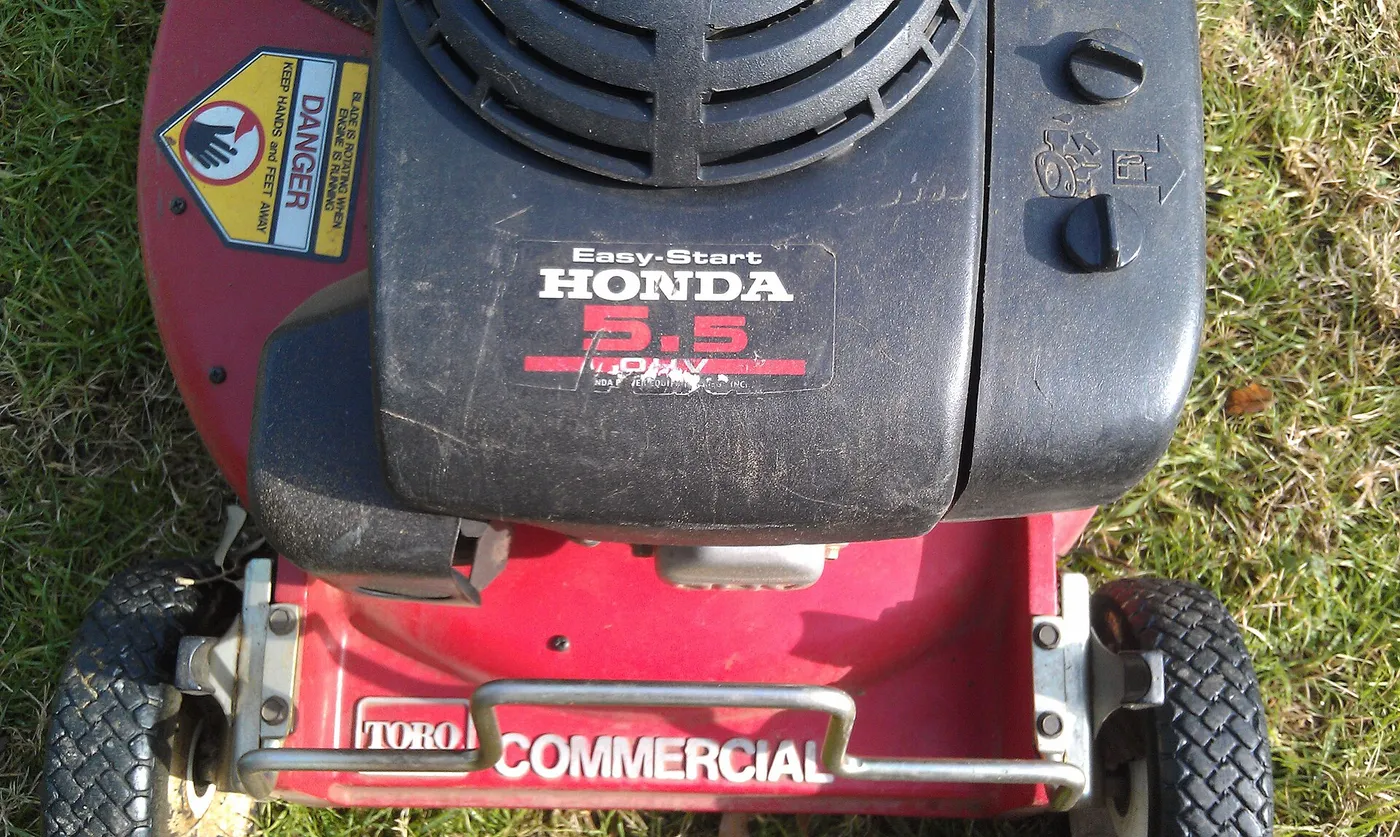
It also matters when the drive is switched off. Pushing a self-propelled mower with the drive disengaged is harder than pushing a lighter push mower, because the wheels have some drag from the gearing. If you often need to push the mower into position in a tight garage, that extra resistance is worth knowing about.
Battery models add another wrinkle. Self-propel draws power from the same pack that runs the blade, so using it shortens runtime. The effect varies by model, but if you are buying a battery mower and mow on the margin of the battery’s rated runtime, a push mower or a lower drive setting may be the practical choice.
Yard size and how long you mow
Time on the mower is the easiest way to judge. Consider how long a full mow takes at a steady pace.
| Mow time | Terrain | Suggested drive |
|---|---|---|
| Under 20 minutes | Flat | Push mower is fine |
| 20 to 40 minutes | Flat to gentle slope | Self-propel is a worthwhile comfort |
| Over 40 minutes | Any | Self-propel with variable speed |
| Any time | Steep or rough | Rear or all-wheel drive |
A larger lawn is better served by a wider deck as well as drive, and our page on matching deck width to yard size shows how many passes a given width needs. Doubling cutting width often saves more time than adding drive does.
Bagging, mulching and the extra load
Drive matters most when the mower is carrying extra weight. A full bag can add several pounds at the rear of the machine, and a mulching deck pulling clippings through the blade adds resistance. Both raise pushing effort, and both are ones where self-propel pays you back.
If you bag every mow, rear-wheel drive is the usual recommendation because the weight of the bag sits over the driven wheels. The way the deck handles grass is its own topic, so see our mulching, bagging and side discharge comparison for the discharge options themselves.
Reliability and what can go wrong
A push mower has fewer failure points. A self-propel system adds a drive cable, a clutch or bail mechanism, a transmission and drive wheels with gears. The most common failures reported by owners are a stretched or snapped drive cable, a slipping belt, and a worn drive wheel gear that no longer grips.
Most of those are inexpensive repairs on gas mowers, and parts for popular models are widely stocked. Adjusting the drive cable tension at the handle is a routine task, often described in the manual. On battery models, the drive motor and controller are less serviceable, so the warranty terms on the drive system are worth reading.
If you want the most dependable result on a modest budget, a plain push mower with a good engine or motor has less to wear out. If you value comfort and are willing to adjust a cable every season or two, self-propel is reliable enough.
Speed control in depth
Speed control deserves more attention than the drive layout, because it decides how the mower feels over a full session. Mowing is not a constant pace activity. You walk fast along a clear stripe, slow at a flower bed, nearly stop at a gate and stand still when you empty the bag.
A single-speed drive forces you to compromise. Many owners set a speed that is slightly too fast for trimming and slightly too slow for open runs, and they release the bar to slow down, which brings the wheel drive in and out and makes the mower lurch. A variable lever lets you set a pace for the section you are in, but it asks you to take a hand off the handle to change it. Pace-matched drives avoid both problems, though they are the most complex and the most likely to be a model-specific quirk to learn.
Look at the stated speed range if the maker publishes one. A lower end near a slow stroll and an upper end near a brisk walk gives you room to work. A narrow range with a fast minimum is a poor fit for someone who prefers a measured pace.
Wet grass, loose soil and traction
Traction is the place where drive wheels either shine or spin. Wet grass lowers friction under the tyres, and loose soil, sand or fresh mulch lets small tyres sink. A push mower never loses traction because you are the traction, but you also feel every pound of resistance.
Tyre design plays a role. Larger rear wheels and deeper tread give better grip, and all-wheel drive spreads the work across more contact patches. If your lawn is soft or often damp, look at wheel diameter and tread as closely as the drive layout. Some budget models use small, smooth wheels that slip long before the engine runs out of power.
A mower stuck in a damp patch can also tear up the turf if the drive wheels spin. If that sounds like your yard, a lighter push mower with a wide stance can actually be gentler on soft ground than a heavy self-propelled machine.
Handle fit, grip and posture
The handle is where you feel the drive system all day. A self-propel bar that has to be squeezed against the upper handle can cause hand and forearm fatigue over a long mow, especially for people with arthritis or smaller hands. A bar that is easy to hold and a handle height that suits your stature matter as much as horsepower.
Adjustable handle height is a genuine comfort feature. A handle set too low forces you to hunch, which loads your lower back, and a handle too high makes it difficult to push down on the front wheels when you want to turn. Many mowers offer several fixed positions. Taller owners should check the highest setting before buying.
Fold-down handles help with storage on both push and self-propelled models, but folding mechanisms vary in sturdiness. A handle that wobbles in use is tiring to control, and owners report it more often with budget units.
Routine care for the drive system
A small amount of care keeps a drive system dependable. After every few mows, clean grass out of the area around the drive wheels and the transmission housing, because a packed buildup holds moisture and wears gears. Check the drive cable adjustment at the start of each season. A properly adjusted cable engages the drive firmly when the bar is squeezed and releases fully when you let go.

If the mower creeps forward with the bar released, the cable is too tight and needs adjustment, or the drive is not disengaging, and you should stop and check before using the machine. If the drive feels weak or slips under load, a belt may be worn or the cable too loose. Follow the manual for the exact adjustment procedure, and disconnect the spark plug lead or battery before reaching under the deck.
Store the mower so the drive wheels are not sitting in standing water, and avoid hosing directly at the transmission and motor housing on battery models.
Common buying mistakes
- Buying single-speed drive and then finding it either too fast or too slow for your pace.
- Choosing front-wheel drive for a hilly yard because the model was cheaper.
- Assuming a self-propelled mower is automatically heavy to push with the drive off.
- Ignoring the effect of drive on battery runtime on a cordless model.
- Buying a self-propelled mower for a very small yard where the drive barely gets engaged.
- Forgetting storage: the heavier machine needs a ramp or a lift on steps.
Who should choose which
| Buyer | Recommended | Reason |
|---|---|---|
| Small flat lawn, fit buyer | Push mower | Lighter, simpler, cheaper to own |
| Medium lawn, mild slope | Rear-wheel drive with variable speed | Reduces fatigue and handles bags |
| Hilly or wet yard | All-wheel drive | Traction on uneven ground |
| Someone with limited strength or joint pain | Self-propelled, variable speed | Takes the pushing effort off the hands and back |
| Battery buyer at runtime limit | Push mower or a bigger pack | Drive draws from the same battery |
To compare actual models, look through our best gas lawn mowers for drive layouts and deck sizes, and our 60V battery mower picks for cordless options with drive.
Checking the drive before you buy
If you can handle a mower in a store, do a short check. Engage the drive and see whether the bail feels stiff or comfortable to hold. Notice where your hands sit when the bar is engaged, because a bar that makes you grip tightly for thirty minutes will tire your forearms. Check that the speed adjustment is easy to reach and that the handle height fits your height.
When buying online, read owner reports on the drive specifically. Owners are quick to complain when a drive is too slow, jerky or unreliable, and those comments show up in reviews that mention pace and handle comfort. Pay attention to how many mention cable or belt problems in the first year.
Frequently Asked Questions
Is a self-propelled mower worth it on a flat yard?
Often yes if the lawn takes longer than about twenty minutes or if you bag clippings. For a small flat yard that takes ten minutes, the extra weight and cost rarely pay back.
Does self-propel work if I stop walking?
On most models the mower stops when you release the drive bar or handle. On pace-matched systems the speed follows your pull on the handle, so stopping your hands slows the mower. Always confirm how your specific model responds in the manual.
Is rear-wheel drive really better than front-wheel drive?
For hills and bagging, yes, because weight shifts onto the rear wheels. For flat lawns with many turns, front-wheel drive can feel more nimble. Neither is universally better.
Can I push a self-propelled mower with the drive off?
You can, and many owners do when manoeuvring in a tight space. It feels heavier than a push mower of the same size because of the added weight and gear drag.
Do battery mowers lose runtime with self-propel?
Yes, because the drive takes power from the same pack. The effect depends on the model and terrain, so allow extra margin if you rely on drive on a slope.
Bottom line
Choose a push mower for a small, flat yard and for lower weight and simplicity. Choose self-propel when mowing takes more than twenty to thirty minutes, when there is a slope, or when you bag. Rear-wheel drive suits hills and bags, all-wheel drive suits mixed terrain, and variable speed is the feature that makes any drive pleasant to use. Match the drive to the hardest part of your lawn, not the easiest.