
The clump problem that sends people searching
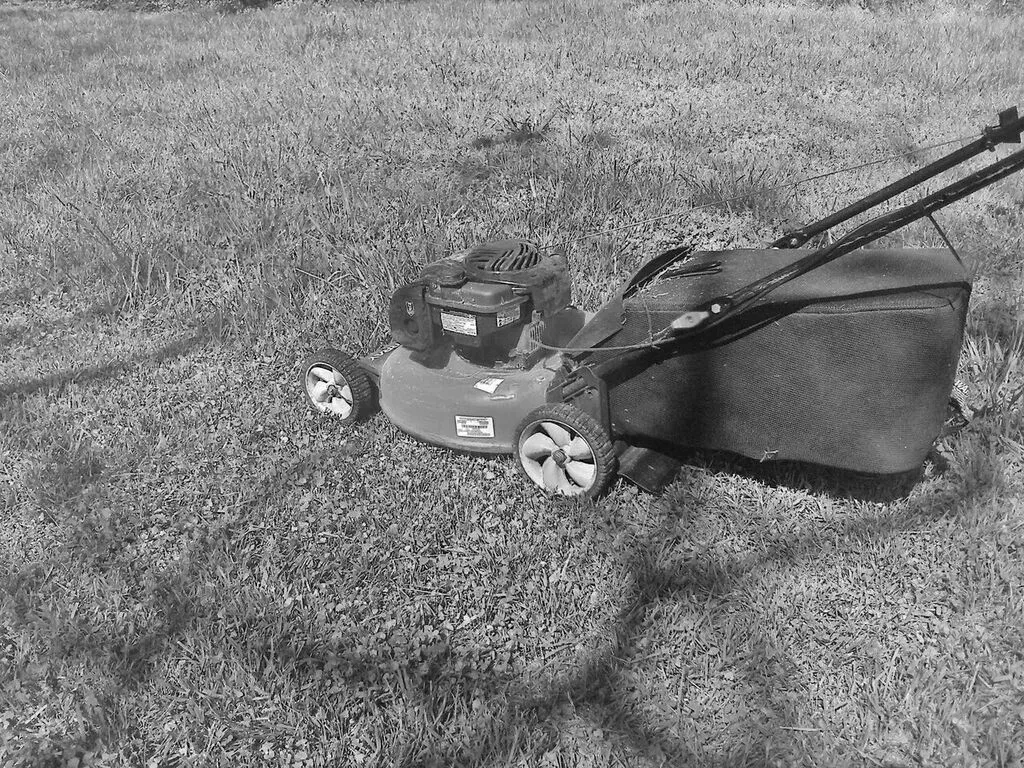
Most owners start asking about mulching versus bagging after the same experience: they mow, and a trail of wet green clumps sits on top of the lawn like a line of small snowballs. The mower was set to mulch, the grass was a bit long, and the deck could not chop and recycle the clippings fast enough. That one experience explains most of the confusion about discharge modes.
Discharge is how the mower handles the grass after the blade cuts it. There are three options, and they are not cosmetic switches. Each changes airflow through the deck, how much power the engine or motor uses, and what ends up on your lawn. The right choice depends on the grass, the weather and the goal.
How airflow through the deck works
A mower blade does two jobs. It cuts, and it lifts. The blade is shaped with an upturned edge, sometimes called a sail, that creates suction under the deck so grass blades stand up before the cut and so clippings are thrown out of the deck afterward. That airflow is the real mechanism behind all three discharge modes.
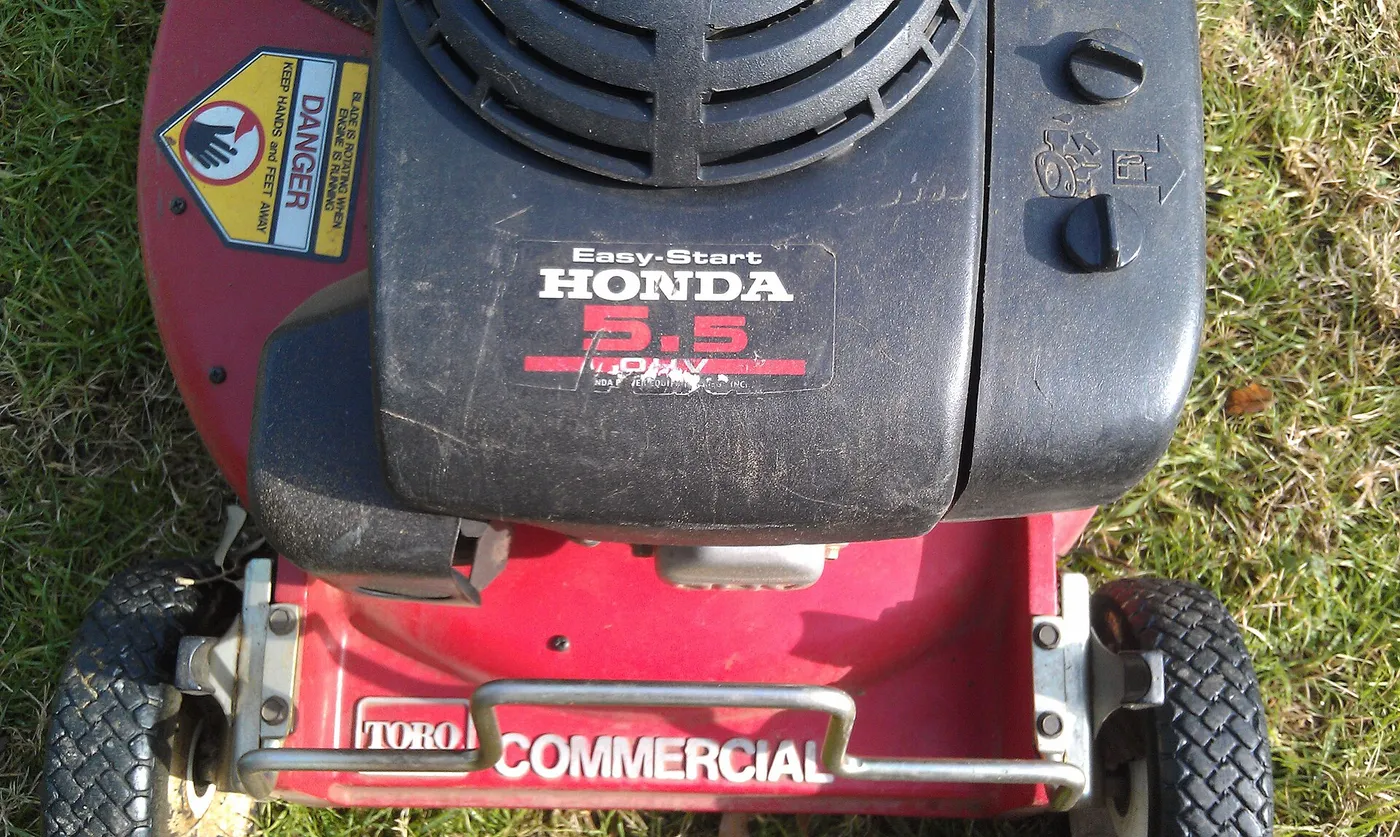
In side discharge, the deck has an open chute on one side, and the airflow throws clippings straight out of the chute onto the lawn. In bagging, the chute directs the airflow into a bag, and the air has to pass through the fabric. In mulching, the chute is closed with a plug or the deck is built with a closed chamber, so clippings recirculate under the deck and are cut several times before dropping into the turf.
Each mode therefore changes how much air the blade has to move and how long grass stays in the deck, and that is why each performs differently in thick or wet grass.
Side discharge in detail
Side discharge is the original and simplest mode. The cut grass leaves the deck through the chute and scatters on the lawn to one side of the mower. It uses the least power because the clippings spend the shortest time under the deck, which makes it the best choice for overgrown or heavy grass.
The result is a lawn with a visible scatter of clippings that settle between the blades and decompose. On a regularly cut lawn with short clippings, they vanish quickly. On a long, wet cut, the clippings can lie in thick rows that smother the grass beneath them, so you may need to rake or run the mower over them a second time.
Side discharge also throws debris sideways. Always keep the chute guard in place and point the chute away from people, pets, cars and windows. Many injuries from mowers come from thrown objects, and manufacturers specify the guard for that reason.
Bagging in detail
Bagging collects the clippings in a rear or side catcher. The airflow carries the grass into the bag, and the fabric lets air pass while holding the clippings. You empty the bag when it fills, and the lawn is left clean and visibly striped.
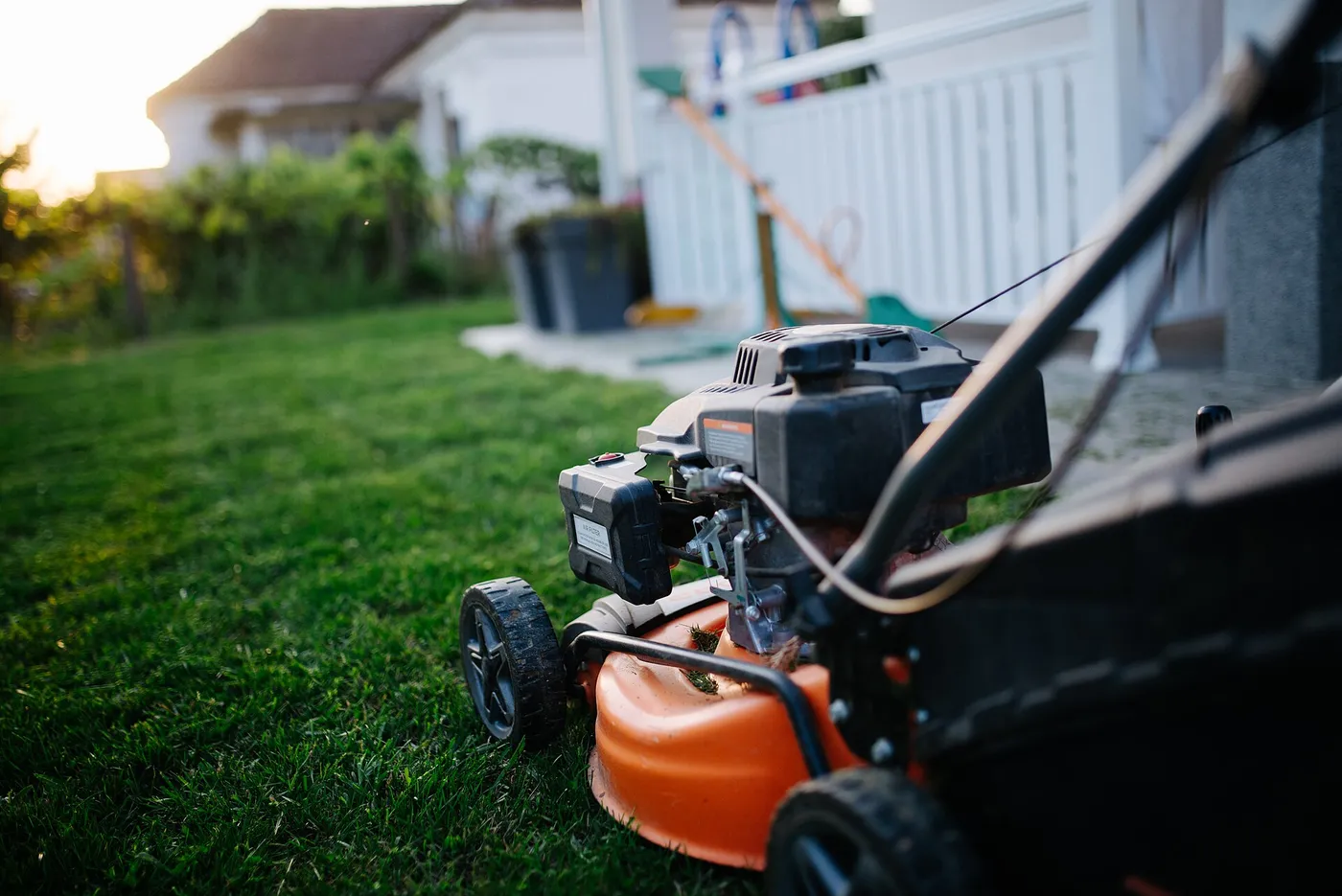
The cost of a clean lawn is effort and time. A bag fills in minutes on a thick lawn, and a full bag adds weight and hinders airflow. As the bag fills, the air has nowhere to go, the suction under the deck falls and the cut quality drops. Emptying frequently keeps the performance steady.
Bagging also adds a disposal job. Clippings go in a compost bin, a green waste collection or a pile somewhere, and a large lawn produces a surprising volume. Do not add large quantities of wet clippings to a compost pile without mixing in dry material, because they can mat and turn slimy.
Mulching in detail
Mulching, sometimes called recycling, cuts the clippings several times under the deck and drops them as fine particles that fall between the grass blades. The clippings then decompose in the thatch and return nutrients, mostly nitrogen, to the soil. It also returns moisture and organic matter, which helps lawns that are watered sparingly.
Mulching works best on a lawn that is cut frequently and not allowed to grow tall. The clippings need to be short enough to disappear into the canopy. A common guideline is to remove no more than about a third of the grass blade height in one cut. If you stay inside that, mulching is efficient and saves the work of bagging.
Mulching does demand more power because the blade recuts the clippings. That drains battery faster on cordless models and loads a small gas engine more heavily. See our gas versus battery mower comparison for how this affects runtime.
The three modes side by side
| Factor | Mulching | Bagging | Side discharge |
|---|---|---|---|
| Power demand | Highest | Medium to high, rises as bag fills | Lowest |
| Best grass condition | Short, dry, regularly cut | Tall, wet, weedy or seeding | Overgrown or heavy |
| Lawn finish | Natural, clippings hidden | Cleanest | Visible scatter, rows if wet |
| Nutrient return | Yes | No | Partial |
| Work after mowing | None | Empty and dispose | Raking if clumped |
| Safety note | Lowest throw risk | Lowest throw risk | Keep chute guard, aim away |
When each mode is the right choice
Match the mode to the situation, not to a habit.
- Mulch when you mow weekly, the grass is dry and the clippings are short. This is the default for most lawns in steady growth.
- Bag when the grass is wet, when you are cutting a lawn that has grown far too long, when you want a clean look for an event, when weed seed heads are present, or when there is lawn disease and you want to remove infected material.
- Side discharge when growth is very heavy and the mulching deck bogs down, when you need to clear the lawn quickly, or when mowing fallen leaves into a pile on a lawn you do not mind covering with a layer of shredded leaves.
It is common to use mulching most of the season, bag a few times in spring and autumn, and use side discharge occasionally. A mower that switches between modes without tools makes that practical.
Leaves in autumn
Mulching leaves is a useful trick. A lawn can handle a thin layer of shredded leaves, which break down and feed the soil. The key word is thin. If leaves are so deep that you cannot see the grass, mow in passes, shred in stages, or bag part of the material and use it as mulch for garden beds.
Dry leaves bag well, and the bag keeps a clean finish. Wet leaves clump, so avoid shredding them in a downpour. If you have a lot of leaves, a mower is not the only tool, and a leaf blower or a rake and tarp is often faster.
Deck and blade design decide the result
Not all mulching mowers mulch equally well. A true mulching deck has a closed, rounded chamber and a blade designed to recirculate clippings. A deck that simply plugs the side chute of a standard deck may mulch acceptably on light grass and fail on heavier loads. The difference shows up in how well the mower copes with a wet or long lawn.
Blade type matters too. Standard blades have a flat cutting edge with a small sail. Mulching blades have a curved, longer cutting edge and often extra cutting surfaces that chop clippings smaller. Using a mulching blade in a bagging deck can reduce bagging efficiency because the blade is not designed to maximise lift.
A sharp blade matters for every mode. A dull blade tears grass instead of cutting it, which leaves ragged tips, increases water loss and makes clumping worse. Our page on sharpening a lawn mower blade covers the routine.
Check also the engine speed and, on cordless models, the power mode. A mulch mode that automatically boosts motor speed helps on thicker grass, but it drains the battery faster.
Adjusting your technique for conditions
You can improve any mode by changing how you mow, not only what you attach.
- Mow when the grass is dry. Wet grass clumps in every mode and clogs the deck.
- Cut high on overgrown lawns. Raise the deck, cut once, lower it a notch and cut again a day or two later.
- Slow your pace. Moving slower gives the blade time to recut clippings in mulch mode and to feed the bag.
- Overlap passes slightly so the previous pass’s clippings go through again.
- Clean the underside regularly. A caked deck reduces airflow and ruins every mode.
If you are unsure how much deck you need for a given lawn, our deck size and yard size guide explains the maths.
Grass type and season change the answer
Fast-growing warm-season grasses in midsummer can add several inches in a week, and a mower that mulches well in May may struggle in July unless you mow more often. Cool-season grasses surge in spring and autumn and slow in summer heat. In those surge periods, the amount of clippings per mow is the highest, and that is when bagging or side discharge earns its place.
Coarse, stemmy grass chops less cleanly than fine turf grasses. If your lawn has wide-bladed or clumping species, expect larger clippings and more visible residue after mulching, even with a sharp blade. A slightly higher cut and a slower pace help.
Dormant lawns in drought or cold produce very little clipping, and mulching is nearly always fine. The trouble spots are the weeks of flush growth and the wet days that follow rain.
Lawn health, weeds and disease
Mulching spreads whatever the clippings carry. If weeds are seeding, the mulched clippings can spread seed across the lawn. If a fungal disease is active, such as a leaf spot or a rust that coats the grass, mulching can recycle spores into the turf. In both cases, bagging and removing the clippings is the conservative choice.
After a herbicide or fertiliser application, read the product label. Some products advise against collecting clippings for a few mows, while others advise the opposite, and the instruction depends on what is in the product and where you plan to use the clippings. Follow the label rather than a general rule.
Clippings from a lawn treated with certain weed killers should not go straight into a vegetable garden compost, because residues can harm sensitive plants. When in doubt, keep those clippings out of the garden and follow the label.
Bag size, fill rate and handling
Bag capacity is a practical spec. A small bag fills in a few minutes on a lush lawn, forcing repeated stops that erase the time you might save with a wide deck. A large bag lasts longer but weighs more when full, and a full bag hanging off the rear of a push mower changes the balance and tires your arms.
Rigid plastic hoppers hold their shape and let air flow consistently, while fabric bags flex and can collapse inwards as they fill, trapping airflow. Look for a bag with a fill indicator, a flap that rises when full, so you know when to empty without lifting the bag to check.
Make sure the bag attaches securely. A bag that loosens during a mow dumps clippings on the ground and is a nuisance on a slope. If you bag frequently, a rear-bagging mower with rear-wheel drive handles the load better than a front-drive model, as explained in our self-propelled versus push mower comparison.
Clogs and how to clear them
Every mode can clog, and clogs are almost always a symptom of grass that was too wet or long for the setting. Before clearing anything, switch the mower off, wait for the blade to stop, and disconnect the spark plug lead on a gas mower or remove the battery on a cordless one. Never clear a chute with your hand while the engine is running.

A clogged chute usually points to wet grass or a bag that is full. Empty the bag, clear the chute with a stick or tool and mow dry. A clogged mulching deck needs the underside cleaned, and a wash port or a scraper does that safely. If the problem recurs, the blade may be dull, the deck may be damaged or bent, or the engine speed may be too low to produce proper airflow.
If a battery mower stops suddenly in thick grass, it may be protecting the motor from overload. Raise the deck, slow down, and let it recover rather than forcing it.
Convertible mowers and add-on kits
Many mowers sold as 3-in-1 or 2-in-1 offer two or three modes through a plug and a bag. The plug closes the chute for mulching, and removing it allows side discharge or bagging. On a well-designed deck this works fine, but on some budget models the mulch plug is a compromise.
Check how easily the mower changes modes. A lever that switches modes in seconds is likely to be used, and a mode that needs tools and a trip to the shed gets ignored. If you want all three modes, look at how large the bag is and whether it is easy to remove and empty, since a small or awkward bag turns bagging into a chore.
When comparing models, look at the design notes in our gas mower roundup and our 40V mower roundup, where we note which models offer which discharge options and how convenient they are.
A simple seasonal routine
A practical plan avoids the all-or-nothing argument. In spring, when growth is fastest and the ground is wet, bag the first one or two cuts or use side discharge on the tallest areas, then switch to mulching once the lawn is under control. Through summer, mulch on a regular schedule, mowing before the grass gets far past your target height. In autumn, mulch light leaf fall with the grass, and bag or remove the leaves once they are too deep to shred into the turf.
Keep a spare minute at the end of each mow to check the deck underside and the chute. A short routine of rinsing the deck, checking blade sharpness and emptying the bag extends mower life and keeps every discharge mode working the way the manufacturer intended.
If you remember only one habit, make it mowing dry grass on a regular schedule with a sharp blade. That single combination does more for mulching quality, bag fill and clump control than any change of mode, and it costs nothing.
Frequently Asked Questions
Is mulching better for the lawn than bagging?
For a healthy lawn cut regularly, yes. Mulching returns nutrients and moisture to the soil and saves work. Bagging is better when grass is tall, wet, diseased or full of weed seeds.
Why does my mulching mower leave clumps?
Usually the grass was too long or too wet, the blade is dull, or the underside of the deck is clogged. Mow dry, raise the deck, slow down and clean the deck. If clumps persist, the deck may not be a true mulching design.
Can I use a mulching blade for bagging?
You can, but bag performance often drops because mulching blades lift less. Use a blade that matches the mode you use most, or switch blades if you alternate seasonally.
Is side discharge bad for the lawn?
Not by itself. It leaves clippings on the surface, which is harmless if they are thin, but heavy wet rows can smother grass. Spread or rake any thick patches.
Do I need to bag in the autumn?
Not always. Thin layers of shredded leaves can stay. If leaves cover the grass completely, bag part of them or remove them, because a thick mat blocks light and invites disease.
Bottom line
Mulch by default when you mow often and the grass is dry. Bag when the lawn is long, wet, weedy or diseased, or when you need a clean finish. Use side discharge for heavy growth or fast clearing, keeping the chute guard in place and aiming it away from people. A mower with a true mulching deck, a sharp blade and an easy mode switch will handle all three, and a clean deck underside makes every mode work better.