
What propane and tri fuel mean
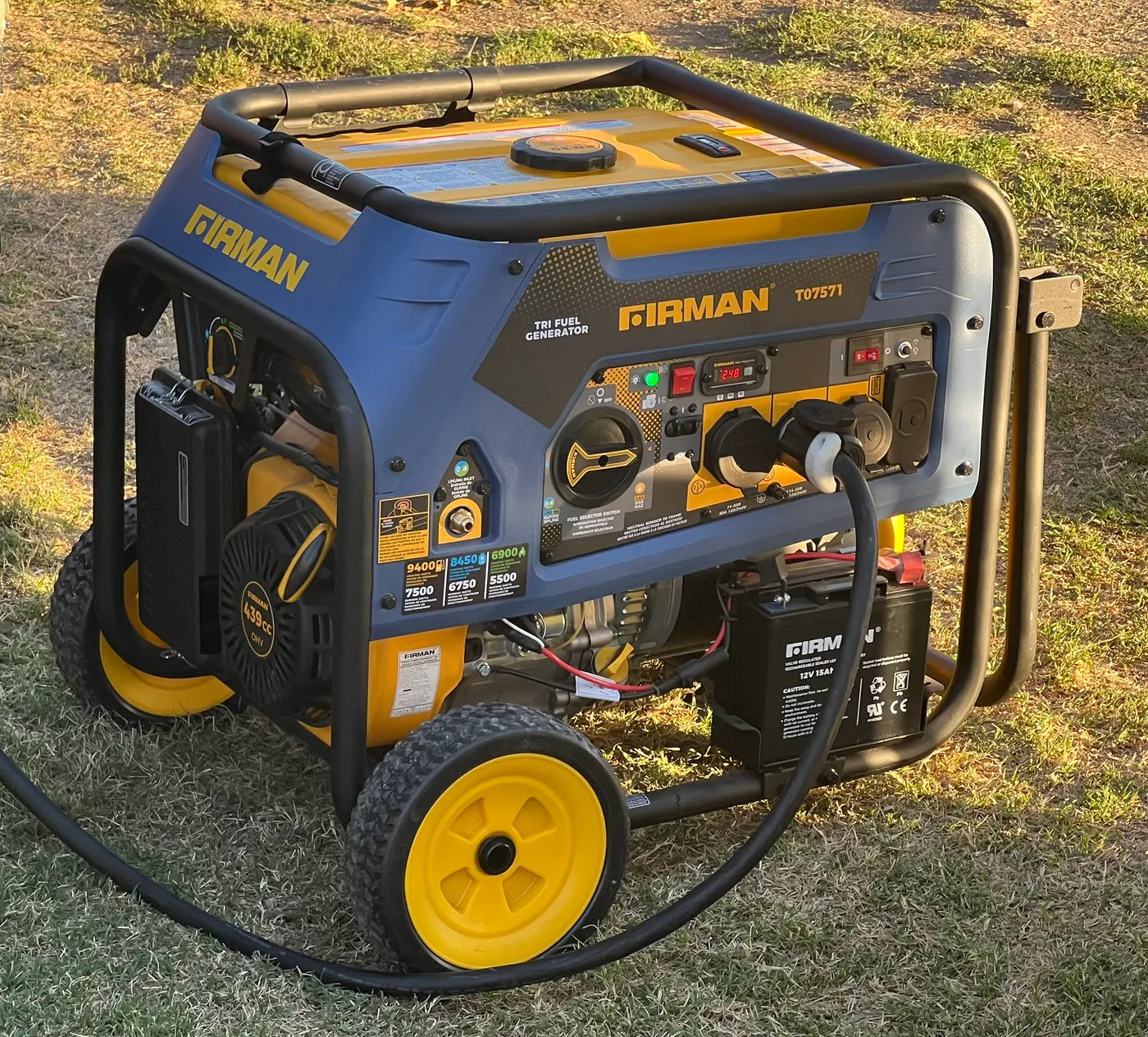
A propane generator is an engine generator configured to burn liquefied petroleum gas supplied as vapor. The term can describe a propane only machine, a dual fuel generator using gasoline or propane, or a tri fuel generator that also accepts natural gas. Always read the actual fuel list instead of relying on the category name.
A tri fuel portable generator normally operates on gasoline, propane, or natural gas, one at a time. Gasoline comes from the onboard tank. Propane comes from a cylinder or approved vapor supply through a hose and regulator. Natural gas comes from a building fuel system through a shutoff, quick connection, hose, and the generator's demand regulator.
Fuel capability does not mean equal output. Manufacturers publish separate running and starting ratings because engine power changes with fuel and calibration. On one current Westinghouse example, published peak output steps from 14,500 watts on gasoline to 13,500 on propane and 12,000 on natural gas. Those figures illustrate one model only, not a universal derating formula.
| Fuel | Supply | Typical portable setup | Main planning issue |
|---|---|---|---|
| Gasoline | Liquid stored in onboard tank | Fuel cap, tank, valve, carburetor | Storage degradation and refueling |
| Propane | Pressurized liquid that vaporizes | Cylinder, valve, hose, regulator | Vaporization and cylinder capacity |
| Natural gas | Low pressure building supply | Shutoff, sized piping, quick connect, hose | Pressure and flow at full generator demand |
How gaseous fuel reaches the engine
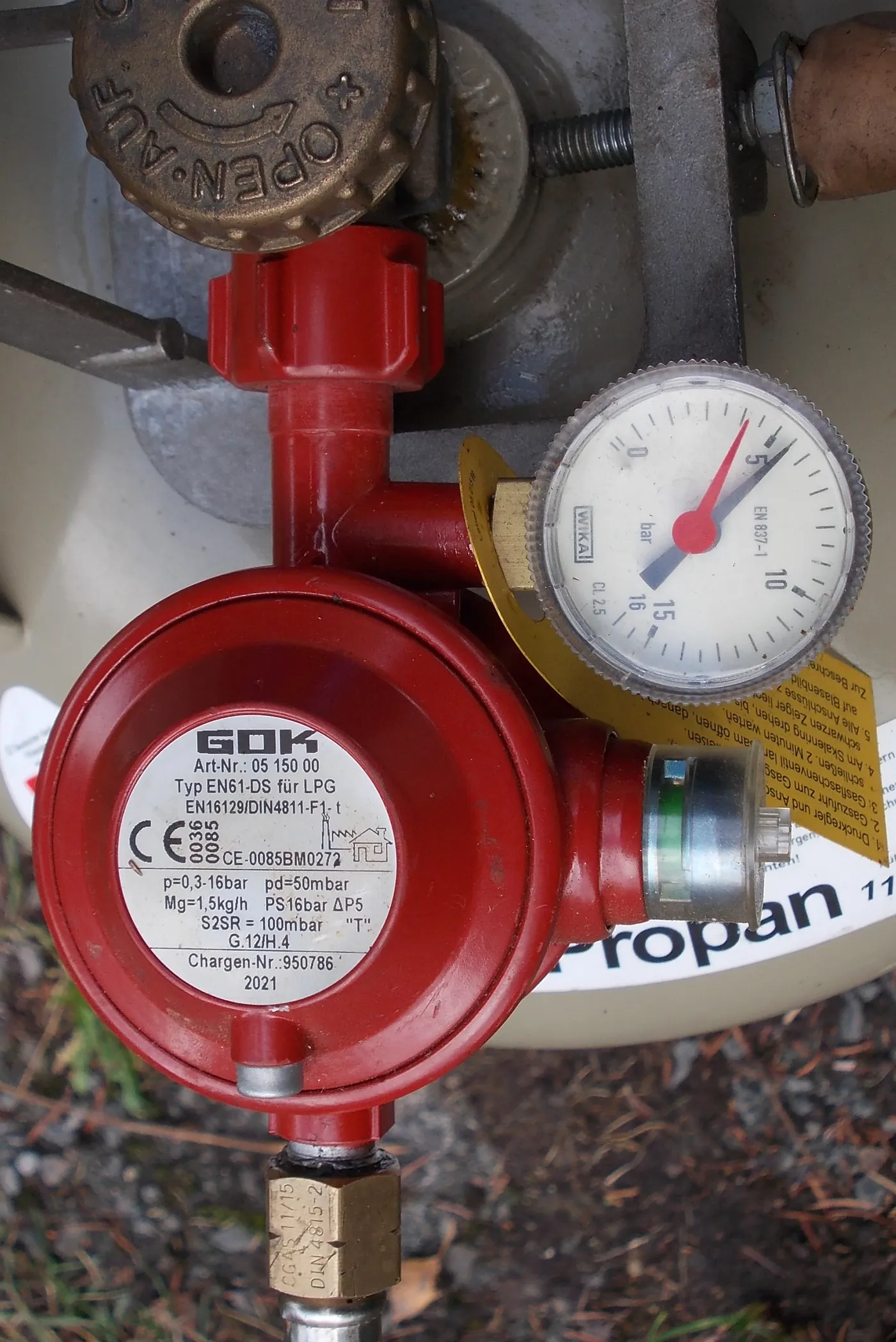
Gasoline is drawn into a carburetor, atomized, and mixed with intake air. Propane and natural gas arrive as vapor. A demand regulator responds to engine intake vacuum and meters gas only while the engine is drawing air.
The upstream regulator has a different job. It reduces supply pressure to the range the generator's internal system expects. A bulk propane tank or natural gas meter can require additional regulation before fuel reaches the generator.
These parts cannot be selected from hose diameter alone. Generator inlet pressure, full load fuel consumption, pipe length, fittings, elevation changes, and other appliances on the same supply all influence available flow.
Generac publishes example inlet ranges for certain standby equipment of 10 to 12 inches of water column for LP vapor and 3.5 to 7 inches for natural gas. Those values are model dependent and must not be copied to a portable generator without its own documentation.
Pressure is not flow: a gauge can show acceptable static pressure while an undersized line fails to deliver enough gas after the generator reaches heavy load.
Why output drops on gaseous fuels
An engine makes torque from the energy released by the fuel and air charge in its cylinder. Gaseous fuel occupies intake volume that would otherwise contain air, and each fuel has different energy characteristics and mixture requirements. The engine can maintain its governed speed but produce less maximum torque.
Generator manufacturers account for this by publishing fuel specific ratings. Natural gas often receives the lowest rating, with propane between natural gas and gasoline. The exact order is common, but the size of each step depends on the engine, fuel system, and calibration.
Never apply a generic 10 or 20 percent reduction when an actual specification exists. Compare the load list with the running and starting output for the planned fuel. Motor startup that succeeds on gasoline may overload the same generator on natural gas.
Altitude and temperature can reduce available engine power further. Follow the manufacturer derating instructions and treat gaseous fuel output as the starting point, not a guarantee under every environment.
Propane cylinder sizing and vaporization
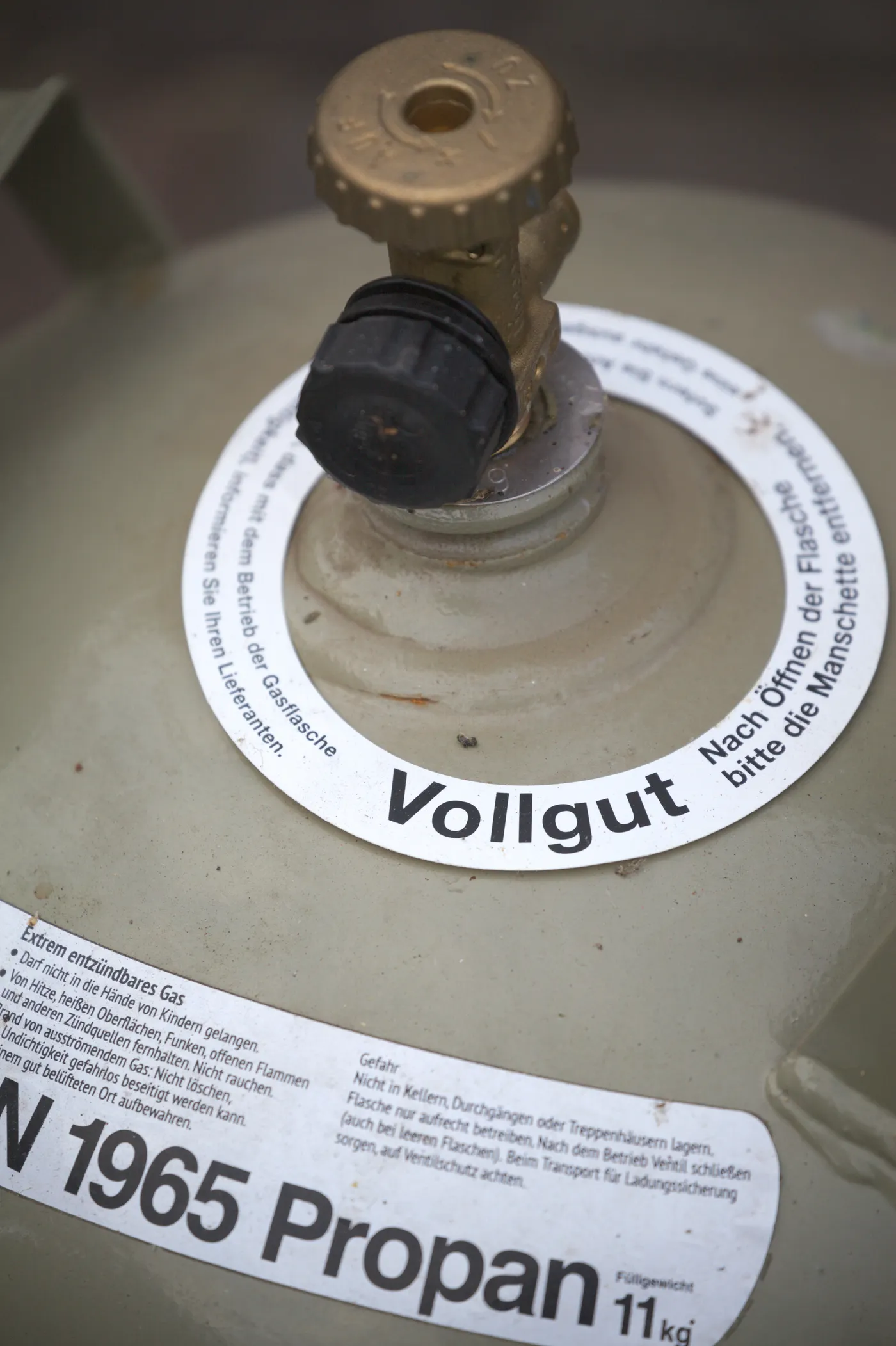
A portable propane cylinder stores liquid fuel under pressure while the generator normally consumes vapor. Heat from the surrounding air boils liquid propane. As vapor leaves, the cylinder cools and the vaporization rate can fall.
Cold weather, low fill level, high generator load, and a small cylinder can combine to starve the engine. Frost can form on the cylinder exterior as heat is removed. The generator may surge or stop even though liquid remains inside.
A larger cylinder provides more surface area and fuel mass, which can improve vapor delivery. Connecting cylinders together or using a bulk tank requires approved equipment and professional guidance. Do not improvise manifolds, regulators, or heat sources.
Readers selecting equipment specifically for mobile propane use can compare the systems in our propane generator guide for RVs. Cylinder storage and generator placement remain separate safety decisions.
Natural gas line sizing
A home natural gas line is not automatically capable of serving a portable generator. The gas meter, regulator, pipe diameter, developed length, fittings, and demand from furnaces, water heaters, dryers, ranges, and other appliances determine available capacity.
Line pressure must remain within the generator's specified range while the unit is carrying load. Static pressure measured with the engine off cannot prove adequate flow. A licensed gas professional can calculate capacity and perform dynamic pressure checks.
The connection should include approved shutoff and quick disconnect equipment arranged according to code and manufacturer instructions. Hoses have maximum lengths and flow limits. Extending a hose with unapproved fittings can reduce supply and create leak points.
Natural gas convenience is valuable during a long outage because it avoids repeated liquid refueling, but utility gas is not guaranteed during every disaster. Earthquakes, local damage, maintenance, or emergency shutoff can interrupt service. Tri fuel flexibility is useful precisely because no single supply is absolute.
BTUs, pressure, and watts are different
Fuel consumption may be listed in British thermal units per hour, cubic feet per hour, gallons per hour, or pounds per hour. Electrical output is listed in watts. These measurements describe different parts of the energy path and cannot be substituted directly.
A BTU per hour figure helps a gas professional size the supply. It does not equal electrical output because the engine and alternator lose energy as heat, friction, exhaust, and electrical losses. Generator efficiency also changes with load.
Pressure describes force per area in the fuel system. Adequate pressure without adequate pipe capacity still fails under demand. Conversely, excessive inlet pressure can overwhelm a regulator and create unsafe operation.
Use the manufacturer's full load fuel consumption and inlet pressure specification together. If either is missing, request the correct technical document instead of estimating from a similar model.
Fuel switching controls
A selector knob can change mechanical valves, electronic solenoids, or both. It routes the selected fuel and may change ignition or mixture settings. The simplicity of the control panel hides a system that must prevent unintended crossflow.
Some tri fuel generators permit switching with the engine running after electrical loads are removed. Others require shutdown. Follow the exact manual, connect the new supply securely, and wait for the engine to stabilize before adding load.
Remember that output changes during the switch. Moving from gasoline to natural gas can make the previous load too large. Shed discretionary circuits before changing fuel and rebuild the load gradually.
Exercise every fuel path periodically. A natural gas quick connection that has never been opened and a propane regulator stored for years should not receive their first inspection during a storm.
Factory tri fuel versus conversion
A factory tri fuel generator includes documented connections, controls, ratings, and operating procedures for all three fuels. Certification and warranty terms are tied to that configuration. This gives the owner a clear reference when sizing loads.
Conversion kits can add gaseous fuel capability to some gasoline generators. Compatibility must be confirmed for the exact engine and carburetor. Conversion can affect output, emissions compliance, warranty coverage, and safety listing.
A demand regulator and hose that physically fit are not proof of correct calibration. The engine must receive the correct mixture across starting, idle, transition, and full load. Incorrect fuel delivery can cause hard starting, low power, overheating, or hazardous leakage.
Use approved model specific equipment and qualified installation when required. Never drill a carburetor, defeat a safety control, or connect building gas through improvised fittings.
Tri fuel inverter generators
Tri fuel describes the engine's fuel options, while inverter describes the electrical conversion architecture. A tri fuel inverter generator combines gaseous fuel flexibility with low distortion output and variable engine speed at lighter loads.
This combination is useful for electronics, home essentials, RVs, and neighborhoods where noise matters. It also adds complexity: three fuel paths, electronic power modules, sensors, regulators, and an enclosure that must remain clear for cooling.
Compare output on all three fuels, available 120 and 240 volt service, receptacles, THD, parallel capability, and runtime conditions. The tri fuel inverter generator guide organizes those specifications by real operating use.
A high gasoline starting number should not dominate the decision if the unit will remain connected to natural gas. Use the natural gas running and starting figures as the actual capacity.
Maintenance and storage
Gaseous fuel avoids stale gasoline in its active path, but the engine still needs oil changes, air filter service, spark plug inspection, battery maintenance, and periodic exercise. Hoses and regulators require inspection for age, abrasion, heat damage, and contamination.
If gasoline has been used, follow the manual's storage procedure for the tank and carburetor. Later propane operation does not automatically remove gasoline residue from unused passages.
Cap gas connections during storage to keep out insects, water, and debris. Protect hoses from sunlight, sharp bends, rodents, and hot exhaust. Replace components according to manufacturer and regulatory requirements.
Record exercise dates and fuel used. A generator that runs correctly on gasoline has not proven that its natural gas supply can support full electrical load.
When the fuel supply itself fails
Fuel flexibility is usually sold as convenience. Its real value is that each of the three supplies fails in a different way, so holding two of them is what keeps the machine running.
A natural gas connection needs no refuelling and no storage, which makes it the easiest fuel to live with during a long outage. It is also the one supply you do not control. Service can be interrupted by work on the main, by damage after a storm, and by the automatic or manual shutoff at the meter that follows a significant earthquake. Utilities also ask customers not to restore gas themselves after a shutoff, so the restart may wait for a technician.
Propane is yours once the cylinder is filled, and it stores for years without degrading, but the quantity is fixed at whatever you have on hand and refilling during a regional outage can mean queueing.
Gasoline is the most widely available and the least patient. It degrades in storage, it attracts condensation, and the pumps that dispense it need electricity.
Plan the pair, not the machine: a tri fuel generator with only a gas line connected has one point of failure. The same machine with a filled cylinder in the garage has two independent supplies, which is the entire point of buying it.
Safety for all three fuels
All three fuels produce carbon monoxide in a portable generator engine. Operate the machine outdoors at least 20 feet from buildings, with exhaust directed away from doors, windows, vents, and neighboring structures. Natural gas does not make indoor use acceptable.
Gas leaks create fire and explosion hazards. Propane vapor is heavier than air and can collect in low areas. Natural gas generally rises, but it can accumulate beneath roofs or inside structures. If gas odor is detected, stop operation if safe, close the supply, leave the area, and follow utility or supplier emergency guidance.
Keep hoses away from exhaust heat, rotating parts, sharp edges, and traffic. Leak check connections by the manufacturer approved method and never use a flame. Gas piping and regulators should be installed or evaluated by qualified professionals.
For general buying tradeoffs between gasoline and propane, see our dual fuel generator pros and cons. The tri fuel decision adds natural gas infrastructure, which is the defining complication.
Natural gas convenience begins at the meter: the entire supply path must carry full generator demand while other gas appliances operate. A quick connect alone proves nothing about capacity.
Commissioning a natural gas connection
A new connection should be proven under load before it becomes part of an emergency plan. The gas professional should confirm pipe sizing, regulator arrangement, shutoff access, connector rating, and required permits. The generator manual supplies inlet pressure and full load consumption for the calculation.
After leak testing, start the generator with electrical load removed and observe stable operation. Add load in planned steps while dynamic gas pressure is checked by qualified personnel. A system that idles correctly can still starve when the generator approaches full output.
Operate other major gas appliances during the evaluation when the design expects simultaneous use. A furnace or water heater starting can reduce supply pressure available to the generator. The complete building demand, not the generator alone, controls line sizing.
Label the shutoff and keep the approved hose capped when disconnected. Protect the quick connection from water, dirt, insects, vehicle impact, and unauthorized use. Do not leave a hose permanently across a walkway.
Record the tested generator load on natural gas. If later appliances are added to the gas system, have capacity reviewed again. A meter or regulator upgrade can change pressure and requires professional recommissioning.
For buyers who do not have a verified natural gas supply, a factory dual fuel machine may be the more practical choice. The dual fuel generator comparison covers gasoline and propane systems without assuming a building gas connection.
Commission propane operation separately. Confirm the approved regulator, cylinder position, hose route, valve operation, and cold weather capacity. A successful natural gas test does not prove that a small propane cylinder can vaporize enough fuel for the same electrical load.
Finally, test the switch back to gasoline after gaseous fuel operation. Inspect the stored gasoline, carburetor condition, battery, and selector. Tri fuel resilience depends on all three paths remaining functional, not merely on the labels printed around the control knob.
Keep separate load limits for gasoline, propane, and natural gas beside the operating instructions. The person starting the generator during an outage should not need to search a product page to learn which circuits must remain off.
Update those written limits immediately whenever the generator, regulator, gas meter, piping, or essential load list changes materially.
Frequently Asked Questions
What fuels can a tri fuel generator use?
It normally uses gasoline, propane, or natural gas, one at a time. Confirm the exact model because product naming and available connections vary.
Can I connect a tri fuel generator to any gas outlet?
No. The outlet, piping, meter, regulator, pressure, and flow must meet the generator specification at full load. A licensed gas professional should evaluate the system.
Why is natural gas output lower?
Gaseous fuel changes the energy and air charge available to the engine. Use the manufacturer's natural gas rating because the exact reduction depends on engine and fuel system design.
Can a propane generator use a barbecue regulator?
Only if the generator manufacturer specifically approves that regulator and configuration. Similar fittings do not prove correct pressure, flow, or safety performance.
Can I switch fuels while running?
Some models permit it with electrical loads removed, while others require shutdown. Follow the exact sequence in the generator manual.
Does natural gas eliminate refueling?
It removes repeated liquid fuel handling while utility service remains available. It does not guarantee uninterrupted supply, and the generator still needs shutdowns for inspection, oil service, and other maintenance.
Is a conversion kit equivalent to factory tri fuel?
Not automatically. Factory equipment provides published ratings and documented controls, while a conversion can affect certification, warranty, mixture calibration, and output.
Bottom line
A tri fuel generator is valuable when three genuinely prepared fuel supplies improve resilience. Gasoline usually delivers the highest model rating, propane simplifies stored fuel, and natural gas supports long operation without repeated refilling. The natural gas advantage depends on professionally verified pressure and flow, while every fuel still requires outdoor placement, carbon monoxide protection, correct regulation, and model specific load sizing.