
What dual fuel means
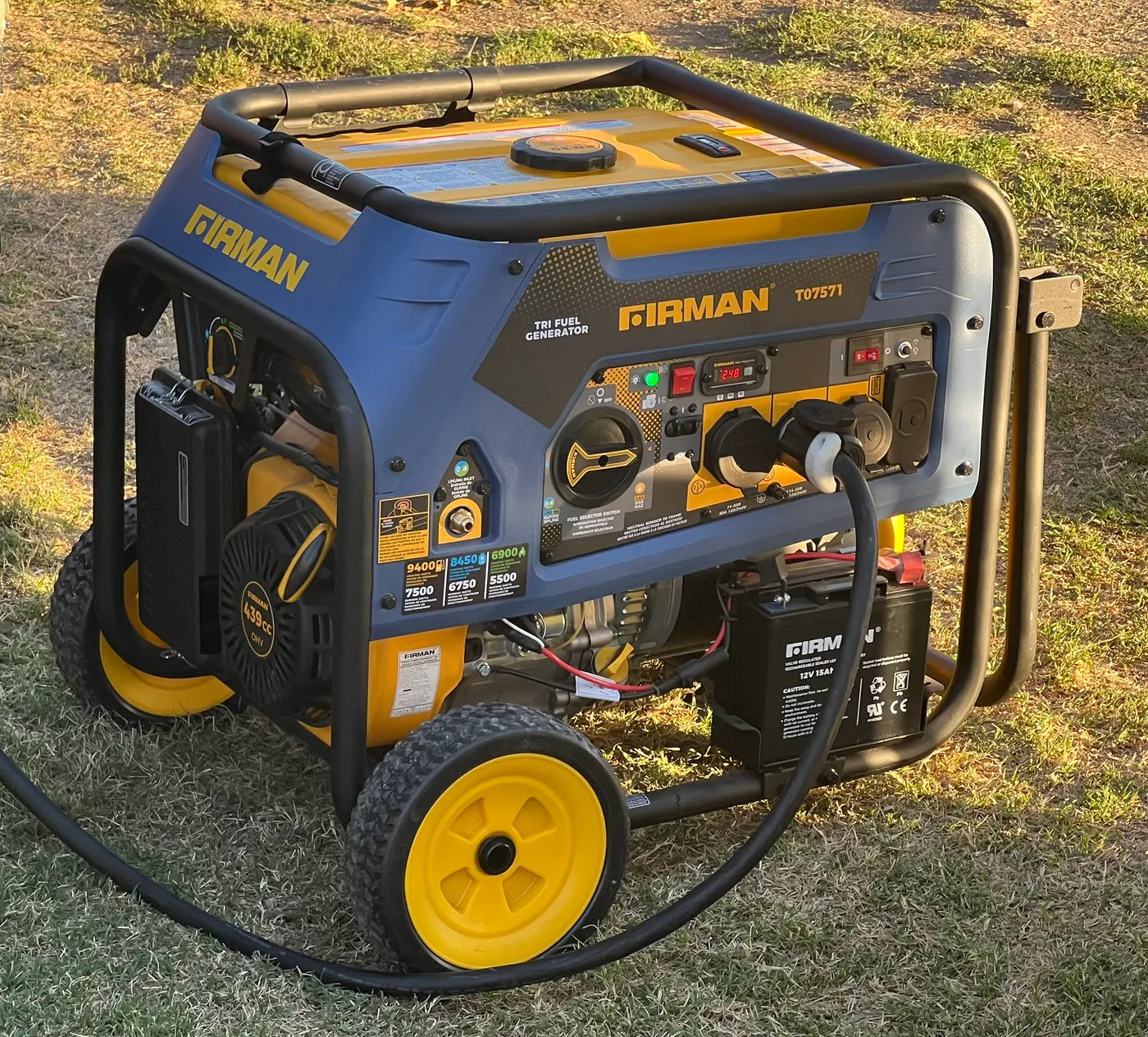
A dual fuel portable generator is one engine designed to operate on either gasoline or propane. Gasoline feeds through the onboard tank and carburetor circuit. Propane arrives from an external cylinder through a hose, pressure regulator, and demand controlled fuel path.
The generator does not normally blend the two fuels. A selector valve or control chooses one source, and the manual defines whether switching can occur while the engine is running. Some models support fuel changes under controlled conditions, while others require shutdown.
Dual fuel capability improves flexibility, but it does not create identical performance on both fuels. Manufacturers normally publish separate running and starting ratings. Gasoline commonly receives the larger figures, so the propane column must be used when propane is the planned fuel.
| Factor | Gasoline | Propane |
|---|---|---|
| Published generator output | Usually the higher rating | Often lower on the same model |
| Storage behavior | Degrades and can leave deposits | Fuel remains stable, but cylinder and valve condition matter |
| Fuel system after storage | Carburetor can gum if fuel is left untreated | No liquid gasoline residue from propane operation |
| Cold weather | Engine starting and fuel volatility matter | Vaporization rate can limit fuel delivery |
| Refueling | Requires shutdown, cooling, and liquid handling | Cylinder exchange avoids pouring fuel |
| Runtime comparison | Depends on tank size and load | Depends on cylinder fill, load, temperature, and vaporization |
Advantage: fuel flexibility
The strongest reason to buy dual fuel is resilience. Storms and regional outages can disrupt one fuel supply while another remains available. Stored propane can cover the first hours of an outage, while gasoline obtained later can extend operation.
Flexibility also allows fuel to be matched to the job. An owner may use propane for periodic exercise and short outages to reduce gasoline storage problems, then use gasoline when maximum generator output is required. The engine and fuel system still need maintenance on either fuel.
This benefit exists only when both systems are ready. An empty cylinder, expired or damaged hose, stuck regulator, stale gasoline, or selector that has never been operated turns a dual fuel generator into a single unavailable fuel generator. Exercise the machine on both fuels according to the manual.
Two fuels require two plans: store each fuel correctly, inspect each delivery path, and know the starting and shutdown procedure for both before an outage.
Advantage: propane storage
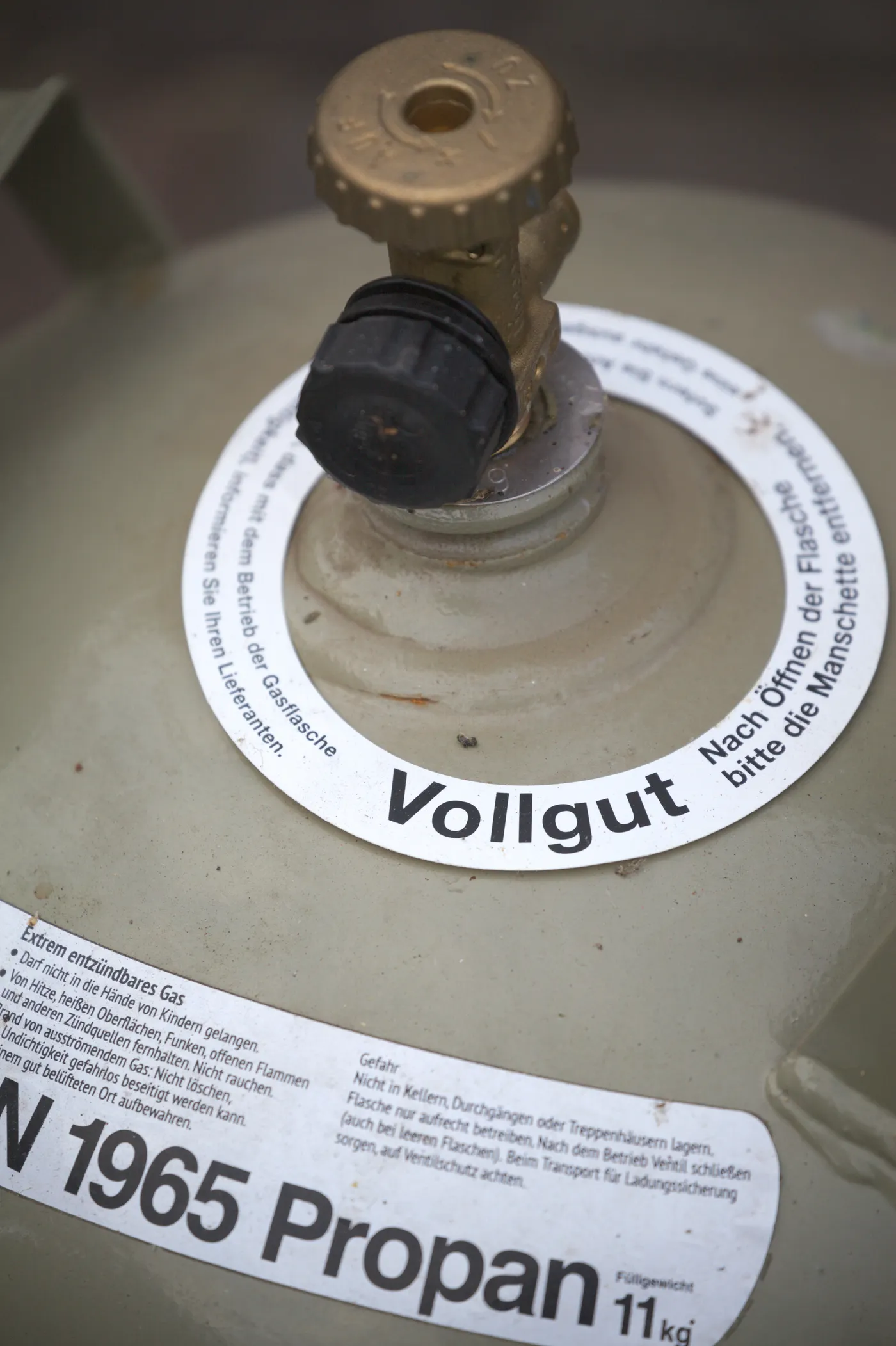
Propane does not oxidize and form varnish in a carburetor the way gasoline can. That makes it useful for equipment that may sit between emergencies. A sound cylinder can hold usable fuel without the rotation schedule demanded by stored gasoline.
The statement that propane lasts indefinitely needs qualification. The fuel may remain stable, but cylinders, valves, relief devices, regulators, and hoses age and can be damaged. Inspection, recertification requirements, storage rules, and local fire codes still apply.
Store cylinders upright outdoors in an approved location away from ignition sources, openings, and excessive heat. Do not store propane cylinders in living areas, basements, or attached garages. Follow cylinder supplier and local authority guidance.
Gasoline requires approved containers, safe quantities, ventilation, separation from ignition sources, and rotation. Stabilizer can slow degradation but does not make old fuel permanent. The generator manual defines acceptable gasoline and storage procedure.
Advantage: a cleaner fuel path
Propane enters the engine as vapor and does not leave liquid gasoline in the carburetor bowl. Owners who routinely operate and shut down on propane avoid some of the deposits that block gasoline jets after storage.
This does not make the engine maintenance free. Oil still becomes contaminated, air filters collect dirt, spark plugs wear, valve clearances can change, batteries discharge, and rodents can damage wiring. Combustion deposits and exhaust remain present.
A dual fuel carburetor still contains gasoline passages. If gasoline is used and left in the bowl, those passages can gum even when later operation occurs on propane. Follow the manufacturer's fuel draining or storage procedure rather than assuming propane cleans the gasoline circuit.
Disadvantage: lower propane output
Many manufacturers rate the same generator lower on propane than on gasoline. The exact difference depends on engine calibration, carburetion, regulator system, and model. It should be read from the specification instead of estimated with one universal percentage.
This matters most near capacity. A load list that fits under the gasoline running rating may exceed the propane running rating. A pump or air conditioner that starts on gasoline may trip overload protection when the machine is switched to propane.
Compare both running and starting figures. Some product pages emphasize the largest gasoline peak number while placing propane continuous output deeper in the table. Size from the fuel you expect to use in the worst operating condition.
Our running and starting watts guide explains how to apply the two ratings without double counting the motor load. Fuel selection changes the generator side of that comparison, not the appliance demand.
Disadvantage: cold weather vaporization
Propane is stored as liquid under pressure but the engine normally consumes vapor. Heat from the surrounding air enters the cylinder and boils liquid propane into vapor. As fuel vaporizes, the cylinder cools, which can reduce the rate at which more vapor becomes available.
Cold ambient temperature, a low fill level, a small cylinder, and high engine demand can combine to starve the generator. Frost on the cylinder exterior can be evidence of strong cooling and limited heat transfer. The engine may surge, lose power, or stop even though liquid fuel remains.
Do not heat a propane cylinder with a flame, heater, hot water, or improvised device. Use a cylinder size and fuel system approved for the generator and expected temperature. A propane supplier can evaluate vaporization capacity and legal storage arrangements.
Gasoline engines also face cold starting issues, including battery performance and oil viscosity, but they are not dependent on cylinder vaporization. Follow the specified oil grade and cold start procedure for either fuel.
Runtime is not a simple fuel comparison
Runtime depends on usable fuel quantity, electrical load, engine efficiency, operating mode, and environmental conditions. A gasoline tank and a propane cylinder cannot be compared from container size alone because the fuels are stored and described differently.
Manufacturer runtime claims may use quarter load for one model and half load for another. Propane figures may assume a particular cylinder fill. Read every condition beside the advertised hours.
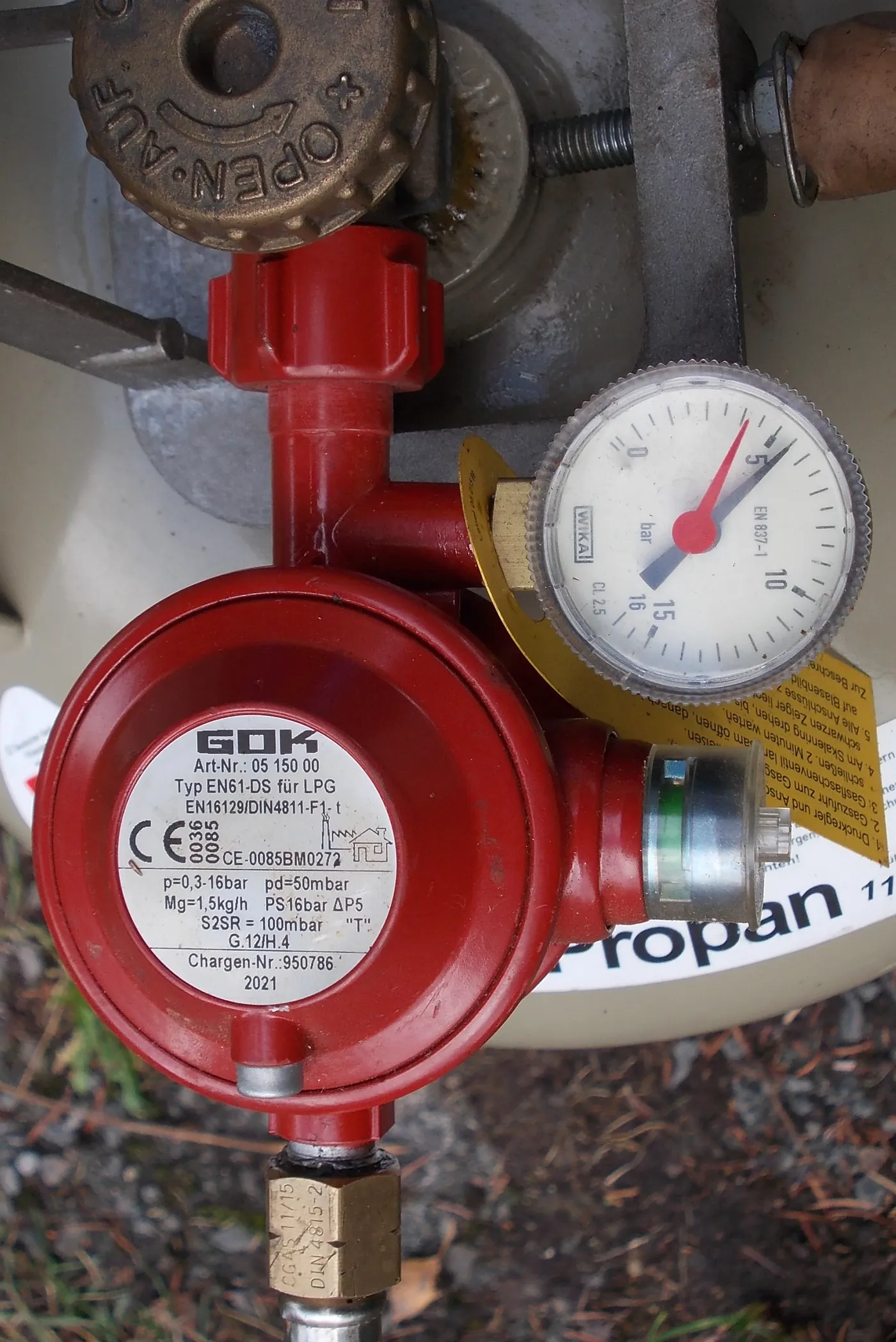
A larger cylinder can extend available fuel and improve vaporization capacity, but hose length, regulator compatibility, storage rules, and transport become more important. Use only the connection equipment approved for the generator.
Never refill a running or hot gasoline generator. Shut it down and allow it to cool. When changing a propane cylinder, close the valve, eliminate ignition sources, inspect the connection, and leak check exactly as the manual directs.
Switching fuels correctly
Fuel switching procedures differ. Some generators allow switching through a selector while the engine continues to run with electrical loads removed. Others require shutdown, connection changes, or purging. The exact manual controls.
Before switching, reduce or disconnect electrical load so the engine is not asked to manage a fuel transition and a motor surge at the same time. Confirm that the new fuel supply is connected, its valve is positioned correctly, and the selector fully engages.
After the engine stabilizes, restore loads gradually. Remember that available output may have changed. Moving from gasoline to propane can require shedding a load that fitted under the gasoline rating.
Do not modify the regulator spring, drill jets, bypass interlocks, or assemble a fuel hose from unapproved components. Propane leaks can collect in low areas and ignite.
Dual fuel inverter or open frame
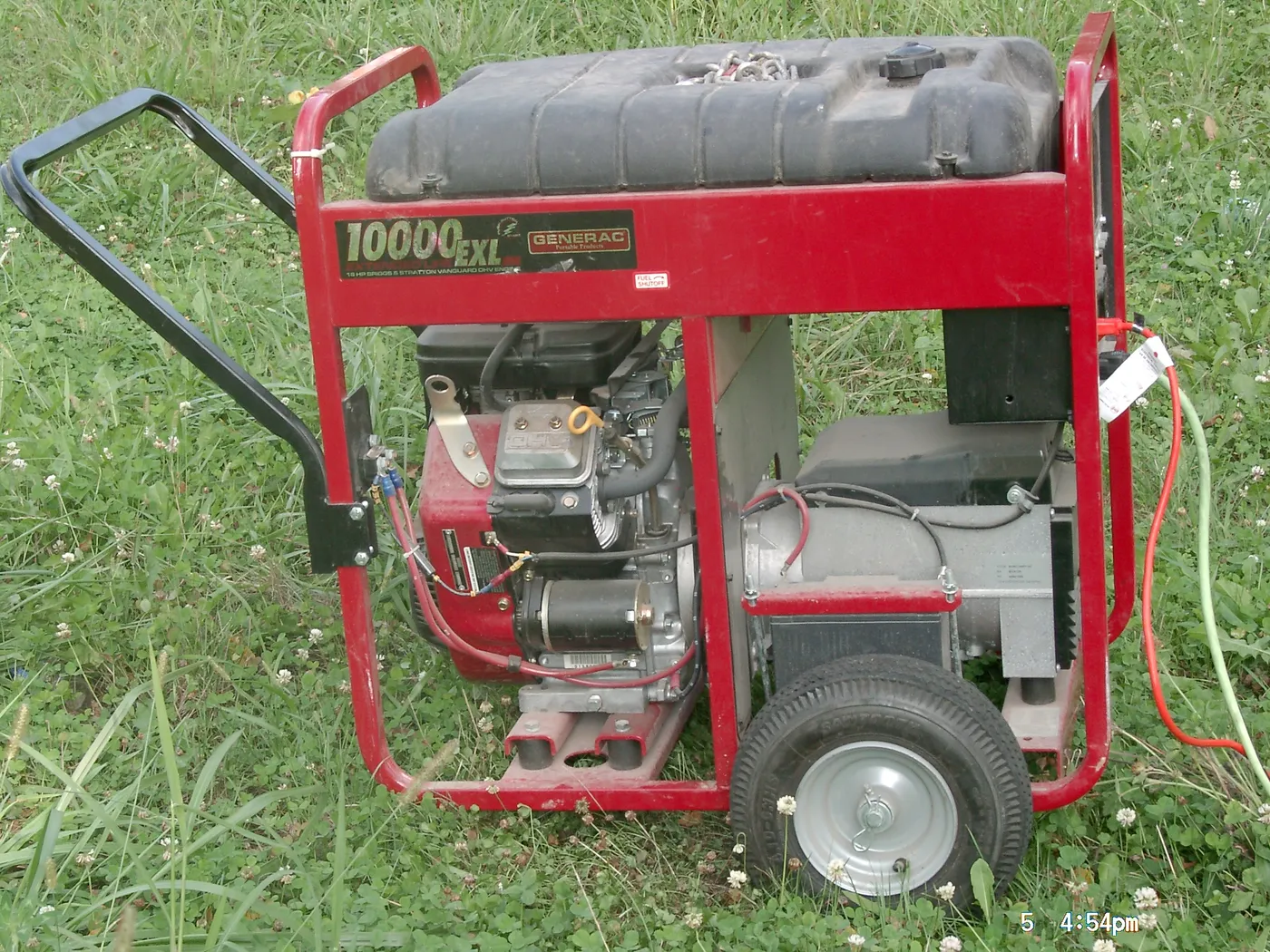
Dual fuel describes fuel capability, not electrical architecture. A dual fuel machine can be an enclosed inverter generator or a conventional open frame generator. The choice between those designs still affects noise, power quality, weight, output, and partial load efficiency.
A dual fuel inverter suits RV use, electronics, camping, and managed home essentials when quieter operation matters. The dual fuel inverter generator guide focuses on that combination.
An open frame dual fuel generator commonly provides larger 120 and 240 volt output for pumps, tools, and home backup. It is usually louder and heavier, but may offer more starting capacity and larger receptacles.
Compare machines on the output for both fuels, not the word “dual.” Our broader dual fuel generator roundup makes those separate ratings easier to inspect.
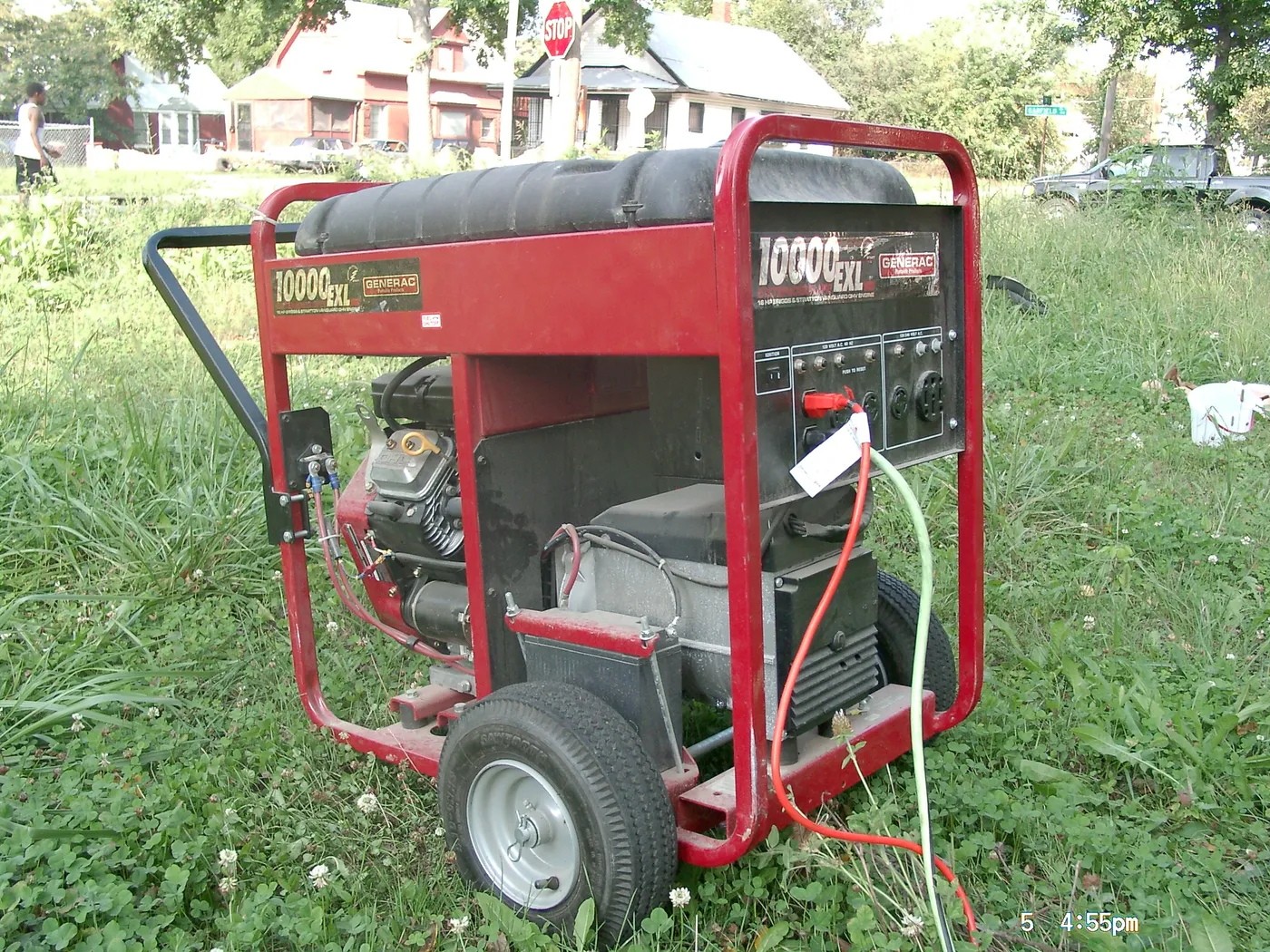
RV use and cylinder practicality
Propane is already familiar to many RV owners and can reduce the need to carry gasoline cans. A dual fuel generator also lets the owner preserve one fuel for cooking and heating while using the other for electricity when supplies are limited.
The generator must remain outdoors in a safe location. Never operate a portable generator in an RV storage bay or beneath an opening where exhaust can enter. Consider neighbors, campground rules, cord routing, weather, and theft protection.
Air conditioner startup remains the hardest common RV load. Size from the propane rating if propane will be used, and confirm whether the air conditioner has an approved soft starter. The dual fuel RV generator guide compares relevant receptacles and output classes.
Cylinder weight and storage take space. Secure upright cylinders according to transport rules and keep hoses away from hot exhaust, sharp edges, and traffic paths.
Conversion kits and warranty
A gasoline generator can sometimes be converted to propane through a model specific kit. The conversion changes the fuel metering system and can affect output, emissions compliance, warranty coverage, starting behavior, and safety certification.
A kit being physically attachable does not prove approval. Confirm compatibility with the generator manufacturer, local requirements, and kit documentation. Fuel work should be performed by a qualified person when required.
Factory dual fuel equipment provides published ratings, designed controls, and a documented hose and regulator system. That does not remove inspection duties, but it creates a clearer basis for safe operation than an improvised conversion.
Tri fuel conversions add natural gas and a different set of supply questions. Those belong in our propane and tri fuel generator explainer.
Carbon monoxide and fuel safety
Propane does not make a portable generator safe indoors. Gasoline and propane combustion both produce carbon monoxide. Operate the generator outdoors at least 20 feet from buildings with exhaust directed away from openings.
Install carbon monoxide alarms on every level and outside sleeping areas. An onboard shutoff sensor is backup protection, not permission to operate closer to a home, RV, garage, or tent.
Inspect propane hoses and fittings before use. Keep cylinders upright, close the valve when disconnected, and use the leak checking method specified by the manufacturer. If propane odor is detected, close the supply if it is safe to do so, eliminate ignition sources, leave the area, and follow supplier emergency guidance.
Store gasoline in approved containers and let the generator cool before refueling. Keep both fuels away from sparks, flames, hot exhaust components, and living spaces.
Fuel choice does not change placement: every portable combustion generator belongs outdoors at least 20 feet from the home with exhaust directed away.
Who should buy dual fuel?
Dual fuel makes sense for an owner who values emergency supply flexibility and is willing to maintain two fuel systems. It is particularly useful where propane cylinders are easy to store and gasoline is available for maximum output when needed.
A gasoline only generator can be the better choice when maximum output, lower weight, and simple operation matter more than long term fuel storage. A propane only arrangement can suit an owner with a properly designed bulk supply and no need for gasoline flexibility.
Do not pay for a second fuel path that will never be exercised or maintained. The capability has value only when hoses, regulators, cylinders, gasoline, procedures, and ratings are understood.
Build an emergency fuel plan
Write down which fuel will be used first, how much can be stored legally, and what loads will be shed when output changes. A practical plan may reserve propane for immediate operation and gasoline for periods when the highest motor starting capacity is needed.
Calculate fuel needs from the manufacturer's runtime conditions and the actual load group. Do not compare a gasoline tank with a propane cylinder by container size alone. Keep reserve for changing weather, delayed fuel access, and scheduled engine maintenance.
Label hoses and store them capped and dry. Keep the correct cylinder wrench, approved leak checking supplies, engine oil, spark plug, and manual with the generator. A fuel option that requires missing parts is not a usable backup.
Assign an operator and practice a complete changeover in daylight. The exercise should include shutting down loads, closing the active fuel, connecting the second supply, checking for leaks, starting, and restoring only the loads supported by the new fuel rating.
Write the propane and gasoline wattage limits beside the selector so the operator does not restore the wrong load group after a change.
Frequently Asked Questions
Does a dual fuel generator run on both fuels at once?
Normally no. It uses gasoline or propane as selected by its controls. Follow the manual because switching procedure and permitted operating state vary by model.
Does propane produce less generator power?
Many models publish lower running and starting output on propane. The exact reduction is model specific, so use the propane values from the manufacturer instead of one generic percentage.
Does propane go bad in storage?
The fuel remains stable, but the cylinder, valve, regulator, and hose still require inspection and compliant storage. Cylinder qualification rules and local fire codes continue to apply.
Can I switch fuels while the generator is running?
Some models allow a controlled switch with electrical load removed, while others require shutdown. Use the procedure in the exact generator manual.
Is propane safer than gasoline?
The hazards differ rather than disappearing. Propane avoids pouring liquid fuel but can leak and collect in low areas, while both fuels create fire, explosion, and carbon monoxide risks.
Why does a propane cylinder frost?
Vaporization removes heat from the liquid and cylinder. Heavy demand, low temperature, low fuel level, or insufficient cylinder surface area can cool the cylinder enough for frost and reduced vapor delivery.
Is a dual fuel generator worth the extra complexity?
It is worthwhile when both fuel supplies genuinely improve outage resilience. It is less compelling when the owner will use only gasoline and will not maintain or exercise the propane system.
Bottom line
A dual fuel generator buys flexibility, not identical performance. Gasoline usually provides the higher published output, while propane offers easier long term fuel storage and avoids liquid gasoline residue in its fuel path. Choose from the ratings for the fuel you will actually use, plan for cold weather vaporization, maintain both systems, and treat carbon monoxide and fuel handling as seriously on propane as on gasoline.