
The label that causes the confusion
LiFePO4 and lithium ion are often presented as competing battery categories, but that comparison begins with a naming problem. LiFePO4 is not outside the lithium ion family. It is one member of that family, identified by the lithium iron phosphate material used in its positive electrode. Products described only as lithium ion may use a different cathode chemistry, commonly one built around nickel, manganese, cobalt, or a combination of those materials.
This distinction matters because the words on a product page can hide meaningful differences in weight, thermal behavior, expected cycle life, voltage, and usable capacity. A shopper may see two power stations with similar watt hour ratings and assume their batteries will age in the same way. They may not. Chemistry is only one part of the finished product, but it shapes the design choices around it.
The useful question is therefore not whether LiFePO4 is a lithium ion battery. It is. The useful question is whether its particular balance of durability, stability, weight, and energy density fits the job better than another lithium ion chemistry. For portable power, the answer changes with how often the battery will cycle, how far it must be carried, and how long the owner expects to keep it.
What LiFePO4 means
LiFePO4 is the chemical formula for lithium iron phosphate. It is commonly shortened to LFP. In an LFP cell, lithium ions move between the cathode and anode during charging and discharging, while electrons travel through the external circuit. The same basic ion movement describes other rechargeable lithium ion cells, but changing the cathode material changes several performance characteristics.
The phosphate structure is valued for thermal and chemical stability. That does not make an LFP battery impossible to damage or incapable of a dangerous failure. It means the chemistry generally offers a more stable foundation than several high energy alternatives. The finished pack still depends on cell quality, physical construction, sensors, wiring, cooling, fuses, software, and the battery management system.
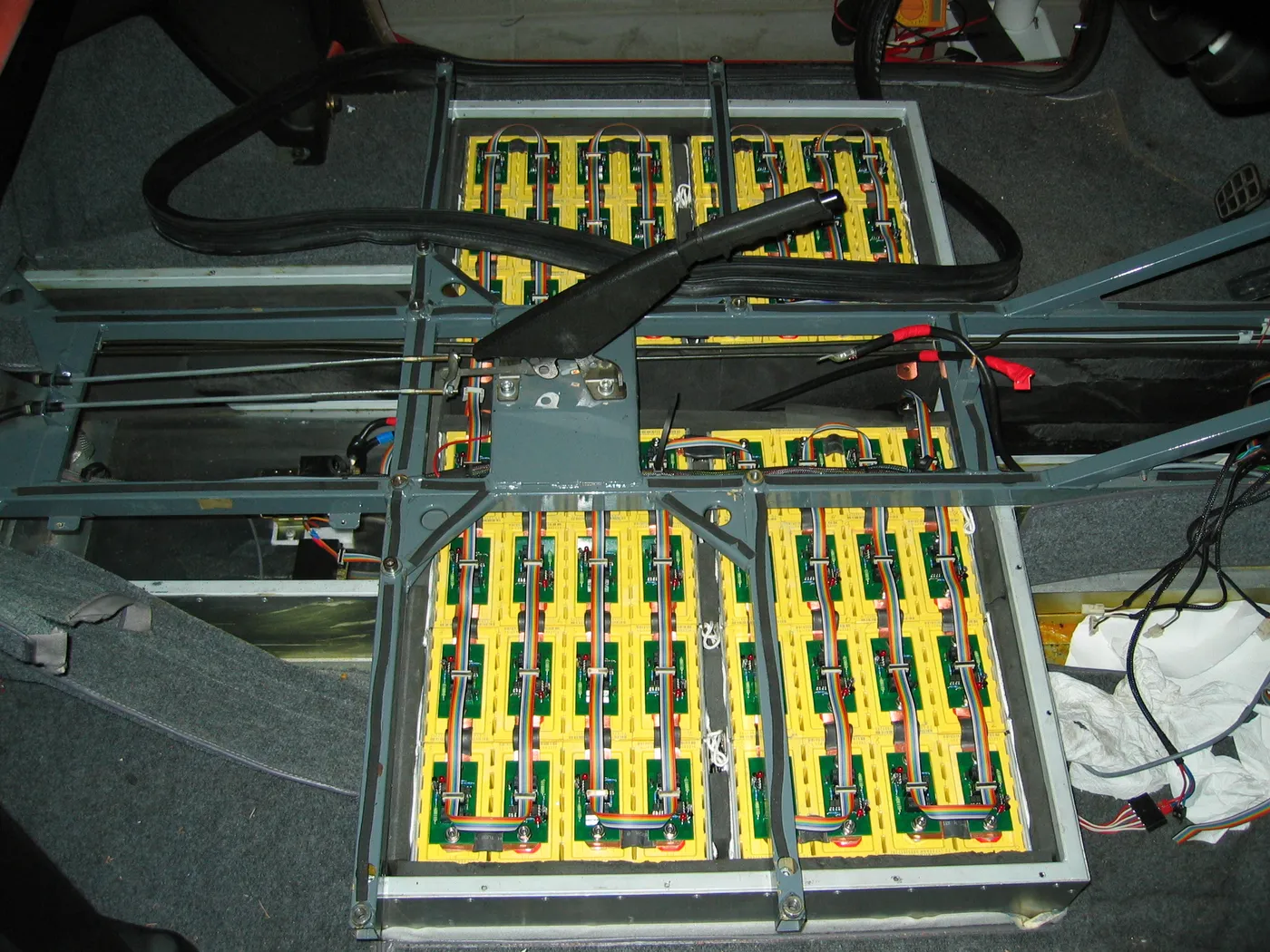
Many modern portable power stations use LFP cells because buyers expect frequent charging and years of service. Solar storage and RV house batteries are other natural applications. These uses value cycle life and stability more than the smallest possible enclosure. A device designed to be carried in a backpack may make a different tradeoff because every unit of weight matters.
Lithium ion is a family, not one chemistry
The phrase lithium ion describes a family of rechargeable batteries rather than a single recipe. Lithium nickel manganese cobalt oxide, often shortened to NMC, is common in applications that need a strong balance of energy density and power. Lithium cobalt oxide has been widely used in portable electronics. Other variants adjust materials to favor high power, long life, lower material cost, or a different safety profile.
Marketing copy sometimes uses lithium ion to mean a non-LFP battery, but that shortcut is technically incomplete. When a comparison chart says LiFePO4 vs lithium ion, it usually means LFP vs NMC or another higher energy lithium ion chemistry. Confirm the actual chemistry before treating the chart as precise.
The cell format also matters. Cylindrical, prismatic, and pouch cells can all appear in lithium battery packs. The format affects packaging, thermal pathways, mechanical protection, repairability, and how efficiently a manufacturer uses the available space. Chemistry alone does not tell you whether a pack is well built.
LiFePO4 vs other lithium ion at a glance
| Characteristic | LiFePO4 | Higher energy lithium ion chemistries |
|---|---|---|
| Battery family | A lithium ion chemistry | Other members of the lithium ion family |
| Typical design priority | Long cycle life and thermal stability | Higher energy in less weight and volume |
| Energy density | Generally lower | Generally higher |
| Weight at equal capacity | Often heavier | Often lighter |
| Cycle life potential | Generally longer under comparable conditions | Generally shorter, with wide variation by design |
| Thermal stability | Generally stronger | Varies by chemistry and pack design |
| Best fit | Frequent cycling, solar storage, RV use, home backup | Applications where compact size and low weight dominate |
These are category tendencies, not guarantees for every product. A carefully engineered non-LFP pack can be safer and more durable than a poorly assembled LFP pack. Operating temperature, charge rate, depth of discharge, cell matching, and software limits can move real performance far away from a simple chemistry comparison.
Why cycle life gets so much attention
A cycle is a way to express battery throughput. Using half of a battery's capacity and restoring it twice can add up to roughly one full equivalent cycle. It does not necessarily mean one plug in event. Manufacturers define and report cycle life under stated conditions, often to a remaining capacity threshold. Those conditions may include temperature, charge rate, discharge rate, and depth of discharge.
LFP commonly supports more charge and discharge cycles than higher energy lithium ion chemistries. That makes it appealing when a power station is used every day for solar shifting, workshop power, RV living, or repeated outages. A battery that cycles only a few times each year may age more from time, heat, and storage conditions than from cycle count, so a very high advertised cycle figure may provide less practical value in occasional use.
Cycle life is not the same as calendar life. A battery ages while it sits, especially when stored hot or at an unsuitable state of charge. It can also lose useful capacity before it reaches the advertised cycle count if operating conditions differ from the rating conditions. Read the footnote attached to any cycle claim and compare like with like.
For a product intended to remain in an RV or backup system for years, the durability advantage can outweigh extra mass. The best LiFePO4 power stations guide is the relevant buying shortlist when frequent cycling is a primary requirement rather than an occasional bonus.
Energy density explains the weight tradeoff
Energy density describes how much energy a battery stores relative to its mass or volume. Higher energy density helps a manufacturer build a lighter or smaller product for the same nominal watt hours. This is where several non-LFP lithium ion chemistries retain a clear advantage.
For an emergency battery that stays on a garage shelf, a few extra pounds may not matter. For a station carried up stairs, loaded into a small car, or moved between campsites, weight can decide whether the product is truly portable. Handles, wheel kits, and enclosure shape affect that experience as much as the chemistry label.
Do not compare weight without comparing usable function. A heavier station may include a larger inverter, more outlets, stronger cooling, or a more protective enclosure. Conversely, a compact station may be easy to carry but unable to start the intended appliance. Match output and capacity first, then compare weight among products that can perform the same job.
Thermal stability is not permission to ignore safety
LFP is generally more thermally stable than several other lithium ion chemistries, which can reduce the likelihood that internal heating progresses into thermal runaway under comparable abuse. It is still an energy storage device capable of high current. A short circuit, crushed cell, manufacturing defect, incompatible charger, water intrusion, or severe overheating can create a hazardous event.
A finished battery needs layers of protection. The battery management system should monitor cell voltages, pack current, and temperature. Fuses or other overcurrent protection provide a separate response to faults. Mechanical spacing and enclosure materials help limit damage. Software should prevent charging and discharging beyond permitted boundaries.
Safety certifications can offer evidence that a product was evaluated to a defined standard, but the exact listing and scope matter. A logo copied into marketing material is not equivalent to a verifiable certification for the complete model. Look up the model in the certifying organization's database when safety is a central buying criterion.
Stop using a battery that is swollen, cracked, leaking, unusually hot, smoking, hissing, or producing an unusual odor. Disconnect it only if that can be done safely. Move away and contact emergency services when there is heat, smoke, or fire. Do not open a sealed power station to diagnose damaged cells.
The BMS matters as much as the cell label
A battery management system, or BMS, is the electronic layer that watches and controls the battery pack. Its functions can include overcharge protection, low voltage cutoff, overcurrent protection, temperature limits, state of charge estimation, and balancing between cell groups. The exact feature set varies.
Cell balancing matters because a series pack is limited by its weakest cell group. If one group reaches its upper voltage limit before the others, charging must stop even when the displayed pack percentage suggests room remains. During discharge, the first group to reach its lower limit can shut the pack down. Balancing helps keep groups aligned, but it cannot restore a damaged or badly degraded cell.
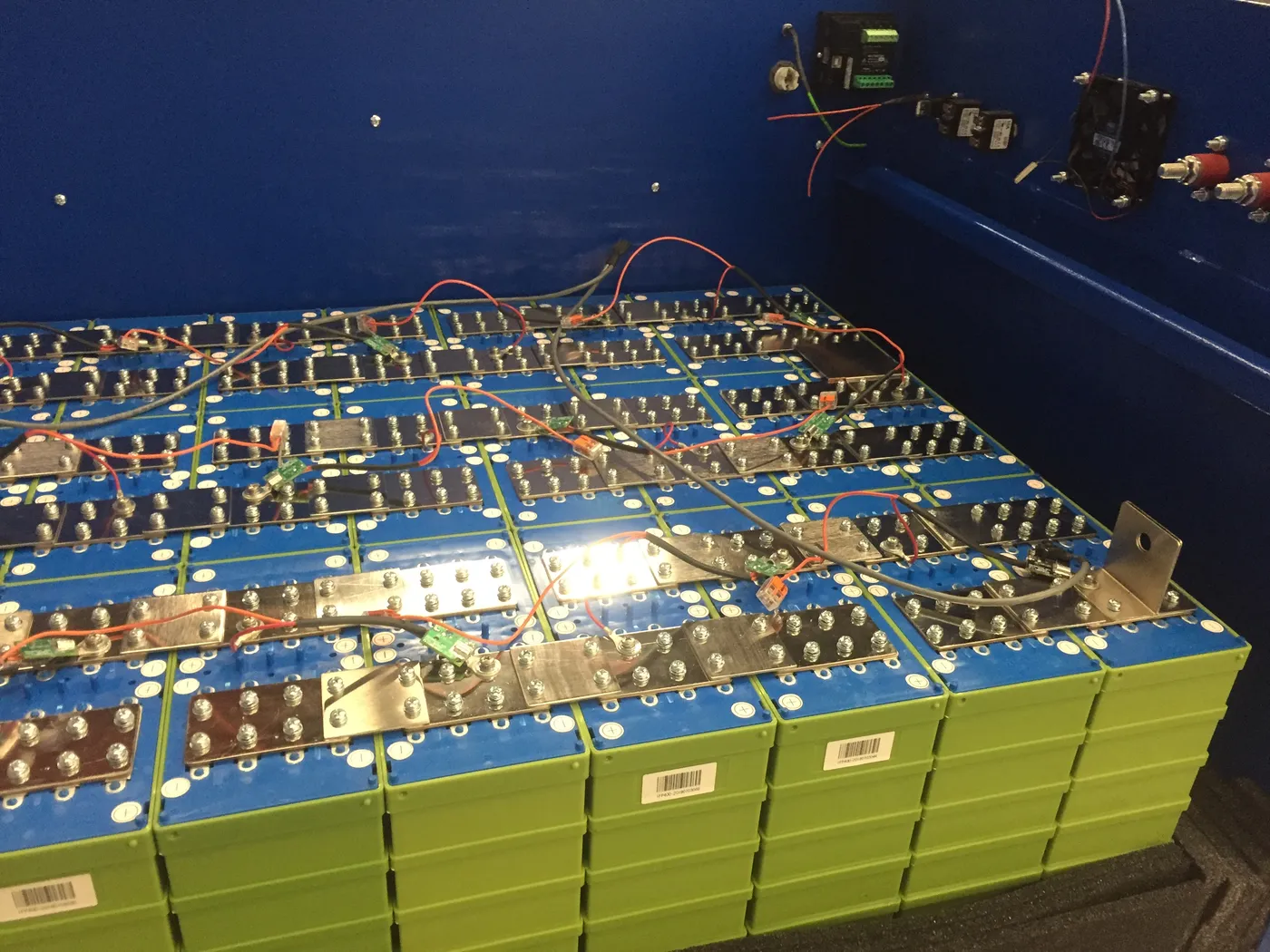
The BMS also explains why a power station may shut down before a simple voltage calculation predicts. The cutoff protects the pack from operating outside its permitted range. Bypassing that protection to extract more energy is unsafe and can permanently damage cells.
Charging behavior and cold weather limits
Lithium batteries require a compatible charging profile. A charger intended for a different battery chemistry may use unsuitable voltage targets or control logic. Portable power stations integrate their own charging electronics, but external solar panels, vehicle sources, and adapters still have to match the input voltage, current, connector, and polarity limits stated by the manufacturer.
Cold weather deserves special attention. Many lithium cells can discharge at temperatures where charging is restricted. Charging a cold cell can cause lithium plating, which may reduce capacity and create a safety risk. Some packs include low temperature charging protection, and some include internal heating. Do not assume either feature exists merely because the product uses LFP.
If a station has been stored in a cold vehicle, allow it to reach a permitted charging temperature according to its manual before connecting a charger. Do not apply an external heater directly to the battery enclosure. Rapid, uneven heating can create condensation and hot spots.
Depth of discharge and usable capacity
Depth of discharge describes how much of the battery's capacity is removed during a cycle. Repeated shallow cycling is generally easier on lithium batteries than repeatedly moving between the extreme upper and lower limits. Manufacturers often reserve some capacity through software so the displayed empty and full points do not expose the cells to their absolute electrical limits.
This reserve means nominal cell capacity, advertised pack capacity, and energy delivered through an AC outlet are not identical. The inverter consumes energy while converting DC battery power to AC. Cooling fans, displays, control electronics, and wiring add smaller losses. Low power AC loads can be inefficient because the inverter's own consumption becomes a larger portion of the total.
For runtime planning, use the station's watt hour rating as a starting point, then allow for conversion losses and operating reserve. The comparison in power station vs generator explains why stored energy and refillable fuel lead to different outage strategies.
If a fuel generator will recharge the station during a long outage, confirm that its voltage and waveform meet the charger's requirements. The discussion of generator THD and sensitive electronics explains why a generator outlet should not be assumed suitable for every charger.
When LiFePO4 is the better choice
LFP is usually the stronger candidate when the battery will cycle frequently, remain in service for years, or operate as part of a solar storage routine. RV owners who recharge daily, remote workers who depend on a station, and households that rotate stored solar energy can benefit from the chemistry's cycle life potential.
It also makes sense when the product will remain in one location or travel by vehicle, where a modest weight increase is manageable. Home backup, workshop power, van installations, and larger camping systems fit this pattern. Buyers building around solar charging can compare integrated options in the best LiFePO4 solar generators guide.
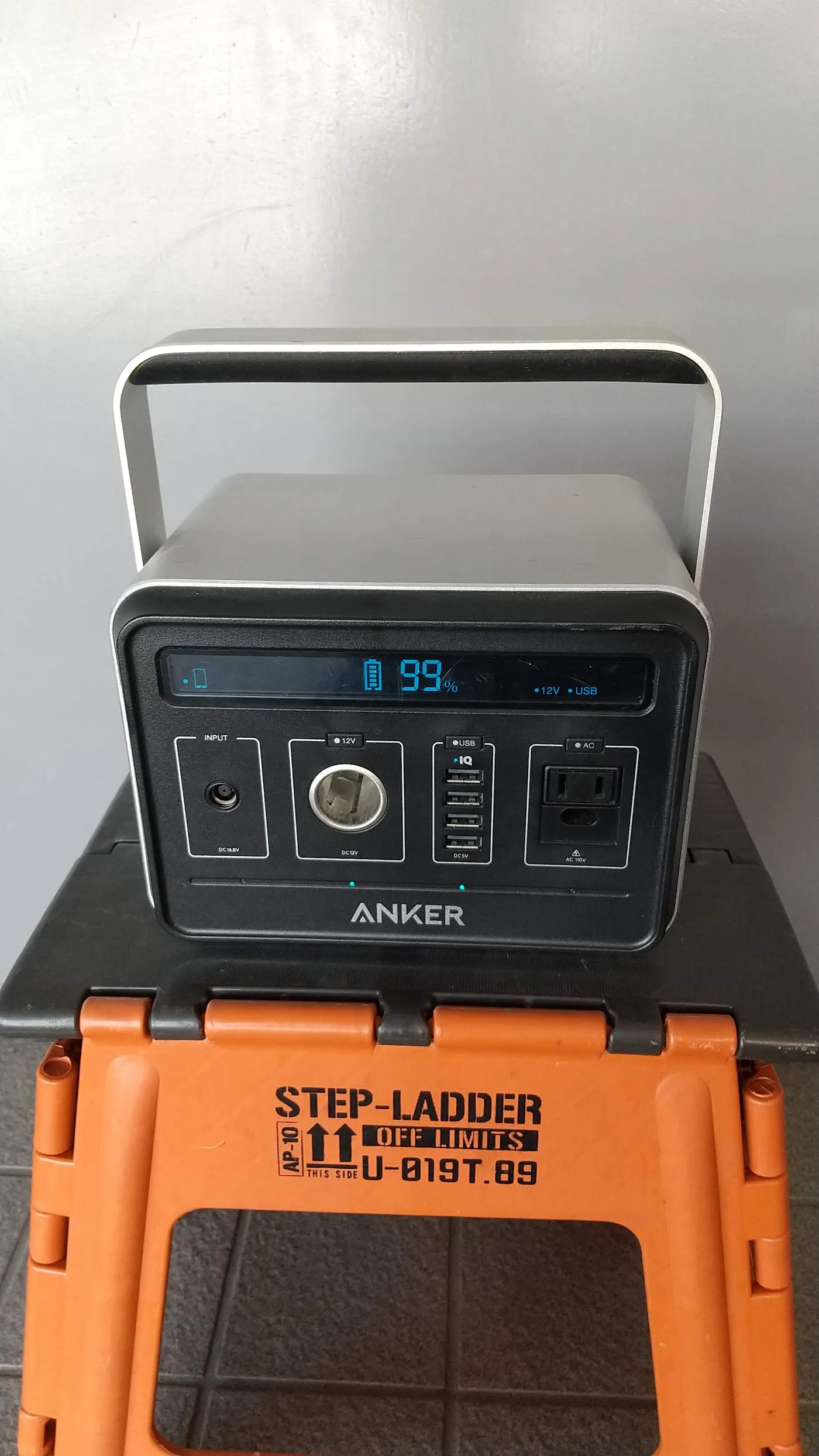
LFP is not automatically the right answer for a battery carried long distances by hand. A lighter higher energy pack may deliver the needed runtime with less burden. Nor does LFP justify buying far more capacity than the load plan requires. Oversizing adds weight, charging time, and storage responsibility.
When another lithium ion chemistry can make sense
Higher energy density is valuable for compact devices, lightweight travel systems, and applications where the battery is carried more often than it is cycled. If a station serves occasional weekend trips and spends most of its life stored correctly, the practical advantage of a very high cycle rating may never be realized.
Older non-LFP power stations can also remain useful when their battery is healthy and the product meets the load. Replacing a working station solely to obtain a different chemistry creates cost and material waste without necessarily improving the backup plan. Inspect it, follow its storage instructions, and confirm its capacity still supports essential loads.
The brand and pack design can matter more than a simple chemistry preference. A documented BMS, clear specifications, reliable customer support, and an appropriate warranty are stronger signals than an unexplained claim that one chemistry is always safer or better.
How to read cycle life claims
Cycle claims should state the remaining capacity threshold. A battery does not suddenly stop working when it reaches that point. It may continue operating with less capacity, which shortens runtime. A claim without a threshold, test temperature, charge rate, and depth of discharge provides limited comparison value.
Check whether the figure refers to the cells or the complete pack. Pack performance can be limited by electronics, connectors, cooling, and cell imbalance. Also confirm whether the warranty promises a cycle count, a time period, a retained capacity, or only protection against manufacturing defects.
Real use rarely mirrors a controlled cycling schedule. High temperatures, leaving the battery full for long periods, deep discharge, and high power operation can accelerate aging. A conservative load plan and moderate storage environment often provide more benefit than chasing the largest advertised number.
Installation and replacement safety
A drop in LFP replacement battery is not automatically compatible with every lead acid system. Charging voltage, alternator behavior, low temperature protection, current limits, cable size, fusing, and battery compartment ventilation all require review. Lithium batteries can accept high charging current, which may overload equipment designed around the resistance of lead acid batteries.
Parallel and series connections must be explicitly supported by the battery manufacturer. Packs should match in model, capacity, age, voltage, and state of charge before connection. A mistake can create extremely high equalization current. Use properly rated busbars, cables, disconnects, and overcurrent protection, and have an experienced installer design permanent RV or home systems.
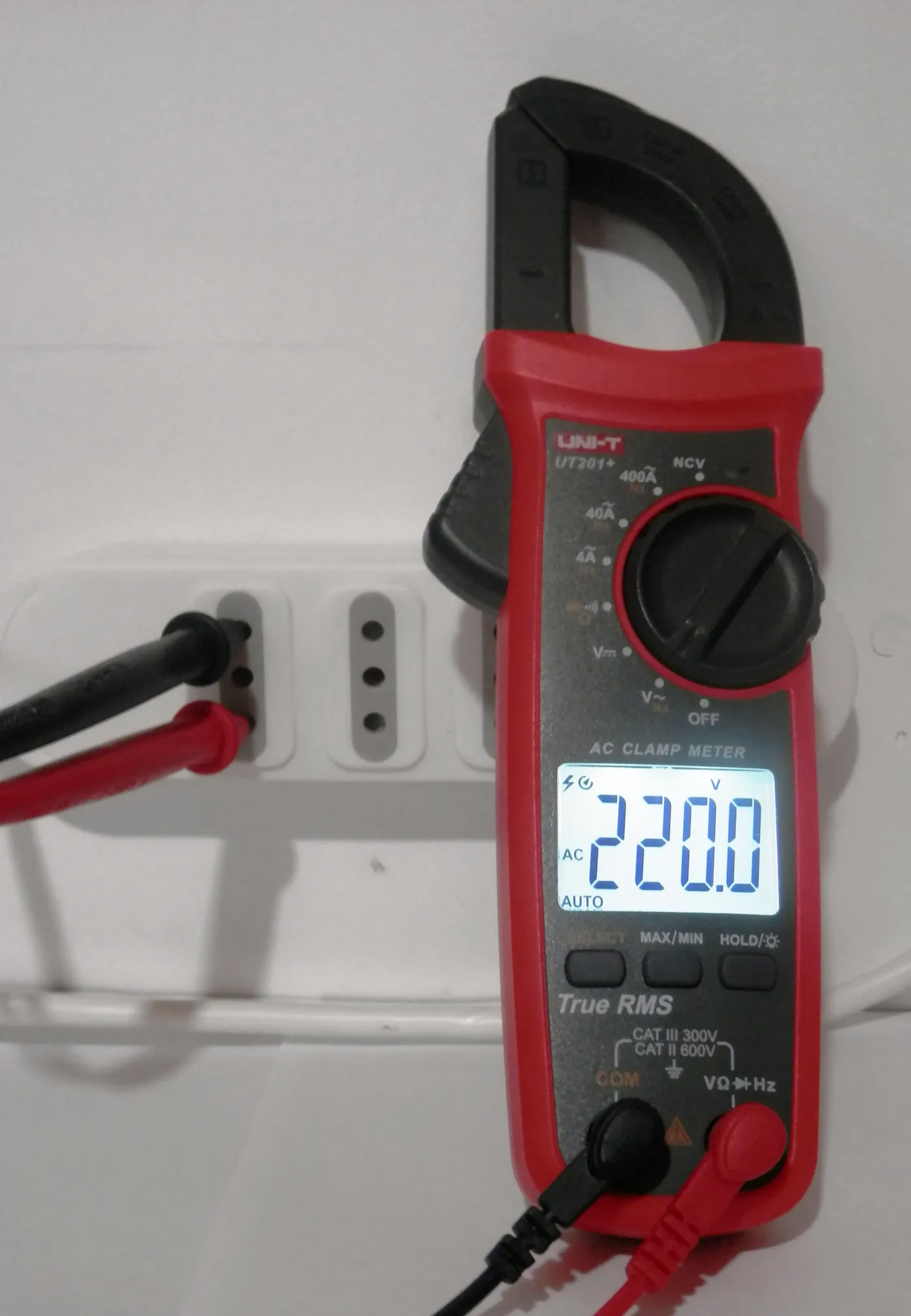
Never mix loose cells based only on similar appearance. Cell provenance, matching, compression requirements, terminals, and BMS configuration affect safety. A portable power station is often the more appropriate option for users who want an integrated, enclosed system rather than a custom battery build.
Frequently asked questions
Is LiFePO4 the same as lithium ion?
LiFePO4 is one type of lithium ion battery. It uses lithium iron phosphate as the cathode material. The phrase lithium ion also includes several other chemistries with different cathode materials and performance tradeoffs.
Is LiFePO4 safer than other lithium ion batteries?
It is generally more thermally stable than several higher energy lithium ion chemistries. That reduces some risks but does not eliminate them. Pack construction, the BMS, charging equipment, mechanical protection, and correct use remain essential.
Why are LiFePO4 power stations heavier?
LFP generally stores less energy per unit of mass and volume than higher energy lithium ion chemistries. A product with equal watt hours may therefore need more cell mass, although enclosure, inverter, cooling, and other components also affect total weight.
Can LiFePO4 batteries charge below freezing?
Many cannot be charged safely below their specified minimum cell temperature unless the pack includes an approved heating and control system. Check the exact manual. Low temperature discharge and low temperature charging often have different limits.
Does a higher cycle count guarantee a longer warranty?
No. Cycle life is a performance claim under stated conditions, while a warranty is a legal promise with its own duration, exclusions, and remedies. Read both and confirm the retained capacity threshold used for the cycle claim.
Can an LFP battery directly replace an RV lead acid battery?
Not without checking the entire charging and protection system. The converter, solar controller, alternator connection, cable size, fuse, low temperature behavior, and battery compartment may need changes. Use manufacturer instructions and qualified installation support.
Bottom line
LiFePO4 is a lithium ion chemistry built around a practical tradeoff: it generally gives up some energy density in exchange for thermal stability and long cycle life. That balance suits frequently cycled power stations, solar storage, RV systems, and home backup equipment. Other lithium ion chemistries remain useful where compact size and low weight matter more.
Do not choose from chemistry alone. Confirm usable capacity, inverter output, BMS protections, charging limits, certification, warranty, support, weight, and the actual load plan. A well engineered battery of the appropriate chemistry is a better purchase than a poorly documented product carrying the fashionable label.