
The outage mistake that decides the choice
The easiest way to choose the wrong backup source is to begin with the machine instead of the job. A shopper sees a power station and a portable generator with similar watt numbers, assumes they are interchangeable, and discovers the difference only after the utility fails. The power station may run the planned load but empty before morning. The generator may have ample endurance but prove too noisy, inconvenient, or unsafe for the place where power is needed.
A better decision starts with a short outage plan. List the devices that truly need power, their running watts, any starting surge, and the number of hours each must operate. Then mark where the equipment will sit. A refrigerator in a house, medical equipment beside a bed, a laptop at a campsite, and an RV air conditioner all create different constraints even if their wattage overlaps.
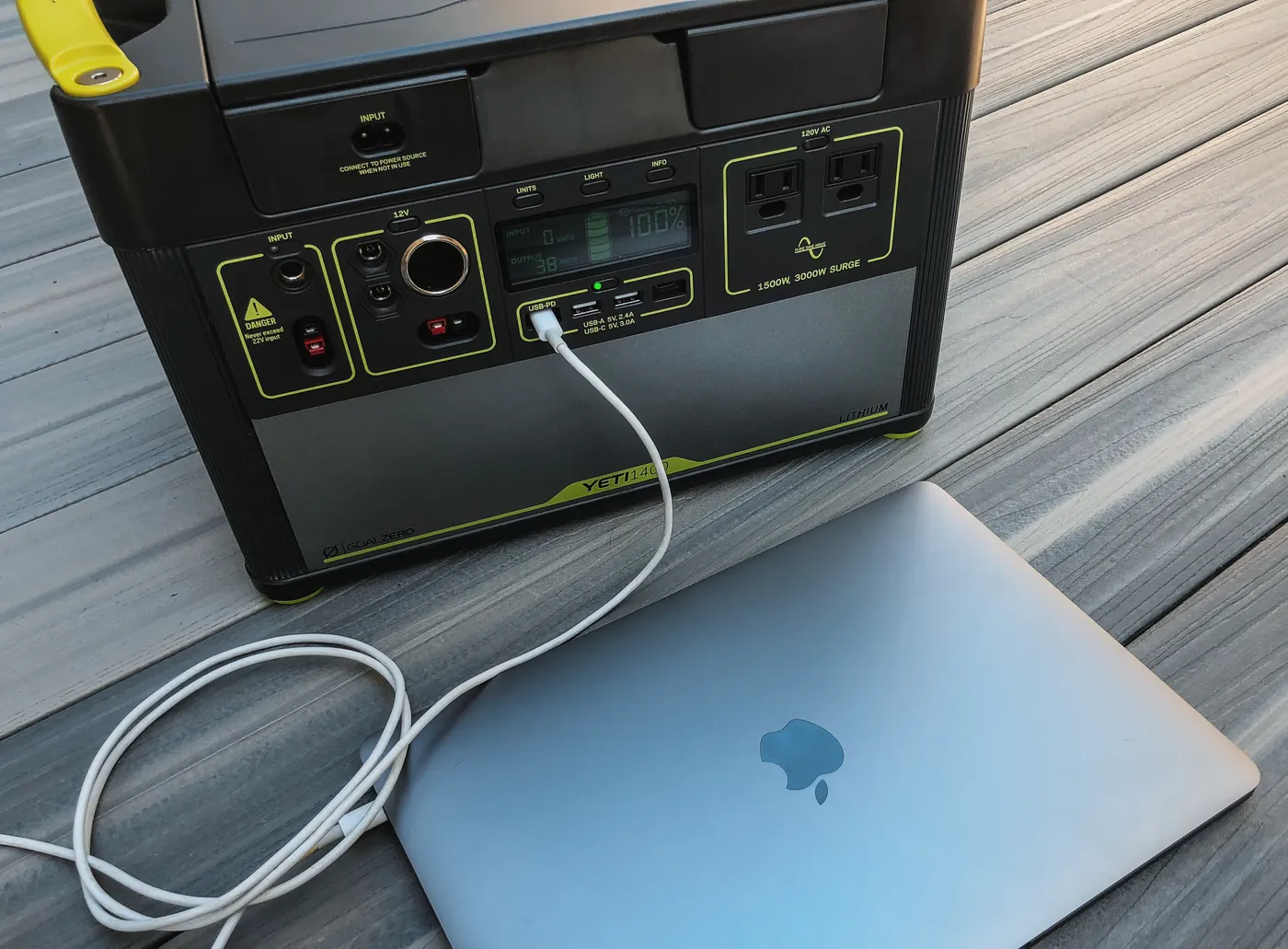
The power station vs generator difference is simple. A portable power station stores a finite amount of electrical energy in a battery. A fuel generator makes electricity while an engine is running. Storage favors silence, simple operation, and indoor use during discharge. Generation favors refillable runtime and sustained output. Neither advantage makes one category universally better.
Compare output and energy, not one big number
Two ratings control a battery power station. Its inverter output, stated in watts, limits how much equipment can run at once. Its battery capacity, stated in watt hours, limits how long that equipment can run. A unit can have enough output to start a load but too little capacity to sustain it for the desired time.
A generator also has an output limit, usually expressed as running watts and a higher temporary starting value. Its energy reserve is not printed as watt hours because runtime depends on the fuel tank, load, engine efficiency, and access to more fuel. The tank is not an unlimited resource, but it can be refilled after the engine is shut down and cooled according to the manual.
| Decision factor | Portable power station | Fuel generator |
|---|---|---|
| Primary energy source | Rechargeable battery | Gasoline, propane, or another approved fuel |
| Output limit | Continuous inverter watts and surge capability | Running watts and starting watts |
| Endurance limit | Usable battery watt hours | Fuel supply, tank size, and load |
| Operation at the point of use | Quiet, with no combustion exhaust during discharge | Engine noise, heat, and exhaust |
| Restoring energy | AC charging, vehicle charging, or compatible solar input | Shut down, cool, and refuel with an approved fuel |
| Routine care | Charge management, storage checks, and ventilation | Fuel, oil, air filter, spark plug, and exercise schedule |
Do not compare a power station's battery capacity directly with a generator's running watt rating. Watt hours describe stored energy. Watts describe the rate of power delivery. If a station has 1,000 usable watt hours and supports a steady 100 watt load, the idealized result is 10 hours. Real runtime is shorter because the inverter, wiring, temperature, and attached devices consume or lose some energy. Use the manufacturer's stated usable capacity and efficiency guidance when available rather than treating the label capacity as fully deliverable AC energy.
When a power station is the better tool
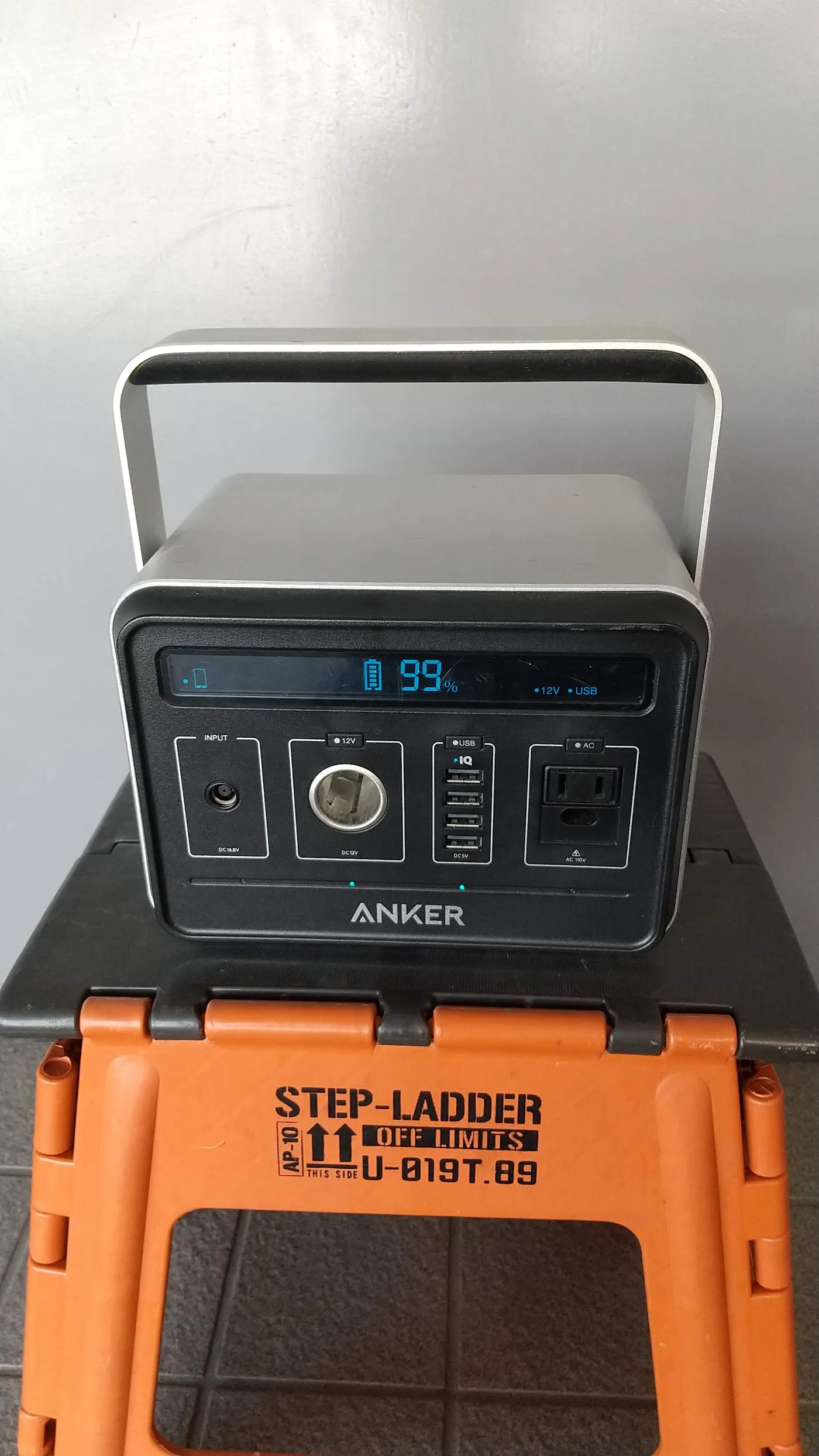
A power station is strongest when the loads are modest, the space is occupied, and quiet operation matters. Phones, routers, laptops, LED lighting, fans, and many small electronics are natural matches. The station can sit near those devices, so extension cord routing is simpler and there is no need to carry fuel through the living area.
It is also convenient for short interruptions. Pressing a button is faster than moving an engine outdoors, checking oil, routing cords, and starting it. That simplicity matters during a nighttime outage or when a person who is not comfortable maintaining a small engine needs to operate the backup system.
Battery power is especially useful where engine noise would disturb neighbors or campground quiet hours. It can keep communications and lighting available overnight while a generator remains off. For buyers comparing battery chemistries and cycle life, the best LiFePO4 power stations roundup narrows the field to models designed around that chemistry. Shoppers who need a broader view of output classes and features can start with the best power stations.
The tradeoff is finite energy. A large inverter does not create a large battery. Heating elements, electric cooking appliances, space heaters, and air conditioners can consume stored energy quickly even when the station can technically power them. A station that feels generous for phones and lights may become a brief bridge when connected to a high draw appliance.
When a fuel generator is the better tool
A generator earns its place when an outage may last for days, the load is substantial, or fast refueling is more practical than battery recharging. Refrigeration, pumps, power tools, and selected home circuits can demand both sustained output and repeated motor starts. A properly sized generator can carry those loads while fuel remains available.
The advantage is not that a generator is endless. Fuel can become scarce during storms, roads may be blocked, and stored gasoline ages. The advantage is that energy can be added in concentrated form without waiting for the electrical grid or sunlight. Propane can simplify long term fuel storage for some households, while gasoline often provides broad availability and strong output. The right fuel strategy depends on the generator and the local emergency plan.
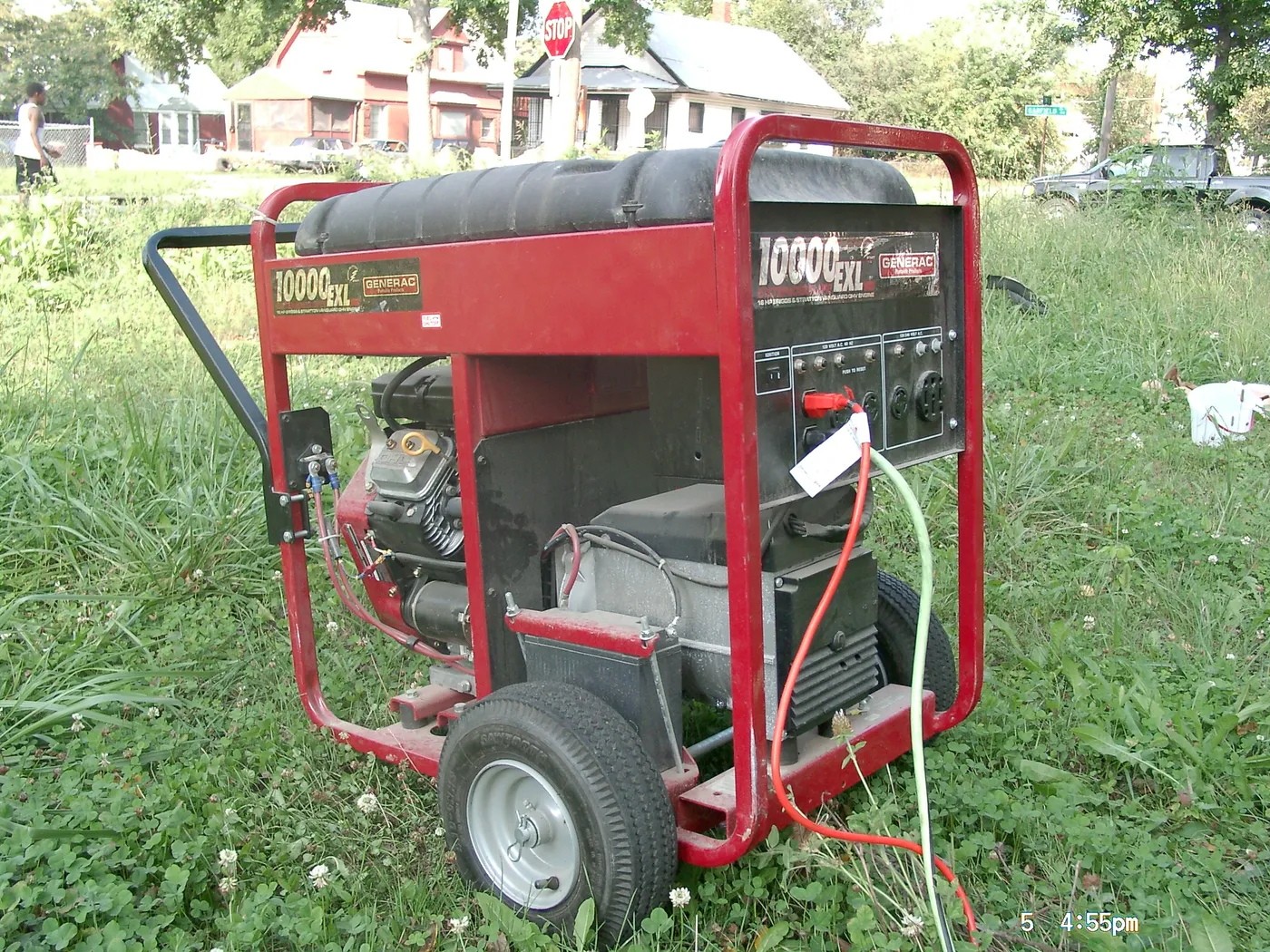
Generator choice also involves waveform quality and engine behavior. An inverter generator adjusts engine speed and electronically produces AC power, while a conventional portable generator generally couples engine speed more directly to electrical frequency. The practical differences are covered in inverter generator vs conventional generator. Sensitive electronics deserve a closer look at generator THD and sensitive electronics before they are connected.
A generator remains an outdoor appliance. Its output may travel indoors through suitable cords or an approved transfer arrangement, but the engine does not. That placement requirement can be difficult for apartments, balconies, dense urban lots, and severe weather. If there is no safe operating location, the generator's theoretical runtime is irrelevant.
Runtime is a load management problem
Runtime estimates become useful only when they reflect duty cycle. A 100 watt light that remains on continuously uses energy at a steady rate. A refrigerator compressor cycles, so its average consumption over several hours can be far below its running draw while active. A sump pump may sit idle for long periods, then start repeatedly during heavy rain. Nameplate watts alone do not reveal the full pattern.
For a power station, begin with watt hours and subtract a conservative allowance for conversion losses and reserve. Divide the remaining energy by the average load, not merely the highest momentary reading. If the load cycles, estimate how many minutes per hour it operates. Manufacturer energy labels and appliance documentation can help, but a plug in energy meter provides a more representative household estimate when used correctly before an outage.
For a generator, fuel consumption changes with load. A half tank does not guarantee half of a published maximum runtime if the connected load, weather, fuel condition, and maintenance state differ from the rating conditions. The useful planning number is how long the machine can carry the actual essential load before a safe refueling stop. The guide to how long a generator will run on a tank explains why a single brochure number should not be treated as a promise.
Load rotation improves both systems. Run the refrigerator for a scheduled interval, charge small batteries, then disconnect nonessential equipment. A generator can operate in blocks instead of idling lightly all night. Never interrupt a device that requires continuous power or change a medical equipment schedule without qualified guidance.
Recharging can be the battery bottleneck
Battery capacity gets most of the attention, but recharge access determines whether a power station can support a multiday event. Grid charging is usually the fastest and most predictable option, yet the grid is exactly what an outage removes. Vehicle charging can help, but output may be limited and the vehicle should not idle in an enclosed area. Solar charging is quiet and renewable, but production changes with panel area, orientation, shade, clouds, season, and the station's input limit.
A panel rating is a laboratory rating, not a guaranteed field input. The station may accept less than the panel array can produce, and poor sun can reduce output sharply. Cable compatibility, voltage range, and connector polarity must match the station's published input specification. Random adapters are not a safe substitute for compatibility.
This is why a battery plan needs an energy budget, not just a battery size. If essential loads consume more energy each day than the available charging sources can restore, the battery state of charge will fall until the system stops. Reducing the load, increasing compatible charging capacity, or adding a second energy source are the honest solutions.
Motor starting loads change the answer
Motors and compressors can demand a brief surge above their normal running draw. A refrigerator, pump, or air conditioner may appear to fit the continuous watt rating yet trip the inverter or generator breaker when the motor starts. The highest single starting event often determines the minimum output class.
Do not add every starting watt figure as if all motors always start together. Build the scenario that can actually occur. Add the running watts of everything already operating, then add the extra surge of the largest motor likely to start at that moment. If two automatic loads can start together, include that possibility or use a control strategy that prevents overlap.
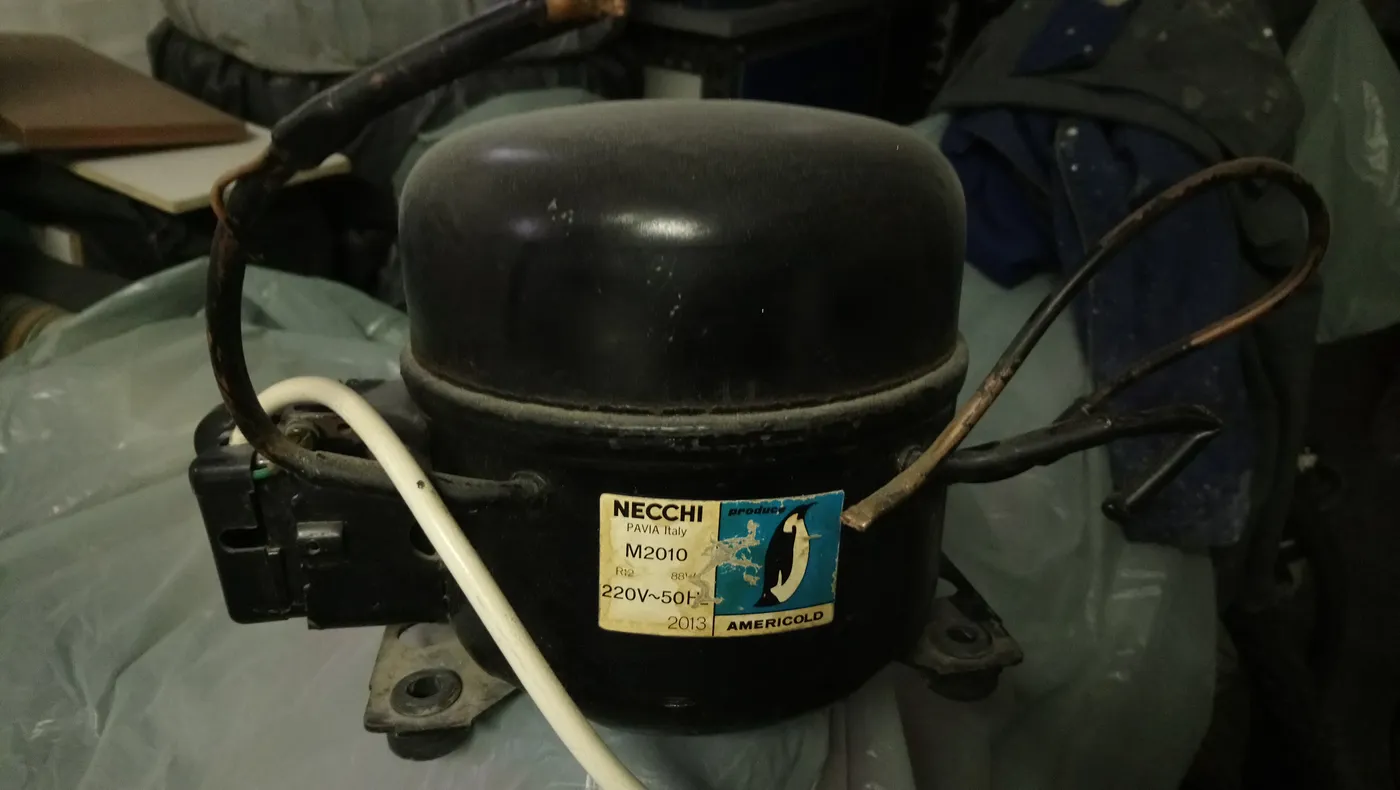
A power station needs both adequate continuous output and documented surge behavior. Some units advertise a temporary mode that lowers voltage to keep certain resistive loads operating, but that is not equivalent to full rated power and may be unsuitable for electronics or motors. A generator likewise needs headroom and should not be operated continuously at its maximum limit. The distinction between the ratings is explained in running watts vs starting watts.
Indoor use, noise, and nighttime power
A power station has no combustion exhaust while it is discharging, which makes it suitable for indoor use when the manufacturer permits the environment. It still needs airflow around its cooling vents and protection from water, heat, impacts, children, and pets. Charging can create heat, so do not bury the unit under bedding or place it in a sealed cabinet.
A fuel generator produces carbon monoxide whenever its engine runs. Open doors, cracked garage doors, windows, fans, and improvised exhaust hoses do not make indoor or garage operation safe. The U.S. Consumer Product Safety Commission advises placing a portable generator outdoors at least 20 feet from the house with exhaust directed away from the building. Working carbon monoxide alarms should be installed on every level and outside sleeping areas.
Noise is another constraint. Even a quiet generator may be intrusive at night. A power station is not silent because cooling fans can run, but it is usually less disruptive than an engine. A practical hybrid plan can use a generator by day and stored energy for essential overnight devices.
RV and camping use needs a port check
For an RV, wattage is only part of compatibility. Confirm the receptacle type, grounding instructions, neutral configuration, adapter limitations, and whether the station or generator supports the RV's expected connection. An RV air conditioner adds a significant starting surge, while electric water heating, cooking, and battery charging can stack into a large combined load.
A power station is attractive for lights, ventilation, electronics, and quiet hours. It can be carried outside for solar charging and brought into a dry, ventilated space for use if the manual allows it. The best power stations for RVs guide focuses the buying decision on ports, output, capacity, and travel use rather than treating every battery box as RV ready.
A generator is the stronger choice when the RV requires sustained air conditioning or repeated high draw operation and fuel is available. Campground rules may restrict generator hours, so battery storage can still be valuable. In either case, do not place an operating generator beneath an awning, near a neighboring site, or where exhaust can enter an RV window, roof vent, or door.
Home backup connections need a boundary
Small loads can often connect directly to a backup source with cords of suitable type and gauge. Whole circuit backup is different. Never feed a home by connecting a generator or power station to a wall receptacle. That practice can energize utility lines, expose workers and neighbors to lethal voltage, and damage equipment.
A transfer switch, interlock where permitted, or listed power inlet creates a controlled boundary between the home and utility supply. The equipment must be selected for the source, panel, neutral arrangement, and local electrical rules. An electrician should evaluate the installation. The safe connection options and the reasons backfeeding is dangerous are covered in how to safely connect a generator to a house.
Some power stations provide a dedicated home backup interface, while others are intended only for cord connected appliances. A familiar looking AC outlet does not authorize a panel connection. Follow the exact manufacturer documentation for the model and any listed accessories.
Battery and generator safety
Both categories store concentrated energy, but their hazards differ. A lithium battery can be damaged by impact, water, incompatible chargers, blocked ventilation, or operation outside its allowed temperature range. Stop using a unit that is swollen, cracked, unusually hot, leaking, smoking, or producing an unusual odor. Move away, call emergency services when appropriate, and follow local guidance for damaged battery handling. Do not open the enclosure or attempt a cell repair.
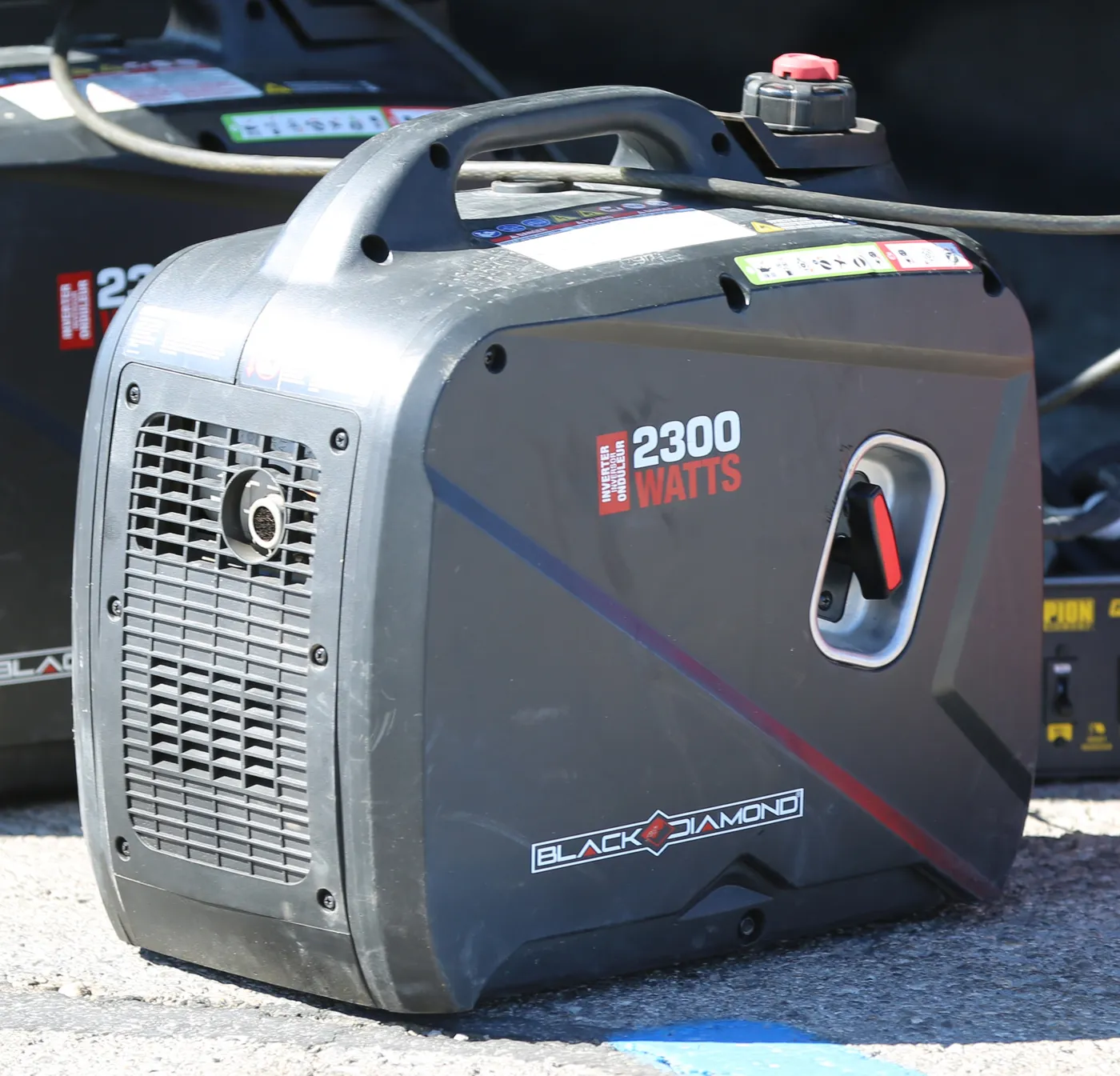
Generators add fuel, hot surfaces, moving parts, carbon monoxide, and electrical exposure. Operate outdoors in a dry location protected according to the manual without enclosing the exhaust. Shut the engine down and let it cool before refueling. Store fuel only in approved containers and away from ignition sources. Keep the generator dry, but never improvise a cover that traps exhaust or heat.
Neither source should sit in standing water or be handled with wet hands. Use cords rated for the environment and current, inspect them for damage, and keep connections out of traffic paths. Grounding requirements vary with the equipment and connection method, so follow the manuals and applicable electrical code rather than a generic internet rule.
Maintenance, storage, and readiness
A backup source is useful only if it is ready when the outage begins. For a power station, record the storage charge recommendation, inspection interval, and temperature range from the manual. Recharge it on schedule, update firmware only through the official method if applicable, and test the outputs with a modest load. Leaving a battery empty for a long period can make recovery difficult, while storing it perpetually at an unsuitable state of charge can accelerate aging.
A generator needs a more involved routine. Oil, fuel condition, filters, spark plug, starting battery if fitted, and exercise intervals all matter. Run it only outdoors during an exercise test and connect a suitable load if the manufacturer calls for one. Record maintenance by date and operating hours so memory is not the only system.
Keep the surrounding kit together: approved cords, adapters, fuel containers, oil, funnel, gloves, lighting, and printed instructions. For a power station, include the correct AC, vehicle, and solar cables. Label each cable by device. An outage in darkness is the worst time to discover that a critical connector is missing.
Frequently asked questions
Can a power station replace a generator during a home outage?
It can replace a generator for a defined set of loads when its continuous output, surge capability, and usable energy meet the plan. It is often well suited to electronics, lighting, communications, and short refrigeration cycles. It is less likely to replace a fuel generator for long outages with heavy heating, cooling, pumping, or cooking loads unless the battery and charging system are exceptionally large.
Which is safer indoors?
A power station can generally discharge indoors because it has no combustion engine, but it still requires ventilation and protection from damage, heat, and moisture. A fuel generator must never run inside a home, garage, shed, or other enclosed or partly enclosed space. It belongs outdoors, at least 20 feet from the house, with exhaust directed away.
Can solar panels keep a power station running indefinitely?
Only if the panels restore at least as much usable energy as the loads consume over the same period, with allowance for losses and poor weather. Panel ratings do not guarantee field output. Shade, clouds, season, orientation, temperature, cable loss, and the station's input limit all affect the energy recovered.
Is a power station completely silent?
No. It has no engine, but internal cooling fans may run during high output or fast charging. Relays can click and some power electronics produce a faint sound. It is nevertheless typically much quieter than a combustion generator.
Can a generator recharge a power station?
Often yes, if the generator output quality and the station's charger requirements are compatible. Check both manuals. Do not exceed either rating, and do not place the power station where it is exposed to generator exhaust, fuel, rain, or excessive vibration. A generator that produces unstable voltage may cause the charger to reject the input.
Which option is better for a refrigerator?
Either can work if it supports the refrigerator's running draw and compressor starting surge. The choice then turns on required runtime, recharge or fuel access, noise, and safe placement. Measure or verify the appliance's actual consumption and account for other loads that may run at the same time.
Bottom line
Choose a power station when quiet indoor backup, simple operation, and electronics are the priority and the energy budget fits a finite battery. Choose a fuel generator when the outage may be long, loads are heavy, and there is a safe outdoor operating location plus a realistic fuel plan. For many homes and RVs, the most resilient answer is not either one alone. A generator can handle demanding daytime work and restore stored energy, while a power station can cover quiet, light overnight loads. Size both from the same honest load list, include motor surge, and make safety and recharge logistics part of the decision before the power goes out.