
Amazon affiliate links - we earn a commission.Affiliate disclosure

Buying guide · 13 min read · Updated 2026-11-28

Best Sewing Machines Under $150 (2026)

Sewing machines under $150 compared on stitch set, needle threader, feet in the box, bobbin system and build for beginners and light repairs.

James MillerBy James MillerLead Machine Editor5 machines comparedSpec-sheet verified
Best Sewing Machines Under $150

At a glance

Our top picks

Side by side

Spec comparison

MachineStitchesThreadingFeet in boxExtras
Brother CS5055 computerized sewing machine, 60 stitches, LCDBest OverallBrother CS5055 computerized sewing machine, 60 stitches, LCD60 built-inAutomatic needle threader74 bobbins, needle set, manual
Brother XM2701 portable sewing machine, 27 stitchesBest ValueBrother XM2701 portable sewing machine, 27 stitches27 built-inAutomatic needle threader6Twin needle, 3-piece needle set
Brother XM3700 lightweight sewing machine, 37 stitchesBest LightweightBrother XM3700 lightweight sewing machine, 37 stitches37 built-inAutomatic needle threader5Accessory pouch
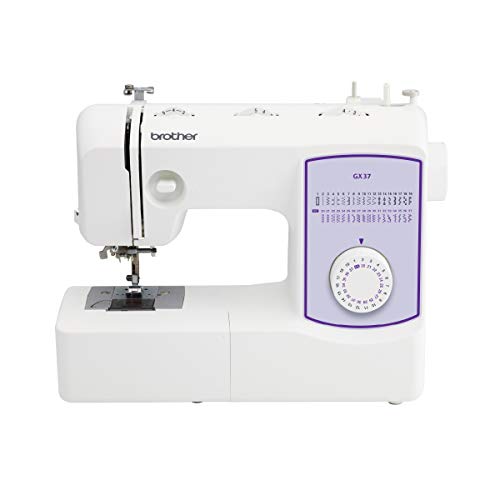
Brother GX37 sewing machine, 37 stitches, 6 feetBest AccessoriesBrother GX37 sewing machine, 37 stitches, 6 feet37 built-inAutomatic needle threader6n/a
Brother XR3774 sewing and quilting machine with wide tableBest Wide TableBrother XR3774 sewing and quilting machine with wide table37 built-inAutomatic needle threader8Machine cover

A home sewing machine is a small motor driving a needle bar, a hook that catches the thread under the plate and a feed system that moves fabric one stitch at a time. The mechanism is old and well understood, which is why a basic machine does its core job well and the extras are where budgets get spent.

At this price range the useful questions are practical: how easy is it to thread, how many feet come in the box and does the stitch set include a decent buttonhole. This guide ranks machines that fit under the cap at listing prices when it was updated. Prices move, so check the live listing before you order.

Before you buy

6 Criteria to Look For Before Buying a Sewing Machine Under $150

  1. 01

    Mechanical versus computerized

    Mechanical machines use dials and levers, which makes them simple and easier to repair. Computerized machines use a motherboard, LCD and stepper motors to set stitch length and width, giving consistent tension and automatic buttonholes. The Brother CS5055 is computerized and the XM2701, XM3700, GX37 and XR3774 are mostly mechanical in operation. A computerized board is the part most likely to fail after a few years. Choose computerized if you value the display and presets, and mechanical if you want a machine that is easy to maintain for a decade.

  2. 02

    Useful stitches, not total stitches

    A long stitch list rarely gets used. Straight, zigzag, stretch, blind hem and a buttonhole cover nearly every project. The CS5055 lists 60 stitches, the XM3700 and GX37 list 37, and the XM2701 lists 27. A buyer who counts stitches ends up paying for decorative patterns that sit unused. Look at whether the buttonhole is one-step or four-step and whether the stitch dial is easy to read. A machine with 27 well chosen stitches beats one with 200 you never touch.

  3. 03

    Feet and accessories in the box

    Presser feet are the accessory that changes what the machine can do, and each foot sold separately costs real money. The XR3774 includes eight feet, the CS5055 seven, and the XM2701 and GX37 six. A zipper foot and a buttonhole foot are the essentials, and a blind hem foot adds a finished look. Count the feet, bobbins and needles before comparing prices. A cheaper machine with few feet can cost more once you buy the missing ones.

  4. 04

    Threading aids and bobbin design

    Threading frustrates beginners more than any other task. An automatic needle threader pushes the thread through the needle eye, and every machine here includes one. A drop-in top bobbin with a clear cover lets you see the thread level, which is easier than a front-loading bobbin case. Check that the thread path is clearly marked. A machine that threads in thirty seconds gets used, and a machine that takes five minutes is avoided.

  5. 05

    Build, weight and stability

    Light machines are easy to carry but can walk at speed, and heavy machines stay put. The XM3700 is described as lightweight, while the wide-table XR3774 supports large fabric. A metal frame helps with thicker fabric, but most machines at this price have plastic housings. A speed control slider lets a beginner cap speed. Use a non-slip mat under a light machine, and avoid denim or canvas unless the maker says it is rated for it.

  6. 06

    Needles, maintenance and support

    Change the needle every eight to ten hours of sewing or at each new project, and match the needle to the fabric, ballpoint for knits and denim for heavy weaves. Brush lint from the bobbin area, because canned air packs lint deeper. Warranty is typically one to three years, and service access matters. Brother parts and feet are widely sold. A machine with no local service is a risk if the board fails.

Detailed reviews

The 5 best sewing machines under $150, explained

01
Brother CS5055 computerized sewing machine, 60 stitches, LCD
60 stitchesLCD displayNeedle threader7 feet
Check price on Amazon
Best for: Beginners who want automatic buttonholes and a clear display.

Brother's CS5055 is the most capable machine in this group, with 60 built-in stitches, an LCD display and an improved automatic needle threader. A computerized machine uses a motherboard and stepper motors to set stitch length and width, which gives consistent tension and automatic buttonholes. The LCD shows the selected stitch and the recommended settings, which removes the guesswork that makes beginners fight their first seams.

Seven sewing feet come in the box, along with four bobbins, a needle set and a manual in three languages. Feet matter because a zipper foot or buttonhole foot sold separately can cost a meaningful part of the machine's price. Against the GX37 below, you gain the LCD and more stitches, and against the XM2701 you gain computerized control and a much deeper stitch library.

Ownership is routine. Change the needle every eight to ten hours of sewing, brush lint from the bobbin area with a small brush rather than canned air, and follow the manual on oiling. A computerized board is the part most likely to fail, so keep the receipt and register the machine for the warranty.

What works

  • 60 stitches including utility and decorative sets
  • LCD display shows stitch and settings
  • Improved needle threader saves eyesight and time
  • Seven feet in the box cover common tasks

Watch out for

  • Computerized board is costlier to repair than dials
  • More stitches than a beginner will ever use

Spec sheet

Stitches
60 built-in
Display
LCD screen
Threading
Automatic needle threader
Feet in box
7
Extras
4 bobbins, needle set, manual
02
Brother XM2701 portable sewing machine, 27 stitches
27 stitchesNeedle threaderDrop-in bobbin6 feet
Check price on Amazon
Best for: Beginners who want the basics at the lowest cost.

Brother's XM2701 is the basic portable, with 27 stitches that include decorative, blind hem and buttonhole options, an automatic needle threader and a drop-in top bobbin. A mechanical machine uses dials and levers, which means fewer parts that can fail and a simpler path to repair. Six feet, four bobbins, a twin needle and a three-piece needle set come in the box.

The drop-in top bobbin with a clear cover lets you see when the thread is running low, which is a real convenience over front-loading designs. Against the CS5055, you lose the LCD and the large stitch library, but you also lose a board that can fail. Against the XM3700, it has fewer stitches and a similar layout.

Upkeep is simple. Change needles regularly, clean the bobbin area, use light resin-free sewing machine oil only if the manual calls for it and store the machine under a cover. Wrong needle types cause skipped stitches, so use ballpoint for knits.

What works

  • Mechanical dials are simple to learn and repair
  • Drop-in top bobbin with a clear cover
  • Twin needle and six feet come in the box
  • Portable body is easy to store and carry

Watch out for

  • Only 27 stitches versus 60 on the CS5055
  • No LCD, so you read settings off dials

Spec sheet

Stitches
27 built-in
Threading
Automatic needle threader
Bobbin
Drop-in top bobbin
Feet in box
6
Extras
Twin needle, 3-piece needle set
03
Brother XM3700 lightweight sewing machine, 37 stitches
37 stitches1-step buttonholeNeedle threader5 feet
Check price on Amazon
Best for: Students and casual sewers who carry the machine between locations.

Brother's XM3700 is a lightweight beginner machine with 37 stitches and a one-step buttonhole, which sews the full buttonhole in a single pass instead of four steps. An automatic needle threader pushes the thread through the eye. Five sewing feet, including zigzag, zipper and blind stitch, come in an accessory pouch.

The weight matters if you carry the machine to a class or store it in a closet between projects. Against the XM2701, it adds ten stitches and the one-step buttonhole at similar bulk. Against the GX37, it has fewer feet and lacks the extras like the wider accessory set, but the core stitch count matches.

Ownership is simple. Brush lint out after every few bobbins, change the needle on a schedule and keep the machine covered. A lightweight body can walk at speed, so set it on a mat and use the speed control.

What works

  • One-step buttonhole is easy to use
  • 37 stitches cover utility and decorative needs
  • Light body is easy to move and store
  • Automatic needle threader saves time

Watch out for

  • Only five feet in the box
  • Light weight means it can walk at speed

Spec sheet

Stitches
37 built-in
Buttonhole
One-step
Threading
Automatic needle threader
Feet in box
5
Extras
Accessory pouch
04
Brother GX37 sewing machine, 37 stitches, 6 feet
37 stitchesAuto-size buttonhole6 feetDrop-in bobbin
Check price on Amazon
Best for: Clothing makers who sew many buttonholes.

Brother's GX37 offers 37 stitches and an auto-size buttonhole, which measures the button and sizes the buttonhole to match, a feature usually found on pricier machines. An automatic needle threader and a drop-in top bobbin cover the common beginner frustrations. Six feet, needles, bobbins and a manual come in the box.

The auto-size buttonhole is the draw over the XM3700's one-step version. It saves time when you sew several buttonholes of the same size and avoids measuring. Against the CS5055, you lose the LCD and 23 stitches, but the sewing quality for everyday work is comparable.

Upkeep follows the usual pattern. Keep the bobbin area clean, change needles often and use the right needle for the fabric. The machine fits a hobbyist who sews clothes and home items.

What works

  • Auto-size buttonhole matches the button
  • 37 stitches cover everyday sewing
  • Six feet come in the box
  • Drop-in top bobbin shows thread level

Watch out for

  • No LCD or computerized stitch selection
  • Fewer stitches than the CS5055's 60

Spec sheet

Stitches
37 built-in
Buttonhole
Auto-size
Threading
Automatic needle threader
Bobbin
Drop-in top bobbin
Feet in box
6
05
Brother XR3774 sewing and quilting machine with wide table
37 stitchesWide table8 feetQuilting set
Check price on Amazon
Best for: Quilters and curtain sewers who handle big fabric.

Brother's XR3774 is aimed at quilters and bulky projects, with 37 stitches, a wide extension table and eight sewing feet. A wide table supports a quilt or a curtain as it feeds under the needle, so the weight of the fabric does not drag the stitch. A machine cover protects the unit between sessions.

Eight feet is the largest accessory set in the group, and it adds practical quilting and zipper options. Against the GX37 and XM3700, it carries the same 37 stitches but adds the table and feet. Against the CS5055, it lacks the LCD but suits big projects better.

Ownership is easy: keep the table seated, clean the bobbin area and change the needle on schedule. If you quilt or sew large items, the table is worth more than extra stitches.

What works

  • Wide table supports large quilts and curtains
  • Eight feet is the most in this group
  • Automatic needle threader and drop-in bobbin
  • Machine cover protects it between uses

Watch out for

  • No LCD or computerized control
  • Table and cover add storage bulk

Spec sheet

Stitches
37 built-in
Table
Wide extension table
Feet in box
8
Threading
Automatic needle threader
Extras
Machine cover

Spec sheet decoder

What the numbers on the box really mean

The specs manufacturers lead with, translated into what they tell you about real-world performance.

Built-in stitches

The stitch count is how many patterns the machine can sew. Only a handful are used regularly.

Watch forThe CS5055 lists 60 and the XM2701 lists 27.

Buttonhole type

A one-step buttonhole sews all four sides in a single pass. An auto-size version measures the button.

Watch forThe XM3700 lists one-step and the GX37 lists auto-size.

Feet included

Feet are the attachments that guide fabric for different tasks. More feet reduce extra purchases.

Watch forThe XR3774 includes 8 and the XM3700 includes 5.

Needle threader

An automatic needle threader pushes thread through the eye. It saves time and strain.

Watch forAll six machines list an automatic threader.

Display type

An LCD shows the selected stitch and settings. Dial machines require you to read a chart.

Watch forOnly the CS5055 lists an LCD.

Methodology

How We Evaluated These Sewing Machines Under $150

Stitch set and buttonholes

We compared the stitch count and the buttonhole type on each listing. The CS5055 led on stitches and the GX37 on auto-size buttonholes. We favored useful stitches over raw count.

Threading and bobbin

We checked the needle threader and bobbin design. All six include a threader and the drop-in bobbin is common. Clear covers scored higher.

Accessories

We counted the feet, bobbins and extras. The XR3774 with eight feet led. Fewer feet scored lower.

Build and stability

We compared weight and table design. The XR3774's wide table suits large fabric. Light machines scored lower on stability.

Support and parts

We considered warranty and parts availability. Brother's network scored well. Computerized boards counted as a risk.

Decision guide

How to Choose the Right Sewing Machines Under $150

By Sewing Project

SituationPickWhy
Clothing with many buttonholesBrother GX37An auto-size buttonhole matches the button
Quilts and curtainsBrother XR3774A wide table supports large fabric
General sewing with a clear displayBrother CS5055An LCD and 60 stitches
Simple repairs and hemsBrother XM270127 basic stitches at the lowest cost

By Budget

Budget tierPickWhy
Lowest outlayBrother XM2701A basic mechanical machine
MiddleBrother XM370037 stitches and a one-step buttonhole
Top of the capBrother CS5055Computerized control and seven feet

Mechanical vs Computerized

Mechanical

The XM2701, XM3700, GX37 and XR3774 use dials. They have fewer parts to fail and are easier to repair.

Computerized

The CS5055 uses a board and an LCD. It gives consistent tension and presets, but a failed board is expensive.

Long-term owners pick a mechanical machine, and display lovers pick the CS5055.

Portability

PreferencePickWhy
Carrying to a classBrother XM3700A lightweight body
Stays on a tableBrother XR3774A wide table and a cover for storage
Compact and basicBrother XM2701A portable body with few extras
Many accessoriesBrother XR3774Eight feet in the box

For Beginners Specifically

Look for

An automatic needle threader, a drop-in bobbin, a clear stitch chart and a speed control. Learn on straight stitch before trying decorative patterns.

In this comparison

The CS5055's LCD helps most, and the XM2701 is the simplest. Every machine here has a threader.

When to Spend More

Spend more if

You sew denim, canvas or quilts weekly. A heavy-duty or quilting machine has a stronger frame and motor.

Save if

You sew hems and light repairs. The XM2701 covers the job.

Ownership

Maintenance schedule

The upkeep that decides whether this machine lasts two seasons or ten.

TaskIntervalWhy it matters
Change the needleEvery 8 to 10 hours of sewingDull needles skip stitches and damage fabric. Match the needle to the fabric.
Brush out lintEvery few bobbinsLint packs under the plate and in the feed dogs. Use a brush, not canned air.
Oil if the manual says soPer the manualMany modern machines need no oil. Use only light sewing machine oil.
Check thread tensionEach new projectWrong thread or tension causes loops. Rethread with the foot up.
Cover the machineAfter each sessionDust collects in the mechanism. A cover keeps it clean.

FAQ

Frequently Asked Questions

Do I need a computerized sewing machine?

Not for most beginners. Mechanical machines are simpler and easier to repair. A computerized unit like the CS5055 adds a display and consistent tension, which some sewers value.

What budget should I plan for?

The machines here fit under the $150 cap at listing prices when the guide was updated, and prices move. The cap buys a solid beginner machine. Budget a little for extra needles and thread, a seam ripper, good scissors and a few bobbins, since those small items decide how enjoyable the first month is. Many first-time buyers also underestimate the value of a table or a stable surface, because a machine on a wobbly desk vibrates and walks, so plan a spot with a proper chair and light before you order. If you sew rarely, a machine kept under its cover and used a few times a year can run for ten years, while a machine used daily at the cap price will want a service every two or three years.

How long do sewing machines last?

A mechanical machine can last decades with cleaning and needle changes. Computerized boards fail more often. Brother parts and feet are widely stocked, and that helps resale value too.

Can these machines sew denim?

Light denim only, with a denim needle and a slow speed. Thick seams can stall these motors. A heavy-duty machine is the better tool.

Does more stitches mean a better machine?

No. A handful of stitches cover most projects. The feet, threader and build matter more.

How do I stop skipped stitches?

Replace the needle, use the right type for the fabric and rethread. Check that the bobbin is seated. Skipped stitches usually trace to the needle. A bent or dull needle is the first suspect, and swapping in a fresh one fixes the problem more often than any adjustment of tension or timing. The second suspect is the thread: cheap, linty thread sheds into the bobbin area and causes both skipped stitches and uneven tension, so a decent polyester thread is worth the small extra cost. Third, check the threading path, because a thread that skipped one guide will look fine on the spool and still make loops under the fabric. Raise the presser foot while threading, since lowering it closes the tension discs and prevents the thread from seating properly. Fourth, look at the fabric itself: stretch knits need a ballpoint or stretch needle, and thick seams need a larger needle and a slower speed. If the problem continues after those checks, remove the plate, brush out the lint and confirm the bobbin sits flat and turns in the right direction. Persistent trouble with a new machine is worth a call to the maker under warranty rather than a long afternoon of guessing, because a timing fault needs a technician and should not be fixed by the owner.

Bottom line

The short version

Browse more sewing machines under $150on Amazon →
James Miller, Lead Machine Editor

About the author

James Miller

Lead Machine Editor, MachineFanatic

James Miller leads MachineFanatic's buying guides, turning spec sheets, manuals and owner feedback into clear verdicts on power tools, outdoor power equipment, shop machines and kitchen machines.

More from James →

Keep reading

Related guides