
Amazon affiliate links - we earn a commission.Affiliate disclosure

Buying guide · 14 min read · Updated 2026-11-28

Best Sewing Machines Under $300 (2026)

Computerized sewing and quilting machines under $300 compared on stitch library, LCD controls, wide tables, feed dogs and what the extra budget buys.

James MillerBy James MillerLead Machine Editor4 machines comparedSpec-sheet verified
Best Sewing Machines Under $300

At a glance

Our top picks

Side by side

Spec comparison

MachineStitchesDisplayTableThreading
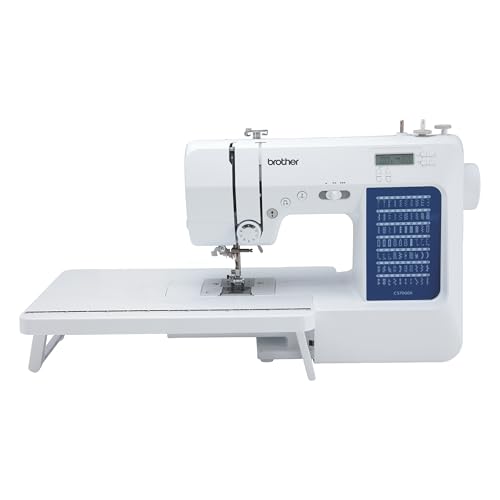
Brother CS7000X sewing and quilting machine, 70 stitches, LCDBest OverallBrother CS7000X sewing and quilting machine, 70 stitches, LCD70 built-inLCD screenWide extension tablen/a
Brother XR9550 computerized machine, 165 stitches, wide tableBest Stitch VarietyBrother XR9550 computerized machine, 165 stitches, wide table165 built-inn/aWide tableNeedle threader, drop-in bobbin
SewLaVie 1130 computerized machine, 300 stitches, 7-point feedBest Feed SystemSewLaVie 1130 computerized machine, 300 stitches, 7-point feed300 built-inLCD, reverse buttonn/an/a
Singer HD8832 heavy duty machine, factory refurbishedBest Heavy DutySinger HD8832 heavy duty machine, factory refurbishedn/an/an/aBuilt-in needle threader

At this budget a sewing machine stops being a starter tool and becomes a project machine. The money buys a larger workspace, a computerized stitch library with an LCD and a feed system that handles layers without puckering. Those are the features that matter when you move from hems to quilts, bags and garments.

The trap in this tier is stitch count. Machines advertise hundreds of patterns, but the useful set is small, and the build, table and feet do more for results than a long decorative menu. This guide ranks machines that fit under the cap at listing prices when it was updated. Prices move, so check the live listing and match the tool to your projects.

Before you buy

6 Criteria to Look For Before Buying a Sewing Machine Under $300

  1. 01

    Workspace and extension table

    A wide extension table is the most underrated feature in a project machine. It supports the bulk of a quilt, curtain or coat so the weight does not drag on the needle and distort the stitch. The Brother CS7000X and XR9550 both include a wide table, while the Singer HD8832 does not. If you sew large items, workspace matters more than stitch count. Measure the throat space, which is the distance from the needle to the right arm, because a quilt rolled through a small opening is a struggle. A table, a quilt guide and a good light change the whole experience of sewing a big project, so weigh them as heavily as any stitch menu.

  2. 02

    Stitch library and what you use

    The SewLaVie lists 300 stitches, the XR9550 lists 165, the CS7000X lists 70 and the Singer lists 110 applications. A very long menu is mostly decorative. Straight, zigzag, stretch, blind hem, buttonhole and a few utility stitches cover nearly all garment and home work. Buy a big library only if you enjoy decorative or heirloom sewing. Browsing hundreds of patterns on an LCD is pleasant, but it does not make a seam stronger. A machine with a better table and feed system will serve a typical sewer far more than 200 extra patterns they never open.

  3. 03

    Feed dog system

    The feed dogs move the fabric under the needle, and the number of toothed segments decides how evenly layered or slippery cloth is handled. The SewLaVie lists a seven-point feed dog, which grips across a wider area than the three- or five-piece systems on entry machines. Better grip reduces puckering on satin, knits and quilt layers. If you sew slick or thick fabric, a stronger feed matters. Pair a good feed with the right foot, such as a walking foot for quilts, because even the best feed cannot rescue the wrong accessory choice.

  4. 04

    Motor power and build

    Computerized machines tend to have lighter motors and plastic bodies, while heavy-duty machines such as the Singer HD8832 have stronger motors and needle bars. Many heavy-duty machines still have plastic outer housings, so read the details. Stitch speed for domestic machines is around 1,000 stitches per minute. If you sew denim, canvas or upholstery, choose power over a display. If you sew cotton and quilts, a computerized machine with a table is the better fit. Test any machine on scraps of your hardest fabric before committing to a project.

  5. 05

    Computerized controls and reliability

    A computerized machine uses a board, an LCD and stepper motors to set stitch length, width and tension. That gives consistent stitches and automatic buttonholes, and it adds a board that can fail. The Brother machines and the SewLaVie are computerized. Use a surge protector, keep the machine covered and avoid sewing over pins. A mechanical machine is simpler to repair, but at this tier a computerized unit offers features that justify the risk. Check how the maker handles board repairs and what a service visit costs before you buy.

  6. 06

    Feet, accessories and support

    Feet change what the machine can do, and buying them separately adds up fast. The CS7000X includes ten feet and a quilt guide, and the XR9550 includes eight. A walking foot and a quarter-inch foot are the quilting essentials. Warranty is typically one to three years, and service access matters. The Singer is refurbished, so check its warranty. Brother has wide dealer networks, and the SewLaVie is newer, so confirm that feet and needles are available. A machine with no support is a risk the day the timing slips.

Detailed reviews

The 4 best sewing machines under $300, explained

01
Brother CS7000X sewing and quilting machine, 70 stitches, LCD
70 stitchesLCD displayWide table10 feet
Check price on Amazon
Best for: Quilters and garment sewers who want a display, a wide table and many feet.

Brother's CS7000X combines a computerized 70 stitch library with an LCD, a wide extension table and ten sewing feet plus a quilt guide. A computerized machine sets stitch width, length and tension from a board and stepper motors, which gives repeatable seams and automatic buttonholes. The LCD shows the selected stitch and the recommended settings, and an improved needle threader handles the eye.

The wide table is the feature that makes it a quilting machine, since it supports the bulk of a quilt sandwich so the weight does not pull on the needle. Ten feet is the largest accessory set in this group, and a protective hard case makes it easy to carry to a class. Against the XR9550 below, the CS7000X has fewer stitches but a simpler, more focused stitch set and a more approachable interface. Against the SewLaVie, it has far fewer patterns but a stronger brand and service network.

Ownership is routine. Change the needle every eight to ten hours, brush lint from the bobbin area and cover the machine between sessions. A computerized board is the main long-term risk, so keep the receipt, register the machine and use a surge protector. Brother feet and parts are widely sold, which helps in year five.

What works

  • 70 stitches with an LCD for easy selection
  • Wide table supports quilts and large projects
  • Ten feet and a quilt guide in the box
  • Hard case makes it portable for classes

Watch out for

  • Computerized board costs more to repair than dials
  • Fewer stitches than the XR9550 or SewLaVie

Spec sheet

Stitches
70 built-in
Display
LCD screen
Table
Wide extension table
Feet in box
10, plus quilt guide
Storage
Protective hard case
02
Brother XR9550 computerized machine, 165 stitches, wide table
165 stitchesLCD displayWide table8 feet
Check price on Amazon
Best for: Sewers who enjoy decorative and heirloom stitches.

Brother's XR9550 offers 165 built-in stitches, of which 110 are utility, decorative and heirloom patterns, with an LCD, a wide table and eight feet. It is the stitch-rich option in the Brother family and suits sewers who like decorative work on garments and home projects. A drop-in top bobbin and a fast needle threading system cover the common frustrations.

A stitch library this large is useful only if you sew decorative work, and the machine's real quality shows in the utility stitches, which are the same family as the CS7000X's. Against the CS7000X, the XR9550 has 95 more stitches and two fewer feet, so the choice depends on whether you value patterns or accessories. Against the SewLaVie's 300 stitches, it has fewer patterns but better support.

Ownership follows the usual path: clean the bobbin area, change needles and keep the machine covered. A protective hard cover comes in the box. The larger stitch menu means more to learn, so spend an afternoon on a practice sampler before a real project.

What works

  • 165 stitches include utility and decorative sets
  • LCD makes the large library easy to browse
  • Wide table supports quilting and bulky fabric
  • Protective hard cover comes in the box

Watch out for

  • Eight feet versus ten on the CS7000X
  • A large stitch menu is mostly unused by many sewers

Spec sheet

Stitches
165 built-in
Utility stitches
110 utility, decorative and more
Threading
Needle threader, drop-in bobbin
Table
Wide table
Cover
Protective hard cover
03
SewLaVie 1130 computerized machine, 300 stitches, 7-point feed
300 stitches7-point feed dogLCD screenTwin needle
Check price on Amazon
Best for: Sewers who want a huge stitch menu and a strong feed system.

SewLaVie claims the biggest stitch library here, 300 built-in stitches with a twin-needle option, and pairs it with a seven-point feed dog that grips fabric across a wider area. A seven-point system is more than the three or five pieces found on many entry machines, and it helps layered or slippery fabric move evenly. An LCD screen and a reverse sewing function simplify the workflow.

The maker describes it as built for thick fabrics, including canvas and leather, as well as delicate silk. That is a broad claim, and the real limit is the motor and needle bar, which the listing does not detail. Against the Brother machines, it offers far more stitches and a stronger feed, but less proven service coverage. Against the Singer HD8832, it has a computerized interface where the Singer has muscle.

Ownership requires caution about support. A newer brand means you should confirm the warranty and the supply of feet and needles before you buy. Keep the machine covered, brush the bobbin area and use the right needle for each fabric.

What works

  • 300 stitches with a twin-needle option
  • Seven-point feed dog grips layered fabric
  • LCD screen and reverse button simplify work
  • Described as suitable for canvas and silk

Watch out for

  • Newer brand with less proven service coverage
  • Motor and build details are thin on the listing

Spec sheet

Stitches
300 built-in
Feed dog
7-point
Display
LCD, reverse button
Needle
Twin-needle capable
Fabrics
Canvas, leather, silk
04
Singer HD8832 heavy duty machine, factory refurbished
110 stitch applicationsHeavy dutyNeedle threaderHigh speed
Check price on Amazon
Best for: Thick fabric sewers who value power over a display.

Singer's HD8832 is the muscle choice, with 110 stitch applications, a built-in needle threader and an extra high sewing speed in a heavy-duty body. It is listed as factory refurbished, which means inspected and resold at a lower price, so check the warranty. A heavy-duty machine has a stronger motor and needle bar for denim, canvas and upholstery.

Against the computerized machines in this group, it lacks the LCD and offers power instead. Against the SewLaVie, it is the more proven heavy-duty design. For sewers who work with thick fabric, it is the logical pick, and for quilters it lacks the wide table.

Ownership is simple: use a denim or heavy-duty needle for thick cloth and change it often. Brush lint from the bobbin area and cover the machine after use.

What works

  • Heavy-duty build pushes through thick layers
  • 110 stitch applications cover utility work
  • Extra high sewing speed for long seams
  • Built-in needle threader saves time

Watch out for

  • No LCD and no wide table for quilts
  • Refurbished warranty may be shorter than new

Spec sheet

Stitch applications
110
Class
Heavy duty
Threading
Built-in needle threader
Speed
Extra high sewing speed
Condition
Factory refurbished

Spec sheet decoder

What the numbers on the box really mean

The specs manufacturers lead with, translated into what they tell you about real-world performance.

Built-in stitches

The count is the number of patterns in the library. Only a few are used for most sewing.

Watch forThe SewLaVie lists 300 and the CS7000X lists 70.

Feed dog points

Points are the toothed segments that move the fabric. More points grip a wider area.

Watch forThe SewLaVie lists a seven-point system.

Extension table

A table extends the sewing surface so large fabric is supported. It matters for quilts and curtains.

Watch forThe CS7000X and XR9550 include a wide table.

Feet included

Feet are attachments for specific tasks. More feet reduce extra purchases.

Watch forThe CS7000X includes ten and the XR9550 includes eight.

Heavy-duty rating

Heavy duty implies a stronger motor and needle bar. The term is not standardized.

Watch forThe Singer HD8832 is the heavy-duty model here.

Methodology

How We Evaluated These Sewing Machines Under $300

Workspace

We compared tables, throat space and included guides. The CS7000X and XR9550 with wide tables led. The Singer scored lower for quilting.

Stitch quality and library

We looked at the useful utility set alongside the total count. The XR9550's 165 stitches and the SewLaVie's 300 stood out. We weighed usefulness over count.

Feed and build

We compared feed dog design and heavy-duty claims. The SewLaVie's seven-point feed and the Singer's heavy-duty build led. Plastic housings scored cautiously.

Controls

We compared LCD displays and automatic settings. The Brother machines and the SewLaVie are computerized. The Singer scored for simplicity.

Accessories and support

We counted feet, covers and warranty clarity. The CS7000X's ten feet led. Refurbished and newer brands scored cautiously.

Decision guide

How to Choose the Right Sewing Machines Under $300

By Project

SituationPickWhy
Quilts and large projectsBrother CS7000XA wide table and ten feet with a quilt guide
Decorative and heirloom stitchingBrother XR9550165 stitches with an LCD
Slippery or layered fabricSewLaVie 1130A seven-point feed dog grips better
Denim, canvas and upholsterySinger HD8832A heavy-duty motor and needle bar

By Budget

Budget tierPickWhy
Lowest outlaySinger HD8832A heavy-duty machine through a refurbished listing
MiddleBrother CS7000XA wide table and the most feet
Top of the capBrother XR9550The deepest Brother stitch library

Computerized vs Heavy Duty

Computerized

The CS7000X, XR9550 and SewLaVie use an LCD and a board. They give consistent stitches and large libraries but risk a costly board repair.

Heavy duty

The Singer HD8832 has a stronger motor and a simpler build. It handles thick fabric but has no display and no wide table.

Quilters pick the CS7000X, and thick-fabric sewers pick the Singer.

Brand and Support

PreferencePickWhy
Widest dealer networkBrother CS7000XBrother feet and parts are widely sold
Biggest stitch menuSewLaVie 1130300 stitches in one machine
Carry to a classBrother CS7000XA protective hard case
Simplest controlsSinger HD8832No LCD to learn

For Quilting Specifically

Look for

A wide table, a quilt guide, a walking foot option and a quarter-inch foot. Throat space matters for rolling a quilt through.

In this comparison

The CS7000X is the best fit with its wide table, ten feet and quilt guide. The XR9550 is a close second.

When to Spend More

Spend more if

You sew daily or want embroidery. A higher tier machine has a larger throat and a stronger motor.

Save if

You sew hems and light projects. A cheaper tier machine does the job.

Ownership

Maintenance schedule

The upkeep that decides whether this machine lasts two seasons or ten.

TaskIntervalWhy it matters
Change the needleEvery 8 to 10 hoursDull needles skip stitches and strain the motor. Match the needle to the fabric.
Brush out lintEvery few bobbinsLint packs the feed dogs and bobbin area. Use a brush, not canned air.
Use a surge protectorAlwaysA power spike can damage a computerized board. A protector is cheap insurance.
Cover the machineAfter each sessionDust collects in the mechanism. A cover keeps the LCD clean too.
Service the machineEvery 2 to 3 yearsA technician checks timing and tension. Regular service extends machine life.

FAQ

Frequently Asked Questions

Is a computerized machine worth it?

If you value an LCD, automatic buttonholes and consistent tension, yes. It adds a board that can fail. For hems and light repairs, a mechanical machine is enough. At this tier, the features usually justify the risk for regular sewers.

What budget should I plan for?

The machines here fit under the $300 cap at listing prices when the guide was updated, and prices move. The cap buys a wide table, an LCD and a big stitch library. Add the cost of needles, thread and a walking foot if you quilt, plus a good rotary cutter, a cutting mat and a quarter-inch foot if you piece blocks. A machine in this tier is a project tool, so a stable table, a task light and a comfortable chair are worth budgeting for too, since sewing for two hours on a wobbly surface is tiring and produces crooked seams. Think about storage as well: a machine with a hard case travels to classes easily, while a machine left permanently on a table gets far more use. If you plan to sew often, ask about the cost of a service visit before buying, because a machine with an easy local service path is worth more than one with a longer stitch list.

How long do these machines last?

A well-kept machine runs for many years with cleaning and needle changes. Computerized boards fail more often than dials. Brother parts and service are widely available.

Do 300 stitches beat 70 stitches?

Only if you sew decorative patterns. The utility stitches matter most, and a better table and feed matter more than a longer menu. Many sewers use fewer than 20 stitches.

Can I sew leather on these?

Light leather with a leather needle at a slow speed. Thick leather needs an industrial machine. The SewLaVie claims leather capability, so test on scraps.

Which machine is best for quilting?

The Brother CS7000X, with its wide table, ten feet and quilt guide. The XR9550 is a close second. Add a walking foot for even layers, because the top layer of a quilt sandwich creeps ahead of the bottom layer under a standard foot and a walking foot feeds both together. Use a quarter-inch foot for accurate piecing, and press seams as you go so blocks come out square. Choose a cotton thread in a weight that matches the batting and fabric, and use a new needle sized for quilting, since a dull needle punches holes in tightly woven cotton. Roll or fold the quilt to the right of the needle and support the weight on the extension table, which keeps the drag off the needle and the stitches even. Take breaks on long quilts and check the bobbin supply before starting a long line of stitching, because running out of bobbin thread midway through a seam leaves a gap that is hard to hide. Finally, practice free-motion quilting on a scrap sandwich before touching a real project, since it needs a darning foot and a lowered feed system that not every machine supports well.

Bottom line

The short version

Browse more sewing machines under $300on Amazon →
James Miller, Lead Machine Editor

About the author

James Miller

Lead Machine Editor, MachineFanatic

James Miller leads MachineFanatic's buying guides, turning spec sheets, manuals and owner feedback into clear verdicts on power tools, outdoor power equipment, shop machines and kitchen machines.

More from James →

Keep reading

Related guides