
The spiked sandals and the weekend lawn
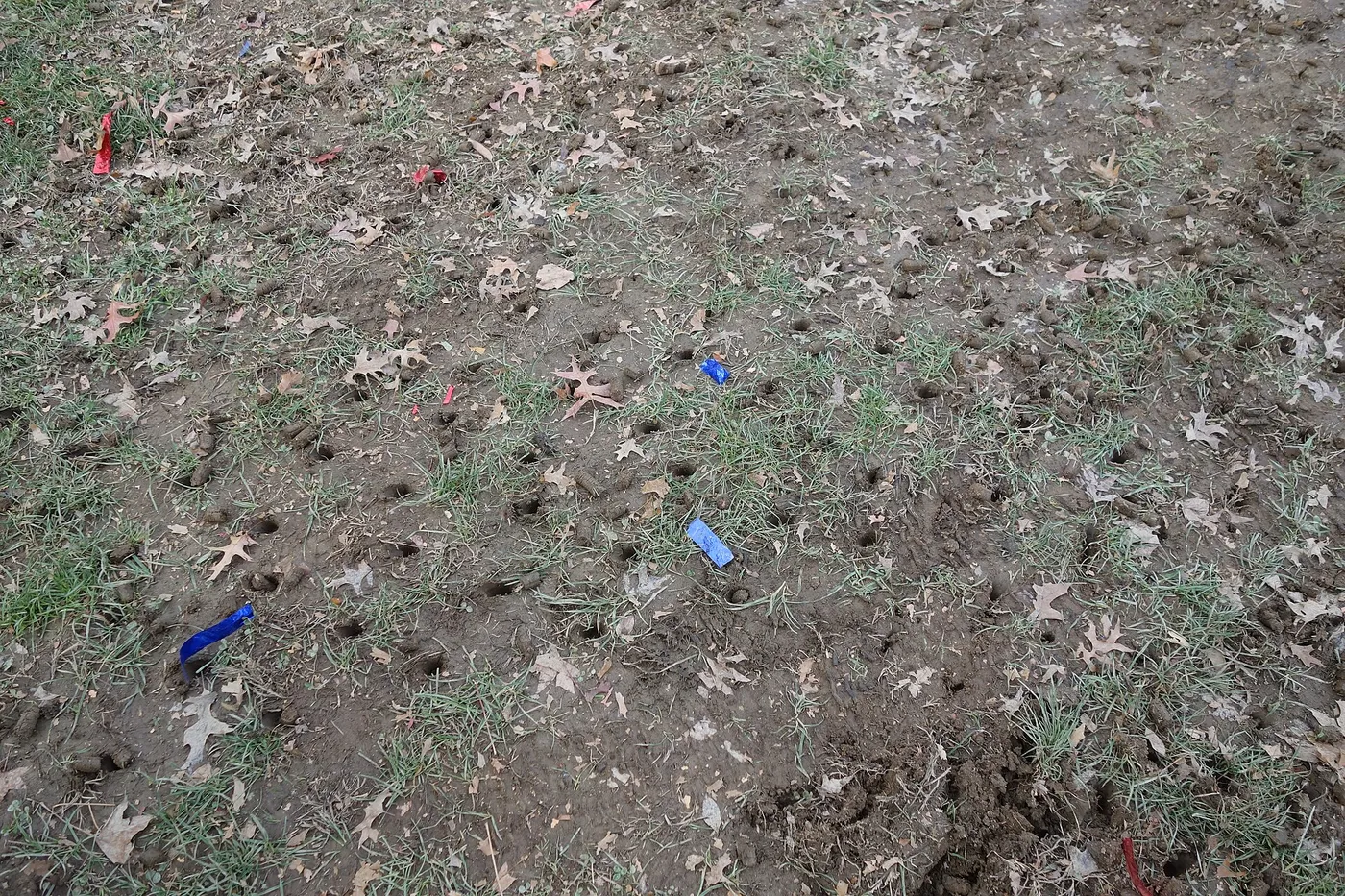
There is a type of lawn tool that looks like a bargain and feels productive: spiked strap-on sandals, or a rolling spiked drum. You walk the lawn, the spikes sink in, and each step leaves a neat row of holes. The lawn looks treated, and the satisfaction of a task done is real. The question is whether the soil beneath benefits, and for compacted ground the honest answer is usually not much.
Aeration is about creating space in compacted soil so that air, water and nutrients reach roots. The method matters, because a hole made by pushing a solid spike differs from a hole made by pulling out a core. One of those leaves more room, and the other can leave soil denser than before.
This article compares the two methods, explains the mechanism, and says when each is worth using. Soil cultivation in garden beds is in our tilling timing and depth guide.
Why lawns compact
Lawn soil compacts through foot traffic, mowing, vehicles, children, pets and heavy rain. Over time, the soil particles are pressed closer together, reducing the pore spaces that hold air and water. Compacted soil sheds water, so rain runs off, roots struggle to grow deep, and the grass becomes thin and shallow-rooted.
Clay soils compact easily because their particles are tiny and pack tightly. New housing developments often have compacted subsoil from construction. A thick layer of thatch, a mat of dead grass and roots on the surface, can also keep water and air from reaching the soil, which aeration helps to address.
Signs of compaction include water pooling on the surface after rain, bare patches that do not respond to seed, a screwdriver that will not push into the ground easily, and grass that browns quickly in dry spells. If the lawn is on sandy loam and is lightly used, compaction may not be an issue at all.
How spike aeration works
A spike aerator uses solid tines or spikes that are pushed into the soil, leaving a hole as they are removed. Hand tools, strap-on sandals and some rolling drums work this way. They are inexpensive, simple and require no engine.
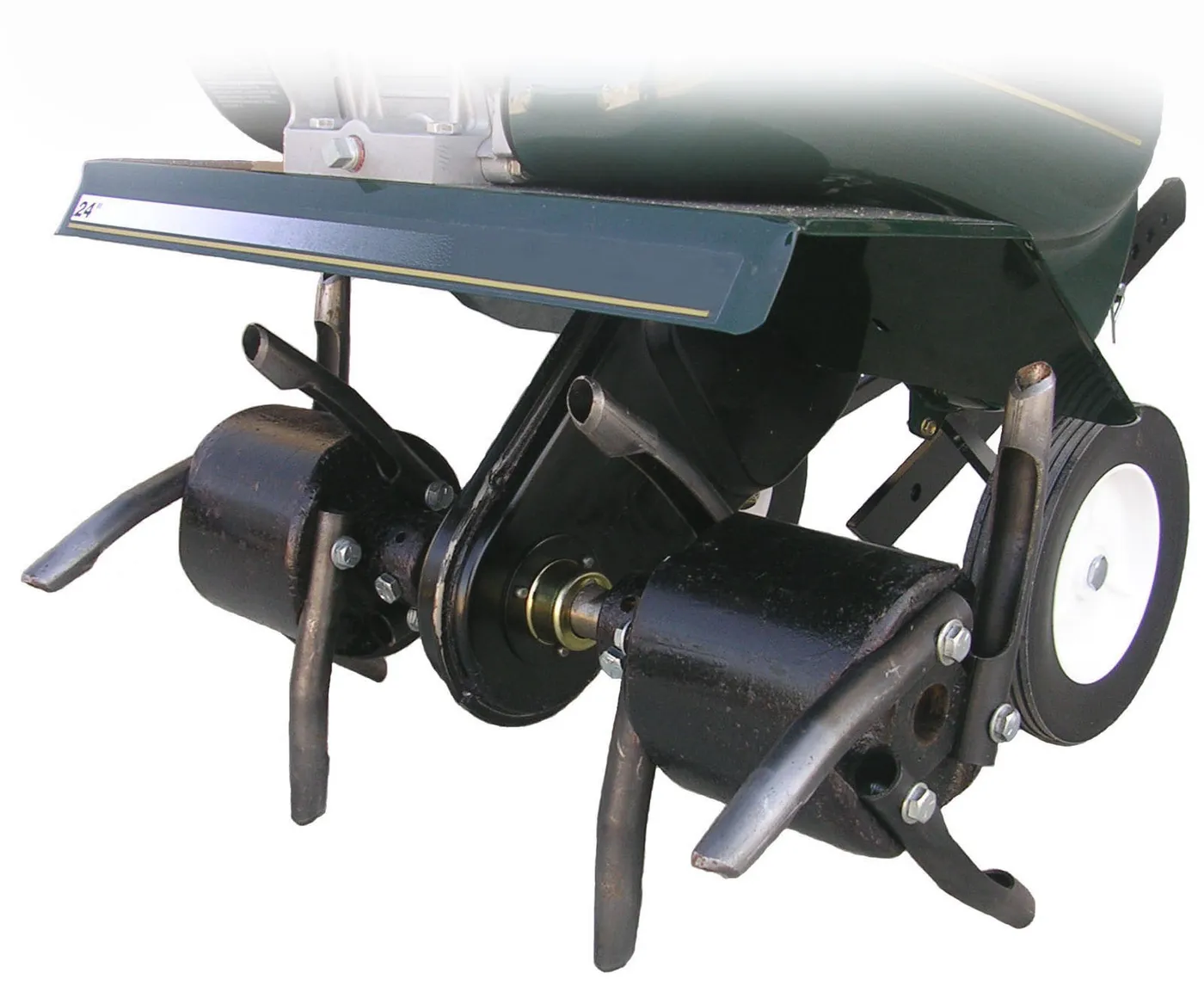
The mechanism has a flaw. When a solid spike enters the soil, it displaces the soil sideways, pressing it against the walls of the hole. The soil around the hole becomes denser than before, a localised compaction effect sometimes called a glazed wall. The hole exists, but its surface can be sealed and the surrounding soil more compact.
Spike aeration can still help in some cases. On loose, sandy or already friable soil, the compaction effect is small, and the holes may give water a way in. For light maintenance, or for small spots, a spike tool is better than nothing. For genuinely compacted ground, it does little.
How plug aeration works
A plug aerator, also called a core aerator, uses hollow tines that push into the soil and pull out small cylinders, or plugs, of soil and grass, which are deposited on the surface. The hole that remains is open, and the removal of soil creates space for the surrounding soil to expand into.
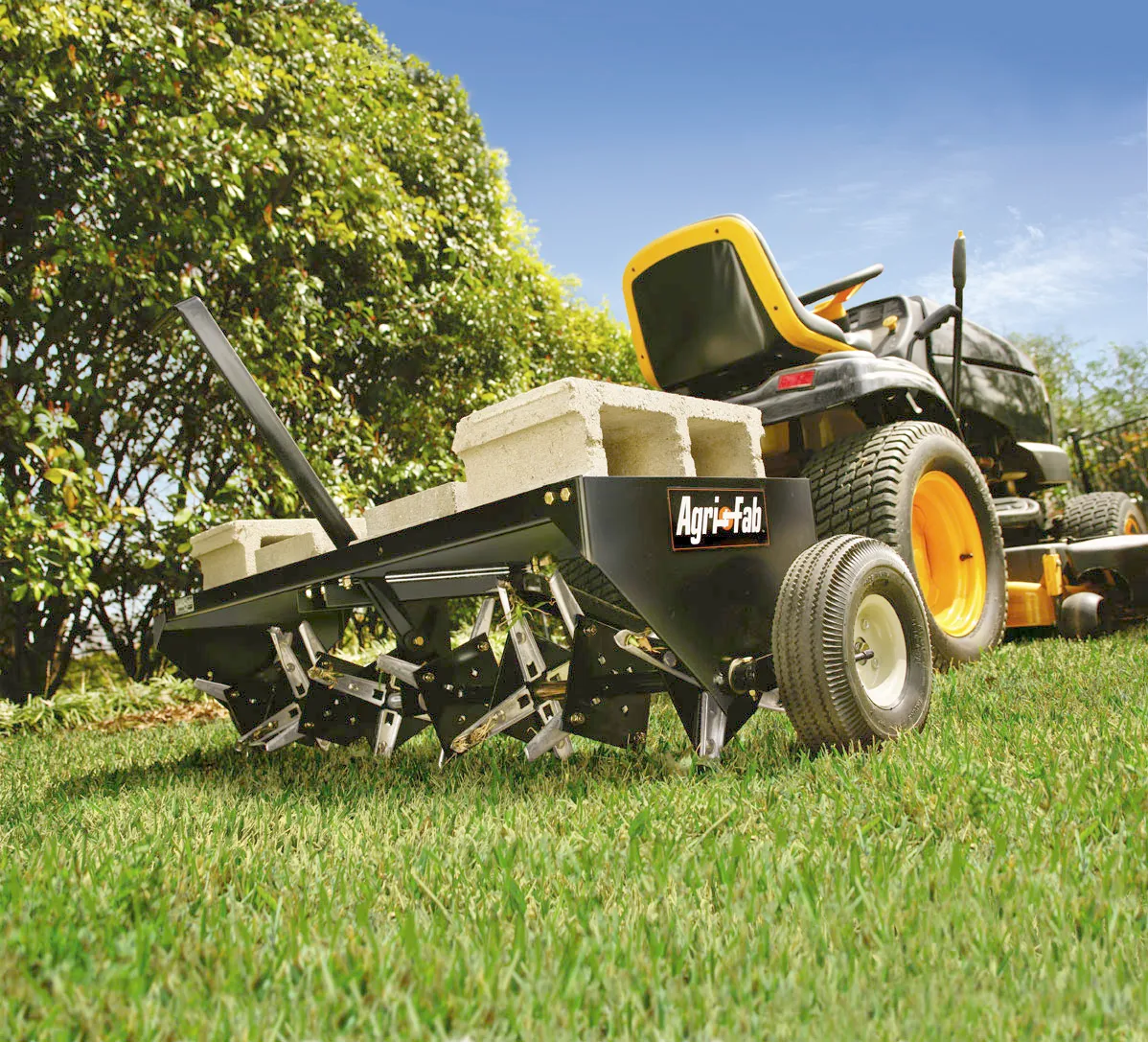
Plug aeration relieves compaction instead of increasing it, because soil is removed rather than displaced. The open holes let air, water and nutrients reach the root zone, and roots can grow into the loosened space. Over time, the plugs break down on the surface, returning organic matter and soil to the lawn.
Typical cores are on the order of a half inch to three quarters of an inch across and a couple of inches deep, though sizes vary by machine. Gas-powered aerators, including drum designs, make many holes per pass. Manual plug tools exist for small lawns. Our guides to gas lawn aerators, drum lawn aerators and plug lawn aerators show what is available.
Side-by-side comparison
| Factor | Spike aerator | Plug (core) aerator |
|---|---|---|
| Method | Pushes solid tines into the soil | Pulls out cores of soil with hollow tines |
| Effect on soil | Displaces soil, may compact around the hole | Removes soil, creates real space |
| Compaction relief | Limited, best on loose soil | Effective on compacted and clay soil |
| Effort | Low, light tools | Higher for manual tools, machines do the work |
| Mess | None, holes only | Plugs left on the lawn to break down |
| Equipment | Sandals, hand tools, simple rollers | Manual plug tools, gas and drum machines |
| Best for | Light upkeep on loose soil, small spots | Compacted lawns, clay, annual treatment |
Which one really relieves compaction
For real compaction, plug aeration is the better choice. University extension services and turf professionals consistently recommend core aeration over spiking for compacted lawns, because removing soil creates lasting space while spiking can worsen the problem at the hole wall.
That does not mean spikes are worthless. If your soil is loose and your goal is simply to improve water entry, a few passes with a spike tool will not harm. But if the ground is hard enough that a screwdriver barely penetrates, a spike will sink only a short distance and compact its own hole.
A simple test is to try both on a small patch. Push a spike tool into a hard area and see how far it goes, then try a plug tool and see the cores that come out. The plugs tell you what you are dealing with: thin, hard soil, a thick thatch layer or healthy loam.
When to aerate
Timing depends on your grass. Cool-season grasses, such as fescue, bluegrass and ryegrass, are best aerated in early autumn, when they are actively growing and recover quickly, and again in spring if needed. Warm-season grasses, such as Bermuda and zoysia, are best aerated in late spring or early summer, during active growth.
Avoid aerating during drought, extreme heat or when the grass is dormant, since the lawn cannot recover. Aerate when the soil is moist, not wet and not bone dry. Very dry soil resists penetration, and very wet soil smears. A day or two after a good rain, or after watering the day before, is a sensible window.
Plan your overseeding and fertilising to follow aeration. The holes give seed good contact with soil, and nutrients reach roots faster. Seeding right after aeration is one of the best ways to thicken a thin lawn.
How to aerate properly
- Water the lawn lightly the day before, so the soil is moist enough for tines to penetrate.
- Mark sprinkler heads, buried lines and shallow obstacles so the machine does not hit them.
- Mow the lawn a little shorter than usual and clear debris from the surface.
- Make a first pass across the lawn, then a second pass at right angles for heavily compacted areas.
- Leave the plugs on the surface to break down, or rake them gently if you prefer a tidier look.
- Overseed, fertilise or top-dress with compost to take advantage of the open holes.
On a plug machine, a heavier unit penetrates deeper because the weight drives the tines into the soil. Some machines have weight trays for added weight. Do not rush: a slow, steady pace lets the tines fill with soil.
Hand tools versus machines
Hand plug tools are suitable for small lawns and spot treatment. They are slow, and pushing a core tube into firm soil is hard work, but they are inexpensive and easy to store. They are a reasonable choice for a patch that is badly compacted, such as a path or play area.
Gas and drum aerators are built for larger lawns. A powered machine with tines on a rotating reel can cover a large area quickly, and the engine does the digging. They are heavy, and they take time to learn, but they save hours. Drum aerators, towed behind a mower or tractor, are a good fit for large yards, as covered in our drum aerator roundup.
Renting a gas core aerator is a common option, since most homeowners need one only once a year. A rental unit is usually powerful and well maintained, though availability peaks in autumn. If you have a medium lawn and aerate yearly, owning one may be worthwhile.
Aeration versus dethatching
Gardeners often confuse aeration with dethatching, but they solve different problems. Thatch is the layer of living and dead stems, roots and debris that builds up between the grass blades and the soil. A thin layer, up to about half an inch, is normal and even helpful. A thick layer blocks water and air, and shelters pests and disease.
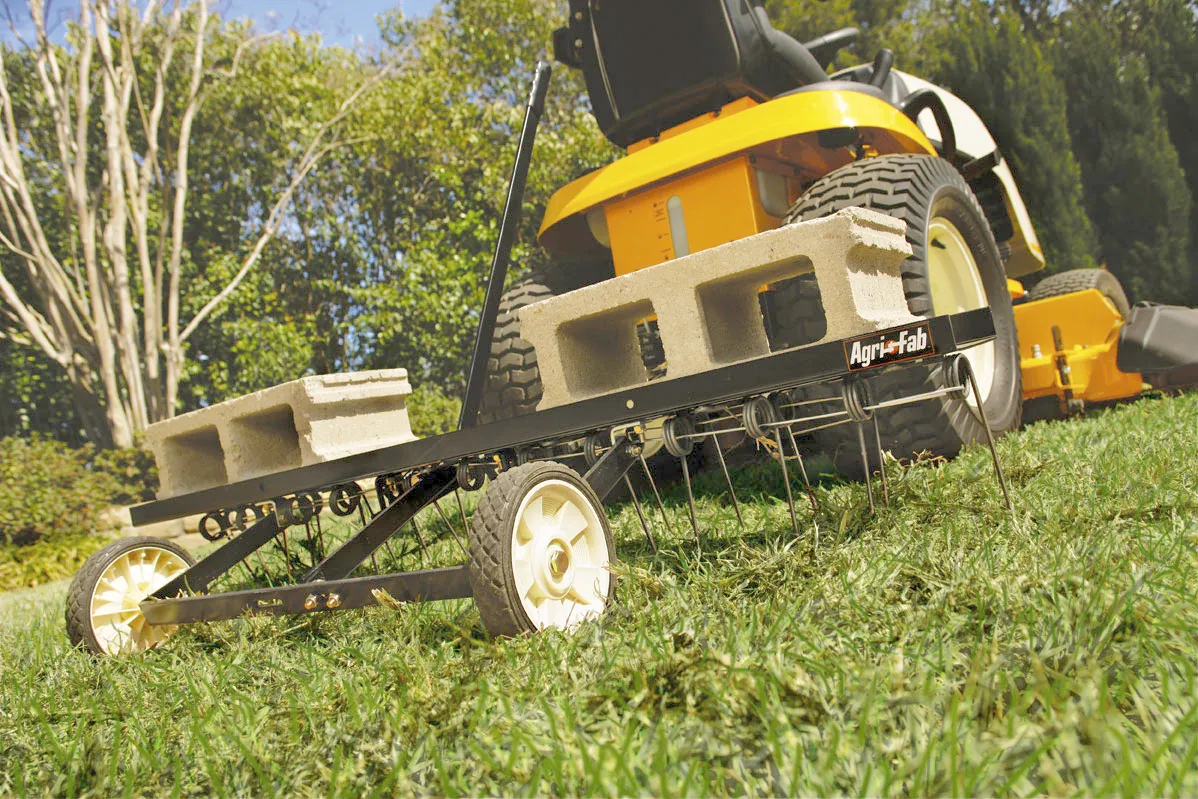
Dethatching removes that layer with a rake or a power dethatcher. Aeration works from the other direction, opening holes through the thatch into the soil below. A plug aerator helps with moderate thatch, because the cores bring soil to the surface where it mixes with the thatch and speeds its breakdown. A spike tool does not, since it simply pokes through.
If your lawn has a thick, spongy layer under the grass, tackle dethatching first and aerate afterward. If your problem is hard, compacted soil with a thin thatch layer, aeration is the right job on its own. Knowing which problem you have saves effort and avoids damaging a lawn that only needed one treatment.
Soil type and how it changes the plan
Clay soil benefits most from plug aeration. Its tiny particles pack tightly, and each core removed opens space that clay alone will not recover. Plan on annual aeration for a clay lawn, with a second pass in two directions for the toughest areas, and follow with compost topdressing to improve structure over time.
Sandy soil is naturally loose and drains fast, so aeration is less important. Heavy use or construction fill can still compact sandy soil, and in that case a light plug aeration helps. Focus on organic matter for sandy lawns, since they need help holding water more than moving it.
Loam is the easiest case, needing aeration only when traffic compacts it. Whatever your soil, check the plugs you pull. Cores that are short, hard and pale tell you the soil is tight, and cores that are long, dark and crumbly tell you it is healthy.
Matching the tool to the size of the lawn
Lawn size changes the answer more than most people expect. A small patch of a few hundred square feet is reasonable work with a hand plug tool, especially if you aerate only the worst areas. A medium suburban lawn is a long afternoon with hand tools and a short one with a rented machine.
Large lawns call for a powered or towed unit. A tow-behind drum or plug aerator pulled by a lawn tractor covers a big area quickly, and the weight of the drum drives the tines into the soil. Walk-behind gas machines handle medium lawns well but demand strength on slopes. Check how your intended machine handles slopes and tight corners.
| Lawn | Suitable tool | Notes |
|---|---|---|
| Small patches or high-traffic spots | Manual plug tool | Slow but inexpensive, good for spot work |
| Small to medium lawn | Rented or owned walk-behind plug machine | Fast and effective, heavy to move |
| Large lawn | Tow-behind drum or plug aerator | Needs a tractor, covers a lot of ground |
| Light upkeep on loose soil | Spike tool or roller | Modest benefit, low effort |
Our roundup of lawn aerator tools shows the manual end of the range, which suits small lawns and spot treatment.
Aftercare in the weeks that follow
The weeks after aeration are the payoff period. Keep the lawn moist, since open holes dry out quickly, and water lightly and often if you have overseeded. Avoid heavy traffic on the lawn for a couple of weeks while seedlings establish and the holes begin to fill.
Apply fertiliser as the product label directs, because nutrients now reach the root zone more easily. A thin top-dressing of compost brushed into the holes adds organic matter and improves soil structure over time, and it works especially well on clay.
Mow at your normal height when the grass has recovered, and leave the clippings, which return nutrients. Watch for weeds in the first season, since open soil and fresh seed can invite them. A thick, healthy lawn is the best defence, and aeration helps you grow one.
Common mistakes
- Using spikes on hard, compacted soil and expecting relief.
- Aerating dry, hard ground, where tines barely penetrate.
- Aerating at the wrong time of year for your grass type.
- Making a single light pass on severely compacted ground.
- Forgetting to mark sprinkler heads and shallow lines.
- Skipping overseeding after aeration, and missing the best chance to thicken the lawn.
Another mistake is expecting aeration to fix every problem. It relieves compaction and improves water and air movement, but it does not replace proper mowing height, watering and fertilising.
How often to aerate
For most lawns, once a year is enough. Heavily used lawns, clay soils and new developments may benefit from aerating each year, and some turf managers aerate twice. Lawns on loose, sandy soil with light use may need it only every couple of years.
Look at the lawn, not the calendar. If water soaks in readily, grass roots are deep and the lawn is thick, you may not need to aerate. If water runs off, thatch is thick or the lawn thins in high-traffic areas, it is time.
Aerating is one tool among several. Dethatching, overseeding, topdressing with compost and improving drainage address related problems. For related garden soil work, see our tiller comparison.
Frequently Asked Questions
Is a spike aerator better than nothing?
On loose soil, it can improve water entry slightly. On compacted soil, it can compress the soil around each hole and give little benefit, so a plug aerator is the better choice.
What happens to the plugs?
They are left on the lawn and break down within a couple of weeks, returning soil and organic matter to the surface. You can rake them in or leave them.
When should I aerate my lawn?
Aerate cool-season grasses in early autumn, and warm-season grasses in late spring or early summer, when they are actively growing. Choose a day when the soil is moist but not saturated.
How deep should the holes be?
A couple of inches is a common target for plug tines, with deeper being better in compacted soil, within what the machine achieves. Check the manufacturer's specification for your tool.
Should I overseed after aerating?
Yes, if the lawn is thin. The open holes give seed good contact with soil, and the loosened ground helps roots establish.
Can I aerate a wet lawn?
Avoid it. Saturated soil smears and clogs the tines, and heavy machines can compact it further. Wait until the soil is moist but not wet.
Bottom line
For real compaction relief, choose plug aeration. It removes soil and leaves room for air, water and roots, while spike aeration can compact the walls of each hole and does little on hard ground. Use spikes only for light upkeep on loose soil.
Time it to your grass type, water first, make two passes on tough ground and follow with overseeding. Hand tools suit small patches, and rented or owned machines suit large lawns. Do it once a year and your lawn will reward you with deeper roots and better drainage.