
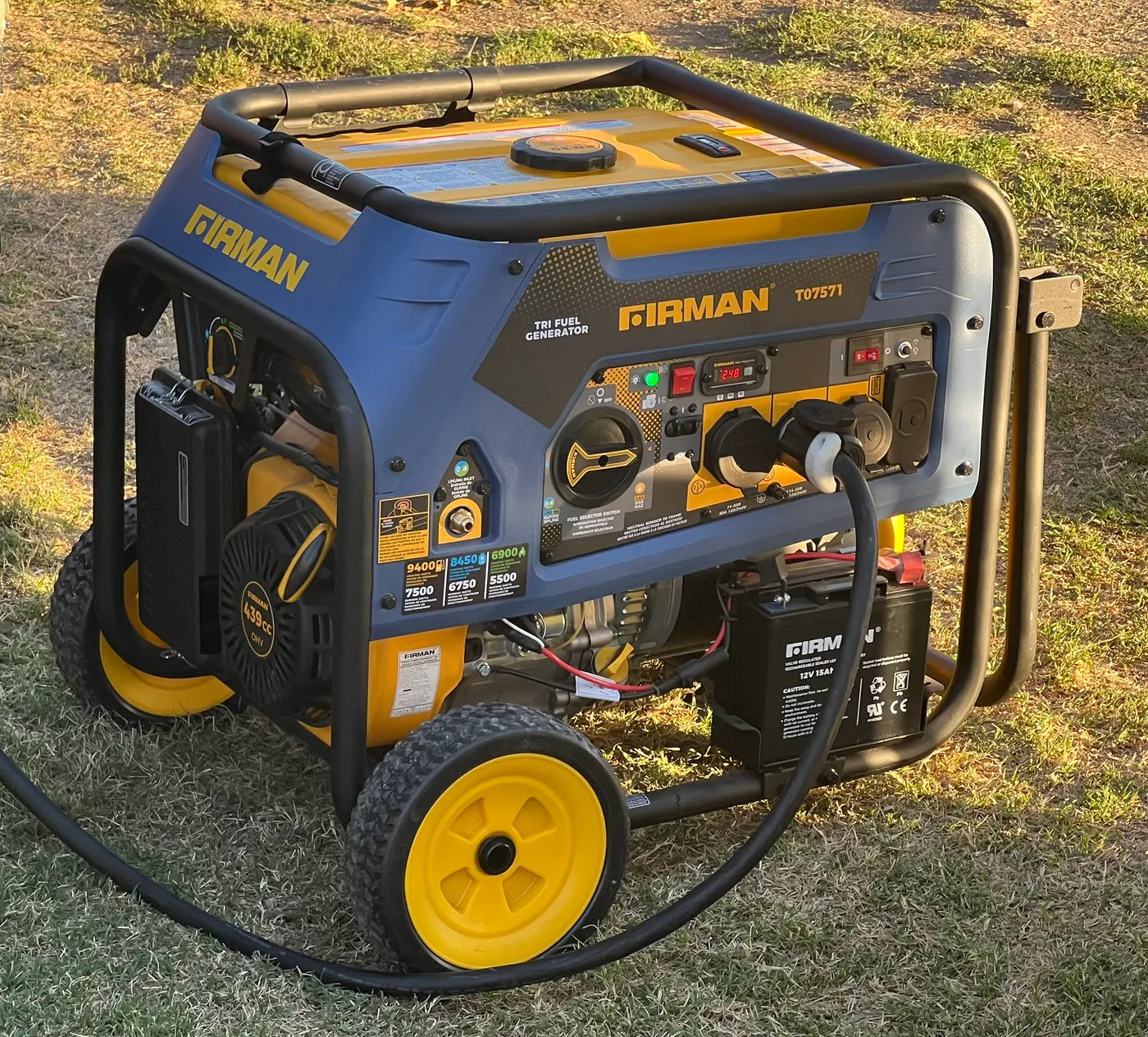
The generator that started last year may fail today
A portable generator often spends most of its life waiting. That quiet period creates a false sense of readiness. Fuel ages, batteries discharge, oil absorbs contaminants, rubber hardens, rodents enter openings, and corrosion develops at connections. When the outage arrives, the machine that worked after the last storm may refuse to start or may run poorly under load.
Generator maintenance is therefore a readiness system, not a cleanup task after something breaks. It begins with the operator manual, continues through a careful break-in period, and uses both operating hours and calendar time to trigger service. A generator that runs only a few hours each year can still need attention because fuel and materials age while the engine is stopped.
No universal interval fits every generator. Air-cooled and liquid-cooled engines differ. Oil capacity, filter design, valve adjustment, battery type, fuel system, spark plug, and operating environment differ. Use this guide to build the schedule, then replace every generic interval with the exact instruction for the model.
What break-in is supposed to accomplish
A new engine contains machined surfaces that settle during early operation. Piston rings conform to the cylinder, bearings establish their running surfaces, and small particles can enter the oil. The manufacturer may specify an early oil change to remove break-in debris. Skipping that service because the oil still looks clean defeats the purpose of the interval.
Break-in instructions vary. Some manuals call for operation at changing moderate loads. Some restrict sustained heavy loading. Some require an oil change after a short number of hours, while others use a different first-service point. Do not copy a procedure from another brand or an online video. Follow the manual for oil type, viscosity, fill quantity, loading, and service timing.
Before the first start, inspect for shipping damage and loose hardware. Add the specified oil because many portable generators ship without crankcase oil. Confirm fuel requirements, connect the starting battery if fitted, open required vents, and move the machine to a safe outdoor location. Never conduct break-in inside a garage, shed, workshop, or covered porch.
During early operation, vary the load within the permitted range instead of holding one extreme continuously. Listen for abnormal knocking, hunting, rubbing, or exhaust noise. Check for fuel, oil, and exhaust leaks. Stop the engine if a warning light appears, oil pressure is lost, or operation becomes unstable.
A maintenance framework you can adapt
| Trigger | Typical tasks to verify in the manual | Why it matters |
|---|---|---|
| Before every use | Oil level, fuel system, air openings, cords, fasteners, leaks, surrounding area | Find hazards before the engine starts |
| During break-in | Vary approved load, inspect operation, complete first oil service | Support early wear-in and remove debris |
| After each use | Cool, clean, inspect, record hours, address fuel plan | Prevent small faults from becoming storage failures |
| Periodic hours | Oil, air filter, spark plug, valve clearance, battery, fuel system | Service wear items according to actual operation |
| Calendar interval | Exercise, fuel inspection, battery charging, corrosion and pest check | Protect machines that accumulate few hours |
| Before storm season | Load test, supplies inventory, alarms, cords, transfer equipment | Confirm the complete backup plan works |
This table is a planning framework, not a substitute schedule. Write the model's real intervals beside each task. Where the manual says service is due at an hour limit or a calendar limit, whichever comes first, honor both conditions. Severe service may shorten intervals when the generator operates in dust, heat, cold, high humidity, or sustained heavy load.
Checks before every start
Begin with the generator off, cool, and isolated from loads. Look underneath for oil or fuel. Inspect the fuel hose, tank, cap, shutoff, regulator, and connections. A fuel odor or wet fitting requires correction before starting. Check that guards, covers, and the muffler are secure and that cooling openings are clear.
Check oil on level ground using the procedure in the manual. Some dipsticks are read threaded in and others resting on the opening. Overfilling can cause smoking, fouled plugs, or high crankcase pressure. Underfilling can trigger low oil shutdown or damage the engine. Use the specified oil grade and viscosity for expected temperature.
Inspect receptacles, breakers, grounding terminal, cords, and plugs. Do not use a damaged cord or a plug with heat discoloration. Confirm that all loads are disconnected or switched off before starting unless the manual specifies otherwise. Starting unloaded reduces electrical and mechanical stress.
Survey the operating site. The generator must be outdoors at least 20 feet from the home, with exhaust directed away from doors, windows, and vents. Keep it dry without enclosing it. The detailed placement rules in generator carbon monoxide safety apply during every exercise run and maintenance test, not only during outages.
The first oil change matters most
The first oil change is easy to miss because the generator is new and may have run for only a short time. Yet early operation can place more metallic debris in the oil than later service. Record the break-in hours immediately and set a reminder for the manual's first change point.
Warm oil drains more completely, but the engine and muffler can cause burns. Run the generator outdoors only as needed, shut it down, disconnect loads, close the fuel valve if instructed, and allow safe handling time. Place the machine on level ground and prevent oil from entering soil or drains.
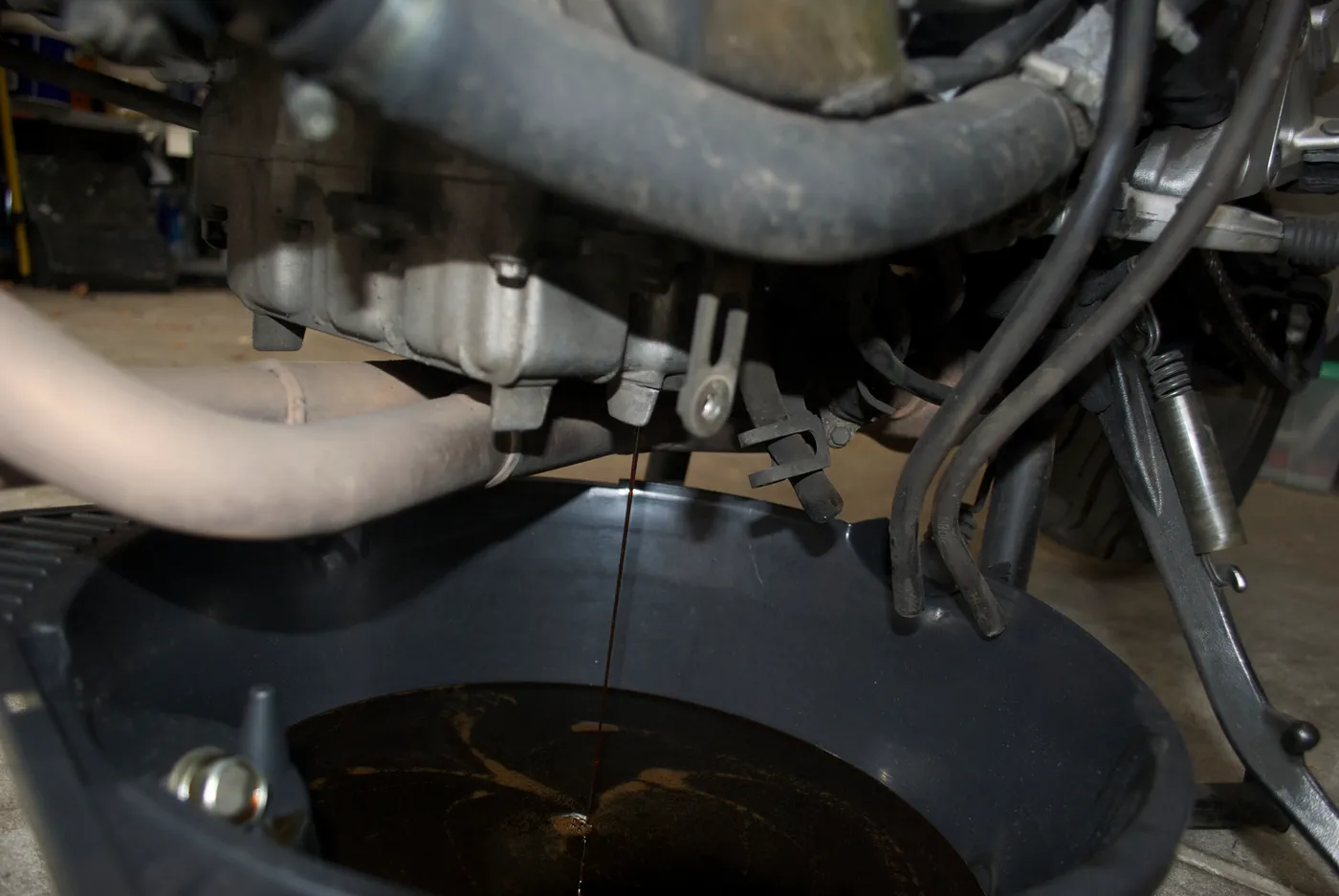
Use the drain method specified by the manufacturer. Some compact inverter generators require tilting, while others have a drain plug or service tube. Replace sealing washers when required. Refill slowly with the stated quantity, then confirm level by the manual's dipstick method. Do not assume the entire published capacity will fit if residual oil remains.
Dispose of used oil through an approved collection facility. Record date, running hours, viscosity, and any unusual debris, fuel smell, or milky appearance. Oil diluted by fuel or contaminated by water can signal a fault that deserves investigation before the next run.
Oil service after break-in
Later oil changes follow the hour and calendar limits in the maintenance table. Check level more often than the change interval. Air-cooled engines can consume oil during long runs, especially in heat and under substantial load. Low oil shutdown is a protective feature, not a substitute for inspection.
Choose viscosity from the manufacturer's temperature chart. A grade suited to summer may impair cold starting, while an unsuitable thin oil in extreme heat may not provide the intended protection. Synthetic oil may be permitted, required, or restricted during a particular break-in period depending on the engine. The manual decides.
If an outage requires continuous operation, plan safe shutdowns for oil checks and scheduled service. Let the machine cool, illuminate the work area with battery lighting, and keep loads supported only where loss of power is acceptable. Never reach near a hot muffler or rotating component while the engine runs.
Air filter service in real conditions
A clogged air filter restricts airflow, enriches the fuel mixture in carbureted engines, reduces output, increases deposits, and can raise fuel consumption. Dusty yards, wildfire ash, construction debris, and dry campsites may require service sooner than the normal interval.
Remove the filter only with the engine stopped. Prevent dirt from falling into the intake. Foam elements may require washing, drying, and a measured application of oil. Paper elements may require gentle inspection or replacement rather than washing. Dual element filters have separate procedures. Follow the exact design instructions.
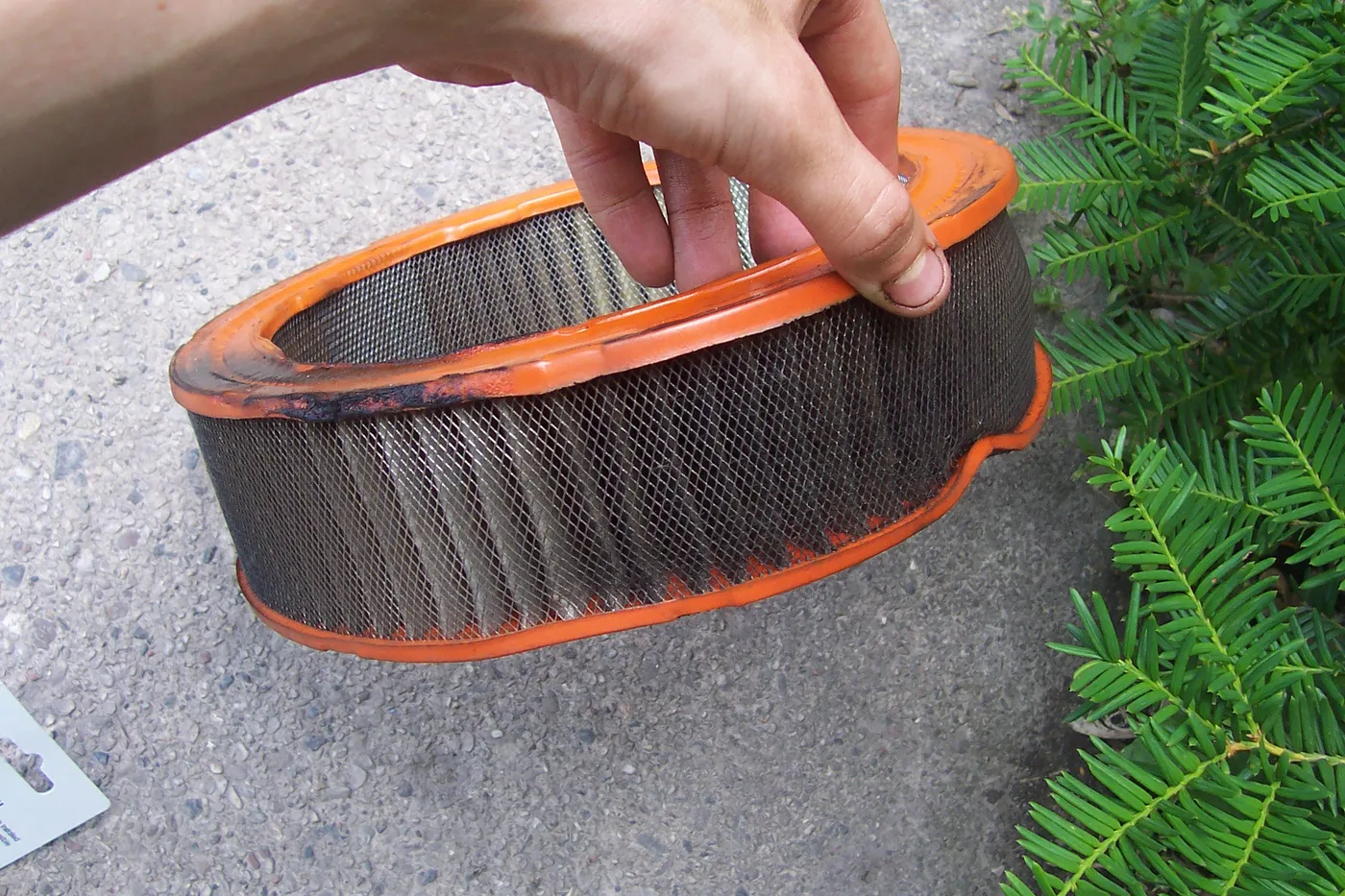
Never run the generator without its filter to recover lost power. Unfiltered grit can damage the cylinder rapidly. Also inspect the air box seal and cover, since a clean element does little good if air bypasses it.
Spark plug and ignition care
The spark plug can reveal operating condition. Dry black deposits can accompany rich operation or extended light loading. Oily deposits may point to oil entering the combustion chamber. A white or damaged insulator can indicate overheating or an incorrect plug. Diagnosis should consider the whole engine rather than relying on color alone.
Use the specified plug type and gap. Clean around the plug before removal so debris does not enter the cylinder. Thread the replacement by hand first to avoid cross-threading, then tighten to the manual's torque or angle instruction. Too loose can leak combustion gases. Too tight can damage threads or the plug.
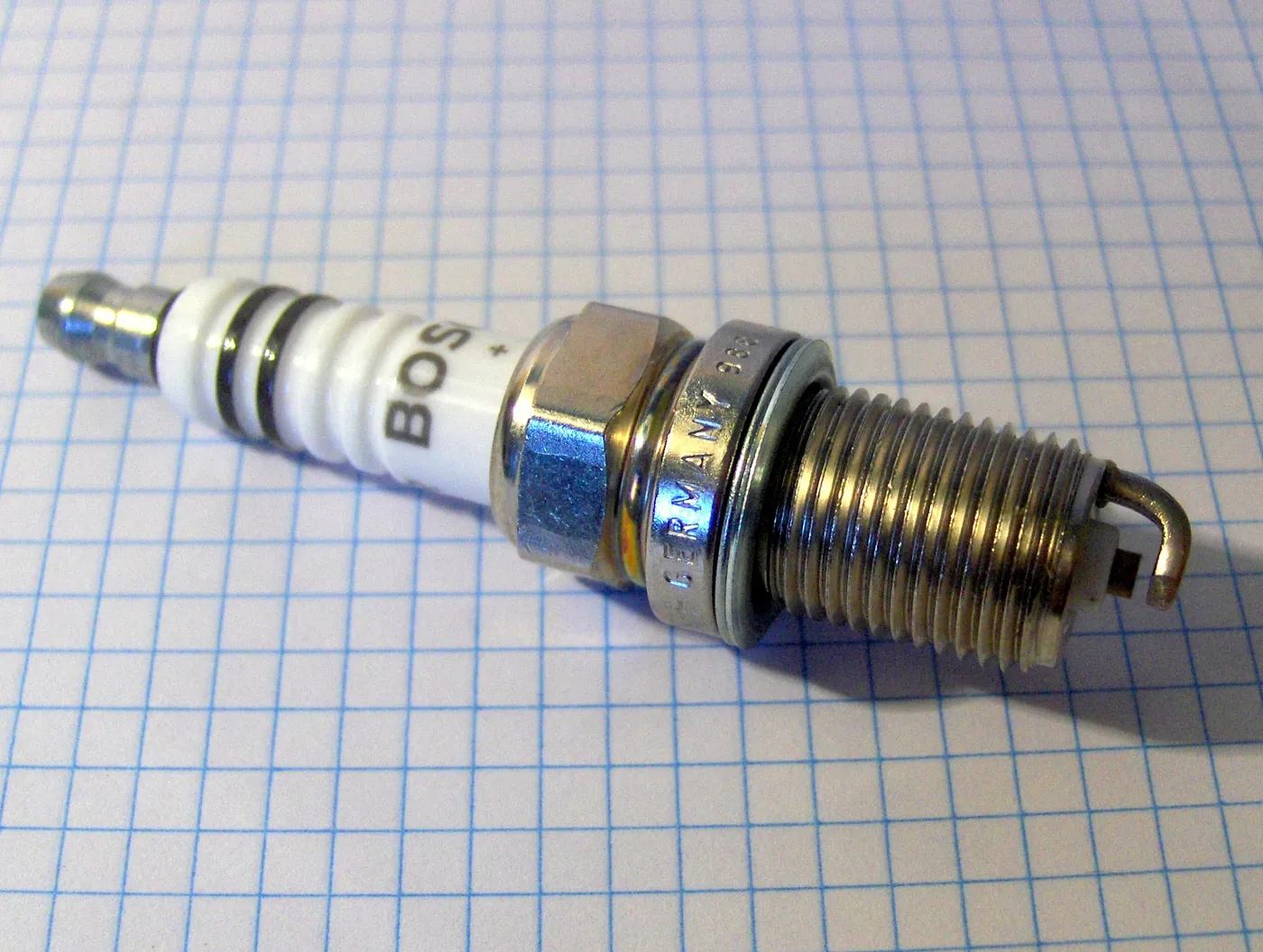
Inspect the boot and lead for cracking or looseness. Ignition systems can produce high voltage, so do not test for spark by holding the plug or lead. Use an approved method and qualified service when diagnosis exceeds routine maintenance.
Fuel is the most common storage problem
Gasoline changes during storage. Volatile components evaporate, oxidation creates gums, and ethanol blends can attract moisture under some conditions. Deposits can restrict small carburetor passages. The result is hard starting, surging, or an engine that runs only with partial choke.
Buy fuel from a reliable source, use approved containers, label purchase dates, and rotate stock. If the manual permits stabilizer, add the correct product at the correct ratio while fuel is fresh. Stabilizer does not restore degraded gasoline. Run treated fuel long enough to reach the carburetor if instructed.
For storage, the manufacturer may direct the owner to drain the system, run the carburetor dry, fill the tank with treated fuel, or follow another method. These instructions can appear contradictory because tank materials and emission systems differ. Follow the procedure for the exact generator.
Propane avoids carburetor varnish but introduces its own inspection needs. Check cylinders, regulator, hose, and fittings. Test connections by the approved leak-check method, never with a flame. Store cylinders upright in an approved outdoor location and follow local requirements. Dual-fuel owners can review the operating tradeoffs in dual-fuel generator pros and cons.
Starting battery and electric start
An electric-start generator can have a healthy engine and still fail because its small battery discharged in storage. Inspect terminals for corrosion, secure the hold-down, and keep the battery charged with a compatible maintainer if the manual allows it. A charger must match battery chemistry and voltage.
Measure resting voltage only after understanding what the reading means for that battery type. A voltage check does not prove that a battery can supply cranking current. Slow cranking, repeated clicking, swelling, leakage, or excessive heat call for service or replacement.
Recoil starting remains valuable even on electric-start models, but some electronic fuel systems still require battery power. Practice the approved manual start procedure before an emergency. Store the starting key and remote where authorized users can find them but children cannot.
Exercise runs need a purpose
An exercise run circulates oil, confirms starting, warms the engine, and reveals fuel or electrical faults. A brief idle that never reaches operating temperature can add moisture without proving load performance. Use the interval and duration specified by the manufacturer.
Exercise outdoors in the normal safe operating location. After warm-up, connect an appropriate stable load within the approved range if the manual recommends loaded exercise. Observe voltage or frequency displays, engine sound, breaker behavior, warning lights, leaks, smoke, and unusual vibration.
Do not use critical medical equipment as the test load. Resistive appliances can provide a predictable load, but their wattage must remain within cord, receptacle, and generator limits. Let motors start one at a time. Buyers matching generator output to RV service can compare the best 30 amp generators and best 50 amp generators while remembering that receptacle type alone does not establish usable output.
Load testing the complete backup plan
A generator can run smoothly with nothing connected yet fail when a refrigerator compressor or pump starts. Periodic load testing confirms engine response, alternator output, breakers, cords, transfer equipment, and the planned startup sequence.
Build the test from the real essential-load list. Start the generator unloaded, allow the specified warm-up, then add loads one at a time. Watch for overload indications, unstable engine speed, excessive voltage drop, heat at connections, or breakers that trip. Do not bypass protection to force a test to continue.
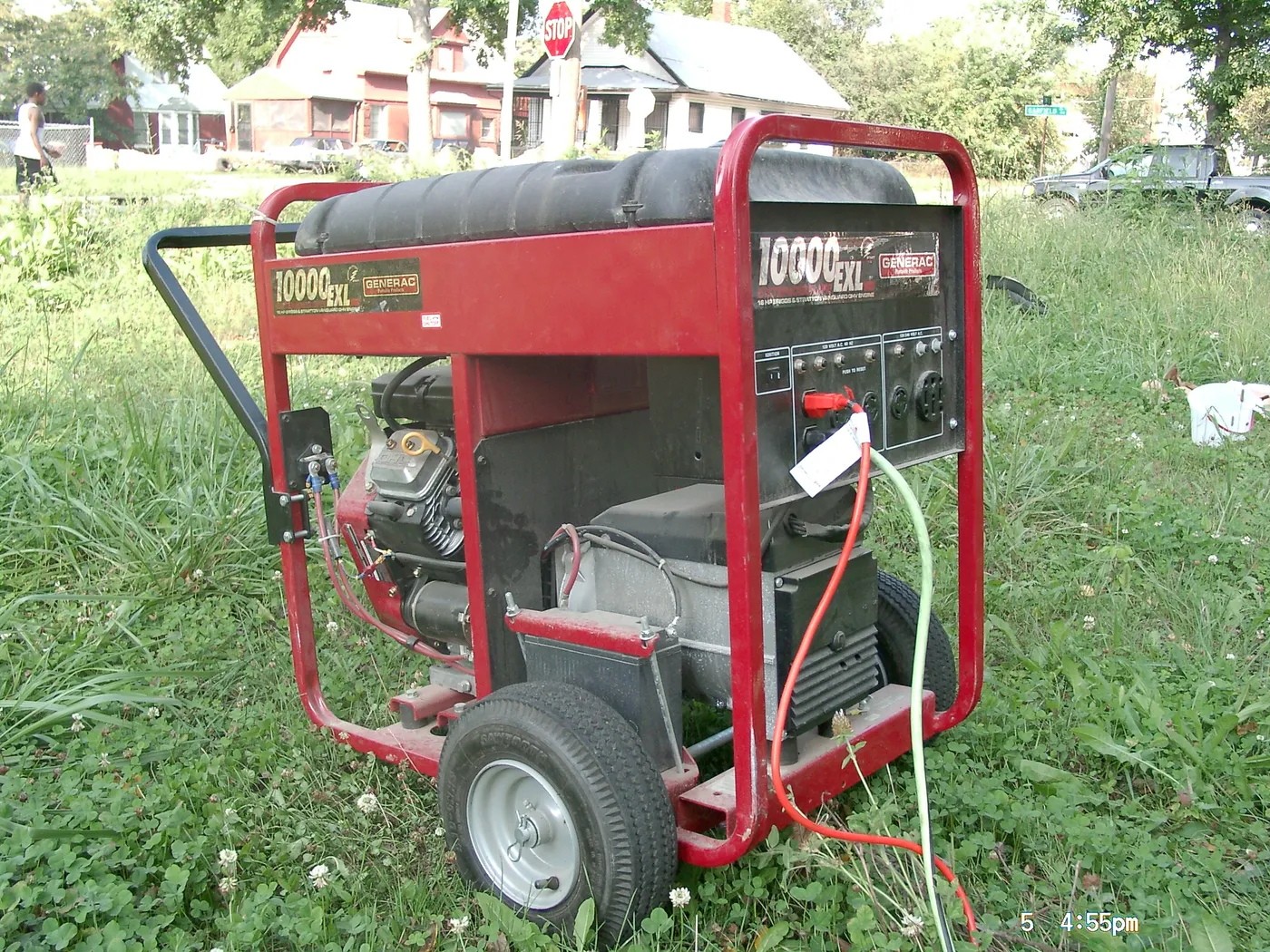
If the generator connects to home circuits, use a professionally installed transfer switch or permitted interlock and inlet. Never feed a building through a receptacle. Review how to safely connect a generator to a house before treating a successful engine test as proof of a safe home connection.
After testing, remove loads according to the manual, allow any specified cool-down, shut off fuel if required, and turn the engine off. Record maximum load and any corrective action.
Valve clearance and deeper service
Small engines may require periodic valve clearance inspection. Incorrect clearance can cause hard starting, loss of compression, noise, overheating, or valve damage. This task requires access to the valve train, correct engine position, accurate feeler gauges, torque values, and a new gasket when specified.
Owners comfortable with routine oil and filter work should not assume valve adjustment is equally simple. If the manual calls for dealer service or the procedure is unfamiliar, use a qualified technician. The same applies to carburetor disassembly, inverter module diagnosis, alternator repair, fuel regulator service, and internal electrical testing.
Cooling fins, spark arrestor, and muffler may also require scheduled attention. Carbon removal can release hot particles and soot. Perform the task outdoors on a cold engine using the manual's method, and reinstall every guard.
Maintenance during a long outage
A multiday outage compresses months of normal operating hours into a short period. Track runtime from the hour meter or a written start and stop log. Schedule oil checks and service before the interval arrives. Keep sufficient approved oil, filters, spark plugs, and tools on hand.
Plan shutdown windows. Refrigerators can usually coast for a limited time if doors remain closed, but medical devices, pumps, and communications may need alternate power. Decide this before maintenance is due. A unit from the best solar generator category may support selected quiet loads during a service stop, but its capacity and output must match them.
Never refuel a running or hot generator. Shut it down, disconnect loads, allow cooling, and keep ignition sources away. Wipe spills and move fuel containers away before restarting. Fatigue increases mistakes, so use a checklist and adequate lighting.
Safety during maintenance
Disable accidental starting before hands enter service areas. Remove the key, disconnect the spark plug lead where instructed, and isolate the starting battery when appropriate. Capacitors and inverter electronics can retain energy after shutdown, so internal electrical work belongs to qualified service personnel.
Wear eye protection and gloves suitable for oil, fuel, and sharp edges. Avoid loose clothing near moving parts. Support raised equipment securely rather than trusting a wheel or handle. Keep a suitable fire extinguisher accessible and know how to call emergency services.
Carbon monoxide remains a threat during every maintenance run. A workshop door, fan, or exhaust extension does not make indoor operation safe. Test carbon monoxide alarms regularly and move outside immediately if an alarm sounds or anyone develops headache, dizziness, nausea, weakness, or confusion.
Build a log that someone else can use
A useful log records date, hour meter, task, parts and fluids used, fuel treatment, load-test result, and the person who completed the work. Note symptoms even when no part is replaced. A trend such as increasing oil use or slower cranking becomes visible only when observations are written down.
Attach a weather-resistant tag showing the next oil service hour and calendar inspection date. Keep receipts or part numbers for filters, plugs, and oil. Photograph cable routing and control settings so they can be restored after service.
Include operating instructions for another household member. The sheet should cover outdoor placement, pre-start check, starting sequence, load order, shutdown, refueling, alarm response, and emergency contacts. Practice during daylight and calm weather.
Frequently asked questions
Do all new generators need a break-in oil change?
Many do, but the timing and procedure vary. Use the maintenance table for the exact model. Do not invent an interval from another engine.
How often should a portable generator be exercised?
Use the manufacturer's calendar interval, duration, and load guidance. Exercise must occur outdoors in the same safe location used during an outage.
Can I leave stabilized gasoline in the generator?
Only if the manual's storage procedure allows it. Stabilizer slows degradation but does not make fuel permanent or restore old gasoline.
Why does my generator surge after storage?
Restricted carburetor passages, stale fuel, an intake leak, clogged filter, incorrect choke position, or governor problems can cause unstable speed. Stop using it under load until the cause is corrected.
Should I change oil by hours or by date?
Follow both conditions in the manual. Where it says whichever comes first, a low-hour generator still receives calendar-based service.
Can I maintain a generator while it is running?
Routine physical maintenance should be done stopped, cooled, and protected from accidental starting. Only observations specifically required by the manual should occur during operation.
Bottom line
A reliable generator is the result of a written routine. Complete the model-specific break-in, protect the first oil change, inspect before every start, manage fuel, exercise under a suitable load, and service by hours and calendar time. Test the entire backup arrangement before storm season and keep records another operator can follow. Above all, perform every run outdoors, cool the engine before refueling, and stop when a fault appears instead of turning an emergency power source into a larger hazard.