

Amazon affiliate links - we earn a commission.Affiliate disclosure

Buying guide · 12 min read · Updated 2026-11-07

Best Generators for Tailgating (2026)

Six quiet, trunk-friendly inverter generators for tailgating, compared on running watts, weight, noise and runtime for TVs, griddles and coolers.

James MillerBy James MillerLead Machine Editor6 machines comparedSpec-sheet verified
Best Generators for Tailgating

At a glance

Our top picks

Side by side

Spec comparison

MachineOutputRuntimeNoiseWeightTHD
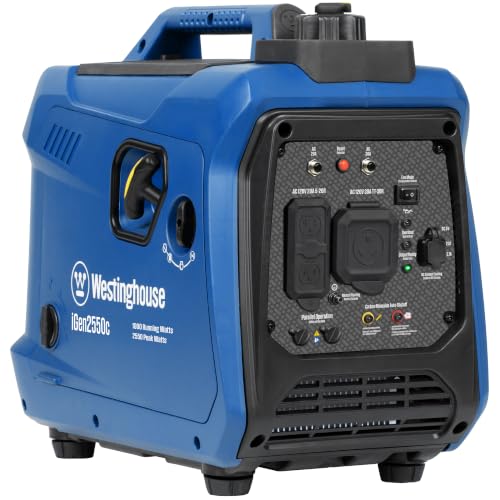
Westinghouse iGen2550 2,550W Inverter GeneratorBest OverallWestinghouse iGen2550 2,550W Inverter Generator2,550 peak / 1,900 running WUp to 11 hoursn/an/an/a
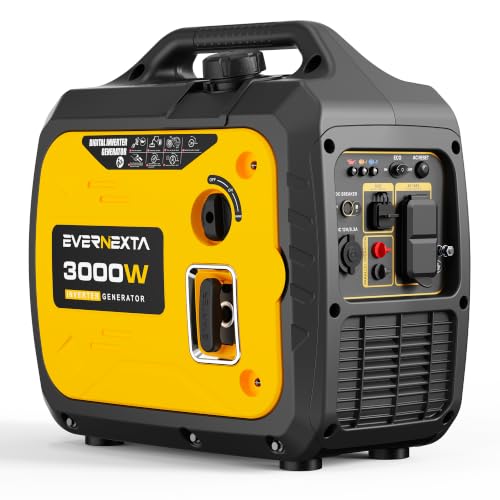
Evernexta 3000W Inverter Generator with Eco ModeBest Quietest Mid-SizeEvernexta 3000W Inverter Generator with Eco Mode3,000 start / 2,350 running Wn/a53 to 56 dB at 23 ft41.8 lbsUnder 3%
WEN 56360i 3,600W RV-Ready Inverter GeneratorBest for Bigger LoadsWEN 56360i 3,600W RV-Ready Inverter Generator3,600 surge / 2,900 rated Wn/an/a46 lbsn/a
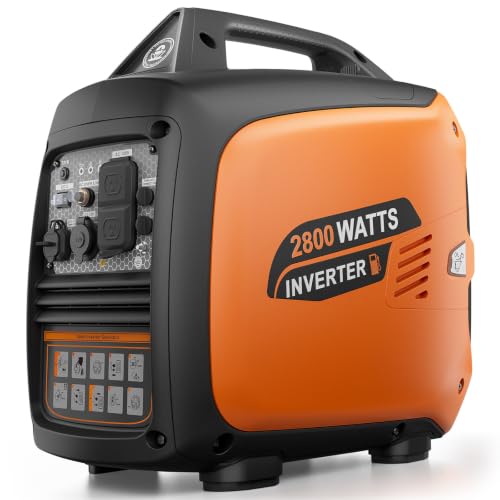
2800W Portable Inverter Generator, 2,000W RunningBest Mid-Price Balance2800W Portable Inverter Generator, 2,000W Running2,800 peak / 2,000 running W10 hours at 25% load58 dB at 23 ftn/aUnder 3%
AIVOLT 1600W Inverter Generator, 28 lbsBest LightweightAIVOLT 1600W Inverter Generator, 28 lbs1,600 peak / 1,260 running W8 hrs at 25%, 2 hrs full load57 dBA at 23 ft28 lbsUnder 3%
Pulsar 1500W Portable Inverter GeneratorBest Budget EntryPulsar 1500W Portable Inverter Generator1,500 start / 1,100 running Wn/a62 dBn/an/a

Tailgating asks a generator to behave like a good neighbor in a crowded parking lot. It has to fit in a trunk, start on the first pull after a week in a garage, and stay quiet enough that the group three spaces over does not complain.

The power budget is modest compared with a worksite: a television, a sound system, a cooler fridge, string lights and maybe a slow cooker. The trap is buying a heavy machine for a light job, or buying a light machine and then plugging in a griddle it cannot carry. These picks are sized with that spread in mind.

Before you buy

6 Criteria to Look For Before Buying a Generator for Tailgating

  1. 01

    Add up the tailgate load

    A 40-inch TV draws around 100 watts, a sound bar and speaker add another 100, and a mini fridge runs a couple hundred watts with a compressor surge. Together that fits under the 1,260 running watts of the AIVOLT 1600. A slow cooker or a blender pushes you toward the 1,900-watt Westinghouse or the 2,350-watt Evernexta.

  2. 02

    Noise in a crowded lot

    Parking lot rows put tents a few feet apart, so a 62 dB machine like the Pulsar 1500 is noticeable while the Evernexta's 53 to 56 dB range blends into crowd noise. Ratings are measured at 23 feet and a partial load, so real distance is shorter and louder. Aim for under 58 dB when neighbors are close.

  3. 03

    Weight and trunk fit

    A tailgate generator is loaded in and out of a car trunk, often over a bumper, so weight matters. The AIVOLT 1600 weighs 28 pounds while the WEN 3,600-watt unit weighs 46 pounds. Anything above about 50 pounds needs a cart or two people.

  4. 04

    Runtime on a small tank

    Compact units carry about one gallon, so a long game day may need a refill. The AIVOLT lists eight hours at a quarter load but only two at full load, a reminder to check the load basis. Carry a small approved can for the refill.

  5. 05

    Lot rules and ventilation

    Many stadium lots restrict or ban generators, so check the venue policy before you buy. If allowed, keep the exhaust pointed away from tents, food and people, and never run the generator under a closed canopy.

  6. 06

    Clean power for electronics

    Inverter generators produce a smooth sine wave with low distortion, which protects TVs and game consoles. THD under 3 percent, as on the Evernexta and AIVOLT, is a good target. An open-frame set may be cheaper but is less gentle on electronics.

Detailed reviews

The 6 best generators for tailgating, explained

01
Westinghouse iGen2550 2,550W Inverter Generator
1,900W running30A outletUSB portsEco Mode
Check price on Amazon
Best for: General tailgates with a TV, speakers, a fridge and phone charging.

Westinghouse wins this list by getting the details right for a lot party. Two USB ports sit on the panel next to a household outlet, so phones can charge without a power strip, and a 30A TT-30R outlet means the same machine can feed an RV later. The 1,900 running watts handle a flat-screen TV, a speaker, a mini fridge and a few lights simultaneously with room to spare.

Eco Mode lowers engine speed when the load drops, which matters during halftime when the TV is on but nobody is blending. That cuts noise and fuel use at the same time. Compared with the SIOKIUU-class 2,500-watt units, it is more established and carries a CO sensor that shuts the engine down on dangerous exhaust buildup. Against the 3,600-watt WEN, it is lighter and quieter but cannot run an electric griddle.

For upkeep, keep fresh stabilized fuel in the tank if it sits all summer, and run it dry before storing for the off season. The enclosed inverter body needs airflow, so never tuck it under a tailgate blanket, and wipe grass clippings off the cooling vents after a lawn lot.

What works

  • USB ports and a 30A outlet on one panel
  • Eco Mode quiets the engine at light load
  • 1,900 running watts clears a typical tailgate load
  • CO sensor shuts the engine on exhaust buildup

Watch out for

  • Cannot carry a high-draw electric griddle
  • Small tank means a refill on a long game day

Spec sheet

Output
2,550 peak / 1,900 running W
Outlets
TT-30R, 5-20R, two USB
Runtime
Up to 11 hours
Fuel saving
Eco Mode
Safety
CO sensor
02
Evernexta 3000W Inverter Generator with Eco Mode
2,350W running53 to 56 dB41.8 lbsEco Mode
Check price on Amazon
Best for: Tailgaters who prioritize low noise and want a bit more power than the 2,500-watt class.

The standout number is the noise range, 53 to 56 dB at 23 feet, which is the quietest claim in this roundup. In a packed lot where tents sit a few feet apart, that is the difference between being ignored and being asked to turn it off. The 97.7cc engine is small, which helps explain the sound level but also means it works near its limit if you push it to the full 2,350 running watts.

At 41.8 pounds and roughly 20 by 13 by 20 inches, it is carryable by one person and fits the back of a hatchback. Compared with the iGen2550 it gives about 450 more running watts at a bit more weight, which is useful if a TV, a slow cooker and a cooler fridge are all running together. THD under 3 percent keeps sensitive gear like laptops and game consoles safe.

The small engine rewards gentle use: keep the load around 70 percent of rating and let Eco Mode do its work. Check the oil level before every use because the crankcase is tiny, and keep the air filter clean after a dusty gravel lot.

What works

  • Quietest quoted noise level in the lineup
  • 2,350 running watts for a fuller load
  • Light enough to carry with one hand and a cooler
  • Under 3 percent THD for electronics

Watch out for

  • A small engine works hard near full load
  • Listing gives limited outlet detail

Spec sheet

Output
3,000 start / 2,350 running W
Engine
97.7cc 4-stroke OHV
Noise
53 to 56 dB at 23 ft
Weight
41.8 lbs
THD
Under 3%
03
WEN 56360i 3,600W RV-Ready Inverter Generator
2,900W running149cc engine46 lbsFuel shut-off
Check price on Amazon
Best for: Large tailgates with several electric appliances running at once.

When your tailgate has grown past a TV and a cooler, this is the lift. Twenty-nine hundred running watts can carry a TV, a large sound system, a slow cooker and a small electric grill together, or a bigger group's worth of blenders and chargers. It is the heaviest of the small group here at 46 pounds, which is still reasonable by trunk standards.

The 149cc engine is larger than the Evernexta's, which gives it more headroom but also a little more noise, so it suits open lots and fairgrounds better than packed stadium rows. A fuel shut-off valve is included and is the single best storage habit: close it, run the carburetor dry, and the engine will start in September after a summer in the shed.

Compared with the iGen2550 it gives a thousand more running watts for modest additional weight, so it is the choice for groups that plan to cook electrically. Check the oil before each trip, and carry the fuel in an approved can strapped upright so it does not leak in a hot trunk.

What works

  • 2,900 running watts for a bigger setup
  • Fuel shut-off valve simplifies storage
  • RV-ready outlet doubles for camping
  • Still light enough for a single carry

Watch out for

  • Louder than the smallest picks
  • No USB ports listed for direct charging

Spec sheet

Output
3,600 surge / 2,900 rated W
Engine
149cc
Weight
46 lbs
Fuel valve
Shut-off included
Hookup
RV-ready outlet
04
2800W Portable Inverter Generator, 2,000W Running
2,000W running58 dB10 hrs at 25%THD under 3%
Check price on Amazon
Best for: Budget-minded tailgaters who want more than 1,900 running watts.

This unbranded 2,800-watt unit sits between the iGen2550 and the Evernexta on output, with 2,000 running watts, and it quotes ten hours at a quarter load, a fair claim for a day of football. The 58 dB number at 23 feet is typical for the class: quiet enough for a lot, not whisper quiet.

Because the brand is not a household name, the buying decision turns on service and parts. Without an established dealer network, you are relying on the seller for support, so keep your order record and register the machine if possible. Running power is a little higher than the Westinghouse at a lower price tier, but fewer panel conveniences are listed, and the data does not mention USB ports or a CO sensor.

If you buy it, do a full-load trial at home with your actual TV and cooler fridge before game day, and keep the manual. Store it with an empty carburetor, and replace the spark plug annually, since a few dollars of maintenance is cheap insurance compared with a dead generator at kickoff.

What works

  • 2,000 running watts at a lower price tier
  • 10-hour runtime claim at a quarter load
  • Under 3 percent THD for electronics
  • 58 dB noise level suits open lots

Watch out for

  • Limited brand support and parts availability
  • Fewer listed features than the Westinghouse

Spec sheet

Output
2,800 peak / 2,000 running W
Runtime
10 hours at 25% load
Noise
58 dB at 23 ft
THD
Under 3%
Use
Camping, RV, home backup
05
AIVOLT 1600W Inverter Generator, 28 lbs
1,260W running28 lbs57 dBAUnder 3% THD
Check price on Amazon
Best for: Light loads and the easiest carry from the car to the tent.

At 28 pounds, this is the generator you can carry with one hand while the other holds a cooler. That weight is its entire argument, and for a tailgate with a TV, a speaker and some lights, 1,260 running watts is enough. The 57 dBA noise rating makes it a polite neighbor.

The runtime numbers set the limits: eight hours at a quarter load is fine for a game day, but the listing also states two hours at full load, which tells you not to plan on running it flat out. A compressor in a mini fridge can eat into the headroom, so watch your total. Compared with the Pulsar 1500, it has slightly more running power and a lighter frame.

Ownership is easy: small tank, simple controls, little to service. Fill it fresh before the season, run it dry in the off season, and keep the cooling vents clear. Do not expect it to carry a griddle or a slow cooker plus a TV, and do not tuck it into a tent where heat can build up.

What works

  • 28-pound frame carries one-handed
  • 1,260 running watts for TV and lights
  • 57 dBA noise rating
  • Under 3 percent THD protects electronics

Watch out for

  • Two hours at full load limits heavy use
  • Not enough power for cooking appliances

Spec sheet

Output
1,600 peak / 1,260 running W
Weight
28 lbs
Noise
57 dBA at 23 ft
Runtime
8 hrs at 25%, 2 hrs full load
THD
Under 3%
06
Pulsar 1500W Portable Inverter Generator
1,100W running62 dBUltra lightweightSine wave output
Check price on Amazon
Best for: Cheap, light-duty power for lights, phones and a small TV.

The Pulsar 1500 is the cheapest way into inverter power for a tailgate. Its 1,100 running watts cover string lights, phone charging and a modest TV, which is enough for a simple setup. The sine wave output keeps small electronics safe, which is worth having even on a budget machine.

It is also the loudest listed at 62 dB, so it is the one most likely to draw glances in a crowded lot. Compared with the AIVOLT 1600, it gives up a hundred or so running watts and a few decibels of quiet for a lower price. Its small size means it will not handle a fridge compressor plus a TV without careful load planning.

Treat it as a lights-and-chargers machine. Run it on fresh fuel, keep it on a level surface, and let it cool before packing it in a hot trunk. Check the oil each trip, since a tiny crankcase is easily overlooked, and plan the cord length so you can keep the generator downwind of the food.

What works

  • Lowest cost way into inverter power
  • Sine wave output for sensitive electronics
  • Small and light for a trunk
  • Simple operation with few parts to fail

Watch out for

  • Loudest quoted noise at 62 dB
  • 1,100 running watts limits what can run together

Spec sheet

Output
1,500 start / 1,100 running W
Noise
62 dB
Class
Small inverter
Power type
Sine wave
Use
Camping, tailgating

Spec sheet decoder

What the numbers on the box really mean

The specs manufacturers lead with, translated into what they tell you about real-world performance.

Running vs starting watts

Running watts are what the engine holds for hours, starting watts cover brief spikes. Size your setup on running watts.

Watch forThe Pulsar 1500 offers 1,500 starting but only 1,100 running watts.

dB at 23 feet

Noise is measured at a stated distance and part load, so real noise up close is higher. Lower numbers are quieter, and every 3 dB is a doubling of sound energy.

Watch forThe Evernexta 53 to 56 dB range is the quietest, the Pulsar's 62 dB the loudest.

Runtime at 25 percent load

A fuel-economy claim at a light load. Real tailgate loads are usually higher.

Watch forThe AIVOLT 1600 pairs eight hours at 25 percent with two hours at full load.

THD

Total harmonic distortion rates waveform cleanliness. Under 3 percent is typical for inverters.

Watch forThe Evernexta and AIVOLT both claim under 3 percent.

Eco Mode

A setting that lets engine speed follow the load, cutting noise and fuel at light draw.

Watch forThe Westinghouse iGen2550 and Evernexta list Eco Mode, but turn it off for sudden large loads.

Methodology

How We Evaluated These Generators for Tailgating

Load capacity for tailgate gear

We matched running watts to a typical tailgate setup of a TV, speakers, a mini fridge and lights. The 1,900-watt iGen2550 and 2,350-watt Evernexta cover it comfortably. Anything under 1,300 watts was scored as a light-duty pick.

Noise and neighbors

We compared quoted dB levels and their test distances. The Evernexta at 53 to 56 dB set the quiet mark, the Pulsar at 62 dB the loud one. Eco Mode availability counted for light-load stretches.

Weight and portability

We looked at weight and footprint for trunk loading. The 28-pound AIVOLT was the easiest, the 46-pound WEN the heaviest of the group. Carry handles and compact size mattered.

Runtime and fuel

We read runtime figures against their load basis, since quarter-load numbers flatter heavy use. The 10-hour claim on the 2,800-watt unit and the 11-hour claim on the iGen2550 both count as game-day capable. Fuel shut-off valves added points.

Convenience features

We counted USB ports, a 30A outlet, CO sensors and documentation quality from each listing. The Westinghouse iGen2550 lists the most useful panel features. Thin documentation lowered the unbranded unit's score.

Decision guide

How to Choose the Right Generators for Tailgating

By Tailgate Setup

SituationPickWhy
Lights, phones and a small TVPulsar 1500W1,100 running watts at the lowest tier
TV, speaker and a mini fridgeWestinghouse iGen25501,900 running watts with USB and 30A
Larger group with a slow cookerEvernexta 3000W2,350 running watts at 53 to 56 dB
Multiple appliances and an electric grillWEN 3,600W2,900 running watts
Walking a long way from the carAIVOLT 1600WOnly 28 pounds

By Budget

SituationPickWhy
Cheapest entryPulsar 1500WLowest price tier, basic features
Mid-range lightAIVOLT 1600WLight frame at a modest tier
Mid-range power2800W Inverter Generator2,000 running watts at a mid tier
Established brandWestinghouse iGen2550More features and a CO sensor
More headroomWEN 3,600WHigher tier for bigger loads

Small Inverter vs Mid-Size Inverter

Small inverter

The Pulsar 1500 and AIVOLT 1600 weigh little and sip fuel, ideal for lights, a small TV and phones. They run out of headroom fast with a fridge compressor and a TV together.

Mid-size inverter

The Westinghouse iGen2550, the Evernexta and the WEN 3,600W carry larger setups with a margin for compressor starts. They weigh more and need a bit more fuel but they handle a full party.

Pick small if you are carrying it far and loads are light. Pick mid-size if you want a fridge, a TV and a cooker running together.

Noise Sensitivity

SituationPickWhy
Packed stadium lotEvernexta 3000W53 to 56 dB at 23 feet
Open field or fairgroundWEN 3,600WMore power outweighs noise
Moderate crowdWestinghouse iGen2550Eco Mode softens light-load noise
Small group, low stakesAIVOLT 1600W57 dBA at 23 feet
Distance isn't an issuePulsar 1500W62 dB is acceptable far from neighbors

For TVs and Sound Systems Specifically

Look for

Low THD matters for flat-screen TVs and amplifiers, so look for an inverter rated under 3 percent. A steady output also avoids hum in speakers, and a stable voltage keeps streaming boxes from rebooting.

In this comparison

The Evernexta 3000W and AIVOLT 1600W both list THD under 3 percent, and the Westinghouse iGen2550 uses inverter output. For a bigger sound system, the iGen2550's extra running watts give more cushion.

When to Spend More

Spend more if

You tailgate every week, cook electrically or want USB and RV outlets. The Westinghouse iGen2550 and WEN 3,600W give better features and headroom. Spend more too if noise rules matter at your regular lot.

Save if

You tailgate a few times a year with just lights and a TV. The Pulsar 1500W or AIVOLT 1600W handles that for much less money and weight.

Ownership

Maintenance schedule

The upkeep that decides whether this machine lasts two seasons or ten.

TaskIntervalWhy it matters
Fuel stabilizer and dry-runBefore each off-season storageA tailgate generator sits for months. Run the carburetor dry or add stabilizer so jets do not gum.
Oil level checkBefore each useTiny crankcases hold under a pint, and the low-oil shutdown ends your game day early.
Air filter cleaningEvery 25 hours or after dusty lotsGravel and grass lots clog filters. A restricted filter lowers output and raises fuel use.
Spark plug replacementOnce a yearA fouled plug is the usual no-start cause. It is a cheap, five-minute job.
Cooling vent clearingAfter every useGrass and debris collect behind the inverter housing. Blocked vents cause overheating.

FAQ

Frequently Asked Questions

How many watts do I need for tailgating?

A TV, speaker and mini fridge fit comfortably under 1,900 running watts. Add a slow cooker or blender and 2,350 to 2,900 running watts is safer.

Is an inverter generator worth it for tailgating?

Yes. Inverters are quieter, lighter and produce clean power for TVs and phones, which is exactly what a tailgate needs. An open-frame set is cheaper but louder and harsher on electronics.

Can I run an electric griddle on a small generator?

Most electric griddles draw 1,500 watts or more, which overloads the 1,260-watt AIVOLT and strains the 1,900-watt Westinghouse. Use a propane griddle instead.

Are generators allowed at stadium lots?

Many venues restrict or ban them, and rules vary. Check the stadium or event policy before you buy or bring one.

How long will a small generator run?

Compact units quote 8 to 17 hours at a quarter load, but heavier loads shorten that sharply. Bring a small can of fresh fuel for a long game day.

Where should I put the generator?

Outdoors, downwind of tents and food, on level ground with clear airflow. Never run it under a closed canopy or in a vehicle.

Bottom line

The short version

Browse more generators for tailgatingon Amazon →
James Miller, Lead Machine Editor

About the author

James Miller

Lead Machine Editor, MachineFanatic

James Miller leads MachineFanatic's buying guides, turning spec sheets, manuals and owner feedback into clear verdicts on power tools, outdoor power equipment, shop machines and kitchen machines.

More from James →

Keep reading

Related guides