

Amazon affiliate links - we earn a commission.Affiliate disclosure

Buying guide · 12 min read · Updated 2026-11-13

Best Power Stations Under $750 (2026)

Four power stations from 1024Wh to 2010Wh at or under $750 on listing prices when updated, compared on appliance output, UPS switching and fridge runtime.

James MillerBy James MillerLead Machine Editor4 machines comparedSpec-sheet verified
Best Power Stations Under $750

At a glance

Our top picks

Side by side

Spec comparison

MachineCapacityAC outputUPS function
DYNESS 1536Wh 1800W LiFePO4 Power Station with UPSBest OverallDYNESS 1536Wh 1800W LiFePO4 Power Station with UPS1536Wh LiFePO41800W with 3600W surgeBuilt in for outages
Anker SOLIX S2000 2010Wh 1500W LFP Power StationBest for Fridge BackupAnker SOLIX S2000 2010Wh 1500W LFP Power Station2010Wh LFP1500Wn/a
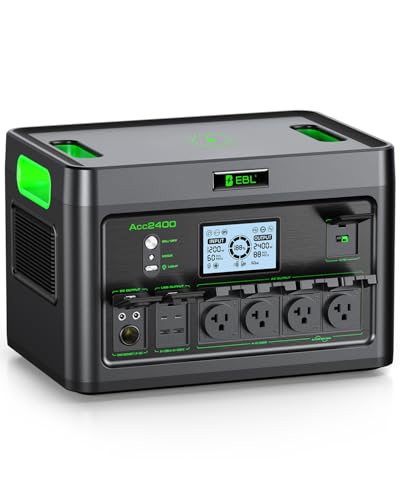
EBL 2400W 1843Wh LiFePO4 Power StationBest Value for Capacity and OutputEBL 2400W 1843Wh LiFePO4 Power Station1843.2Wh LiFePO42400Wn/a
Jackery Explorer 1000 v2 1024Wh Power StationBest Established Brand PickJackery Explorer 1000 v2 1024Wh Power Station1024Wh LiFePO41500W, 3000W peak10 millisecond switchover

At the $750 level a power station can do real household work. Capacities reach into the range of a day or more of refrigerator runtime, inverters handle microwaves and power tools, and fast chargers turn a short sunny afternoon into a full battery.

The decisions that matter here are the balance between capacity and output, the way the unit behaves during an outage and the real-world support behind it. Prices move, and the $750 cap reflects listing prices when this guide was updated.

Before you buy

6 Criteria to Look For Before Buying a Power Station Under $750

  1. 01

    Capacity versus output balance

    Under $750 you can pick 1024Wh with 1500W, 1536Wh with 1800W, 1843Wh with 2400W or 2010Wh with 1500W. A big battery with a small inverter strands energy, and the reverse drains quickly. For a refrigerator-centered plan favor the Anker S2000, and for appliances favor the EBL or Dyness. A quick list of the appliances you want to run, with their nameplate watts, makes the choice obvious in about two minutes. For a family that wants a microwave at dinner, a coffee maker in the morning and a few chargers, 1800W to 2400W is comfortable, and a single appliance list on paper settles it in two minutes.

  2. 02

    Refrigerator runtime

    A typical fridge averages 50 to 100 watts, so 2010Wh lasts a day or more and 1024Wh about 8 to 16 hours. The S2000's 6W idle draw makes the difference larger than the label suggests. Check the idle consumption for any unit you consider. Cold weather reduces capacity, so a winter outage needs a 20 percent margin. A refrigerator at 80 watts average would run about 15 hours on the Dyness's capacity, and the Anker's low idle draw stretches the Anker's figure further than the arithmetic suggests. Frequent door openings and a warm kitchen eat into both.

  3. 03

    UPS switching speed

    The Jackery states 10ms, the Dyness lists a built-in UPS and the EBL lists 0.1 seconds. A computer may reset on a 0.1 second gap. Match the speed to your most sensitive load. If you plan to protect a desktop computer, add a small UPS in front of it, since a 0.1 second gap is long enough for some power supplies to give up, while a refrigerator and lights will not care.

  4. 04

    Solar and AC recharge

    The Dyness accepts up to 1200W of solar and charges to 80 percent in 50 minutes from AC, while the Jackery and EBL are slower or less documented. For off-grid weekends, solar input is what makes a big battery practical. Check connector types before buying panels. A panel array also lets you stretch a multi-day outage that a wall outlet cannot. Before buying panels, confirm that their combined open-circuit voltage stays within the input window on the coldest morning you expect, because voltage rises as panels cool.

  5. 05

    Startup surge for motors

    The Dyness lists 3600W surge and the Jackery 3000W peak. The Anker states no surge, so a pump or compressor with a heavy start may stall it. Read the motor's nameplate. If your outage plan includes a space heater or a well pump, none of the larger-battery units with a lower surge is the right fit, and the Dyness or EBL suits better.

  6. 06

    Brand and warranty reach

    Jackery and Anker have large support networks, while Dyness and EBL are newer. A battery is a multi-year purchase, so check the warranty length and how claims are handled. A longer warranty on a newer brand is a fair substitute for a long track record. Photograph the manual's warranty page at purchase and register the unit if the brand offers it, because proof of purchase is worth more than any promise.

Detailed reviews

The 4 best power stations under $750, explained

01
DYNESS 1536Wh 1800W LiFePO4 Power Station with UPS
1536Wh LiFePO41800W, 3600W surge50 min to 80%Built-in UPS
Check price on Amazon
Best for: Buyers who want fast AC and solar recharge with UPS backup in a mid-size LiFePO4 station.

A 1200 watt solar input is the number that separates the Dyness from most stations under this cap, because it lets a decent array refill 1536 watt-hours in a little over an hour of strong sun. That makes it genuinely useful for off-grid weekends and for multi-day outages when sunshine returns. The unit also reaches 80 percent from AC in 50 minutes, so a wall outlet works almost as fast.

The 1800 watt inverter with 3600 watt surge runs a microwave, a coffee maker or a power tool, and the built-in UPS switches to battery during an outage to keep a router, a PC or a refrigerator alive. Compared with the 1843Wh EBL it holds a little less energy but charges much faster, and against the 1024Wh Jackery it offers half again the capacity and a far stronger solar input.

Treat it as the all-purpose mid-size station: keep it plugged in for UPS duty, set a charge limit in the app and store it somewhere cool. The brand is newer than Jackery or Anker, so read the warranty terms before you buy.

What works

  • 1200W solar input refills quickly in good sun
  • 80 percent AC charge in 50 minutes
  • 1800W output with a 3600W surge
  • Built-in UPS for outages

Watch out for

  • Newer brand with a shorter support record
  • Heavy for a one-person carry
  • Fans run noticeably during fast charging

Spec sheet

Capacity
1536Wh LiFePO4
AC output
1800W with 3600W surge
AC charging
80 percent in 50 minutes
Solar input
Up to 1200W, 80 percent in 1.2 hours in optimal sun
UPS function
Built in for outages
02
Anker SOLIX S2000 2010Wh 1500W LFP Power Station
2010Wh LFP1500W output6W idle draw10,000 cycles
Check price on Amazon
Best for: Long outages and refrigerator backup where energy and low standby draw come first.

The largest battery in this guide at 2010 watt-hours, the S2000 also has the lowest idle draw at 6 watts, which is why Anker quotes up to 35 hours of refrigerator backup from a single charge. The LFP cells are rated for 10,000 cycles, or about 15 years of use, and the case is described as 30 percent smaller and 25 percent lighter than earlier 2kWh stations.

The output is the compromise: 1500 watts is enough for a refrigerator, a microwave or a coffee maker, but it will not start a big pump or run a space heater, and the listing does not state a surge figure. Compared with the 1536Wh Dyness it holds a third more energy with a lower inverter rating, and against the 1843Wh EBL it has similar energy with more efficiency but less output.

Choose it if the plan is long outages and a modest list of appliances. Keep it plugged in, set a charge ceiling and place it in a spot with airflow. The priority here is endurance, not peak power.

What works

  • 2010Wh is the largest capacity in the group
  • 6W idle draw preserves energy for a fridge
  • 10,000 stated cycles on LFP cells
  • Smaller and lighter than earlier 2kWh units

Watch out for

  • 1500W with no stated surge may not start heavy motors
  • No stated UPS switchover time
  • Highest listing price in the group

Spec sheet

Capacity
2010Wh LFP
AC output
1500W
Idle draw
6W
Cycle life
10,000 stated, about 15 years
Fridge backup
Up to 35 hours stated
03
EBL 2400W 1843Wh LiFePO4 Power Station
1843.2Wh LiFePO42400W output0.1s emergency mode12 devices
Check price on Amazon
Best for: Households that want the strongest inverter and plenty of ports for the outlay.

The highest inverter rating in the guide, 2400 watts, sits on a 1843 watt-hour LiFePO4 pack in the EBL, which makes it the strongest machine here on paper. It can run a microwave, a toaster oven or a corded saw, and it can serve up to twelve devices at once for a group site. An emergency power mode switches to backup in 0.1 seconds during a blackout.

That 0.1 second switch is slower than the 10 millisecond claims of rivals, so a desktop computer may still reset where the Jackery would not. Against the 1536Wh Dyness it has more energy and output but slower charging, and against the 2010Wh Anker it has less energy but a far stronger inverter. It is a good fit for someone who wants to run appliances more than to nurse a refrigerator.

Check warranty and support before buying since the brand is less established. Test the emergency mode with a lamp, keep it charged and store it away from heat.

What works

  • 2400W output is the highest in the group
  • 1843.2Wh LiFePO4 capacity
  • Up to twelve devices at once
  • Emergency mode switches in 0.1 seconds

Watch out for

  • 0.1 second switch is slower than 10ms rivals
  • Less established brand and support
  • Heavy and bulky

Spec sheet

Capacity
1843.2Wh LiFePO4
AC output
2400W
Emergency mode
Switches to backup in 0.1 seconds
Devices
Up to 12 at once
Target use
Home backup and camping
04
Jackery Explorer 1000 v2 1024Wh Power Station
1024Wh LiFePO41500W, 3000W peak50 min charge10ms UPS
Check price on Amazon
Best for: Households that want a trusted brand with UPS switching for short outages.

A brand with a long track record is worth something when the product might sit in a closet for years, and Jackery supplies that with the Explorer 1000 v2. It stores 1024 watt-hours in LiFePO4 cells, delivers 1500 watts with a 3000 watt peak and fully recharges in 50 minutes. A 10 millisecond UPS switchover keeps a router or desktop alive through an outage.

The pure sine AC outlets are only two, and the capacity is the smallest in this guide, which is the trade for a lighter, simpler unit. Next to the 1536Wh Dyness it has two thirds of the energy and a lower surge, and against the 1843Wh EBL it has about half the energy but a faster UPS. It suits a household that wants a dependable brand and a short outage plan.

Keep it plugged in for UPS duty, store it at partial charge and use Jackery's compatible solar panels for a simple expansion. It is the choice if support matters most.

What works

  • 10ms UPS keeps electronics running
  • Full recharge in about 50 minutes
  • Pure sine AC outlets
  • Established brand with wide support

Watch out for

  • Smallest capacity in the group
  • Only two AC outlets
  • Lower surge than the Dyness

Spec sheet

Capacity
1024Wh LiFePO4
AC output
1500W, 3000W peak
Fast charge
0 to 100 percent in 50 minutes
UPS function
10 millisecond switchover
Outlets
Two pure sine AC, USB-C, USB-A, car port

Spec sheet decoder

What the numbers on the box really mean

The specs manufacturers lead with, translated into what they tell you about real-world performance.

Watt-hours

The energy stored, which sets runtime. Usable energy is about 85 percent after losses. Cold weather can cut usable capacity by 20 percent or more, so winter outages need a margin.

Watch forThe lineup runs from 1024Wh to 2010Wh.

Surge watts

A brief allowance for motor startup. It helps a freezer compressor and a pump that start together, but it never extends running capacity.

Watch forThe Dyness lists 3600W and the Jackery 3000W peak.

Idle draw

The power used with nothing plugged in. It sets how long a fridge really lasts. It is the figure most listings leave out, and it quietly decides how long a refrigerator really runs.

Watch forThe Anker lists 6W.

Solar input wattage

The maximum panel power the station accepts. It decides how fast the sun refills it. Higher input wattage makes a large battery practical off-grid, as long as panel voltage fits the window.

Watch forThe Dyness accepts up to 1200W.

Emergency or UPS mode

How the unit moves to battery during a blackout. Faster is safer for computers. Test it once with a lamp before you rely on it.

Watch forThe EBL lists 0.1 seconds and the Jackery 10ms.

Methodology

How We Evaluated These Power Stations Under $750

Capacity and output together

We compared watt-hours with the inverter rating. The EBL's 2400W and the Dyness's 1800W scored well on output, and the Anker's 2010Wh led on energy. Over a typical week, a station used mainly as a standby unit will cycle only a few times, so capacity retention matters less than calendar life.

Recharge flexibility

We reviewed AC and solar charge times. The Dyness's 50 minutes to 80 percent and 1200W solar input led. Treat the manufacturer's runtime claims as best case and discount them by about 20 percent for real kitchens.

Outage behavior

We weighed UPS speed and standby draw. The Jackery's 10ms and the Anker's 6W idle stood out. We also noted whether the manual states a standby figure, since that detail is often missing from listings.

Support and warranty

We considered brand reach, favoring Jackery and Anker. Newer brands needed clear warranty terms. Registration and proof of purchase matter more with newer names.

Ownership realism

Weight, fan noise and app support came from spec sheets and owner feedback patterns. We also checked that every unit was listed at or below the cap when we updated this guide.

Decision guide

How to Choose the Right Power Stations Under $750

By Primary Need

SituationPickWhy
Long refrigerator backupAnker SOLIX S20002010Wh with 6W idle draw
Microwave and power toolsEBL 2400W2400W output
Fast recharge from sun or wallDYNESS 1536Wh1200W solar and 50 minutes AC
Short outages with a trusted brandJackery Explorer 1000 v210ms UPS and 50 minute charge

By Budget Within the Cap

TierPickWhy
Lowest outlayDYNESS 1536WhMost features for the lowest outlay
Low to middleJackery Explorer 1000 v2Trusted brand at a moderate outlay
MiddleEBL 2400WHighest inverter rating
HighestAnker SOLIX S2000Largest battery and lowest idle draw

Capacity-First vs Output-First

Capacity-first

The Anker S2000 at 2010Wh and the EBL at 1843Wh run longest. They suit fridge backup and multi-day outages.

Output-first

The EBL at 2400W and the Dyness at 1800W with 3600W surge run appliances and motors. They suit tools and microwaves.

Choose capacity for outages and output for appliances. A unit that is leaving its shelf only a few times a year should lean toward capacity, and one used for tools and camping should lean toward output.

Charging Needs

PreferencePickWhy
Fastest AC and solarDYNESS 1536Wh50 minutes AC, 1200W solar
Quick full chargeJackery Explorer 1000 v20 to 100 percent in 50 minutes
Large battery, patient chargingAnker SOLIX S20002010Wh refilled between storms

For Home Backup Specifically

Look for

Enough watt-hours for a refrigerator overnight, a UPS function for electronics and a fast refill. A low idle draw stretches runtime. Keep a short extension cord and a power strip with the unit, since two outlets run out quickly in a real outage.

In this comparison

The Anker S2000 gives the longest fridge runtime, the Dyness adds UPS and fast charging and the Jackery adds a trusted brand.

When to Spend More

Spend more if

Outages last days or you run a pump. A larger class of station is the answer.

Save if

You only need a refrigerator and a router overnight. The Jackery 1000 v2 covers it. A label on each outlet also saves arguments about what is plugged in where.

Ownership

Maintenance schedule

The upkeep that decides whether this machine lasts two seasons or ten.

TaskIntervalWhy it matters
Test under loadTwice a yearA station that never ran a real load can fail when needed. Run a lamp and a fan for an hour. Put the date on a sticky note on the unit so the habit survives a busy year.
Keep mid-range chargeDuring storageAbout 40 to 60 percent charge reduces cell stress. Top up before storm season. Put the date on a sticky note on the unit so the habit survives a busy year.
Avoid heat and freezingAlwaysHeat degrades cells and freezing blocks charging. Store indoors. Put the date on a sticky note on the unit so the habit survives a busy year.
Check cordsYearlyWorn extension cords overheat. Replace anything damaged. Put the date on a sticky note on the unit so the habit survives a busy year.
Update firmwareYearlyApp updates improve charge limits and fix bugs. Put the date on a sticky note on the unit so the habit survives a busy year.

FAQ

Frequently Asked Questions

What can a power station under $750 run?

A refrigerator, a microwave, a coffee maker, lights and electronics, depending on the inverter. Prices move, so check the listing against the cap. A refrigerator, a few lights and a router is the classic outage load, and every unit here handles it.

How long will it run a refrigerator?

A typical fridge averages 50 to 100 watts, so 1024Wh lasts roughly 8 to 16 hours, 1536Wh about 12 to 24 and 2010Wh a day or more. Frequent door openings and a warm kitchen push the result toward the lower number.

Which is better, high capacity or high output?

It depends on the job. Choose capacity for refrigerator and outage plans, and output for microwaves and tools. Many households do best with a balanced unit like the Dyness.

Can I run a sump pump?

A small pump, yes, if the inverter can handle the startup. A 3600W surge is more comfortable than 1500W, so check the pump's nameplate. A plug-in watt meter on the pump's cord during a dry test gives the real number.

Do I need solar panels?

For long outages or off-grid use, yes. The Dyness accepts up to 1200W, which makes it the most solar-friendly here. A pair of 200 watt panels is a common starting size.

Can I take it on a plane?

No. Airlines allow up to 100Wh without approval and 100 to 160Wh with approval, so every unit here is ground-use only. A power bank under 100Wh is the practical option for a flight.

Bottom line

The short version

Browse more power stations under $750on Amazon →
James Miller, Lead Machine Editor

About the author

James Miller

Lead Machine Editor, MachineFanatic

James Miller leads MachineFanatic's buying guides, turning spec sheets, manuals and owner feedback into clear verdicts on power tools, outdoor power equipment, shop machines and kitchen machines.

More from James →

Keep reading

Related guides