
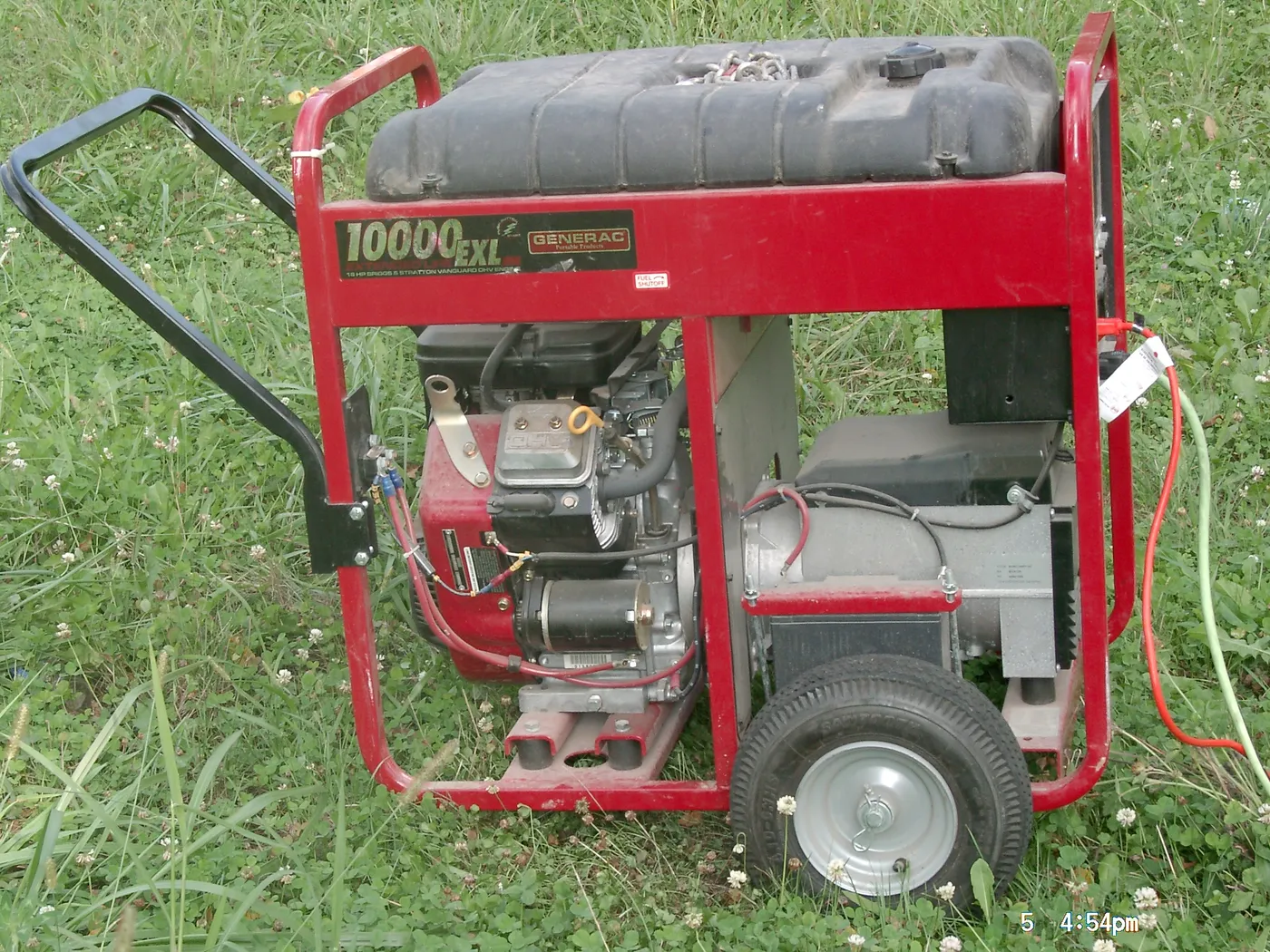
Storage damage often starts with one rushed shutdown
The outage ends, utility power returns, and the generator is pushed into a corner while it is still dusty, low on fuel, or carrying old gasoline in its carburetor. Months later, the owner pulls the starter and finds a machine that will not run smoothly, a battery that will not crank, or corrosion around a connector. The failure appears to have happened during storage, but the actual cause was the absence of a deliberate shutdown procedure.
Generator storage is not simply finding an empty patch of floor. It is a controlled transition from operating equipment to preserved equipment. Fuel must be managed, the engine must be protected, electrical parts must remain dry, and the storage space must not create a fire or carbon monoxide hazard. The correct procedure also depends on whether the machine uses gasoline, propane, natural gas, or more than one fuel.
Start by locating the exact operator's manual. Model specific instructions take priority over general advice, especially for fuel draining, carburetor access, oil grade, battery charging, valve position, and storage duration. Record the model and serial number, then keep a printed or downloaded manual where it can be found during an outage. A preparation checklist attached to the generator is more dependable than trying to remember a procedure months later.
Choose a storage plan by duration and fuel
A generator that will sit for several weeks does not always need the same preparation as one that may remain unused through multiple seasons. Fuel type changes the plan as well. Gasoline can deteriorate and leave deposits in fuel passages. Propane does not age inside the generator in the same manner, but cylinders, hoses, regulators, and valves still require correct handling. A dual fuel unit needs attention on both sides of its fuel system even if only one fuel was used recently.
| Storage factor | What to decide | Why it matters |
|---|---|---|
| Expected idle period | Short pause, one season, or extended storage | Determines the fuel and battery procedure required by the manual |
| Fuel type | Gasoline, propane, natural gas, diesel, or multi fuel | Each fuel has different aging, leakage, and container concerns |
| Starting system | Recoil only, electric start, or remote start | An electric start battery needs charge maintenance and inspection |
| Storage location | Dry detached building, approved cabinet, or another suitable area | Moisture, heat, ignition sources, pests, and household access affect safety |
| Next intended use | Emergency home power, RV travel, or jobsite work | The readiness test should reproduce the expected load and connection method |
Do not invent a universal calendar rule for every engine. Manufacturers specify different storage intervals and may recommend either treated fuel, a drained system, or a particular sequence that clears the carburetor. Some fuel injected models have procedures that differ from carbureted engines. If the manual offers more than one method, select the method that matches the expected idle time and the fuel available in your area.
Capacity also affects storage logistics. A larger machine suited to a high current RV connection can be harder to move and may contain a larger fuel system. Buyers still selecting equipment can compare the handling and maintenance implications in the best 30 amp generators and best 50 amp generators guides. Storage access should be considered before a heavy generator arrives, not after it needs to be carried over steps.
Cool, isolate, and inspect before service
Move the generator to its normal outdoor operating location for any final engine run. Never run it in the garage, shed, basement, enclosed trailer, or storage room, even with a door open. Carbon monoxide can accumulate rapidly, and an open doorway does not make an enclosed space safe. Keep the generator outdoors and direct exhaust away from windows, doors, vents, RV openings, and neighboring structures.
After the final run, shut off connected loads using the sequence in the manual, stop the engine, close the fuel valve when instructed, and allow the machine to cool completely. Disconnect the spark plug lead or use the manufacturer's service isolation method before working around moving components. For electric start models, follow the manual before disconnecting battery terminals. Removing the wrong terminal first or allowing a tool to bridge a terminal can produce a dangerous short circuit.
Inspect the exterior before cleaning hides the evidence. Look for wet fuel stains, oil seepage, damaged insulation, loose fasteners, cracked hoses, scorched outlets, bent frame parts, and debris near the cooling intake. Smell can alert you to fuel vapor, but it is not a dependable leak detector. If a leak is suspected, do not start or store the machine near an ignition source. Arrange qualified service.
Check the hours meter and maintenance log. The end of a season is a convenient point to complete service that would otherwise become an unpleasant surprise at the next outage. Compare operating hours and elapsed time with the manual, then document which items were inspected or replaced. The companion generator maintenance schedule explains how hour based and calendar based tasks work together.
Manage gasoline before it ages in place
Gasoline storage is the step most likely to be oversimplified. Owners are often told either to fill the tank or empty it, with no reference to the model, fuel formulation, or idle period. The safe answer is the procedure specified by the generator manufacturer. That may involve adding an approved stabilizer to fresh gasoline and circulating it, draining the tank and carburetor, running the fuel system dry in a defined sequence, or combining steps.
Stabilizer does not restore fuel that has already degraded. Add only a product approved for the fuel and engine, measure it according to its label, and use fresh fuel. If the instructions require treated fuel to reach the carburetor, run the generator outdoors for the specified time. Do not assume that pouring stabilizer into the tank protects passages that the treated fuel never reached.
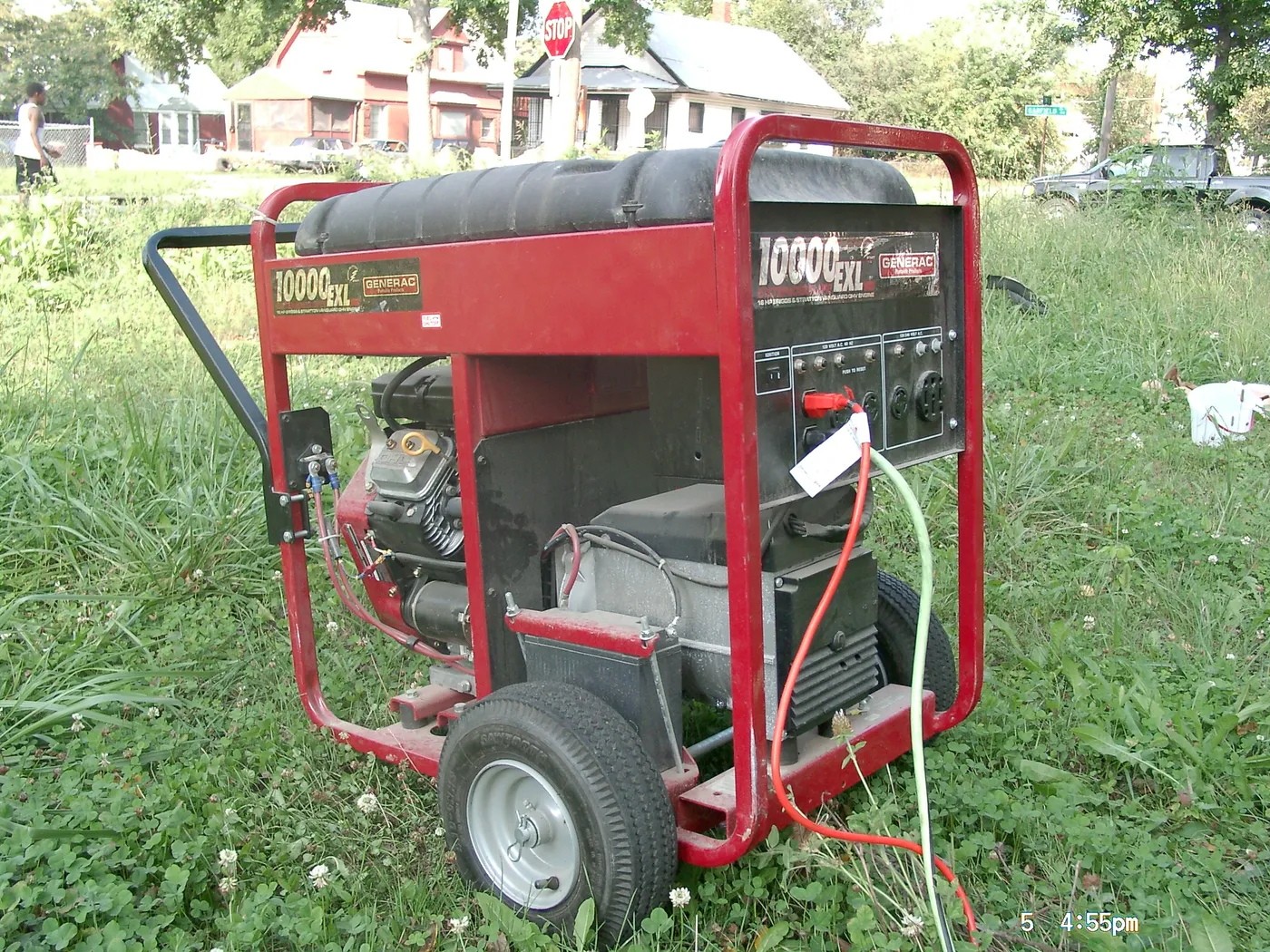
If draining is required, work outdoors with a cool engine and approved equipment. Eliminate flames, pilot lights, smoking, switches that may spark, and other ignition sources. Collect fuel in an approved container. Do not drain gasoline onto the ground, into a storm drain, or into household plumbing. Local rules determine where unwanted fuel may be taken.
A carburetor bowl can retain fuel even when the main tank appears empty. Use the designated drain and exact procedure in the manual. Do not loosen random screws. A mistaken fastener can disturb adjustment, damage a gasket, or release fuel unpredictably. After draining, close the drain as specified and check for seepage.
Never refuel a running or hot generator. If a final treated fuel run is required, fill only after the machine has cooled. Wipe spills promptly and allow vapors to disperse before starting. Keep gasoline containers out of living spaces and away from the generator itself, heaters, appliances, and electrical equipment that can ignite vapor.
Store propane cylinders separately and upright
Propane does not leave gasoline varnish in a carburetor, but that does not make propane storage maintenance free. Close the cylinder valve, stop the engine using the manufacturer procedure, and disconnect the hose only after the system is shut down and cool. Fit protective caps where specified. Inspect the hose, connector, and regulator for abrasion, cracking, contamination, or deformation.
Do not store a propane cylinder inside a home, basement, or attached garage. Cylinders should remain upright in an approved, ventilated location away from heat and ignition sources, consistent with local fire rules and the supplier's instructions. Never place a cylinder where a vehicle can strike it or where children can tamper with the valve.
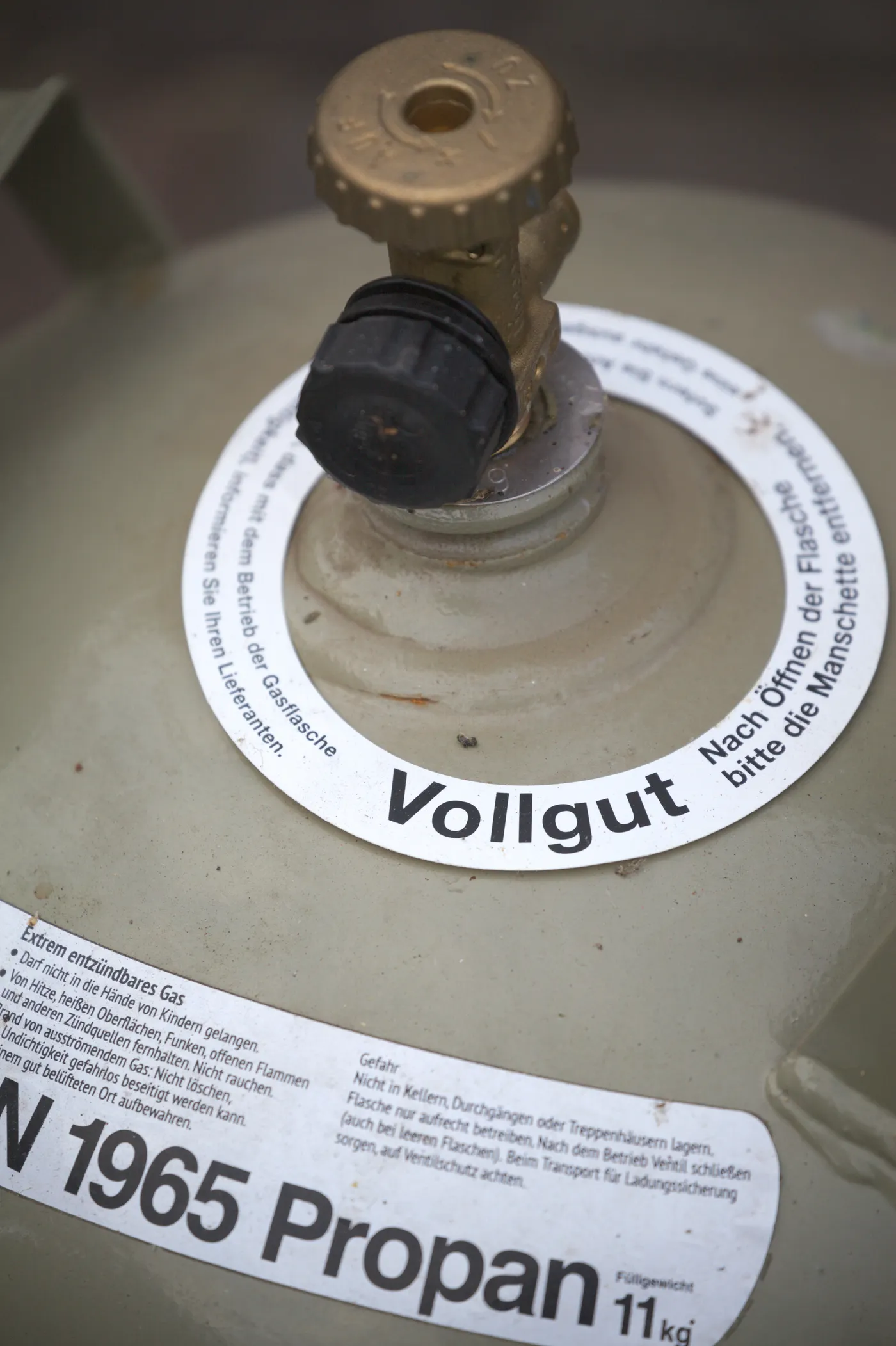
Do not test for leaks with a flame. Use only an approved leak checking method and solution, following the equipment instructions. If a cylinder, valve, regulator, or hose appears damaged, stop and have it evaluated by a qualified supplier or technician. Do not attempt to repair a cylinder valve.
For a dual fuel or tri fuel machine, storing on propane does not eliminate gasoline maintenance if gasoline remains anywhere in the system. Review the fuel selector procedure and clear or protect each applicable circuit. The distinctions among fuel systems are discussed in tri fuel and propane generators explained.
Change or check oil at the right time
Used engine oil can contain combustion byproducts and contamination. Many manuals call for an oil change before storage or when a time or hour interval arrives. Others specify checking the level and completing service at a defined point. Follow the model's schedule, use the stated oil classification and viscosity, and avoid overfilling.
Warm oil can drain more readily, but the engine and exhaust can cause burns. If the manual calls for warming the engine, operate it outdoors and then allow it to cool to the specified service condition. Place the machine on a stable, level surface. Use a drain pan, prevent oil from reaching soil or drains, and take used oil to an appropriate collection point.
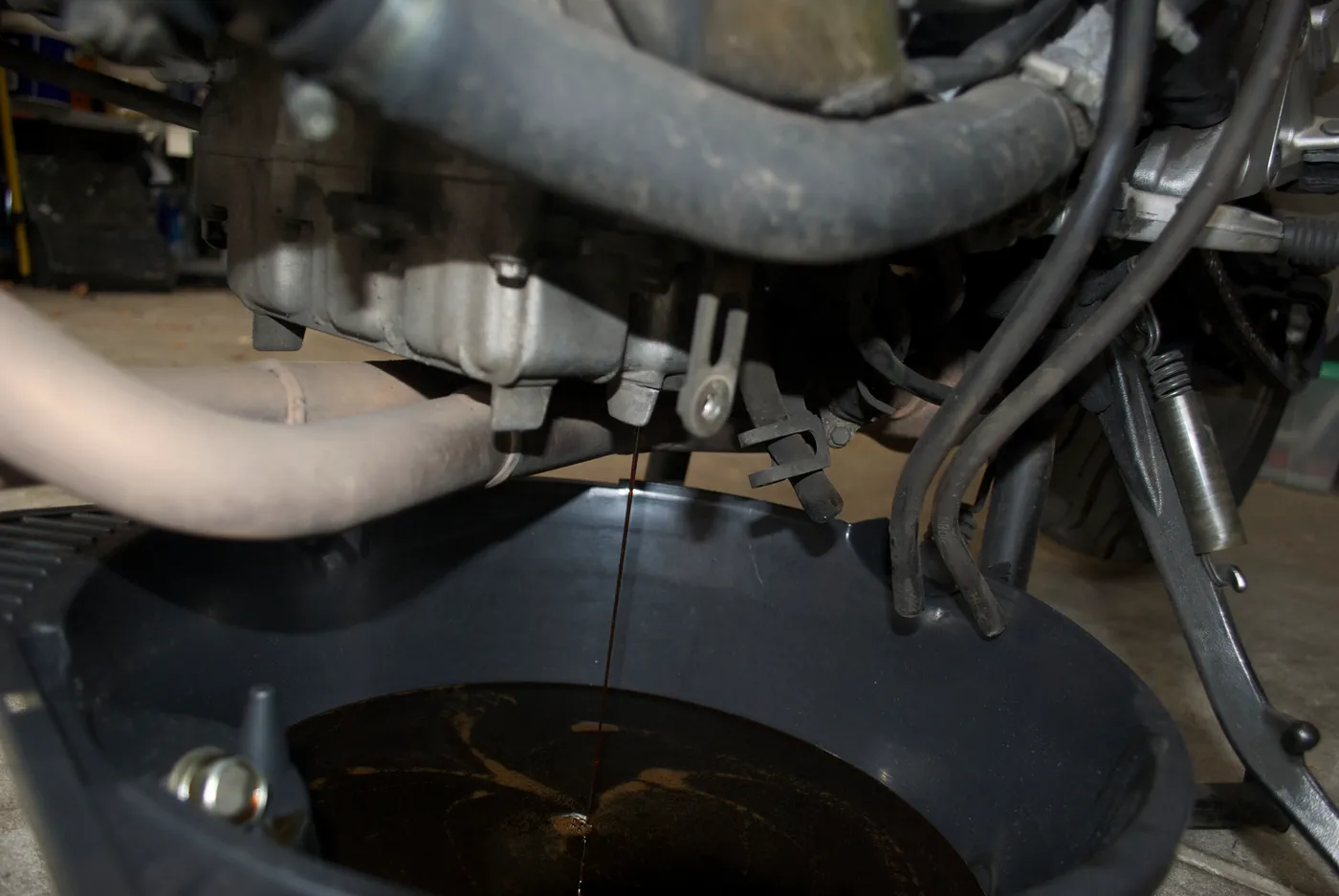
After filling, allow time for oil to settle and verify the level with the exact dipstick procedure. Some engines require the dipstick to rest on the threads, while others require it to be threaded in. Assuming the wrong method can create an incorrect level. Wipe the fill area clean and inspect for leakage.
Do not add oil through the spark plug opening unless the manufacturer explicitly instructs a cylinder preservation procedure. Generic advice to pour oil into the cylinder can be unsuitable for a particular engine and can create starting problems if the amount is wrong. Model specific instructions always control.
Protect the electric start battery
An electric start battery can discharge while the generator sits. Remote receivers, displays, controllers, and natural self discharge may continue to consume or lose energy. A deeply discharged battery may freeze more easily in cold conditions and may not recover. Storage therefore needs a battery plan, not just a fuel plan.
Check whether the manual calls for battery removal, terminal disconnection, or connection to a compatible maintainer. Use only a charger suited to the battery chemistry and voltage. A basic charger that lacks appropriate regulation can overcharge a small starting battery. Charging must occur in a ventilated location away from ignition sources and according to both manuals.
If removing the battery, wear suitable eye protection and keep metal tools from bridging terminals. Follow the specified terminal order. Store the battery upright in a secure, dry area within its allowed temperature range. Keep it away from children, conductive objects, and anything that can damage the case.
Inspect for swelling, cracking, corrosion, loose terminals, or leakage. A damaged battery should not be charged or returned to service. Obtain guidance for safe recycling or replacement. Never open a sealed battery, and do not mix batteries or chargers based only on physical connector fit.
Choose a dry, secure, and ventilated location
The generator should be stored cool, dry, clean, and protected from weather, with the fuel arrangements permitted by the manual and local rules. The location must be separate from living and sleeping spaces. It should not expose the unit to flooding, roof leaks, lawn chemicals, fertilizer, salt, rodents, falling objects, or vehicle impact.
A fitted breathable cover can limit dust, but the generator must be fully cool and dry before the cover is installed. A plastic sheet wrapped tightly around a damp machine can trap condensation. Do not seal ventilation openings with tape unless the manufacturer provides a specific pest prevention method and removal instruction.
Keep the unit level and stable. Lock wheels or use the specified supports so it cannot roll. Do not stack items on the frame or control panel. A heavy box can damage switches or conceal a leak. Maintain a clear path wide enough to remove the generator without moving hazardous containers during an emergency.
Security matters, particularly for an RV generator carried outside the vehicle. A lock or anchor should deter theft without damaging the frame, fuel lines, wiring, or cooling path. The best RV generators guide can help buyers compare portability and travel features before selecting a machine that must be stored and moved repeatedly.
Do not run a generator inside for exercise
Periodic exercise can keep certain generators ready, but every exercise run is a real engine run with real exhaust. Move a portable generator outdoors to a safe operating position before starting. Never exercise it in its storage space, even briefly. Carbon monoxide has no reliable warning odor, and opening a shed or garage door is not an adequate safeguard.
The U.S. Consumer Product Safety Commission advises operating a portable generator outdoors at least 20 feet from the home with exhaust directed away. Keep it away from windows, doors, vents, crawl spaces, and neighboring occupied buildings. Maintain working carbon monoxide alarms on every level and outside sleeping areas.
Follow the manual for exercise frequency, duration, and load. Running briefly with no load may not satisfy the manufacturer's recommendation. Connect only suitable equipment in a safe manner, or use qualified service equipment. Inspect for leaks, abnormal vibration, unusual sound, smoke, warning lights, and unstable output. Shut down if anything is abnormal.
If a battery power source better suits a location where safe generator operation is impossible, compare the practical differences in best solar generators. A battery based solar generator has different storage and charging requirements, but it does not create combustion exhaust while discharging.
Keep a storage record and readiness kit
Attach a weather resistant tag or keep a log nearby with the storage date, operating hours, fuel procedure, oil service, battery status, repairs needed, and the date of the next inspection. Do not write sensitive household details on a generator stored where others can see it. The goal is a clear maintenance record, not an inventory of emergency plans.
Keep compatible cords, inlet adapters, oil, funnels, gloves, and printed instructions organized nearby, but store fuel in its approved location. Inspect cords before storage. Replace cords with cut insulation, loose blades, scorched ends, or damaged grounding pins. Do not tape over serious damage and treat the cord as repaired.
Label adapters by their actual purpose and rating. RV connectors can look familiar while supporting different current limits or wiring arrangements. Never use an improvised cord to feed power into a household receptacle. If the generator will connect to selected home circuits, the transfer equipment should be installed and evaluated by a qualified electrician.
Set calendar reminders for battery checks, exercise sessions, and fuel review. A reminder should point to the model specific procedure, not replace it. If someone else may deploy the generator, walk through the safe outdoor placement and shutdown procedure with that person before an emergency.
Restart methodically after storage
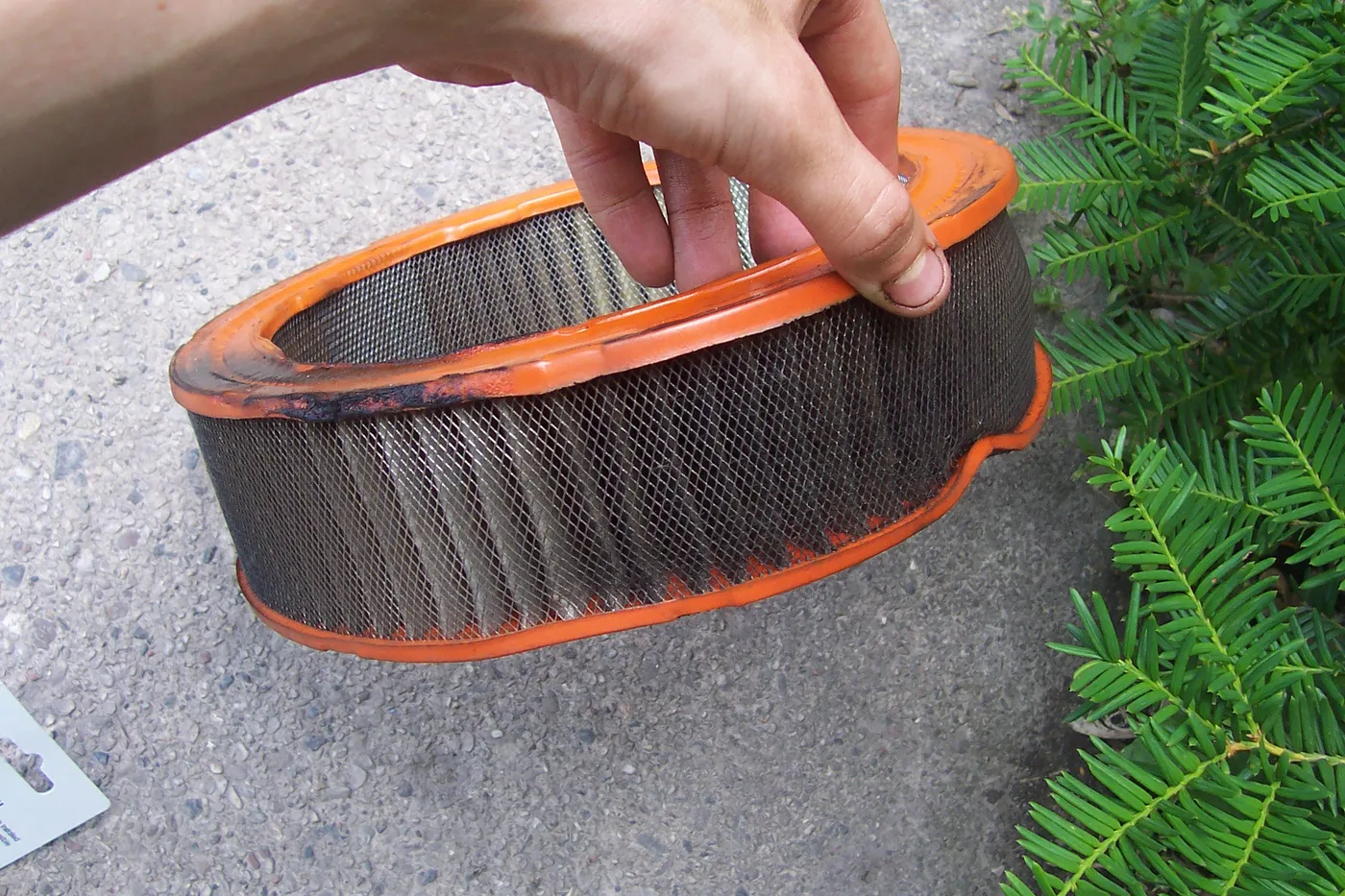
Do not drag the generator from storage and immediately connect critical appliances. Begin with a visual inspection in daylight. Look beneath the machine for stains. Check hoses, wiring, outlets, guards, wheels, fasteners, air inlets, and the exhaust area. Remove the cover and any approved pest barriers. Confirm that no nest or stored material blocks cooling passages.
Check the oil using the manual's method. Reinstall or reconnect a maintained starting battery in the specified terminal order. Add the correct fresh fuel or connect an inspected propane system. Move the generator outdoors to its safe operating position before opening fuel valves or starting. Never perform the first run in the storage building.
Start with loads disconnected unless the manual specifies otherwise. Allow the engine to stabilize, then observe voltage indicators and warning lights. Listen for irregular speed, knocking, or surging. Check for fuel and oil leakage without touching hot or moving parts. If operation is abnormal, shut down and arrange service.
Add a suitable load gradually and confirm that the generator carries it without breaker trips, unstable engine speed, overheating, or damaged connections. Test the actual emergency connection plan if it can be done safely. A no load start proves only that the engine can run. It does not prove that the generator can start the refrigerator compressor, pump, RV air conditioner, or other intended equipment.
Frequently asked questions
Should I drain all gasoline before storing a generator?
Follow the generator manual. Depending on the model and storage duration, the manufacturer may call for draining, treated fresh fuel, running the carburetor dry in a particular sequence, or another process. Do not assume one rule fits every carbureted and fuel injected generator.
Can I store a generator in a garage?
Storage requirements depend on fuel configuration, local fire rules, and the manual. A cooled and properly prepared machine may be permitted in a suitable nonliving storage area, but fuel containers and propane cylinders have separate restrictions. A generator must never be operated in a garage, even with the door open.
Should I start my generator every month?
Use the exercise interval and procedure in the manual. Some manufacturers specify periodic operation under load, while procedures vary by model. Every exercise run must occur outdoors in a safe operating position. Record the date and operating hours.
Can I leave a propane cylinder connected during storage?
Use the generator, hose, regulator, and cylinder instructions. Common preparation includes closing the cylinder valve and disconnecting the system after shutdown and cooling, but the approved method is equipment specific. Store the cylinder upright in a permitted, ventilated location away from ignition sources.
Do I need to change the oil before storage?
Check the manual's hour and calendar schedule. Many engines benefit from fresh oil before an extended idle period, especially when the normal service interval has arrived. Use the specified oil and level checking procedure, and recycle used oil appropriately.
Why does an electric start generator need attention during storage?
The starting battery can self discharge or support small standby loads. If it becomes deeply discharged, it may be damaged and fail during the next outage. Follow the manual for disconnection, removal, inspection, and use of a compatible maintainer.
What should I check before the first restart?
Inspect for leaks, damage, nests, blocked cooling openings, loose connections, deteriorated hoses, and damaged cords. Verify oil and battery condition, add or connect the correct fuel, move the generator outdoors, start without connected loads unless instructed otherwise, and then test it gradually with a suitable load.
Bottom line
Good generator storage preserves both reliability and safety. Cool and inspect the machine, complete due service, follow the model specific fuel procedure, maintain the starting battery, and keep the generator dry and secure. Store fuel and propane according to their own rules, never operate the engine in the storage space, and document every step. When the next season begins, inspect first, move the generator outdoors, test it methodically, and correct abnormal behavior before connecting essential loads.