
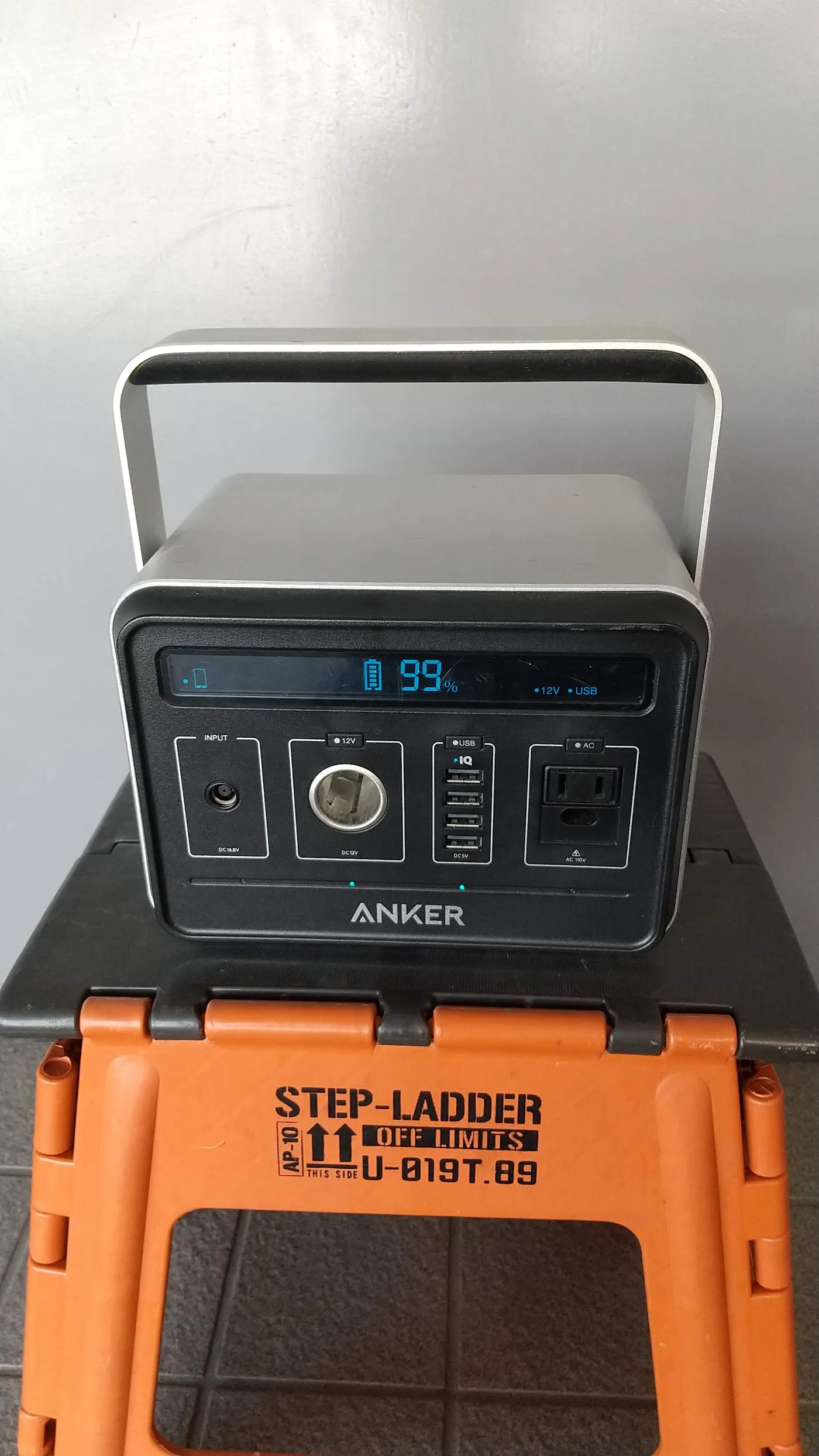
Why the big capacity number can mislead
A power station can display a large number on its case and still be the wrong size for the job. The problem is rarely the number itself. It is the assumption that watt hours, watts, and runtime describe the same thing. They do not. Watt hours describe how much energy the battery can hold. Watts describe how quickly a connected appliance demands energy. Runtime is the result of those values plus conversion losses, operating conditions, and the way the appliance cycles.
This distinction matters before an outage or trip. A station may have enough stored energy for several nights of lights and phone charging, yet its inverter may be unable to start a refrigerator compressor. Another station may have strong output but a modest battery, so it starts the appliance and then empties sooner than expected. Capacity and output solve different problems.
The practical way to understand watt hours is to treat the power station as an energy budget. Every device withdraws energy from that budget while it operates. Charging sources return energy, but only at the rate that the station and source can accept. Once the budget reaches its lower cutoff, the outlets shut down even if the appliance itself is small.
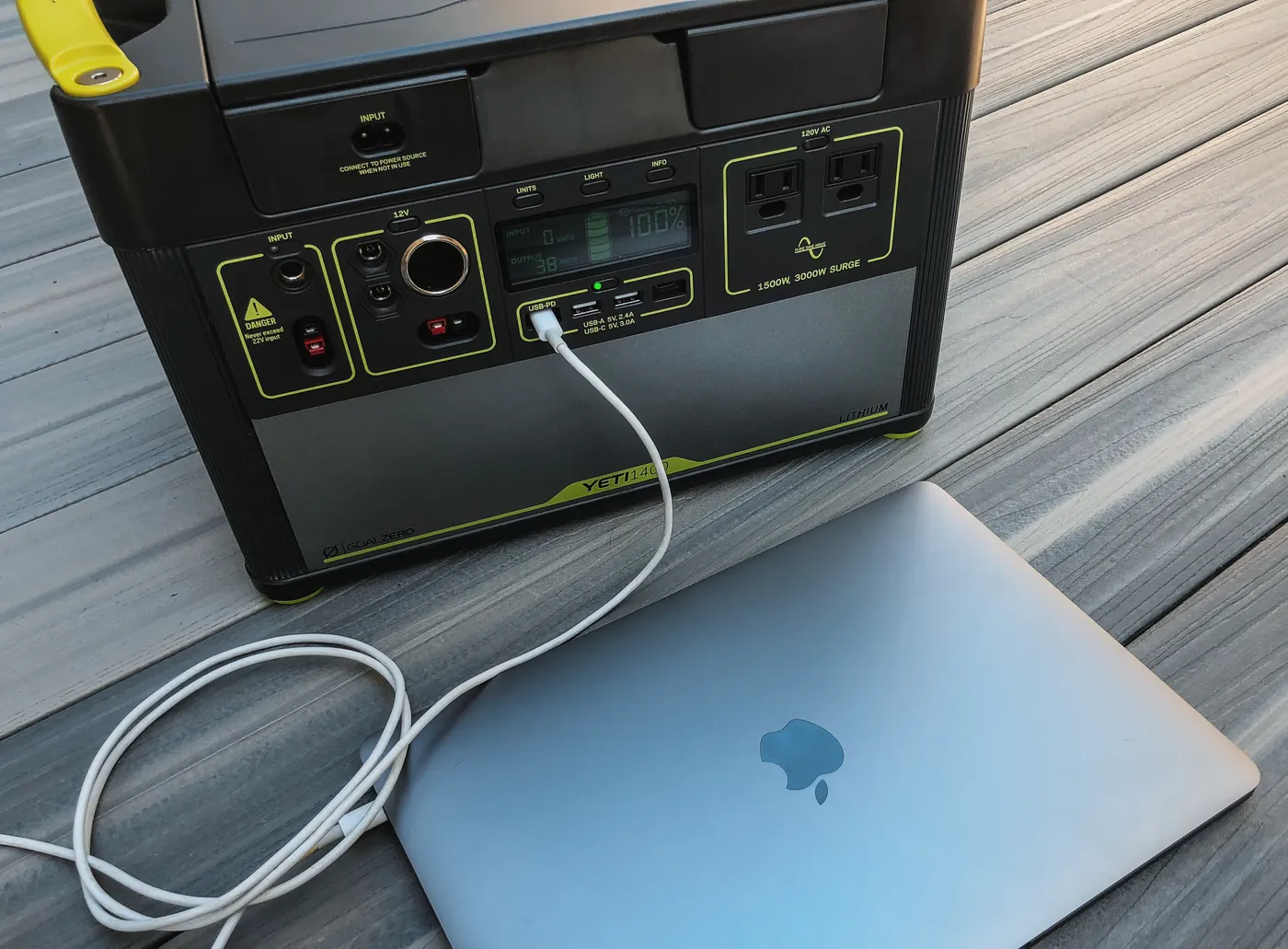
Watts and watt hours answer different questions
A watt is a rate of power. If a lamp uses 20 watts, it demands energy at a rate of 20 watts whenever it is on. A watt hour is an amount of energy. Running that 20 watt lamp for one hour ideally consumes 20 watt hours. Running it for five hours ideally consumes 100 watt hours.
The same relationship works in reverse. Divide stored energy in watt hours by a steady load in watts to find ideal runtime in hours. A 600 watt hour station supporting a constant 60 watt load has an ideal result of 10 hours. The word ideal is essential because the battery does not send every labeled watt hour to the appliance. Some energy remains unavailable near the battery protection limits, and some is consumed during voltage conversion.
| Term | What it describes | Question it answers | Common mistake |
|---|---|---|---|
| Watts | Instantaneous power demand or delivery | Can the station run this load now? | Treating watts as battery capacity |
| Watt hours | Stored or consumed energy over time | How long might the load run? | Assuming every labeled watt hour reaches the outlet |
| Surge watts | Brief additional output capability | Can a motor or compressor start? | Using the surge rating as continuous output |
| Input watts | Maximum charging power accepted | How quickly can energy be restored? | Assuming a larger charger or panel always charges faster |
Manufacturers may state capacity in watt hours, amp hours, or both. Watt hours are more useful when comparing packs with different nominal voltages because they already combine charge and voltage. Amp hours alone do not provide a fair energy comparison unless the voltage is also known.
The basic runtime formula
The simplest estimate is battery watt hours divided by load watts. If a power station is labeled 1,200 watt hours and the connected load is a steady 120 watts, the ideal result is 10 hours. This calculation is a starting point, not a promise.
A more useful estimate applies an efficiency factor. Multiply the stated capacity by a conservative usable fraction, then divide by average load. If the manufacturer publishes measured usable AC energy or a documented conversion efficiency for the relevant load range, use that information. Otherwise, avoid pretending that a single universal percentage applies to every design.
The formula can be written as: estimated runtime equals stated watt hours multiplied by the assumed usable fraction, divided by average load watts. If a 1,200 watt hour station is assumed to provide 85 percent of that energy through its AC inverter, the usable estimate is 1,020 watt hours. A steady 120 watt load would then have an estimated runtime of 8.5 hours.
This still assumes the load is stable. Many appliances are not. A refrigerator may draw substantial power while its compressor runs and very little while it rests. A fan may have several speed settings. A laptop charger changes demand as the battery fills. The average across the intended operating period is more useful than the highest value seen for a moment.
Why real runtime is shorter than label math
A battery pack stores DC energy. When an AC outlet is used, the station's inverter converts that DC energy into AC power. Conversion creates heat and consumes energy. The station also powers its display, control electronics, cooling fans, wireless connection, and battery management system.
Very small AC loads can produce disappointing results because the inverter's own consumption becomes a meaningful share of the total. If an inverter consumes several watts merely by remaining active, a tiny router or charger is not the only draw on the battery. Where supported, a direct USB or regulated DC output may avoid one conversion step and improve runtime for compatible devices.
High loads introduce another effect. Battery voltage can sag under demand, and heat increases. The battery management system may reserve capacity to protect the cells, especially near empty. Cold conditions can also reduce available discharge performance, while high temperatures can accelerate degradation and trigger protective limits. The manual's temperature range is therefore part of the capacity specification in practice.
Automatic outlet shutoff can also change the result. Some stations turn off an output when the detected load is below a threshold for a set period. This feature can save standby energy, but it may interrupt a device that draws power intermittently. Check whether the setting can be adjusted or disabled for the intended load.
Capacity does not replace output sizing
A large watt hour rating does not guarantee that a station can run a high draw appliance. The inverter has a continuous output limit. Exceed it and the station should shut down or show an overload warning. The battery may still be nearly full because the failure is an output problem, not an energy shortage.
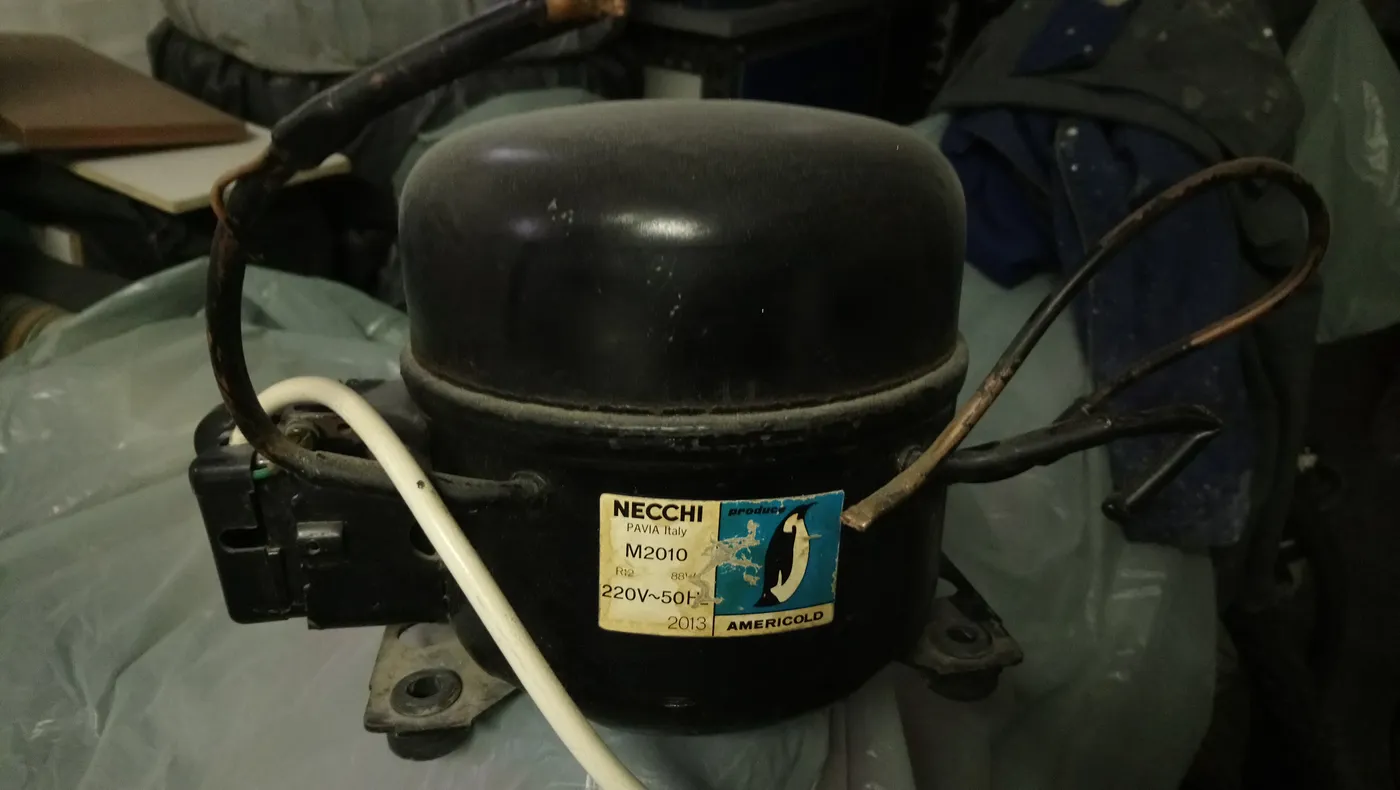
Motors and compressors complicate the calculation. They can require a brief starting surge above their normal running draw. Add the running watts of equipment already operating, then include the extra starting demand of the largest motor likely to start at that time. The difference between continuous and starting demand is covered in running watts vs starting watts.
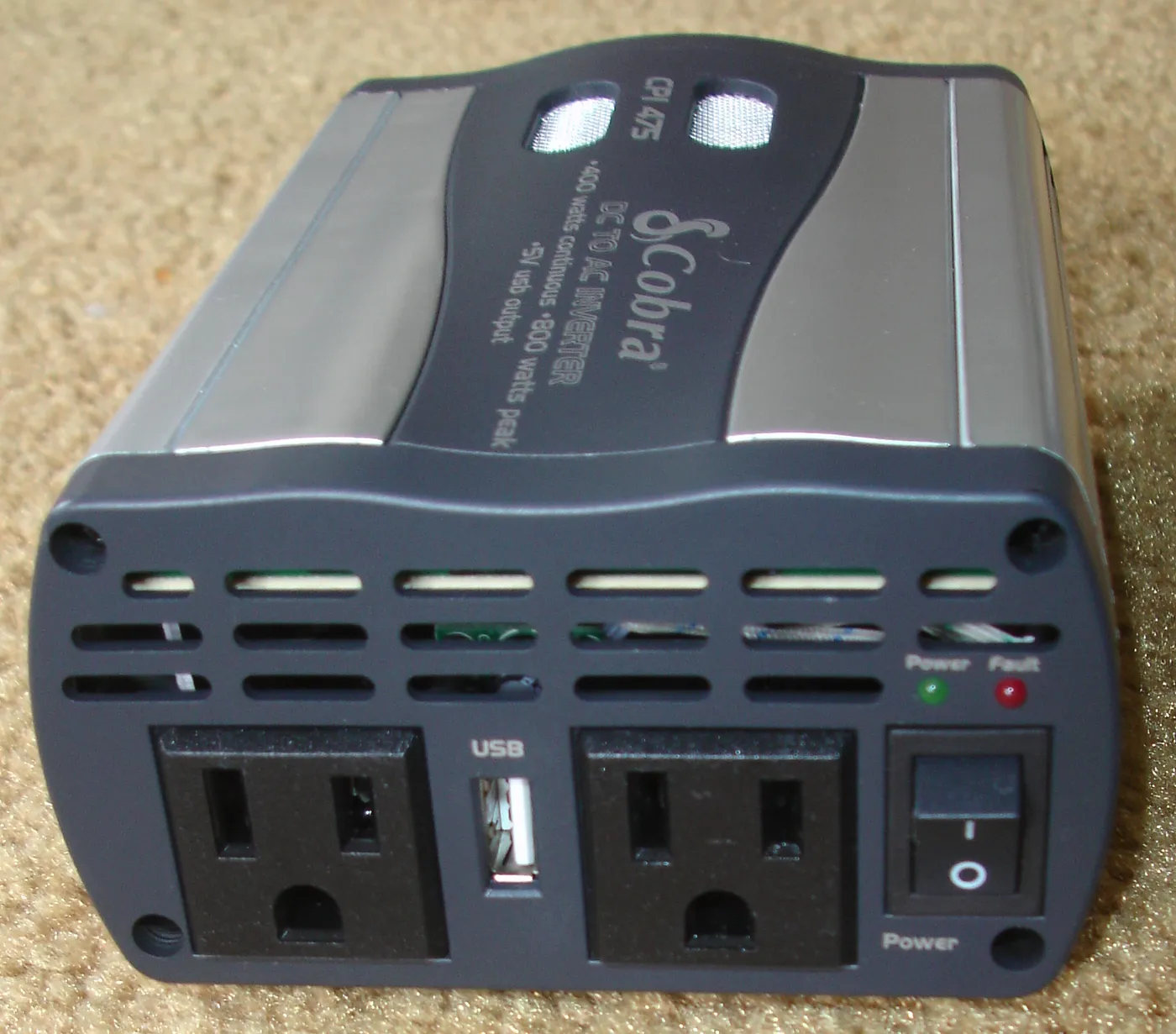
Do not rely on marketing modes that claim to support loads above the normal inverter rating without reading what the mode changes. Some systems reduce voltage so a compatible resistive appliance continues operating at lower output. That behavior is not equivalent to supplying full rated voltage, and it may not be suitable for motors or sensitive electronics.
When comparing products, the best power stations guide provides a broader view of capacity and output classes. Buyers focused on long service life and lithium iron phosphate chemistry can compare the best LiFePO4 power stations. In both cases, the correct category follows the load plan rather than the largest printed number.
Estimate energy for devices that cycle
A cycling appliance requires a duty cycle estimate. Suppose a refrigerator draws 120 watts while the compressor runs and the compressor operates for 20 minutes in each hour. Its simplified average compressor demand is 40 watts, before accounting for controls, fans, defrost cycles, and changing conditions. Over 10 hours, that 40 watt average represents about 400 watt hours.
The duty cycle can change with room temperature, door openings, food temperature, ventilation, thermostat setting, and appliance condition. A refrigerator that cycles lightly in a cool kitchen may run far more during hot weather. A sump pump is even less predictable because its operation depends on incoming water. Critical planning should include a reserve instead of using the most favorable observation.
A plug in energy meter can record energy use over several representative hours or days for many cord connected appliances. The accumulated kilowatt hour reading is especially useful. Convert kilowatt hours to watt hours by multiplying by 1,000. If an appliance uses 0.8 kilowatt hours in eight hours, that is 800 watt hours, or an average of 100 watts during the observation.
Do not place an energy meter where moisture, current, voltage, or the appliance plug exceeds its rating. Some equipment, including hardwired appliances and sensitive medical devices, should be assessed from manufacturer documentation or by a qualified professional.
Build a daily energy budget
A daily budget exposes whether a station is large enough for more than a short demonstration. List every intended load, its average watts, and hours of operation. Multiply watts by hours for each row, then add the results. Include the station's conversion losses as a separate allowance rather than hiding them in optimistic rounding.
For example, four 8 watt lights used for five hours require 160 watt hours. A 12 watt router used for 12 hours requires 144 watt hours. A 60 watt laptop used for three hours requires 180 watt hours. The simplified total is 484 watt hours before losses and reserve. Actual laptop charging may vary, but the exercise shows how many small loads can accumulate.
Then separate essential and optional energy. Communications, medically necessary equipment, and safe lighting may receive the first allocation. Entertainment, electric cooking, and convenience loads can be limited when the remaining state of charge falls. A written priority list avoids making the decision after the outage begins.
Recharging changes the size you need
A battery that supports one day's load may support several days if the charging system reliably replaces the energy used each day. The opposite is also true. A large battery eventually empties when daily consumption exceeds daily charging.
AC wall charging is usually predictable when the grid is available. Vehicle charging can provide a useful contribution, but the station's vehicle input and the vehicle outlet limit may be modest. Never idle a vehicle in a garage or enclosed area. Solar input varies with panel rating, sunlight, shade, orientation, temperature, cable loss, and the station's accepted voltage and current range.
Calculate energy returned, not just charger watts. A station receiving an average of 200 watts for four hours gains an ideal 800 watt hours before charging losses and tapering. It does not gain 200 watt hours merely because the charger says 200 watts, and it does not gain unlimited energy from a 200 watt panel left outside all day.
The input ceiling matters. Connecting an array capable of more power does not force the station to accept more than its controller allows. More panel capacity can sometimes improve production in weak sun, but voltage, current, connectors, and polarity must remain within the manufacturer's published limits.
RV capacity planning
RV use combines battery capacity, high surge loads, limited storage space, and several charging sources. Lighting, fans, water pumps, electronics, and a compressor refrigerator can be manageable for a portable station. Air conditioning, electric water heating, space heating, and cooking can consume stored energy rapidly.
Begin with the quiet hour plan. Determine which loads must run overnight when generator use may be restricted. Add their watt hours, conversion losses, and a morning reserve. Then determine how the station will recharge during travel or daylight. The best power stations for RVs guide focuses on models and connections suited to this use.
Confirm the receptacle type and electrical configuration rather than assuming that an adapter creates capacity. A station with a standard household outlet may not support an RV's full shore power service. Grounding, neutral arrangement, surge protection, and connection instructions must match the RV and source.
Small stations and light loads
A compact station can be useful when expectations are narrow. Phones, small lights, cameras, a router, and selected USB devices may require modest daily energy. Low weight can be more valuable than unused capacity for travel or an emergency kit.
Small stations still need output checks. Their AC inverters, USB ports, and DC sockets may have different limits. A high power USB port does not increase the AC output, and a generous surge claim does not increase the battery capacity. The best power stations under 100 guide is intended for shoppers evaluating light duty options, but the load calculation should come first.
Pay attention to idle consumption. If the only planned devices use USB, a station that permits the AC inverter to remain off can preserve energy. Also check whether the display provides actual watts in and out. Clear readings make it easier to update a runtime estimate in real time.
Battery aging and capacity over time
Battery capacity declines with use and calendar age. Charge level, temperature, depth of discharge, charge rate, storage conditions, and cell chemistry all influence the rate. A station that once delivered enough energy for a planned night may provide less after years of service.
Cycle life claims need context. A cycle usually represents a defined amount of cumulative discharge, not simply every time the power button is pressed. The endpoint may also be a remaining capacity threshold rather than total failure. Compare claims only when the cycle depth, temperature, charge method, and endpoint are stated on a similar basis.
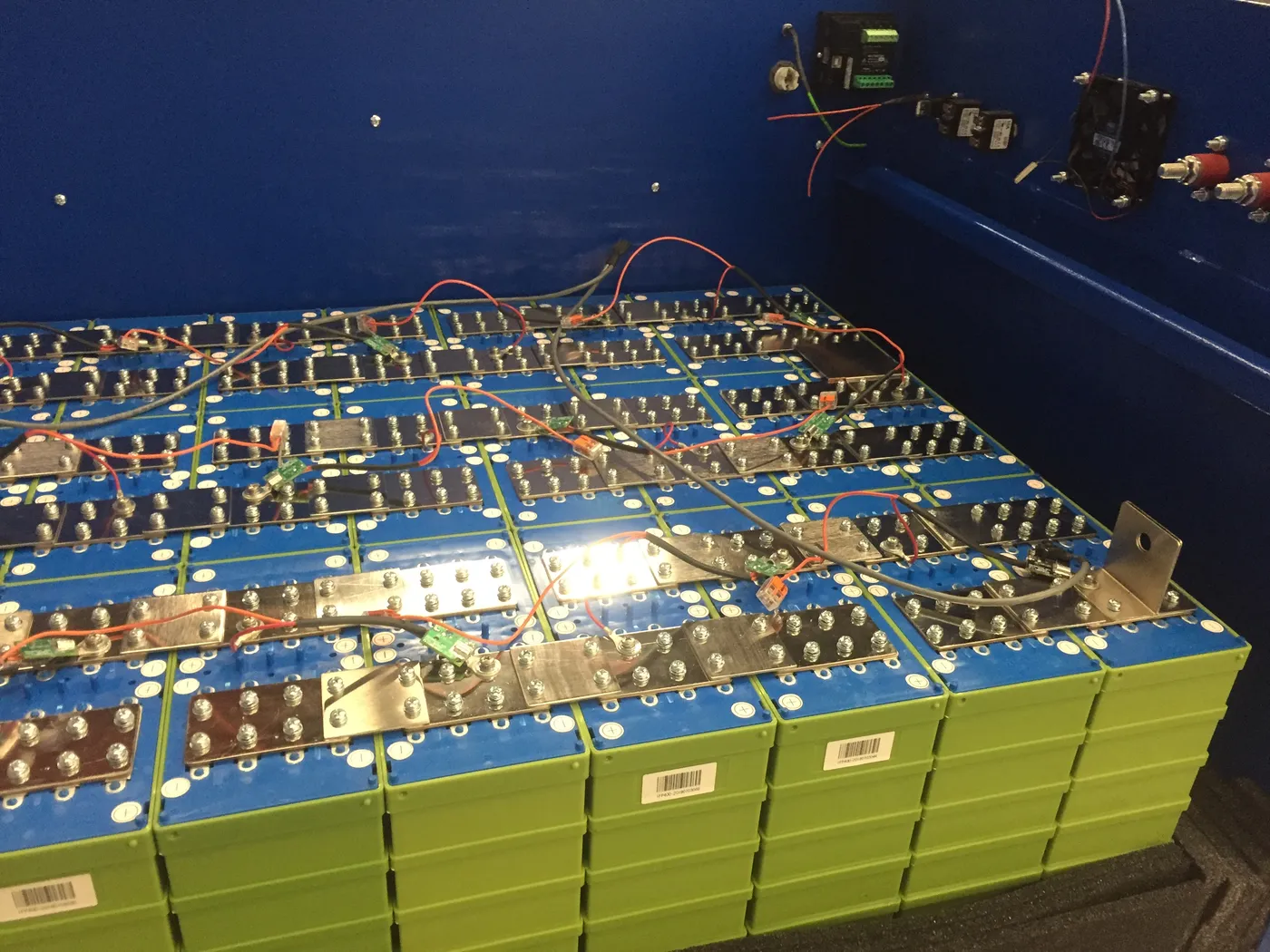
For storage, follow the manual's state of charge, temperature, and inspection schedule. Avoid leaving the station empty for an extended period. Recharge it as instructed and verify operation before severe weather season or a trip. A capacity estimate should include aging margin when the load is critical.
Battery and electrical safety
Watt hour calculations do not override electrical limits. Keep the station dry, provide clearance around vents, and use it within the specified temperature range. Inspect the enclosure and cables before use. Stop using a unit that is swollen, cracked, leaking, smoking, unusually hot, or producing an unusual odor.
Use only charging sources and cable configurations approved by the manufacturer. A connector that physically fits can still have the wrong voltage, polarity, or communication method. Do not open the battery enclosure or bypass the battery management system.
Extension cords must be rated for the current and environment. Longer, undersized cords can create voltage drop and heat. Keep connections away from water and traffic paths. Never connect a station to a household wall outlet to energize the panel. A listed transfer system and professional evaluation are required for circuit level backup, as explained in how to safely connect backup power to a house.
If the station is charged from a fuel generator, keep the battery away from exhaust, rain, fuel, and hot engine surfaces. The generator must remain outdoors in a safe location even though the station itself may be used indoors.
Common watt hour planning errors
The first error is multiplying watts by days without converting days to operating hours. A 50 watt device running continuously for two days consumes an ideal 2,400 watt hours because two days contain 48 hours.
The second is using peak watts as the average. Peak output is important for starting capability, but capacity planning needs energy over time. Conversely, using a low average without checking the surge can produce a station that has enough energy but cannot start the load.
The third is counting solar panel watts as stored watt hours. A panel rating is power under specified conditions. Energy depends on the actual average input and charging time. Weather and shading can make the result very different from the simple rating multiplied by daylight hours.
The fourth is adding every appliance in the home to the list. A portable station is more effective when the plan prioritizes a realistic set of essentials. Load rotation, direct DC outputs, efficient lighting, and reduced thermostat demands can extend useful runtime without adding battery capacity.
Frequently asked questions
How many hours will a 1,000 watt hour power station last?
It depends on the average load and usable energy. The ideal result is 10 hours at 100 watts, five hours at 200 watts, or two hours at 500 watts. Real AC runtime is shorter because of inverter losses, station consumption, battery protection limits, temperature, and changing load behavior.
Are watt hours the same as watts?
No. Watts describe the rate of power use or delivery at a moment. Watt hours describe an amount of energy accumulated over time. Both must fit the application.
Why does my station reach empty earlier than the calculation?
The calculation may omit conversion loss, inverter idle consumption, cooling fans, temperature effects, battery reserve, appliance cycling, or an inaccurate load rating. Measure energy use over a representative period and use the manufacturer's usable capacity information when available.
Should capacity be compared using amp hours or watt hours?
Watt hours are usually better for comparing packs at different voltages. Amp hours must be considered together with nominal voltage. Two batteries with the same amp hour rating can store different amounts of energy when their voltages differ.
Does a larger watt hour rating mean more output?
Not necessarily. Capacity and inverter output are separate specifications. A large battery can be paired with a modest inverter, while a smaller battery can have strong short term output. Check continuous watts and surge behavior separately.
Can I use every labeled watt hour?
Usually not through an AC outlet. Battery protection reserves and conversion losses reduce deliverable energy. Direct DC or USB use may be more efficient for compatible devices, but those outputs also have limits and losses.
Bottom line
Watt hours are the energy budget inside a power station. Divide usable watt hours by average load watts for a runtime estimate, then adjust for conversion losses, temperature, cycling behavior, aging, and reserve. Confirm continuous output and starting surge separately because a battery can hold enough energy yet still be unable to start a motor. Finally, compare daily consumption with realistic daily charging. A sound watt hour plan does not promise perfect runtime. It gives each essential load a measured place in the budget and leaves enough margin for conditions that do not follow the brochure.