
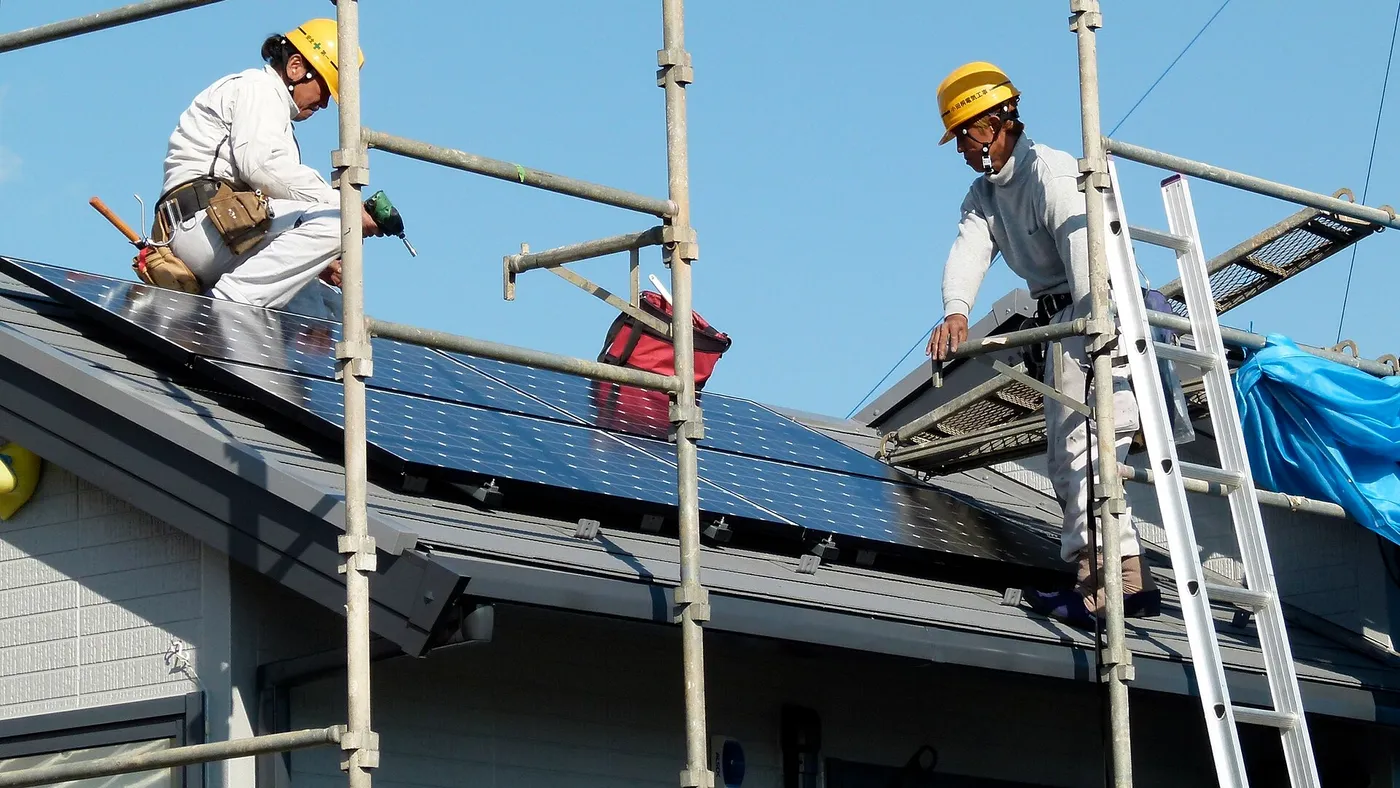
A panel does not expire on one date
A solar panel rarely reaches a birthday and suddenly stops producing electricity. Its useful life is usually a slope rather than a cliff. Output can decline slowly for years, then a connector, seal, cell, junction box, or laminate problem may create a more obvious loss. A panel can also remain electrically productive after its written warranty ends. Conversely, physical damage or a poor installation can end its service much earlier than the period printed in marketing material.
That distinction matters when people ask about solar panel lifespan. They may be asking four different questions: how long the module will produce any power, how long it will maintain useful output, how long the manufacturer guarantees a minimum output, or how long defects are covered. Those answers are not interchangeable.
A sensible evaluation separates degradation from failure and separates performance coverage from product coverage. It then considers the conditions that apply to the exact installation. A permanently mounted residential module, a rigid panel on a vibrating RV roof, and a foldable panel repeatedly packed into a vehicle face different mechanical stresses even when their cells use similar silicon technology.
What solar panel degradation means
Degradation is the gradual reduction in a module's ability to convert sunlight into electrical power. It is normally expressed as a percentage of original rated output lost over a period. The rated output itself is established under defined test conditions, so degradation analysis must compare like with like. A low reading on a hot, hazy afternoon does not prove that a module permanently lost capacity.
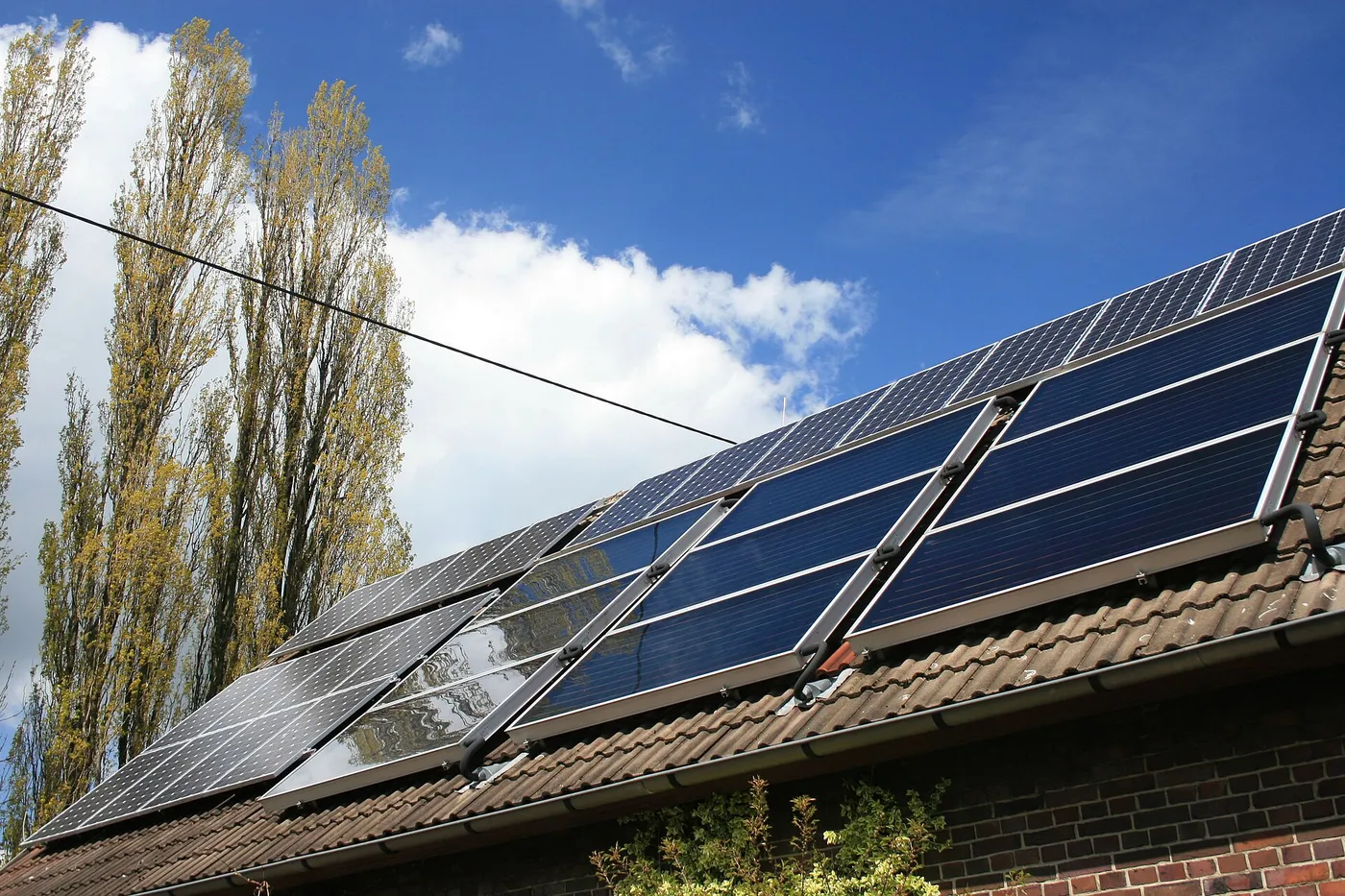
The change can come from several mechanisms. Optical materials may transmit less light. Electrical contacts can corrode or separate. Silicon cells can develop cracks. Encapsulant can discolor or delaminate. Moisture can enter vulnerable areas. Repeated heating and cooling can stress connections because materials expand at different rates. Ultraviolet exposure, voltage stress, humidity, salt, vibration, snow loading, wind, and manufacturing variation can all influence the rate.
Some changes occur early, while others accumulate over many seasons. A first year allowance in a performance warranty may therefore differ from the annual allowance for later years. Do not apply one advertised annual percentage backward and forward without reading the actual warranty curve.
Degradation is not the same as failure
| Condition | What it means | Typical evidence | Next step |
|---|---|---|---|
| Normal degradation | Gradual output reduction while the module continues operating | Long term trend under comparable conditions | Monitor against the documented performance curve |
| Temporary underproduction | Output is reduced by current conditions | Heat, cloud, shade, dirt, poor angle, or a full battery | Correct the condition and repeat the comparison |
| Component fault | A discrete electrical or mechanical problem limits output | Burned connector, failed diode, damaged cable, or junction box issue | Isolate safely and obtain qualified inspection |
| Physical damage | Impact, flexing, water entry, or structural stress harms the module | Broken glass, delamination, bent frame, cracked laminate | Stop using unsafe equipment and document the damage |
| Warranty threshold reached | Measured performance falls below a covered minimum | Required test evidence shows output below the stated curve | Follow the manufacturer claim procedure |
This classification prevents two costly mistakes. The first is replacing a healthy panel because a controller display showed low power under poor sunlight. The second is treating an abrupt electrical fault as ordinary aging and continuing to operate damaged equipment.
A performance trend should be gradual. A sharp step down deserves investigation. Check for new shade, loose or contaminated connectors, cable damage, controller settings, blown protection devices, battery charge acceptance, and changes to the array. If safe troubleshooting does not explain the change, a qualified technician can test the module and system.
Why field output cannot prove degradation by itself
Module power ratings are based on standard test conditions, including irradiance of 1,000 watts per square meter and a cell temperature of 25 degrees Celsius. Real panels usually operate under different sunlight and temperature. Their cells can become much hotter than the surrounding air, reducing voltage and power according to the module's temperature coefficients.
A controller or power station display reports what the connected system is accepting at that moment. It may not show the module's available maximum power. A nearly full battery can cause the controller to reduce charging. A current limit can clip output. A poor connection can add loss. A shaded cell group can activate bypass behavior. These are not automatically evidence that the silicon aged.
The article on solar panel output covers the difference between nameplate watts and momentary field production. For lifespan monitoring, consistency is the important rule. Record production under repeatable conditions, or use long term energy data adjusted for weather and system changes. A series of observations is more meaningful than a single peak value.
For a portable panel, record orientation, time, weather, controller, battery state, and cable arrangement. For a fixed array, monitoring software may reveal changes across months and years, but it still needs context. A growing tree, a new roof obstruction, smoke, snow, or accumulated debris can create a downward trend without permanent module degradation.
The first year can look different
Some modules experience an initial stabilization loss associated with exposure to light or temperature. The warranty may therefore permit a larger reduction during the first covered period and a smaller annual decline afterward. The precise curve depends on the module technology and the written terms.
This is why a statement such as less than a certain percentage per year can be misleading when removed from its document. It may describe an average, a maximum annual step after the first year, or the straight line used in a power guarantee. It may not describe the module's expected real world behavior in every climate.
Read the warranted starting point too. Module power tolerance can specify how actual flash tested power relates to the nameplate rating when new. The performance warranty may calculate retained power from the nameplate value, from the warranted minimum, or from another defined baseline. Small wording differences change the threshold for a claim.
Product warranty vs performance warranty
A product warranty generally addresses covered defects in materials or workmanship. Examples might include a defective junction box, premature delamination, or a frame problem, subject to the document's definitions and exclusions. It does not automatically cover every reduction in energy production or every type of external damage.
A performance warranty, sometimes called a power warranty, promises that output will not fall below a specified percentage of the defined original power at stated times. It usually presents a stepped or linear curve extending over many years. Falling below the curve does not guarantee a new panel at the installation site. The remedy may be repair, replacement, supplemental product, or another option defined by the manufacturer.
Installation or workmanship coverage is separate again. An installer may warrant roof penetrations, mounting work, or electrical labor. The module manufacturer may not accept responsibility for those items. A kit seller or retailer can also have terms that differ from the original manufacturer warranty.
| Warranty type | Main subject | Questions to ask |
|---|---|---|
| Product warranty | Covered manufacturing or material defects | Which defects qualify, and what exclusions apply? |
| Performance warranty | Minimum retained output over time | What is the curve, test method, baseline, and remedy? |
| Installation warranty | Labor, mounting, sealing, and electrical workmanship | Who issued it, and does it transfer to a new owner? |
| Retailer policy | Short term return or service process | Does it supplement or merely process manufacturer coverage? |
How to read a performance curve
Begin with the defined rated power and test standard. Then locate the allowed first period reduction. Follow the curve to the year relevant to the claim. Confirm whether the guarantee is linear, stepped, or presented only at selected milestones.
Next read the measurement requirements. A warranty may require testing by an approved laboratory or a method specified by the manufacturer. The claimant may need serial numbers, original purchase records, installation information, photographs, monitoring history, and proof that the module was used within its ratings.
Finally, read the remedy and responsibility for related work. Replacement hardware alone may not cover removal, packing, transport, roof repair, labor, or reinstallation. A replacement panel may also have different dimensions or electrical characteristics years later, making integration into an old array less straightforward.
Do not compare warranties only by their final year count. A shorter document with a clear retained power curve, practical claim process, stable issuer, and useful remedy can be more valuable than a longer period filled with exclusions and claimant costs.
What commonly voids or limits coverage
Exact exclusions vary, but warranty documents commonly limit coverage for incorrect installation, operation outside electrical ratings, unauthorized modification, incompatible equipment, improper transport, neglect, impact, fire, flood, lightning, extreme weather beyond certified loads, chemical exposure, or damage caused by animals and external objects.
Vehicle installations deserve careful reading. Some panel warranties may not cover mobile use, repeated vibration, or installation on a moving platform unless the product is intended for that application. A rigid residential module can be electrically suitable yet lack documentation for an RV environment.
Flexible and folding products can have different coverage from rigid glass modules. Repeated bending beyond the permitted radius, walking on the panel, folding at the wrong point, pulling cables, storing the unit wet, or leaving a portable panel deployed in wind may create excluded damage. Buyers comparing travel products in the best foldable solar panels guide should read the usage limits together with the warranty period.
Keep installation and maintenance records. Use approved mounting hardware and connectors. Document serial numbers before they become difficult to read. Save the current warranty document at purchase because website terms can later change or move.
Heat and thermal cycling
Heat affects both immediate output and long term material stress. During the day, a module heats in sunlight. At night it cools. Materials in the laminate, cell circuit, frame, and junction box expand and contract at different rates. Repeated cycles can stress solder bonds, interconnections, seals, and interfaces.
Mounting that permits appropriate rear ventilation can reduce operating temperature for many rigid modules. However, installation must follow the required clearances and structural instructions. An improvised spacer or mounting method can create wind and water problems even if it appears to improve airflow.
Localized heat is more concerning than uniform warmth. Cell mismatch, shade, damaged connections, contamination, or electrical faults can create hot spots. Discoloration, a burned smell, melted connector housing, or unusual surface heating warrants shutdown and qualified inspection.
Moisture, corrosion, and delamination
A module must keep moisture away from vulnerable electrical materials over years of outdoor exposure. Edge seals, backsheets, glass, junction boxes, cable glands, and connectors form part of that protection. Damage or poor assembly can allow moisture ingress, which may contribute to corrosion, insulation failure, or delamination.
Salt air and road contaminants can intensify corrosion risk. An RV panel also faces water driven by highway speed and repeated roof movement. Use equipment certified for the intended environment and route cables so water does not collect at connectors or enter roof penetrations.
Delamination appears when layers separate. It can create visible bubbles, cloudy areas, or lifting at an edge, although not every internal problem is visible. Do not pierce, press flat, or reseal a laminate with a general purpose adhesive. Document the condition and consult the manufacturer or a qualified service provider.
Cell cracks, vibration, and mechanical load
Silicon cells are thin and brittle. A module's protective construction spreads loads, but severe hail, impact, twisting, poor clamping, walking, transport damage, or repeated vibration can produce microcracks. Some cracks initially have little effect and worsen as electrical or thermal cycling continues. Others isolate active cell area more quickly.
Mounting clamps must sit in approved zones and use specified torque. Too little clamping can allow movement. Too much or incorrectly positioned force can stress the frame and laminate. Flexible panels avoid glass and heavy frames but can experience different stresses from repeated bending, surface heat, and adhesive mounting.
For RV buyers, the best RV solar panels guide helps compare products intended for travel use. A complete RV solar panel kit may simplify compatible mounting components, but the installer must still follow roof and module instructions.
Electrical stress and connector aging
Modules operate outdoors as live DC sources. Voltage stress can contribute to leakage and degradation mechanisms when system design, grounding, materials, and environmental conditions interact. Connectors add another aging point. Poor mating, contamination, inadequate crimping, incompatible connector families, or mechanical strain can increase resistance and heat.
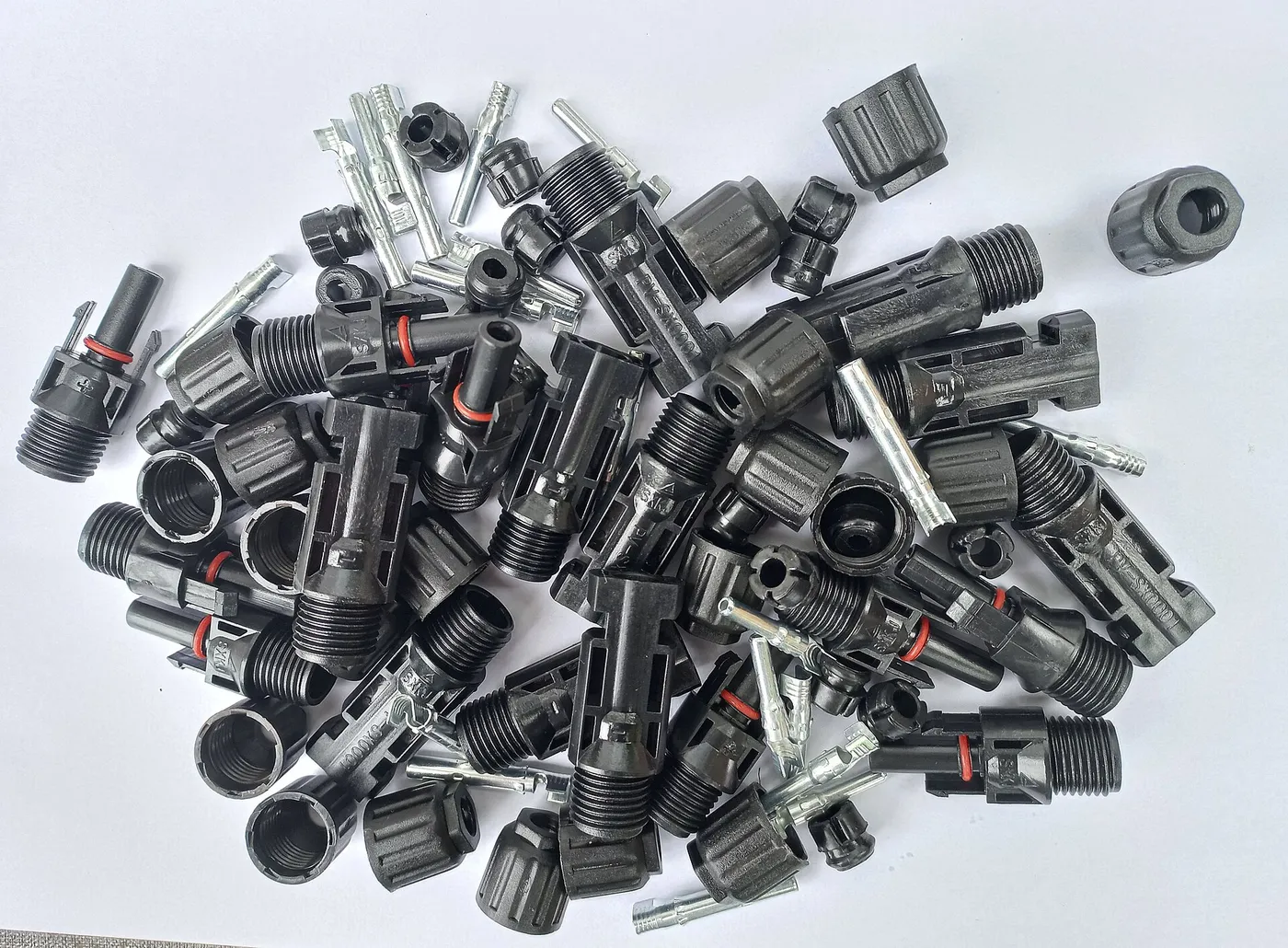
Do not assume two connectors are compatible because they physically click together. Use matched, properly rated components and approved tools. Support cables so their weight does not pull on the junction box. Keep them away from sharp edges, hot roof areas, moving parts, and locations where water pools.
An electrical fault is not normal degradation. If a connector is browned, distorted, loose, or unusually warm, isolate the system using the documented procedure. Replacing only the visibly damaged half without addressing the cause can allow the problem to return.
Portable panel aging is different
A portable panel spends less time permanently exposed to weather, but handling creates its own wear. Folding joints move, fabric rubs, stands carry wind load, connectors are mated repeatedly, and cables are packed into small compartments. Dirt or grit trapped during folding can abrade surfaces.
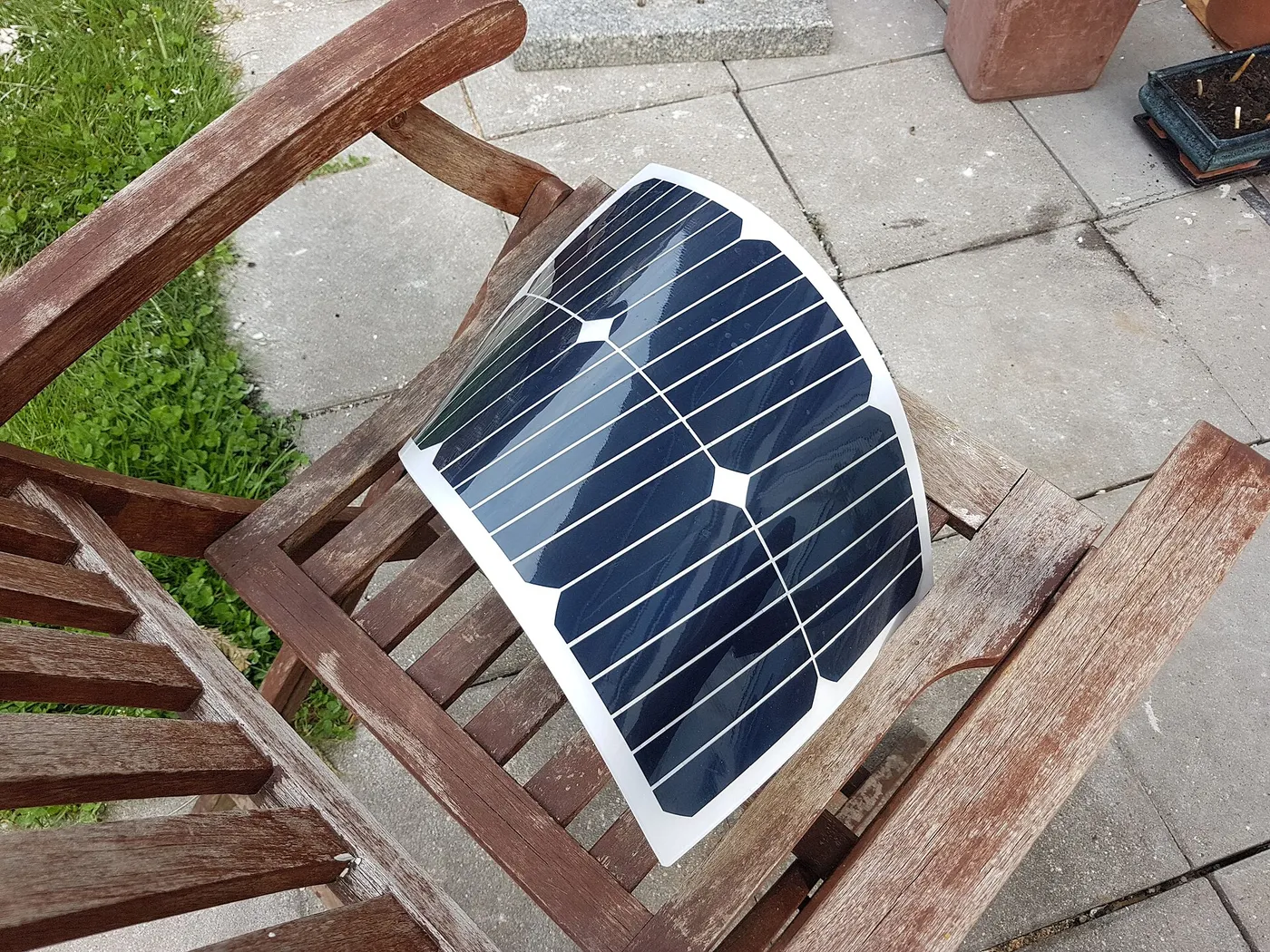
Dry the product before storage if the manual requires it. Coil cables without tight kinks, protect connectors from debris, and avoid placing heavy objects on a folded panel. Do not use the panel as a floor mat, windshield cover, or work surface. Store it within the stated temperature range and inspect seams and strain reliefs before deployment.
Small portable buyers can compare intended use in the solar panels under 50 guide. Service life will depend heavily on how frequently the panel is handled and whether its construction suits that routine.
Maintenance that protects service life
Maintenance cannot reverse cell aging, but it can prevent avoidable losses and reveal faults early. Inspect the module surface, frame, mounting hardware, junction box, visible cables, connectors, and roof penetrations. Look for new shade sources, loose cable support, animal damage, corrosion, discoloration, water entry, and movement.
Clean only as directed. Abrasive tools, harsh chemicals, pressure, or cleaning a hot panel with cold water can damage materials. Many installations receive adequate natural cleaning, while dusty, salty, or low angle environments may need more attention. Safety and access matter more than chasing a small production gain.
Maintain monitoring records with dates and operating context. Note equipment changes and repairs. This history helps distinguish a long term module trend from a controller replacement, new shading, battery behavior, or altered load pattern.
When replacement makes sense
A panel does not require replacement merely because its warranty ended. If it remains safe, mechanically secure, electrically compatible, and productive enough for the load, continued operation may be reasonable.
Replacement becomes more compelling when output no longer meets the energy requirement, damage creates a safety concern, water intrusion or delamination progresses, connectors or junction components cannot be restored safely, or roof work makes redesign practical. Limited area can also justify installing newer higher efficiency modules when expansion is otherwise impossible.
Before mixing a new panel into an old array, compare maximum power voltage and current, open circuit voltage, short circuit current, temperature coefficients, dimensions, connector system, and controller limits. Equal nameplate watts do not guarantee a good match. Sometimes a separate controller input or a complete array redesign is cleaner than inserting one new module.
Safety while inspecting aging panels
A solar module produces voltage whenever illuminated. Turning off the inverter, controller, or battery does not make the panel leads harmless. Follow the equipment shutdown sequence, use rated disconnects and protective equipment, and never separate ordinary DC connectors under load.
Do not climb onto an RV or building roof without appropriate fall protection and confirmation that the surface can support access. Wet, dusty, or curved roofs are hazardous. Wind can turn a loose panel into a large sail.
Broken glass and damaged laminates can expose sharp edges and electrical hazards. Keep people away from a visibly damaged module, isolate it using the approved procedure, and obtain professional help. Do not cover damage with tape and continue normal operation.
Frequently asked questions
How long do solar panels last?
There is no single expiration date. Many rigid crystalline modules can continue producing power for decades, but output gradually declines and individual components can fail earlier. The useful life for a particular owner ends when the panel is unsafe, uneconomic to repair, incompatible, or no longer produces enough energy for the application.
Does a long performance warranty mean the panel cannot fail?
No. A performance warranty addresses a defined minimum output curve and is subject to its terms. Product defects, external damage, installation faults, connectors, labor, shipping, and removal may be governed by different coverage or excluded entirely.
How can I tell whether a panel has degraded?
Use comparable operating data over time and rule out irradiance, temperature, shade, dirt, controller limits, battery state, and wiring faults. A qualified flash test or other specified procedure may be required for a warranty claim. One low field reading is not enough.
Should an old panel be replaced when its warranty expires?
Not automatically. An out of warranty panel can remain useful if it is safe, secure, compatible, and meets the energy requirement. Inspect it, monitor performance, and plan replacement based on condition and system needs.
Can cleaning restore lost capacity?
Cleaning can remove surface soiling that blocks light, but it cannot reverse permanent cell or material degradation. Follow the manufacturer's cleaning method to avoid scratches, thermal shock, seal damage, or electrical risk.
Is a foldable panel expected to last as long as a rigid panel?
Not necessarily. The products face different stresses and may have different warranty terms. A foldable panel avoids continuous roof exposure but experiences repeated handling, hinges, fabric wear, connector cycles, and storage conditions. Compare the specific documents rather than assuming equal service life.
Bottom line
Solar panel lifespan is the interaction of gradual degradation, discrete faults, environment, installation, maintenance, and the owner's required output. Read product, performance, and installation warranties as separate promises. Compare the power curve, baseline, exclusions, evidence requirements, remedy, labor responsibility, and transfer rules before buying. Once installed, monitor trends under comparable conditions, protect connectors and wiring, follow the mounting instructions, and investigate abrupt changes instead of calling them normal aging. A panel can remain useful beyond its warranty, but damaged or unsafe equipment should never be kept in service simply because it still produces some power.