
Why the display does not match the label
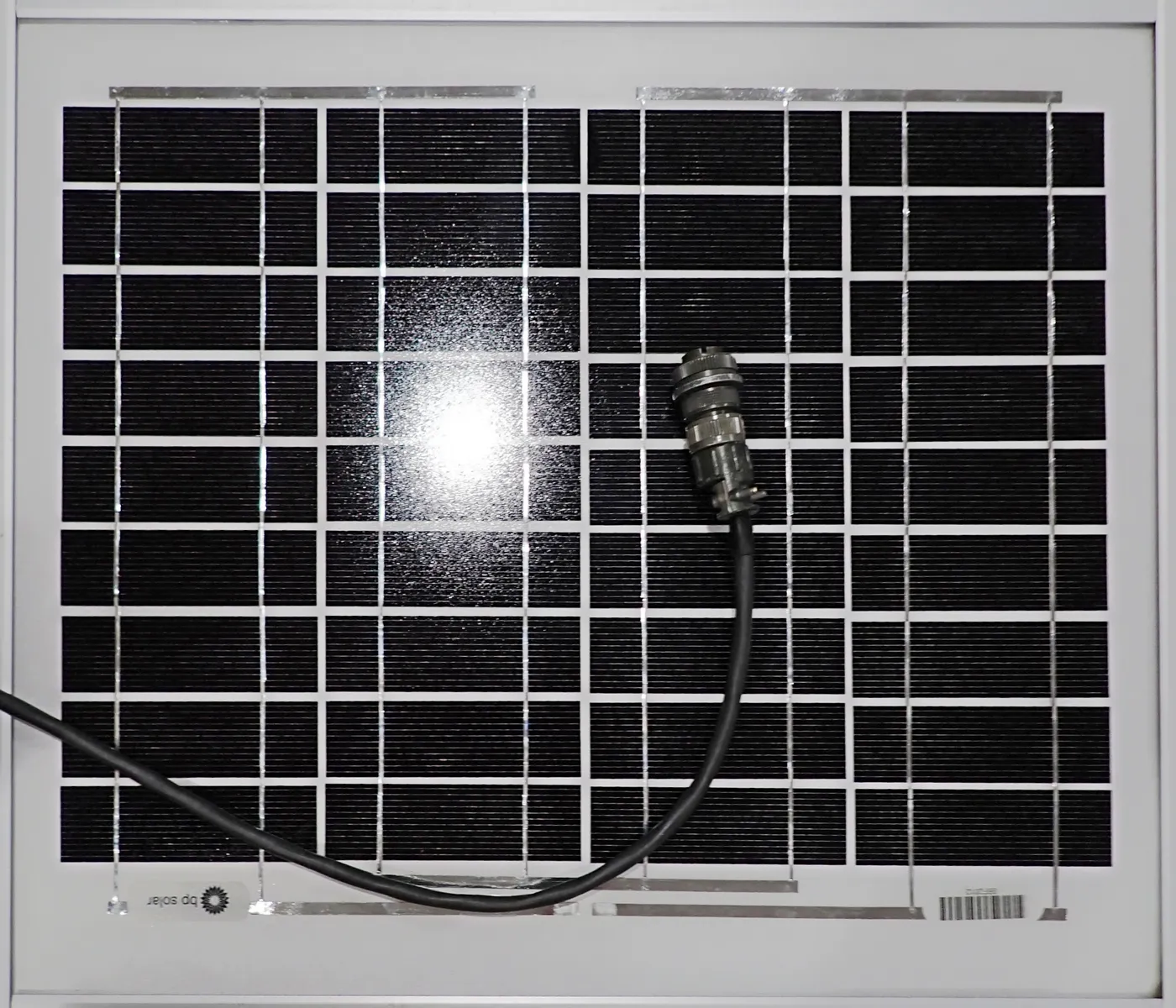
A 200 watt panel connected on a clear day may show 146 watts, rise to 173 watts, fall behind a cloud, then briefly touch a higher number before settling again. That behavior does not by itself prove the panel is defective. The value printed on a solar module is a laboratory reference, while the number on a controller or power station is the result of the conditions at that moment.
The distinction is essential because a rated watt is not a daily energy promise. Watts describe the instantaneous rate of power delivery. Watt hours describe energy accumulated over time. A panel can miss its nameplate peak yet collect useful energy for many hours. Another panel can show one impressive midday peak but produce less total energy because it spends the morning shaded or the afternoon pointed away from the sun.
Solar panel output is therefore best understood as a changing chain. Sunlight reaches the module, the cells convert part of it to direct current, wiring carries that power, a controller chooses an operating point, and a battery or load accepts the result. A limitation anywhere in that chain can make the displayed power lower than the panel rating.
What standard test conditions actually mean
Photovoltaic module ratings are commonly established at standard test conditions, often abbreviated STC. Those conditions include irradiance of 1,000 watts per square meter, a solar cell temperature of 25 degrees Celsius, and a standardized solar spectrum. The cell temperature is important. It is the temperature inside the working module, not simply the air temperature reported by a weather app.
STC creates a repeatable benchmark. Without it, a panel tested on a cool bright morning could not be fairly compared with one tested under hazy, hot conditions. The standard gives manufacturers and buyers a shared point for rated maximum power, voltage at maximum power, current at maximum power, open circuit voltage, and short circuit current.
Outdoor conditions rarely hold all three reference factors at once. Strong sunlight heats the cells above 25 degrees. Cool cells may occur when irradiance is weak. The solar spectrum changes with atmospheric conditions and sun position. As a result, the nameplate value should be treated like a controlled performance point rather than a constant operating level.
Some specifications also state nominal module operating temperature or provide ratings under another test method. These values can help estimate behavior in more typical conditions, but they still do not describe every roof or campsite. Read which test basis supports each number before comparing two modules.
Rated power versus field power at a glance
| Factor | Rating assumption or reference | What happens outdoors |
|---|---|---|
| Irradiance | 1,000 watts per square meter at STC | Changes with clouds, haze, time, season, and location |
| Cell temperature | 25 degrees Celsius at STC | Often rises well above air temperature in direct sun |
| Sun angle | Light reaches the test surface on the defined plane | Fixed and portable panels are rarely perpendicular all day |
| Surface condition | Clean test module | Dust, pollen, leaves, snow, and residue can block light |
| Shade | Uniform exposure | Vents, branches, racks, and neighboring objects create mismatch |
| Electrical path | Module measured at its maximum power point | Controller behavior, battery state, wiring, and connectors add limits |
| Time basis | Instantaneous maximum power | Useful result is energy collected across hours and days |
Irradiance sets the available input
Irradiance is the solar power arriving on a surface per unit area. When irradiance falls, a photovoltaic module generally produces less current. A thin cloud, smoke, haze, morning atmosphere, or a low winter sun can reduce the energy reaching the cells even when the sky still looks bright to a person.
This explains why visual impressions are unreliable. Human eyes adapt to light over a wide range. A day that appears sunny can provide substantially less irradiance than a clear day with the sun high in the sky. Reflections from nearby clouds can occasionally create short conditions that raise irradiance on the panel, but those moments should not become the foundation of a daily energy plan.
Location and season matter because the path of the sun changes. Winter brings shorter days and a lower solar path in many regions. Summer offers longer exposure but also higher module temperature. Historical solar resource data provides a better planning basis than multiplying the panel rating by the hours between sunrise and sunset.
A portable panel can sometimes improve collection by being moved to an unshaded area or redirected during the day. A fixed roof panel trades that adjustment for automatic, unattended exposure. The best foldable solar panels guide focuses on products designed for deployment and repositioning rather than treating their rated wattage as the complete performance story.
Hot cells produce less voltage
Photovoltaic panels need sunlight, but crystalline silicon does not produce its highest voltage when it is very hot. As cell temperature rises above the reference temperature, module power normally falls according to its temperature coefficient. This coefficient is printed in the datasheet as a percentage change per degree Celsius.
A coefficient is more useful than a generic claim that one panel is good in heat. Suppose two modules have equal rated power but different maximum power temperature coefficients. The module with the less negative coefficient is expected to retain a larger share of its rating at the same elevated cell temperature, assuming other conditions are equal.
Cell temperature can be far higher than ambient air temperature. A dark module absorbs energy, and a roof surface can radiate heat beneath it. Rear ventilation, wind, mounting clearance, module construction, and irradiance influence the operating temperature. A panel on a stationary RV roof in full summer sun may run differently from the same model propped above cool ground with air flowing behind it.
Cold conditions raise voltage. That can improve power under strong sunlight, but it also matters for equipment safety. The array's cold weather open circuit voltage must remain below the charge controller's maximum input voltage. This article explains the output effect, while charge controller sizing handles the actual limit calculation.
Angle changes how much light the panel catches
A panel collects the strongest direct irradiance when sunlight reaches its surface close to perpendicular. When light arrives at a shallow angle, the same solar beam spreads across a larger apparent area, and more light may be reflected from the front surface. A fixed panel therefore moves through favorable and unfavorable angles as the sun crosses the sky.
A flat RV roof favors simplicity and can collect light through a broad part of the day, but it is not perpendicular to a low winter sun. A tilted portable panel can improve its orientation, yet it may require adjustment as the sun moves. The best choice depends on whether deployment effort, wind stability, parking direction, and unattended charging matter.
Do not chase the highest instantaneous display by making constant tiny movements. A useful angle strategy should increase energy over the desired charging window without creating instability or unsafe placement. The article on solar panel angle and shading losses addresses seasonal tilt and placement in detail.
Shade is not just less sunlight
Partial shade can create a disproportionate loss because cells within a module are electrically connected. If one group of cells is shaded, it can restrict current through the connected path. Bypass diodes allow current to route around defined cell groups, but bypassing also removes that portion's voltage contribution.
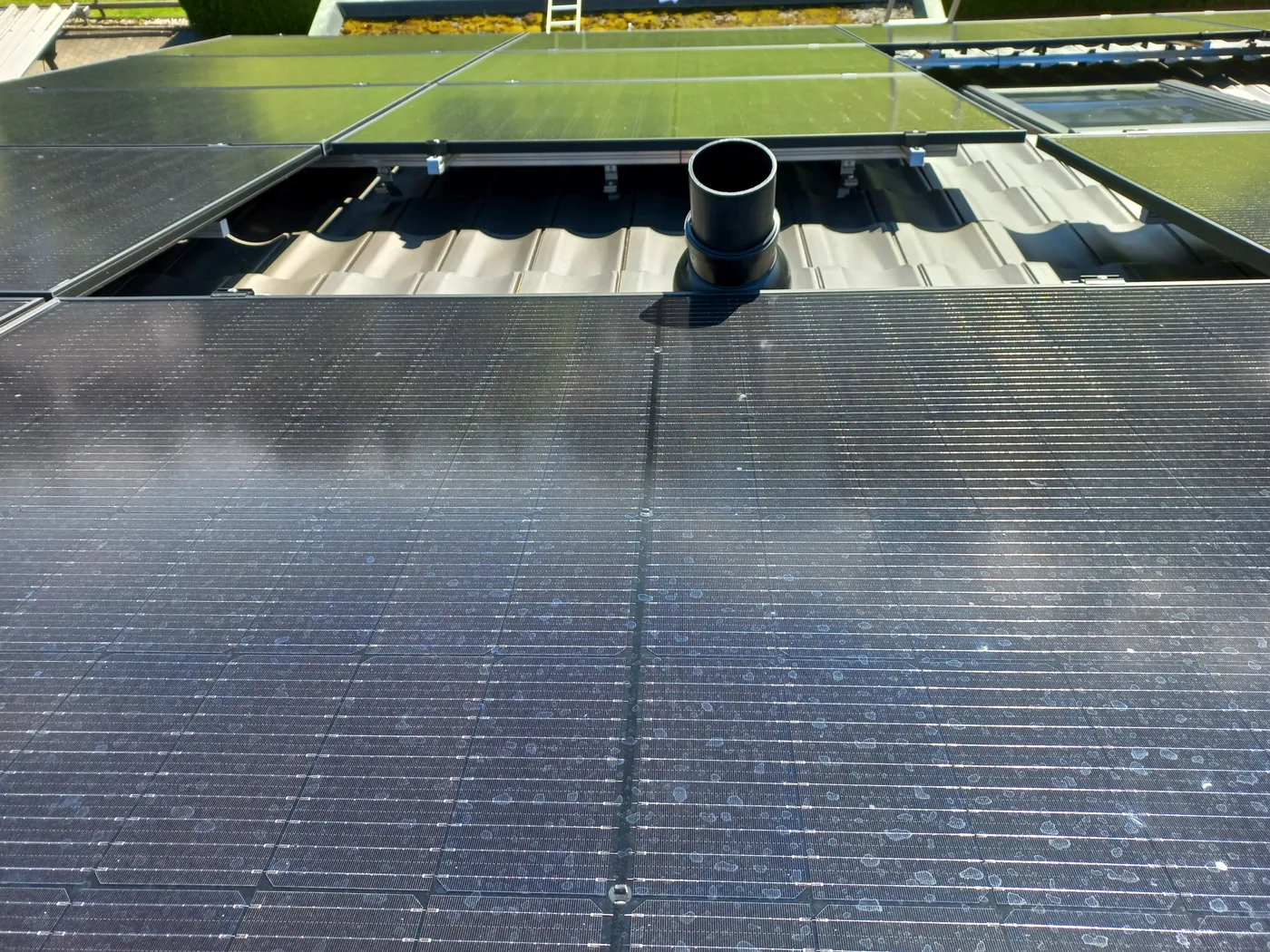
The shape and direction of a shadow matter. A narrow roof rack shadow crossing several cell strings can behave differently from a leaf covering part of one group. Shade also moves during the day. An RV vent that causes no problem at noon may cast a long shadow across a panel in the morning or late afternoon.
Multiple panels can experience mismatch when one is shaded and another remains clear. Their series or parallel configuration changes how current and voltage interact, but no wiring arrangement makes shade free. Place the array to avoid predictable shadows before using electrical configuration as mitigation.
Portable panels offer the advantage of being carried away from a shaded vehicle. They also introduce the risk of a cable crossing a walking area, a panel falling in wind, or a user forgetting to move it when the shadow returns. Field output reflects all of those practical realities.
Dirt, snow, and surface condition
Dust, pollen, bird droppings, leaves, road residue, and snow reduce the light reaching cells. The effect depends on coverage and pattern. A thin uniform layer may cause a modest reduction, while a concentrated deposit over a critical cell area may create greater mismatch.
Inspect the module before assuming an electrical fault. Follow the manufacturer's cleaning instructions, allow the panel to cool, and use methods that do not scratch the surface or damage seals. Avoid abrasive tools, unapproved chemicals, and pressure that flexes the laminate. Roof access adds fall risk and should not be improvised.
Snow can block production completely while it covers the active area. It can also slide, refreeze, or expose only part of the module. Do not use sharp tools or hot water that may damage cold glass. A safe inspection and natural clearing may be preferable to risking a fall or cracked module.
The controller can limit the number you see
A solar panel does not independently choose one fixed watt output. Its voltage and current relationship changes with irradiance, temperature, and load. A maximum power point tracking controller searches for an operating point that extracts strong available power while converting it for the battery. A PWM controller operates differently and can leave more available panel power unused when panel and battery voltage are not closely matched.
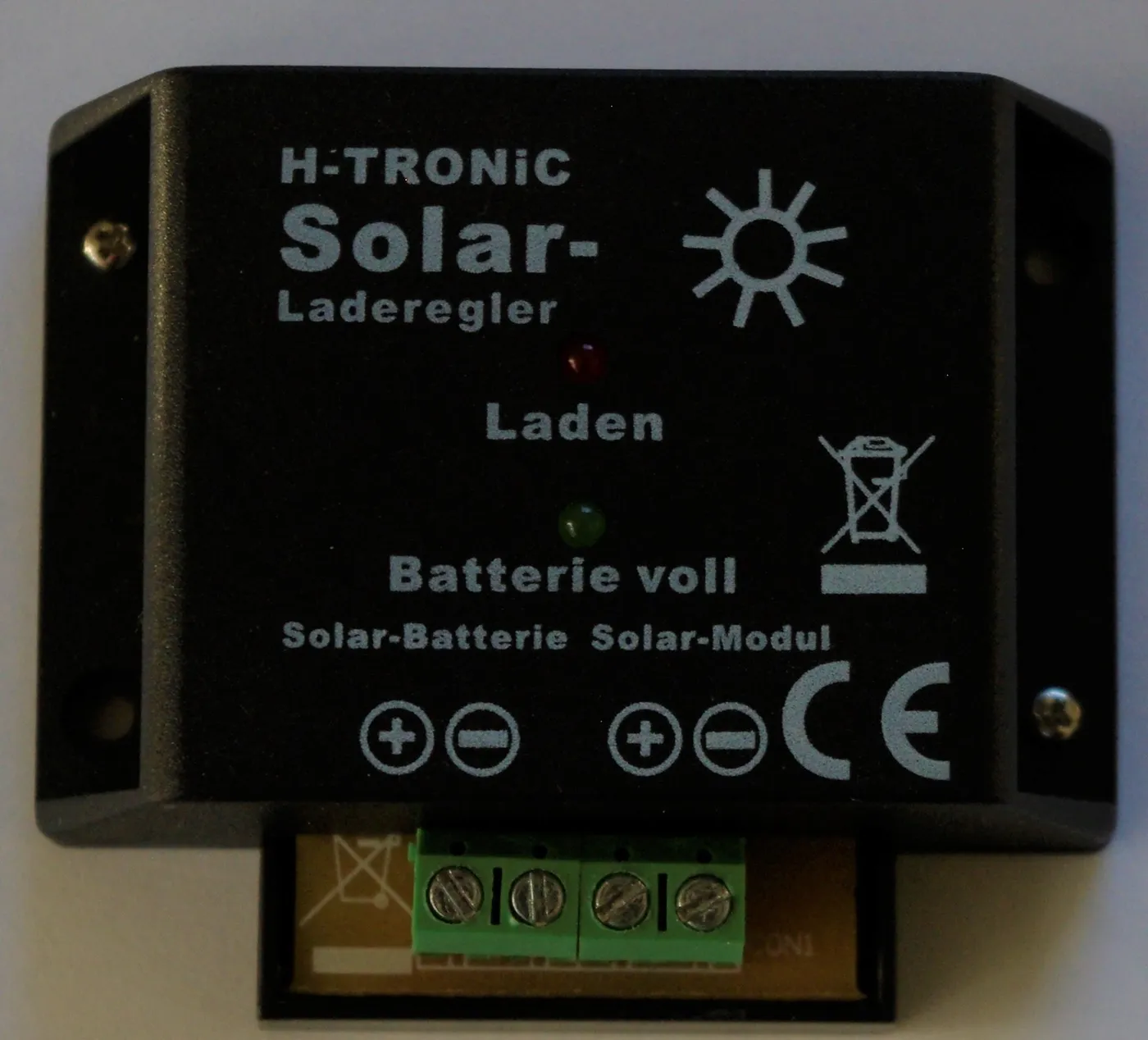
Even an MPPT controller has input voltage, input current, output current, and power limits. If the array can produce more than the controller is permitted to deliver, the controller may clip output at its rated limit. Clipping during a short favorable period can be a deliberate design outcome, but exceeding absolute voltage or current limits is unsafe and can damage equipment.
The controller may also reduce charge power because the battery no longer requests maximum current. Near full charge, the charging profile can enter absorption or float behavior. A user who sees lower solar watts at that moment may incorrectly blame the panel even though the controller is protecting and managing the battery.
The PWM versus MPPT comparison explains the operating difference. This output article keeps the focus on recognizing the controller as one part of the measured result, not on selecting or wiring it.
Battery state and load demand change observed power
A controller cannot force unlimited power into a battery. Battery chemistry, state of charge, temperature, BMS limits, and charging profile determine how much current the battery may accept. When charging is restricted, the solar display can fall even under steady sunlight.
Some power stations show solar input at the device, not raw module output. That number comes after cable loss and input conversion. The station may reserve energy for internal management or limit charging to protect the battery. Firmware, temperature, or simultaneous load behavior can also affect the display.
To assess a panel, create a condition in which the receiving equipment can accept substantial charge, but stay within all operating instructions. Do not deliberately overdischarge a battery merely to produce a more impressive solar reading. One display value is not worth shortening battery life or bypassing protection.
Wiring and connectors create losses
Conductors have resistance. Current flowing through resistance causes voltage drop and heat, so some panel power can be lost before it reaches the controller. Longer cable runs, smaller conductors, higher current, poor terminations, and damaged connectors increase the problem.
A loose or contaminated connection is more than an efficiency issue. It can overheat, arc, or fail. Inspect compatible connectors for full engagement, correct polarity, dry seals, strain relief, and damage. Do not assume two connectors are safe to mate because they look similar.
Series wiring raises array voltage while current remains similar to one string. Parallel wiring raises current while voltage remains similar. Those choices affect conductor loss and equipment limits. The dedicated series versus parallel solar wiring article handles configuration, protection, and shade tradeoffs rather than repeating them here.
How to measure output without fooling yourself
Start by identifying what the display measures. A charge controller may report PV voltage, PV current, charging current, battery voltage, and output power separately. A power station may show rounded input watts. An external meter may be installed at another point in the circuit. Values taken at different locations will not necessarily match.
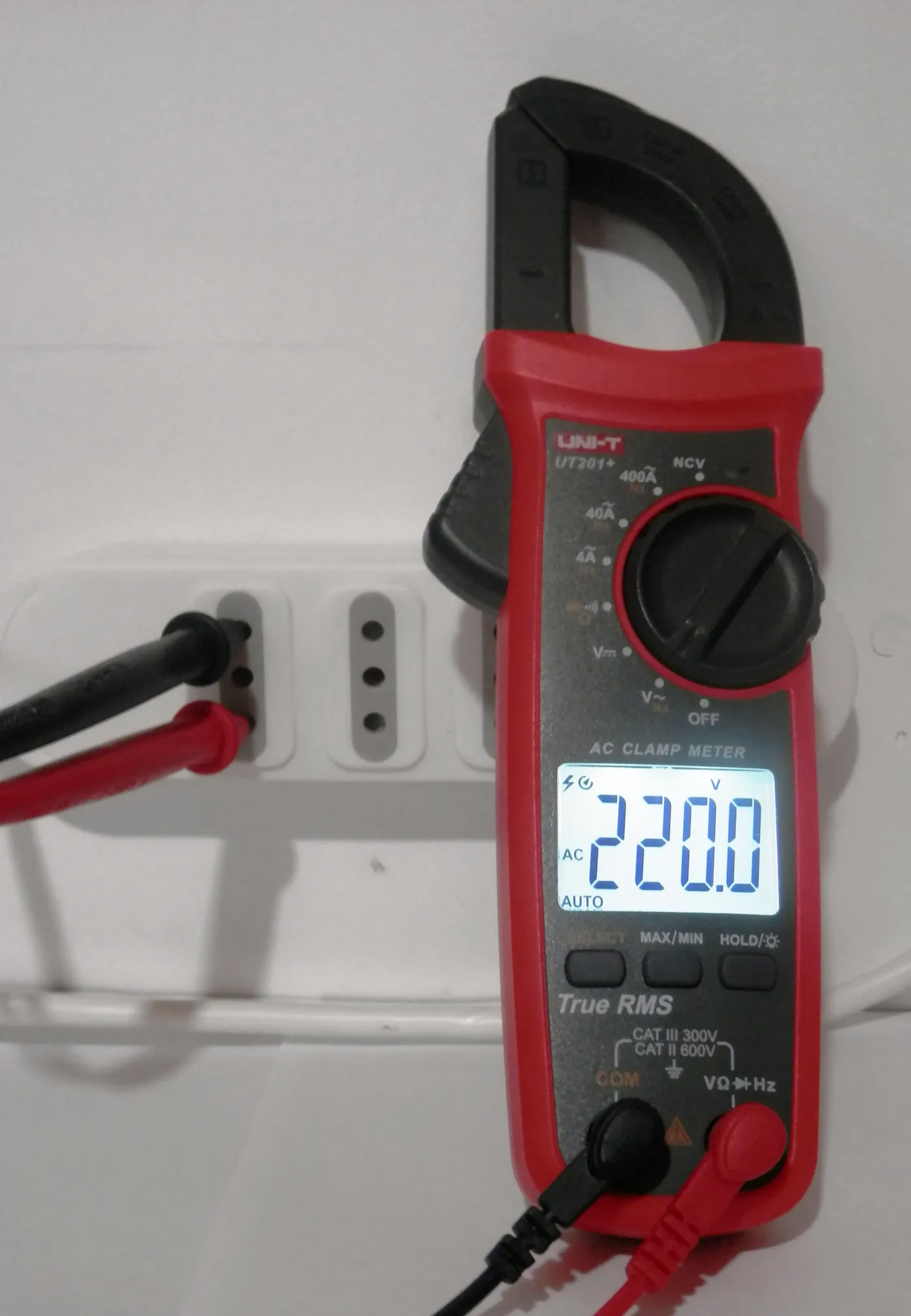
Record conditions with the reading: time, sky, shade, panel orientation, cell or back surface temperature if safely available, battery state of charge, controller mode, and active loads. Compare readings from similar conditions rather than a cool spring morning against a hot summer afternoon.
Watch a trend instead of one instant. Passing cloud edges can cause rapid fluctuations. A controller may take time to sweep for a new maximum power point. A short screenshot can capture an unusual high or low that does not represent the charging session.
For daily usefulness, record energy in watt hours over the entire period. The battery monitor or controller history may provide this value. Daily energy can then be compared with the load budget. The distinction between power and stored energy is covered in watt hours explained.
When comparing products before purchase, the best RV solar panels guide organizes candidates by complete specifications. Buyers who need mounting and charging components as a package can review the best RV solar panel kits. Field measurements should still be interpreted through the same environmental factors.
When low output may indicate a problem
Normal variation does not mean every low reading should be ignored. A sudden persistent decline under comparable conditions may indicate shade, dirt, a loose connector, cable damage, controller configuration, a tripped protective device, battery charge restrictions, or module damage.
Begin with noninvasive checks. Confirm that the sun exposure and angle are comparable, the surface is clear, connectors are fully seated, cables are not damaged, and the controller reports no fault. Verify battery state and charging mode. Compare controller readings with the panel and controller manuals.
Do not short circuit a panel or probe live connectors casually. Open circuit voltage and short circuit current tests require suitable instruments, correct ranges, compatible leads, safe procedures, and awareness that the panel becomes energized in light. If the test method is not clear, use qualified service.
Cracked glass, a burned junction box, melted connectors, exposed conductors, water intrusion, or an unusual odor requires shutdown using the approved isolation procedure. Keep people away and obtain inspection. A module can remain electrically active even when disconnected from a battery.
Electrical safety while checking solar output
Solar DC deserves the same care as other live electrical sources. Covering a module may reduce production but should not be treated as a universal disconnect procedure. Follow the panel, controller, and battery manuals for connection order and isolation.
Never unplug a connector under load unless the equipment is specifically rated and instructed for load breaking. Direct current arcs can persist. Use appropriate disconnects, fuses or breakers, conductor sizes, and enclosures. Keep connections dry and protected from foot traffic, vehicle movement, sharp edges, and heat.
Portable panels should be secured against wind. Their cables should not create trip hazards or cross a roadway. Roof mounted panels require safe access and structural attachment. Do not climb onto an RV roof solely to chase a display reading in poor weather.
Frequently asked questions
Should a solar panel reach its rated watts?
It may reach or briefly approach the rating under favorable irradiance, temperature, orientation, and load conditions, but it does not need to hold that value to be useful. The rating is based on standard test conditions. Daily energy and consistent behavior under comparable conditions are better performance measures.
Why does output fall when the panel gets hot?
Crystalline silicon module voltage decreases as cell temperature rises. The datasheet's maximum power temperature coefficient estimates the percentage change per degree relative to the reference temperature. Strong sun can heat cells well above ambient air temperature.
Can a panel produce more than its rating?
Brief readings above rated power can occur under unusually strong irradiance, cool cells, reflections, measurement rounding, or instrument timing. Do not design equipment around an assumed overperformance. Controller voltage and current limits must remain protected under all expected conditions.
Does partial shade reduce output in proportion to the shaded area?
Not always. Because cells are electrically connected, shade can restrict a cell group or trigger bypass diode operation. The effect depends on module layout, shadow direction, bypass groups, and array wiring, so a small shadow can cause a larger than expected loss.
Why does solar input drop when the battery is nearly full?
The controller reduces charging as the battery enters later charging stages or reaches a BMS limit. That lower input can be normal battery management rather than a panel fault. Check the controller mode and battery state before troubleshooting the module.
Is peak watts or daily watt hours more important?
Peak watts confirms what the system can deliver at a moment. Daily watt hours show how much energy was actually collected and are usually more useful for matching solar production to loads. Both values matter, but they answer different questions.
Bottom line
A solar panel's watt rating is a standardized laboratory reference, not a continuous outdoor promise. Actual output changes with irradiance, cell temperature, angle, shade, surface condition, wiring, controller behavior, battery acceptance, and measurement location. Use rated watts to compare products on a common basis, then judge field performance through energy collected over a meaningful period. When output seems low, document the conditions and trace the full path before blaming the panel.