
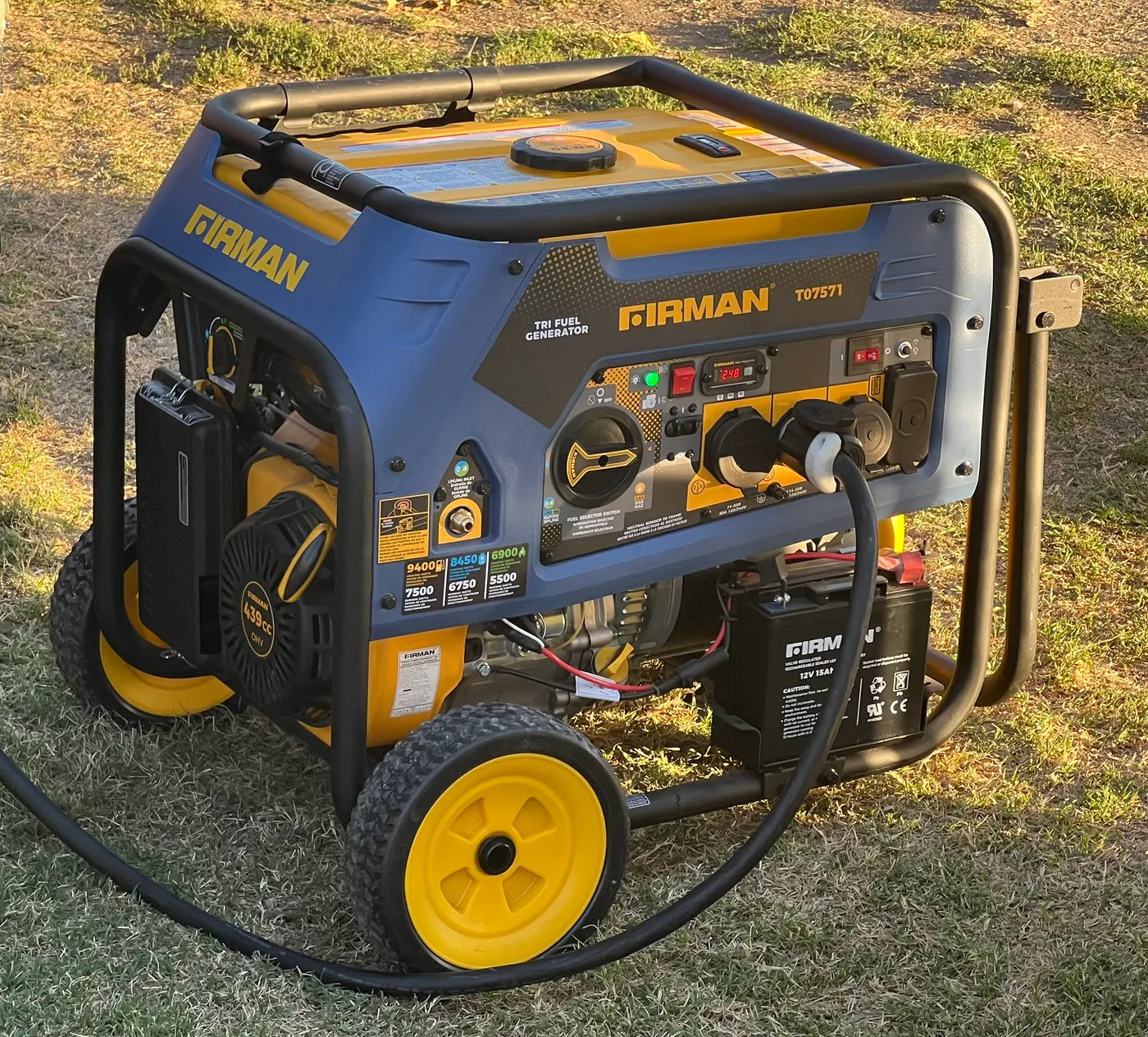
House size is not generator size
A 2,000 square foot home with gas heat, municipal water, and efficient appliances can require less backup power than a smaller rural home with a well pump, sump pump, electric water heater, and heat pump. Floor area tells you how much building exists. It does not reveal which electrical loads will be running when the utility fails.
The useful question is not simply, “What size generator runs my house?” It is, “Which loads must operate at the same time, which of them have motors, and how will the generator connect to those circuits?” Once those decisions are explicit, generator size becomes a load problem instead of a guess based on bedrooms or square footage.
For a portable generator, the answer is usually an outage plan rather than unrestricted whole home service. You choose essential circuits, manage high demand appliances, and prevent several motors from starting together. A permanently installed standby system may support a broader load, especially when paired with automatic load management, but it still requires a professional load calculation.
| Backup goal | Typical loads | Planning range | Main complication |
|---|---|---|---|
| Basic essentials | Refrigerator, a few lights, router, charging, television | About 3,000 to 5,000 running watts | Refrigerator or freezer compressor surge |
| Essentials plus home systems | Basic loads plus furnace blower, sump pump, or well pump | About 5,000 to 8,000 running watts | Automatic motors may start together |
| Managed comfort | Home systems plus selected cooking or limited cooling | About 8,000 to 12,000 running watts | 120 and 240 volt distribution, large starting loads |
| Broad whole home service | Central HVAC and multiple major appliances | Requires a site specific load calculation | Electric heat, water heating, cooking, and HVAC can overlap |
Those ranges are planning categories, not promises. The exact appliances in two homes can move the result by several thousand watts. Treat the table as a way to choose an investigation path, then replace every generic number with data from the equipment that will actually be powered.
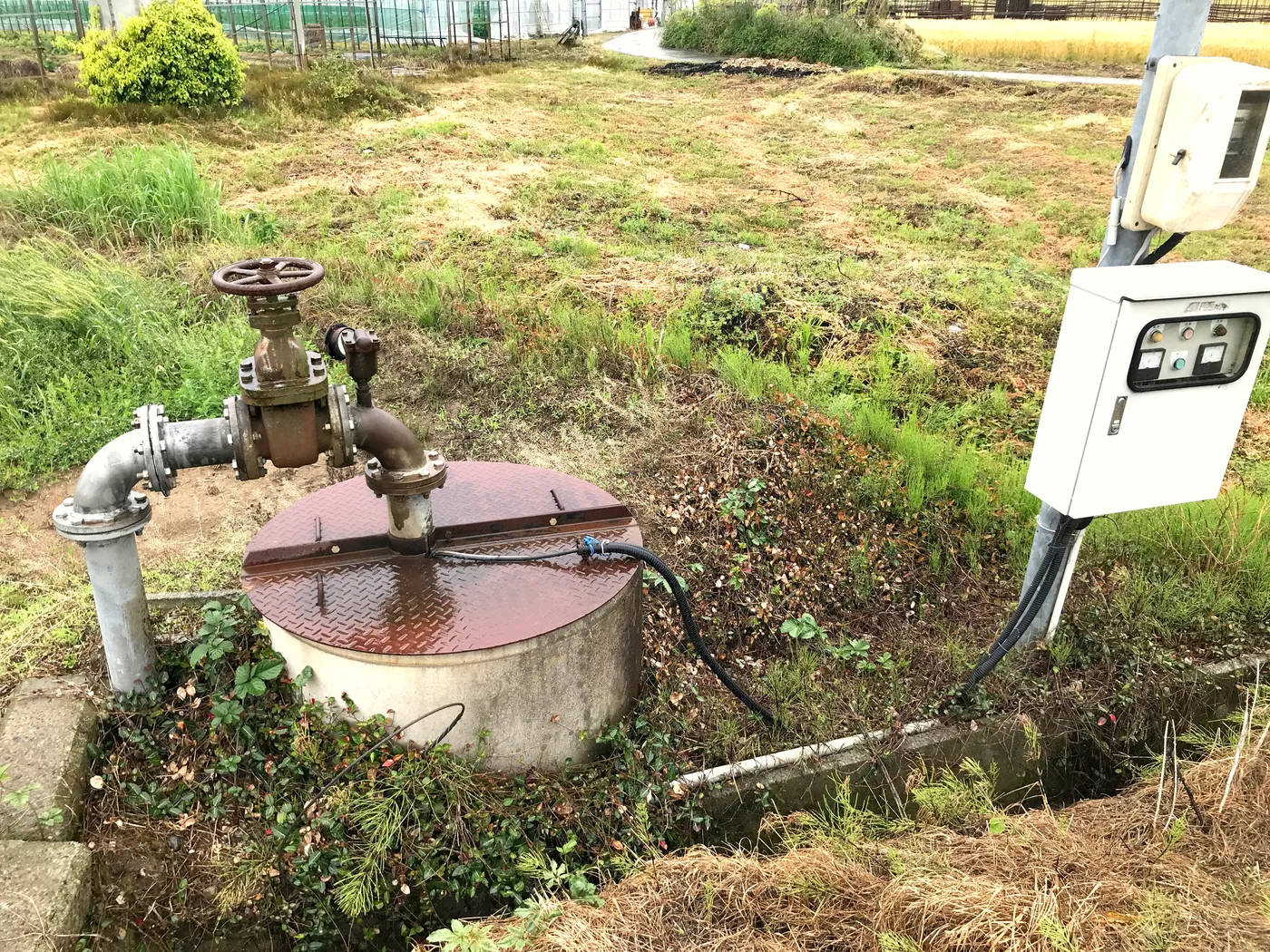
Start with an outage priority list
Walk through an ordinary outage before looking at generator models. Decide what protects health and property, what preserves food and communication, and what merely adds convenience. This prevents a coffee maker or space heater from receiving the same priority as a sump pump during a storm.
Divide the list into three groups. The first group contains loads that must remain available, such as a medical device, refrigerator, freezer, sump pump, well pump, boiler control, or furnace blower. The second group contains loads that can be used one at a time, such as a microwave, toaster, washing machine, or portable air conditioner. The third group contains loads that will remain off until utility service returns.
Write down whether each load uses 120 or 240 volts. A generator with enough total wattage can still be unsuitable if it lacks the voltage or receptacle needed for the intended connection. A 240 volt well pump, central air conditioner, or panel connection changes the equipment choice even when its wattage fits.
Then note which loads cycle automatically. A person can avoid running a microwave while a portable heater is on, but cannot reliably predict the exact second a refrigerator compressor, well pump, or sump pump starts. Automatic overlap is one reason a household plan needs more capacity than a simple sequence of manually controlled devices suggests.
Use priorities, not wish lists: if a load cannot be supported safely, decide in advance what will be switched off. Outage day is the wrong time to discover that the pump, furnace, and refrigerator cannot start together.
Three household backup scenarios
Scenario one: food, light, and communication
A basic plan might include one refrigerator, one freezer, LED lighting in a few rooms, a router, phone charging, and a television or laptop. The steady total can be modest, but the refrigerator and freezer compressors create the important starting events. Starting them separately reduces the chance of both surges arriving together during initial setup.
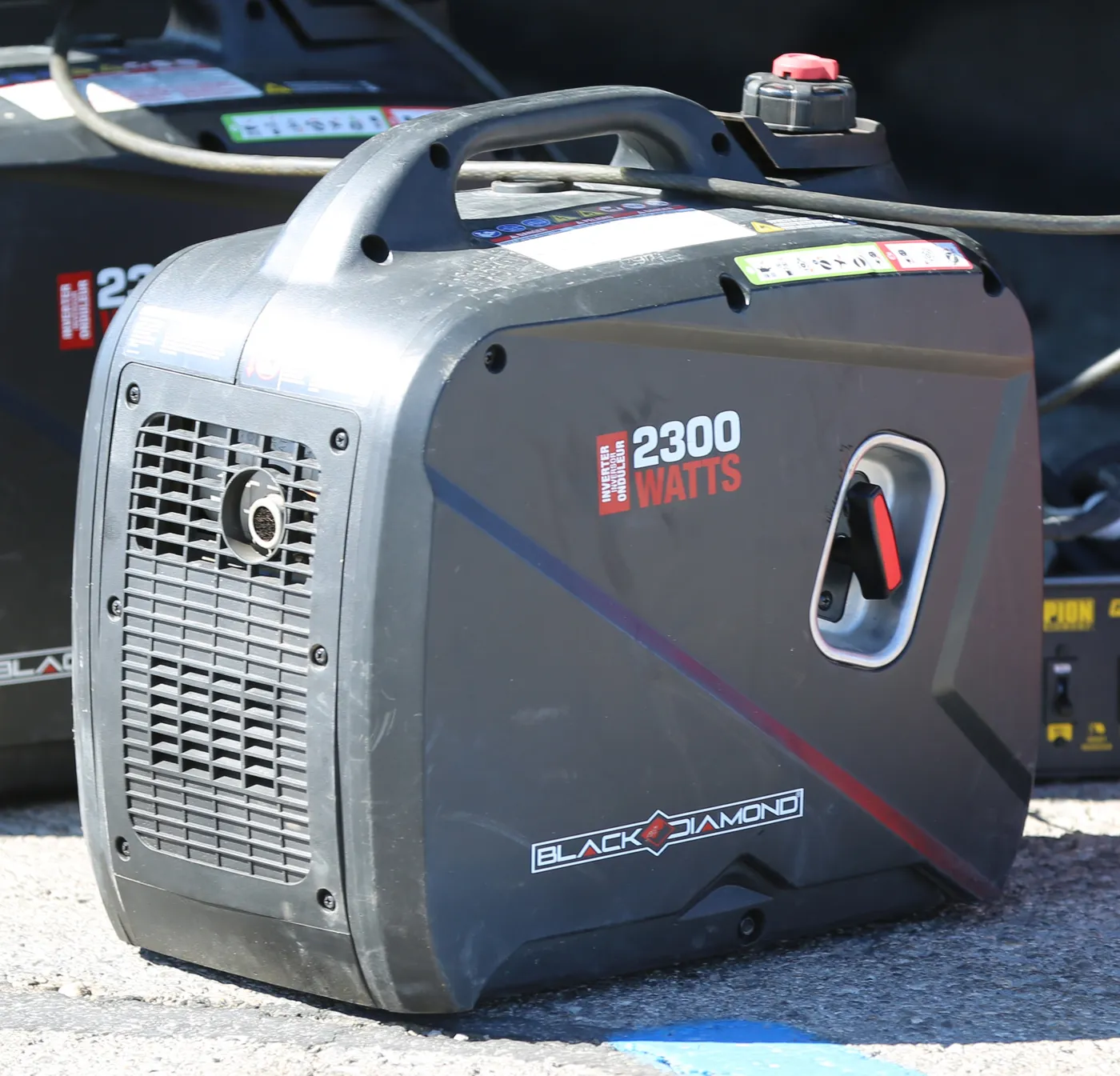
A compact inverter generator can suit this plan when every load is 120 volts and the generator has adequate running and starting output. Fuel economy at light load, quieter operation, and stable electronic output are useful during a long outage. Our inverter generators for home backup are organized around this kind of managed service.
Scenario two: essentials plus a furnace or sump pump
Adding a furnace blower or sump pump changes the character of the load. These motors may have a much larger starting demand than their normal running power. A sump pump also starts automatically, often during the same storm conditions that caused the outage.
A gas or oil furnace still needs electricity for controls, ignition, and the blower. Do not assume that a fuel fired heating system is an insignificant electrical load. Read the furnace data plate and blower motor information, then confirm how the circuit can be supplied through approved transfer equipment.
Scenario three: a rural home with a well pump
A well pump can be one of the hardest household loads for a portable generator. It may operate at 240 volts, start against a column of water, and be installed where the motor data is not easy to inspect. Two wire and three wire pump systems can also have different starting characteristics.
Obtain the pump model, horsepower, voltage, running current, and manufacturer generator guidance. If the pump information is unavailable, a qualified electrician or pump technician can identify the equipment and measure its behavior. Guessing from horsepower alone does not account for efficiency, power factor, depth, controls, or starting current.
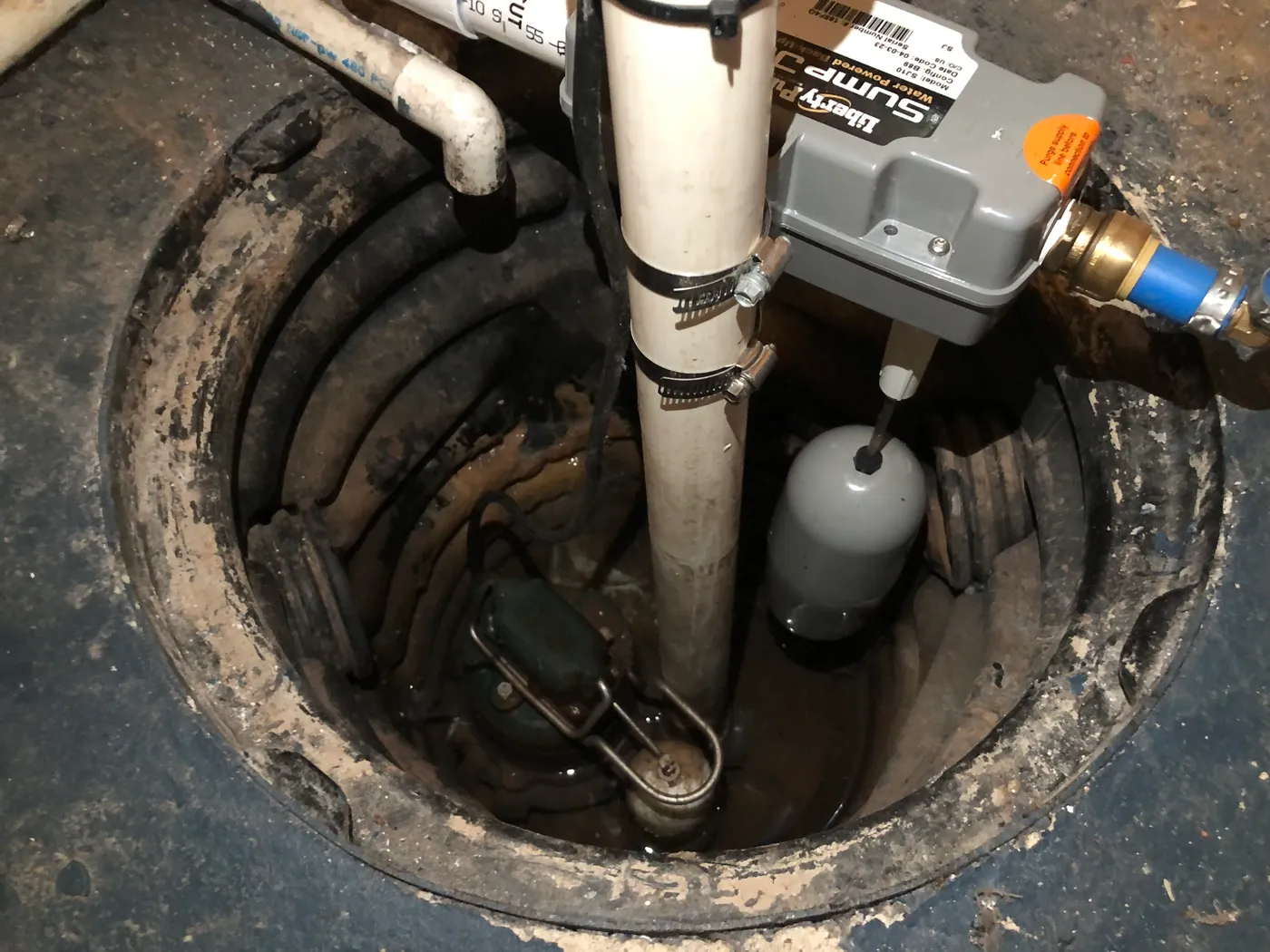
Loads that change the answer fast
Heating and cooling equipment can move a home from a moderate portable generator plan to a much larger system. Central air conditioning combines compressor starting demand with blower and condenser fan loads. A heat pump can also use electric resistance backup heat, which creates a very large continuous demand if allowed to energize.
Electric water heaters, ranges, ovens, clothes dryers, and resistance space heaters convert electricity into heat. They may have little motor surge, but their steady consumption is high. Running several of them can consume the capacity of a large portable generator before refrigeration, pumps, or lighting are considered.
An electric vehicle charger is another discretionary load that should usually remain off during portable backup. Its continuous demand is substantial, and charging may continue for hours. If vehicle charging is genuinely essential, it belongs in a professionally engineered backup design rather than being added casually to an emergency circuit list.
Medical equipment needs a different standard of care. Confirm its input requirements, power quality tolerance, runtime needs, and whether interruption is acceptable. A generator may be one layer of a plan that also includes battery backup, alarms, fuel reserves, and a relocation option. Do not infer compatibility from wattage alone.
| Load | Why it changes sizing | What to verify |
|---|---|---|
| Central air conditioner | Large compressor surge plus fans | Rated load amps, locked rotor amps, approved soft start options |
| Heat pump | Compressor load and possible resistance backup heat | Outdoor unit, air handler, and auxiliary heat data |
| Well pump | High starting current, often 240 volts | Pump model, voltage, wiring type, manufacturer guidance |
| Electric water heater | Large continuous resistance load | Element wattage and whether it can remain off |
| Electric range or dryer | Multiple high demand elements and motors | Nameplate load and operating plan |
| Medical equipment | Power quality and interruption may matter | Manufacturer requirements and backup strategy |
Separate running load from starting load
Home backup sizing has two tests. First, the generator's running rating must exceed the combined demand of everything expected to operate at the same time. Second, its starting rating and transient response must cover the largest credible motor startup while the other loads remain energized.
Do not add every total starting watt figure to the running total. For each motor, find the difference between total starting demand and normal running demand. Add the largest credible additional surge to the running loads already operating. Our guide to running watts versus starting watts explains why this avoids counting the same motor twice.
A static list can still miss automatic overlap. Suppose the well pump starts while the refrigerator is already running, then the sump pump responds seconds later. If that sequence is plausible, either provide capacity for it or create controls and operating procedures that prevent it. Load management is a design choice, not an assumption that appliances will cooperate.
Use our generator wattage worksheet for the arithmetic. This house sizing article owns the scenario decisions: which circuits matter, which can be deferred, and which automatic loads can collide.
Portable generator or standby system
A portable generator is appropriate when someone can move it outdoors, connect it safely, start it, refuel it, and manage circuits. It is not automatic. The household must also store fuel, maintain the engine, and protect the unit from rain without enclosing it.
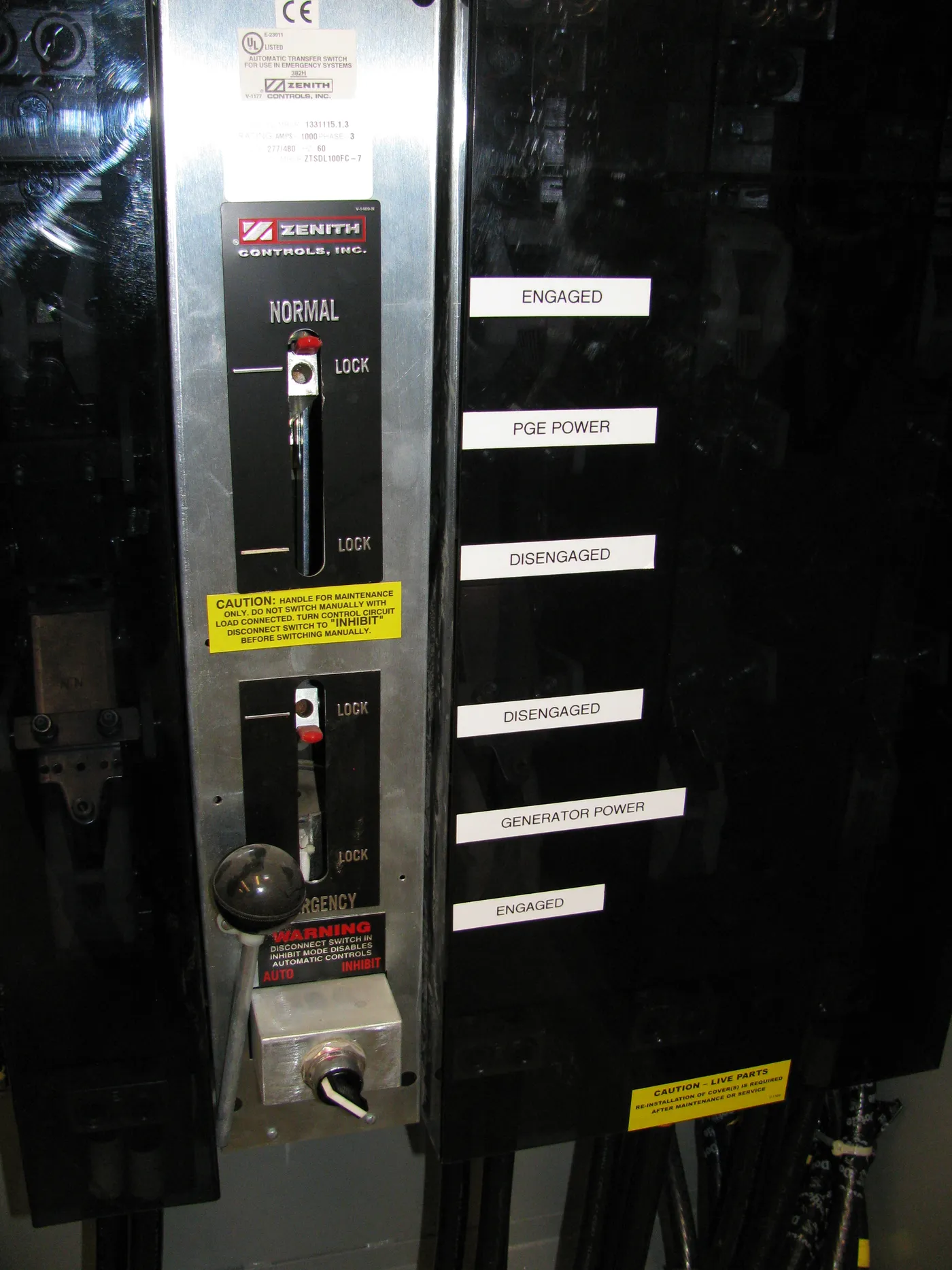
A standby generator is permanently installed and normally starts automatically after a utility failure. It works with an automatic transfer switch and can incorporate load management. The installation involves fuel supply, setbacks, permits, electrical work, maintenance access, and local code requirements.
Neither category guarantees whole home operation. A portable unit may supply selected circuits through a manual transfer system. A standby unit may also shed or prioritize loads to keep demand within capacity. “Whole house” is a description of the intended service, not proof that every appliance can run simultaneously.
For a portable system serving larger 120 and 240 volt loads, compare the connection and continuous output of the models in our 50 amp generator guide. A 50 amp receptacle does not automatically mean the generator can deliver the theoretical maximum associated with the connector. The running watt rating remains the controlling generator limit.
Fuel and runtime change the plan
A generator sized perfectly on paper is not useful if its fuel cannot be stored, obtained, or delivered during the outage. Gasoline is widely available but requires careful storage and rotation. Propane can simplify long term fuel storage, although a dual fuel generator may produce less power on propane than on gasoline.
Size the generator from the rating for the fuel you actually plan to use. Do not select a dual fuel machine from its gasoline number and then assume the same loads will run on propane. Cold conditions, cylinder size, regulator capacity, and fuel vaporization can also affect propane operation.
Runtime statements require a load percentage and fuel quantity. A machine advertised for a long runtime at one quarter load will not deliver the same hours while carrying pumps, heating equipment, and cooking loads. Plan refueling intervals from manufacturer data at a condition close to the household load.
A solar generator or battery power station avoids engine exhaust and can run indoors, but its limits are expressed through inverter output and stored watt hours. It can be effective for electronics, refrigeration, communication, and selected medical loads when properly sized. Readers considering that route can compare systems in our solar generator guide for home use.
The connection method limits usable power
Extension cords can supply individual 120 volt appliances when the cords are correctly rated, kept dry, and routed safely. They do not provide a suitable method for hardwired equipment such as a furnace, well pump, or most central air systems.
A panel connection normally uses a power inlet and approved transfer switch or listed interlock arrangement installed for the specific electrical system. This prevents backfeeding the utility and makes selected household circuits available. Neutral switching, bonding, grounding, breaker compatibility, inlet rating, and local code all need professional evaluation.
Never connect a generator through a dryer receptacle or a cord with two energized male ends. Turning off the main breaker is not an acceptable substitute for approved transfer equipment. A mistake can energize utility conductors, injure line workers, start a fire, or damage equipment when utility power returns.
Our article on safe generator connection methods explains transfer switches, interlocks, inlets, and operating sequence. Have a qualified electrician design and install the building connection before an outage.
Carbon monoxide and weather safety
Operate every combustion powered portable generator outdoors, at least 20 feet from the home, with the exhaust directed away from doors, windows, vents, crawlspace openings, and neighboring buildings. A garage, porch, shed, breezeway, or carport is not made safe by opening doors.
Install carbon monoxide alarms on every level and outside sleeping areas according to alarm manufacturer instructions. An onboard CO shutoff is valuable backup protection, but it does not replace distance, direction, and household alarms.
Keep the generator dry without placing it in an enclosure that traps exhaust or restricts cooling. Follow the generator manufacturer's wet weather guidance. Shut the engine down and let it cool before refueling, and keep fuel containers outside living areas and away from ignition sources.
A practical selection process
- List required circuits. Separate essential, managed, and excluded loads.
- Record real data. Collect voltage, running watts or amps, and motor starting information from labels and manuals.
- Identify automatic overlap. Note pumps, compressors, and controls that may start without warning.
- Confirm voltage and connection. Decide whether the plan needs only individual 120 volt cords or an approved panel connection with 240 volt service.
- Calculate both limits. Compare combined running demand and the worst credible startup event with the generator's ratings.
- Use the intended fuel rating. Apply gasoline, propane, or natural gas figures separately.
- Check runtime and operation. Plan fuel storage, refueling, weather protection, maintenance, and who will operate the unit.
- Have the installation reviewed. A qualified electrician should verify transfer equipment, wiring, grounding, bonding, and code compliance.
The final selection may be smaller than a square foot chart suggests because high demand appliances are intentionally excluded. It may also be larger because a well pump, sump pump, and furnace must remain dependable. Either outcome is defensible when it follows the real load plan.
Frequently Asked Questions
Will a 5,000 watt generator run a house?
It can support a managed group of essentials in many homes, but it will not automatically run every household appliance. Confirm whether 5,000 watts is the running or starting rating, then calculate the actual refrigerator, pump, blower, lighting, and other loads.
Can a portable generator run central air conditioning?
Some larger portable generators can support certain central air systems, but compressor starting demand, voltage, other running loads, and connection equipment all matter. Use the HVAC manufacturer's electrical data and have a qualified electrician evaluate the installation.
Does a larger house always need a larger generator?
No. Electrical equipment and the outage plan determine generator size more directly than floor area. A smaller all electric home can require more backup power than a larger home using gas for heat, hot water, and cooking.
Can I run an electric furnace from a portable generator?
Electric resistance heat can require very high continuous power and is often impractical for a portable generator. A heat pump may also activate resistance backup strips, so the full system data and control behavior must be evaluated.
Should I size from gasoline or propane output?
Use the rating for the fuel that will power the generator during the outage. A dual fuel model may have lower running and starting output on propane, so the gasoline rating cannot be substituted.
How much extra generator capacity should I leave?
There is no universal percentage that fits every home. Leave enough capacity for uncertain label data, automatic motor overlap, environmental derating, and future essential loads without treating starting watts as continuous output.
Can I connect a generator directly to a wall outlet?
No. Backfeeding through a household receptacle is dangerous and bypasses approved transfer protection. Use individual properly rated extension cords or a professionally installed inlet and transfer arrangement.
Bottom line
Choose a house generator from the circuits you must keep alive, not the size of the building. A carefully managed essentials plan may fit within roughly 3,000 to 5,000 running watts, but pumps, HVAC, electric heat, cooking, and water heating can multiply the requirement. Verify real appliance data, account for automatic starting loads, select the correct fuel rating, and have the connection system designed by a qualified electrician.