
Why ethanol is a small engine problem at all
Gasoline sold in the United States is blended with ethanol, an alcohol made mostly from corn. The standard pump grade is E10, meaning up to 10 percent ethanol by volume, and some stations also sell E15 and a few offer ethanol free fuel. Cars handle all of this without complaint. They burn their fuel within days, run sealed fuel systems and use components engineered for it.
A mower or string trimmer is the opposite case. It runs for an hour, then sits for a week or a season. It has a vented tank, a simple carburetor, and rubber lines that may be older than your last two cars. Small engines are not harmed by ethanol in a single tank. They are harmed by ethanol fuel that sits.
This guide explains what the alcohol actually does inside the tank and carburetor, which blends your equipment can safely use, and how to decide between pump gas, ethanol free fuel and canned premixed fuel. If you already have a machine that will not run after storage, start with how to clean a small engine carburetor, and for a broader no-start checklist see why small engines will not start.
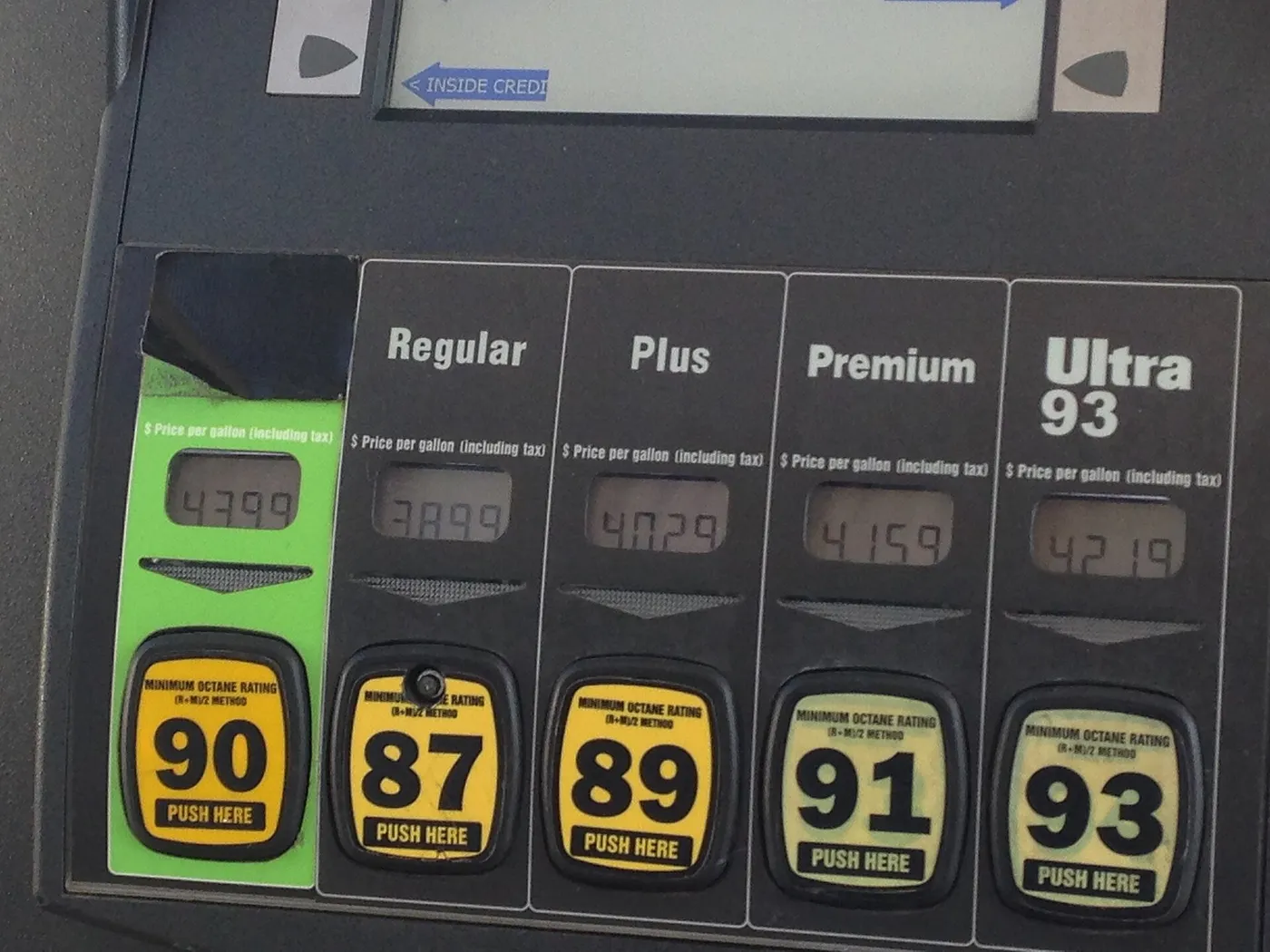
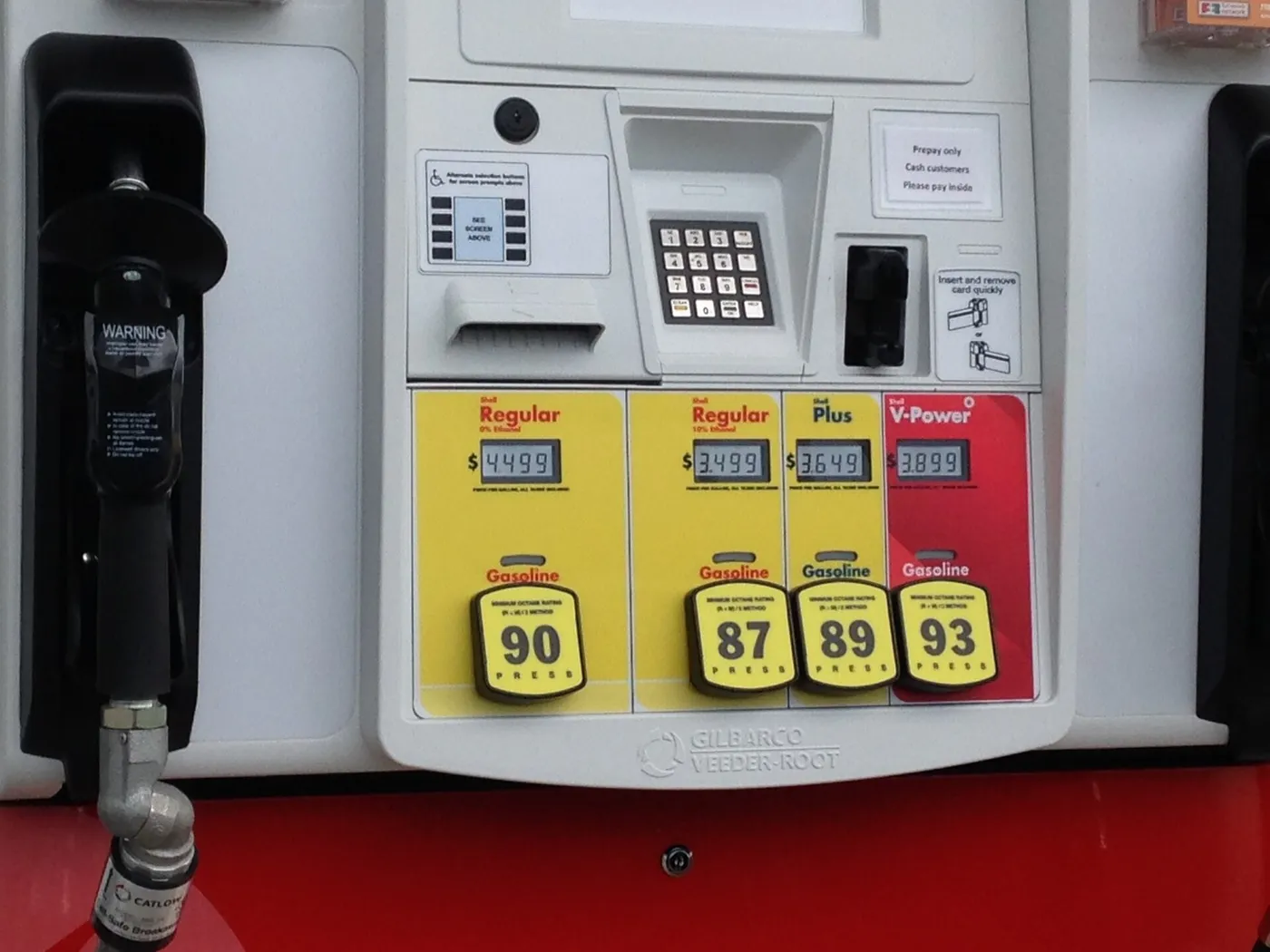
E10, E15, E85 and E0: reading the pump
The letter and number tell you the maximum ethanol by volume. The numbers matter, because small engine manufacturers specify a limit and the owner's manual is the authority on your machine.
| Blend | Ethanol content | Small engine use |
|---|---|---|
| E0 | None, also sold as ethanol free or recreational fuel | Safe, and the best choice for equipment that sits |
| E10 | Up to 10 percent | Approved by most small engine makers, with fresh fuel and good storage habits |
| E15 | 10.5 to 15 percent | Not approved for lawn mowers, chainsaws and similar equipment, and pumps carry a warning |
| E85 | 51 to 83 percent, for flex fuel vehicles | Never use in a small engine |
The EPA label on E15 pumps specifically warns against using it in lawn mowers and chain saws, along with motorcycles, boats and other small engine equipment. Engine makers such as Briggs and Stratton and Honda accept E10 and state that E15 is not approved for their small engines. Check your manual, since a few machines carry a different limit.
What ethanol does inside a small engine
Ethanol behaves differently from gasoline in four ways that matter for a lawn mower.
It is hygroscopic: it pulls in water
Ethanol readily absorbs moisture from humid air. A vented tank breathes in and out as temperature changes, so moisture enters. Pure gasoline repels water, which stays at the bottom of the tank as a visible layer. Ethanol blended gasoline can hold some water dissolved in the mixture, hiding it until a threshold is reached.
It can phase separate
When the fuel absorbs enough water, the ethanol and water can pull together and separate out of the gasoline as a distinct layer at the bottom of the tank. Fuel makers call this phase separation. The layer at the bottom is a water and ethanol mix, and the fuel above it is left with lower octane and weaker combustion. Because the tank pickup sits at the bottom, a mower that draws from that layer can sputter, run poorly or refuse to start.
Phase separation takes time, and it is more likely in fuel that is old, in a vented tank, in humid weather or in a partly empty tank with lots of air to carry moisture. It is a storage problem, not a one tank problem.
It is a solvent
Ethanol dissolves some gums and residues, and it can loosen deposits in a fuel system that has been running on pure gasoline. That may send loosened debris toward the carburetor and filter. It also interacts with certain older rubber and plastic parts, which can swell, soften, shrink or crack depending on the material. Modern equipment uses fuel lines and seals made to tolerate E10. Equipment built many years ago may not.
It leaves corrosion and varnish behind
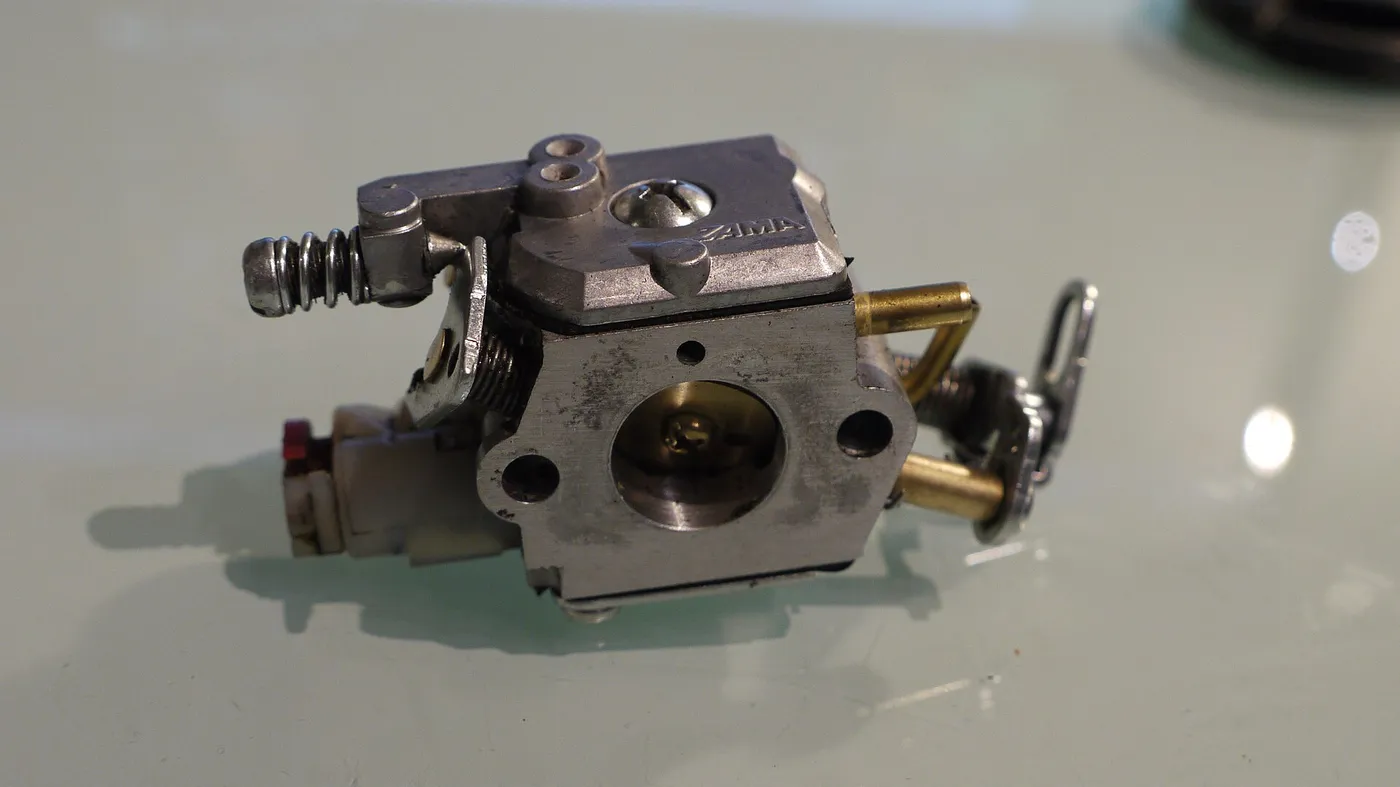
Water separated from the fuel promotes corrosion, especially on aluminum and zinc carburetor bodies, brass jets and steel parts. Aged fuel also leaves a sticky residue as lighter components evaporate. Between corrosion and varnish, the smallest passages in the carburetor close first. That is the failure that sends most owners to a repair shop each spring.
Myths and facts about ethanol and small engines
| Claim | What is actually true |
|---|---|
| "E10 destroys any small engine." | Not on its own. Most manufacturers approve it. Trouble comes from old fuel, long storage and old rubber parts. |
| "Ethanol free gas lasts forever." | No. It still goes stale, though it does not absorb water the way E10 does. Manufacturers still say to use fresh fuel. |
| "Stabilizer fixes old gas." | No. A stabilizer slows aging in fresh fuel. It does not restore stale fuel, according to engine makers. |
| "Premium gas is safer for my mower." | Octane is not the issue. Premium can still be E10. Read the ethanol label, not the grade. |
| "E15 is fine because the pump said it was regular." | E15 is not approved for lawn mowers, chainsaws and similar equipment, and the pump carries a warning. |
How long fuel actually lasts
Manufacturers do not agree on a single shelf life, and you should say so honestly. Briggs and Stratton says gasoline begins to go stale in about 30 days. Stabilized fuel claims range widely: some stabilizer makers cite many months, and Honda gives much shorter figures for stabilized fuel in its own engines. When your manual names a number, use it.
In practice, the dependable approach is to treat any fuel more than one month old as suspect in a machine that will sit idle, and to buy only what you will burn. Stale fuel has a sour, varnish smell compared with the sharp smell of fresh gasoline, and it may look darker.
Which fuel to use, by situation
| Your situation | Best fuel | Why |
|---|---|---|
| Mower used weekly in season | Fresh E10 pump gas, bought in small amounts | Burned fast, so ethanol has no time to cause trouble |
| Trimmer or blower used a few times a month | Fresh E10, or canned ethanol free fuel if available | Small tanks make canned fuel affordable and easier to control |
| Equipment stored for a season | Ethanol free fuel, or run the tank dry | Avoids water absorption and varnish while idle |
| Chainsaw or two stroke tool used rarely | Canned premixed ethanol free fuel | Mixed fuel ages faster, and premixed cans have a long shelf life |
| Older machine with original rubber lines | Ethanol free fuel | Avoids the swelling and cracking older materials can suffer |
| Generator in standby for outages | Ethanol free fuel with stabilizer, rotated yearly | It may sit for months and then has to start on demand |
Two stroke tools need extra care, because the oil is mixed into the fuel. Our guide to mixing 2 stroke fuel covers ratios and shelf life, and 2 stroke vs 4 stroke engines explains why each type reacts differently to old fuel.
Finding and buying ethanol free fuel
Ethanol free gasoline is sold at some stations, usually marked on the pump with a notice such as "No ethanol" or a separate E0 button, and in sealed cans at hardware and farm stores. The canned fuel is aimed at equipment like trimmers, chainsaws and mowers, and carries a long shelf life, but it costs noticeably more per gallon than the pump.
The tradeoff is simple. The convenience and price of E10 pump gas suits any machine you run weekly. Spending more on ethanol free fuel makes sense for the machines that sit. You do not need it everywhere.
- Check the pump label for the maximum ethanol percentage. Do not assume.
- Fill approved cans only, use the right size, and leave some air space for expansion.
- Keep fuel cans out of direct sun, away from heat and ignition sources, and out of living areas.
- Buy only the amount you plan to use in the next month for pump fuel.
What to do with fuel you do not trust
Fuel that is old, cloudy, separated or smells of varnish should not go into an engine. Do not pour it on the ground or down a drain. Take it to a household hazardous waste drop off, or check with your local fire department or waste authority, which will tell you where and how to dispose of it.
If your machine is already full of old fuel, drain the tank into an approved container, empty the carburetor bowl, replace the fuel filter, and refill with fresh fuel. Then run the engine for several minutes. If the engine stumbles or will not run, the carburetor probably has varnish in its jets and needs cleaning.
Storage: where ethanol damage really happens
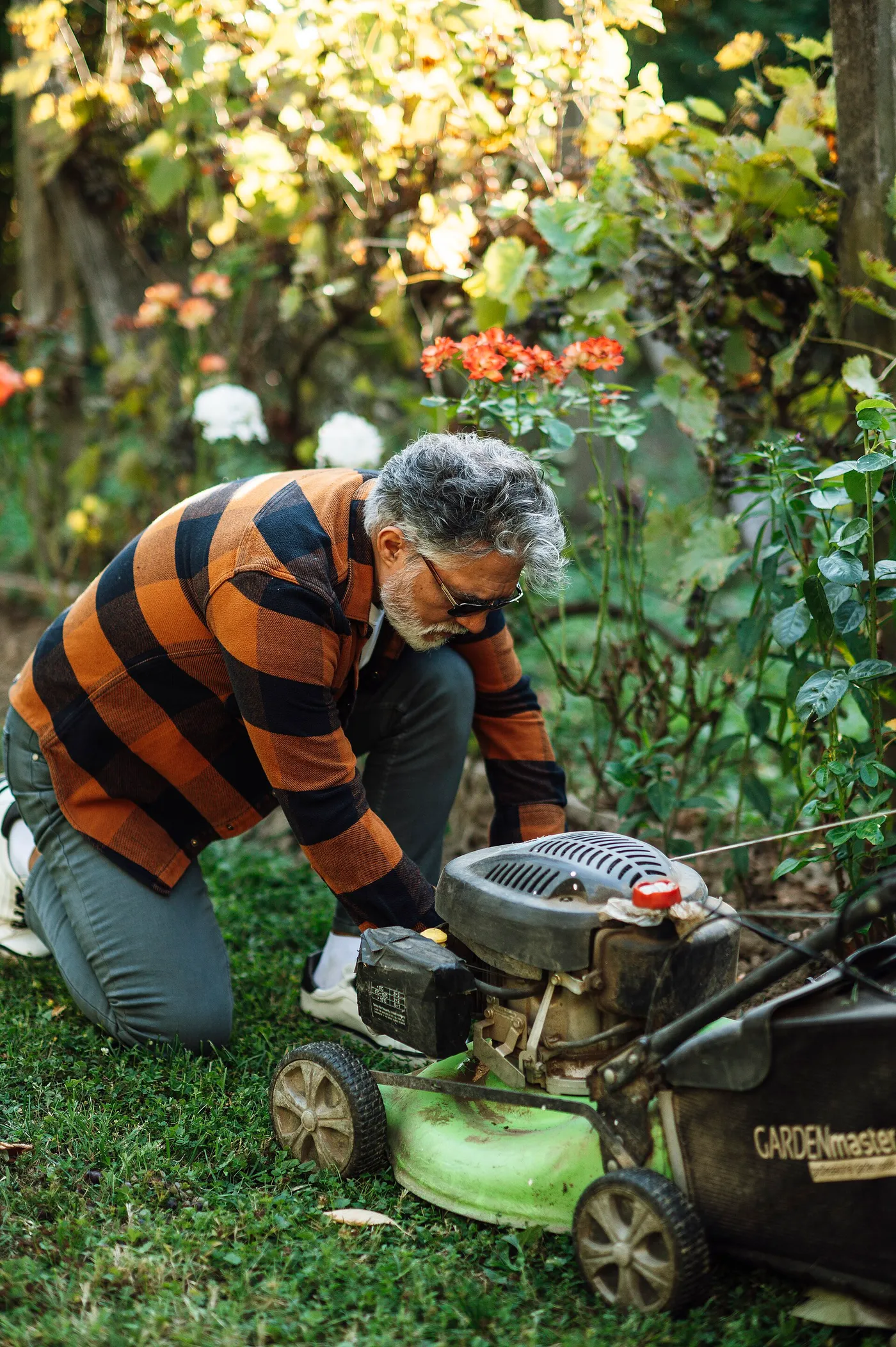
Ethanol related damage is almost always a storage problem, which is why a proper routine matters more than any particular fuel brand. There are two accepted approaches, and manufacturers differ on which they prefer.
- Stabilize and store. Add a stabilizer to fresh fuel in the tank, following the label. Run the engine for a few minutes so treated fuel reaches the carburetor. Some makers, including Honda, say to fill the tank with fresh fuel when stabilizing.
- Run it dry. Close the fuel valve if there is one and run the engine until it stops. This leaves little fuel in the carburetor to varnish. Makers of some equipment prefer this approach.
The full seasonal routine, including oil, spark plug and battery steps, is in our guide to storing outdoor power equipment for winter.
Which parts suffer first
When ethanol damage shows up, it usually does so in a predictable order. Knowing it helps you diagnose.
- Carburetor jets and idle passages. Varnish and corrosion close them first.
- Fuel filter. It clogs with debris loosened by the solvent action of ethanol.
- Fuel line. Older lines harden, crack or swell, and may leak or let air in.
- Diaphragms and gaskets. They stiffen, tear or stick on older carburetors.
- Tank and cap. Water collects on the bottom, and the vent can clog, causing vapor lock like symptoms.
This is why a new replacement fuel line and filter is cheap insurance on any older machine you plan to keep. If you are shopping, many owners avoid the whole issue by choosing battery power. Our 40V, 60V and 80V lawn mower guides compare machines with no fuel system to maintain, and the gas mower guide covers the engine models that suit E10 and regular use.
Telling bad fuel from a mechanical fault
Because ethanol trouble shows up as ordinary no-start symptoms, it helps to separate a fuel problem from a worn engine before you buy parts. Start with the cheapest test: take a small sample of fuel from the tank into a clear glass jar and look at it. Fresh gasoline is clear and pale, and it smells sharp. Stale fuel is often darker and smells sour, like old varnish. A visible second layer, or a hazy look that does not clear, suggests water.
Then check whether the engine responds to fresh fuel. Drain the tank and bowl, add a small amount of fresh gasoline and try again. An engine that now starts and runs, even roughly, points at the old fuel and the carburetor passages it varnished. An engine that still refuses to run with fresh fuel, spark and a clean air filter has another problem, such as a failed ignition coil, a flooded cylinder or low compression.
- Hard to start, then runs fine: often a partly blocked idle circuit or thin fuel, not an engine fault.
- Runs, but dies when you open the throttle: a restricted main jet or filter, usually from varnish or debris.
- Leaks at the bowl or line: a hardened gasket or cracked fuel line that no longer seals.
- Visible white or green powder on aluminum: corrosion from water in the fuel. The part needs replacing, not cleaning.
If the fuel is bad and the carburetor is gummed up, the fix is the one described in our carburetor guide: clean the jets, replace the soft parts and the filter, and refill with fresh fuel. Fix the storage habit that caused it, or you will repeat the job next spring.
Additives, stabilizers and fuel system cleaners
Three kinds of product get lumped together, and they do different jobs.
- Stabilizers slow oxidation in fresh fuel so it stays usable longer. They do not revive stale fuel.
- Ethanol treatments claim to bind water so it passes through the engine. Their effect is limited, and they do not replace fresh fuel.
- Fuel system cleaners contain detergents meant to clean light deposits. They will not clear a jet that is already blocked.
Use them as directed on the label, and do not exceed recommended doses. None of these replaces fresh fuel and a good storage routine.
Frequently Asked Questions
Can I use E10 in my lawn mower?
Yes, in most cases. Major small engine makers such as Briggs and Stratton and Honda approve gasoline with up to 10 percent ethanol. Use fresh fuel, avoid long storage with fuel in the tank, and always check the manual for your specific engine.
Is E15 safe for a string trimmer or chainsaw?
No. E15 is not approved for lawn mowers, chainsaws, string trimmers and similar small engine equipment, and the EPA warning on the pump says so. It also runs hotter and is harder on fuel system parts.
Does ethanol free gas really make a difference?
It does for equipment that sits. Without ethanol, fuel does not draw in water the same way and cannot phase separate, which cuts one major cause of storage problems. It still goes stale, so the fresh fuel habit still applies.
Is it better to run the carburetor dry or use stabilizer?
Both are accepted by different manufacturers, and your manual is the final word. Running dry leaves little fuel to varnish. Stabilizer protects fuel in the tank, but only when added to fresh fuel and circulated by running the engine.
What does phase separation look like?
The fuel may look hazy, or you may see a distinct layer at the bottom of a clear container. The engine can sputter, run roughly or refuse to start. Drain the tank and carburetor, dispose of the fuel properly and refill with fresh gasoline.
Can I mix ethanol free gas with E10?
Yes. Mixing them simply gives a blend with less ethanol than E10. This is fine for any engine approved for E10, and it can be a practical way to use up leftover fuel.
Bottom line
Ethanol is not the villain it is sometimes made out to be, and E10 is acceptable in most modern small engines when the fuel is fresh. The real enemy is fuel that sits, because ethanol absorbs water, can separate in the tank and leaves varnish and corrosion in the carburetor. Never use E15 or E85 in a mower, trimmer or chainsaw. Buy fuel in small amounts, date the can, and spend extra on ethanol free fuel for the machines that sit idle for weeks. Combine that with a proper storage routine and most ethanol trouble simply never happens.