
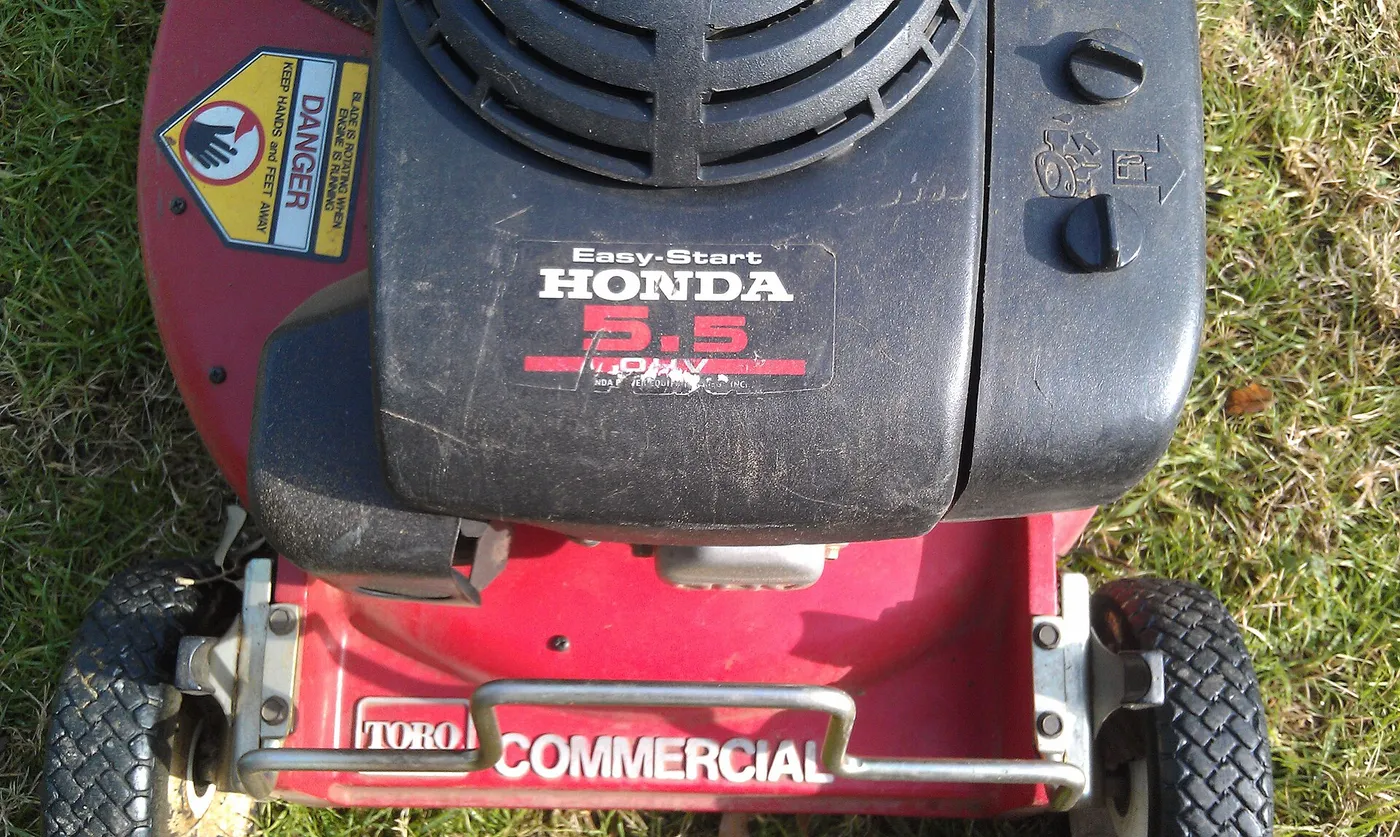
Why storage decides how spring goes
Almost every spring repair shop story starts the same way. A mower or trimmer ran perfectly in October, was pushed into the shed with fuel in the tank, and refused to start in April. Nothing wore out over winter. The fuel aged, left varnish in the carburetor, and in a vented tank it absorbed moisture. Meanwhile the battery sat discharged, the blade collected rust, and a mouse moved into the air filter.
Winterizing is a short list of tasks aimed at those specific failures. It is not a full service, and it does not need special tools. If you do it in the same order every year, you will spend an hour per machine in fall and save a day of troubleshooting in spring.
This guide covers gas mowers, two stroke trimmers and blowers, battery equipment and snow blowers, with a checklist for each. For the fuel science behind the main step, read ethanol fuel and small engine damage, and for the mess that results when you skip it, see how to clean a small engine carburetor.
The fuel decision: stabilize or run dry
This is the most important choice, and engine makers do not fully agree on it. Both methods are accepted, so follow your manual first.
| Method | How | Best for | Watch out for |
|---|---|---|---|
| Stabilize | Fill the tank with fresh fuel, add stabilizer at the label dose, run the engine a couple of minutes so treated fuel reaches the carburetor | Four stroke mowers, generators, snow blowers you will use soon | Stabilizer slows aging but does not fix fuel that is already stale |
| Run dry | Shut the fuel valve and run until the engine stops, or drain the tank into an approved can | Trimmers, blowers, tools that store for the whole winter | Some engines are harder to start with a dry bowl, and a partly drained system can still hold varnish |
| Ethanol free fuel | Fill with ethanol free gasoline, with or without stabilizer, and run it through | Anything that sits for months | Costs more, and it still goes stale eventually |
Honda tells owners to fill the tank with fresh fuel when stabilizing, and states that stabilizer does not restore stale fuel. Briggs and Stratton says untreated gasoline goes stale in about 30 days. Claimed shelf life for stabilized fuel differs by maker, so treat any single figure as a manufacturer's claim rather than a rule.
Two stroke versus four stroke: not the same job
Trimmers, blowers and chainsaws with two stroke engines run on mixed fuel, so the stale fuel in the tank also carries oil that ages. Four stroke mowers carry oil in a separate sump. The storage steps differ accordingly.
- Two stroke tools: empty the tank and run the engine dry, then store without fuel. Mixed fuel in a tank over winter ages faster than straight gasoline. Mix fresh fuel in spring using the ratio in your manual. Our 2 stroke fuel mixing guide covers ratios.
- Four stroke mowers and snow blowers: change the oil at the end of the season, because used oil holds acids and moisture that sit against metal all winter.
- Mixed up engine types: if you are not sure which you own, check the fuel cap and the manual, or read 2 stroke vs 4 stroke engines. Putting plain gas in a two stroke or oil mix in a four stroke damages the engine.
Gas lawn mower: the winterizing checklist
1. Make it safe
Disconnect the spark plug wire and tuck it away from the plug before you touch the blade or tilt the deck. Wait until the engine is cool.
2. Handle the fuel
Choose stabilize or run dry as above. If you stabilize, do it before you start any other work, so the engine can run and the carburetor is protected while you finish.
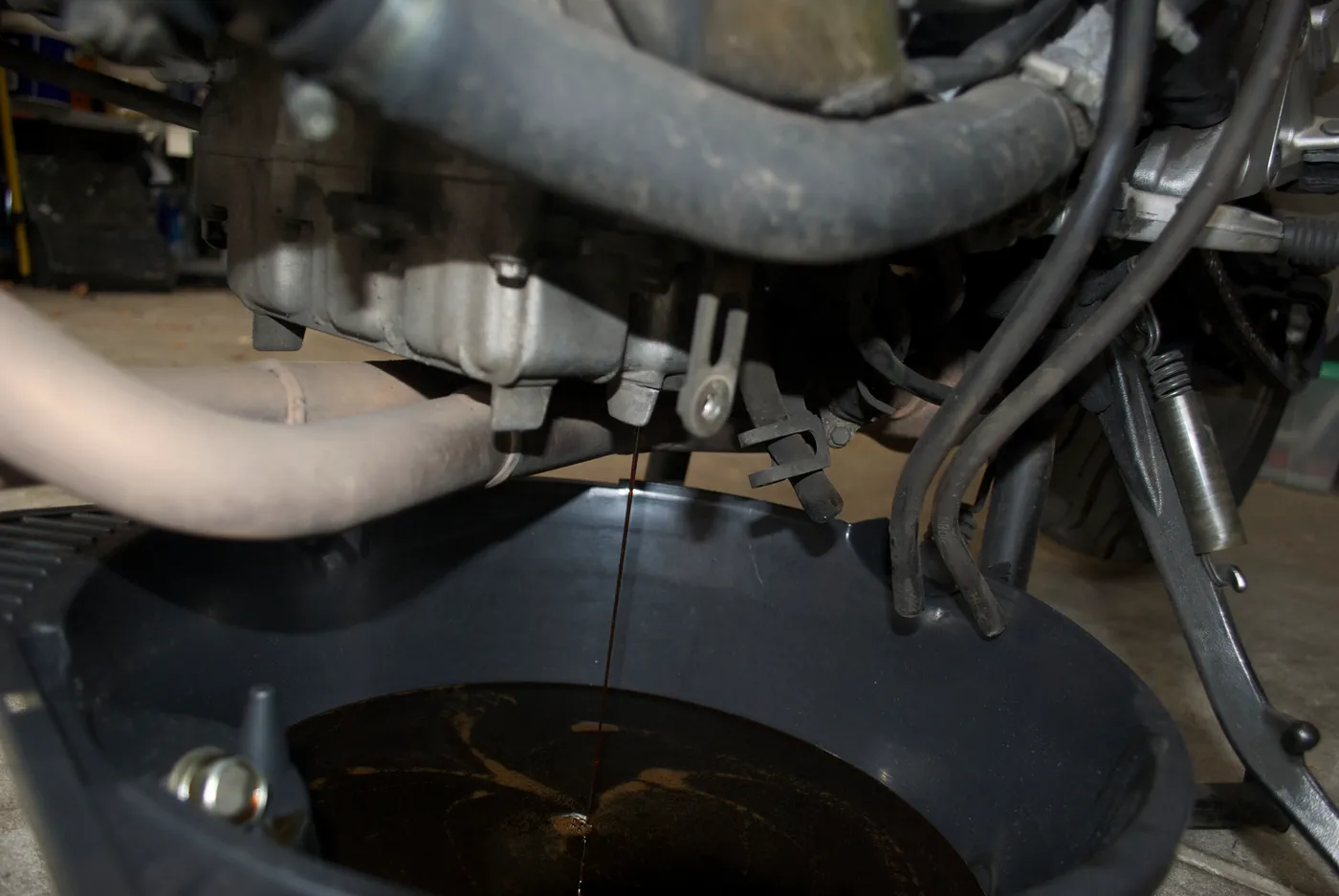
3. Change the oil
Warm the engine for a minute so the oil flows, then drain it into a pan, replace the filter if the engine has one, and refill to the level in your manual with the grade it specifies. Dispose of used oil at a recycling center.
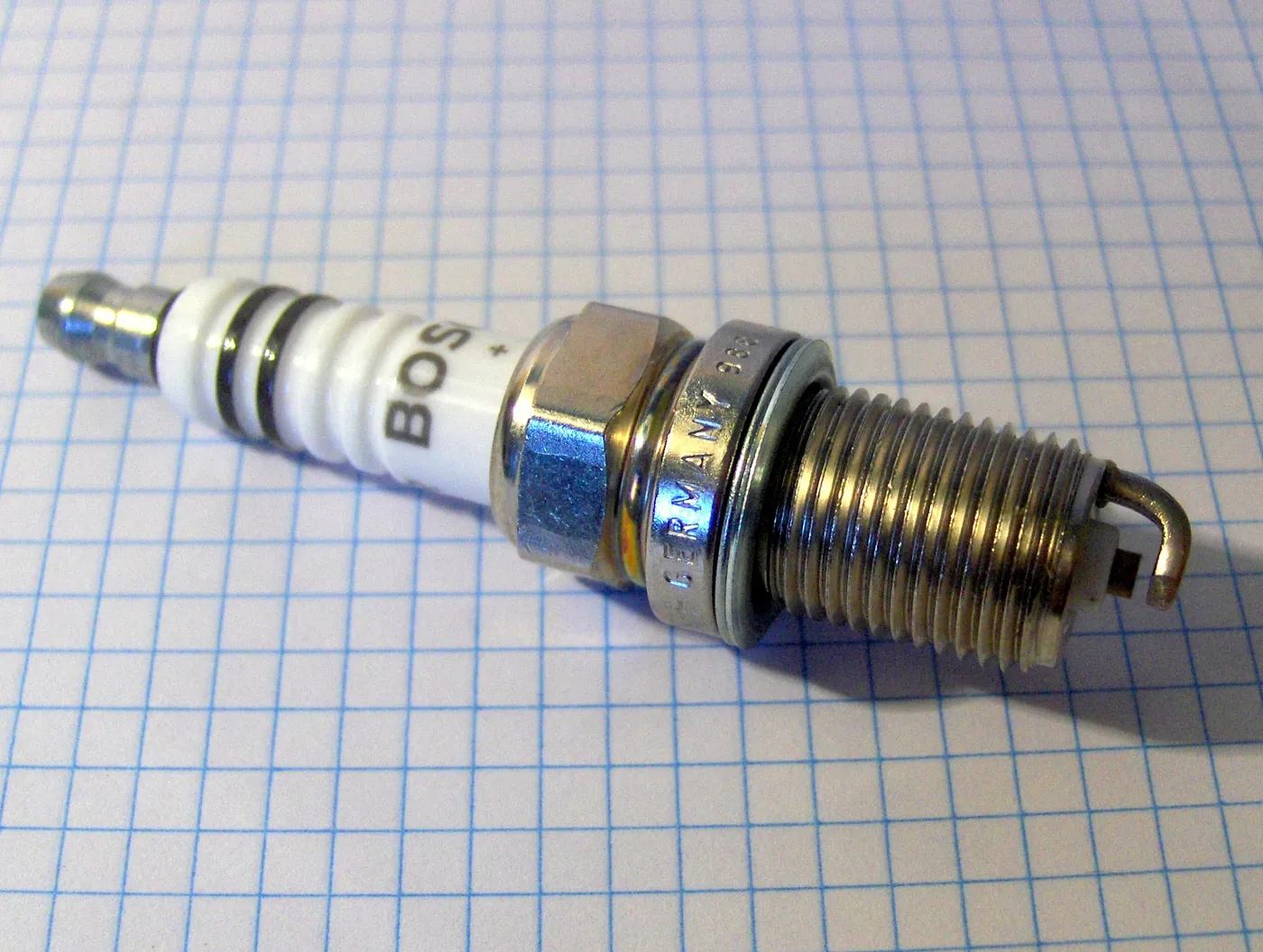
4. Pull and inspect the spark plug
Remove the plug, check its color and electrode wear, and replace it if the tip looks rounded, fouled or oily. A fresh plug is cheap and takes a minute. Some owners squirt a few drops of clean engine oil into the cylinder and turn the engine over slowly to coat the walls; follow your manual if it addresses this.
5. Clean the deck and underside
Tilt the mower in the direction your manual says, usually with the carburetor and air filter facing up so fuel and oil do not run into them. Scrape off packed grass, because wet clippings trap moisture and rust the deck. Rinse, then dry thoroughly.
6. Sharpen or replace the blade
Winter is the best time to sharpen the blade, when you are not in a hurry. See our guide to sharpening a lawn mower blade. Wipe a thin film of oil on the clean blade to slow rust, and check the blade bolt torque when you refit it.
7. Service the air filter
Clean a foam filter in warm soapy water, dry and lightly oil it if your manual calls for that, and replace a paper filter that is dirty or torn. Check the intake for mouse nests, a favorite winter hiding place.
8. Check tires, cables and belts
Inflate tires on self propelled or riding mowers to the pressure marked on the sidewall, check that cables move freely, and look at drive belts for cracks. Order any parts now, while shops are quiet.
Trimmers, blowers and chainsaws: a shorter list
- Empty the fuel and run the engine until it stops. Mixed fuel left over winter is the leading cause of trimmer carburetor trouble.
- Clean the air filter and the cooling fins, where grass and dust accumulate.
- Replace the trimmer line or head spool if the line is dry or brittle, and store spare line in a sealed bag. Our bump feed trimmer guide shows which models take easy-reload heads.
- Wipe down and oil the chain on a chainsaw, clean the bar groove, and keep the chain sharp or replace it.
- Remove the spark plug and inspect it, then reinstall.
- Hang or lay flat according to the manual. Do not lean a machine on the carburetor side if it would let fuel drain into the wrong place.
Battery mowers, trimmers and blowers
Battery equipment skips the fuel steps, which is a large part of its appeal. If you are comparing the two worlds, our gas vs battery lawn mower comparison covers the ownership differences. But lithium ion batteries have their own winter rules.
| Step | What to do | Why |
|---|---|---|
| Charge level | Store at a partial charge, roughly half, unless your manual says otherwise | Full charge and empty storage both stress lithium cells over long periods |
| Temperature | Store indoors, cool and dry, above freezing | Cold slows chemistry and charging a frozen pack can damage it |
| Location | Not in a hot attic, not near a heater, not on bare concrete in a damp garage | Heat ages cells and moisture corrodes contacts |
| Contacts | Wipe terminals with a dry cloth, keep the cap on | Prevents grime and accidental shorting |
| Check mid winter | Look at the pack once or twice and top up if it has drifted very low | Packs self discharge slowly, and a pack drained to zero may not recover |
Follow your maker's exact storage guidance, since charge targets and temperature ranges vary by brand and chemistry. If you use a shared battery platform, the 40V, 60V or 80V packs from our 40V mower guide, 60V mower guide or 80V mower guide all follow the same storage logic. Clean the deck of a battery mower the same way as a gas mower, and keep it dry.
Equipment you still need in winter
Not everything goes into hibernation. A snow blower is the one machine you must be sure starts in December, which means doing its service in fall and not waiting for the first storm.
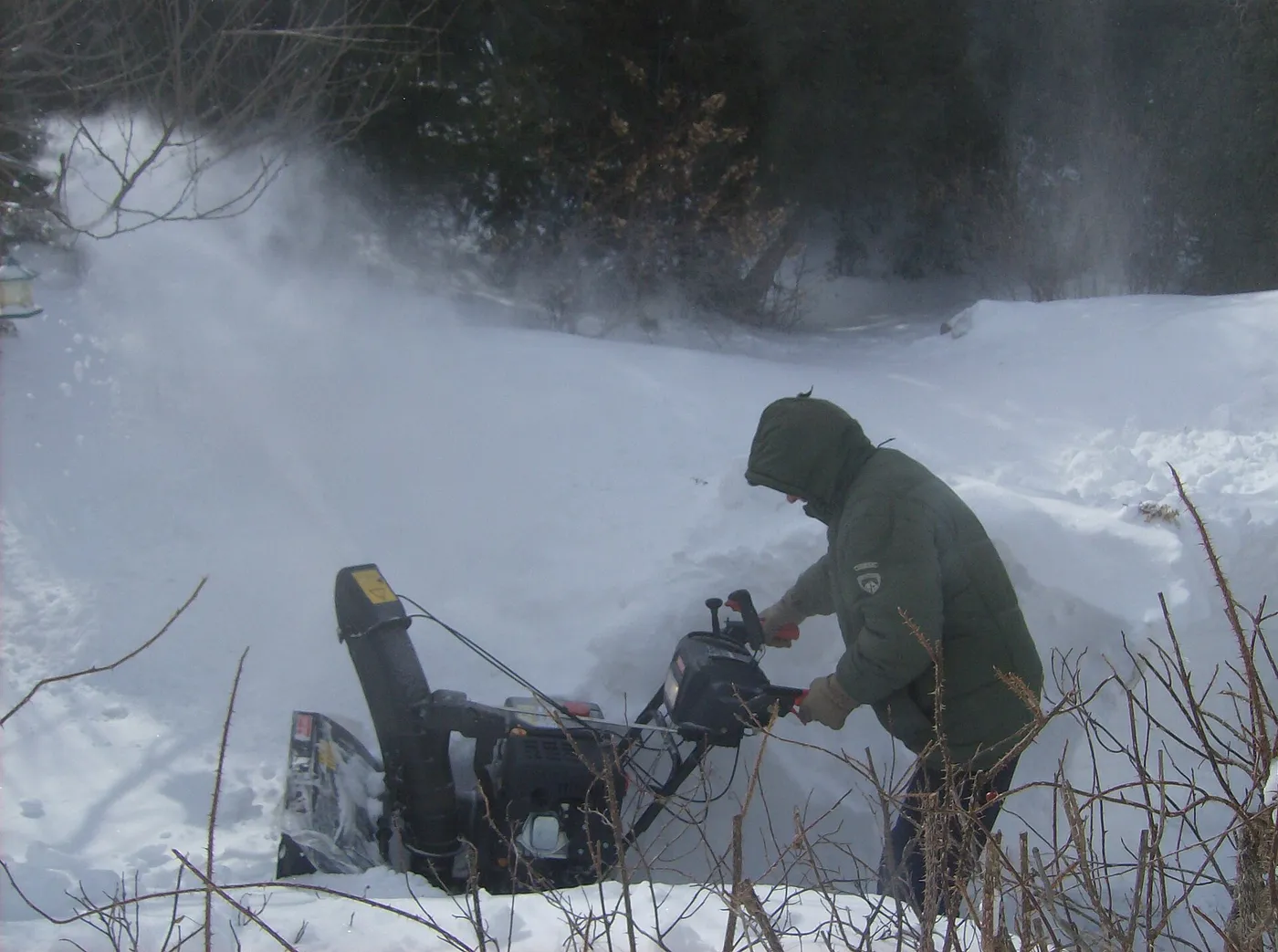
- Snow blowers: check the shear pins, skid shoes and belts, replace the spark plug, change the oil, and run the engine with fresh or stabilized fuel before the first snow.
- Standby generators and portable generators: they may sit for months and then must start on demand. See our guide to storing a generator for run schedules and fuel handling.
- Pressure washers: water left inside the pump can freeze and crack it, so winterize the pump per the manual.
A simple fall timeline
Spreading the work across a few weekends keeps it painless. Start while the weather is still mild, because fuel and oil handling is unpleasant in the cold, and parts shops are far less crowded in October than in April.
- Last mow of the season: run the mower with the tank nearly empty if you plan to run it dry, or add stabilizer to a fresh tank if you plan to stabilize. Mow once more after treating so the fuel circulates.
- Same weekend: clean the deck while the clippings are still soft, since dried grass is far harder to remove.
- Within two weeks: change the oil, replace the plug and sharpen the blade, and order any missing parts.
- Before the first freeze: move batteries indoors and winterize the pressure washer.
- Before the first snow: service the snow blower and test it with the fuel you will actually use.
Write the plan on the shed wall or in your phone. A repeatable list is what turns winterizing from a chore you forget into a habit that protects equipment worth far more than the hour it takes.
Where and how to store equipment
A good location matters as much as the prep. The best spot is a dry, ventilated, enclosed space such as a garage or shed with a solid floor. Equipment stored outside under a loose tarp collects condensation under the cover, which promotes rust and mold.
- Keep it off bare ground. Use a pallet, boards or a rubber mat to stop moisture wicking up.
- Cover loosely. A breathable cover protects from dust without trapping humidity.
- Keep fuel cans out of living spaces and away from water heaters, furnaces and ignition sources. Store approved cans outside the house when you can.
- Keep mice out. Block gaps and avoid storing bags of seed or pet food near equipment. Stuffing an engine opening with rags invites trouble, so use mesh and remember to remove it.
- Tag it. A note on the handle listing what you did and what must be done in spring saves guessing.
Spring startup: the five minute routine
- Check for nests, chewed wires and loose hardware before you do anything else.
- Check the oil level on four stroke engines and top up if needed.
- Refill with fresh fuel, ideally the right blend for the machine, and reconnect the spark plug wire.
- Check the blade, the guard and the controls, including the safety bail that stops the engine when released.
- Start the engine, let it warm up and watch for leaks, smoke or surging.
If it will not start, work the problem in order: spark, fuel, air. Our guide to why small engines will not start walks through that sequence, and a gummed carburetor is cured by the steps in the carburetor cleaning guide.
Common winterizing mistakes
| Mistake | What happens | Do this instead |
|---|---|---|
| Leaving a half tank of old pump fuel | Fuel stales and varnishes the carburetor | Stabilize fresh fuel or run it dry |
| Adding stabilizer and not running the engine | Treated fuel never reaches the carburetor | Run the engine a couple of minutes |
| Storing batteries at zero or full charge for months | Cells age faster, and an empty pack may refuse to charge | Store at a partial charge, indoors |
| Tilting a mower the wrong way | Oil floods the air filter and cylinder | Tilt with the carburetor side up, per the manual |
| Washing a hot engine | Water can warp metal or enter the intake | Let it cool, rinse the deck only, and dry well |
| Skipping the oil change | Acidic oil sits against bearings all winter | Change it at season end |
Frequently Asked Questions
Should I drain the gas or use stabilizer?
Both are accepted, and manufacturers differ, so follow your manual. Stabilizer works on fresh fuel and needs the engine run for a couple of minutes. Running the machine dry leaves little fuel to varnish and suits trimmers and blowers stored all winter.
Do I need to change the oil before storing a mower?
It is recommended on four stroke engines. Used oil holds acids and moisture, which sit against metal all winter. A fresh fill at season end is cheap protection. Two stroke engines have no separate oil to change.
How should I store a lithium ion battery over winter?
Store it indoors in a cool, dry place above freezing, at a partial charge, and check it a couple of times over the winter. Always follow your manufacturer's guidance, since the exact charge target varies.
Is it okay to leave a mower outside under a tarp?
It is better to store it in a shed or garage. A tarp traps condensation and can encourage rust. If outdoors is your only option, use a breathable cover, keep the machine off the ground and expect to do more spring checks.
How long can I leave gas in a mower?
Untreated gasoline starts to go stale in about 30 days, according to Briggs and Stratton. Stabilized fuel lasts longer, but makers cite different figures. For the whole winter, treat the fuel or empty the tank.
What should I do first when the mower will not start in spring?
Check that the spark plug wire is connected, the fuel is fresh, the air filter is clean and the tank vent is open. If it still fails, drain the old fuel and inspect the carburetor for varnish.
Bottom line
Winterizing comes down to a few habits: deal with the fuel, change the oil, replace the spark plug, clean the machine, sharpen the blade, charge batteries to a partial level and store everything dry. Fuel is the step that matters most, because stale gasoline and varnish cause most spring failures. Do the job in fall, keep a short checklist taped inside the shed, and add a date to every can. An hour per machine now buys you machines that start on the first or second pull when the lawn is ready for them. If a mower keeps giving you trouble each spring, a fuel free battery model from the guides above may be the simpler answer.