
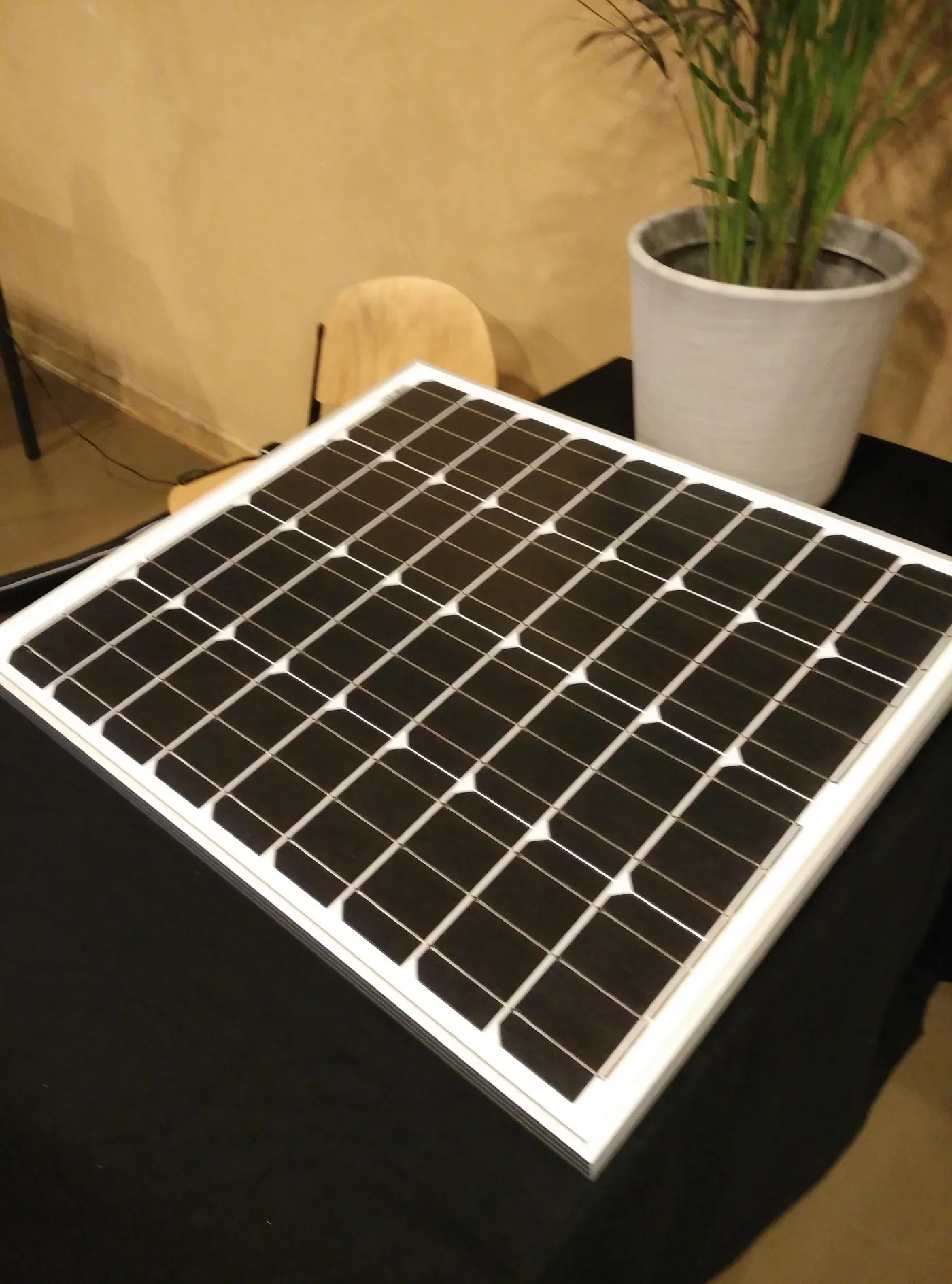
The campsite problem a portable panel solves
An RV, van, or tent often belongs in shade while a solar collector belongs in direct sun. A permanently mounted roof panel forces both to occupy the same place. A portable panel separates them. The vehicle can remain under trees or beside a shelter while the panel moves into an open patch, turns toward the sun, and follows changing shade through the day.
That freedom is the strongest reason to use a portable or foldable panel. It is not automatically more efficient than a rigid roof module and it does not create energy after sunset. It trades permanent installation for flexible deployment. The owner gains control over angle and location but accepts setup time, loose cables, theft exposure, wind risk, and the need to pack the equipment before travel.
A good portable solar panel guide therefore begins with field behavior rather than cell marketing. Ask how quickly the unit opens, whether its stands remain stable, how far it can sit from the battery, how the cable is stored, and what happens when weather changes. Rated power matters, but a panel that is awkward to deploy may remain folded when energy is needed.
Portable, foldable, and suitcase are not identical
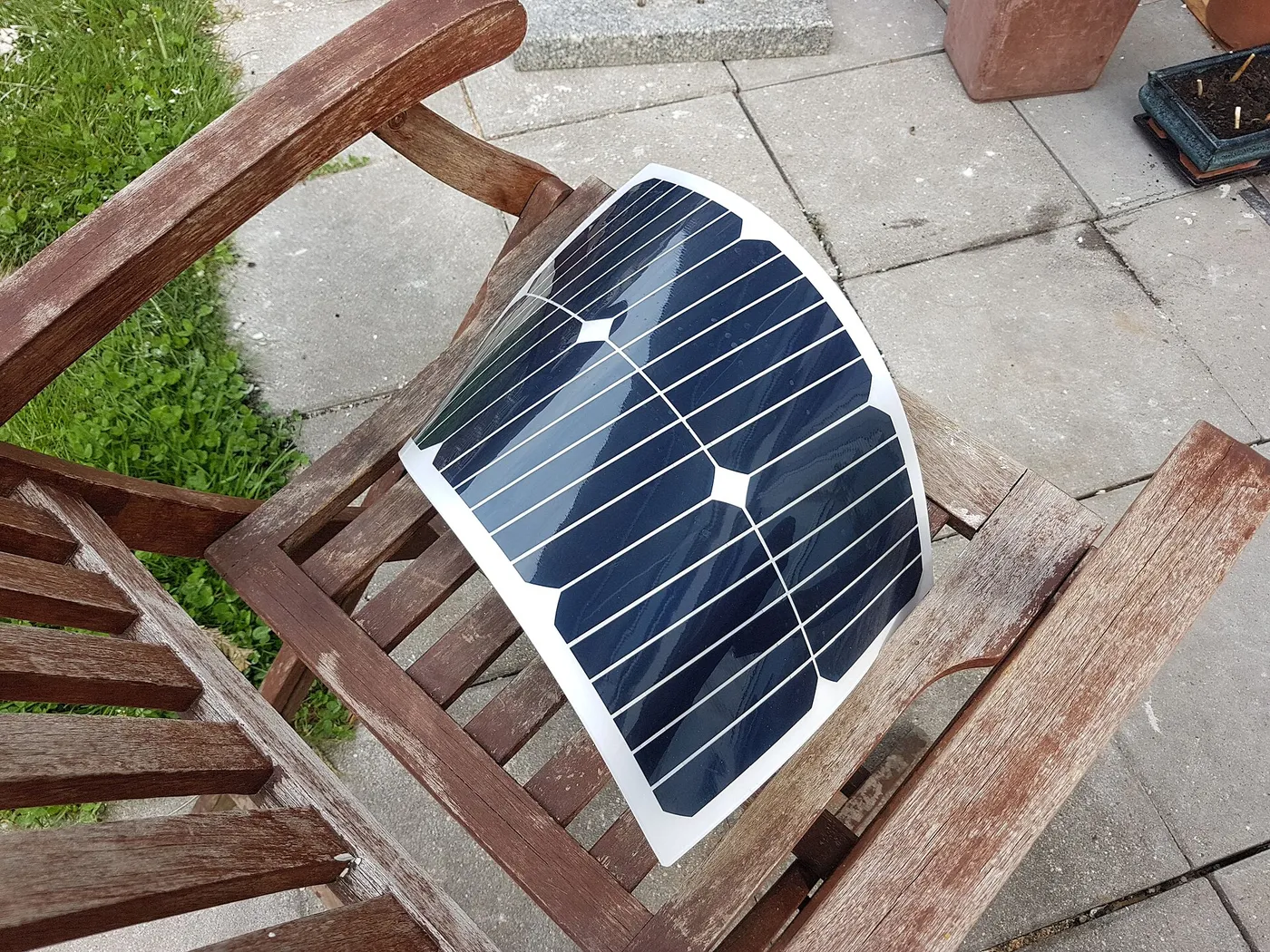
Portable is the broad category. Any panel intended to be moved and deployed temporarily can be called portable. Some are single rigid modules with handles and folding legs. Others use multiple rigid sections joined by hinges. Soft folding products laminate cells onto fabric or polymer panels that fold into a compact package. Rollable products use flexible cell assemblies, though bending limits still apply.
A solar suitcase usually consists of two or more rigid sections that close face to face. Handles, latches, and legs turn the closed unit into a case. This format protects the cell surfaces during transport and can provide a stable deployed shape, but glass, frames, and hinges add weight.
Soft foldable panels use several sections joined by fabric. They can pack thinner and may be easier to store behind a seat or inside a cabinet. Their stands may be fabric flaps, straps, or removable supports. The lighter structure is convenient to carry but can be more sensitive to wind and may require careful support so cells are not repeatedly flexed beyond their design.
These names are not standardized guarantees. A seller may call a rigid suitcase foldable or describe a soft four section panel as a solar blanket. Study the construction, folded dimensions, deployed dimensions, weight, hinges, handle, closures, and stand rather than buying from the category name alone.
Portable panel format comparison
| Format | Travel advantage | Field tradeoff | Best fit |
|---|---|---|---|
| Single rigid panel with legs | Simple structure and familiar module construction | Large packed footprint and exposed front surface | Frequent use near an RV or cabin |
| Rigid solar suitcase | Closes to protect cell faces and usually includes stable legs | Heavier and thicker than soft folding products | Vehicle travel with room for a case |
| Soft foldable panel | Thin package with multiple sections and integrated pockets | More sensitive to wind, support, and repeated handling | Limited storage space and hand carry use |
| Solar blanket | Large collection area packs into a compact bundle | Needs hanging points or broad ground support | Travelers who can deploy across a vehicle or open area |
| Small USB panel | Light and easy to attach to a pack | Limited output and highly variable device charging | Phones or small battery banks with modest needs |
Rated watts do not describe a day in camp
The printed watt rating is measured under standardized conditions. It is a comparison value, not a promise of continuous field output. Sun angle, cloud cover, haze, cell temperature, shade, surface contamination, cable loss, and the connected charger's operating point all change the power delivered.
Portable panels have an advantage because their orientation can be adjusted. A roof panel remains flat or fixed while the vehicle points wherever the campsite permits. A portable unit can face the available sun and be tilted. Repositioning once or twice can improve exposure, especially when trees or nearby vehicles create moving shadows.
The same portability can reduce real production when setup is neglected. A panel laid flat behind a chair, partly covered by grass, or pointed away from the sun may deliver far less than its label suggests. Folding sections must also be opened fully. If one section remains behind another or receives shade, the electrical layout can cause a larger reduction than the shaded area alone implies.
Daily energy matters more than a momentary watt reading. A small panel producing steadily for several clear hours may restore more energy than a larger panel deployed late or left in shade. The explanation of solar panel rated watts and actual output covers the test conditions and temperature effects in detail.
Stands and angle control field usability
A portable panel needs a repeatable way to face the sun. Integrated kickstands are convenient because they travel with the panel. Check how many stands are provided, whether each section is supported, and whether the angle can be changed without collapsing the array. Narrow legs can sink into soft soil, while short fabric flaps may provide only one practical angle.
A panel should not bow so much that sections shade one another. Rigid suitcases usually hold a predictable plane. Soft panels may need a fence, table, vehicle side, or separate frame to remain flat. Hanging a panel can work when the manufacturer supplies reinforced points and permits that orientation, but random holes, clips, or sharp hooks can damage the laminate.
Angle adjustment is useful only when it remains stable. Wind can lift a wide panel or flip it onto its cells. Use the approved anchor points and follow the wind guidance in the manual. Do not place heavy objects on active cell areas, fold cables under a stand, or improvise stakes through fabric that was not designed to carry the load.
Ground deployment creates its own problems. Tall grass can shade the lower edge. Sand can enter hinges and connectors. Mud can contaminate the back and cable pocket. A panel near a road or campsite lane can be struck or driven over. Select an open position that protects both sunlight access and the equipment.
Packed size is more useful than the product photo
A folding panel may look compact in a product image while still being too wide for the planned cabinet or too thick once its cables and accessories are included. Record folded length, width, thickness, and total weight. Then measure the real storage space with doors, shelves, and neighboring gear in place.
Consider how the unit enters that space. A case can fit dimensionally but fail to pass through a narrow hatch. A soft panel may bend slightly during loading, yet it should not be crushed under tools, water containers, or camping furniture. The stored position should protect connectors from impact and keep the cell surfaces from rubbing against grit.
Weight affects more than carrying comfort. A heavy suitcase lifted from a deep RV compartment can strain the user. Handles should be positioned so the closed unit hangs securely rather than opening. Latches should remain closed during travel. If the manufacturer supplies a padded case, include its size and weight in the storage plan.
The best foldable solar panels roundup is the right place to compare packed dimensions across complete products. Buyers targeting a small charging role can also narrow the search through the 30 watt foldable panel category rather than carrying a larger panel that does not match the load.
Cable reach and voltage drop
Portability depends on cable reach. The panel may sit in sun while the power station or battery remains in a dry, shaded, ventilated location. A short lead can force the energy storage device into heat or place the panel too close to the shaded campsite.
Longer cable is not free of consequences. Resistance causes voltage drop and power loss. The loss increases with current, conductor resistance, and total circuit length. A low voltage, high current connection is especially sensitive. Use cable gauge and length permitted by the panel and receiving equipment manufacturers.
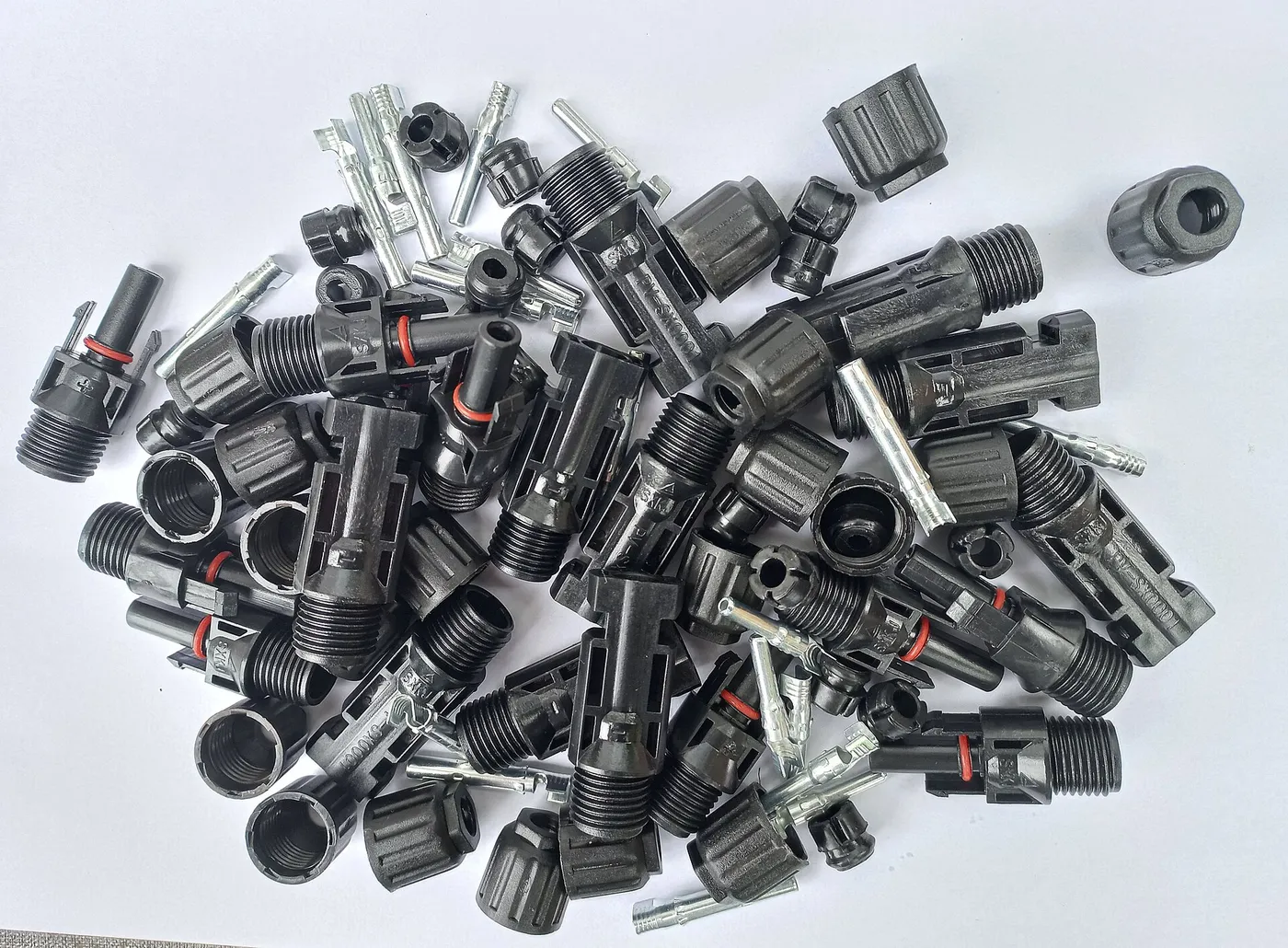
Do not join a collection of unknown adapters to gain distance. Every connection adds resistance, a possible polarity error, and another place for water or dirt to enter. Verify connector type, polarity, voltage rating, current rating, and environmental protection. Similar looking plugs are not proof of electrical compatibility.
Route temporary cables where people will not trip and vehicles will not cross. Avoid sharp edges, hot exhaust components, door pinch points, standing water, and areas where animals can chew the insulation. Bright cable markers or low profile covers can make a temporary setup easier to see.
Direct device charging versus a controller
Some portable panels provide regulated USB outputs for small electronics. Others deliver raw panel DC through a connector intended for a power station or solar charge controller. These are different use cases. A raw solar output should not be connected directly to a battery unless the complete system documentation explicitly provides a suitable regulated charging path.
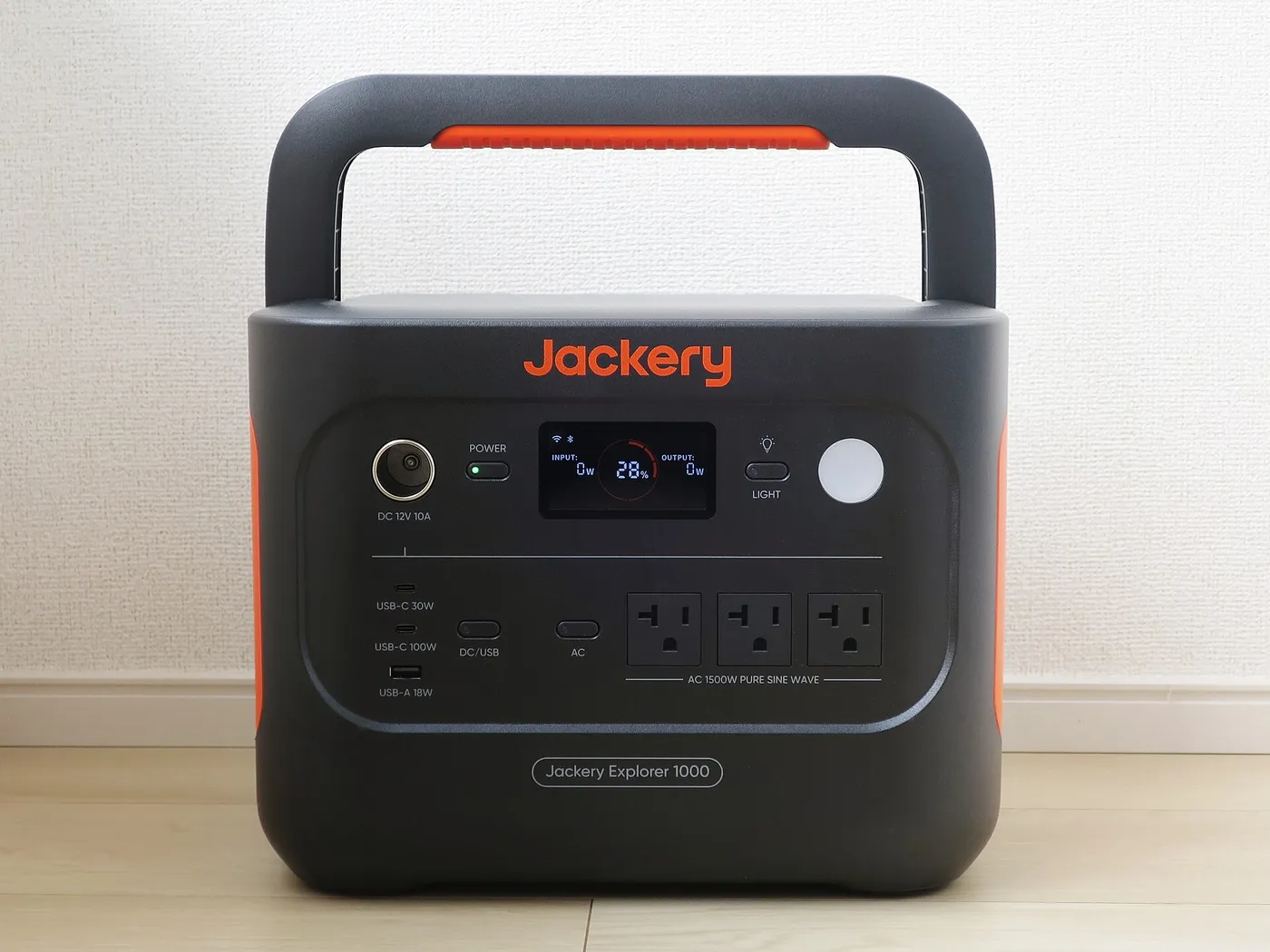
A power station normally contains a solar charge controller and publishes a permitted input voltage range, maximum current, and maximum input power. The panel's open circuit voltage must remain inside the input limit, including cold weather behavior. The connector and polarity must match. A panel with a compatible plug can still exceed an electrical limit.
A battery installation requires an appropriate charge controller programmed for the battery chemistry and bank voltage. The controller regulates the panel output and manages charging stages or limits. Controller placement, protection, and battery wiring remain separate from the portable panel itself.
Small USB panels are convenient but phones may repeatedly connect and disconnect as clouds move. Charging a battery bank first can provide a steadier source for the device. Follow the device maker's guidance and protect electronics from heat and moisture.
Matching a panel to a portable power station
Start with the station's solar input specification, not the panel's advertised compatibility list. Record the allowed input voltage range, maximum input current, maximum solar power, connector type, and polarity. Then compare the panel's open circuit voltage, maximum power voltage, short circuit current, and operating current.
Cold cells can produce a higher open circuit voltage than the standard label value. A panel or series arrangement that barely fits the station's maximum voltage at reference conditions may exceed it on a cold bright morning. Use the stated temperature coefficient and manufacturer guidance rather than assuming a small panel cannot create an overvoltage condition.
The station may accept less power than the panel can produce. That does not necessarily make the combination unsafe if every voltage and current limit is respected and the manufacturer permits the array size, but excess panel capability will not force the station to charge faster than its input system allows.
For travelers deciding whether battery storage or an engine generator better fits the trip, portable power station versus generator explains the operational tradeoffs. A foldable panel restores stored energy slowly and quietly, but it does not duplicate refillable fuel during prolonged poor weather.
Weather resistance is not permission to leave it out
Portable panels spend their working life outdoors, but the complete assembly may not share one weather rating. The cell surface might tolerate rain while the cable pocket, controller, USB module, junction, or adapter does not. Read the manual for the deployed panel and every attached component.
Water resistance does not mean safe submersion, storage while wet, or operation with connectors lying in puddles. Keep connections elevated and protected as instructed. If rain begins, follow the shutdown and packing procedure rather than assuming a marketing phrase covers every condition.
Heat also matters. Do not place the receiving battery or power station beneath the panel where heat can accumulate. Keep cooling vents clear and observe charging temperature limits. A panel can remain hot after sun exposure, so allow it to cool before folding if the manufacturer recommends it.
Wind is often the fastest changing hazard. A broad panel can become airborne and injure someone or damage equipment. Lower, secure, or pack the panel before conditions exceed its stated limits. Never rely on the charging cable as a tether.
Shade management when the panel can move
Moving shade is normal in a campsite. A clear spot in the morning may sit beneath branches by noon. Observe the sun path before running cables. An open location with slightly longer cable may outperform a convenient patch that becomes shaded after an hour.
Shade on one section can affect more than that section because cells are electrically connected. Bypass diodes can reduce the impact, but their number and layout vary. Open all sections toward the same light unless the manufacturer expressly supports another arrangement.
Do not drape a foldable panel across a curved surface if that causes sections to face different directions or shade each other. A solar blanket on a windshield or vehicle side may be convenient, but reflections, glass, roof equipment, and vehicle orientation can change production. Compare positions using the station or controller display over a stable period rather than reacting to a single fluctuating reading.
Repositioning has a cost in attention. A modest panel placed well and left stable may be more useful than a larger one that demands constant movement. Decide how much adjustment fits the trip rather than planning around ideal tracking that no one will maintain.
Travel durability and cable storage
Portable equipment experiences impacts, dust, vibration, and repeated folding. Inspect hinge areas, fabric seams, strain reliefs, connector pins, stand attachments, and cell surfaces. A cable should not be sharply bent where it exits a junction box or stored under pressure against a cell.
Clean grit before closing a suitcase because trapped particles can scratch the front surface. Follow the approved cleaning method, usually involving a soft material and avoiding abrasive chemicals. Never pack the panel with moisture sealed inside its case.
Use the supplied cable pocket only if the plugs fit without pressing into the module. Cap connectors when caps are provided. Label adapters so polarity and intended equipment are obvious. Keeping a small inventory card inside the case can prevent leaving a required lead at home.
After travel, check for loose hardware and damaged insulation before deployment. Stop using a panel that shows exposed conductors, burned connectors, delamination, severe creases, cracked cells, or a damaged junction. A temporary field repair should not bypass electrical protection or manufacturer limits.
Theft and campsite etiquette
A portable panel is easy to move, including by someone who does not own it. Integrated security loops can deter casual removal, but a cable lock does not make equipment invulnerable. Position the array where it can be observed without placing it in a shared walkway.
Do not spread panels and cables into neighboring sites, access roads, fire lanes, or vegetation protected by campground rules. Reflective surfaces can create glare toward another camper. A stand that is stable on private land may be prohibited from staking into a developed campsite.
Choosing a small foldable panel
Small panels make sense for phones, lights, compact battery banks, and maintaining a modest travel energy budget. Their value is low packed weight and easy deployment, not the ability to support large appliances. Match daily expected energy to the receiving battery rather than shopping by a device icon on the packaging.
Closely spaced power categories can still differ in port selection, operating voltage, folded size, and stand design. The 36 watt foldable panel and 40 watt foldable panel guides help compare complete products within those narrow classes. The small difference in nameplate power should not outweigh better compatibility or a more usable stand.
Portable solar safety
A solar panel produces electrical voltage in light even when no battery is attached. Do not touch damaged conductors, insert objects into connectors, or disconnect connections under load unless the equipment procedure allows it. Covering a panel can reduce production, but it is not a substitute for the approved isolation procedure.
Use fuses, controllers, conductors, and connectors rated for the actual circuit. Observe polarity. Keep batteries ventilated and secured according to their chemistry and manual. Do not charge a frozen battery unless its manufacturer explicitly permits and manages that condition.
Temporary does not mean unprotected. Prevent trips, water entry, cable abrasion, and connector contamination. Keep children and pets away from electrical connections. Stop deployment during lightning, severe wind, flooding, or conditions that make handling unsafe.
Frequently asked questions
Can a foldable solar panel stay outside all the time?
Usually it is designed for temporary deployment, not permanent exposure. Check the manual and ratings for the panel, junctions, controller, and connectors. Repeated moisture, ultraviolet exposure, wind, and unsupported movement may shorten its life even when brief outdoor use is permitted.
Can I connect a portable panel directly to a battery?
Not unless the documented system includes a suitable charge controller and the manufacturer permits the connection. Raw panel voltage varies. A controller must be compatible with the array, battery voltage, and battery chemistry, with appropriate wiring and protection.
Why does my panel never reach its rated watts?
The rating is measured under standardized irradiance and cell temperature. Field sunlight, heat, angle, shade, cable loss, surface condition, and charger limits reduce actual output. A brief reading also does not describe daily energy production.
Is a rigid suitcase better than a soft folding panel?
A rigid suitcase is often more stable and protects its cell faces when closed, but it is heavier and thicker. A soft panel packs smaller and carries more easily but may need better support and wind management. The right choice depends on transport and deployment routine.
Can I use an extension cable?
Use only a cable length and gauge permitted by the equipment makers. Longer cable creates voltage drop, and extra adapters introduce resistance and possible polarity errors. Confirm voltage, current, conductor size, connector, and environmental ratings.
How often should I move a portable panel?
Move it when the current position becomes shaded or meaningfully misaligned and when doing so is safe. One or two deliberate adjustments may be practical. Constant tracking is unnecessary if it makes the system too inconvenient to use.
Bottom line
A portable or foldable solar panel is most valuable when it lets the living space remain in shade while the collector moves into open sun. Choose by real deployment behavior: packed size, weight, stand stability, cable reach, electrical compatibility, weather guidance, and storage protection. Rated watts provide a reference, but reliable daily use comes from good placement and a panel that is easy enough to unpack every time. Protect the equipment from wind, water, traffic, and careless connections, and pair it only with a controller or power station whose published input limits match the panel.