
The cheaper waveform can change how the load behaves
An inverter can show the correct voltage on a basic meter and still make an appliance behave badly. A fan may hum, an audio system may buzz, a microwave may cook slowly, or a charger may become unusually warm. The missing part of the comparison is waveform. Alternating current is not defined by voltage alone. Its shape, frequency, timing, and distortion influence how a connected circuit receives energy.
That is why the pure sine wave vs modified sine wave decision should follow the load list, not a desire to buy the smallest or simplest box. A lamp with a basic heating filament is forgiving. A refrigerator compressor, induction motor, electronically controlled furnace, laser printer, variable speed tool, or medical device can be much more demanding. The inverter must suit the least tolerant essential load, not merely the easiest one.
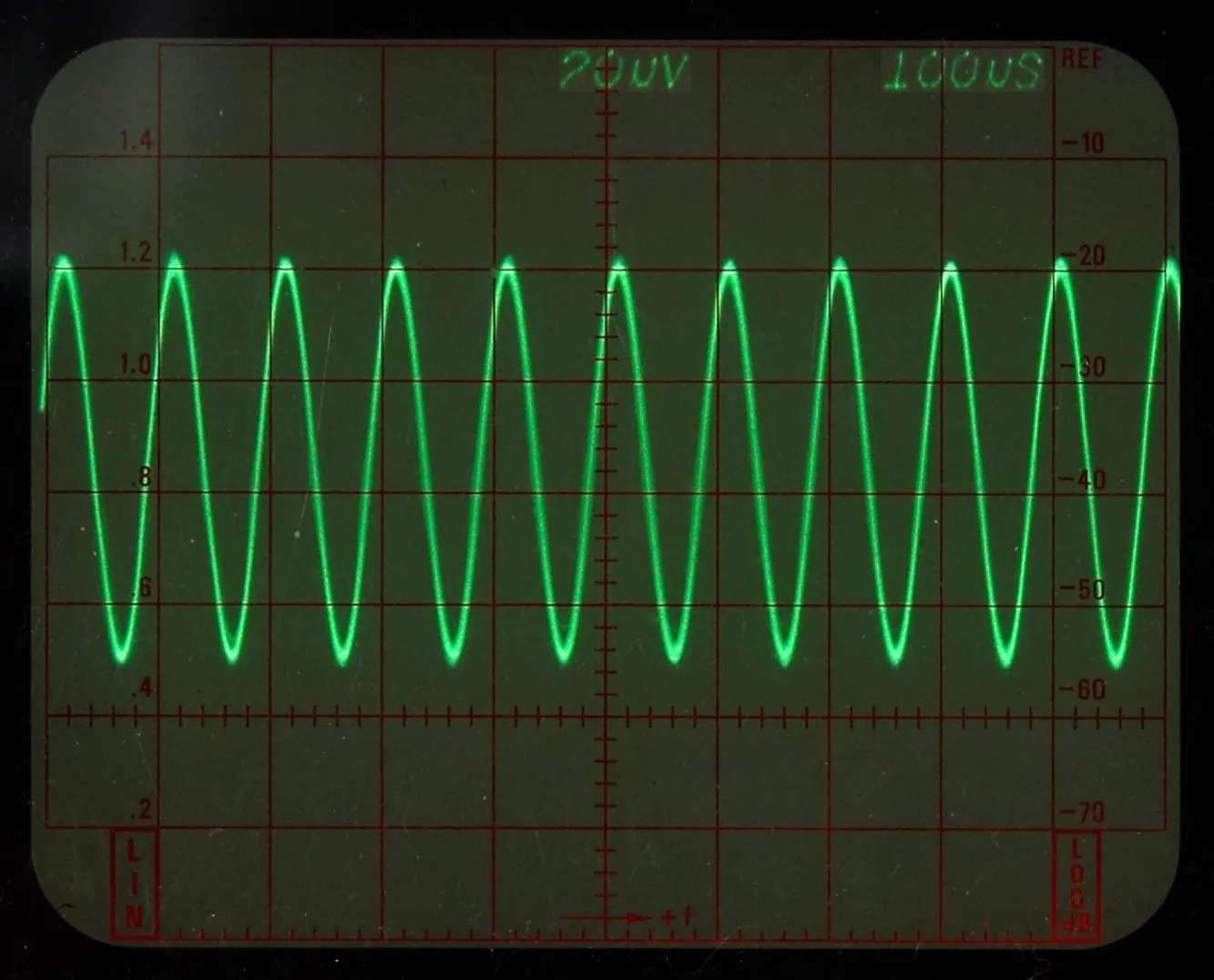
Pure sine wave output is a smooth, continuously changing voltage similar in shape to utility AC. Modified sine wave output switches through a small number of voltage steps. The stepped output is still alternating current, but its abrupt transitions contain harmonic energy that a smooth sine wave does not. Some loads ignore the difference. Others convert it into noise, extra heat, inaccurate timing, or a shutdown.
What the two waveforms deliver
Utility power changes polarity smoothly. A pure sine inverter recreates that change electronically by rapidly switching its internal power devices and filtering the result. Good design controls voltage, frequency, and distortion while the load changes. This does not mean every pure sine inverter has identical output quality. Regulation, surge response, cooling, protection, and construction still vary.
A modified sine inverter creates a blockier pattern, commonly stepping from positive voltage to zero and then to negative voltage. The product name can sound as if it is a slightly altered sine wave, but the output is better understood as a stepped approximation. Its root mean square voltage may resemble the expected supply voltage even though the shape differs significantly.
| Factor | Pure sine wave | Modified sine wave |
|---|---|---|
| Wave shape | Smooth and continuous | Stepped with abrupt transitions |
| Typical compatibility | Broad, including sensitive and motor loads when correctly sized | Best limited to loads whose manufacturers permit it |
| Motor behavior | Usually smoother and quieter | May create hum, heat, or reduced torque |
| Audio and radio noise | Lower risk from waveform harmonics | Greater chance of audible or electrical interference |
| Electronic timing | More likely to behave like utility power | Some clocks and controls may run incorrectly |
| System decision | Default for a mixed or changing load list | Narrow use where every attached load is confirmed compatible |
The terms should not be confused with inverter efficiency. A pure waveform does not guarantee that the inverter wastes less battery energy at every load, and a modified waveform does not guarantee better system runtime. Inverter idle draw, conversion efficiency, wiring loss, battery voltage, temperature, and the appliance response all contribute. A motor running hotter on a stepped waveform can erase an apparent inverter advantage.
Simple resistive loads are the least demanding
A basic resistive heater converts electrical current into heat and has little concern for waveform shape. Traditional incandescent bulbs behave similarly. These loads are often cited as proof that modified sine wave power is adequate, but that conclusion is too broad. Modern appliances that produce heat may also contain digital controls, fans, relays, touch panels, or switching power supplies. The heating element may tolerate the waveform while the controller does not.
Never assume that every device with a simple purpose has simple electronics. An electric blanket may use a controller. A coffee maker may include a clock and triac control. A soldering station may regulate temperature electronically. Read the appliance documentation and consider every component, not just the part that does the visible work.
Motors can transform distortion into heat and noise
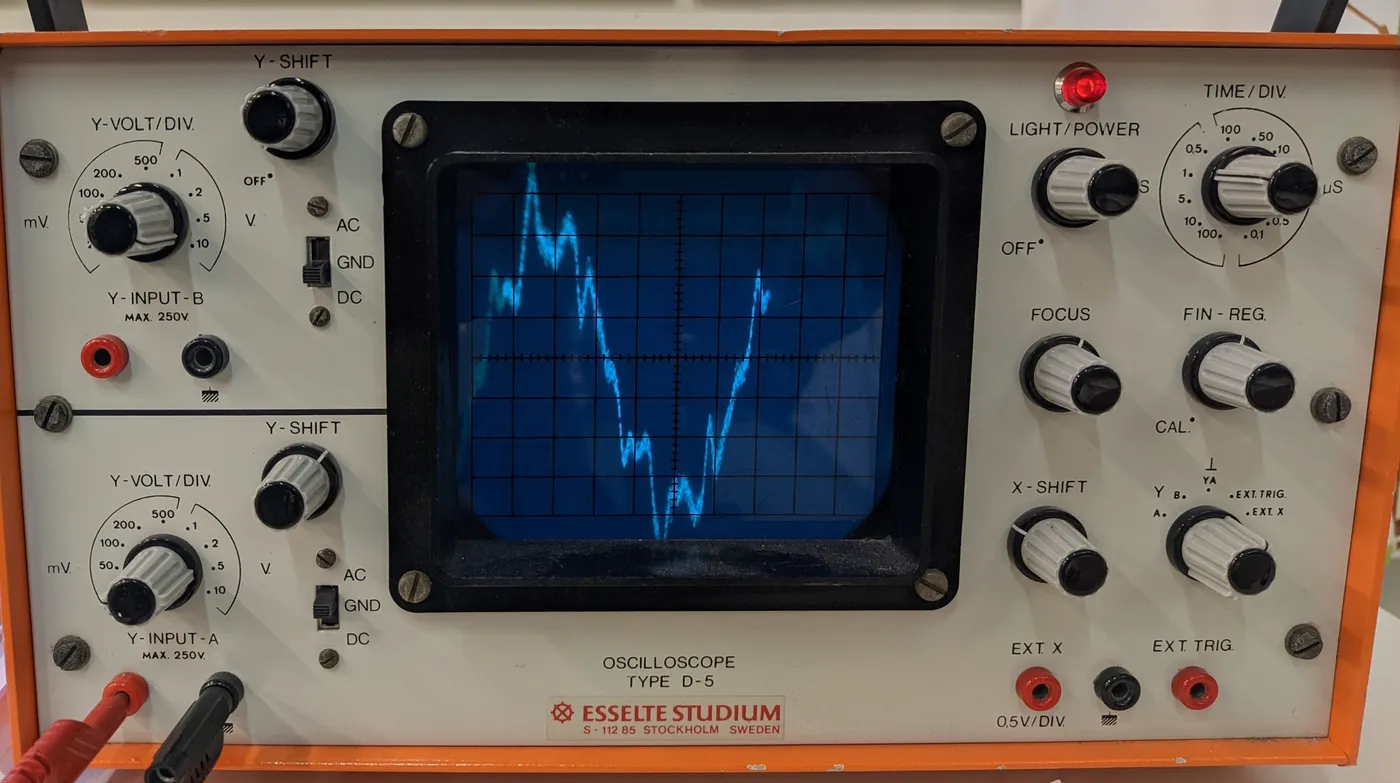
AC motors depend on the relationship between voltage, frequency, magnetic fields, and mechanical load. Harmonic content can create additional losses rather than useful rotation. The result may be an audible hum, higher winding temperature, reduced starting torque, or inefficient operation. A motor that starts on modified sine wave power is not automatically operating well.
Refrigerators, freezers, pumps, furnace blowers, and air conditioners also bring a starting surge. The inverter needs enough short term output to start the motor while maintaining acceptable voltage. Waveform compatibility and surge capacity are separate requirements. A pure sine inverter that is too small can still trip, while a large modified sine inverter can still be the wrong source for the motor.
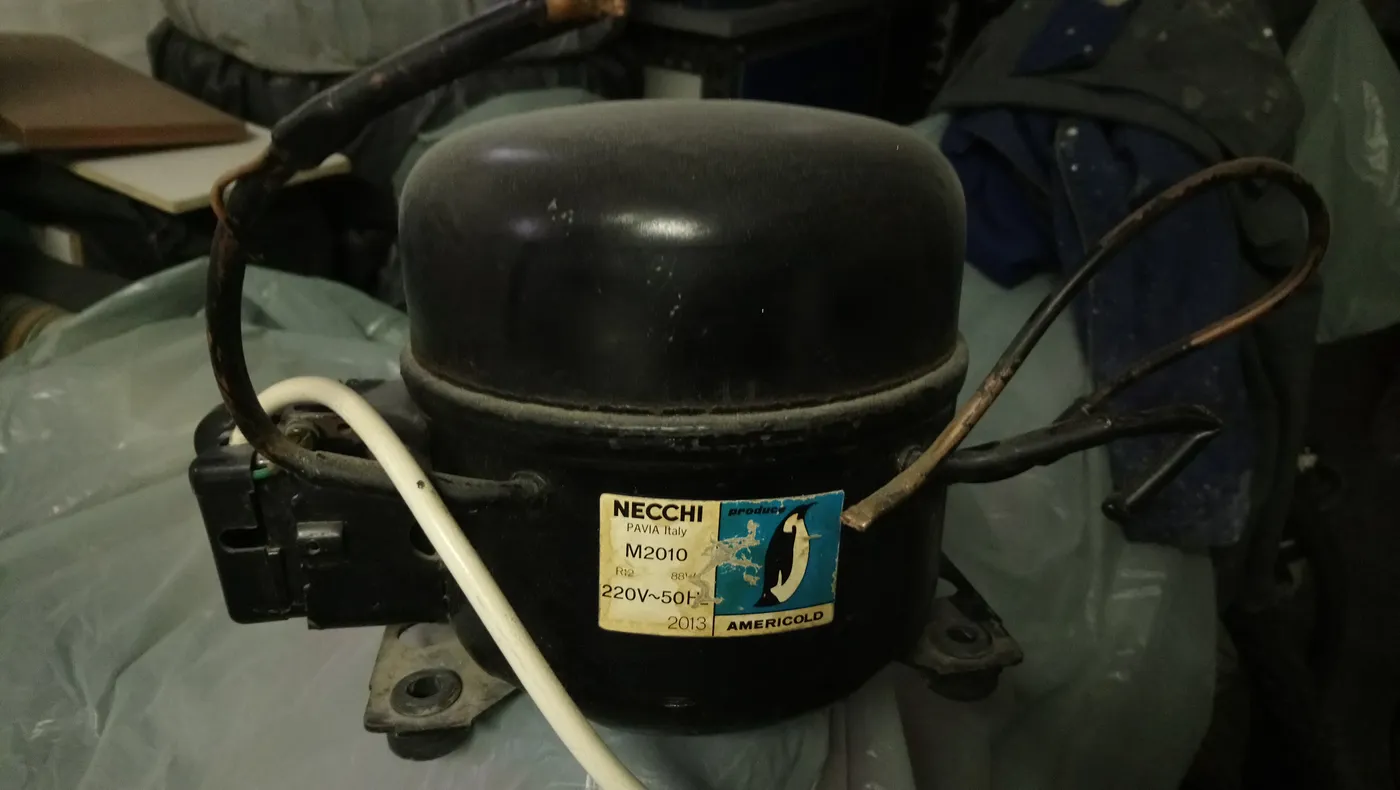
Variable speed motors are especially important because they are controlled by electronics. The appliance may first rectify incoming AC and then synthesize a different waveform for the motor. That input stage may expect utility quality power. Manufacturer approval matters more than a generic claim that all switching supplies accept any AC source.
When motor surge is part of the calculation, review running watts vs starting watts before selecting inverter capacity. Buyers building a mobile system can then compare suitable products in the best RV inverters guide.
Electronics do not all react the same way
Many modern power supplies begin by converting AC to DC. That fact sometimes leads to the claim that waveform never matters to electronics. In reality, input filters, power factor correction circuits, surge protection, voltage sensing, and thermal design differ. One laptop charger may operate normally while another buzzes or heats. An appliance may work at light load and fail when its demand rises.
Audio systems can reveal interference as hum in speakers. Radio equipment may receive switching noise. Digital clocks that derive timing from the AC waveform may keep inaccurate time. Touch controls can act unpredictably. Some uninterruptible power supplies reject stepped power and switch repeatedly between modes because they judge the input unacceptable.
Medical equipment requires a stricter approach. Do not infer compatibility from plug shape or watts. Use the equipment manufacturer's power specification and ask a qualified provider when the documentation is unclear. Life supporting equipment also needs redundancy, alarms, and an outage plan that does not depend on a single inverter or battery.
Microwaves, lasers, and transformers deserve caution
Traditional microwave ovens use a high voltage transformer and other components whose behavior can change on a stepped waveform. The oven may draw more current, make additional noise, or deliver less effective cooking power. Inverter controlled microwave designs add another layer of electronics. The appliance manual is the correct source for compatibility.
Laser printers can have a large heating demand and a rapid load change when the fuser operates. Their peak demand may exceed what a small inverter can deliver even if standby consumption is low. Some chargers for power tools and personal care devices also use circuits that do not respond well to modified waveforms. Devices with transformer based supplies may hum or heat because of harmonic content.
The safe rule is not a memorized list of items that always fail. Product designs change. Treat reports from another model as clues, not approval for the device in front of you.
Battery runtime depends on the whole system
An inverter does not create energy. It converts battery DC into AC, consuming some power in the process. Runtime begins with usable battery watt hours, then accounts for inverter loss, DC cable loss, idle consumption, temperature, and the way the appliance operates. A waveform that makes a motor inefficient can increase battery drain even if the inverter itself appears efficient.
Light load efficiency matters in camping and overnight RV use. A large inverter may consume meaningful power simply by remaining on. Search mode can reduce idle consumption, but a very small intermittent load may not wake the inverter reliably. Compare the expected overnight loads with the product's idle and search behavior, not only its headline output.
For compact systems serving phones, lights, and small appliances, the best camping inverters roundup helps match output and ports to field use. RV owners concerned about fan operation and sleeping areas can review best quiet RV inverters, while remembering that fan noise is only one aspect of electrical quality.
Measurement labels and marketing need context
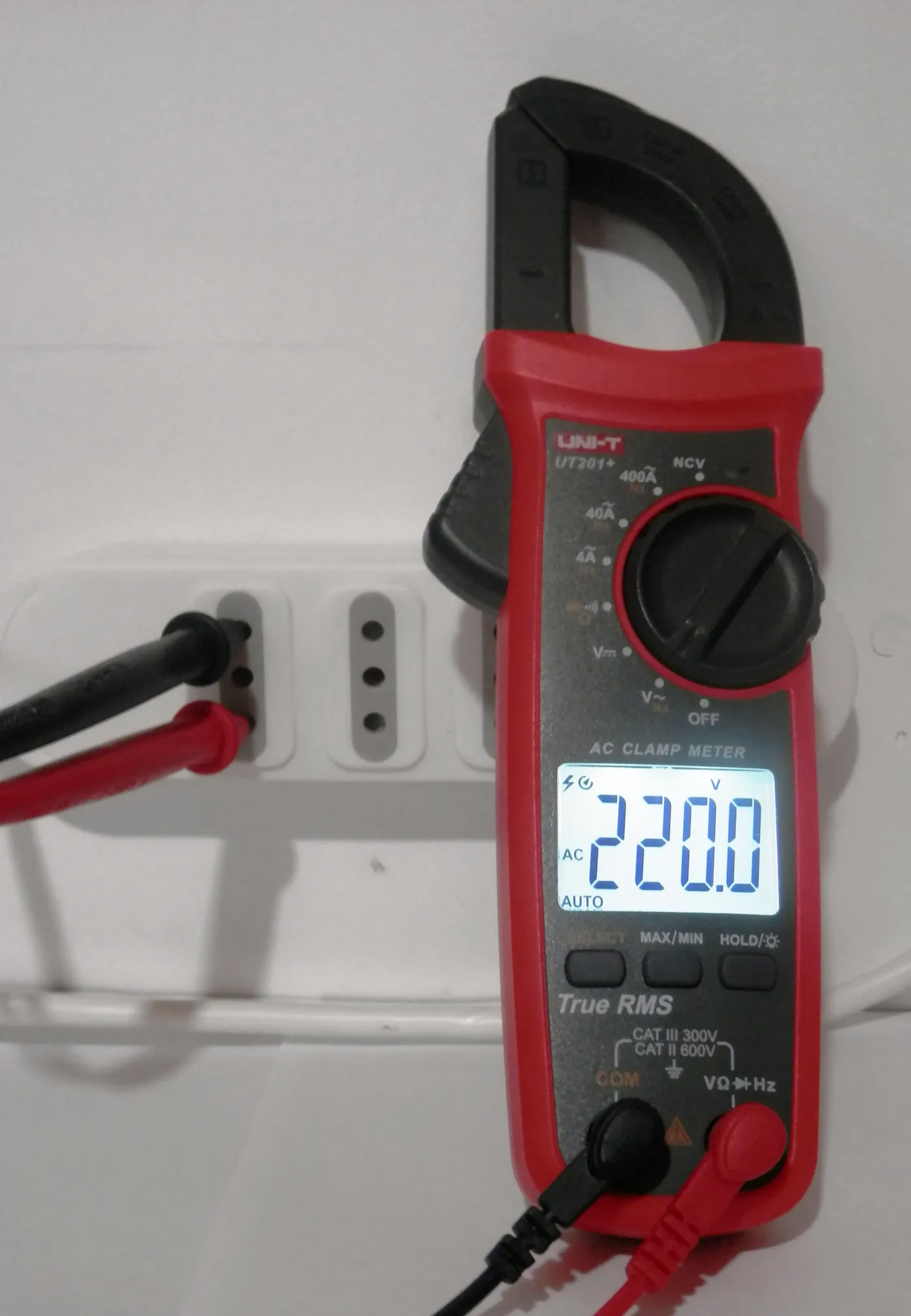
A basic average responding meter can display a misleading voltage on non-sinusoidal power. A true root mean square meter is designed to measure varying waveforms more accurately within its specified limits. Even a correct voltage reading does not show harmonic content, transient response, or brief voltage sag during a motor start.
Total harmonic distortion is one way to describe how far a waveform departs from an ideal sine wave. Lower distortion generally supports broader compatibility, but the number needs test conditions and a defined load. An inverter's behavior can change as load rises or becomes nonlinear. Frequency regulation and voltage regulation also matter.
Do not treat the word pure as proof of every performance claim. Look for a complete manual, continuous and surge ratings, temperature derating, protection behavior, waveform or distortion specification, and safety certification applicable to the market. Generator users face a related power quality question, discussed in generator THD and sensitive electronics.
Size the inverter after choosing the waveform
First identify every load that may operate at the same time. Record running watts and starting demand. Add the simultaneous running loads, then include the largest credible surge on top of the loads already running. Do not add every nameplate maximum blindly, but do account for automatic equipment that can overlap.
Next verify that the inverter can deliver the required output at the expected ambient temperature and battery voltage. Continuous ratings may be reduced in hot compartments. Surge duration matters as much as the surge number. A motor that needs several seconds cannot use a rating available only for an extremely brief event.
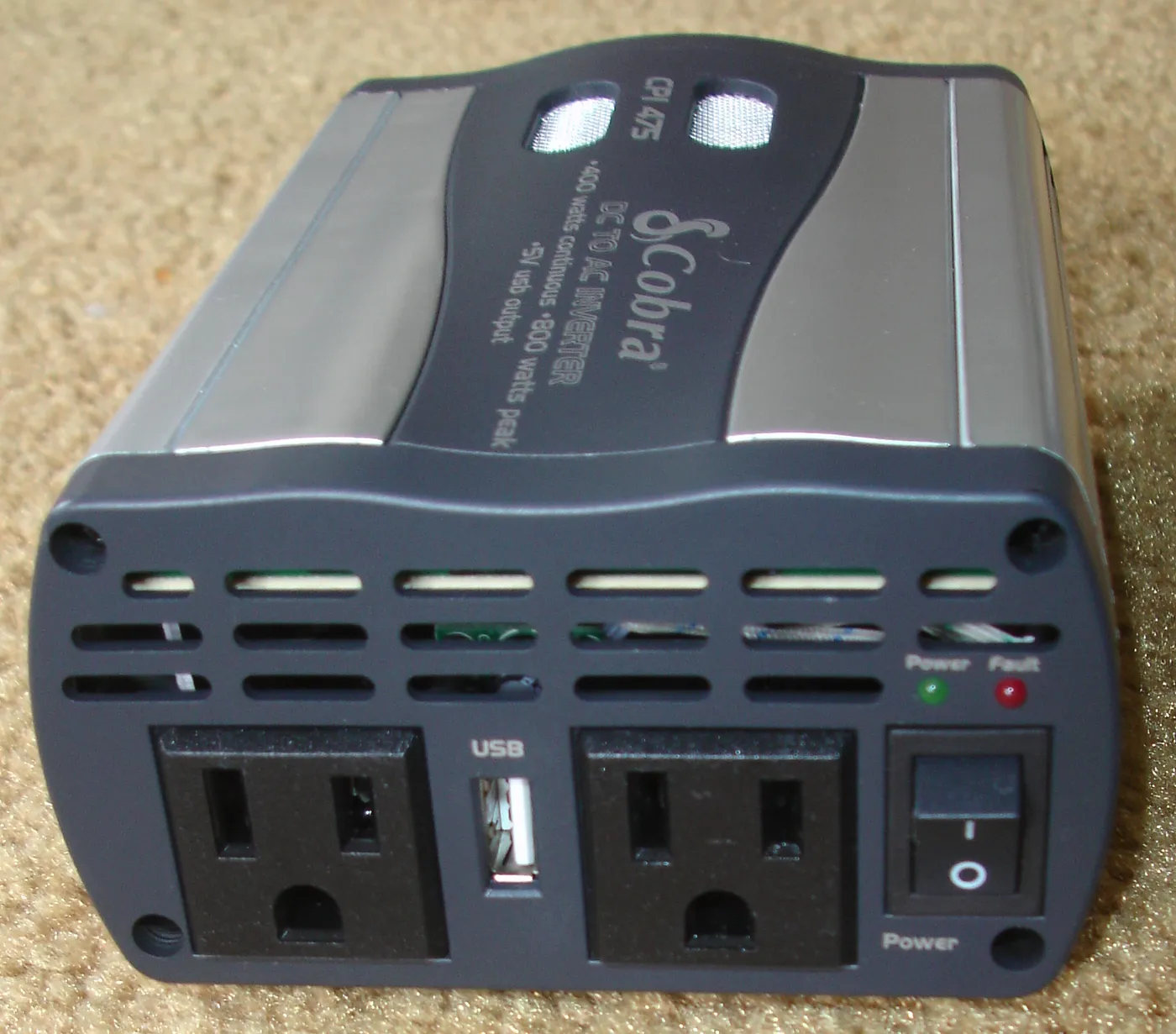
Finally, size the DC side. Dividing AC watts by battery voltage gives only an ideal starting estimate. Allow for inverter loss, low battery voltage, and peak current. Follow the inverter manual for cable length, conductor size, fuse or breaker, disconnect, and terminal hardware. A high output inverter on a low voltage battery bank can draw very high current.
Installation safety is not optional
Mount the inverter in the orientation and clearances specified by its manufacturer. Keep ventilation openings clear and protect the unit from water, fuel vapor, corrosive battery gases, loose objects, and combustible storage. Do not install equipment intended for a dry interior where rain or road spray can reach it.
The battery positive conductor needs correctly selected overcurrent protection placed according to the installation instructions. The protection is intended to stop a cable fault, not merely protect the inverter. Use an accessible disconnect and secure cables against abrasion and movement. Torque terminals to specification and recheck them as directed.
Grounding and neutral bonding depend on the inverter design, transfer equipment, and whether the system is mobile or fixed. Do not add or remove a neutral bond based on a forum shortcut. Multiple bonds can create objectionable current paths, while a missing required bond can prevent protective devices from operating as intended. Follow the product manual and applicable electrical rules, and use a qualified installer where required.
Never connect an inverter output to a building receptacle to energize wiring backward. A home connection requires listed transfer equipment that prevents simultaneous connection to the utility. The principles are explained in how to safely connect a generator to a house.
When modified sine wave can still make sense
A modified sine inverter can serve a narrow, fixed load list when every device is explicitly compatible and the consequences of failure are minor. Simple lighting or a basic resistive tool may be acceptable. The system should not be expected to accept unknown guest devices or future appliance changes without another compatibility check.
This narrow case becomes less attractive when the inverter is built permanently into an RV, van, cabin, or emergency system. Loads tend to change. Someone plugs in a charger, replaces an appliance with an electronically controlled model, or adds a motor. Pure sine output preserves flexibility and reduces the need to police every plug.
A modified waveform should not be chosen for critical medical loads, valuable electronics, or equipment whose manufacturer requires sine wave input. If uncertainty remains, the conservative choice is pure sine wave.
How to choose for an RV or campsite
Begin with the RV's actual use. A small camping system that charges phones and runs lights has different requirements from an RV that operates a residential refrigerator, entertainment equipment, air conditioner, and kitchen appliances. Future additions matter because a permanently installed inverter often remains through several appliance changes.
Confirm whether the inverter includes a transfer switch or charger and how it coordinates with shore power or a generator. Output waveform, transfer time, neutral handling, charging profile, and remote controls should work as one system. An inverter generator is a different product that uses an engine to make electricity, as explained in inverter generator vs conventional generator. Buyers considering that source can compare the best inverter generators.
Keep battery capacity in the decision. A pure sine inverter capable of a large load does not ensure that the battery can sustain it. High draw cooking, heating, and cooling can empty a modest battery rapidly. Design from daily energy as well as peak power.
Also decide which outlets the inverter will energize. A dedicated inverter circuit makes the boundary clear and can prevent large electric heating loads from being connected accidentally. A whole panel arrangement needs deliberate load management and suitable transfer equipment. Labels should identify inverter supplied receptacles and the maximum system capability so another user does not unknowingly add an incompatible appliance.
Test the finished installation before travel. Begin with light loads, then reproduce the heaviest allowed combination and the most difficult motor start. Watch for overload indications, unexpected transfer behavior, hot connections, fan operation, and unusual sound from appliances. Repeat the check after replacing a major appliance because the new device may use a different input circuit even when its advertised function is unchanged.
Carry the manuals and a clear, simple written shutdown procedure. If a load begins buzzing, smelling hot, cycling unexpectedly, or displaying an error, disconnect it rather than assuming the behavior is harmless. A successful short test does not authorize operation beyond the equipment ratings or in a compartment that becomes hotter during extended use.
Frequently asked questions
Will modified sine wave damage every electronic device?
No. Some devices operate on it, while others become noisy, hot, inefficient, inaccurate, or inoperative. The response depends on the exact input circuit. Compatibility with one model does not prove compatibility with another.
Can a pure sine wave inverter run any appliance?
Not automatically. It must still provide adequate continuous output and starting surge, use a suitable battery bank, and be installed correctly. Some appliances also have grounding, neutral, or power quality requirements that must be checked.
Why does a motor hum on modified sine wave power?
The stepped waveform contains harmonic energy that can create magnetic and mechanical effects not present with smooth utility power. That energy may appear as audible noise and extra heat instead of useful shaft power.
Does pure sine wave improve battery runtime?
It can improve the behavior and efficiency of some loads, especially motors, but runtime depends on the complete system. Inverter conversion efficiency, idle draw, cables, battery condition, temperature, and appliance duty cycle also matter.
How can I tell which waveform an inverter produces?
Read the manufacturer's specification and manual. Product appearance and outlet type do not reveal waveform. If documentation only uses vague terms, obtain written clarification before using it with a sensitive load.
Is a stepped waveform safe for medical equipment?
Do not assume so. Follow the medical equipment manufacturer's approved power requirements and consult the provider when needed. Critical equipment also requires a documented backup plan and redundancy.
Review the plan annually.
Bottom line
Pure sine wave is the practical default for a mixed, valuable, or changing load list. It supports motors, electronic controls, audio equipment, chargers, and sensitive devices with fewer compatibility concerns when the inverter is correctly sized. Modified sine wave belongs in a limited system where each simple load is specifically known to accept it. Choose waveform first, then verify continuous watts, surge duration, battery capacity, DC wiring, protection, ventilation, grounding, and transfer arrangements. A smooth waveform cannot rescue an undersized or unsafe installation, but the wrong waveform can undermine an otherwise adequate power system.