
The choice changes after the first night
A short demonstration can make either backup source look ideal. A solar generator powers a refrigerator, lamp, and phone without engine noise. A gas generator starts the same equipment and appears ready to continue for hours. The real difference often arrives the next morning. The battery may need more solar energy than cloudy weather can provide, while the gas generator may need fuel that is difficult to obtain during a regional outage.
That is why a solar generator vs gas generator decision cannot be settled by comparing one watt number. Both systems have an output ceiling, but they replenish energy in completely different ways. A solar generator stores electricity in a battery and depends on a charging source. A gas generator converts fuel into electricity whenever its engine runs. One favors quiet, clean operation at the point of use. The other favors rapid refueling and sustained production.
The right choice begins with a daily energy plan. Identify the essential devices, their running watts, their starting surge, and how many hours they operate. Then evaluate the operating environment. A battery beside a bed, a generator in a yard, a solar array at a shaded campsite, and a generator near an RV each face different limits. A useful comparison must account for all of them.
What solar generator actually means
A solar generator is not a generator in the mechanical sense. It is usually a portable power station containing a rechargeable battery, inverter, charge controller, outlets, and protective electronics. Solar panels are one possible input. Most units can also recharge from an AC outlet, and many accept power from a vehicle connection or another approved source.
The battery stores direct current energy. The inverter converts that energy into alternating current for household appliances. USB and regulated DC outputs may serve compatible devices without passing through the AC inverter. That can reduce conversion losses when the direct connection meets the device requirements.
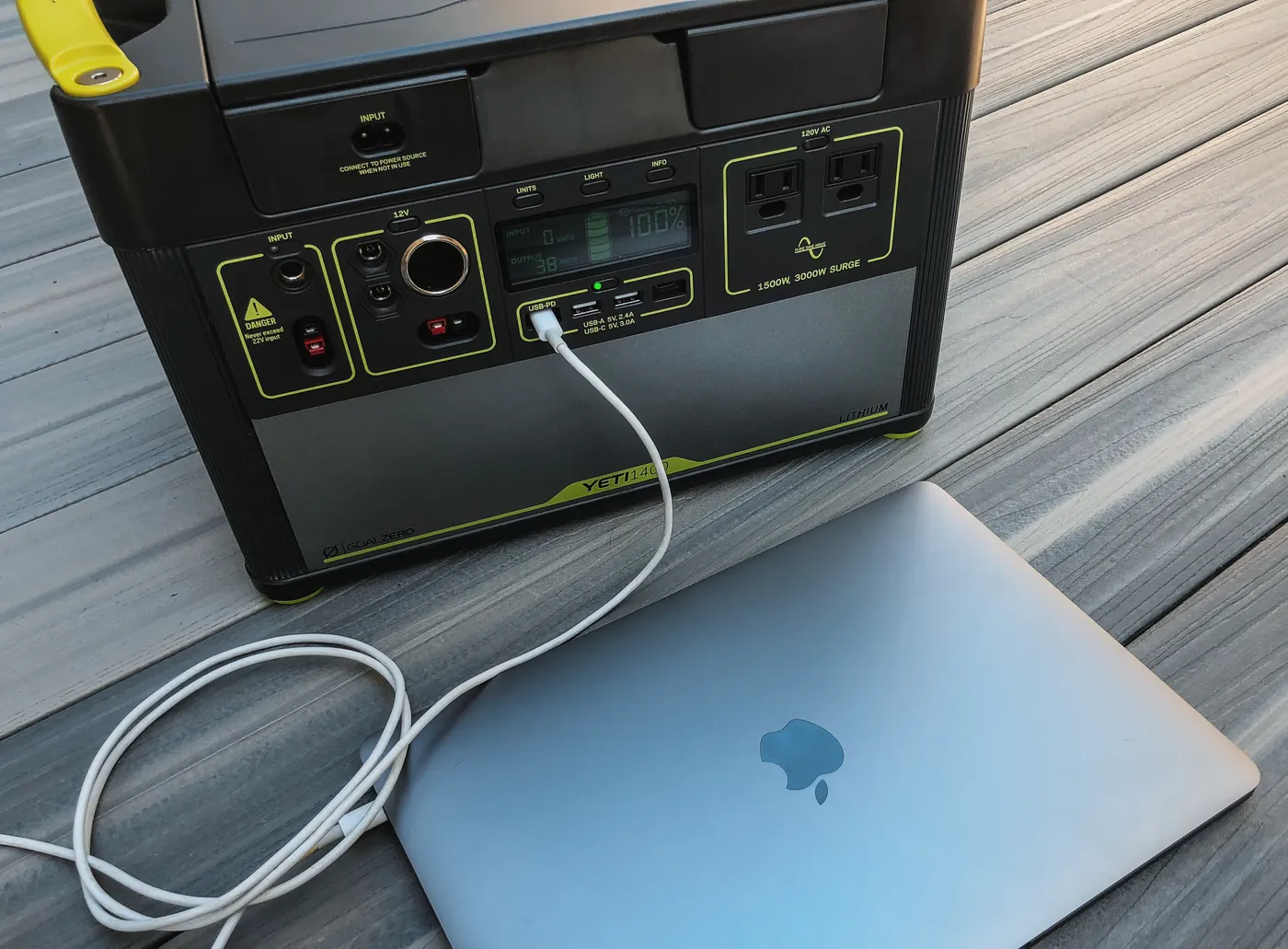
Three ratings matter. Battery capacity in watt hours describes stored energy. Continuous inverter watts describe how much AC load can operate at once. Surge capability describes a brief higher output that may help start motors and compressors. A large battery does not guarantee a powerful inverter, and a powerful inverter does not guarantee long runtime.
How a gas generator delivers power
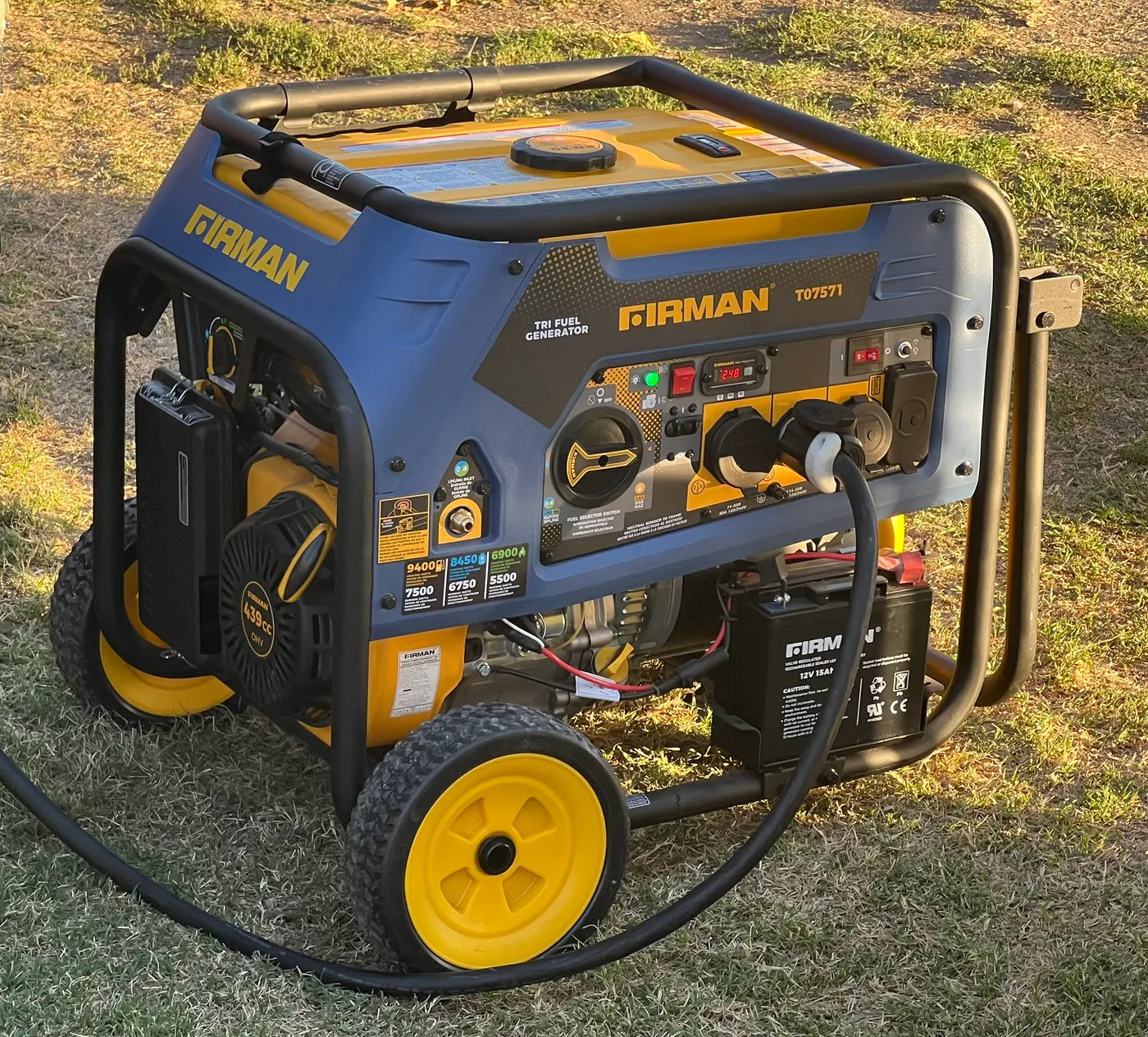
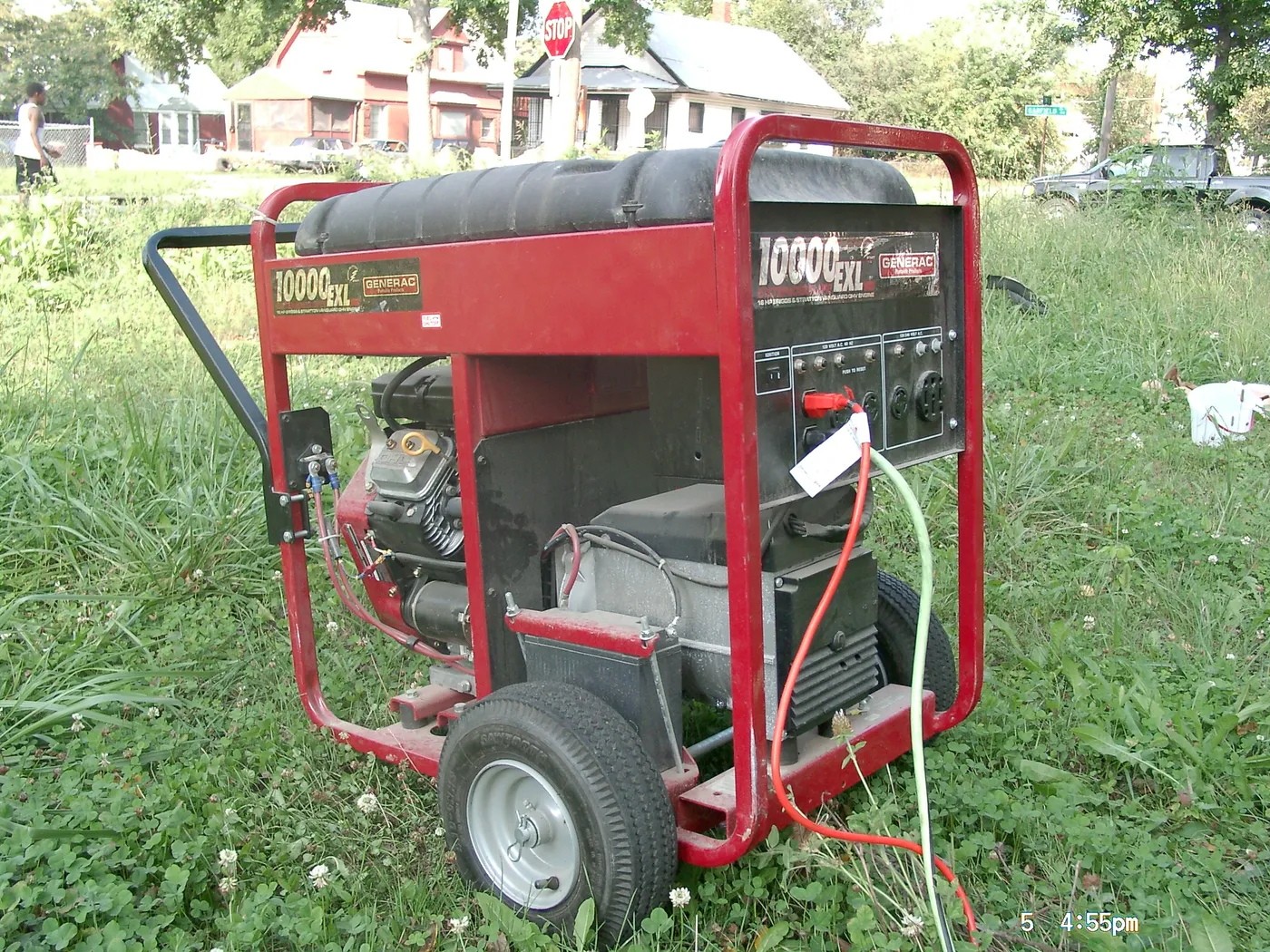
A gas generator uses an internal combustion engine to turn an alternator. The machine produces electricity while the engine runs and stops producing when the engine is shut down. Inverter generators add electronic conversion that can improve waveform control and allow engine speed to respond more closely to load. Conventional portable generators generally link electrical frequency more directly to engine speed.
Generator ratings normally include running watts and a higher starting value. Running watts are the sustained load the machine is designed to support. Starting watts cover a short surge from a motor or compressor. The available output may change with fuel type on dual fuel or tri fuel models, altitude, temperature, and other conditions identified by the manufacturer.
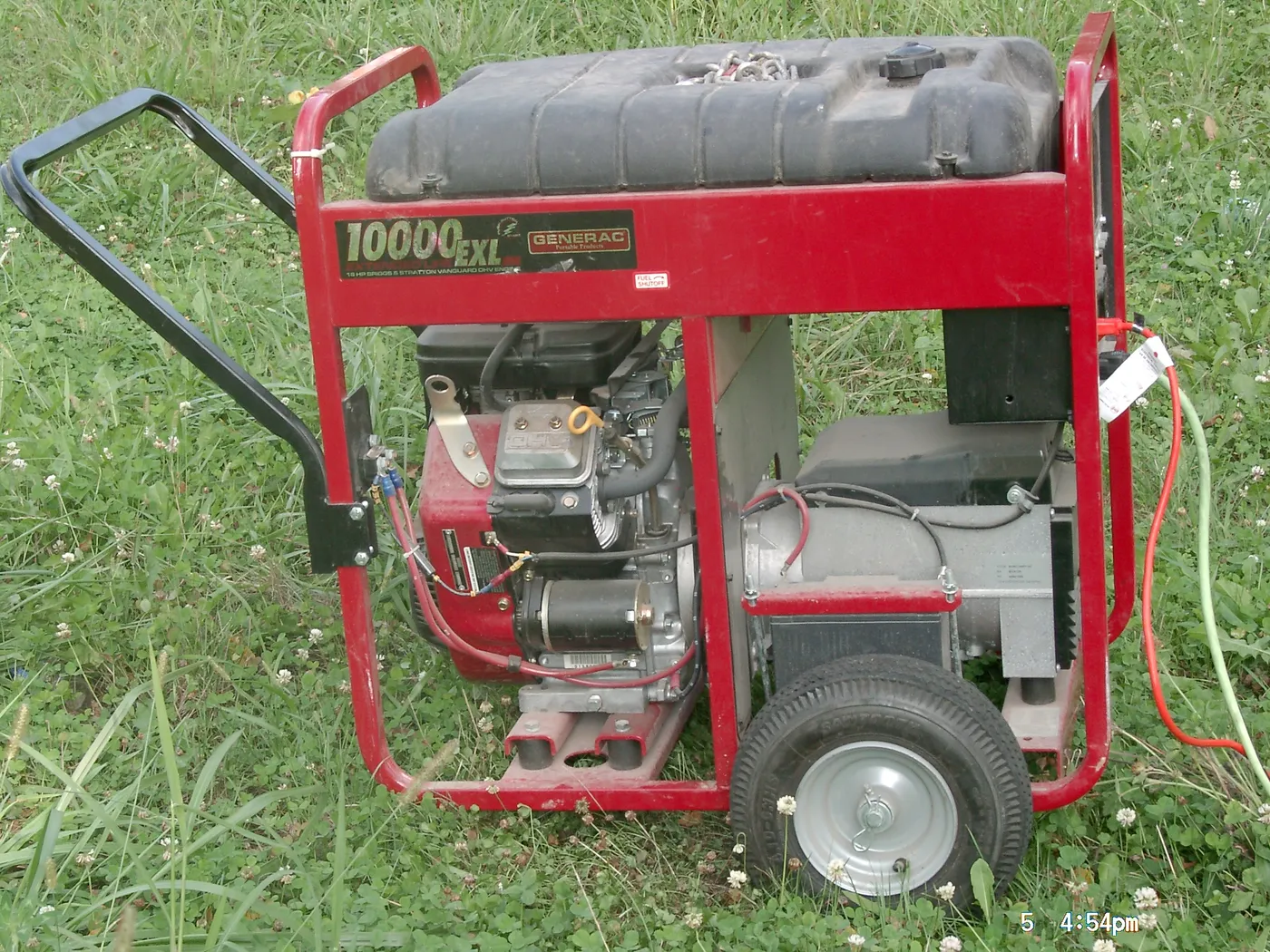
Runtime depends on tank capacity and load. Published runtime commonly reflects a particular load level that may not match the household plan. Additional approved fuel can extend operation, but refueling is not performed with a hot or running engine. The generator must be shut down and allowed to cool according to its manual.
Gas generators also need oil, ventilation, periodic exercise, and engine maintenance. Fuel can age during storage, and a machine that has been ignored for months may not start when an outage arrives. The ability to add fuel quickly is a major advantage only when the fuel and generator are actually ready.
Solar and gas comparison at a glance
| Decision factor | Solar generator | Gas generator |
|---|---|---|
| Energy source | Stored battery energy, replenished by compatible charging inputs | Gasoline converted to electricity by an engine |
| Operation | Quiet, with no combustion exhaust during discharge | Engine noise, exhaust, vibration, and heat |
| Runtime limit | Usable watt hours and incoming charge | Fuel supply, tank capacity, and load |
| Energy replenishment | Requires time and an electrical or solar source | Refill after safe shutdown and cooling |
| High draw loads | Possible when inverter and battery support them, but energy drains quickly | Often better suited to sustained heavy loads when correctly sized |
| Maintenance | Battery storage, cable inspection, ventilation, and periodic charging | Oil, fuel system, filter, spark plug, battery, and exercise schedule |
| Indoor placement | Often permitted for discharge when manual conditions are met | Never operate indoors or in a garage |
| Weather dependence | Solar recovery varies with sun and panel conditions | Operation depends on usable fuel and safe outdoor conditions |
Output watts and starting surge
Begin sizing with simultaneous running watts. Add the loads that may operate at the same time. Then account for the largest starting event likely to occur while those loads are running. A refrigerator, well pump, air conditioner, or power tool can briefly require more power at startup than during normal operation.
Do not assume every motor starts at once, but do not ignore automatic overlap. A refrigerator and sump pump may start without warning. If both are essential, the source needs enough headroom or the operating plan must prevent simultaneous starts. The article on running watts vs starting watts explains how to build this load scenario without adding every surge number blindly.
A solar generator may advertise a surge rating, but the duration and protective behavior vary by model. Some power stations offer a mode that reduces voltage to keep certain resistive appliances operating. That is not equivalent to full power and may be unsuitable for motors or sensitive electronics. Verify the manual rather than treating a marketing mode as extra inverter capacity.
A gas generator also needs headroom. Repeated overloads can trip breakers, cause unstable voltage, stall motors, or shorten equipment life. If clean power is important, consider generator topology and waveform quality along with watts. The comparison of inverter and conventional generators covers the practical differences.
Runtime is really an energy budget
Battery runtime can be estimated from usable watt hours divided by average load watts. The result must be reduced for inverter consumption, conversion loss, wiring loss, temperature, and the reserve the user chooses to keep. A 1,000 watt appliance does not necessarily consume 1,000 watts continuously. Thermostatically controlled equipment cycles, while a light or communications device may run steadily.
Daily watt hours provide a better planning unit than instantaneous watts. Multiply each device's average watts by hours of operation, then add the results. For cycling appliances, use reliable energy data or measure representative consumption before the outage. This calculation shows whether the battery can last overnight and whether solar input can replace the next day's use.
A gas generator runtime estimate requires expected load and fuel consumption. A brochure result at a light load does not describe operation near rated output. Heavy loading generally consumes fuel more quickly, while long periods at very light load may be inefficient. The article on generator runtime on a tank explains why tank size alone is not enough.
Solar recharging is variable by design
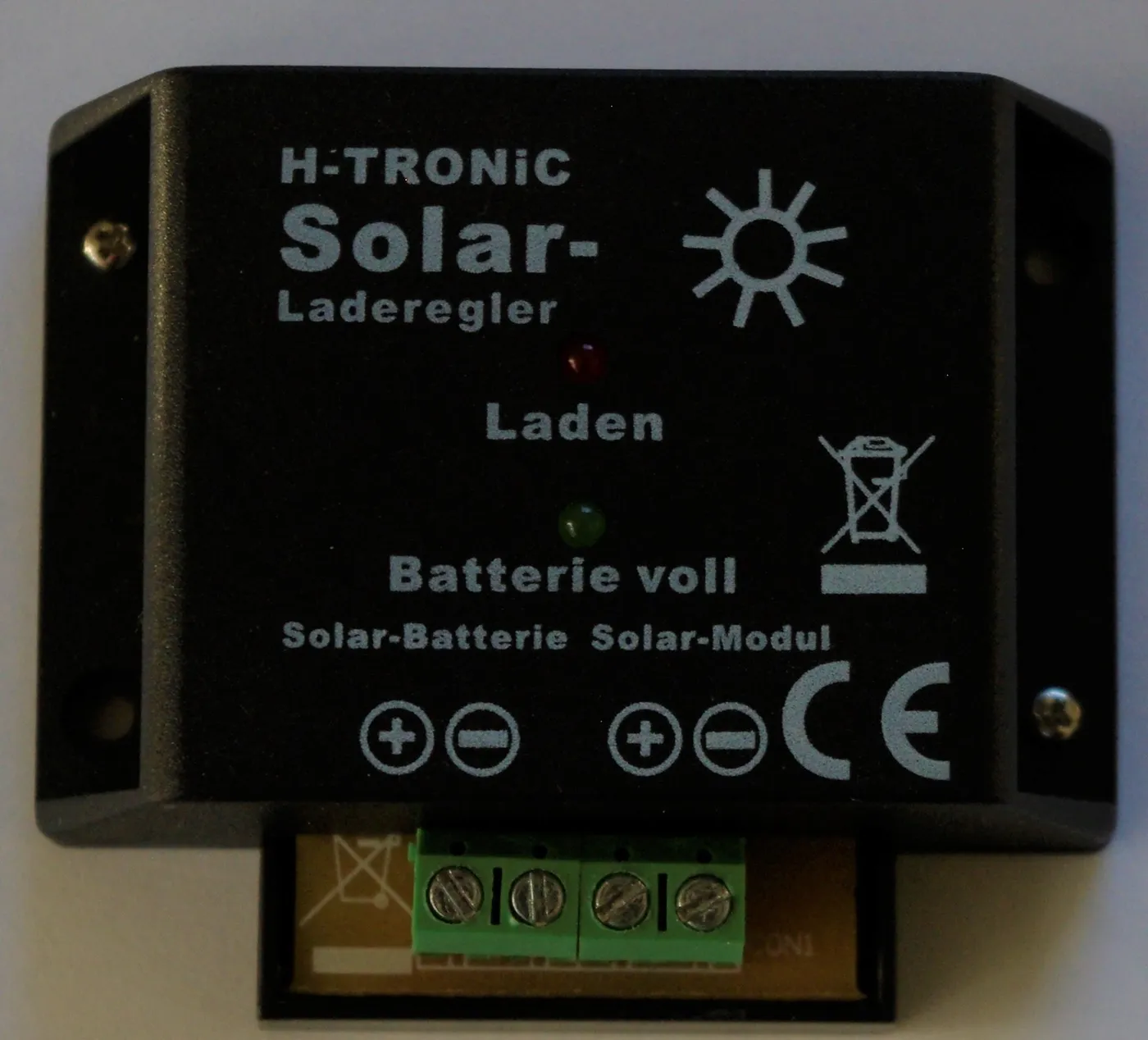
Solar charging is attractive because it does not require fuel deliveries, but it is not constant. Panel nameplate output is measured under defined conditions. Field production changes with sun angle, clouds, shade, panel temperature, dust, cable loss, and charge controller behavior. A panel array can produce useful energy on a bright day and far less during a storm.
The station also has an input ceiling and a permitted voltage range. Adding more panel wattage does not help after the controller reaches its limit, and exceeding the voltage specification can damage equipment. Series and parallel panel arrangements change voltage and current differently. Use configurations approved by the power station manufacturer and connectors with the correct polarity.
Buyers building a general emergency system can compare input limits and expansion options in the best solar generators guide. RV users should also consider mounting, port selection, and travel loads in the best RV solar generators roundup.
Fuel access is not guaranteed
A gas generator can be refueled much faster than a large battery can recharge, but only when fuel is available. Widespread outages can close stations, disable pumps, interrupt deliveries, and create long queues. A household should not assume that buying fuel after the storm will be easy.
Fuel planning must also include safe refueling. Never add gasoline while the generator is running or hot. Spilled fuel can ignite on hot engine parts. Shut the machine down, disconnect or turn off loads as directed, allow cooling time, and refuel in a suitable outdoor location.
The useful comparison is therefore recharge resilience against fuel resilience. Solar energy may remain available when roads are blocked, but weather can reduce collection. Gasoline can restore energy quickly, but supply chains can fail. Households in storm regions often gain resilience by avoiding dependence on only one replenishment path.
Noise, nighttime use, and neighbors
A solar generator produces no engine noise. Cooling fans may operate during charging or high output, and relays can click, but the sound is generally easier to live with than combustion. That makes stored battery power useful beside sleeping areas, in an RV during quiet hours, and in dense neighborhoods.
A gas generator can remain disruptive even when marketed as quiet. Sound changes with load, distance, surrounding surfaces, and placement. Moving the machine farther away can reduce noise at the house but requires appropriate cord length and conductor size to control voltage drop. Noise barriers must never block ventilation or trap exhaust.
A hybrid schedule can use the gas generator during permitted daytime hours to serve heavy loads and recharge a power station. The battery then carries lights, communications, and other modest loads overnight. This does not eliminate energy limits, but it can reduce fuel consumption, noise, and unnecessary engine hours.
Home outage use calls for priorities
For a home, begin with refrigeration, communications, lighting, medical needs, water supply, and weather related loads. Electric resistance heat, central air conditioning, electric water heating, and cooking can dominate the energy budget. A solar generator may technically run one of these devices but lose most of its charge quickly.
A gas generator is often more practical for a pump or multiple household circuits, provided it is sized correctly and can operate safely outdoors. A solar generator excels at small distributed loads and can remain indoors while discharging. Carrying cords from one battery location may be simpler than routing several outdoor generator cords through approved openings.
Neither source should be connected to a wall outlet to energize the house. Backfeeding can expose utility workers and neighbors to lethal voltage. Circuit level backup requires approved transfer equipment, a suitable inlet, correct neutral treatment, and installation that follows local rules. The guide to safely connecting backup power to a house explains the boundary that transfer equipment provides.
Some large solar generators offer split phase or higher voltage configurations. Those capabilities require compatible equipment and do not automatically make a unit suitable for a service panel. Shoppers with a verified high voltage need can review the best 240V solar generators, then confirm the installation with a qualified electrician.
RV and camping priorities
At a campsite, a solar generator offers quiet operation, simple startup, and no exhaust at the point of use. It is well matched to electronics, lights, fans, water pumps, and other modest loads. Solar panels can extend a trip when the site receives useful sun and daily consumption stays within the collection budget.
A gas generator is better suited to repeated air conditioner use and other high draw appliances. However, campground quiet hours, exhaust direction, neighboring sites, and fuel storage may limit its use. An operating generator should never sit beneath an awning or near an RV window, door, roof vent, or neighboring occupied space.
Check more than wattage before connecting either source to an RV. Receptacle type, grounding instructions, neutral configuration, adapter ratings, and energy management systems all matter. Turning on air conditioning, electric water heat, a microwave, and a converter together can overload a source that handles each device separately.
For light travel where capacity and portability matter more than air conditioning, a smaller unit may be appropriate. The best 300W solar generators guide addresses compact loads rather than implying that a small station can run an entire RV.
Safety differences cannot be compromised
A gas generator produces carbon monoxide, a colorless and odorless gas that can kill. It must operate outdoors, at least 20 feet from the house, with exhaust directed away from windows, doors, vents, and occupied spaces. A garage, shed, carport, porch, basement, or partly enclosed area is not a safe substitute. Working carbon monoxide alarms belong on every level and outside sleeping areas.
Generators also add hot surfaces, flammable fuel, electrical exposure, and moving parts. Keep the machine dry without enclosing it, use cords rated for the load and environment, and inspect plugs and insulation. Shut down and cool before refueling. Never reach into the machine or remove guards while it operates.
A solar generator has no combustion exhaust during discharge, but its battery stores substantial energy. Protect it from impact, water, excessive heat, blocked vents, incompatible chargers, and incorrect solar voltage. Stop using a battery that is swollen, cracked, leaking, unusually hot, smoking, or producing an unusual odor. Move away and contact emergency services if fire or thermal runaway is suspected.
Do not place either source in standing water or handle electrical connections with wet hands. Follow model specific grounding instructions. Generic claims that every portable source must be grounded in exactly the same way ignore differences in bonding, transfer equipment, and connection method.
Maintenance and long term readiness
A solar generator needs less mechanical maintenance, but it is not maintenance free. Store it within the manufacturer's temperature range and at the recommended state of charge. Inspect it periodically, recharge on schedule, and verify that outputs and charging cables work. Keep connectors clean and protect panels from damage during transport and storage.
Battery capacity gradually declines with age and use. Extreme temperatures, repeated deep discharge, and unsuitable long term storage can accelerate degradation. A displayed full charge years later does not prove that the battery still delivers its original energy. A periodic controlled runtime check with a known modest load can reveal significant loss without claiming laboratory precision.
A gas generator follows an engine maintenance schedule. Oil changes, air filter service, spark plug inspection, fuel system care, starting battery checks, and exercise intervals depend on the model. Record hours and dates. Run exercise tests outdoors under safe conditions, and apply a suitable load if the manual requires it.
How to choose without guessing
Choose a solar generator when essential loads are modest, silence matters, indoor discharge is valuable, and there is a credible way to recharge. It is especially compelling for electronics, lighting, communications, and short outages. Increase capacity only after calculating daily energy, since buying a larger battery without enough charging input merely postpones depletion.
Choose a gas generator when loads are heavy, the outage may be long, and rapid refueling is practical. It is often the stronger choice for pumps, several household circuits, power tools, and repeated air conditioner use. The plan must include safe outdoor placement, carbon monoxide alarms, fuel storage, and maintenance.
Choose both when the risks justify two energy paths. The generator can handle high demand and recharge batteries during a limited daytime window. The solar generator can cover quiet nighttime loads and provide basic power when fuel is unavailable. A hybrid setup costs more and requires more planning, but it reduces dependence on one weather pattern or one fuel supply.
Before buying, write the load list, calculate daily watt hours, identify the largest starting surge, and map the operating locations. Then compare manuals for continuous output, surge duration, charging limits, temperature range, noise information, and maintenance. This process reveals more than a simple category label.
Frequently asked questions
Can a solar generator run a refrigerator?
Yes, if its inverter supports the refrigerator's running watts and compressor starting surge, and its battery has enough usable energy for the desired duration. Refrigerators cycle, so daily energy use matters more than the running watt figure alone. Account for inverter loss and other devices connected at the same time.
Can solar panels recharge a power station while it is running?
Many stations support charging while supplying loads, but behavior and limits vary. Incoming solar power may serve part of the load while the battery supplies the remainder. Confirm the manual, stay within input voltage and current limits, and do not assume panel nameplate output will be available continuously.
Is a gas generator better for a long outage?
It often is when fuel remains available and heavy loads must run for many hours. Refueling restores energy faster than typical solar charging. However, a gas generator is not useful without safe outdoor placement, maintenance, and a dependable fuel plan. Regional fuel shortages can remove its runtime advantage.
Can a solar generator be used indoors?
A battery power station can generally discharge indoors when the manufacturer permits the environment because it has no combustion exhaust. It still needs ventilation and protection from water, heat, impact, children, and pets. Do not cover cooling vents or charge it in a sealed compartment.
Can a gas generator charge a solar generator?
Often yes, using the station's approved AC charger if the generator output meets its requirements. Check both manuals. Keep the battery away from exhaust, fuel, rain, and vibration. Unstable generator output may cause the charger to reject power or operate poorly.
Which source is cheaper to operate?
The answer depends on solar availability, battery aging, fuel consumption, maintenance, load, and frequency of use. Solar energy has no fuel purchase during operation, but panels and battery capacity are finite assets. A gas generator consumes fuel and maintenance supplies whenever it runs. Compare total use over the intended service life rather than one charging session or tank.
Bottom line
A solar generator is the better fit for quiet indoor backup, electronics, modest loads, and situations where solar or grid charging can replace daily consumption. A gas generator is the better fit for sustained high output and long outages when fuel and a safe outdoor operating site are available. Neither category escapes energy limits. The solar system runs out when consumption exceeds stored energy and recharge. The gas system stops when fuel, maintenance, or safe operating conditions fail. Build the decision around daily watt hours, starting surge, replenishment after the first night, and nonnegotiable safety requirements. For many households and RVs, a planned combination provides the most flexible answer.